Texas Native Plants To Replace Knockout Roses In Summer Heat
Knockout roses earned their popularity for good reasons. They bloom heavily, they are disease resistant compared to traditional roses, and they bring reliable color to Texas landscapes without demanding expert level care.
But reliable and well suited to Texas are not always the same thing, and summer heat has a way of exposing the difference.
Even knockout roses struggle through the most intense stretch of a Texas summer, needing more water and attention than most people want to give during the hottest months.
Texas native plants have spent thousands of years sorting out exactly how to handle that heat, and several of them bring just as much color and visual impact as knockout roses without the extra demands.
If you have been propping up roses through brutal summers and wondering if there is a better way, these natives make a strong case for a change.
1. Autumn Sage
Few plants earn their keep in a Texas garden quite like Autumn Sage. Known by its scientific name Salvia greggii, this native shrub has been quietly outperforming fancy imports for decades.
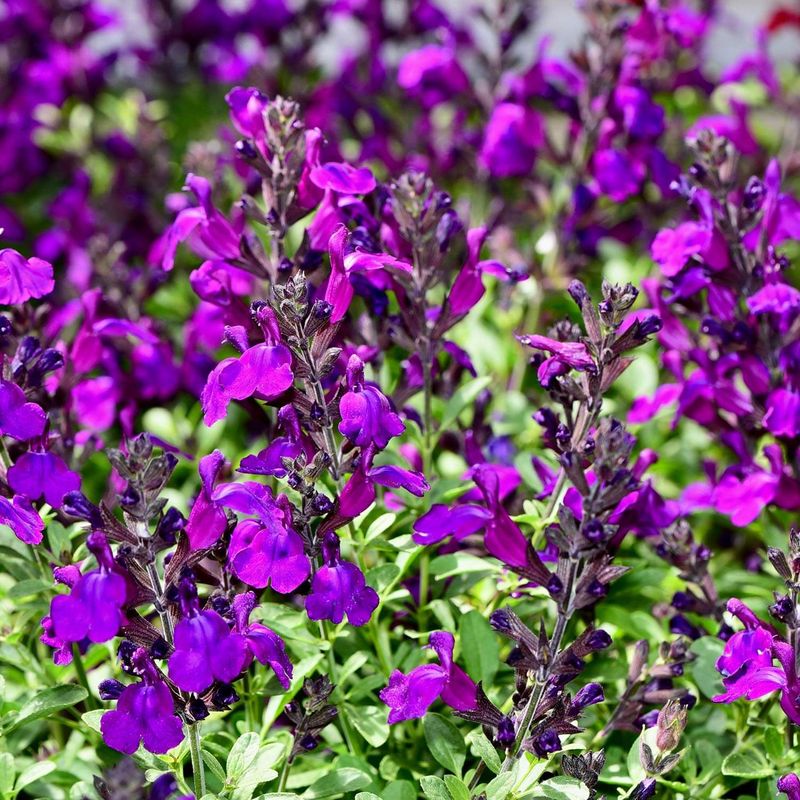
It blooms in shades of red, pink, coral, and even white, making it one of the most colorful low-water plants you can grow.
What makes Autumn Sage so special is its endurance. It can handle full sun, rocky soil, and months without rain.
Most plants would struggle in those conditions, but Autumn Sage actually seems to enjoy them. It grows to about two to three feet tall and wide, making it a great border plant or garden anchor.
Hummingbirds absolutely love it. If you plant a few of these near a window, you will likely get a front-row seat to some amazing wildlife action throughout the warmer months.
The blooms attract pollinators from spring all the way through fall. Caring for Autumn Sage is refreshingly simple. Water it occasionally when it is first getting established, and after that, rainfall usually handles the rest.
A light trim after each flush of blooms encourages even more flowers. You do not need fertilizer or fancy soil amendments.
Plant it in a sunny spot, step back, and let it do its thing. For gardeners tired of babying finicky roses, Autumn Sage is a breath of fresh air that delivers stunning color with almost no effort at all.
2. Turk’s Cap
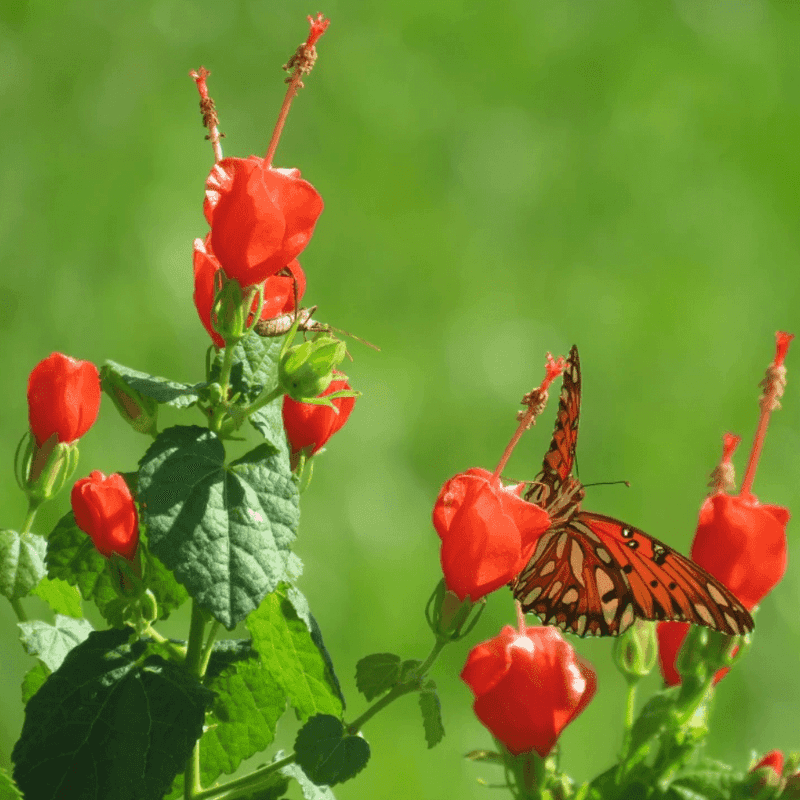
Most flowering plants want full sun, which makes Turk’s Cap something of a rebel. This native Texas shrub actually prefers shade or partial shade, which opens up garden spots that most colorful plants refuse to touch.
If you have a shady corner that feels bare and boring, Turk’s Cap was practically made for it. The flowers are truly one of a kind. Each red bloom twists into a little cap shape, which is exactly where the name comes from.
They never fully open, giving the plant a quirky, playful look that stands out from anything else in the garden. Hummingbirds, butterflies, and bees all visit regularly, so your shady corner becomes a lively wildlife hub.
Your Texas Garden Changes Every Week. Your Plan Should Too.
Gardening in Texas changes quickly throughout the season. Every Friday you’ll receive a simple weekly plan showing exactly what to plant, prune, fertilize, harvest, and protect so you never miss the right timing.
Turk’s Cap is incredibly tough. It handles Texas heat and humidity without missing a beat, and once established, it rarely needs supplemental watering.
It can grow anywhere from two to nine feet tall depending on how much shade and moisture it receives. In shadier, moister spots it gets big and lush. In drier areas, it stays compact.
One of its best qualities is that it comes back strong every year. Even if it looks rough after a cold winter, new growth pushes up from the roots reliably each spring.
You can cut it back hard in late winter to keep it tidy. For gardeners who have struggled to find something colorful for shady spaces, Turk’s Cap solves that problem beautifully and without demanding much in return.
3. Mealy Blue Sage
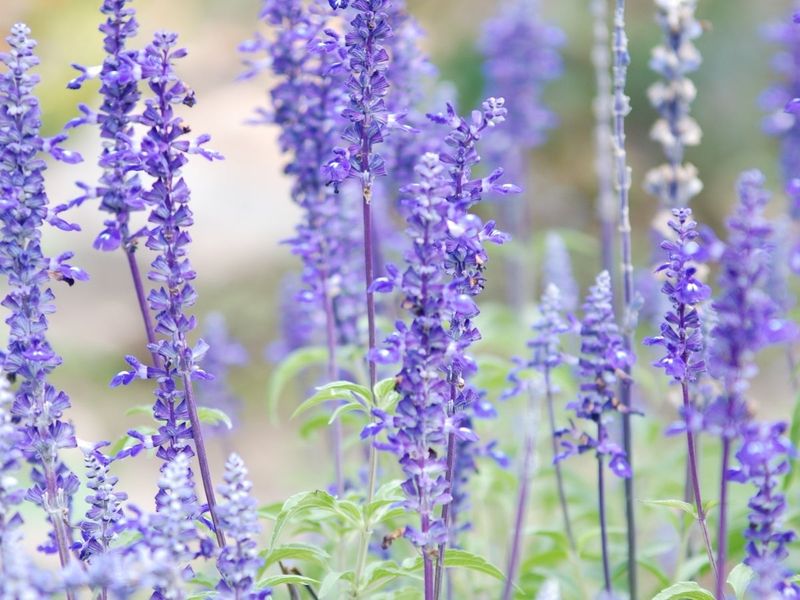
Walk through almost any Texas wildflower meadow in summer and you will likely spot the soft purple-blue spikes of Mealy Blue Sage swaying in the breeze. This native plant has a casual, wildflower charm that looks effortless in the garden.
And honestly, growing it is just about as effortless as it looks. Mealy Blue Sage, or Salvia farinacea, gets its unusual name from the white, powdery coating on its stems and calyxes.
That mealy texture might sound odd, but up close it gives the plant a soft, almost frosted appearance that makes the blue-purple blooms pop even more.
It grows about two to three feet tall and blooms from late spring straight through the first frost.
Pollinators go absolutely wild for it. Bumblebees, butterflies, and hummingbirds visit constantly when it is in bloom.
Planting a mass of Mealy Blue Sage near a vegetable garden can even help improve pollination of nearby crops, making it both beautiful and functional.
Drought tolerance is where this plant truly shines. Once it settles into the ground, it can go weeks without rain and keep right on blooming.
It does best in full sun with well-drained soil, which describes most Texas garden conditions perfectly. Deadheading spent blooms encourages new flower spikes, though the plant will rebloom on its own even without it.
If you want a plant that delivers nonstop color, attracts wildlife, and practically takes care of itself all summer long, Mealy Blue Sage checks every single box.
4. Blackfoot Daisy
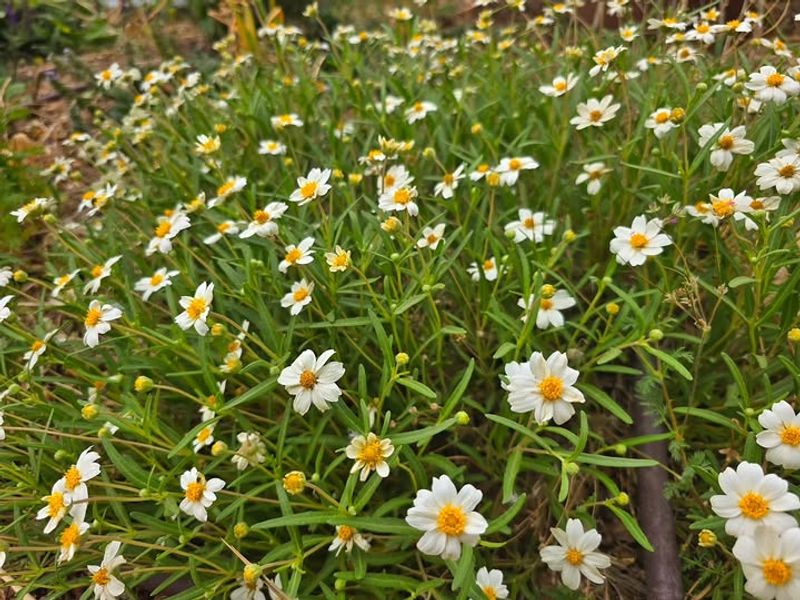
There is something cheerful and reliable about a plant that blooms its heart out even when the ground is bone dry and the sun is blazing. Blackfoot Daisy is exactly that kind of plant.
Its small white flowers with bright yellow centers look like classic daisies, but this native wildflower is built for survival in tough Texas conditions.
The name comes from the dark, foot-shaped base of each seed. Native to Texas, New Mexico, and northern Mexico, Blackfoot Daisy grows naturally in rocky, well-drained soils where most other plants would struggle.
That means it thrives in the kinds of spots that gardeners often find impossible, like rocky slopes, gravel beds, and dry raised planters.
It stays compact, usually reaching about one foot tall and spreading up to two feet wide. That low, mounding shape makes it ideal as a ground cover, edging plant, or front-of-border accent.
It blooms heavily from spring through fall, and in mild Texas winters, it may even keep producing flowers year-round.
Blackfoot Daisy needs almost no care once established. Skip the fertilizer because rich soil actually causes it to fall apart and flop over.
Lean, dry soil keeps it tidy and blooming. Water it occasionally during its first season, and after that, let nature handle things.
The honey-like fragrance of the flowers is a nice bonus that most people do not expect. For a no-fuss, high-impact native plant that delivers season after season, Blackfoot Daisy is hard to beat.
5. Rock Rose
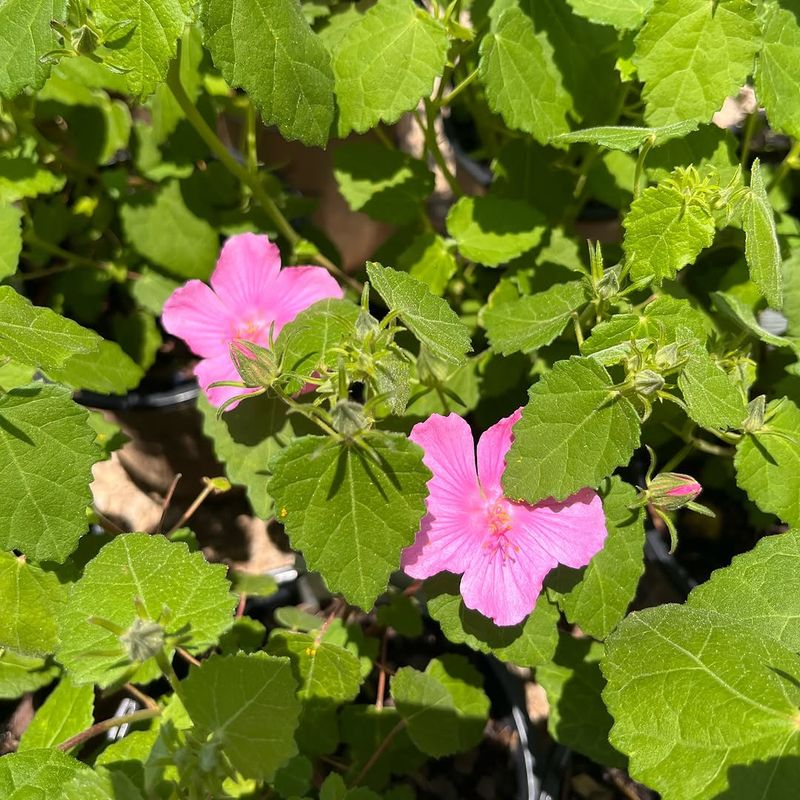
If you have ever seen a plant covered in soft pink blooms on a blazing hot August afternoon while everything else in the garden looks exhausted, there is a good chance it was Rock Rose.
This native Texas shrub has a quiet toughness that surprises a lot of new gardeners. It looks delicate, but it is anything but.
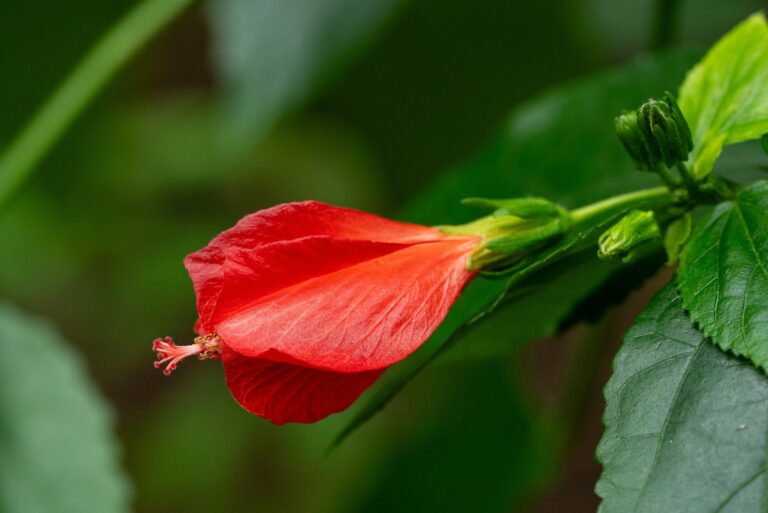
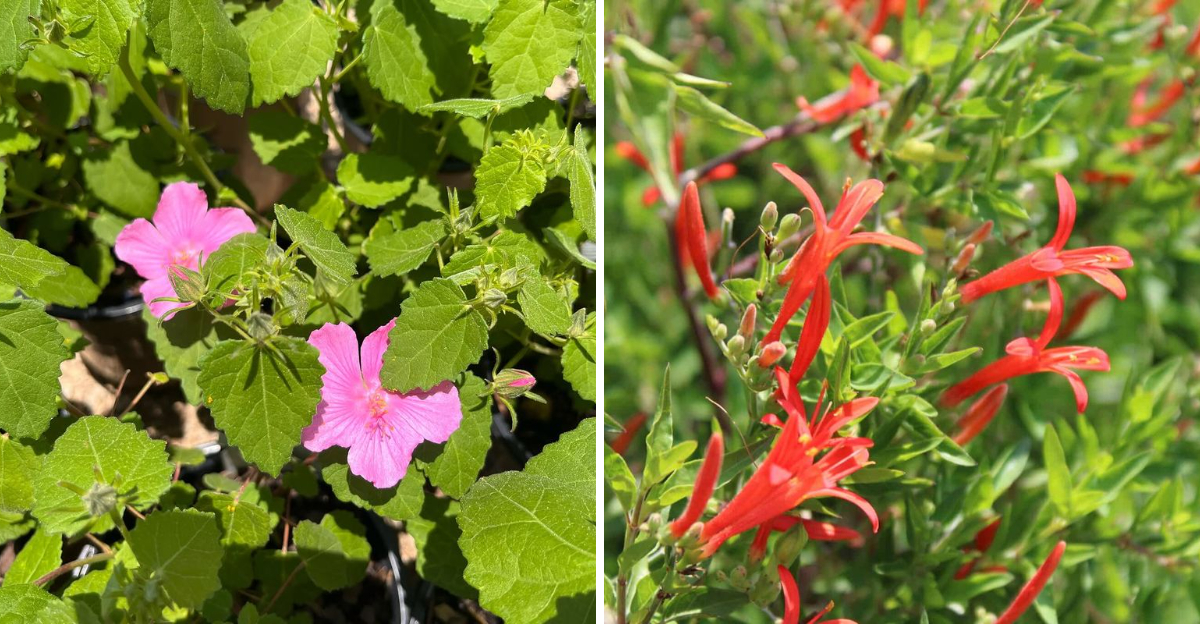
Rock Rose, known scientifically as Pavonia lasiopetala, produces hibiscus-like pink flowers that open fresh each morning. By evening they close, and new buds are already waiting for the next day.
This daily cycle of blooming keeps the plant looking full and colorful for months at a time, from late spring well into fall.
It grows best in partial to full sun and does not mind rocky or poor soil at all. In fact, it prefers lean conditions over rich, amended garden beds.
Overwatering is the one thing that can cause problems, so it is best to treat it like the tough native it is and water sparingly after establishment.
Rock Rose typically grows three to five feet tall and works beautifully as a background shrub, a natural hedge, or a standalone specimen in a dry garden. Hummingbirds and butterflies visit the blooms regularly, adding even more life to the garden.
It reseeds itself gently, so you may find small seedlings popping up nearby each year. For anyone wanting a plant that looks soft and romantic but handles the Texas summer like a champion, Rock Rose is a wonderful choice.
6. Gregg’s Mistflower
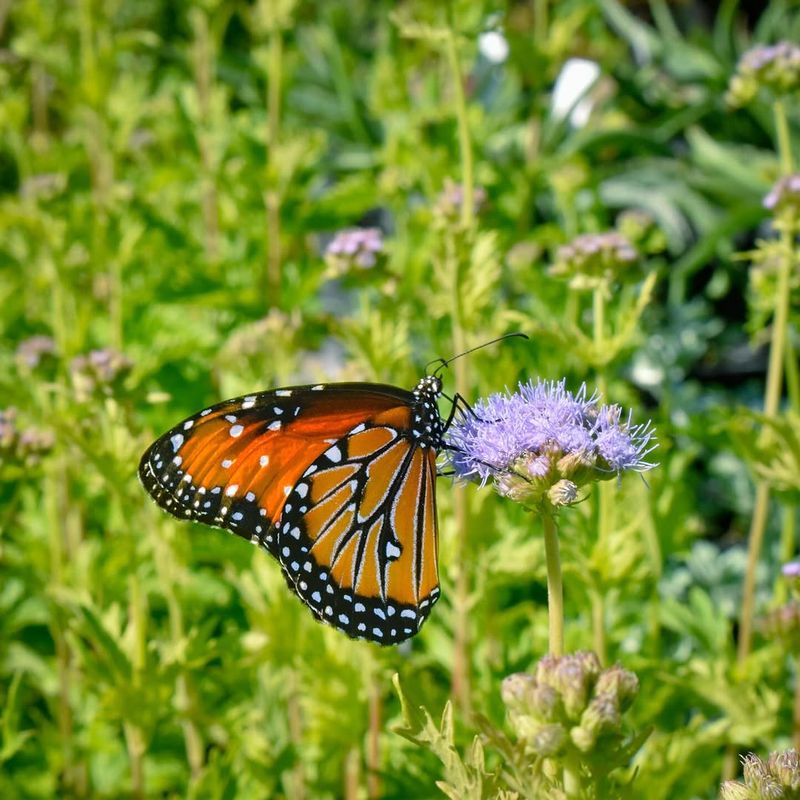
Most plants are hanging on by a thread during late summer in Texas, and color is hard to come by. That is exactly when Gregg’s Mistflower steps in and steals the show.
This native perennial explodes into a cloud of soft lavender-purple blooms right when the rest of the garden is winding down.
Gregg’s Mistflower, or Conoclinium greggii, is often called a butterfly magnet, and that reputation is completely earned. Queen butterflies, in particular, are drawn to it in incredible numbers during their fall migration.
Monarchs, swallowtails, and dozens of other species also visit regularly. Planting a patch of Mistflower is like setting up a butterfly buffet in your own backyard.
The plant spreads naturally by underground runners, which means it fills in bare spots on its own without any help. This spreading habit makes it great for covering slopes, filling awkward spaces, or creating a naturalistic planting along a fence line.
It grows about two to three feet tall and prefers full sun to light shade. Water needs are low once it gets going, though it appreciates a drink during the hottest and driest stretches. Cut it back in late winter and it returns vigorously each spring.
The fuzzy, cloud-like texture of the blooms gives the garden a soft, dreamy look that contrasts beautifully with spikier plants nearby.
If fall color and wildlife activity are high on your gardening wish list, Gregg’s Mistflower should absolutely be part of your landscape plan.
7. Flame Acanthus
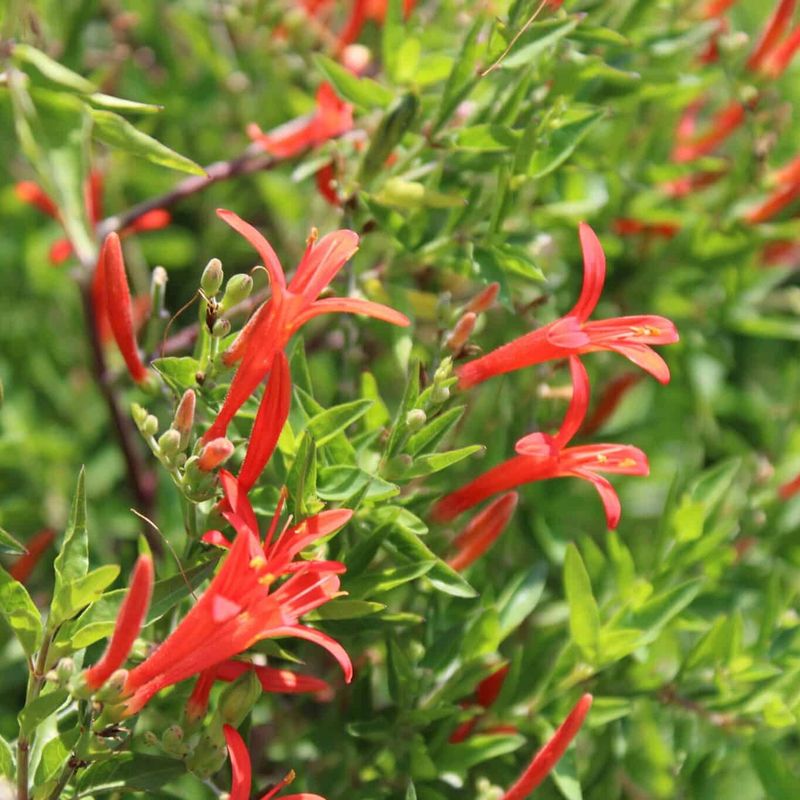
Some plants play it safe with soft, pastel blooms. Flame Acanthus is not one of them. This bold native shrub bursts into clusters of fiery orange-red tubular flowers that look like tiny flames dancing across the branches.
It is one of the most eye-catching plants you can grow in a Texas summer garden, and it earns that title honestly.
Hummingbirds treat Flame Acanthus like a favorite restaurant. They return to it again and again throughout the summer, hovering around the bright blooms and sometimes putting on quite a show.
Butterflies also stop by regularly, making this plant a reliable wildlife magnet from summer straight through early fall.
What sets Flame Acanthus apart from other showy plants is its sheer toughness. It handles full sun, rocky soil, extreme heat, and long dry spells without complaint.
In fact, stressing it out a little with lean soil and minimal water tends to produce even more blooms. It grows two to five feet tall depending on conditions and can spread into a loose, arching mound over time.
Pruning is easy and forgiving. Cut it back hard in late winter and it rebounds quickly with fresh new growth.
It works beautifully as a specimen plant, a naturalistic hedge, or a colorful addition to a xeriscape design.
For Texas gardeners who want maximum summer impact with minimum effort, Flame Acanthus delivers on every front. It is tough, gorgeous, and completely at home in the Texas heat.