These Underused Native Florida Plants Create The Same Look As Expensive Tropicals
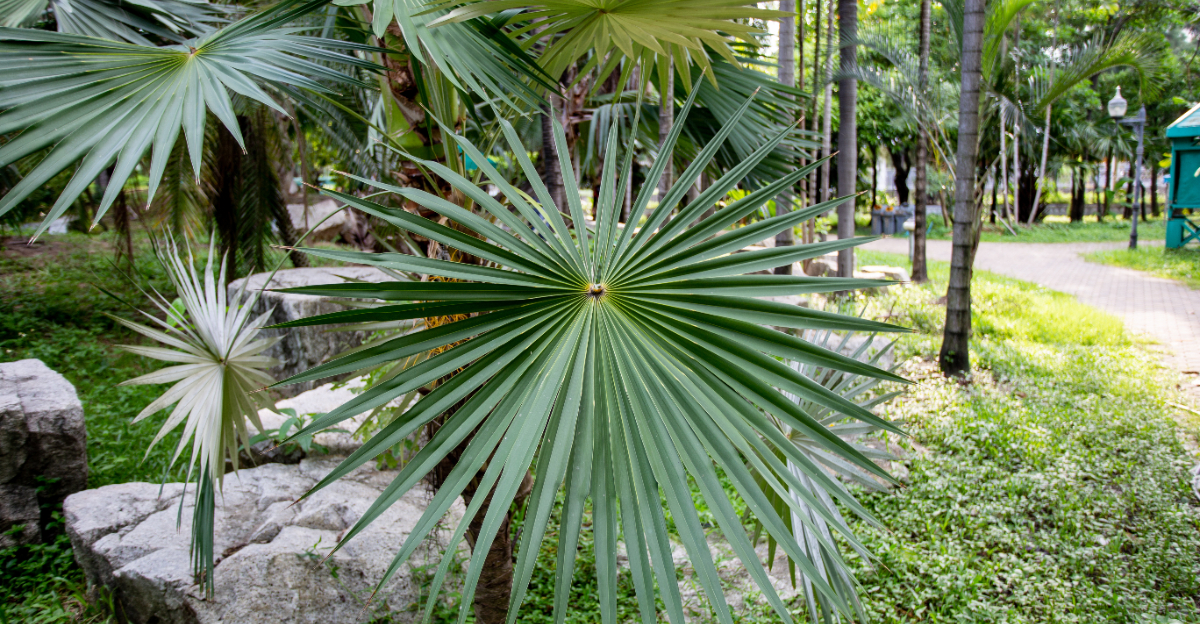
Tropical garden aesthetics have a dirty little secret: most of them cost a fortune and throw a tantrum the moment Florida’s weather gets unpredictable. And Florida weather is always unpredictable.
Gardeners across the state have been spending top dollar chasing that lush, resort-style look. Plants that demand constant attention, hate dry spells, and flinch at the slightest cold snap.
Meanwhile, a handful of native plants have been sitting quietly at the back of the nursery, pulling off nearly the same visual for a fraction of the price. Big bold foliage.
Rich color. That layered, full-bodied tropical feel that makes a garden look intentional and expensive.
Native plants already know how to live in Florida. They’ve had thousands of years to figure it out.
The fact that some of them look like high-maintenance exotics is just a bonus nobody talks about enough. Your dream garden aesthetic might already grow wild a few miles from your front door.
1. Use Silver Saw Palmetto For A Bold Palm-Like Look
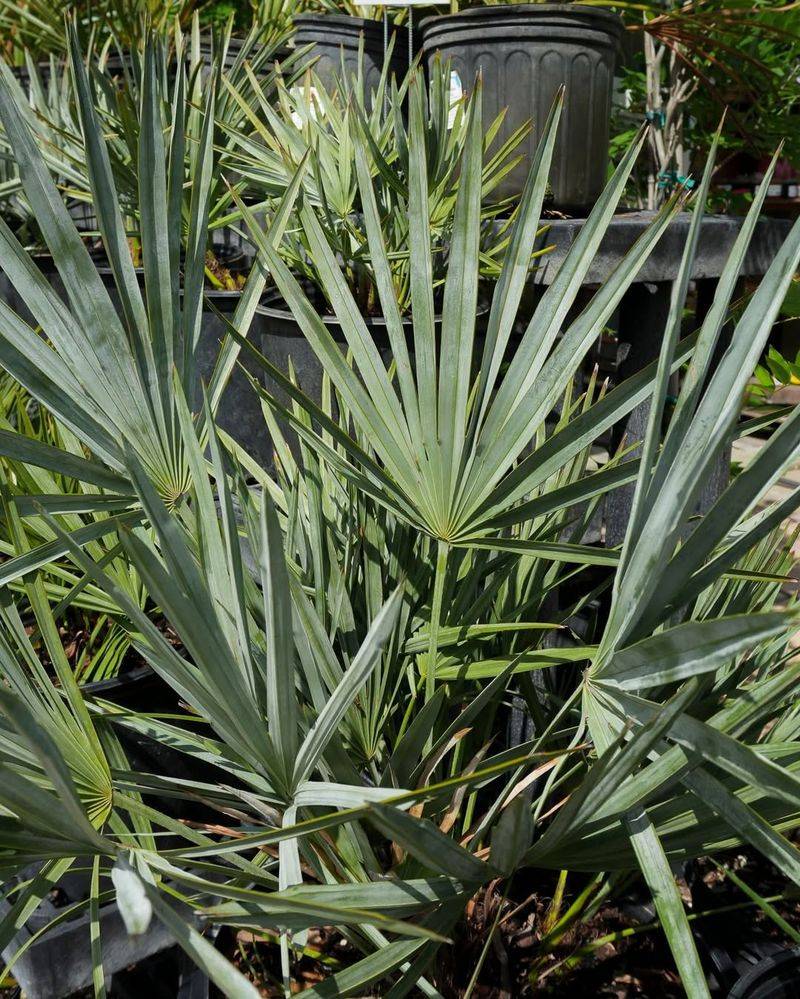
A bold tropical look often starts with foliage, and few native plants deliver that drama quite like silver saw palmetto. Botanically known as Serenoa repens, this is a naturally occurring form of the common saw palmetto.
It is recognized for its striking silver-blue to silver-green fan-shaped fronds. The color alone makes it a standout in any native or tropical-style planting.
Unlike the standard green form, the silver variety has a more ornamental quality that echoes the look of exotic fan palms sold at premium prices. It is slow-growing and tends to form low, spreading clumps over time.
Gardeners should check mature spread before planting, because it needs room to grow and is not a good fit for tight walkways or small border strips.
Silver saw palmetto is often associated with coastal scrub, open flatwoods, and well-drained sandy soils. It generally performs best in full sun with excellent drainage.
Wet, poorly drained soils can create problems, so avoid placing it in low spots that hold water after heavy rain.
It works well when massed along a natural border, used as a statement planting in a dry garden, or layered with other scrubby native plants for a bold textural effect.
In coastal landscapes, it often handles salt spray and wind better than many non-native ornamentals.
This makes it especially useful near the coast where expensive tropicals sometimes struggle.
Before buying, confirm you are getting the true silver form, since not every nursery labels it clearly. Local native plant nurseries and Florida Native Plant Society sales are good places to start your search.
2. Plant Giant Leather Fern For Rainforest Texture
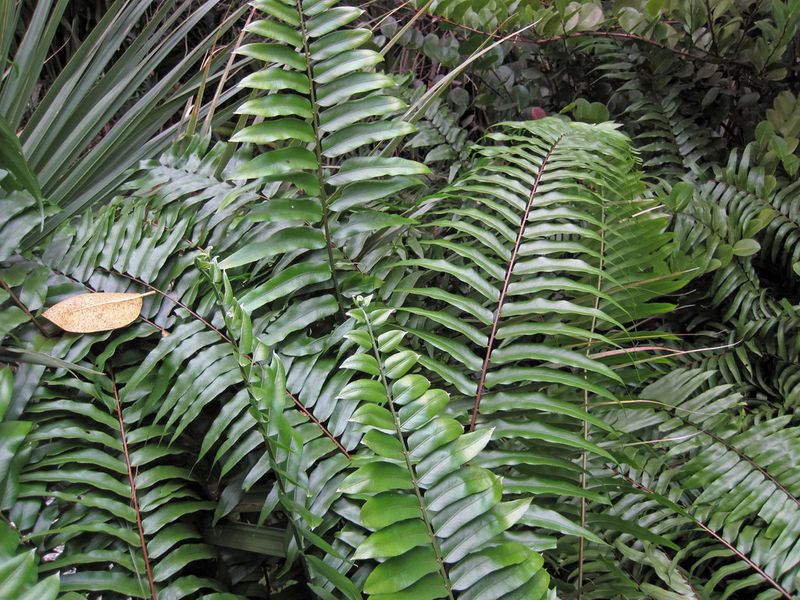
Wet areas can carry the lushest texture in any native garden, and giant leather fern is one of the most dramatic plants you can use to fill that space. Acrostichum danaeifolium is a native fern that can grow quite large.
Its long, arching fronds create a dense, layered look reminiscent of a tropical rainforest understory. Very few plants match its presence in a moist setting.
Your Florida Garden Changes Every Week. Your Plan Should Too.
Gardening in Florida changes quickly throughout the season. Every Friday you’ll receive a simple weekly plan showing exactly what to plant, prune, fertilize, harvest, and protect so you never miss the right timing.
This fern is best suited to pond edges, slow-moving ditches, rain gardens, wet corners, and consistently moist low areas. It is not a plant for dry beds, sandy upland soils, or tidy compact borders.
Placing it in the wrong spot will leave you with a struggling plant that never reaches its potential.
When given the right conditions, giant leather fern spreads and fills in with thick, bold fronds that block out weeds and create a sense of depth.
The texture is coarse and tropical-looking, which contrasts beautifully with finer-textured grasses or smooth-leaved shrubs nearby.
It can work as a backdrop plant in larger moist landscapes or as the main feature in a rain garden planting.
It is native to parts of the state and is also found in tropical regions of the Americas, which explains its distinctly exotic appearance. Sun tolerance can vary, but it often handles both full sun and partial shade when moisture is consistently available.
In shaded moist corners, the fronds tend to stay a deep, rich green.
Check local Extension resources or native plant sources for guidance on spacing, since mature clumps can spread considerably over time in ideal conditions.
3. Choose Sea Grape For Big Resort-Style Leaves
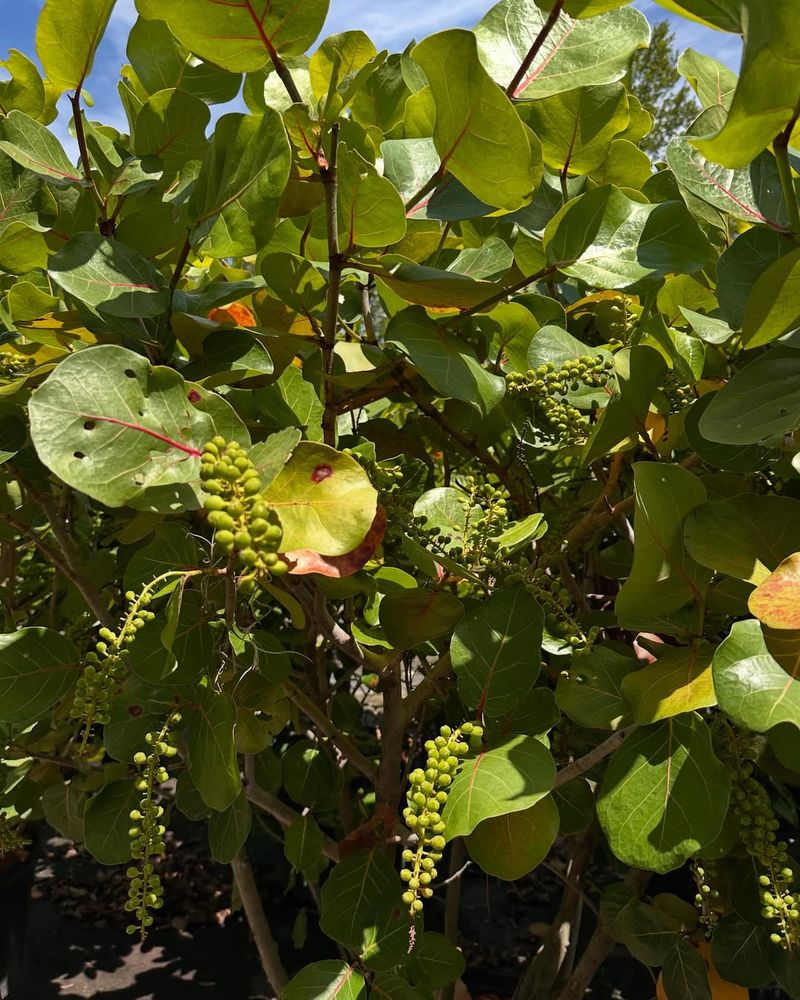
Big leaves change the mood of a front yard fast, and sea grape is one of the most effective native plants for creating that bold coastal, resort-style atmosphere.
Coccoloba uvifera has large, rounded, leathery leaves that can reach several inches across, with distinctive reddish veining that adds visual interest even up close.
Walking past a well-grown sea grape feels like being near a beachside hotel garden.
Sea grape is best suited to warm coastal and southern landscapes. It handles salt spray, sandy soils, and heat well, which makes it a natural fit for coastal yards from central regions southward.
Gardeners in colder inland areas or northern regions should be cautious. This plant may suffer in freezes and is generally not recommended for sites that experience regular hard frost.
Mature size is an important consideration. Sea grape can grow into a large shrub or small tree if left unpruned.
That makes it a poor choice for tight spaces near foundations, narrow walkways, or small courtyard corners. With regular pruning, it can be maintained at a manageable size, but it does require that commitment.
The plant produces clusters of grape-like fruit that attract birds and wildlife, adding ecological value beyond its visual appeal. In coastal landscapes, it often works well as a privacy screen, a windbreak, or a bold anchor plant in a tropical-style bed.
Check with your local county Extension office or native plant nursery for guidance on the best cultivars or locally sourced plants for your specific coastal region. Site conditions can vary considerably even within the same county.
4. Try Dwarf Palmetto For Tropical Structure In Smaller Spaces
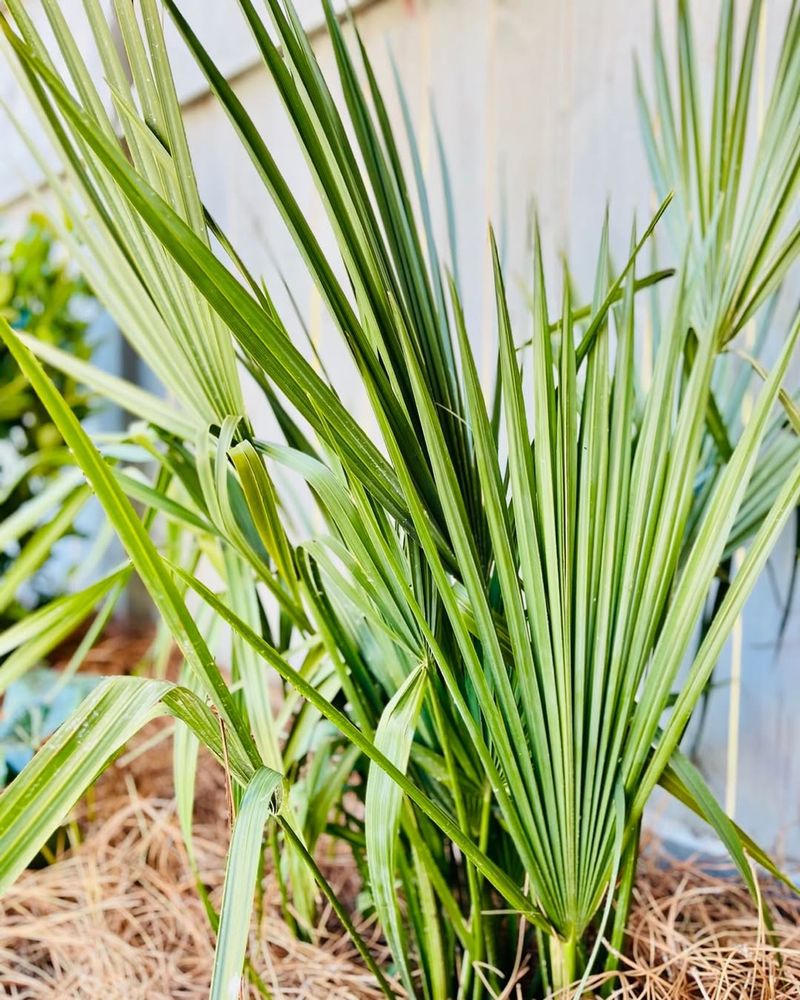
Smaller spaces still have room for palm-like structure, and dwarf palmetto is one of the best native options for delivering that look without overwhelming a modest yard.
Sabal minor is a low-growing native palm that produces fan-shaped fronds on a short or nearly trunkless form.
It brings genuine tropical character to foundation beds, shaded edges, and natural-style plantings where a full-sized palm would quickly outgrow the space.
One of its most useful qualities is its ability to tolerate partial shade and filtered light. Many palms demand full sun, but dwarf palmetto can work in spots that receive dappled light under a tree canopy or along a shaded north-facing wall.
This makes it a practical choice for areas where other palms simply would not thrive.
Moist, well-drained soils tend to suit it well, though it can adapt to a range of conditions depending on the site and local climate. It is generally considered hardy across a wider range of the state than many tropical palms.
That makes it a more reliable option for gardeners in central regions who want a palm-like effect without the cold sensitivity.
Dwarf palmetto works well when grouped with other shade-tolerant natives for a layered, jungle-style effect. Pair it with low ferns, native gingers, or shade-tolerant ground covers to build out a full tropical-style corner.
It grows slowly, so patience is part of the plan.
Always check mature spread before planting, since the fronds can extend outward considerably. Give it enough room to develop naturally without crowding neighboring plants or encroaching on foot traffic areas.
5. Use Rouge Plant For Glossy Shade Foliage
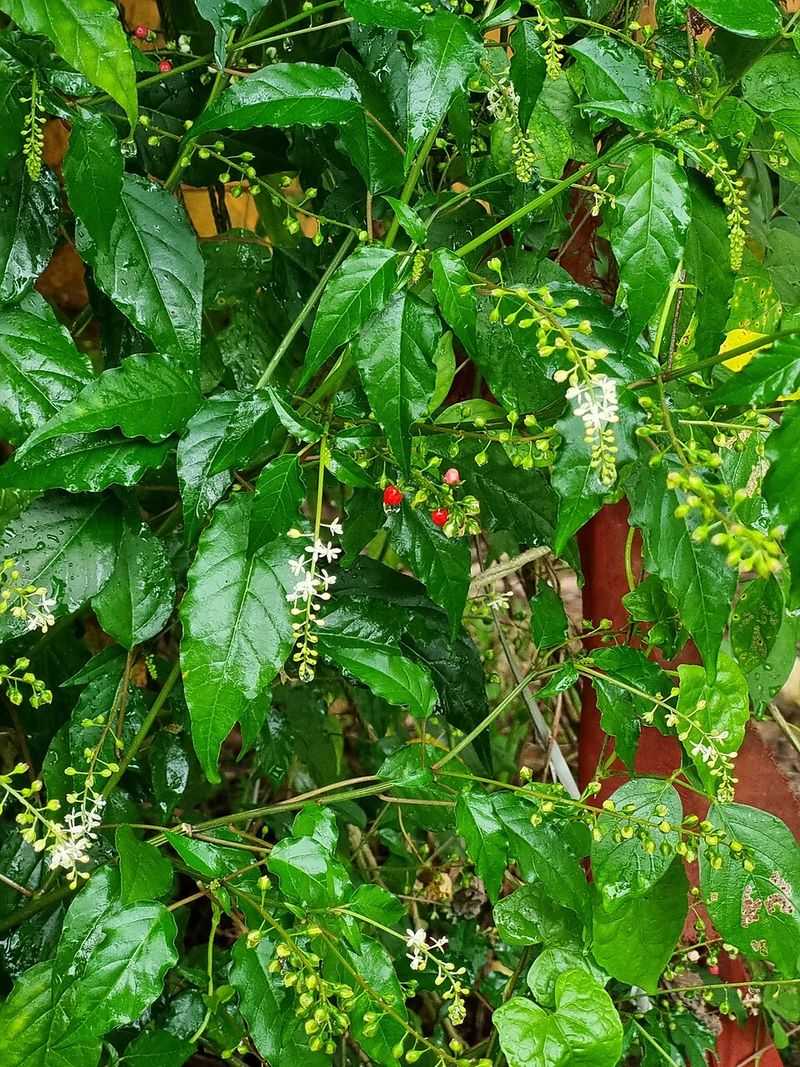
Shady corners need plants with quiet shine, and rouge plant brings exactly that kind of understated lushness to protected garden spaces. Rivina humilis is a native herbaceous plant that produces glossy, somewhat tropical-looking foliage.
It also has small white to pinkish flowers and bright red berries that follow in clusters. The combination of shiny leaves and colorful fruit gives it a layered, finished look in woodland-style beds.
This is not a bold statement plant in the way a large palm or oversized fern might be.
Its appeal is more subtle, working best as part of a layered understory planting where its glossy texture and berry color add depth without demanding center stage.
Think of it as the supporting character that makes the whole planting feel complete and alive.
Rouge plant generally prefers shaded or partially shaded spots with some protection from harsh afternoon sun. It is better suited to sheltered corners and woodland edges than open, wind-exposed sites.
In exposed locations, the foliage can look stressed and the plant may not perform as reliably.
It is considered native to parts of the state and is also found across warm regions of the Americas. Birds are attracted to the berries, which adds wildlife value to its already appealing appearance.
Planting it near a window or patio where you can observe visiting birds is a practical way to enjoy both its ornamental and ecological benefits.
Moisture needs are moderate, and it generally does well in the humid conditions found in many native garden beds. Check with a local native plant source for availability in your area.
6. Plant Coral Honeysuckle For A Native Tropical Vine Effect
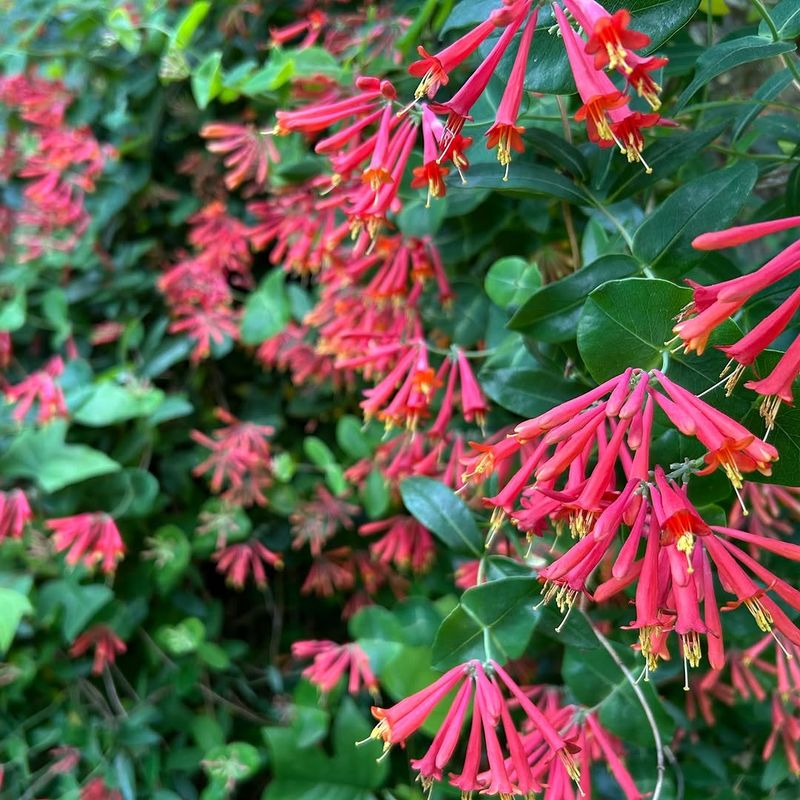
A vine can create a tropical mood without taking over the bed, and coral honeysuckle is one of the most reliable native vines for doing exactly that. Lonicera sempervirens produces clusters of coral-red tubular flowers that have a distinctly tropical look.
They are especially striking when they cascade over a fence, arbor, or trellis in full bloom. The effect is lush, colorful, and surprisingly easy to achieve with the right support structure.
This vine needs something to climb. Without a trellis, fence, arbor, or similar support, it will sprawl along the ground or through neighboring plants in a less controlled way.
Planning the support structure before planting saves a lot of reworking later, and it also helps you get the most visual impact from the flowering display.
Regional behavior is worth noting. In warmer southern and central regions, coral honeysuckle often stays evergreen or semi-evergreen through the year.
In colder northern parts of the state, it may lose its leaves during winter but typically returns with new growth in spring. Either way, the blooming season is a standout period in any native garden.
Hummingbirds are frequently observed visiting the tubular flowers, which is consistent with what UF/IFAS and native plant sources have noted about its pollinator value.
Planting it near a sitting area or window gives you a front-row view of that activity during the blooming months.
Coral honeysuckle is generally low-maintenance once established and does not share the aggressive spreading habit of its non-native relatives. It is a smart, manageable choice for gardeners who want vertical tropical interest without constant upkeep.
7. Choose Wild Lime For Lush Leaves And Wildlife Value
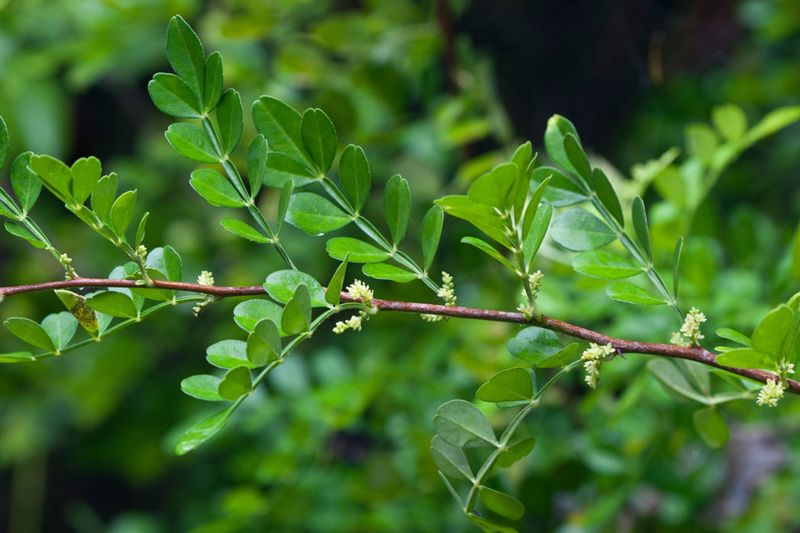
Glossy leaves work best when the plant is placed thoughtfully, and wild lime is a perfect example of why placement matters as much as plant selection.
Zanthoxylum fagara is native to southern parts of the state, particularly in South Florida and the Keys, and should not be described as a statewide native.
Its glossy, compound leaves give it a lush, layered look that reads as tropical even in a naturalistic planting.
One important detail that every gardener should know before planting: wild lime has thorns.
They are small but sharp, and the plant should be kept well away from tight walkways, patios, play areas, and any spot where people are likely to brush against it.
Placing it at the back of a planting bed, along a property edge, or as part of a natural hedgerow reduces the risk of accidental contact.
Beyond its good looks, wild lime carries real wildlife value. It is a larval host plant for several native butterfly species, including the giant swallowtail, according to Florida native plant sources and UF/IFAS materials.
That ecological role makes it more than just a pretty face in the garden – it actively supports local butterfly populations when planted in appropriate regions.
It generally prefers full sun to partial shade and well-drained soils. In its native southern range, it is adapted to the heat, humidity, and occasional drought conditions common to that region.
Gardeners outside of South Gardeners outside of South Florida should consult with a local native plant nursery or county Extension office before attempting to grow it. Regional suitability can vary.
When used correctly, wild lime adds genuine tropical character and ecological value to southern native landscapes.