Skip Nandina Along Your North Carolina Fence Line And Plant These Native Shrubs Instead
Nandina is one of the most familiar sights along North Carolina fence lines, and the reasons make sense. It is durable, stays tidy through the seasons, turns a reliable red in winter, and asks for almost no attention to look decent year after year.
The problem is what happens on the other side of the fence. The berries are toxic to birds.
The roots extend further than the plant appears to. Near natural areas it spreads in ways most homeowners never get to witness firsthand.
Replacing it is not a downgrade. North Carolina has native shrubs that handle all the same jobs without any of the baggage.
Some of them are more striking than nandina ever managed to be. They just need someone to reach for them at the nursery.
1. Wax Myrtle
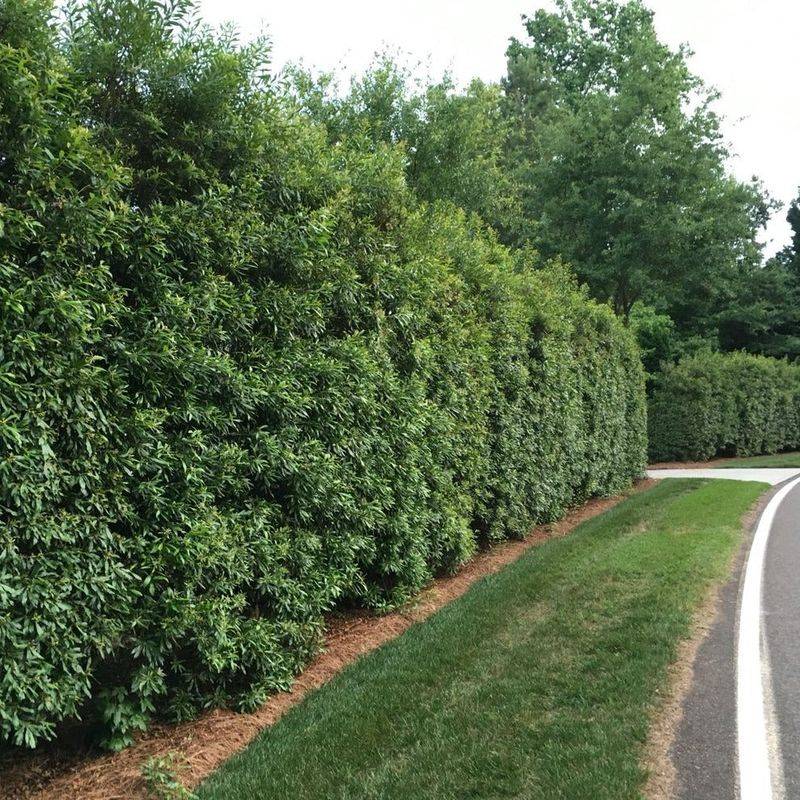
Few native shrubs can match the sheer toughness of Wax Myrtle, known botanically as Morella cerifera. This evergreen powerhouse thrives in North Carolina’s heat, humidity, and sandy coastal soils without much fuss.
Once established, it handles drought, poor drainage, and salty breezes better than most exotic alternatives you’ll find at a garden center.
Along a fence line, Wax Myrtle earns its place fast. It can reach 10 to 15 feet tall and nearly as wide, so plan spacing of about 6 to 8 feet apart if you want a solid privacy screen.
You can also shear it into a tighter hedge or let it grow naturally into a graceful multi-stemmed form. Both approaches work beautifully.
Wildlife absolutely love it. Birds flock to the waxy gray-blue berries from fall through winter, making it one of the most wildlife-friendly screening plants available in the Southeast.
Yellow-rumped warblers are especially fond of the fruit. The aromatic foliage is a bonus that many gardeners appreciate when brushing past the hedge.
Pruning is simple and forgiving. Cut it back hard in late winter if it outgrows its space, and it rebounds quickly with fresh new growth.
Full sun to part shade both work well, and Wax Myrtle adapts to nearly any soil type found across North Carolina, from mountain foothills to coastal plains.
2. Yaupon Holly
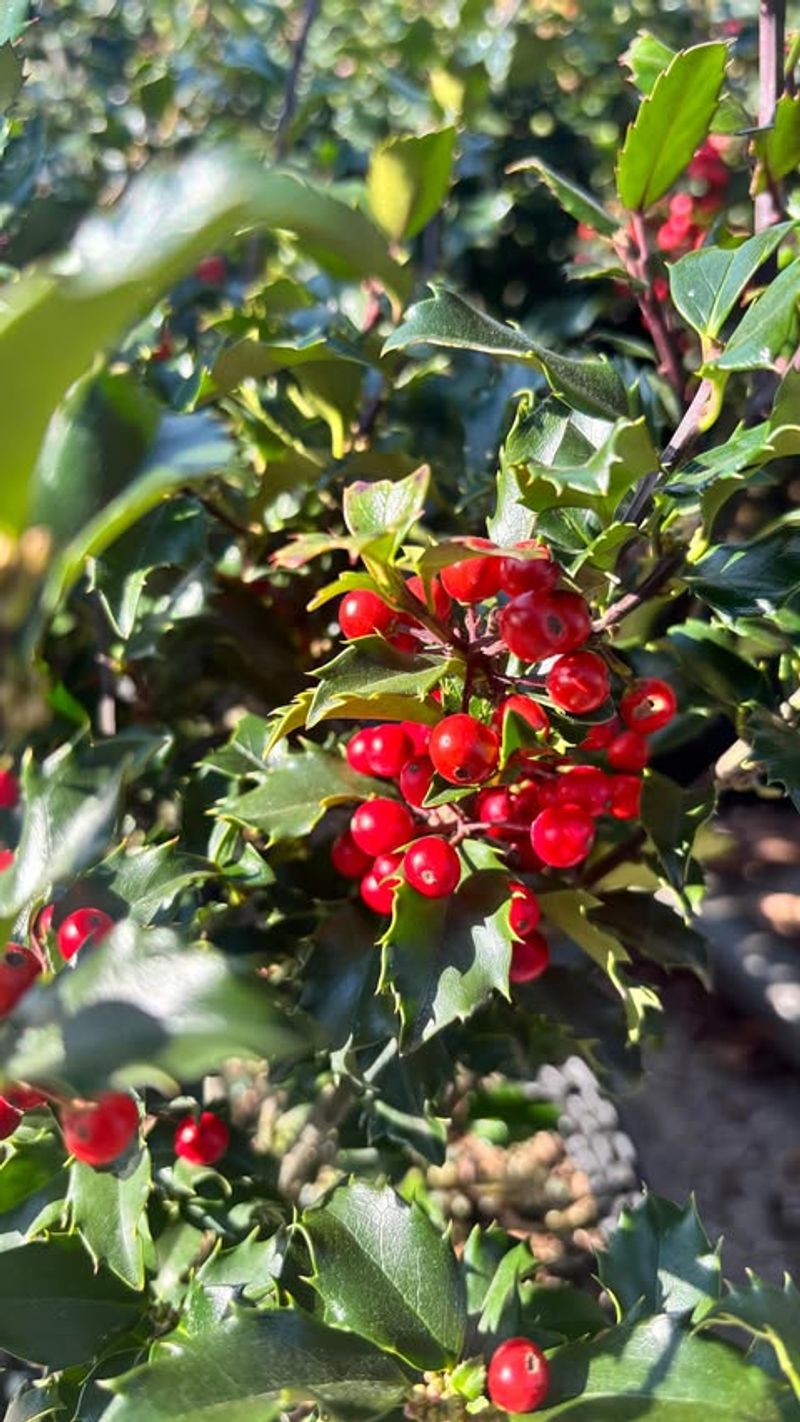
Yaupon Holly, or Ilex vomitoria, might have one of the more memorable botanical names in the plant world, but its garden performance is nothing short of outstanding.
This native evergreen shrub is one of the most adaptable plants you can grow along a North Carolina fence line.
It tolerates clay, sand, wet spots, and dry stretches with equal ease, which is a rare quality in any shrub.
For privacy screening, Yaupon Holly delivers a dense, fine-textured wall of foliage that stays green all year long. Plants typically reach 8 to 12 feet tall when left unpruned, though regular trimming keeps them tidy at whatever height you prefer.
Space plants about 5 to 6 feet apart for a solid hedge, or give them more room if you want a looser, more natural look along the fence.
Berry production is a major selling point. Female plants produce bright red berries that ripen in fall and persist well into winter, drawing cedar waxwings, mockingbirds, and other birds right to your yard.
Your North Carolina Garden Changes Every Week. Your Plan Should Too.
Gardening in North Carolina changes quickly throughout the season. Every Friday you’ll receive a simple weekly plan showing exactly what to plant, prune, fertilize, harvest, and protect so you never miss the right timing.
You need at least one male plant nearby to get reliable berry set on your females. Most nurseries can help you select the right combination.
Full sun produces the densest growth and the best berry display, but Yaupon Holly handles part shade without complaint. It’s a remarkably low-maintenance shrub once it gets settled, rarely needing anything beyond an occasional trim to stay sharp and attractive.
3. Virginia Sweetspire
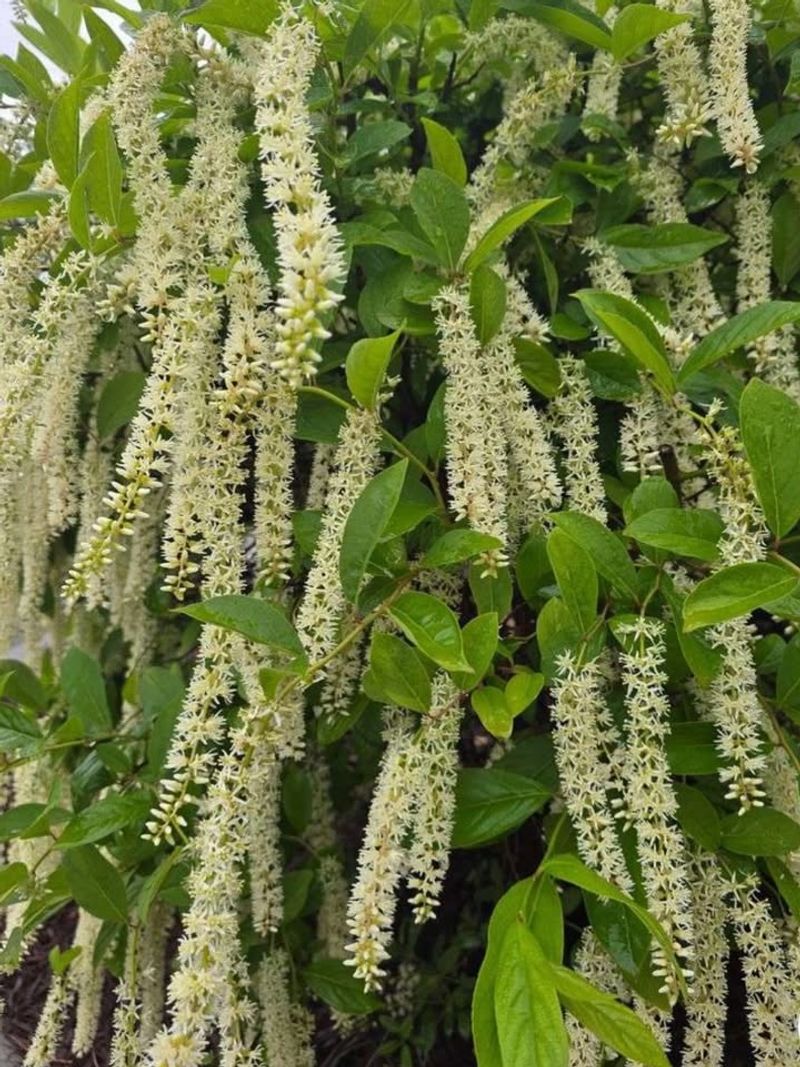
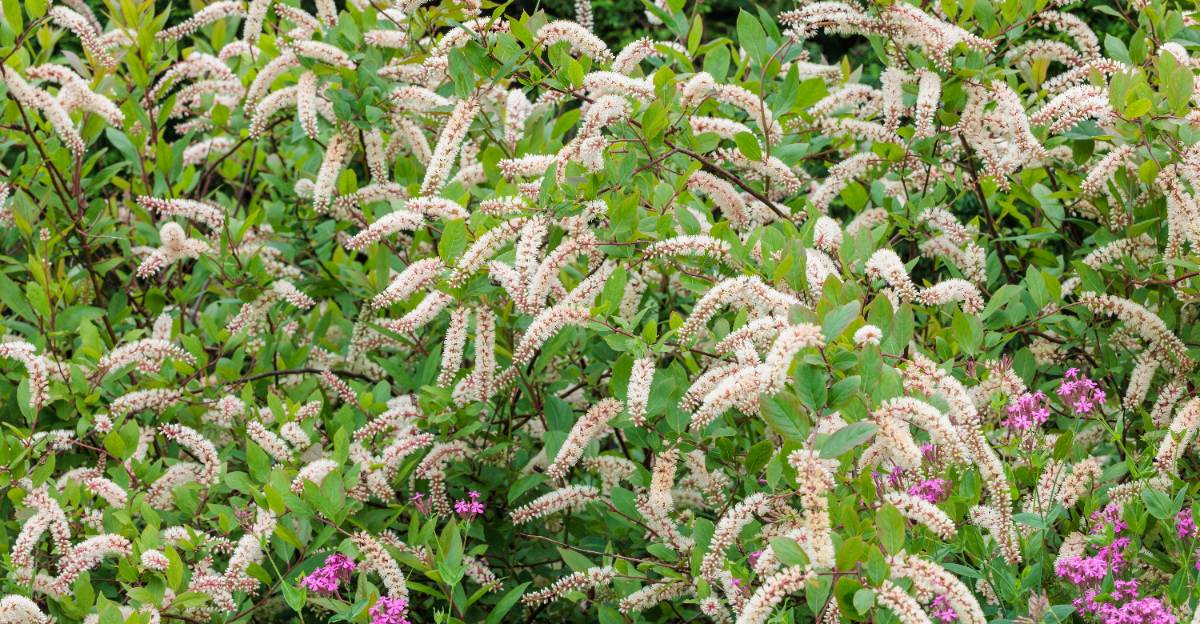
There’s something quietly magical about Virginia Sweetspire, known botanically as Itea virginica, especially when its long white flower spikes open up in early summer.
The fragrance is soft and sweet, carrying gently on warm evenings in a way that makes you stop and notice. Most people who plant it once end up adding more throughout their yard.
Along a fence line, Virginia Sweetspire works beautifully as a softer, more relaxed alternative to Nandina. It grows 3 to 5 feet tall and spreads gradually through root suckers, eventually forming a flowing, natural mass of foliage.
That spreading habit actually makes it ideal for filling in long stretches of fence without replanting every few feet.
Summer heat doesn’t slow it down at all. The dark green leaves hold up well through North Carolina’s humid summers, and then the real show begins in fall when the foliage turns brilliant shades of red, orange, and burgundy.
Few native shrubs offer better fall color at this size. Moisture is one thing Virginia Sweetspire genuinely appreciates. It performs best in consistently moist, well-drained soil but tolerates occasional wet conditions near drainage areas or low spots in the yard.
Part shade to full sun both work well, and maintenance is minimal. A light thinning every few years keeps it looking fresh, but honestly it thrives with very little interference from the gardener.
4. Inkberry Holly
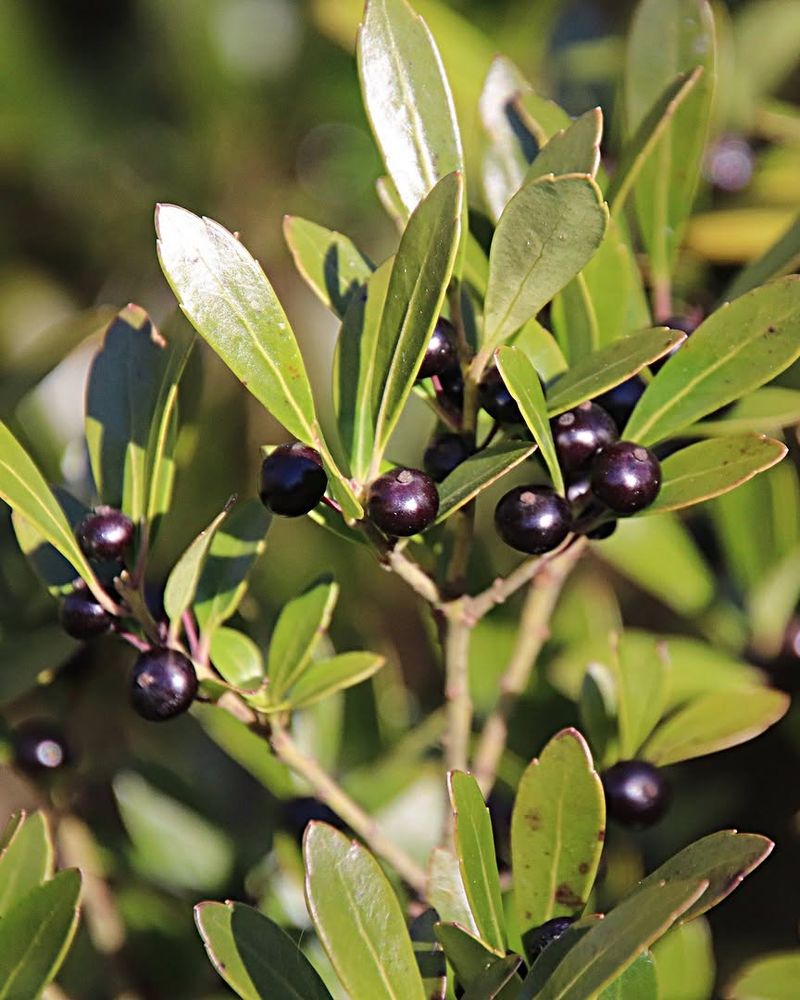
Inkberry Holly brings a clean, polished look to the fence line without any of the invasive seeding problems that make Nandina such a headache.
Botanically known as Ilex glabra, this native evergreen shrub grows in a naturally rounded form with glossy dark green leaves that stay attractive all year.
It has a quieter beauty compared to flashier shrubs, but that subtlety is exactly what makes it so useful in the landscape.
Mature plants typically reach 5 to 8 feet tall and wide, making them a solid mid-sized choice for screening or softening a fence line. Space plants about 4 to 5 feet apart for a connected hedge, or spread them out a bit more for a looser border planting.
Like other hollies, Inkberry spreads slowly through suckers over time, gradually filling in gaps without becoming aggressive.
Wet soil is no problem at all for this shrub. It actually thrives in poorly drained areas where many other plants struggle, which makes it a go-to option for low spots along fences or near downspouts.
Average garden soil works just as well. Full sun to part shade suits it fine, and it handles the heat and humidity of North Carolina summers without missing a beat.
The small black berries that appear in fall are a favorite food source for more than 15 species of birds. Pruning is straightforward: cut it back in late winter to maintain shape or reduce size, and it bounces back reliably with fresh new growth every spring.
5. American Beautyberry
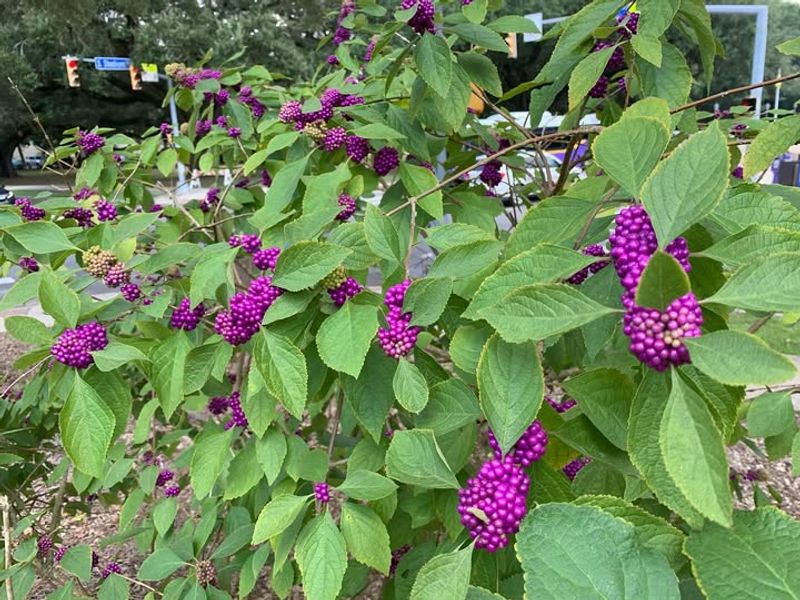
Nothing in the native shrub world stops visitors in their tracks quite like American Beautyberry in full fruit.
Callicarpa americana produces clusters of vivid magenta-purple berries so bright they almost look artificial, wrapping tightly around the arching branches from late summer through fall.
It’s genuinely one of the most eye-catching plants you can grow along a North Carolina fence line.
The arching, fountain-like shape of this shrub gives it a relaxed, naturalistic look that fits beautifully along informal fence lines or property borders. Plants grow 4 to 6 feet tall and equally wide, with long flexible branches that sweep outward gracefully.
Spacing plants 5 to 6 feet apart gives each one room to develop its full natural form without crowding.
Wildlife value is enormous. Songbirds, bobwhite quail, and even white-tailed deer browse the berries eagerly in fall and early winter.
The berries don’t persist long once the birds find them, which tells you everything about how attractive they are to local wildlife. Planting several together amplifies both the visual impact and the wildlife benefit significantly.
Sunlight preference leans toward full sun to light shade, and the shrub handles average to dry soil once established.
Pruning is simple and actually improves performance: cut plants back hard to about 12 inches in late winter, and they regrow quickly with vigorous new stems that carry the best berry clusters.
Skipping this annual cutback leads to leggy, less productive plants over time.
6. Oakleaf Hydrangea
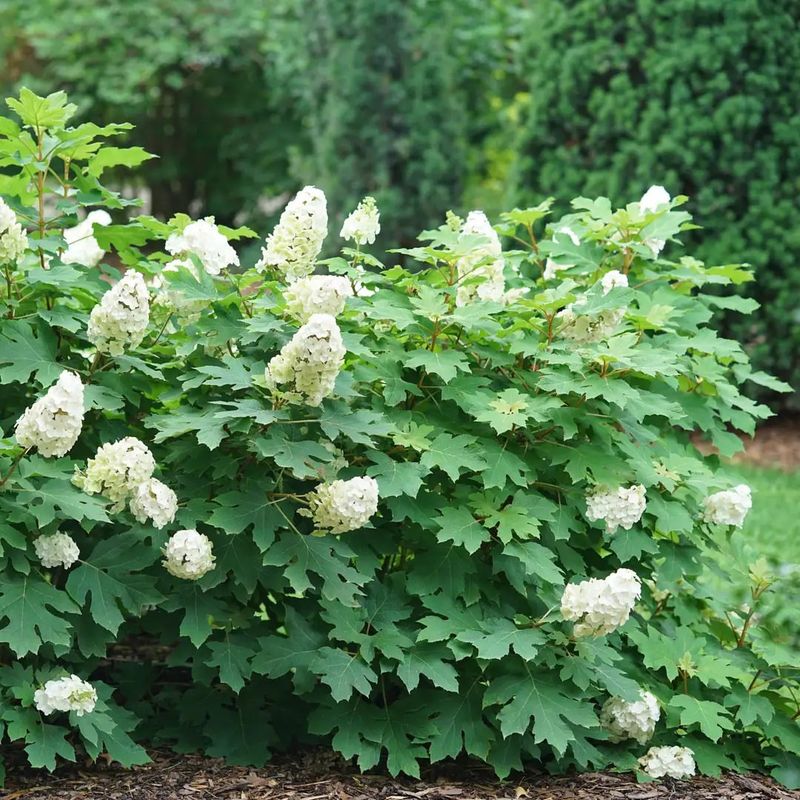
Bold, beautiful, and completely at home in the humid South, Oakleaf Hydrangea is a native shrub that earns its space along a fence line in every single season.
Hydrangea quercifolia produces large, cone-shaped flower clusters in summer that open creamy white and age to parchment and rose tones as weeks pass. The show doesn’t stop there.
Come fall, the massive oak-shaped leaves turn rich shades of burgundy, orange, and deep red before dropping to reveal another surprise: peeling cinnamon-brown bark that looks striking against a fence all winter long.
Very few shrubs offer this kind of four-season interest at the scale Oakleaf Hydrangea provides. Plants typically grow 6 to 8 feet tall and equally wide, sometimes larger in ideal conditions.
Part shade is where Oakleaf Hydrangea truly thrives. A spot that receives morning sun and afternoon shade suits it perfectly, especially along fences on the east or north side of a house.
It tolerates full shade reasonably well but produces fewer flowers. Deep, consistent moisture and a generous layer of mulch around the root zone help it establish quickly and perform at its best.
Space plants at least 6 to 8 feet apart to allow for their full natural spread. Pruning should be minimal since flower buds form on old wood from the previous season.
Remove spent flower heads and any crossing branches in late winter, but avoid heavy cutting back, which reduces the following summer’s flower display considerably.
7. Red Chokeberry
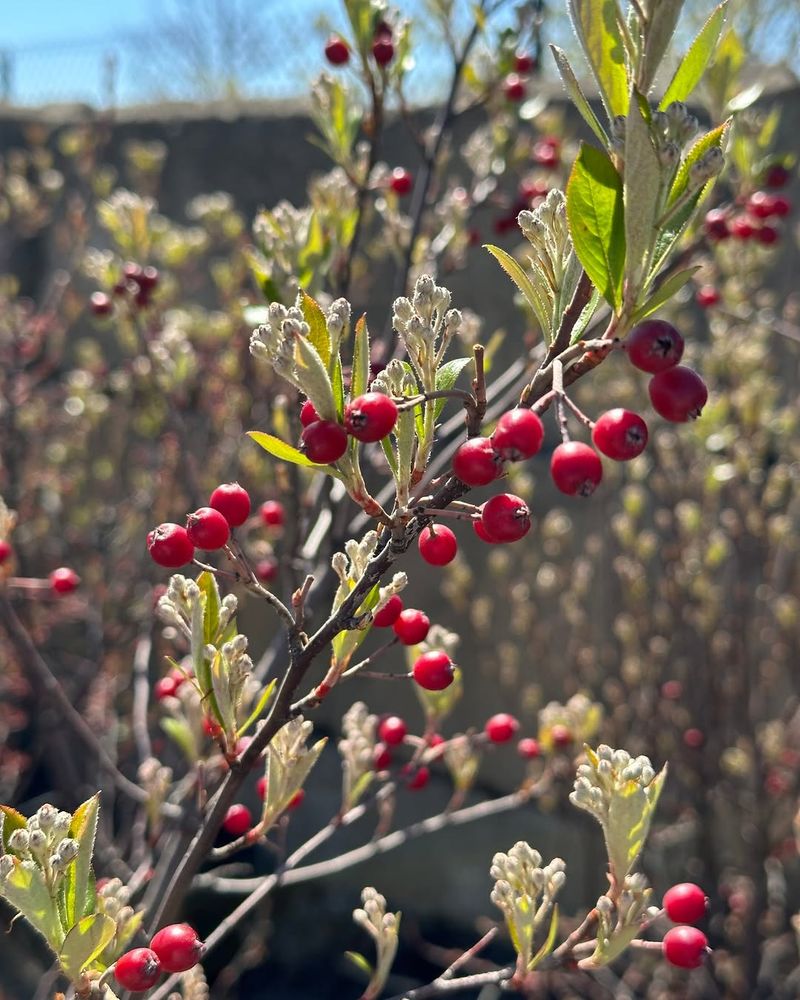
Red Chokeberry is one of those native shrubs that rewards patient gardeners with a spectacular payoff come fall.
Aronia arbutifolia produces clusters of glossy red berries in late summer that persist on the branches well into winter, creating a vivid display along the fence line just when most other plants have gone quiet.
The foliage joins the party too, turning fiery shades of red and orange before the leaves finally drop.
This shrub adapts to a surprisingly wide range of soil conditions. It grows happily in moist, poorly drained soils as well as average garden beds, making it a practical choice for fence lines with variable drainage.
Full sun brings out the best fall color and berry production, though part shade works fine. Plants typically grow 6 to 10 feet tall over time, with a suckering habit that gradually fills in a fence line naturally.
Birds are the biggest fans of Red Chokeberry. Cedar waxwings, robins, and bluebirds flock to the berries once they ripen, making it a fantastic addition to any yard focused on supporting local wildlife.
Planting a small grouping of three or more shrubs together creates a more impactful screen and provides a richer food source for visiting birds through the colder months.
Maintenance needs are genuinely minimal. Thin out older stems every few years in late winter to keep the planting vigorous and open.
Space plants about 4 to 5 feet apart for a connected border, and expect steady, reliable growth from the very first season after planting.
8. Sweetshrub
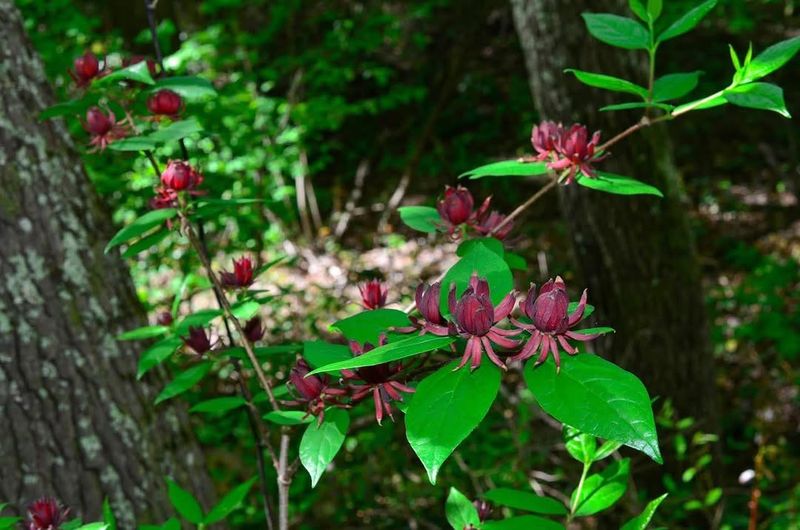
Sweetshrub has been growing in Southern gardens for centuries, and once you catch a whiff of its unusual flowers on a warm afternoon, you’ll understand exactly why.
Calycanthus floridus produces deep reddish-brown blooms in spring that carry a rich, spicy-sweet fragrance unlike anything else in the landscape.
Some people compare the scent to strawberries or banana bread, and the comparison isn’t far off.
Along a shaded or partly shaded fence line, Sweetshrub fills a role that very few native shrubs can match. It handles clay soil, humidity, and part to full shade without complaint, growing into a rounded, multi-stemmed form that reaches 6 to 9 feet tall and wide.
That combination of shade tolerance and heat resilience makes it especially useful along north-facing fences or beneath the canopy of large trees.
The large, glossy leaves stay attractive all summer and turn a pleasant golden yellow in fall before dropping. While it’s deciduous, the dense branching structure still provides a reasonable visual barrier along the fence line even in winter.
Wildlife value includes visits from beetles and other pollinators that are drawn to the unusual flowers during the spring blooming period.
Pruning is easy and forgiving. Remove older woody stems at the base every few years in late winter to encourage fresh, vigorous growth.
Space plants 5 to 6 feet apart for a connected border planting. Sweetshrub rarely needs much water once established, and it’s virtually free of serious pest or disease problems throughout North Carolina.
9. Possumhaw Holly
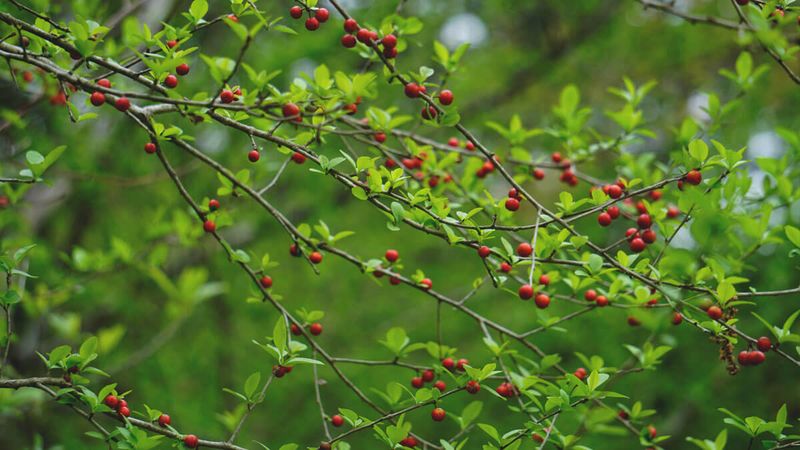
When winter strips away the leaves and most of the garden goes gray, Possumhaw Holly steps forward with one of the most striking displays in the native plant world.
Ilex decidua is a deciduous holly, which means the leaves drop in fall to reveal branches absolutely loaded with bright red or orange berries that persist well into winter. Against a fence line or property border, the effect is genuinely stunning.
Plants grow 7 to 10 feet tall with an open, somewhat irregular branching habit that looks perfectly natural in a relaxed landscape setting.
Full sun produces the heaviest berry crops and the most impressive winter display, but Possumhaw Holly handles part shade without much trouble.
It adapts well to average to moist soils and handles the heat and humidity of North Carolina summers without stress once it gets established.
Pollination is something to plan for from the start. Like most hollies, Possumhaw requires a male plant nearby to produce berries on female plants.
One male can pollinate several females planted within about 50 feet, so you don’t need an equal ratio. Ask your local nursery to help you identify compatible male varieties when you’re selecting plants.
Birds go absolutely wild for the berries. Bluebirds, cedar waxwings, and robins visit repeatedly throughout winter, making Possumhaw Holly one of the most wildlife-productive shrubs you can plant along a North Carolina fence.
Space plants 5 to 7 feet apart, and plan for minimal maintenance beyond occasional shaping in late winter after the berry display wraps up.