8 Heat-Loving Fruits Worth Growing In Florida Gardens This Summer
Growing fruit in Florida sounds like a dream until you realize most gardening advice was written for climates that actually cool down at night. The varieties everyone raves about online?
Half of them tap out before Labor Day. But flip that script and Florida’s summer becomes a genuine advantage.
The heat, the humidity, the long growing season, certain fruits were practically built for these conditions. Backyard gardeners across the state are pulling harvests that would make a farmers market vendor jealous.
They are doing it without a greenhouse, without a complicated setup, and without fighting the climate at every turn. The secret is simple: stop planting what works everywhere else and start planting what works here.
So which fruits actually hold their own when summer turns up the pressure? The ones worth your time and garden space might not be what you’d expect.
1. Watermelon Thrives In Sunny Summer Garden Beds
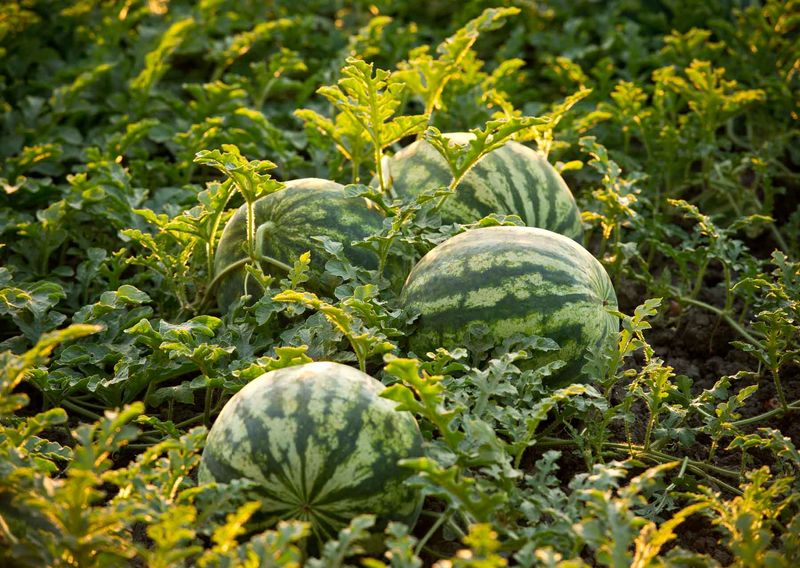
A summer fruit garden needs space before it needs luck, and watermelon is the plant that proves it. Few crops capture the spirit of a warm-season garden quite like a plump, sun-warmed melon sitting in a sandy bed.
Watermelon is a true warm-season crop that needs full sun, consistent moisture, and excellent drainage to do its best work.
Sandy soil, which is common across much of this state, can actually work in your favor here as long as you keep up with watering and organic matter. Raised beds can improve drainage even further and help roots stay healthy during heavy summer rains.
Space is non-negotiable since vines can spread several feet in every direction, so plan your layout before planting.
Timing matters quite a bit depending on where you live. In southern regions, early spring planting is often possible, while central and northern regions may do better waiting until soil temperatures are reliably warm.
Check with your local Extension office for the best planting window in your county.
Consistent soil moisture during fruit development helps prevent problems like cracking or poor flavor. Mulching around the base of vines helps hold moisture and keeps weeds down.
Choosing a variety suited to local conditions and disease pressure can make a real difference in how well your crop performs by harvest time.
2. Cantaloupe Loves Heat With Room To Sprawl
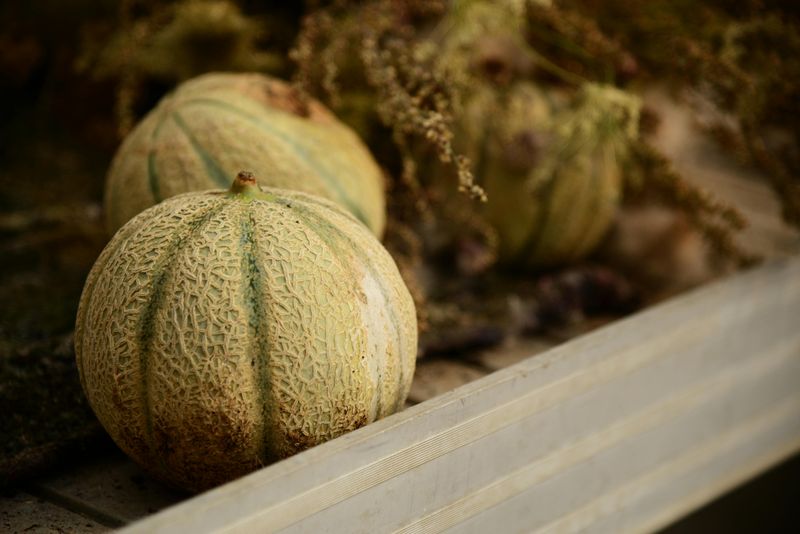
Warm soil can help vines move fast, and cantaloupe is a plant that takes full advantage of every warm day it gets. Given the right conditions, cantaloupe can produce sweet, fragrant fruit in a sunny summer garden.
The challenge in humid climates is managing the disease pressure that warm, wet weather can bring.
Good airflow is one of the most important factors for cantaloupe success. Planting vines with generous spacing reduces the risk of fungal issues that thrive in humid conditions.
Choosing a well-drained site or raised bed also helps roots stay healthy during periods of heavy summer rain, which is a regular part of the growing season here.
Some gardeners use vertical trellising for cantaloupe where space is tight, though the fruit will need support as it grows heavier. Horizontal sprawl across a wide, open bed is the more traditional approach and works well when you have the room.
Your Florida Garden Changes Every Week. Your Plan Should Too.
Gardening in Florida changes quickly throughout the season. Every Friday you’ll receive a simple weekly plan showing exactly what to plant, prune, fertilize, harvest, and protect so you never miss the right timing.
Either way, airflow around the foliage should be a priority when planning your layout.
Cultivar selection can influence how well your plants handle local humidity and disease pressure. Look for varieties with noted resistance to common vine diseases when possible.
Your local Extension office can point you toward options that have performed well in your part of the state, which takes a lot of the guesswork out of variety shopping.
3. Pineapple Handles Heat In Containers And Beds
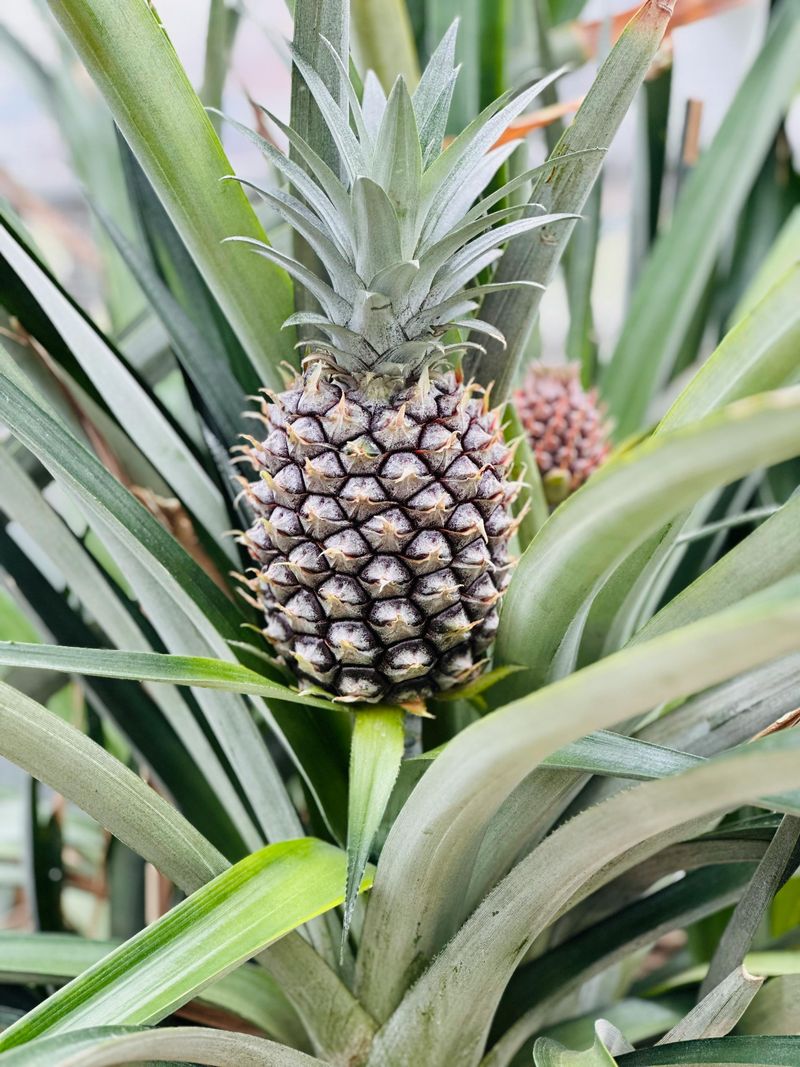
Tropical fruit is easier when the roots stay dry, and pineapple is a great example of a heat-loving plant that truly rewards good drainage. Pineapple is one of the more manageable tropical fruits for Florida gardeners.
It stays compact, handles container growing well, and does not need a lot of fuss once established. It belongs to the bromeliad family, which means it is built to handle heat and can store moisture in its leaf bases.
In southern regions and warm, protected spots in central areas, pineapple can grow well in the ground in sandy, well-drained beds.
Northern regions face more cold risk, so container growing makes more sense there since pots can be moved indoors or under cover when temperatures drop.
Cold is the biggest limitation for this plant, not heat.
Starting a new plant is straightforward. You can root the crown of a store-bought pineapple, use a slip from a mature plant, or buy a starter plant from a local nursery.
Growth is slow at first, and it can take well over a year before fruit appears, so patience is part of the process.
Fertilizing lightly and regularly during the growing season helps keep plants healthy. Avoid overwatering, especially in containers, since soggy roots are a real problem.
Once your pineapple starts to show a developing fruit, the wait becomes genuinely exciting for the whole household.
4. Papaya Grows Fast In Warm Protected Spots
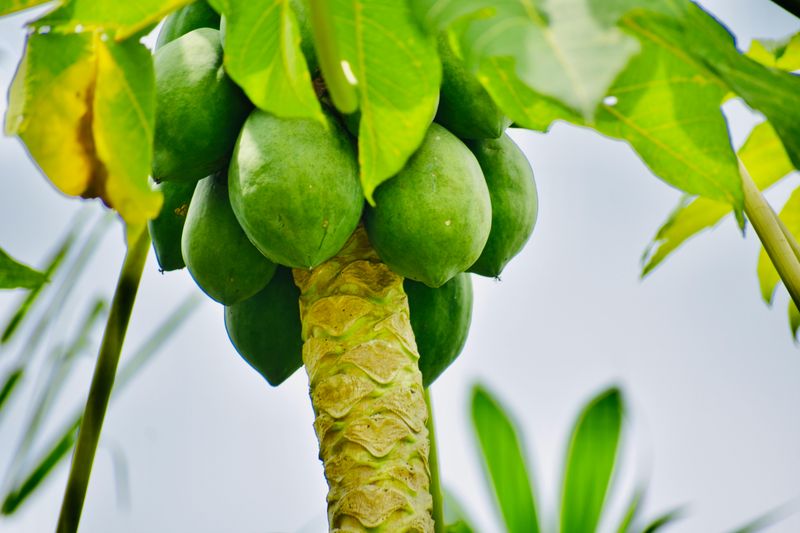
Fast growth needs a protected spot, and papaya delivers on speed like almost no other fruiting plant in warm-season gardens. Under the right conditions, a papaya plant can go from a small seedling to a fruiting tree in less than a year.
That kind of quick turnaround makes it especially appealing for gardeners in southern and central regions who want results without a long wait.
Cold sensitivity is the main limitation with papaya. In northern regions, plants may struggle or suffer damage during cooler months, making it a risky long-term investment without protection.
Southern regions and warm, sheltered spots in central areas tend to be more reliable. Planting near a south-facing wall or fence can provide extra warmth and wind protection during cooler periods.
Drainage is critical. Papaya roots are very sensitive to standing water, and plants can decline quickly in soggy soil.
Raised beds or mounded planting areas help keep roots from sitting in water after heavy summer rains. Sandy, well-drained soil suits papaya well in most cases.
Wind is another factor worth thinking about since tall plants with large fruit can snap or topple in strong gusts. Staking young plants and choosing a sheltered location helps reduce storm damage risk during the rainy season.
Papaya plants also tend to produce male, female, or hermaphrodite flowers, and fruit set depends on having the right flower types present in your garden.
5. Passion Fruit Climbs Best On A Sunny Trellis
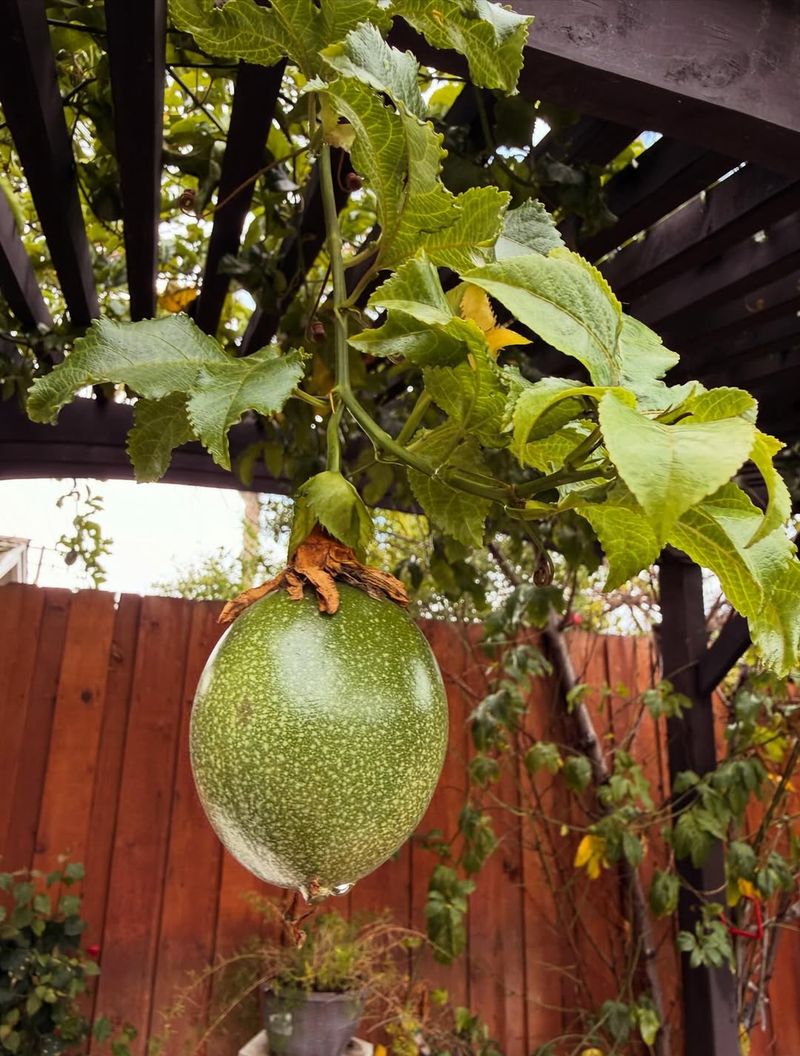
A strong trellis changes what a small garden can grow, and passion fruit is one of the most rewarding vines to put on one. The flowers alone are worth growing for, with their intricate, almost otherworldly structure that stops visitors in their tracks.
Add the sweet-tart fruit that follows, and passion fruit becomes a genuine conversation piece in any warm-season garden.
Choosing the right species and cultivar matters more than many gardeners realize. Purple passion fruit and yellow passion fruit have different cold tolerances and growth habits.
Some types handle occasional cool spells better than others. Local nurseries or your county Extension office can help you find a variety suited to your specific region and conditions.
Full sun is essential. Passion fruit vines grow vigorously and can cover a trellis, fence, or arbor quickly when given enough light and warmth.
Good drainage and regular moisture during active growth help the plant stay productive. Avoid planting in low spots where water collects after rain.
It is also worth checking whether the variety you are considering is appropriate for your area from an ecological standpoint.
Some passion fruit species can spread aggressively in certain conditions, so selecting a well-behaved cultivar and monitoring growth is a responsible step.
Pruning after harvest helps manage vine size and encourages fresh growth and better fruit production the following season.
6. Banana Adds Tropical Fruit And Backyard Shade
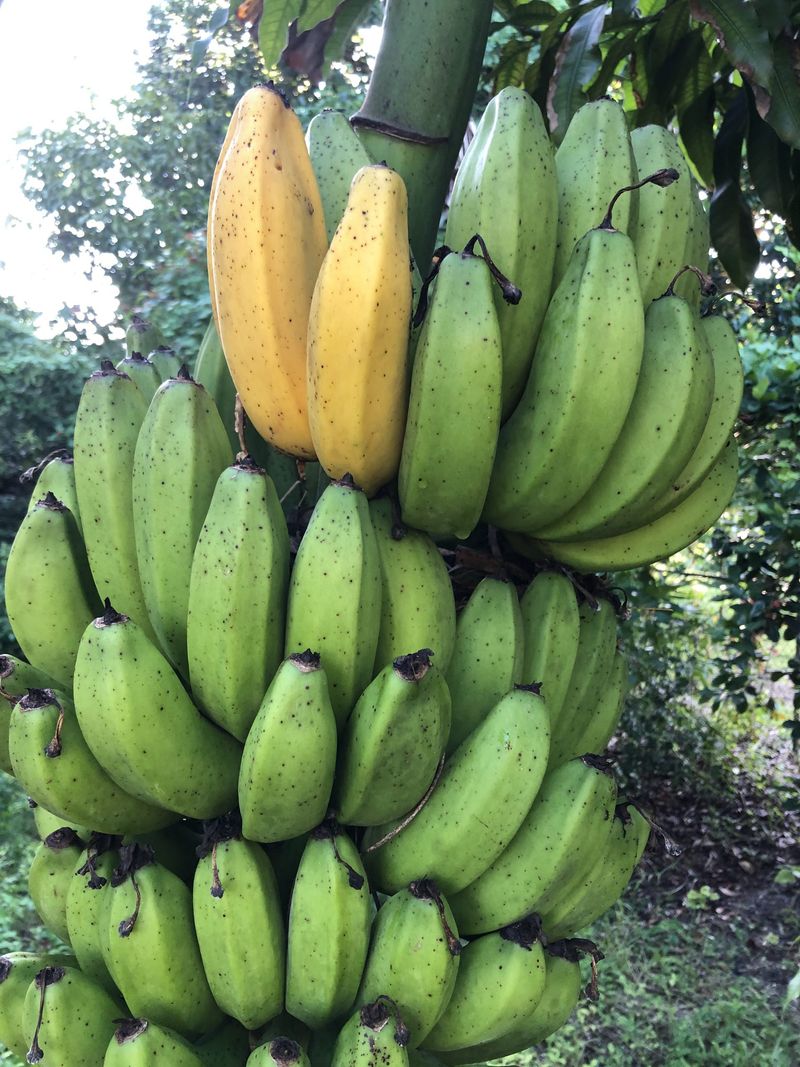
Big leaves can make a backyard feel tropical, and banana plants do that better than almost anything else you can grow in a warm-season garden.
Beyond the visual appeal, bananas can produce actual fruit in southern regions and many parts of central areas when given the moisture, nutrients, and space they need.
They grow fast and fill a corner of the yard with real presence.
Cold is the main challenge for gardeners in northern regions. A hard freeze can damage or knock back the above-ground portion of the plant significantly.
Southern and central regions generally offer a more reliable climate for consistent fruiting, though even there, cold snaps can set plants back.
Mulching the base heavily before cooler months helps protect the root zone and allows the plant to regrow from the ground when temperatures warm again.
Bananas need regular water and consistent fertilization during the growing season to support their large leaves and developing fruit bunches. They also produce suckers around the base of the main plant, which form a clump over time.
Managing those suckers by selecting one or two strong ones to replace the main plant after it fruits helps keep the clump productive and tidy.
Wind and storms are worth planning for since large leaves catch a lot of air. Planting in a somewhat sheltered spot or near a sturdy fence or building can reduce damage during summer storms.
That protection helps during hurricane season, which overlaps with peak growing time.
7. Fig Handles Heat Once Roots Settle In
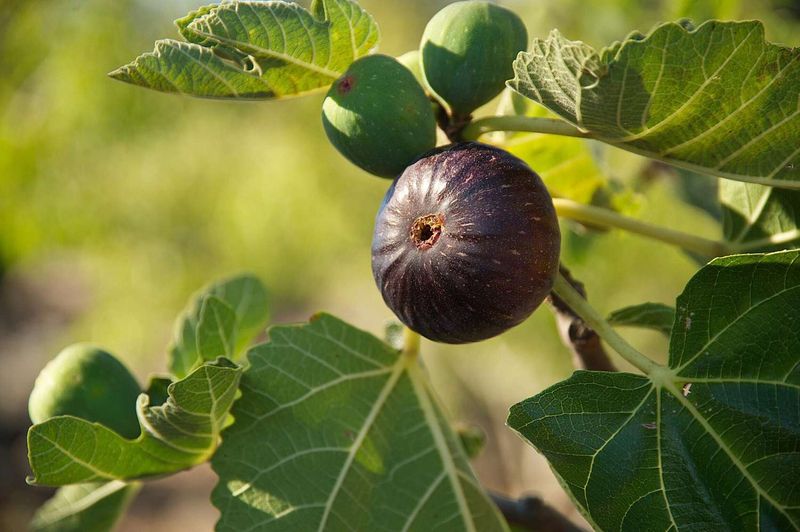
Established roots make heat easier to handle. Figs are one of the best examples of a fruit tree that rewards patience with reliable production once it finds its footing.
Figs are not tropical plants, but they can handle warm summers well once they are established in a suitable site. The right variety and the right location make a much bigger difference here than in many other fruit crops.
Full sun and well-drained soil are the two most consistent requirements. Figs do not like wet feet, and sandy soil with good drainage actually suits them reasonably well.
Raised beds or slightly elevated planting spots help in areas prone to standing water after summer rains. Avoid heavy clay or poorly drained areas where roots may stay too wet.
Variety selection has a real impact on performance. Some fig types do better in northern regions of the state where winters are cooler, while others are better adapted to the warmer southern areas.
Checking with your local Extension office or a reputable local nursery for cultivar recommendations specific to your county is genuinely worth the effort.
Figs can also work well in large containers, which allows gardeners in colder northern areas to move plants to protected spots during cooler months. Container-grown figs may need more frequent watering and fertilizing than those in the ground.
With the right setup, a fig tree can become a reliable and low-maintenance part of a warm-season fruit garden.
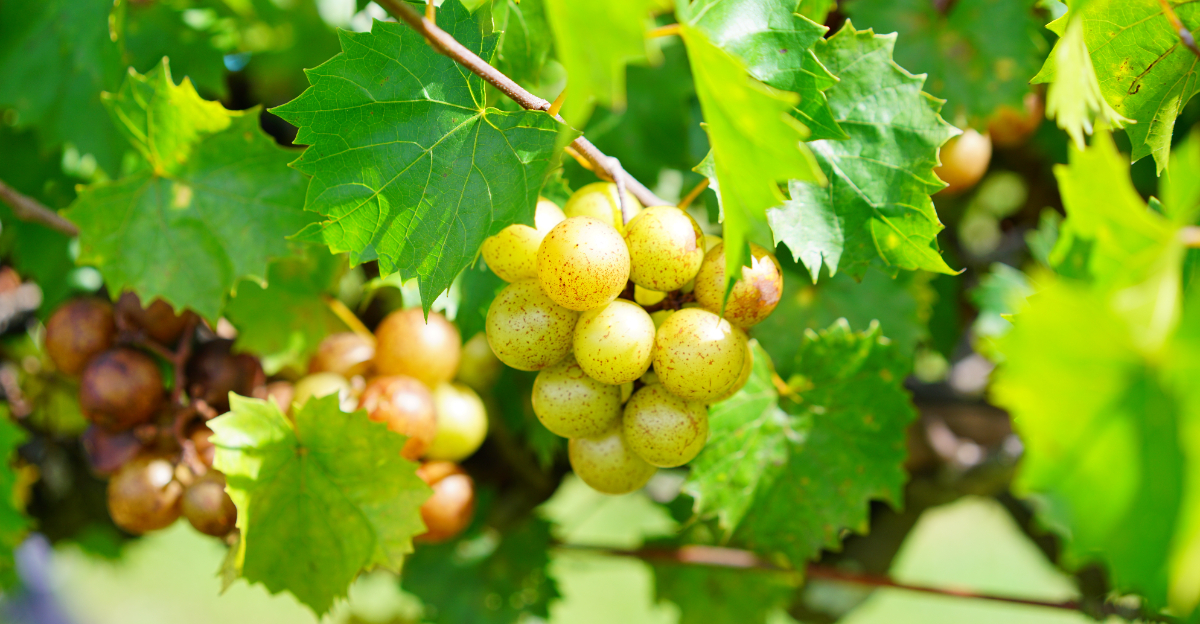
8. Muscadine Grapes Take Summer Sun On A Strong Arbor
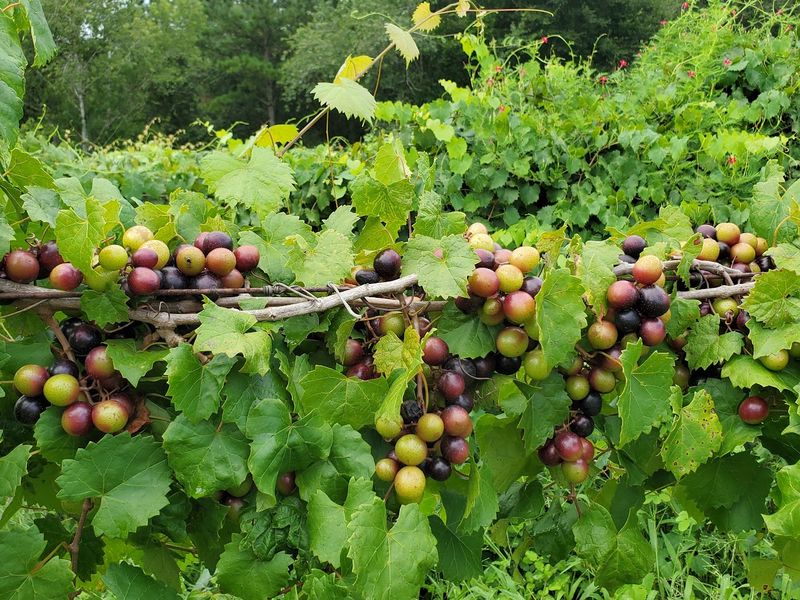
A sturdy arbor can turn summer sun into fruit, and muscadine grapes are one of the best crops to grow on one in a warm, humid climate. Unlike many bunch grape varieties, muscadines do not struggle as much with heat and disease pressure.
They have natural resistance to several common issues that make other grapes difficult to grow here. They are genuinely well-suited to the conditions that challenge so many other fruiting plants during a long, hot summer.
Full sun is non-negotiable for good fruit production. Muscadines need at least six to eight hours of direct sunlight daily to flower and fruit well.
Airflow around the canopy also matters since good circulation helps reduce humidity-related disease pressure on leaves and fruit clusters.
Spacing vines properly and keeping the arbor or trellis open are both part of smart muscadine management.
Pruning is one of the most important practices for consistent production. Muscadine vines that are not pruned regularly tend to produce less fruit and become harder to manage over time.
Learning the basics of dormant-season pruning from your local Extension office is a worthwhile investment of time for any gardener serious about fruit production.
Cultivar choice influences flavor, fruit size, skin thickness, and productivity. Some varieties are better suited to certain regions of the state than others.
Bronze and black muscadine types are both available, and personal taste often drives the final selection. Asking a local nursery or Extension agent for regionally proven recommendations gives your vine the best possible start.