8 Watering Hacks Kentucky Gardeners Use For A Healthier Tomato Harvest
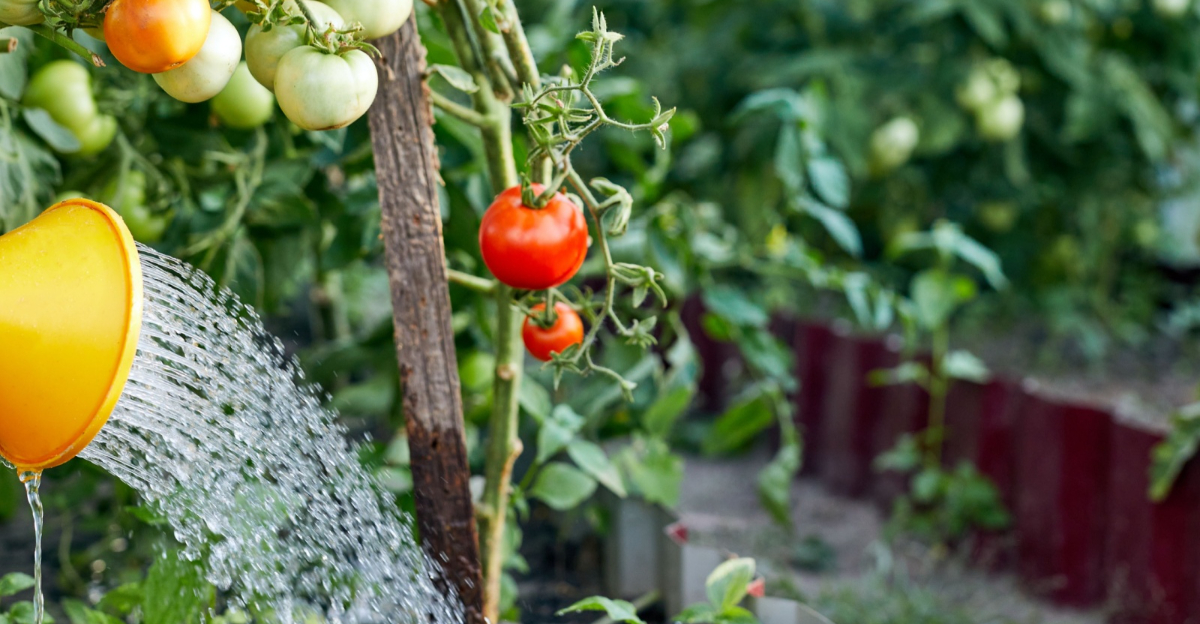
Nobody warns you about the tomato watering spiral.
You check the soil. You second-guess yourself.
You water anyway. Then you spend the next three days wondering if you just drowned them.
Sound familiar? Kentucky summers do not make it easier.
The heat is relentless, the clay soil has a personality of its own, and your tomatoes are quietly judging every single decision you make.
They are dramatic like that.
Here is the thing though.
The gardeners in Kentucky who consistently pull in armloads of ripe, beautiful tomatoes are not working harder than everyone else.
They are just watering smarter.
A few clever tricks, picked up through real seasons of real trial and error, can completely shift your results without adding a single extra hour to your routine.
This is not a lecture on plant biology.
Think of it as your neighbor leaning over the fence, grinning, and saying: “Here is what actually works.”
Eight practical watering hacks, straight from the gardens of people who have grown very good tomatoes in this very stubborn state.
Let’s get into it.
1. The Finger Test Hack That Tells You Exactly When Your Tomatoes Need Water
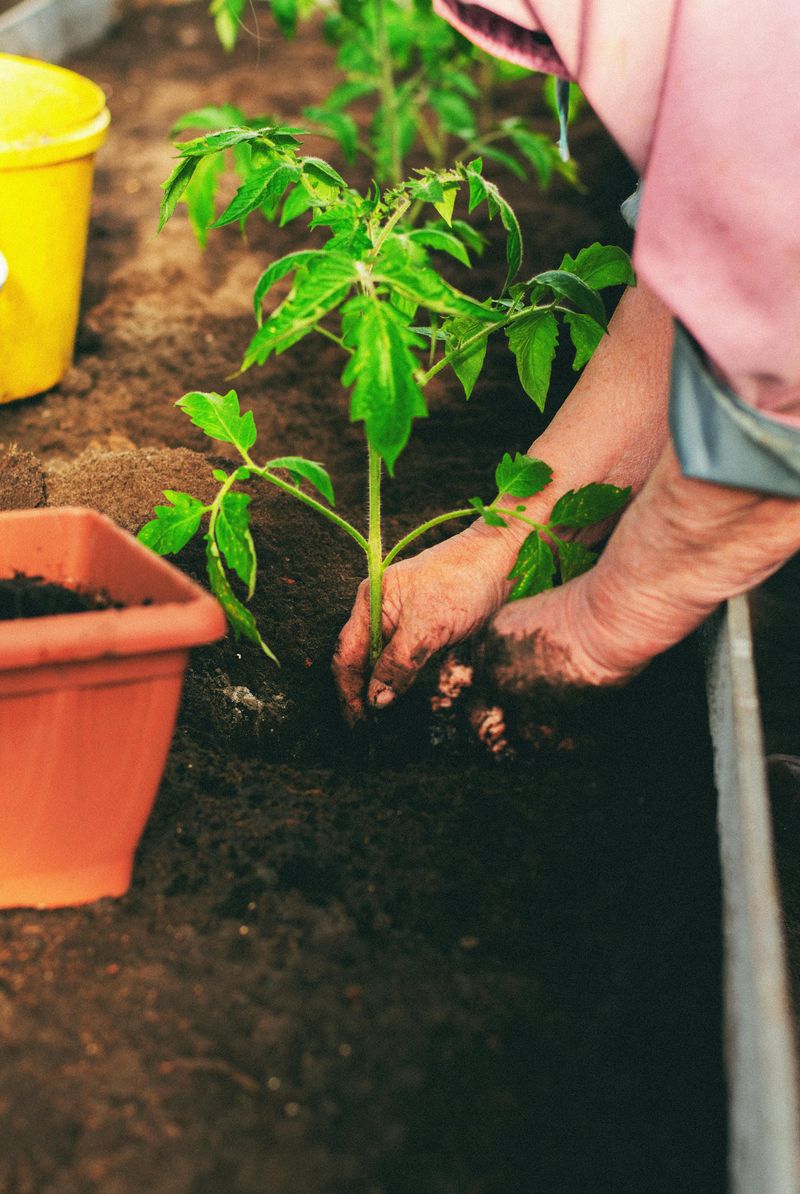
Image Credit: © Tamara Elnova / Pexels
Your finger is the best moisture meter money cannot buy.
Most gardeners guess when to water.
And that guessing game is exactly what leads to overwatered, root-rotted tomato plants that never reach their potential.
The finger test is one of the simplest watering hacks you can use, and it takes about three seconds to do.
Push your index finger about two inches straight down into the soil right next to your tomato plant.
If the soil feels moist and cool at that depth, your plant is fine and does not need water yet.
If it feels dry and crumbly, that is your green light to grab the hose.
Tomato roots sit deeper than most people expect, often stretching six to ten inches below the surface.
Checking only the top layer of soil tricks you into thinking the plant is dry when the roots are actually sitting in plenty of moisture.
That false alarm leads to overwatering, which starves your roots of oxygen and opens the door to fungal diseases.
In Kentucky’s humid summer heat, those diseases spread fast.
Do this test every single morning, it takes less time than checking your phone. Make it a habit and your plants will thank you all season long.
After a week or two, you will start to notice patterns based on heat, rainfall, and your specific soil type.
Knowing your garden on that level is what separates a decent harvest from an incredible one.
Trust your finger before you trust any schedule.
2. The Buried Bottle Trick That Delivers Water Directly To The Roots
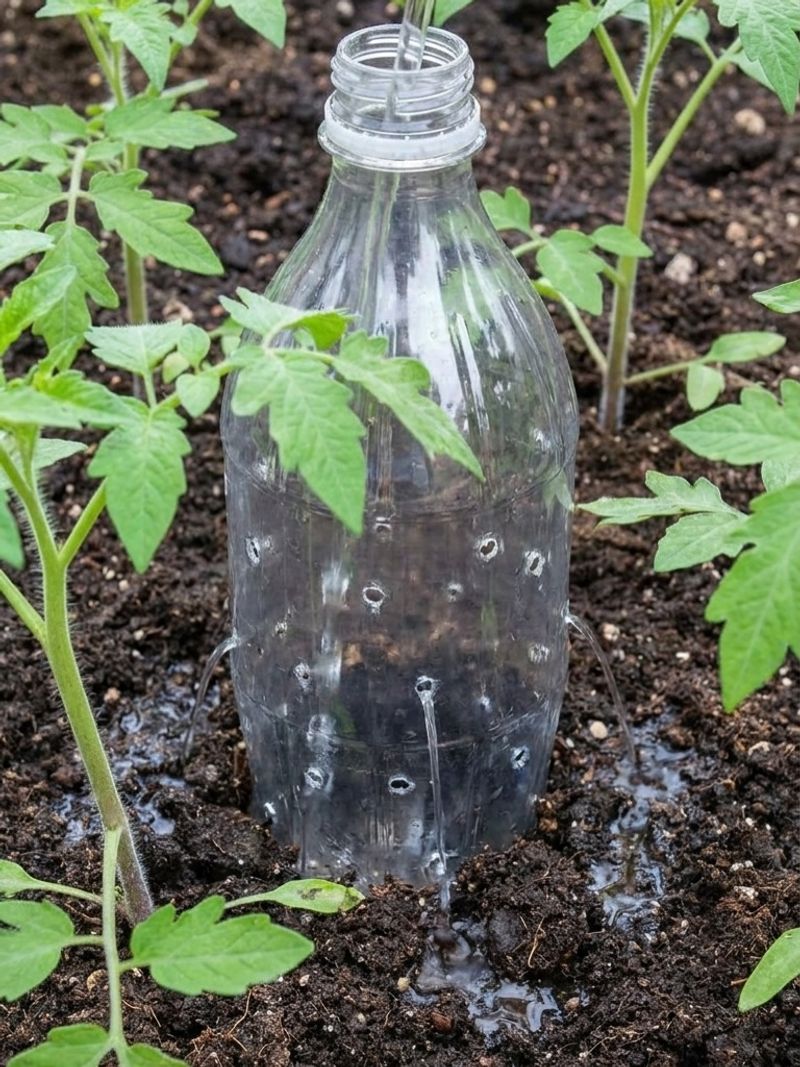
Plastic bottles were sitting in your recycling bin, and this whole time they could have been quietly feeding your tomato roots.
The buried bottle trick is a watering hack Kentucky gardeners swear by, especially during dry spells when surface watering just does not cut it.
Your Kentucky Garden Changes Every Week. Your Plan Should Too.
Gardening in Kentucky changes quickly throughout the season. Every Friday you’ll receive a simple weekly plan showing exactly what to plant, prune, fertilize, harvest, and protect so you never miss the right timing.
It is one of those ideas that sounds almost too simple until you actually try it.
Take a two-liter plastic bottle and use a nail or skewer to poke five to eight small holes along the bottom third.
Bury it upside down right next to your tomato plant, leaving just the base of the bottle sticking up above the soil.
Fill it with water, and it will slowly seep directly down to the root zone where the plant actually needs it.
Surface watering loses a surprising amount of moisture to evaporation before it ever reaches the roots.
On a hot July afternoon in Kentucky, that loss can be significant enough to leave your tomatoes stressed even after a full watering session.
The buried bottle bypasses all of that by putting water exactly where roots are actively growing.
Refilling the bottle once a day during peak heat keeps the root zone consistently moist without wasting a drop.
You can even add a diluted liquid fertilizer to the bottle for a slow, steady nutrient feed that pairs beautifully with deep root development.
It is a simple upgrade that makes a real difference during the hottest weeks of the season.
Simple tools, serious results.
3. The Mulch Hack That Keeps Kentucky Soil Moist For Days
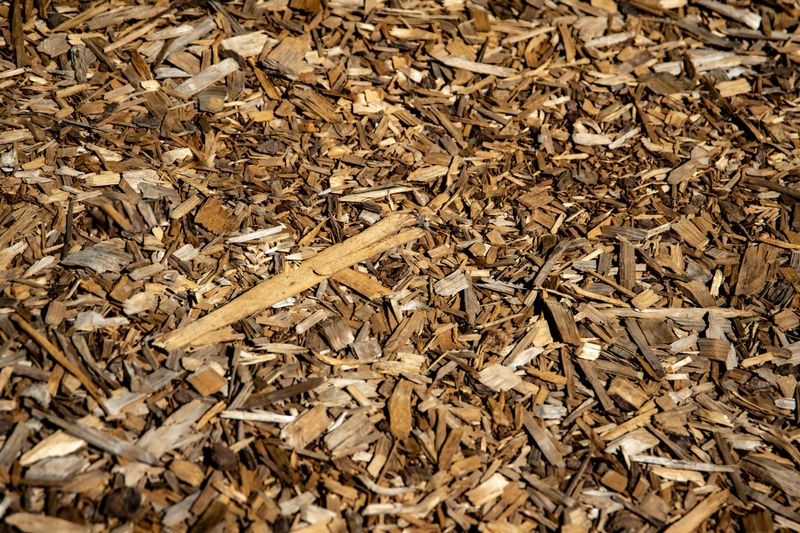
Bare soil is basically an open invitation for your water to evaporate and disappear before your tomato roots can drink a drop.
A three-inch layer of mulch around the base of each plant locks in moisture and keeps the root zone cool. Even when summer temperatures climb into the nineties.
Kentucky gardeners who skip this step are working twice as hard for half the harvest.
Straw is the most popular choice because it is lightweight, cheap, and easy to find at any local farm supply store.
Shredded leaves, wood chips, and even grass clippings work well too, though you want to avoid anything treated with herbicides.
Spread the mulch in a generous ring around the base of the plant, keeping it a couple of inches away from the stem to prevent rot.
Well-mulched soil holds moisture two to three days longer than bare ground. That means you can stretch the time between waterings without stressing your plants.
That consistency matters a lot for tomatoes. They are prone to blossom end rot when moisture levels go up and down too much.
Smooth, even hydration from root to stem is what produces those big, blemish-free tomatoes that make the neighbors ask questions.
As the mulch breaks down over the season, it also feeds the soil with organic matter that improves drainage and texture year after year.
You are not just solving a watering problem, you are building a better garden from the ground up.
One bag of straw goes a long way toward keeping your soil healthier all season.
4. The Morning Watering Hack That Prevents Disease And Boosts Yield
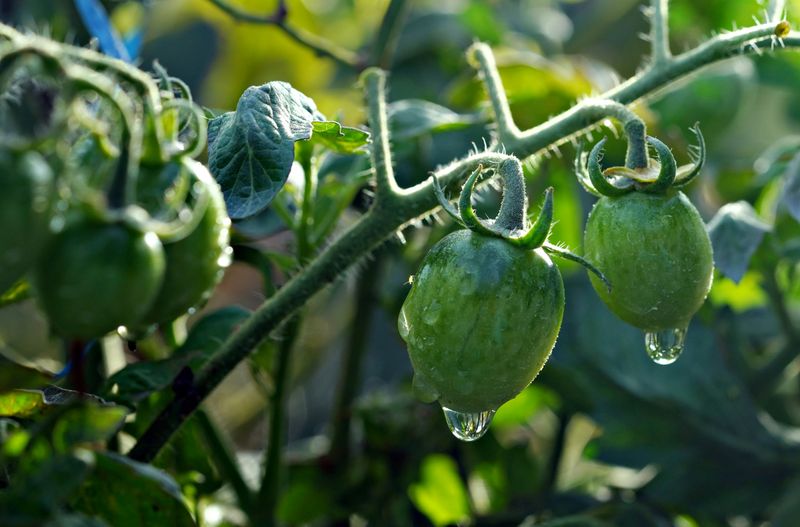
Timing your watering session might sound like a small detail, but it is one of the most impactful decisions you make as a tomato grower.
Watering in the morning gives plants a full day to absorb moisture before the heat peaks.
And it lets any water that lands on leaves dry off quickly before nightfall.
Wet leaves sitting in cool evening air are basically a welcome mat for fungal disease.
Diseases like early blight and septoria leaf spot spread rapidly in humid conditions.
And Kentucky summers provide plenty of that humidity on their own.
Adding nighttime moisture to the equation speeds up the spread significantly.
And prevention is far more effective than any spray treatment after the fact.
Morning watering removes that variable entirely and gives your plants a clean, dry night to rest.
Beyond disease prevention, morning hydration sets up your tomato plants to handle heat stress more effectively throughout the day.
Well-hydrated plants keep their stomata open longer, which means more photosynthesis, more energy, and ultimately more fruit production.
That is not a theory, it is plant biology working in your favor.
If your schedule makes morning watering tricky, a simple timer attached to a drip line solves the problem without you having to think about it.
Set it for six or seven in the morning, and your garden handles itself while you drink your coffee.
Consistency is the secret ingredient that turns a good tomato plant into a great one, and morning watering delivers that consistency every single day.
Your harvest will show it.
5. The Slow Drip Hack That Trains Roots To Grow Deeper
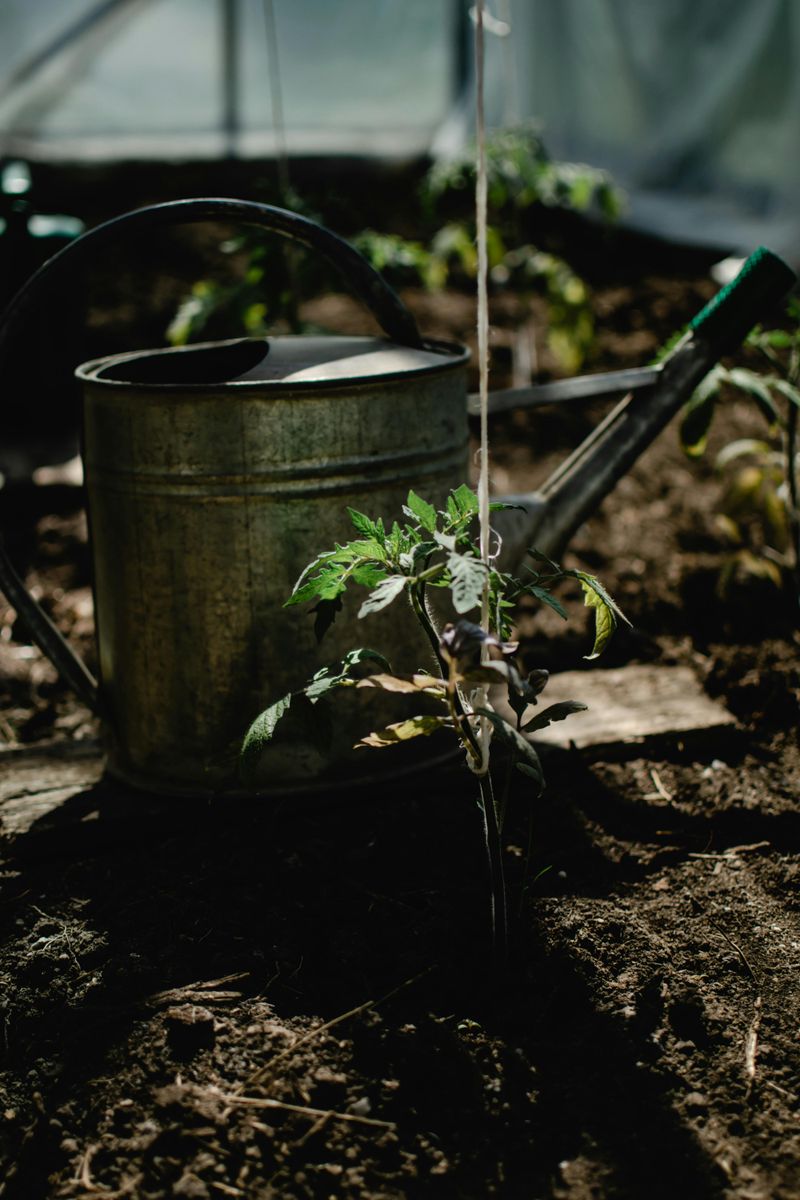
Shallow roots are a liability in any garden.
But in Kentucky, during a dry spell, they leave your plants with nowhere to turn.
The top few inches of soil can turn to dust in a matter of days, and shallow-rooted plants go down with it.
The slow drip hack fixes that.
It trains your tomato roots to chase water deeper into the ground, where moisture stays stable and temperatures stay cool.
Down there, your plants can handle whatever the Kentucky summer throws at them.
Deep roots equal a tougher, more productive plant.
And the slow drip method is exactly how you get them.
A basic drip irrigation kit from any garden center does the job, or you can DIY it with a bucket and a small hole drilled in the bottom.
Either way, the slow release encourages roots to follow the water downward rather than spreading out near the surface.
Surface-watered plants develop shallow root systems because they learn that moisture is always available at the top.
When a heat wave hits or you miss a day of watering, those shallow roots have nowhere to go and the plant wilts fast.
Slowly drip-watered plants have roots that push considerably deeper than surface-watered plants ever manage to reach.
Switching to a slow drip system also cuts your total water use because less is lost to runoff and evaporation.
Your plants get more with less, which feels like a win no matter how you look at it.
Start with just one or two plants this season and watch the difference in how they handle summer stress.
The roots tell the whole story.
6. The Wooden Stick Trick That Stops You From Overwatering
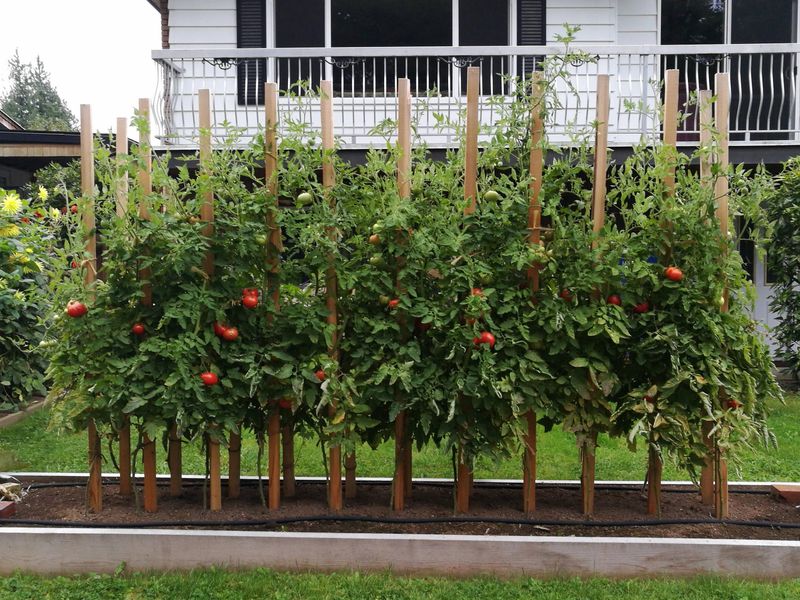
Overwatering is one of the most common reasons tomato plants fail, and it is easier to do than most gardeners expect.
And the scary part is that it looks almost identical to underwatering until the damage is already done.
Wilted leaves, yellowing stems, and stunted growth can all point to roots that are drowning rather than thirsting.
The wooden stick trick gives you a simple way to know which problem you are actually dealing with before it is too late.
Grab a plain wooden chopstick, a dowel, or even a thick skewer and push it about four inches into the soil beside your tomato plant.
Leave it there for thirty seconds, then pull it out and look at it.
If soil clings to the wood and it feels cool and damp, you have plenty of moisture and watering can wait.
A dry stick that pulls out clean tells you the soil below the surface has dried out and the plant is ready for water.
This method checks deeper than your finger can comfortably reach, giving you a more accurate read on what the root zone is actually experiencing.
It is especially useful after a rainstorm when the surface looks wet but deeper soil may still be bone dry.
Keeping a dedicated stick in each of your tomato beds makes this a two-second daily habit that costs absolutely nothing.
Over time, you start to develop a feel for how fast your specific soil dries out based on temperature, sun exposure, and rainfall.
That kind of personal knowledge is something no app or weather forecast can give you.
Know your soil, and your tomatoes will reward you generously.
7. The Shade Cloth Hack That Cuts Watering Needs In Kentucky’s July Heat
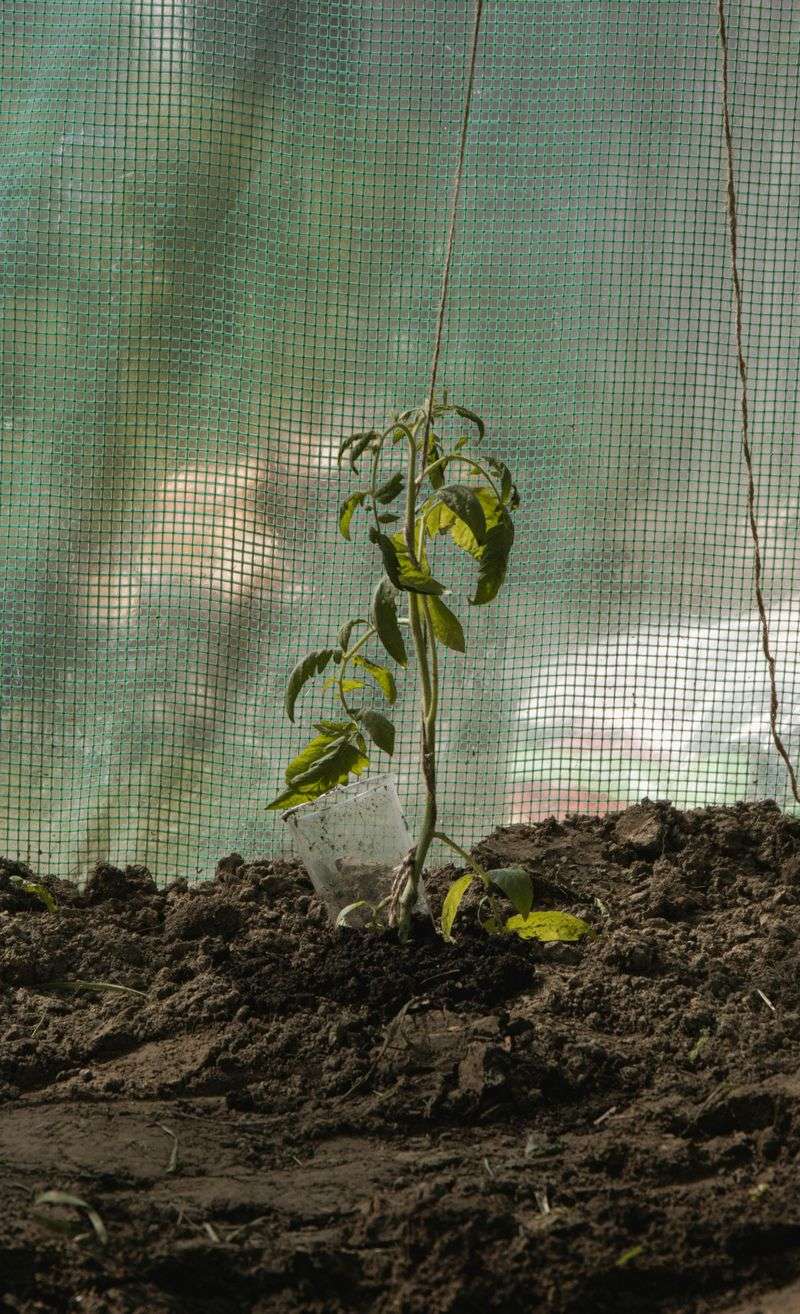
July in Kentucky is not gentle, and tomato plants feel every degree of it.
Soil temperatures under direct afternoon sun can spike fast.
We are talking high enough to damage roots and burn off moisture before your plants even get a chance to use it.
At that point, even twice-daily watering struggles to keep up.
A shade cloth stretched over your tomato beds is one of the most underused watering hacks in the home garden toolkit.
A thirty to forty percent shade cloth blocks enough harsh afternoon sun to drop soil temperature noticeably. And it does that without reducing the light your plants need for strong growth and fruit production.
Cooler soil holds water longer, which means your plants stay hydrated between waterings even on the hottest days of the season.
That simple reduction in evaporation can noticeably cut how often you need to water during peak summer weeks.
Setting up a shade cloth is easier than it sounds.
Most gardeners prop it up with a few wooden stakes and zip ties, leaving enough room for air to circulate underneath.
Removable setups let you take the cloth down on cooler days or after the brutal heat of midsummer passes.
Beyond water savings, shade protection reduces heat stress. And heat stress is one of the top reasons tomato plants drop their blossoms and stop setting fruit in the middle of summer.
Fewer dropped blossoms means more tomatoes making it to full size on your vine.
Paired with a consistent morning watering routine, this hack can genuinely transform your late-season harvest.
Cooler roots, happier plants, bigger tomatoes waiting on the vine.
8. The Epsom Salt Watering Hack Kentucky Gardeners Swear By
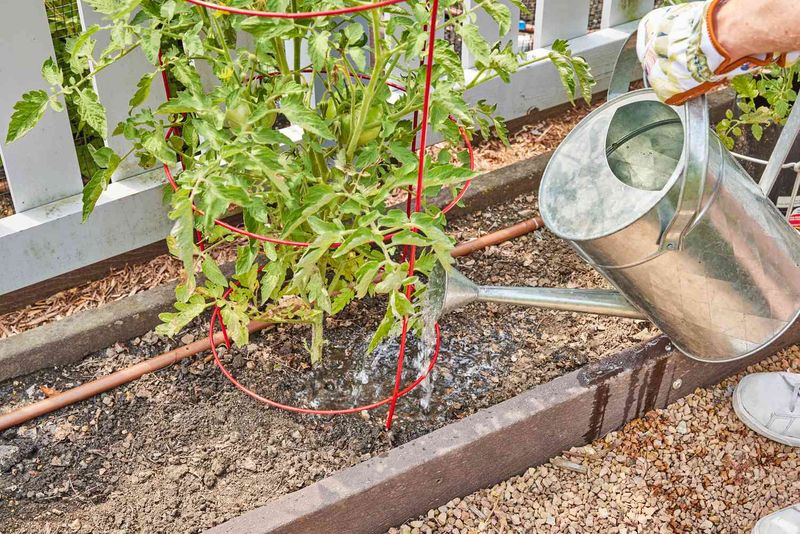
Kentucky gardeners have been quietly adding Epsom salt to their watering cans for generations.
And plenty of them swear the results show up fast, lush, deep-green foliage and tomatoes that grow thick and heavy on the vine.
Epsom salt is magnesium sulfate.
A natural mineral compound that tomatoes need to produce chlorophyll and absorb other nutrients effectively.
When magnesium runs low, plants show it fast.
Yellowing leaves, weak fruit, slow growth.
Here is the catch though.
This hack works best when your soil is actually low in magnesium, and not all Kentucky soil is.
Before reaching for the Epsom salt, it is worth doing a quick soil test from your local extension office.
It is inexpensive and will tell you exactly where your magnesium levels stand.
If your soil tests low, the fix is simple.
Dissolve one tablespoon of Epsom salt into a gallon of water.
Apply it directly to the base of each plant once every two weeks throughout the growing season.
Some gardeners also spray a diluted solution directly on the leaves.
It absorbs faster that way, especially when plants show early signs of stress or yellowing between the veins.
If your soil levels are already fine, skip it, adding magnesium you do not need can interfere with calcium absorption and cause more problems than it solves.
Pair this hack with deep root training and consistent morning watering.
You have got a complete system working in your favor, from first bloom all the way to final pick.
Small habits.
Applied consistently.
That is what separates a decent harvest from one that fills your kitchen and impresses everyone who walks through your garden gate.