Pennsylvania Plants That Smother Weeds In Dry Shade Without Chemicals
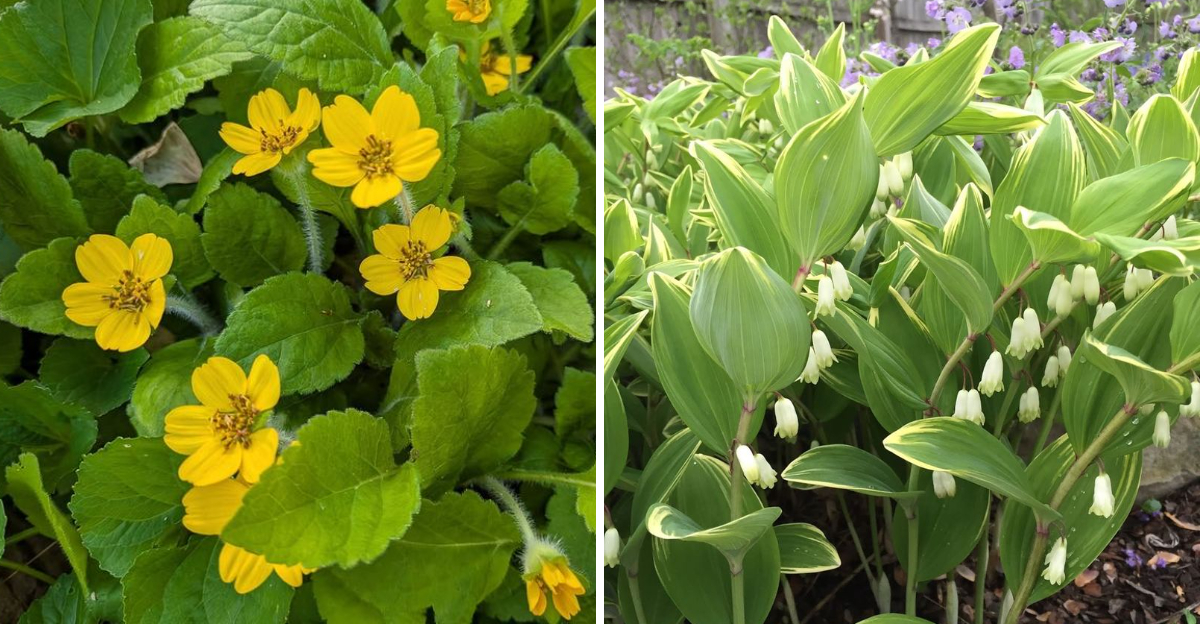
Dry shade is widely considered one of the hardest problems in Pennsylvania gardening, and for good reason. You are dealing with low light, minimal moisture, and soil that is often packed with tree roots competing for whatever resources are available.
Weeds still find a way to move in though, and without something actively filling that space, they will keep coming back no matter how often you pull them. The solution is not more mulch or another round of herbicide.
It is finding plants that are genuinely adapted to dry shade conditions and spread aggressively enough to leave weeds nowhere to grow.
Pennsylvania has a good selection of these, plants that settle in quickly, spread laterally across the ground, and create the kind of dense coverage that stops weed germination before it starts.
Some of them add seasonal interest on top of the suppression, making what used to be a problem corner into one of the more interesting parts of the yard.
1. Wild Ginger
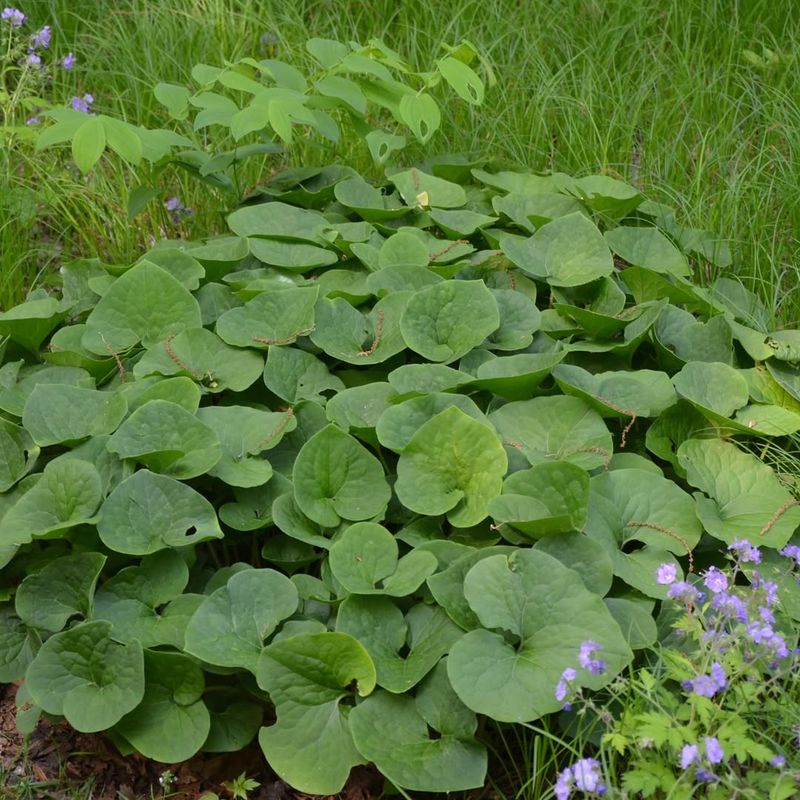
If you have a shady corner of your yard that nothing seems to want to grow in, Wild Ginger might just become your new favorite plant.
Native to Pennsylvania woodlands, this low-growing perennial spreads slowly but steadily to form a thick, lush carpet across the forest floor.
Its broad, heart-shaped leaves are so dense that sunlight barely reaches the soil beneath them, which is exactly what makes it such an outstanding weed fighter.
Wild Ginger grows only about six inches tall, making it perfect for tucking under trees or along shaded garden edges. It spreads through underground rhizomes, quietly filling in bare patches over a few seasons without becoming invasive or unruly.
Once established, it rarely needs watering or fertilizing, making it one of the most hands-off plants you can choose for a tough spot.
One fun fact many gardeners love to share: Wild Ginger is not related to the cooking ginger you find in grocery stores, but its roots do carry a similar spicy scent when crushed.
Wildlife also benefits from this plant, as certain beetles and flies are attracted to its small, hidden flowers in spring.
Planting Wild Ginger in groups of three or more speeds up coverage and gives weeds less chance to sneak in.
With a little patience, this native beauty will reward you with year after year of reliable, chemical-free weed suppression in even the driest shaded areas of your Pennsylvania yard.
2. Pennsylvania Sedge
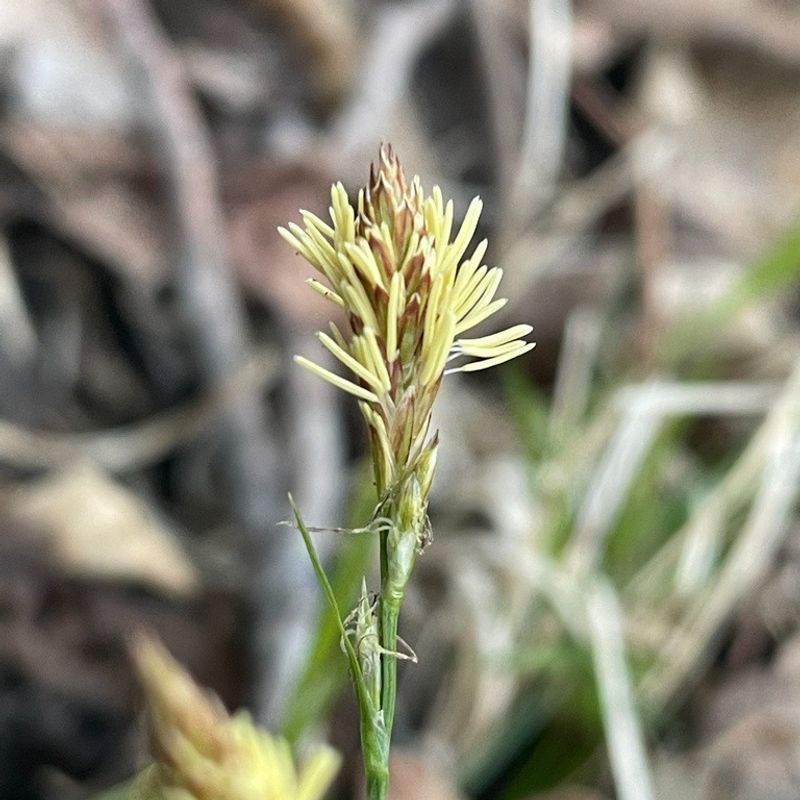
Not every weed-smothering plant has to look bold or showy, and Pennsylvania Sedge proves that perfectly. This fine-textured, grass-like native plant is one of the most adaptable ground covers you can find for dry shade in the Mid-Atlantic region.
It forms soft, arching clumps that slowly knit together over time, creating a seamless green carpet that leaves almost no room for weeds to establish themselves.
Pennsylvania Sedge is especially impressive because it stays green through much of the year, even in spots where traditional lawn grass would give up completely.
It handles dry soil under mature trees without complaint, which is a condition that defeats most other plants.
Your Pennsylvania Garden Changes Every Week. Your Plan Should Too.
Gardening in Pennsylvania changes quickly throughout the season. Every Friday you’ll receive a simple weekly plan showing exactly what to plant, prune, fertilize, harvest, and protect so you never miss the right timing.
Because it grows slowly and spreads through short rhizomes, it stays tidy and never becomes aggressive in a garden setting.
Gardeners who have made the switch from struggling lawn grass to Pennsylvania Sedge often say it changed the way they think about low-maintenance landscaping.
You can mow it lightly once a year in early spring to keep it looking fresh, or simply leave it alone for a more natural, woodland look.
Birds appreciate the habitat it provides, and it pairs beautifully with other shade-loving natives like Wild Ginger or Foamflower.
If you have a challenging area beneath oak or maple trees where nothing else seems to thrive, Pennsylvania Sedge is genuinely one of the best solutions available.
Plant it in spring or fall for the best establishment results and enjoy the coverage it builds season after season.
3. Foamflower
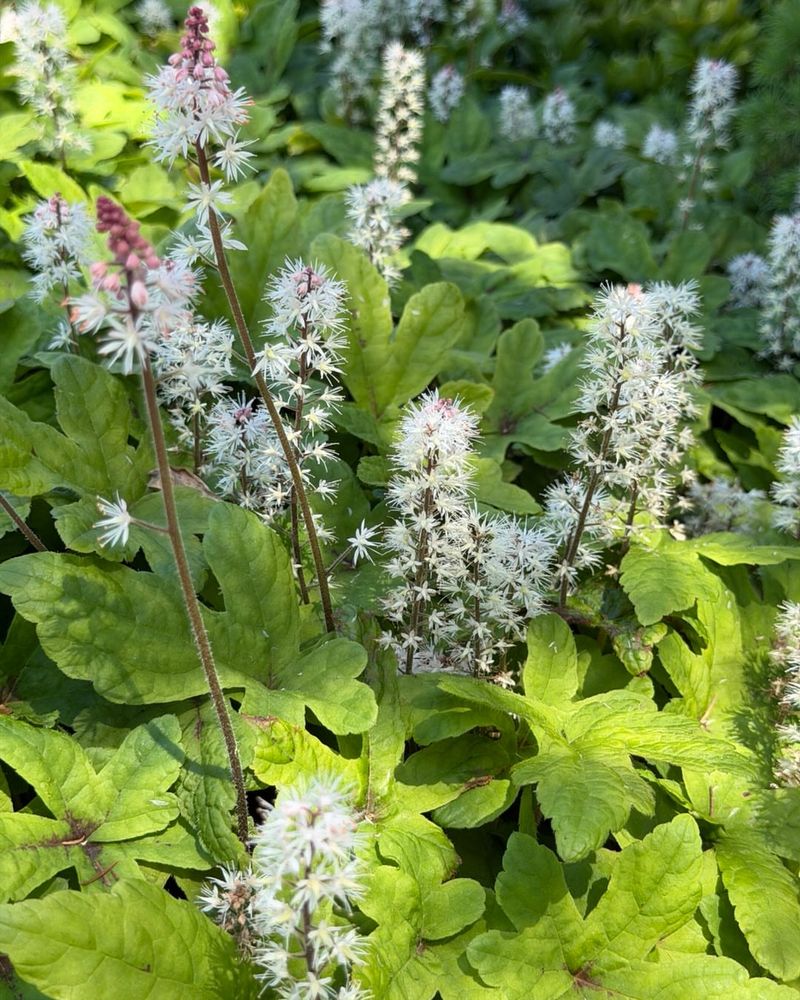
There is something almost magical about watching Foamflower bloom in spring. Clusters of tiny, frothy white flowers rise above a mat of attractive, lobed leaves, creating a soft and dreamy look in shaded garden beds.
Beyond its undeniable beauty, Foamflower is a powerhouse when it comes to suppressing weeds naturally in dry, shaded spots across Pennsylvania.
Native to eastern woodlands, Foamflower spreads through both stolons and seeds, forming colonies that gradually expand and fill in bare ground.
The foliage stays relatively low, usually around six to nine inches tall, and remains attractive even after the flowers fade in late spring.
Because the leaves grow in overlapping layers, they block light from reaching the soil surface, which is the key to preventing weed seeds from sprouting and taking hold.
What really sets Foamflower apart from many other ground covers is its versatility. It handles everything from moderately moist to fairly dry shade, making it reliable even in challenging spots under dense tree canopies.
Some varieties even offer striking burgundy or bronze-tinted foliage, adding a decorative touch to your weed-fighting strategy. Foamflower also attracts early pollinators in spring, so you are supporting local wildlife while keeping your garden tidy.
Plant it in groups and give it a season or two to settle in, and you will quickly see it start crowding out unwanted plants with ease. It is a rewarding native that earns its place in any Pennsylvania shade garden without demanding much attention in return.
4. Christmas Fern
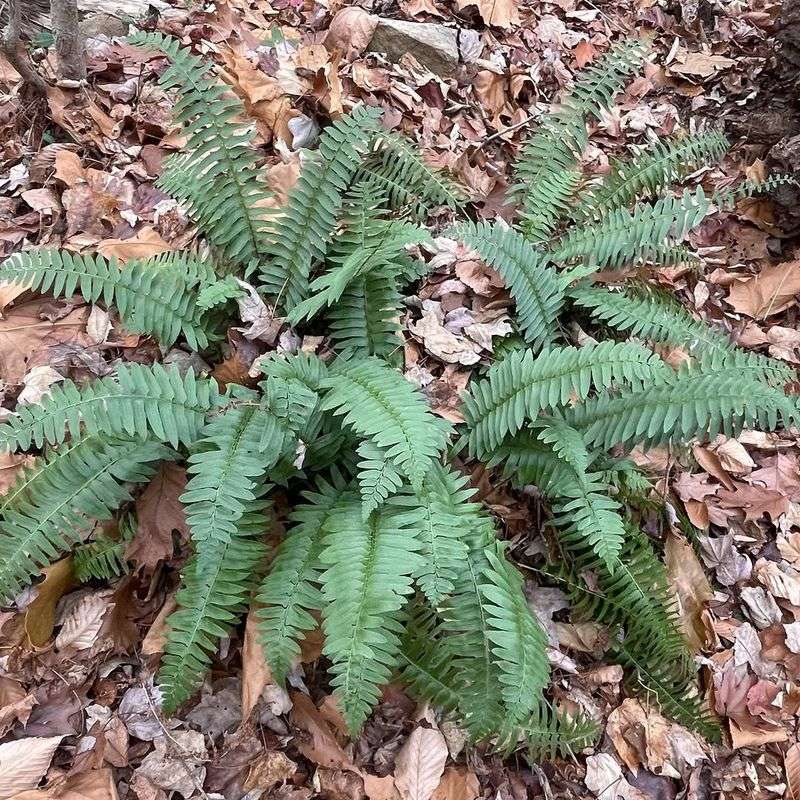
Walk through almost any Pennsylvania woodland in December and you will likely spot Christmas Fern, its dark green fronds standing out vividly against the bare winter ground. Early colonists reportedly used it as holiday decoration, which is how it got its festive name.
That evergreen quality is not just pretty; it is also one of the reasons Christmas Fern is such a reliable weed suppressor in dry shaded landscapes.
Unlike many ferns that struggle in dry conditions, Christmas Fern handles drought-like shade fairly well once it gets established. Its fronds grow in arching clumps that spread outward over time, covering more and more soil with each passing year.
Because the fronds stay green all winter, they continue shading the ground even when most other plants have gone dormant, giving weed seeds fewer opportunities to germinate in early spring.
Christmas Fern works especially well on slopes and hillsides where erosion can be a problem alongside weed pressure. Its root system holds soil in place while the fronds above block light and reduce bare patches.
It grows well under oaks, beeches, and other large shade trees that create the dry, challenging conditions many plants cannot handle. You can combine it with Wild Ginger or Solomon’s Seal for a layered, naturalistic look that covers ground at multiple heights.
Maintenance is minimal; simply cut back the old fronds in late winter before new growth emerges. For a tough, evergreen, chemical-free weed fighter, Christmas Fern is hard to beat in Pennsylvania gardens.
5. Green-And-Gold
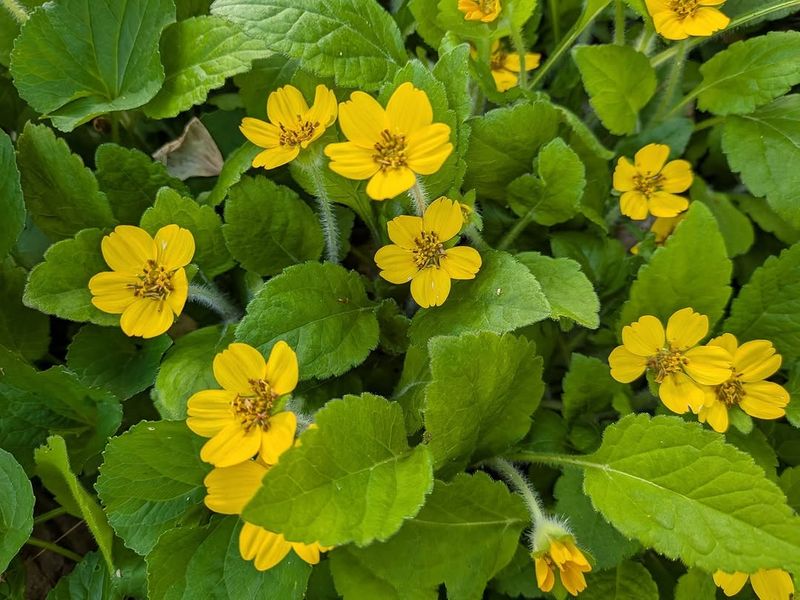
Bright yellow flowers popping up in a shady garden bed might sound too good to be true, but Green-and-Gold delivers exactly that.
Also known by its botanical name Chrysogonum virginianum, this cheerful native plant is one of the most underused ground covers for dry shade in Pennsylvania.
It forms a low, spreading mat of dark green foliage that hugs the ground tightly, leaving very little open soil for weeds to claim.
Green-and-Gold blooms heavily in spring and then continues producing scattered flowers throughout summer and into fall, giving your shade garden a long season of color.
The plant spreads through both runners and seeds, gradually filling in areas without becoming aggressive or difficult to manage.
It typically stays under six inches tall, which makes it an excellent choice for planting beneath shrubs or along shaded walkway edges.
One of the standout qualities of Green-and-Gold is how well it handles dry conditions once established. Many shade-loving plants demand consistently moist soil, but this one is genuinely tough when it comes to summer drought under tree canopies.
It also attracts bees and other pollinators, which is a welcome bonus for any garden. Pairing it with taller plants like Christmas Fern or Solomon’s Seal creates a layered look that covers ground at different heights while maximizing weed suppression.
If your shaded beds have felt dull and bare, Green-and-Gold brings both beauty and function to the space in a way that feels effortless and rewarding every single season.
6. Allegheny Spurge
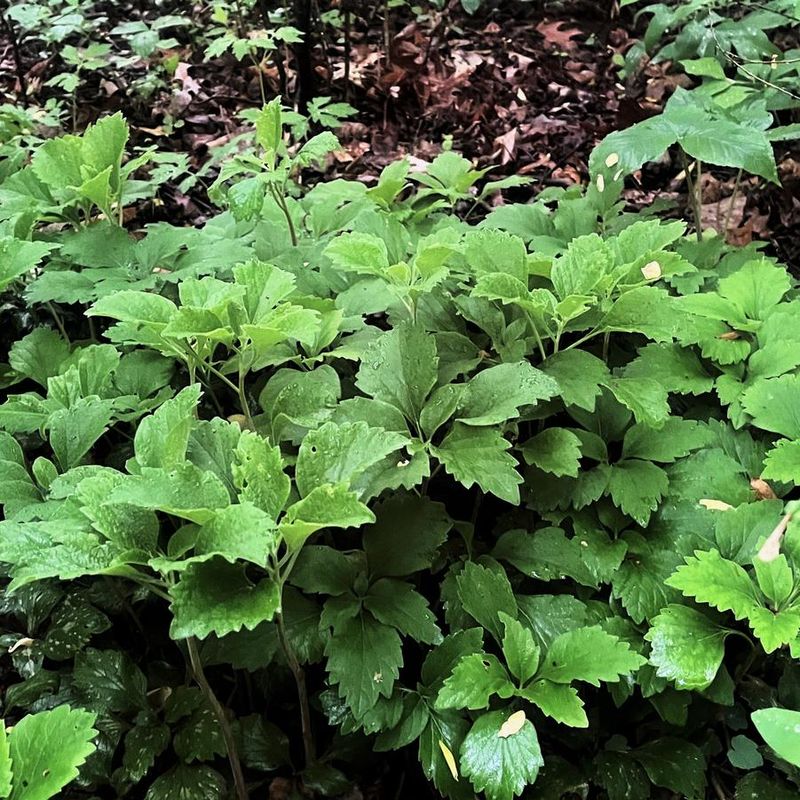
Most people have heard of Japanese Pachysandra, the common ground cover planted in shady spots across American suburbs. But Allegheny Spurge, its native cousin, is actually a better choice for Pennsylvania gardens and does not get nearly enough credit.
Its leaves are beautifully patterned with silvery-green markings, giving it a more interesting appearance than the plain Japanese version while also being far more supportive of local wildlife.
Allegheny Spurge forms dense, low colonies that spread slowly through underground stems. The foliage grows in a semi-evergreen rosette pattern, staying attractive through most of the year and shading the soil beneath it consistently.
In spring, it sends up short spikes of fragrant white flowers that are a treat for early pollinators buzzing around the garden before other plants have fully woken up.
What makes Allegheny Spurge particularly valuable is its ability to thrive in dry, rocky woodland soil, which is exactly the kind of challenging environment found beneath large Pennsylvania hardwood trees.
It does not demand rich or amended soil, and once established, it needs very little water or care.
Planting it in larger groupings helps it fill in faster and compete more effectively against stubborn weeds. It pairs well with Christmas Fern or Wild Ginger for a layered native plant combination that looks intentional and polished.
Choosing Allegheny Spurge over imported alternatives also supports local insects and birds that depend on native plants for food and shelter, making it a genuinely smart and responsible choice for any Pennsylvania shade garden.
7. Solomon’s Seal
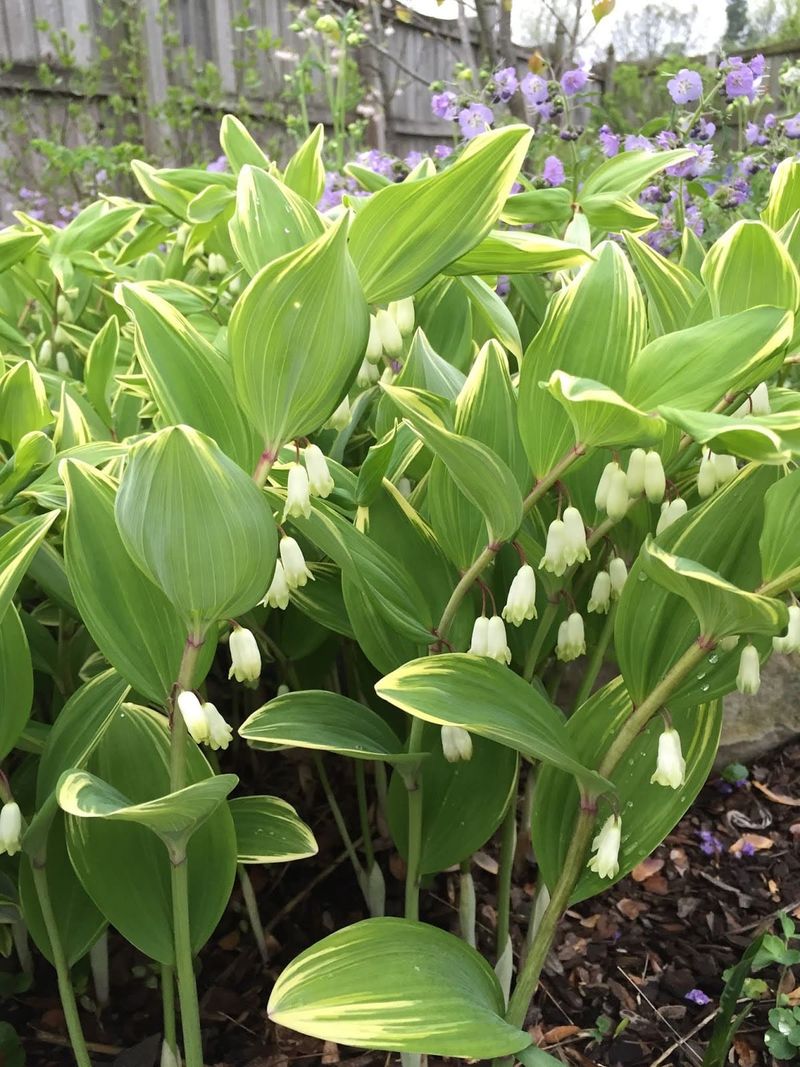
Few plants bring as much elegance to a shaded garden as Solomon’s Seal. Its long, gracefully arching stems lined with paired oval leaves create a layered, architectural look that feels right at home in Pennsylvania’s woodland-style landscapes.
Beneath those beautiful stems, the dense shade it casts plays a quiet but powerful role in keeping weeds from taking over garden beds.
Solomon’s Seal spreads through thick underground rhizomes, slowly expanding its colony year after year. In late spring, small white bell-shaped flowers dangle beneath the stems like tiny lanterns, followed by dark berries that birds find irresistible in fall.
The plant can grow anywhere from one to three feet tall depending on the variety, making it useful for filling the middle layer of a shade garden between low ground covers and taller shrubs.
Dry shade is no obstacle for Solomon’s Seal once it gets settled into the ground. It handles the tough conditions under large trees with ease, and its spreading habit means it gradually covers more bare soil each season.
Combining it with lower-growing plants like Pennsylvania Sedge or Foamflower creates a multi-level planting that covers ground from top to bottom, leaving almost no room for weeds to sneak through.
Fall brings another visual reward when the leaves turn a warm, buttery yellow before dropping.
Solomon’s Seal is one of those rare plants that looks stunning in every season, works hard for your garden all year long, and never asks for much in return from you as a gardener.