These Yard Mistakes Are Making Tick Problems Worse In Georgia This Spring
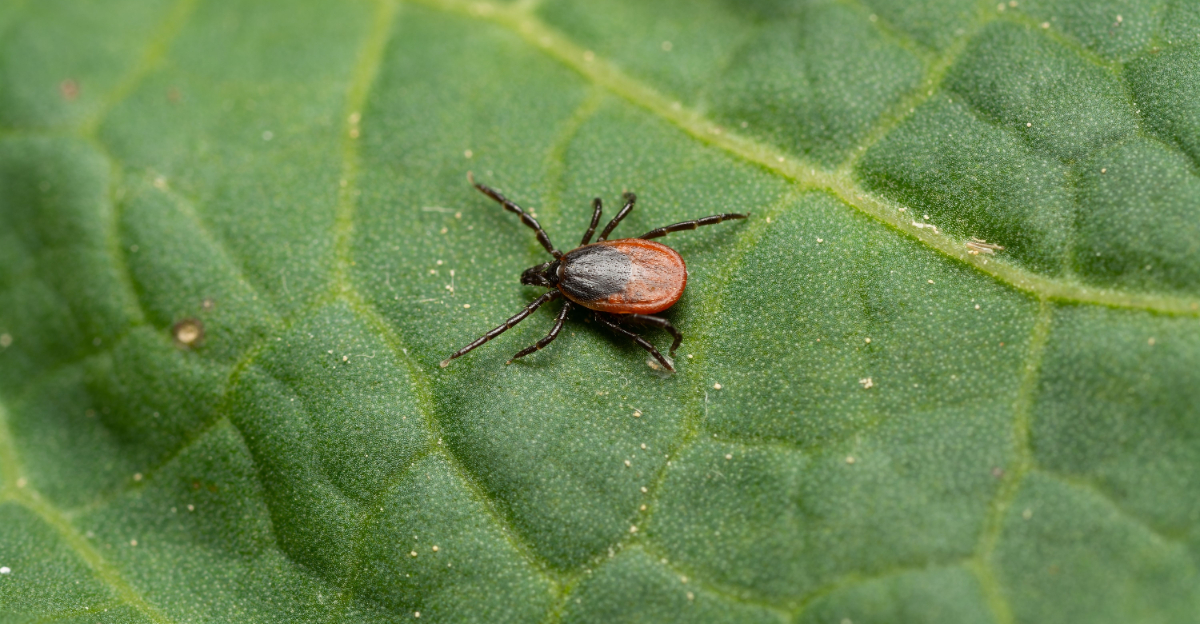
Ticks are becoming a huge problem in a lot of backyards this spring, and many homeowners do not realize their own yard habits may be helping them spread faster.
Everything can look completely normal at first. Grass looks healthy, shrubs fill in nicely, and shady corners seem harmless.
Then ticks suddenly start showing up on pets, clothing, and outdoor furniture far more often than expected.
Certain yard conditions make it much easier for ticks to stay hidden during spring. Damp areas, thick overgrowth, heavy ground cover, and neglected spaces give them the protection they need once temperatures start warming up.
A lot of people focus only on sprays while ignoring the bigger issue. Small yard mistakes often create the exact conditions ticks want most.
Georgia homeowners usually notice the problem much later than they should. By then, ticks are already spreading through the yard much more aggressively than expected.
1. Letting Tall Grass Grow Around Backyard Borders
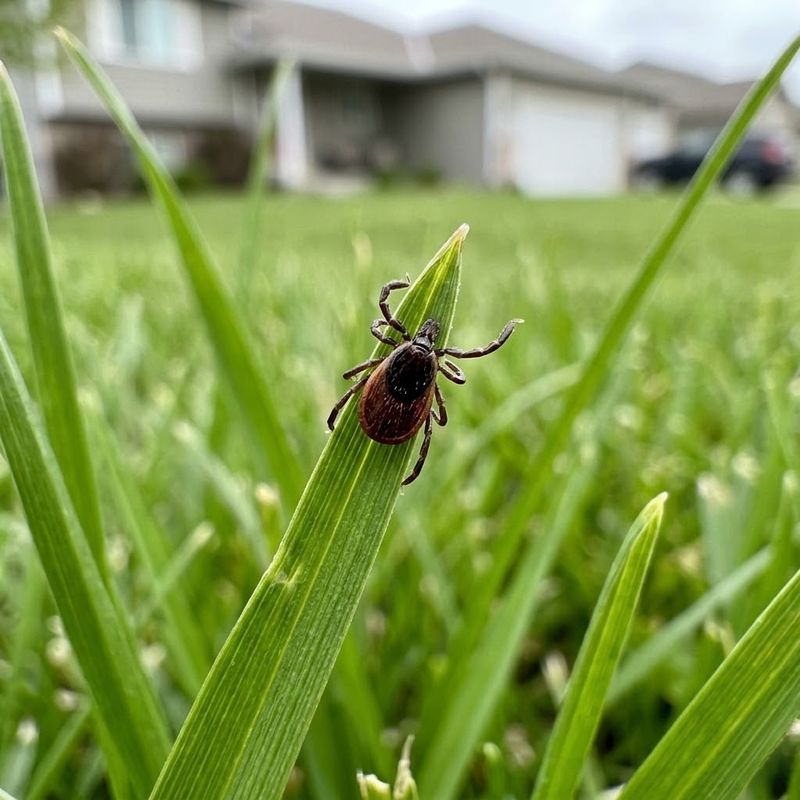
Tall grass along your yard edges is basically a welcome mat for ticks. Blades that grow past three inches create a shaded, moist corridor where ticks wait for a warm-blooded host to brush past.
Ticks do not jump or fly. Instead, they use a behavior called questing, where they grip a blade of grass and extend their legs outward, ready to grab onto anything passing by.
Backyard borders often get skipped during regular mowing. Side yards, fence lines, and areas near tree roots tend to go untouched the longest.
Those neglected patches build up fast.
A weekly trim around the perimeter makes a noticeable difference. Keep the mower blade set to remove anything above three inches, especially near areas where kids or pets roam.
Consistent edging also removes the transition zone that ticks prefer. Ticks tend to cluster at the boundary between maintained lawn and wild vegetation.
Cutting that boundary short reduces the number of spots where ticks can successfully wait for a host.
Short grass dries out faster after rain, which also works against tick survival. Moisture retention in thick, tall turf is one of the biggest reasons tick populations build up near yard borders during spring.
Even small animals like rodents and birds moving through tall grass can help carry ticks deeper into different parts of the yard.
2. Thick Leaf Piles Create Damp Hiding Areas
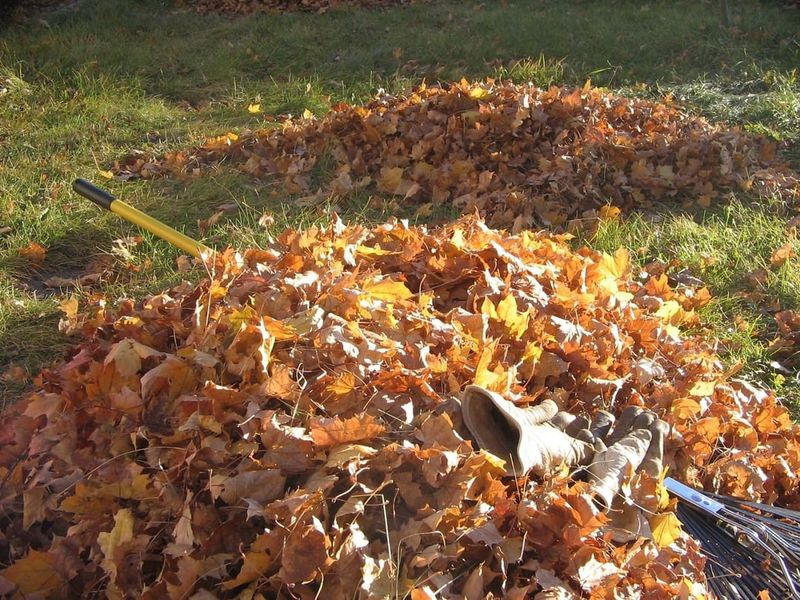
Leftover leaf piles from fall can quietly become one of the most tick-friendly spots in your entire yard. Damp, decomposing leaves hold moisture for days after rain and block sunlight from reaching the ground below.
Ticks are highly sensitive to dehydration. Humid, shaded environments like leaf piles allow them to stay active and survive much longer than they could in dry, sunny areas.
Many homeowners forget about leaves that collect along fences, under shrubs, or in low corners of the yard. Those forgotten piles become prime habitat by the time spring arrives.
Raking and bagging leaf debris before temperatures rise in spring is one of the most effective steps you can take. Removing that layer cuts off a major source of shelter and moisture that ticks depend on.
Your Georgia Garden Changes Every Week. Your Plan Should Too.
Gardening in Georgia changes quickly throughout the season. Every Friday you’ll receive a simple weekly plan showing exactly what to plant, prune, fertilize, harvest, and protect so you never miss the right timing.
Composting leaves is fine, but place your compost bin far from areas where people walk or children play. Keeping that activity away from high-traffic zones reduces the chance of accidental tick contact.
Even a shallow layer of packed leaves on a garden bed edge can support ticks. Staying on top of yard cleanup through early spring prevents buildup before peak tick season begins.
A clean, dry yard is significantly less appealing to ticks than one full of decomposing organic material sitting against moist soil.
3. Deer-Friendly Plantings Bring More Tick Activity Nearby

Planting hostas, roses, and other deer favorites right next to your home may look beautiful, but it also pulls deer much closer to your living spaces. Deer are one of the primary hosts for adult blacklegged ticks.
Every deer that wanders through your yard can drop hundreds of ticks. Those ticks do not leave with the deer.
Many fall off in your grass, garden beds, and along walkways.
Switching to deer-resistant plantings near your home creates a natural buffer. Lavender, rosemary, Russian sage, and ornamental grasses are far less attractive to deer while still looking great in a spring garden.
Installing fencing around garden areas also reduces deer access significantly. Even a simple barrier can redirect deer traffic away from the sections of your yard where your family spends the most time.
Fruit trees and berry bushes near the house are another draw. Moving those plants farther from the home, or adding protective fencing around them, helps reduce the number of deer visits per week.
Deer activity tends to spike in early spring when food is scarce after winter. Adjusting your plantings before that window opens gives you a real head start on reducing tick pressure around your yard this season.
Fewer deer visits means fewer ticks left behind in your lawn and garden spaces.
4. Untrimmed Ground Cover Gives Pests More Protection
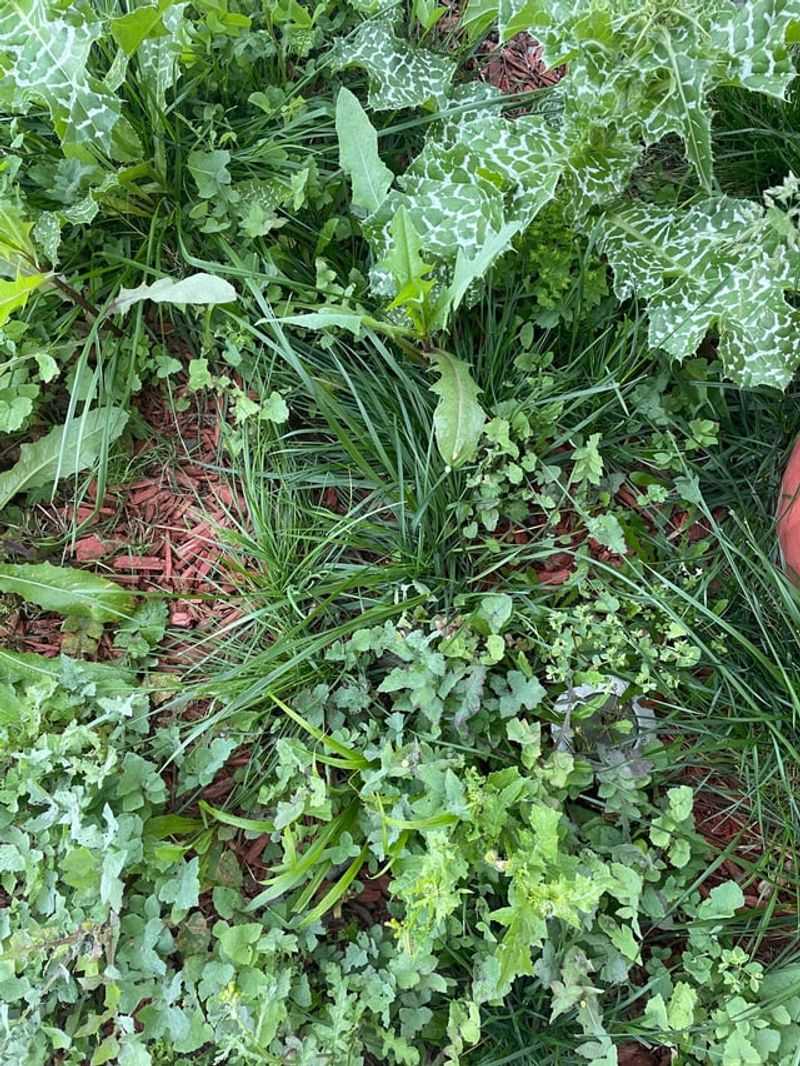
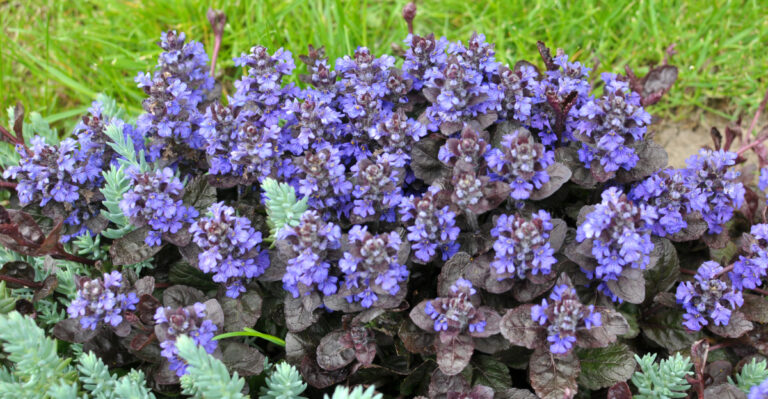
Ground cover plants like English ivy, vinca, and pachysandra look low-maintenance, but they create a dense, shaded layer that ticks absolutely love. Left unchecked, these plants form a thick mat that holds moisture and blocks light at ground level.
Ticks do not need tall vegetation to thrive. A thick mat of ground cover only a few inches high provides enough cover to keep humidity levels elevated.
That moisture is what keeps ticks active and mobile.
Trimming ground cover back regularly, especially at the edges where it meets open lawn, removes the overlap zone ticks prefer. That transition area between dense planting and open grass is where tick encounters are most likely.
Pulling back ground cover from walkways and seating areas at least once a month during spring makes those zones safer. Ticks near frequently used paths are far more likely to make contact with people or pets.
Consider replacing dense ground cover in high-traffic areas with mulch or gravel. Both options allow sunlight to reach the ground, reduce moisture retention, and make it much harder for ticks to find suitable habitat.
Thick ground cover also shelters small rodents like mice, which are key hosts for tick larvae. Reducing that rodent-friendly habitat lowers the overall tick population in your yard over time.
Trimming and thinning are simple steps that deliver real results through the spring season.
5. Stacked Firewood Holds Moisture Close To The Ground
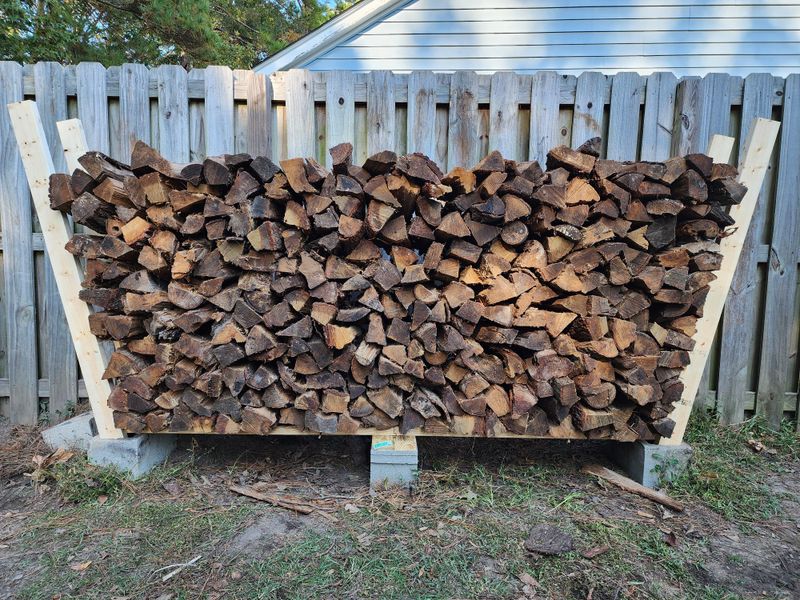
Firewood stacked directly on the ground is a problem that many yards overlook. Logs sitting on soil trap moisture underneath, creating a dark, damp environment that shelters both ticks and the small animals ticks feed on.
Mice and chipmunks frequently nest inside loosely stacked woodpiles. Both are common hosts for tick larvae and nymphs.
A woodpile near your house can quietly support a small tick population all season long.
Elevating your firewood on a rack or platform makes a significant difference. Keeping the bottom layer off the ground allows air to circulate, reduces moisture buildup, and makes the stack far less hospitable to rodents.
Location matters just as much as elevation. Storing firewood at least 20 feet from your home and away from areas where children play reduces the chance of ticks migrating from the pile toward your living spaces.
Avoid stacking wood directly against the house, garage, or porch. Ticks and rodents near those structures can easily move indoors or into areas where your family spends time outdoors during warm months.
Covering the top of the stack with a tarp also helps reduce moisture from rain. Just make sure the sides stay open for airflow.
A dry woodpile is far less attractive to the pests that ticks rely on for survival. Small storage adjustments like these can meaningfully reduce tick pressure around your yard each spring.
6. Overgrown Fence Lines Make Yard Checks Much Harder
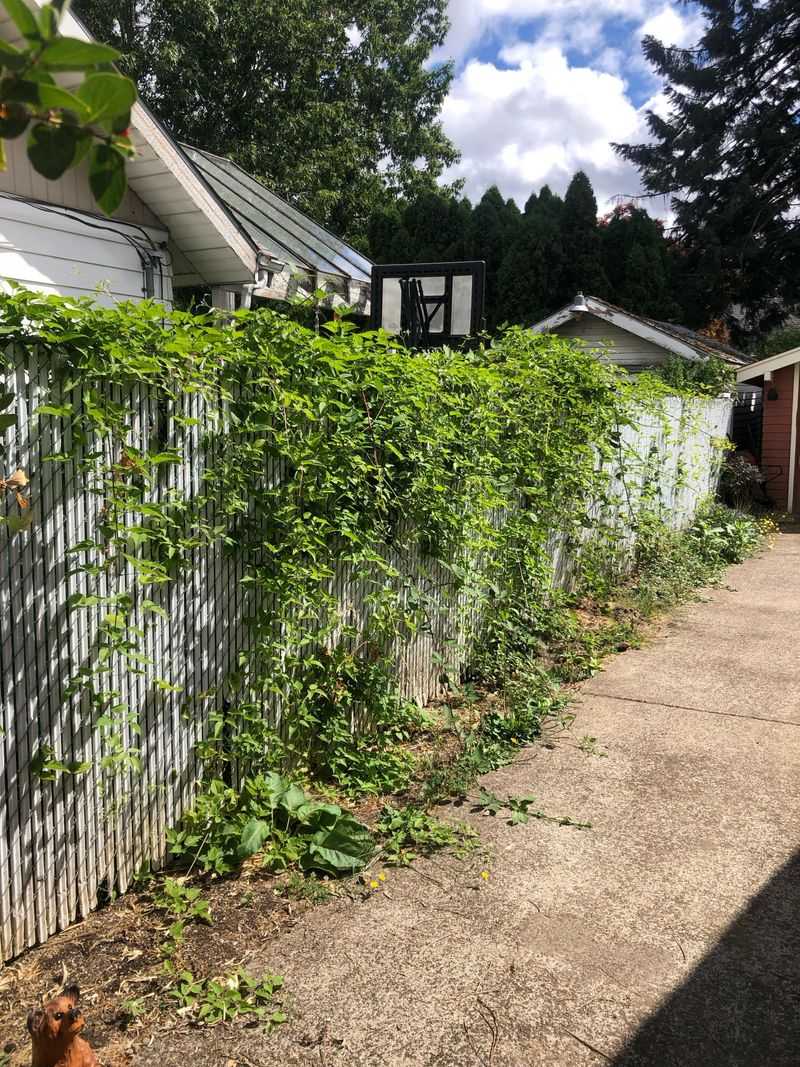
Fence lines collect weeds, vines, and thick vegetation faster than almost any other part of the yard. Once that growth gets established, it creates a shaded corridor that runs the full length of your property.
Ticks thrive along these corridors. Overgrown fence lines give them a protected path through your yard that stays moist and shaded even on warm spring days.
Clearing that path removes one of their most reliable travel routes.
Pulling weeds and trimming vines along the fence at least every two weeks during spring keeps that zone under control. A cleared fence line also makes it much easier to spot and remove ticks during routine yard checks.
Visibility matters when you are managing ticks. A tidy fence line lets you actually see what is growing along it.
Dense, tangled growth hides problems and makes it much harder to notice where pest activity is concentrated.
Applying a layer of wood chip mulch along the base of the fence after clearing can help slow weed regrowth. Keeping a dry buffer zone along the fence line also creates a less favorable environment for ticks moving in from neighboring properties.
Fence line maintenance is easy to skip because it feels less urgent than mowing the main lawn. But neglecting that strip of yard consistently creates one of the most tick-active zones on your property.
Staying on top of it through spring pays off throughout the warmer months.
7. Pets Roaming Through Brush Carry Ticks Back Home
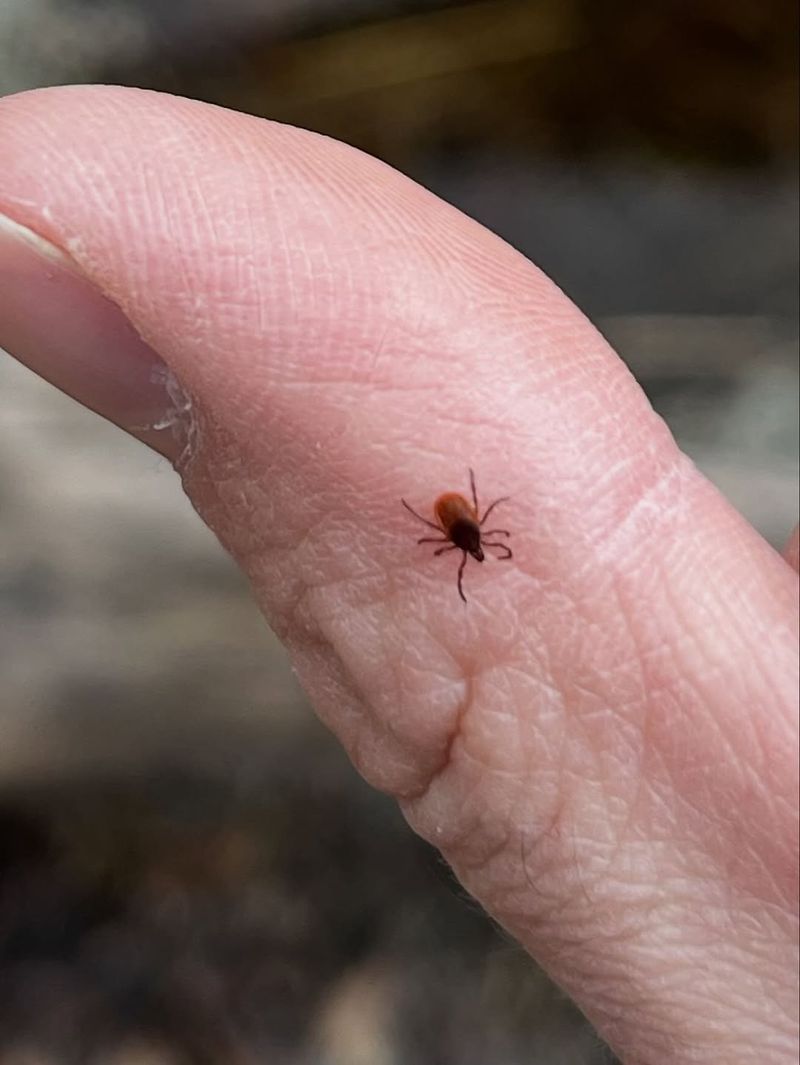
Dogs and outdoor cats are incredibly efficient at carrying ticks from the yard straight into your home. A single romp through overgrown brush can result in multiple ticks hitching a ride back inside on your pet’s coat.
Ticks picked up by pets do not always stay on the animal. Some drop off inside the house before attaching, which means your floors, furniture, and bedding can become secondary contact points for family members.
Keeping pets on a tick prevention product recommended by your veterinarian is a strong first line of defense.
Oral and topical options are widely available and significantly reduce the number of ticks that successfully attach.
Checking your pet thoroughly after outdoor time is just as important as prevention products.
Run your hands through their coat, paying close attention to the neck, ears, between the toes, and along the belly where ticks tend to hide.
Creating a defined outdoor zone for pets also helps. A fenced play area with maintained, short grass reduces the chance of pets wandering into brushy or wooded edges where tick activity is highest.
Bathing pets after extended outdoor time, especially after walks near wooded areas, can remove ticks before they have a chance to attach.
Regular grooming, tick prevention, and yard care give pets and households better protection through spring and summer.
8. Shady Corners Staying Wet After Rain Encourage Buildup
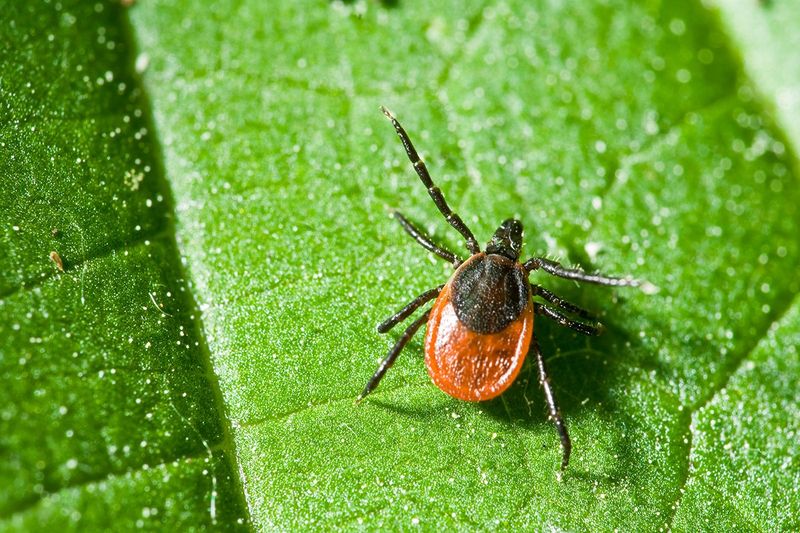
Shady corners that stay wet for days after rain are some of the most overlooked tick hotspots in any yard. Low light and persistent moisture create near-perfect conditions for ticks to remain active and seek hosts.
Areas under dense tree canopies, beside the house foundation, or between large shrubs often dry out much more slowly than open lawn.
Ticks in those spots face far less environmental stress and stay mobile longer.
Improving drainage in chronically wet corners helps reduce tick-friendly conditions.
Adding topsoil to low spots, redirecting downspouts, or removing plants that block sunlight can all speed up drying time after rain.
Thinning out tree canopies over problem areas allows more sunlight to reach the ground. Sunlight is one of the most effective natural factors that reduces moisture and makes soil less hospitable to ticks over time.
Gravel or coarse mulch in persistently damp corners also helps.
Both materials allow water to drain away faster than bare soil or dense plant cover, reducing the window of time when those areas stay wet enough for ticks to thrive.
Do a walk-through of your yard after a spring rain and note which corners still look wet an hour later. Those spots are your highest-risk zones.
Targeting them with drainage improvements and canopy thinning before peak tick season arrives in Georgia gives you a meaningful advantage in keeping your outdoor spaces safer for everyone.