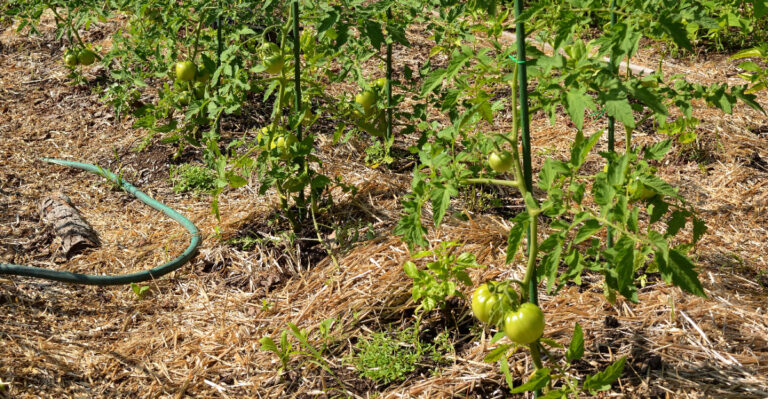
The Truth About Mulching In Michigan And Why Most Gardeners Are Doing It Wrong
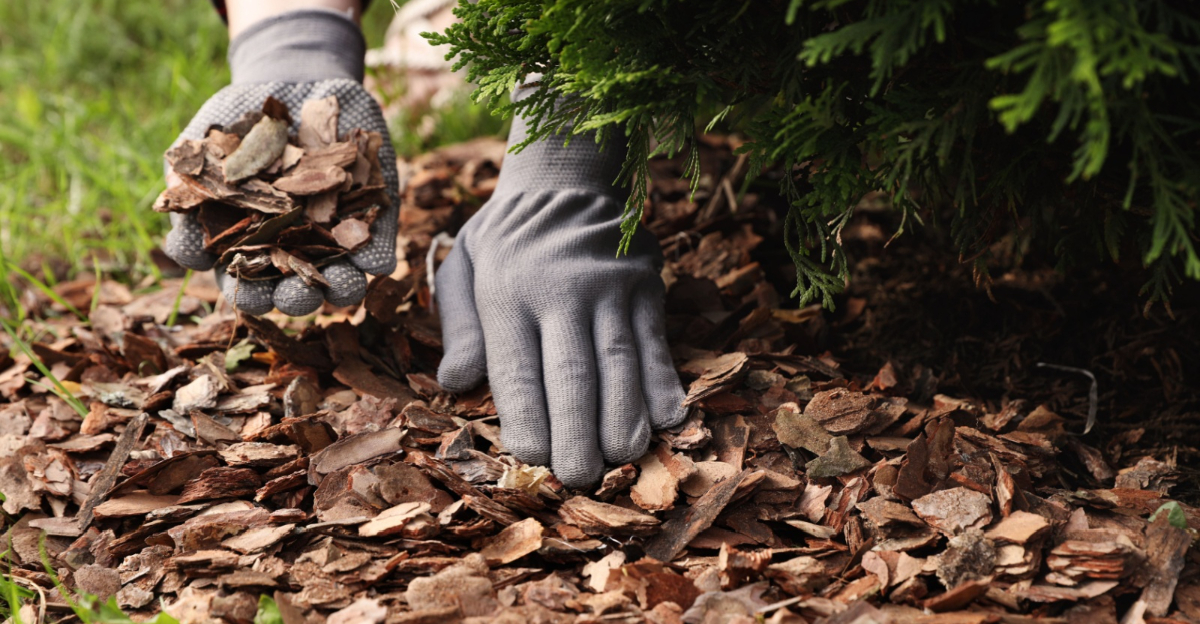
Mulching is one of those garden tasks that feels impossible to get wrong. You spread it, it looks great, and you move on with your weekend.
Except there are a few very common mulching habits that quietly work against the plants they are supposed to protect, and most gardeners have no idea it is happening.
Piling it too deep, pushing it against tree trunks, adding fresh layers on top of compacted old ones – these are the kinds of mistakes that show up slowly, which makes them easy to miss until real damage is done.
Michigan gardens genuinely benefit from a good layer of mulch applied correctly. The key part of that sentence is correctly, and it matters more than most people realize.
1. Most Michigan Gardens Need Less Mulch Than People Think
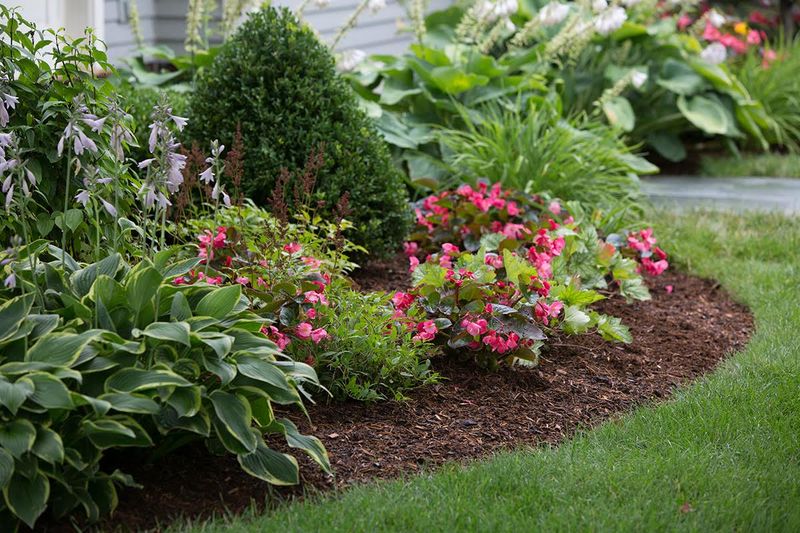
Walk through almost any Michigan neighborhood in May and you will spot freshly mulched beds lining every foundation planting. The beds look polished and cared for, and adding mulch feels like a responsible gardening habit.
The problem is that many of those beds already had mulch from last year, and the year before that, and the total depth has quietly crept up well beyond what most plants actually need.
Mulch does real work in Michigan gardens. It helps hold soil moisture during dry stretches, moderates soil temperature through warm summers and cold winters, and reduces the number of weeds that germinate in a season.
Those are genuine benefits worth having. But the amount of mulch needed to get those benefits is more modest than most people realize.
A layer that sits four, five, or even six inches deep does not do more good than a properly measured shallower layer. In many cases, excess depth can create conditions that work against the plants it was meant to protect.
Roots may begin to grow up into the mulch layer rather than down into the soil, and that can leave them more exposed to temperature and moisture swings.
Michigan gardeners with good intentions often end up applying more mulch than their beds actually need, and scaling back can make a noticeable difference in plant health over time.
2. Two To Three Inches Of Mulch Is Often Enough
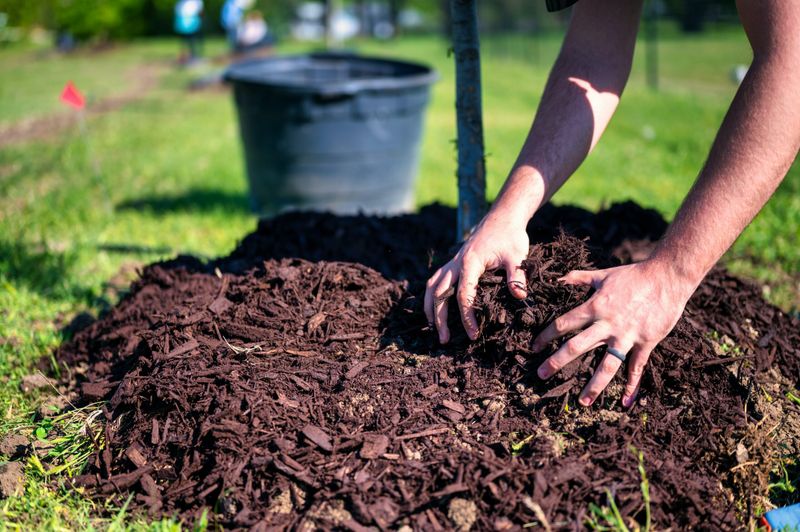
Shredded bark spread evenly across a planting bed at the right depth is one of the more straightforward wins available to home gardeners in Michigan. The challenge is that the right depth is often shallower than what most people apply.
Two to three inches of mulch gives plants the moisture retention and weed suppression they need without creating the problems that come with thicker layers.
At that depth, rain and irrigation water can still move through the mulch and reach the soil below. Soil can still breathe, which matters for root health and for the beneficial organisms living in the ground.
Weed seeds that land on top of the mulch have a harder time establishing, and the soil underneath stays more consistently moist between rain events.
Going beyond three inches does not proportionally increase those benefits. Water may start to shed off the surface of a thick, matted layer rather than soaking through.
Your Michigan Garden Changes Every Week. Your Plan Should Too.
Gardening in Michigan changes quickly throughout the season. Every Friday you’ll receive a simple weekly plan showing exactly what to plant, prune, fertilize, harvest, and protect so you never miss the right timing.
Soil temperatures can swing more unpredictably under a deep layer, and roots near the surface may behave differently than they would under a moderate covering.
Michigan gardeners who check their existing depth before adding new mulch each spring often find they need far less material than expected, or sometimes none at all in beds that already have a solid base layer from previous seasons.
3. Mulch Volcanoes Can Create Serious Problems For Trees
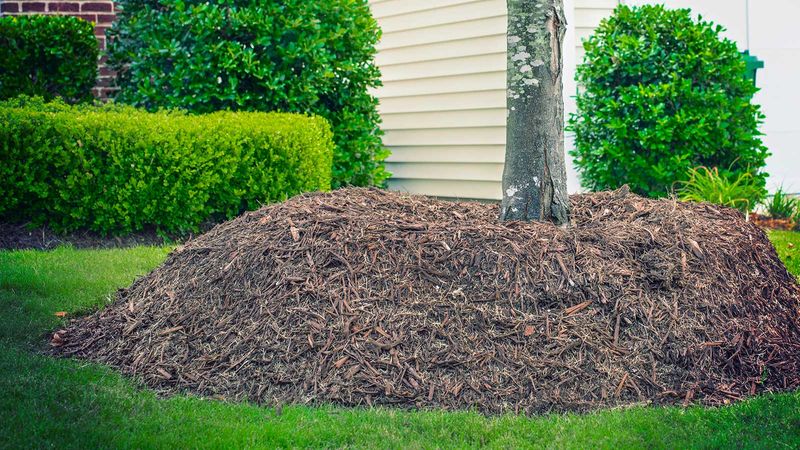
Piled up against tree trunks in a steep cone shape, excess mulch is one of the most common sights in Michigan residential landscapes. The look is familiar enough that many gardeners assume it is the correct way to mulch a tree.
In practice, that cone shape, often called a mulch volcano, can create conditions that work against the tree rather than help it.
Bark that stays consistently moist and buried under mulch can begin to break down in ways that healthy bark should not. Moisture held tightly against the trunk can encourage fungal activity and create entry points for pests.
Roots may also begin to circle upward toward the surface inside the mulch mound rather than spreading outward and downward the way they are meant to grow.
A better approach is a flat donut shape, where mulch is spread in a ring around the tree but kept a few inches away from the actual trunk.
The mulch ring itself can extend outward several feet to cover the root zone, which is where trees actually absorb water and nutrients.
Michigan homeowners who switch from the volcano shape to a flat ring often notice that their trees look healthier and that the bark at the base stays in better condition over time.
Keeping mulch away from the trunk is a small adjustment that can make a real difference in long-term tree health.
4. Thick Mulch Can Trap Too Much Moisture Around Stems
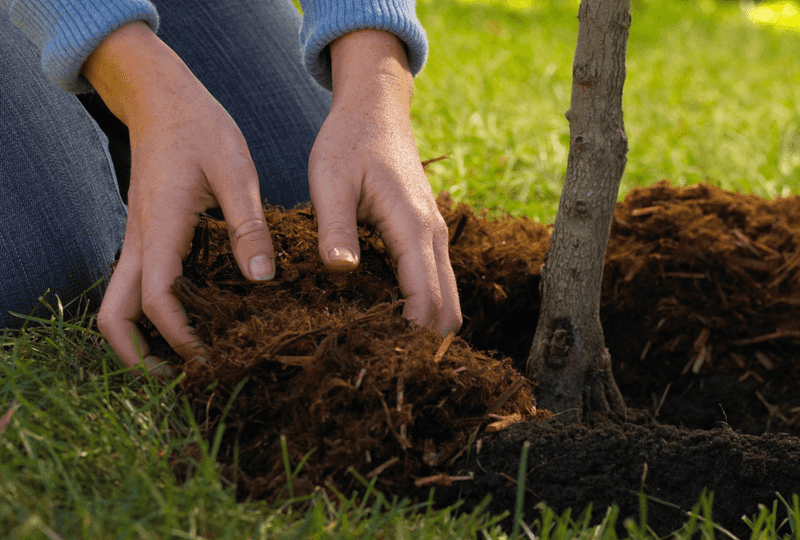
After a wet Michigan spring, thick mulch that seemed fine in April can start causing trouble by June. When mulch is piled deep around stems and plant crowns, it can hold moisture in ways that benefit the soil but create problems right at the base of the plant.
Crowns and lower stems that stay consistently damp are more vulnerable to rot and fungal issues than those with a bit of airflow around them.
Perennials are especially prone to this. Many common Michigan garden plants, including ornamental grasses, hostas, and flowering perennials, have crowns that sit right at the soil surface.
Piling mulch directly over or tightly against those crowns can interfere with the natural drying cycle that keeps them healthy through the growing season.
The signs of crown moisture problems are not always obvious right away. A plant may look fine through most of summer and then fail to come back the following spring.
Stem bases may appear soft or discolored when checked closely. Gardeners who pull back the mulch around struggling plants sometimes find that the crown or lower stem is in much worse shape than the foliage suggested.
Keeping mulch pulled back an inch or two from stems and crowns gives plants the protection of a mulched bed while reducing the moisture buildup that thicker layers can create around vulnerable plant tissue.
5. Fine Or Matted Mulch Can Block Water And Air
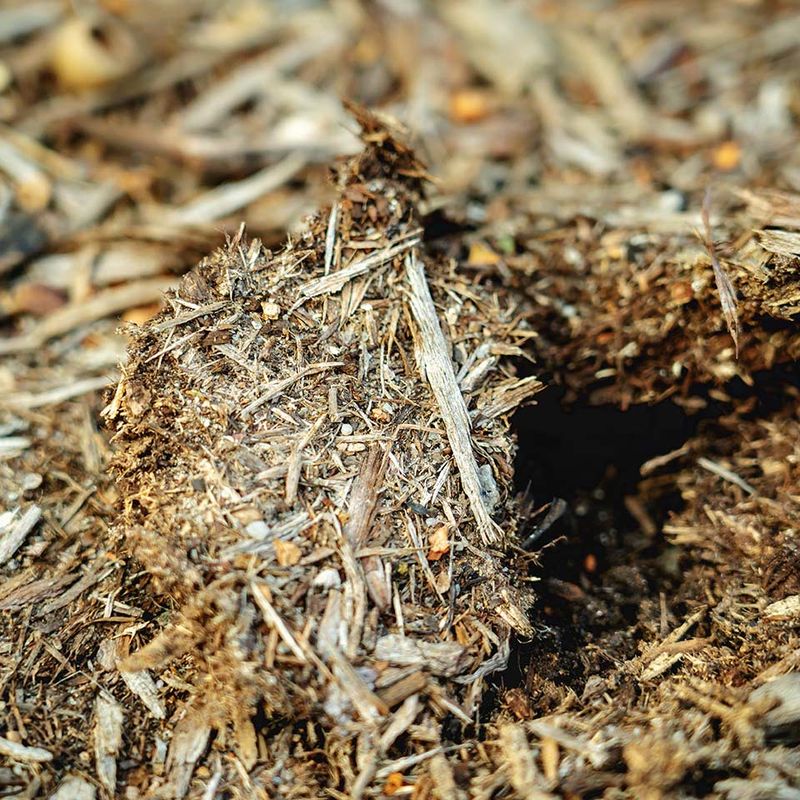
Not all mulch behaves the same way once it settles. Fine-textured mulches, including some composted wood products and certain shredded materials, can mat together over time, especially after rain.
What starts as a loose, breathable layer can compact into something that water struggles to move through, and that change can happen without gardeners noticing until plants start showing signs of stress.
A matted mulch layer can redirect rainfall away from the root zone rather than allowing it to soak down to the soil.
Gardeners sometimes notice that the soil under a thick, matted layer feels dry even after a good rain, which is the opposite of what mulch is supposed to accomplish.
Airflow is also reduced in a compacted layer, and roots near the surface may not get the oxygen exchange they need.
Michigan gardeners who use finer mulch products can reduce matting by raking the surface lightly a few times during the growing season to break up compaction and restore some porosity.
Choosing a coarser mulch material, such as shredded hardwood or wood chips with more varied particle sizes, can also help maintain better structure over time.
Checking whether water is actually penetrating the mulch after a rain event is a simple way to catch matting problems early before they affect plant performance through the growing season.
6. Fresh Mulch Every Year Can Build Up Too Fast
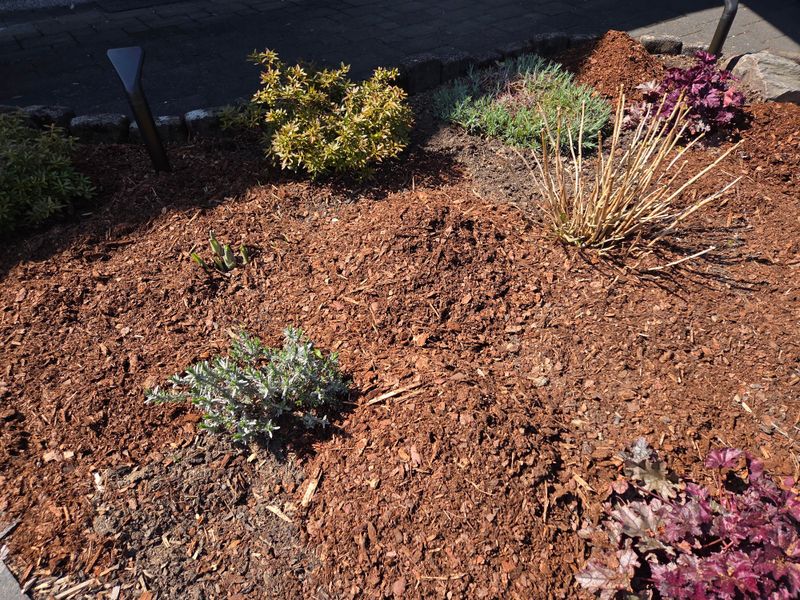
Topping off the mulch beds every spring is a habit that feels like good maintenance, and in some cases it genuinely is.
But in many Michigan yards, the beds already have enough mulch from previous years that adding a full fresh layer pushes the total depth well past what plants benefit from.
Over several seasons, that annual habit can result in beds with five or six inches of mulch, or more, sitting on top of soil that roots can barely access normally.
Mulch does break down over time, which is one of its benefits since decomposing organic material adds nutrients and structure to the soil beneath. But it breaks down slowly enough that annual additions accumulate faster than the old material disappears.
A bed that gets two inches of fresh mulch added every spring for five years without any removal can end up with a deep, layered mass that behaves more like a barrier than a beneficial ground cover.
Before spreading new mulch each spring, checking the existing depth with a ruler or a gloved hand takes only a minute or two. If the bed already has two to three inches of mulch in good condition, it may need only a light topping or nothing at all that season.
Removing some of the older, compacted material before adding fresh mulch is a practical way to keep Michigan garden beds within a depth that actually supports healthy plant growth rather than working against it.
7. Mulch Should Stay Off Plant Crowns And Tree Trunks
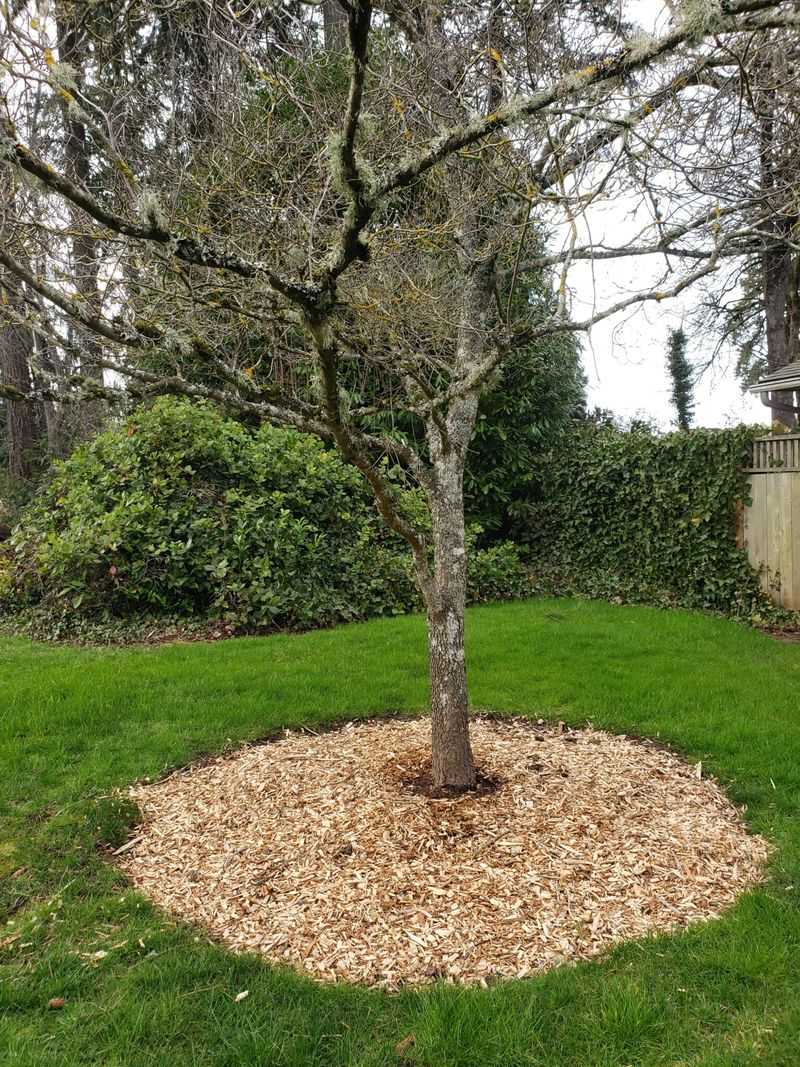
Keeping mulch a few inches away from trunks and crowns is one of the most straightforward adjustments Michigan gardeners can make, and it is also one of the most commonly skipped steps.
When mulch is pulled right up to the base of a tree or piled over the crown of a perennial, it creates a consistently moist environment in a spot that benefits from some airflow and occasional drying.
Tree trunks have bark that is designed to be exposed to air. When that bark stays buried under mulch, it can break down in ways that create openings for pests and fungal issues.
The same principle applies to shrub stems and perennial crowns, where excess moisture at the base of the plant can lead to soft tissue that struggles through the growing season.
Pulling mulch back from trunks and crowns does not require removing it from the entire bed. A simple gap of two to four inches around the base of each plant or tree is enough to allow airflow and reduce moisture buildup at the most vulnerable point.
Michigan gardeners who take a few minutes each spring to check that gap and clear any mulch that has migrated back toward trunks and stems often find that their plants stay in better overall condition through the season.
Fewer unexplained losses, healthier growth, and a garden that just seems to hold together better year after year.
8. The Right Mulch Depth Helps Weeds Without Smothering Roots
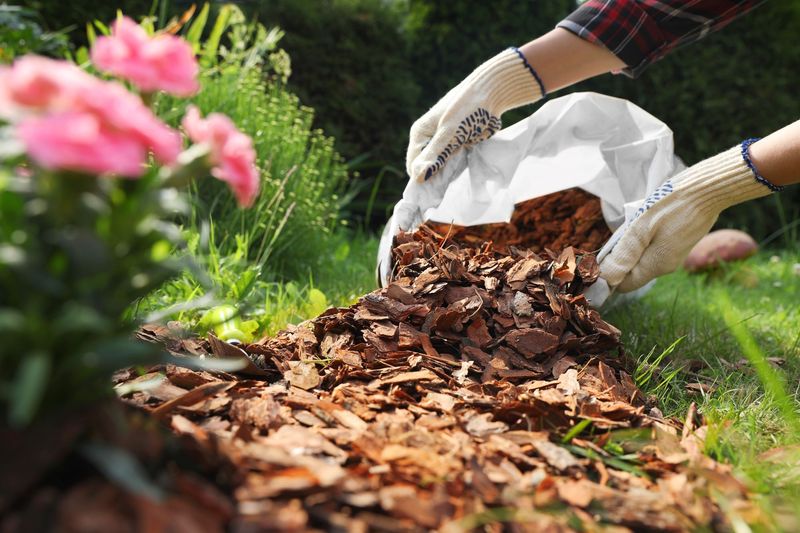
One of the main reasons Michigan gardeners reach for mulch in the first place is weed control, and at the right depth, mulch does that job well.
A layer of two to three inches makes it harder for weed seeds to germinate and reach light, which reduces the overall weed pressure in a bed through the growing season.
That benefit is real and worth having, but it does not require going deeper than three inches to get it.
Thicker layers do not proportionally reduce weeds beyond what a moderate depth already accomplishes.
Many weed seeds that land on the mulch surface can still germinate on top of the layer, regardless of how deep it is, so extreme depth offers limited additional benefit for weed suppression while creating more risk for roots and crowns below.
At the right depth, mulch allows desirable plants to push through naturally in spring while still blocking most weed seedlings from establishing.
Roots can access moisture that the mulch helps retain, and soil organisms can move freely between the mulch and the soil beneath.
Michigan gardeners who aim for a consistent two to three inch layer, check it before adding more each year, and keep it away from trunks and crowns tend to get the most benefit from mulching with the least amount of avoidable trouble.
A measured, moderate approach works better for most home landscapes than simply adding more each season.