7 Plants You Should Never Grow Next To Your Zinnias In Florida
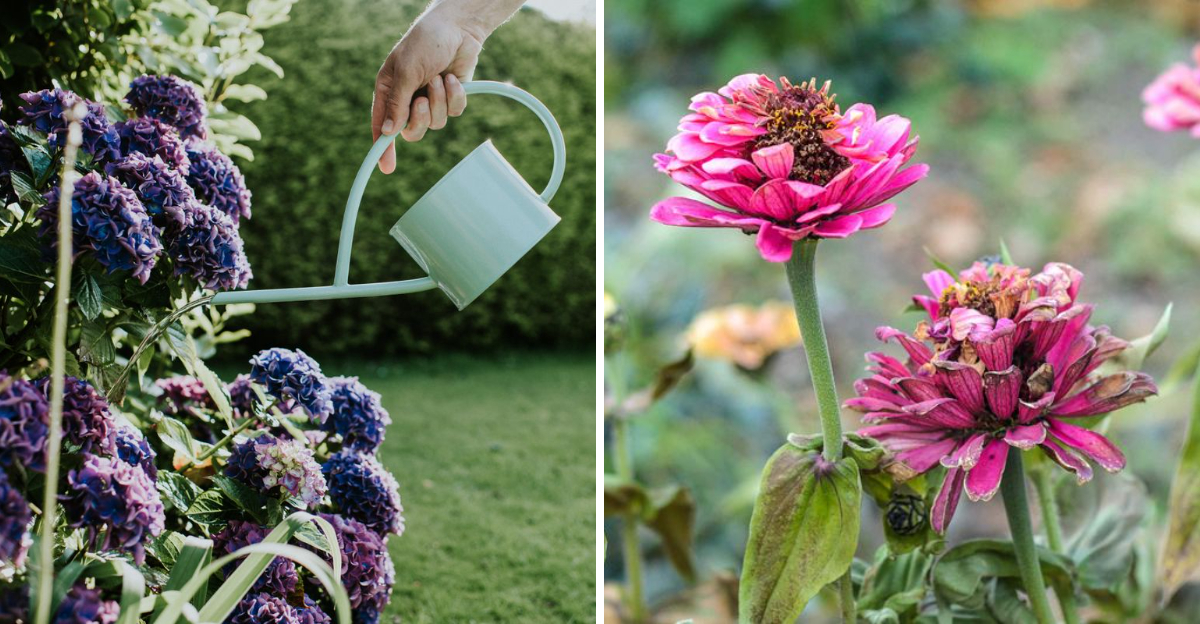
Zinnias can light up a Florida garden like nothing else, bursting with bold color through the hottest months. Then suddenly, something feels off.
Fewer blooms, weaker stems, more pests hovering where they were never a problem before. It often looks random, but the cause usually sits right next to them.
Companion planting can make or break zinnias in Florida’s intense heat and humidity. Some plants compete too hard for nutrients, crowd airflow, or invite the exact pests zinnias struggle with.
Others seem harmless at first, yet quietly slow growth and reduce flowering over time. The difference between a vibrant, nonstop bloom show and a struggling patch often comes down to what shares that same space.
A few poor pairings can hold zinnias back all season, while smarter choices keep them thriving, colorful, and full of life when the heat really kicks in.
1. Avoid Crowding Your Zinnias With Bushy Tomatoes
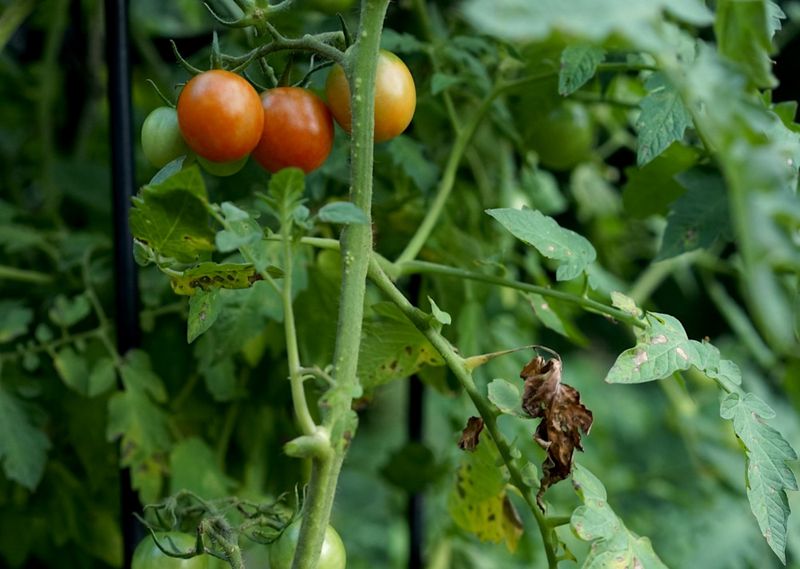
Florida gardeners know that the moment summer humidity rolls in, pest pressure skyrockets, and few plant combinations make that problem worse than tomatoes growing right next to zinnias.
Both plants are magnets for whiteflies and aphids, two of the most stubborn pests in Central and South Florida gardens.
When you plant them side by side, you are essentially building a pest bridge, a direct highway that insects travel between crops without any barrier to slow them down.
According to UF/IFAS Extension guidelines on integrated pest management, reducing host proximity is one of the most effective ways to limit pest migration in home gardens.
Whiteflies, in particular, reproduce at alarming rates in Florida’s warm temperatures, and a colony that starts on your tomatoes can overwhelm your zinnias within days.
The dense, bushy structure of tomato plants also traps moisture and restricts airflow around zinnia stems, creating conditions where fungal problems like powdery mildew can take hold quickly.
Beyond pests, the sheer physical bulk of a mature tomato plant can shade lower zinnia blooms, reducing their sun exposure and causing them to become leggy and sparse. Zinnias need at least eight hours of direct Florida sunlight to perform at their best.
Keeping a buffer zone of at least four to six feet between your tomato beds and zinnia rows makes a meaningful difference.
Try planting basil or marigold-free borders between them as a natural deterrent, and always scout both plants weekly for early signs of infestation so you can act fast before populations explode.
2. Keep High Water Hogs Like Hydrangeas Away
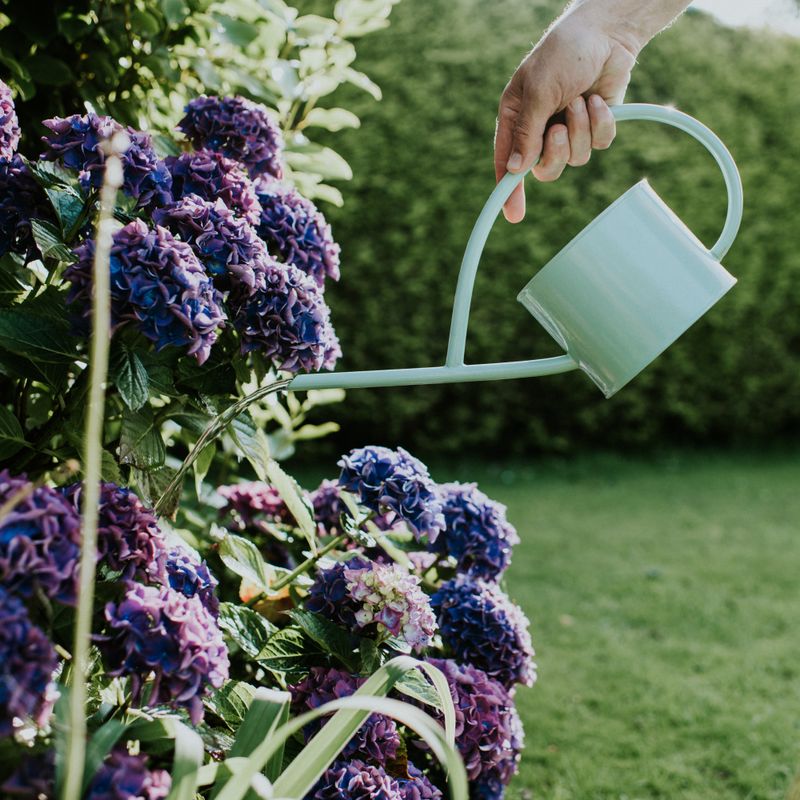
Hydrangeas are gorgeous, there is no argument there, but in a Florida garden they are the equivalent of a roommate who runs the air conditioning at full blast while you are trying to save on the electricity bill.
These moisture-loving shrubs demand consistently wet, rich soil to produce their famous blooms, while zinnias have a completely different relationship with water.
Zinnias actually prefer to dry out slightly between watering sessions, and keeping their roots in constantly saturated soil is a fast track to root rot.
Your Florida Garden Changes Every Week. Your Plan Should Too.
Gardening in Florida changes quickly throughout the season. Every Friday you’ll receive a simple weekly plan showing exactly what to plant, prune, fertilize, harvest, and protect so you never miss the right timing.
UF/IFAS plant pathology resources consistently highlight overwatering as one of the leading causes of zinnia decline in Florida landscapes.
When you plant hydrangeas directly next to zinnias, the irrigation schedule you set to keep the hydrangeas happy will almost certainly be too frequent for the zinnias.
The result is a moisture war that neither plant wins cleanly, but the zinnias typically suffer first because their root system is shallower and far more sensitive to waterlogged conditions.
Florida’s rainy season, which runs from June through September, already dumps significant rainfall on gardens without any supplemental irrigation at all.
Adding a water-hungry hydrangea to the mix near your zinnias means the soil around them stays saturated for extended periods, encouraging the growth of fungal pathogens that attack zinnia roots and stems.
If you love both plants, give them separate beds with individualized drip irrigation systems so each gets exactly what it needs. Smart zoning is the secret to keeping both thriving in Florida’s unpredictable wet season.
3. Separate Your Zinnias From Sprawling Melons
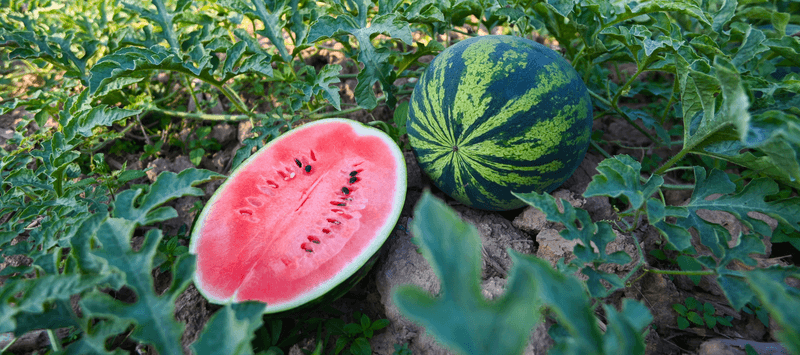
Picture this: it is mid-July in Central Florida, temperatures are hovering near 95 degrees, and a cantaloupe vine you planted in spring has quietly taken over half your garden bed.
Sprawling melons like watermelon and cantaloupe are enthusiastic growers, and in Florida’s heat they expand at a pace that can catch even experienced gardeners off guard.
When zinnias are nearby, those thick, aggressive vines do not politely stop at the border. They crawl right over zinnia stems, cutting off the airflow that these flowers desperately need to stay healthy.
Airflow is not just a comfort factor for zinnias. It is a critical defense mechanism against the fungal diseases that thrive in Florida’s humidity.
UF/IFAS Extension research on ornamental plant management emphasizes that good air circulation around zinnia foliage significantly reduces the incidence of powdery mildew and Alternaria leaf blight, both of which are widespread in Florida gardens.
When melon vines smother zinnia stems and press leaves together, moisture gets trapped, and fungal spores find the perfect environment to multiply rapidly.
Beyond disease, the physical weight of melon vines can snap or bend zinnia stems, causing mechanical damage that stresses the plant and invites secondary infections.
Melons are also heavy feeders that pull significant nutrients from the surrounding soil, leaving less available for your zinnias to draw on.
A practical solution is to give melons their own dedicated raised bed or trellis system well away from your zinnia patch, ideally with at least six to eight feet of separation to prevent vine spread from reaching your blooms.
4. Distance Them From Powdery Mildew Prone Cucumbers
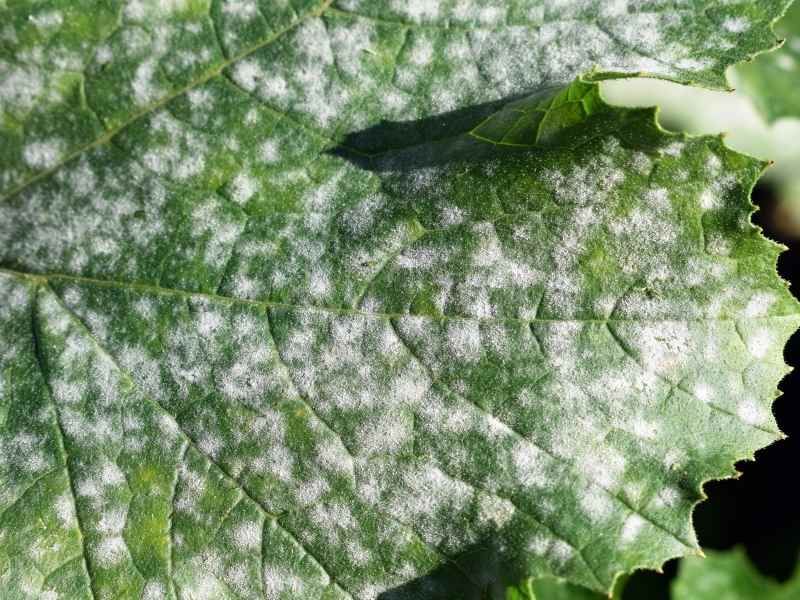
Walk through any Florida vegetable garden in August and you will likely spot the telltale white, chalky coating of powdery mildew dusting the leaves of cucumber plants.
Cucumbers and powdery mildew have a long, unfortunate relationship in humid climates, and Florida’s summer weather is practically a five-star resort for the fungal spores that cause it.
What many gardeners do not realize is that zinnias are equally vulnerable to powdery mildew, making these two plants a genuinely dangerous pairing in any Florida garden bed.
Powdery mildew spreads through airborne spores that travel easily on the warm breezes common in Florida afternoons.
UF/IFAS plant pathology guidance identifies Erysiphe cichoracearum as the primary powdery mildew species affecting zinnias in the state, and it can spread from infected cucumbers to nearby ornamentals with alarming speed.
Once the fungus establishes on your zinnia foliage, it weakens the plant by interfering with photosynthesis, causing leaves to yellow, curl, and eventually fade away before the plant can complete its blooming cycle.
Cucumbers are also competitive feeders that pull calcium, potassium, and nitrogen from the soil at a rapid rate, leaving your zinnias nutrient-deficient if they share the same planting area.
The combination of shared fungal vulnerability and nutrient competition makes cucumbers one of the worst neighbors your zinnias can have in a Florida garden.
Keeping at least five feet of distance between cucumber rows and zinnia beds, and applying a preventative copper-based fungicide spray during the rainy season, can help protect both crops from the fungal nightmare that Florida humidity loves to create.
5. Avoid Shading Your Blooms With Tall Corn
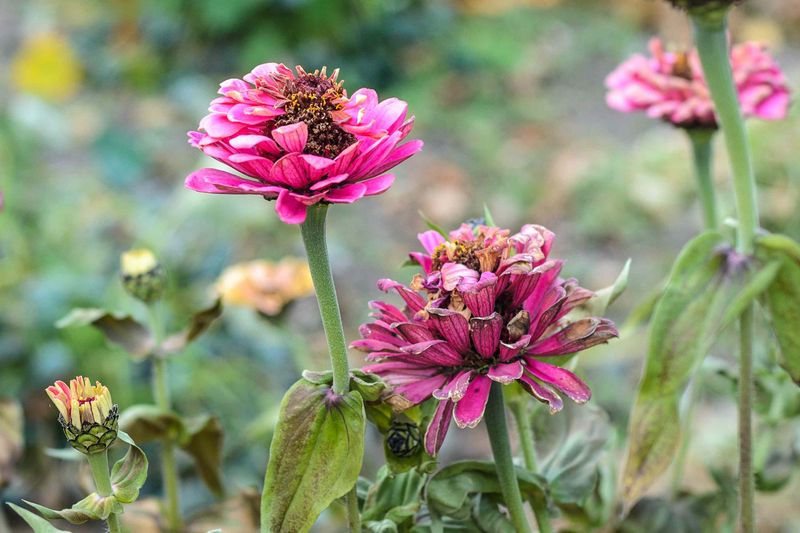
Corn is a garden superstar in its own right, but it has absolutely no business standing next to your zinnias in a Florida summer garden. Mature corn stalks can reach six to nine feet tall, and in Florida’s intense growing conditions they shoot up fast.
That impressive height comes with a significant downside for any sun-loving plant growing in their shadow. Zinnias need a full eight or more hours of direct, unfiltered Florida sunlight each day to produce the dense, colorful blooms that make them so beloved.
When corn casts its broad, leafy shadow over a nearby zinnia bed, the flowers respond by stretching upward in a desperate search for light, a process called etiolation.
The result is tall, spindly stems with sparse foliage and very few blooms, the exact opposite of the compact, flower-packed plants you were hoping for.
UF/IFAS horticultural guidelines for Florida home gardens consistently emphasize that inadequate sunlight is one of the primary reasons zinnia plants underperform, producing green growth at the expense of flowering.
Beyond the shade issue, corn is a notoriously heavy feeder that depletes nitrogen, phosphorus, and potassium from the soil rapidly.
Planting it near zinnias means your flowers are competing with a much larger, more aggressive plant for the same finite pool of nutrients.
The corn almost always wins that competition.
A smarter approach is to position your corn on the north side of your garden so its shadow falls away from your flower beds, and keep a generous buffer of at least eight to ten feet between the two plantings to protect your zinnia blooms all season long.
6. Move Invasive Mint Far From Zinnia Roots
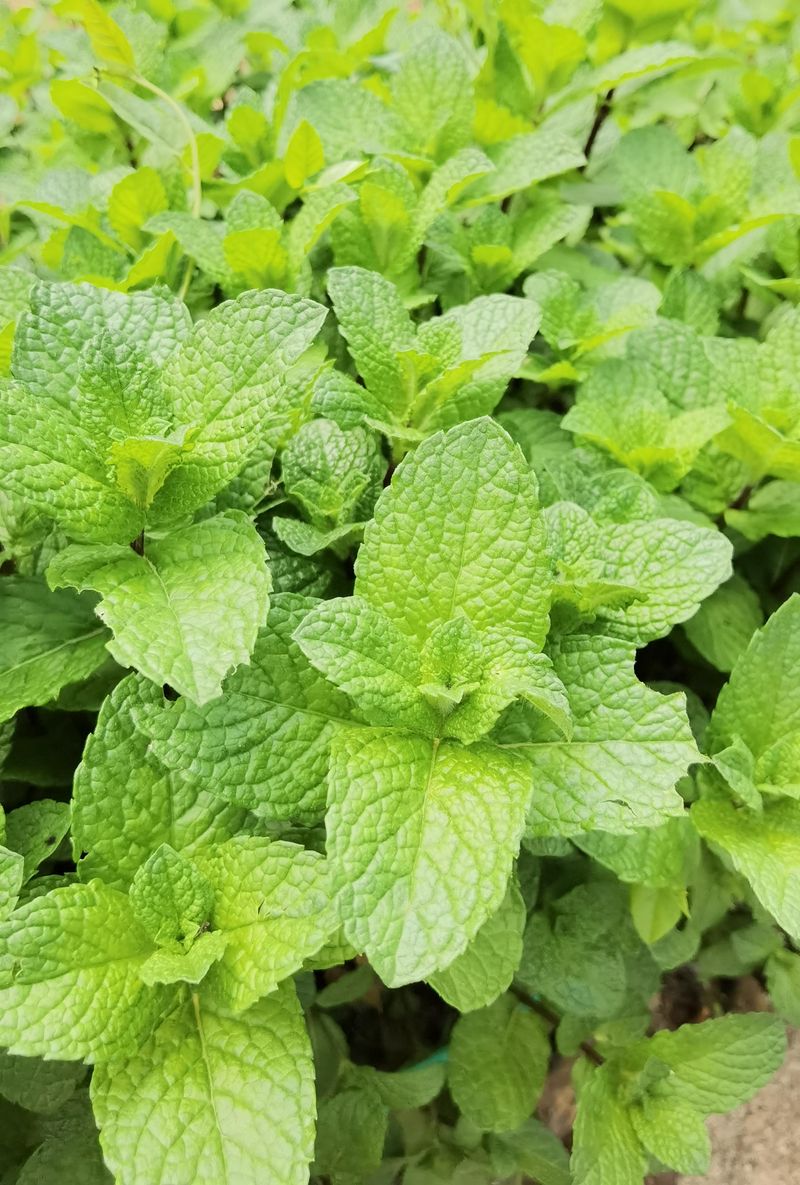
Mint is one of those plants that seems perfectly harmless when you first tuck a small cutting into the ground, and then Florida’s rainy season arrives and suddenly you have a situation on your hands.
Few plants transform into a garden bully quite as quickly as mint does when warm temperatures and consistent moisture fuel its underground runner system.
In Florida, where summer rainfall can exceed ten inches per month, mint spreads with an intensity that would impress even the most aggressive weeds, and your zinnias are no match for it.
The real threat mint poses to zinnias is below the soil surface. Mint spreads through a network of shallow underground stems called rhizomes, and these runners actively compete with zinnia roots for water and nutrients in the same soil layer.
Since zinnias are relatively shallow-rooted plants, they lose this competition quickly.
UF/IFAS Extension resources on competitive plant dynamics note that aggressive spreaders like mint can reduce nutrient availability for neighboring ornamentals significantly, leading to stunted growth and reduced flower production.
Above ground, mint’s dense, bushy growth can also crowd zinnia stems, restricting the airflow that Florida gardeners rely on to keep fungal diseases in check.
The combination of underground resource theft and above-ground crowding makes mint a double threat to your zinnia patch.
The best solution is to grow mint exclusively in containers with solid bottoms to prevent any rhizome escape, and keep those containers well away from your flower beds.
Even a single escaped runner can reestablish a full mint colony within one Florida rainy season if left unchecked.
7. Steer Clear Of Heavy Feeding Pole Beans
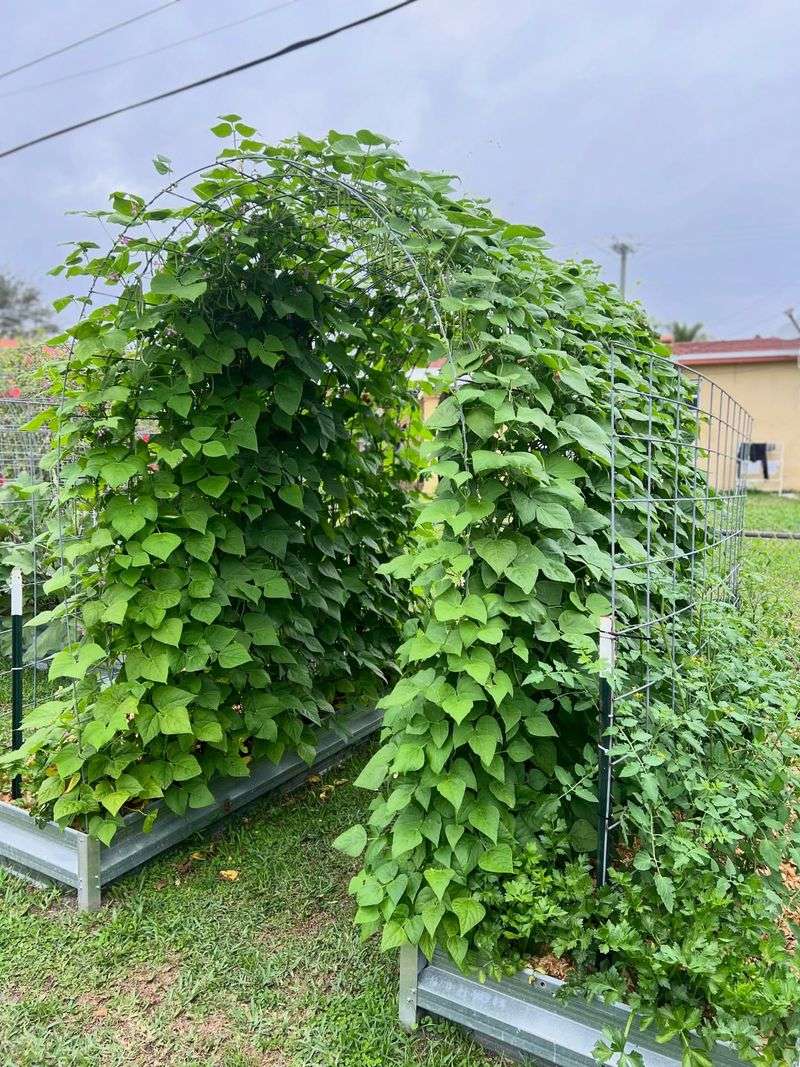
Pole beans have earned a solid reputation as a gardener-friendly crop, easy to grow, productive, and even beneficial to soil health thanks to their nitrogen-fixing root bacteria.
The catch is that in a zinnia garden, all that extra nitrogen is not actually a good thing.
Zinnias are flowering plants that need a careful balance of nutrients, and when soil nitrogen levels run too high, these flowers respond by putting all their energy into producing lush, dark green foliage instead of the colorful blooms you planted them for in the first place.
This phenomenon, known as excessive vegetative growth or nitrogen toxicity in ornamentals, is well-documented in UF/IFAS Extension soil management publications.
Pole beans fix atmospheric nitrogen through Rhizobium bacteria living on their roots, and this process steadily enriches the surrounding soil.
For vegetable crops that need nitrogen to produce fruit, this is fantastic.
For zinnias, which require a leaner, more balanced soil environment to trigger blooming, it throws off the entire nutrient equation and results in plants that look healthy on the surface but rarely flower.
Florida’s naturally sandy soils already present enough fertility challenges without adding a nitrogen surplus to the mix.
When pole beans and zinnias share a bed, the beans gradually shift the soil chemistry in a direction that favors green growth over bloom production, and the visual result is disappointing.
Keeping pole beans in a dedicated vegetable section at least four feet away from your zinnia beds, and testing your soil pH and nitrogen levels each season, will help you maintain the right conditions for your zinnias to produce their signature burst of summer color.