What Texas Plumeria Needs In May For Blooms Through October
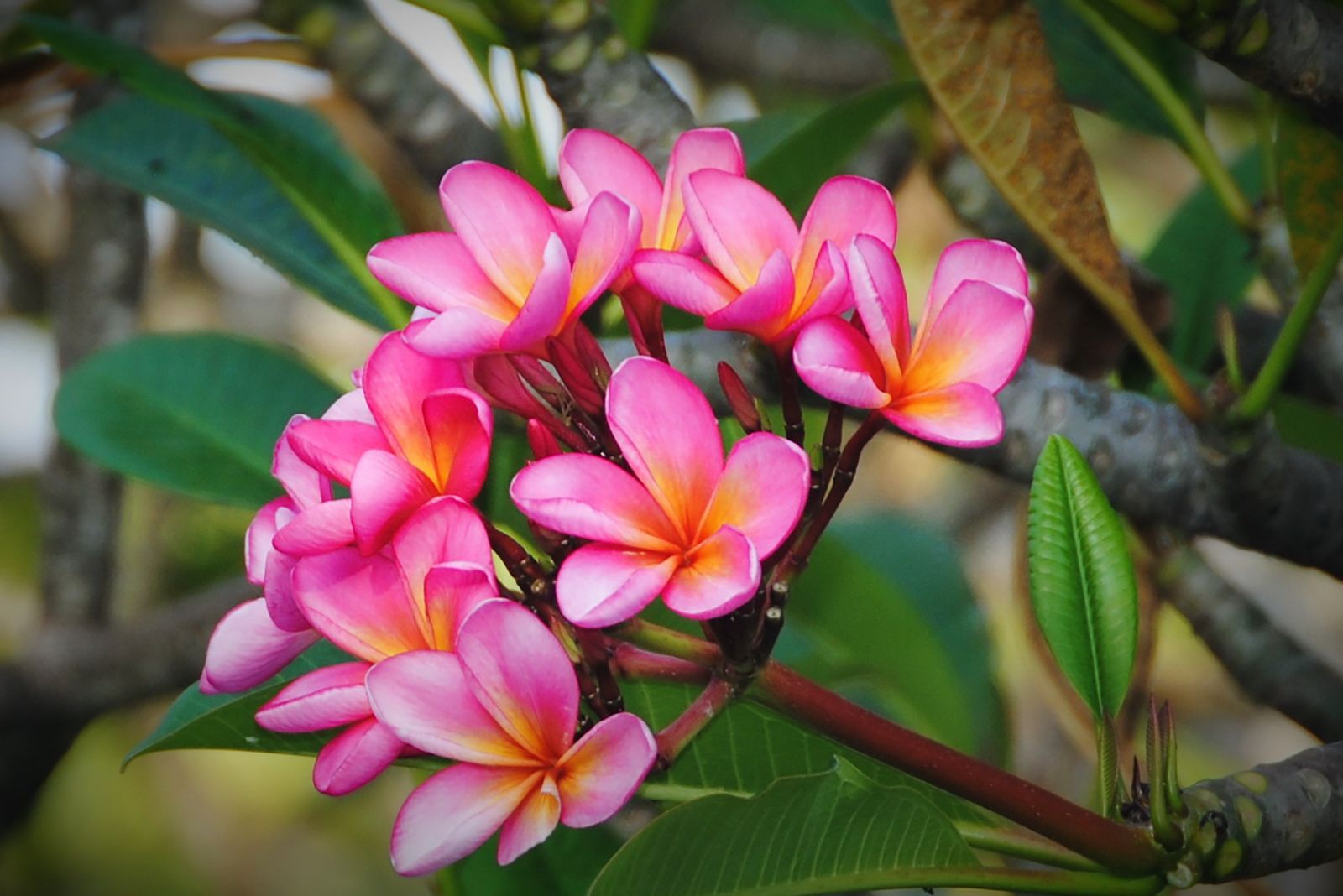
Plumeria in Texas can put on a bloom show that runs from summer all the way into October, but that kind of long season performance does not happen without the right setup in May.
This is the month when plumeria comes fully back to life after its winter dormancy, and the decisions you make right now set the tone for everything that follows.
Get the timing right on feeding, watering, and sun exposure and you will have a plant that pushes out growth and buds consistently for months.
Miss the early care window and you often end up with a plant that looks fine but blooms sporadically or stops earlier than it should.
Texas heat is actually an advantage for plumeria since this plant genuinely loves warmth, but heat alone is not enough. There are specific things this plant needs in May to build the kind of energy that carries it through a full and impressive bloom season.
1. Full Texas Sunlight
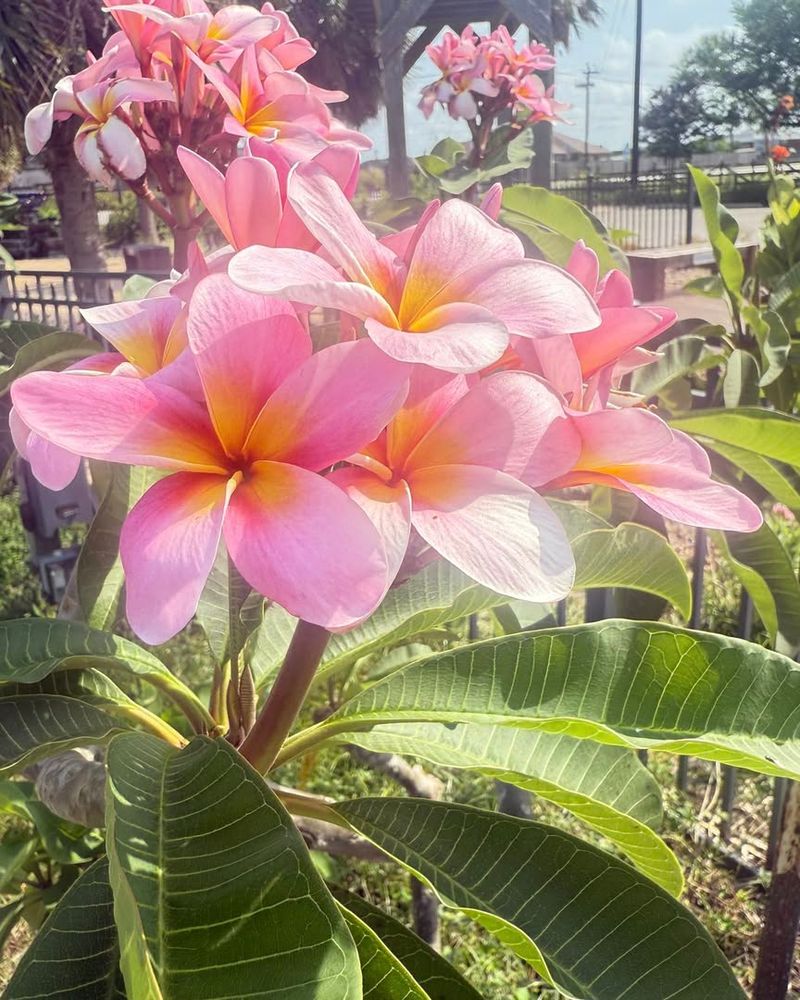
Sunlight is basically plumeria fuel. Without enough of it, your plant will grow slowly, produce few flowers, and look tired all season long.
In Texas, May brings long days with strong, direct sun, and your plumeria absolutely loves every minute of it.
Plumeria needs at least six to eight hours of direct sunlight each day to bloom well. More is even better.
If your plant is sitting in a spot with afternoon shade or blocked by a fence or tree, it will struggle to set flower buds. Move it somewhere open where the sun hits it hard from morning to evening.
Container-grown plumeria can be repositioned easily, which is a big advantage. A south-facing or west-facing spot in your yard usually works best in Texas.
The more unfiltered sun your plant gets in May, the more energy it stores for producing flowers later.
One thing to keep in mind is that young plumeria cuttings that were just recently planted may need a few days to adjust before getting full sun all day. However, established plants that are a year or older can handle full Texas sun without any issues.
They actually need that intense heat and light to perform at their best. Plumeria originally comes from tropical regions close to the equator, so intense sun feels completely natural to it. Texas summers mimic those conditions well.
Give your plant a sun-soaked spot in May, and you are already setting it up for a long and beautiful bloom season that stretches well into fall.
2. Fast-Draining Soil
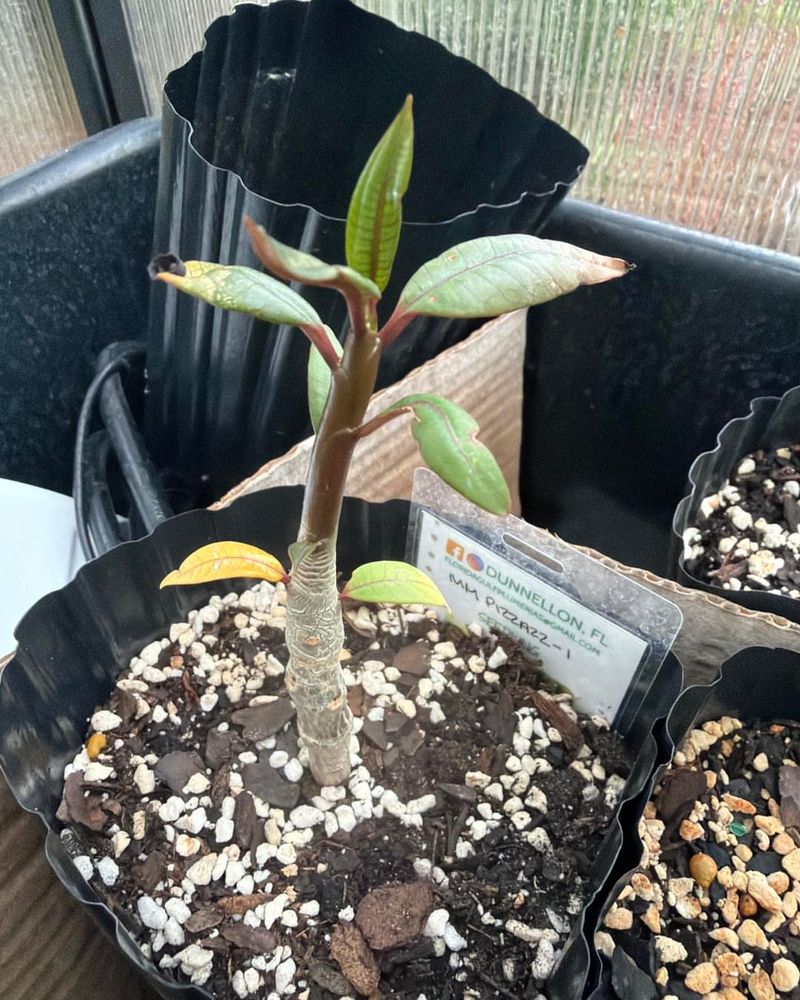
Roots that sit in wet, soggy soil are one of the fastest ways to ruin a plumeria. Root rot can set in quietly and cause serious damage before you even notice anything is wrong above the soil.
In humid Texas weather, fast-draining soil is not optional. It is absolutely essential. Plumeria grows naturally in rocky, sandy, or gravelly soil in the wild. That background tells you everything you need to know about what kind of soil to use.
A mix that holds too much moisture will suffocate the roots and stop nutrient uptake. Your plant will look yellow, droopy, and weak, even when you are watering it correctly.
Your Texas Garden Changes Every Week. Your Plan Should Too.
Gardening in Texas changes quickly throughout the season. Every Friday you’ll receive a simple weekly plan showing exactly what to plant, prune, fertilize, harvest, and protect so you never miss the right timing.
For container plants, use a cactus or succulent potting mix and add extra perlite to boost drainage. A ratio of about fifty percent potting mix and fifty percent perlite works really well for Texas conditions.
For in-ground plumeria, plant in a raised bed or a slope where water naturally runs away from the roots. The pot itself matters too. Always use containers with large drainage holes at the bottom.
Terracotta pots are a popular choice because they allow moisture to evaporate through the walls, which helps prevent overwatering naturally. Avoid glazed ceramic or plastic pots without drainage, as these trap moisture too easily.
In May, when Texas can still have occasional spring rains, good drainage becomes even more important. A heavy rain followed by poor drainage can waterlog roots quickly.
Getting the soil right now protects your plumeria and sets it up for a healthy, bloom-filled growing season ahead.
3. Deep But Infrequent Watering
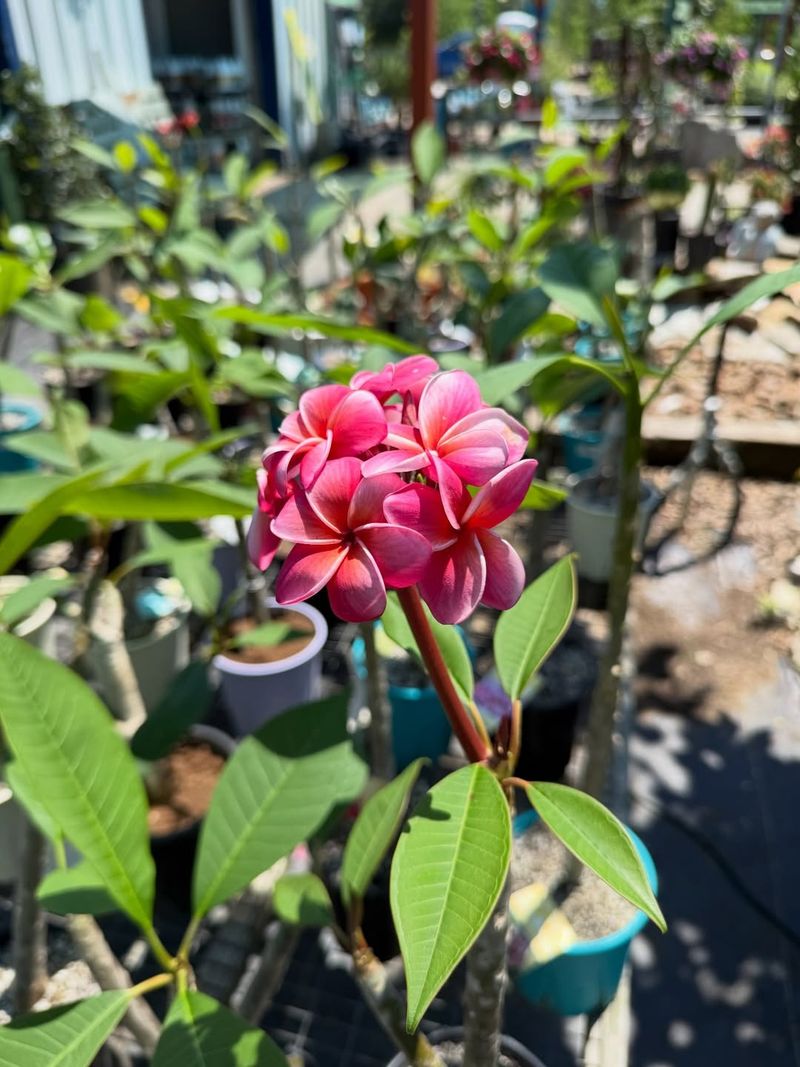
Here is something that surprises a lot of new plumeria growers: this plant actually prefers to be a little thirsty rather than constantly wet.
Watering too often is one of the most common mistakes people make, especially in May when the urge to water frequently kicks in with rising temperatures.
Deep watering means soaking the soil thoroughly so moisture reaches all the way down to the lower roots. This encourages roots to grow deeper into the soil, which makes the plant stronger and more stable.
Shallow, frequent watering keeps roots near the surface where they are more vulnerable to heat and stress.
The key is letting the soil dry out a bit between each watering session. Stick your finger two to three inches into the soil.
If it still feels slightly damp, wait another day or two before watering again. If it feels dry, go ahead and water deeply until it drains out the bottom of the pot.
During May in Texas, established plumeria in containers may only need watering once or twice a week, depending on temperatures and pot size. Smaller pots dry out faster than larger ones.
In-ground plants may need less frequent watering because the soil holds more moisture and roots can spread wider.
Plumeria actually uses a dry spell between waterings as a signal to focus on flower production rather than just leafy growth. Slightly dry conditions tell the plant to put energy into blooming.
Mastering this watering rhythm in May is one of the simplest and most effective things you can do for a stunning bloom season.
4. A Bloom-Boosting Fertilizer
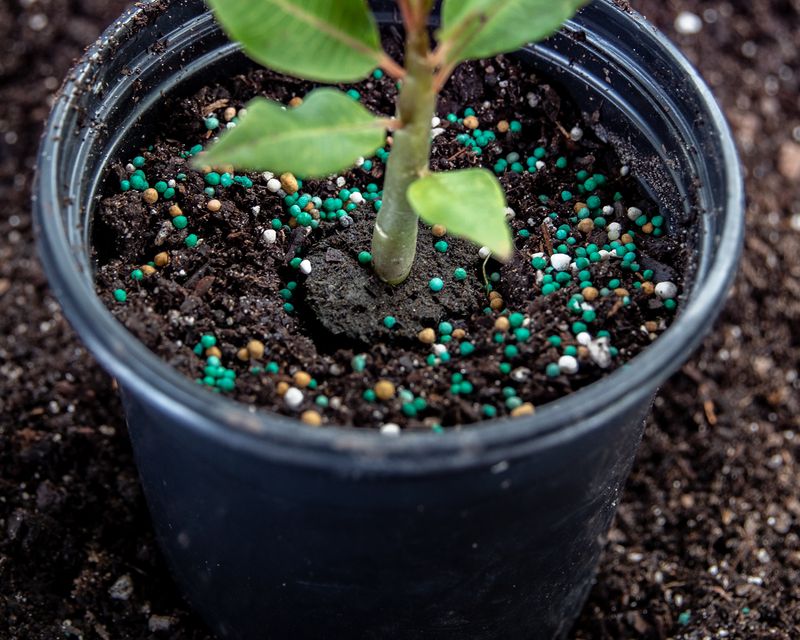
Fertilizer choice makes a huge difference in whether your plumeria focuses on growing leaves or producing flowers.
Many general-purpose fertilizers are loaded with nitrogen, which is great for green leafy growth but not so helpful when you want blooms. For plumeria, you want a fertilizer that pushes flowers, not foliage.
Look for a fertilizer labeled with a low first number and higher second and third numbers. The three numbers on fertilizer bags represent nitrogen, phosphorus, and potassium.
For plumeria, something like 10-50-10 or a similar bloom-boosting formula works really well. The high phosphorus in the middle number is what encourages flower bud development.
Plumeria-specific fertilizers are sold at many garden centers and online. Brands like Excalibur and Peters 10-30-20 are popular among plumeria enthusiasts in Texas and across the South.
These products are designed specifically to feed the plant what it needs for maximum flowering. Using them consistently from May through August gives your plant steady support during peak bloom time.
Apply fertilizer every two to three weeks during the growing season. Always water your plant before fertilizing to avoid burning the roots, especially in the Texas heat.
Granular fertilizers can be scratched into the top layer of soil, while liquid fertilizers are mixed with water and applied directly when watering.
Did you know plumeria is sometimes called frangipani and has been used in Hawaiian leis for centuries? Those iconic fragrant flowers are the result of proper feeding and care.
Starting a good fertilizing routine in May gives you the best shot at recreating that kind of tropical beauty right in your Texas yard.
5. Warm Night Temperatures
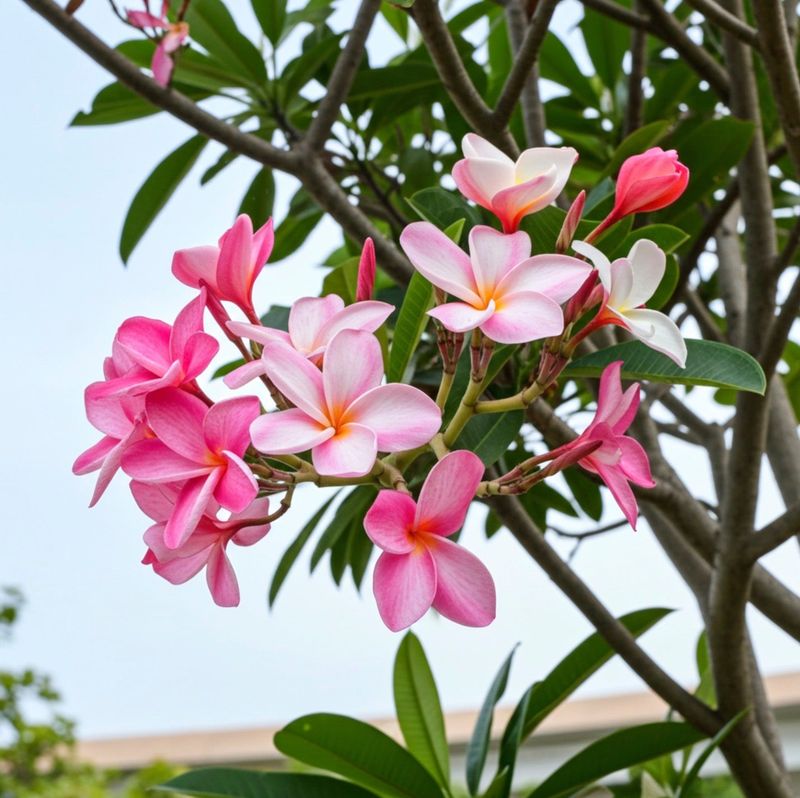
Plumeria has a reputation for being a heat lover, and that reputation is completely earned. Not only does it want warm days, it also needs warm nights to really get going with growth and flowering.
Cold nights slow everything down, and in May, Texas nights can still occasionally dip lower than plumeria would prefer.
The sweet spot for plumeria is nighttime temperatures that consistently stay above 60 degrees Fahrenheit. Once nights are reliably warm, the plant signals itself to shift into active growing and blooming mode.
If temperatures dip into the low 50s or below, growth slows noticeably and bud development can stall or stop altogether.
In most parts of Texas, May marks the transition into reliably warm nights, especially in Houston, San Antonio, Austin, and the Rio Grande Valley.
North Texas and the Panhandle may still see cooler nights in early May, so gardeners there should keep an eye on the forecast and be ready to bring container plants indoors or cover in-ground plants temporarily if a cold snap is expected.
Placing your plumeria near a south-facing wall or fence can help. These surfaces absorb heat during the day and release it slowly at night, creating a slightly warmer microclimate around your plant.
Dark-colored containers also absorb heat and can keep root temperatures higher overnight.
Once Texas nights settle into the 65 to 75 degree range consistently, plumeria really takes off. Growth speeds up, flower stalks emerge, and the plant looks visibly more vibrant.
Warm nights are one of the most natural triggers for blooming, and Texas delivers them beautifully from May onward.
6. Protection From Spider Mites And Scale
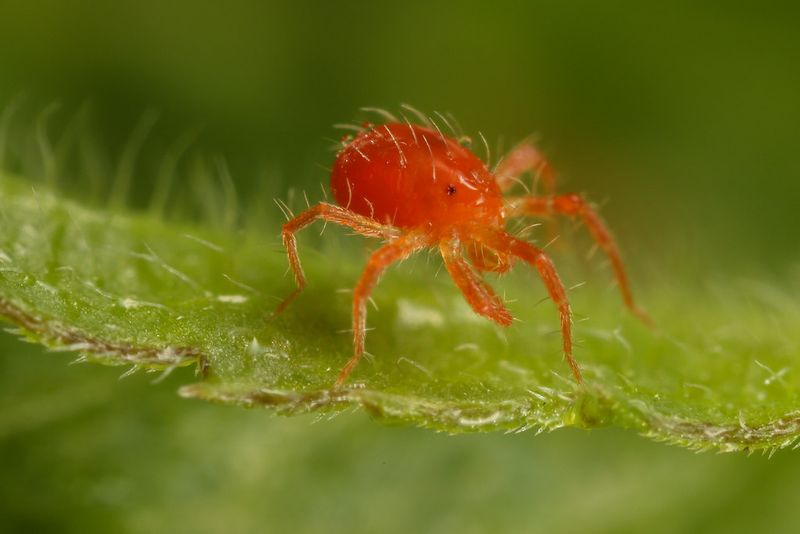
Pest problems can sneak up on plumeria fast, especially when the weather warms up in May. Two of the most common troublemakers are spider mites and scale insects.
Both of these pests feed on the plant by sucking out its sap, which weakens stems, damages leaves, and slows down flower production before the best part of the season even begins.
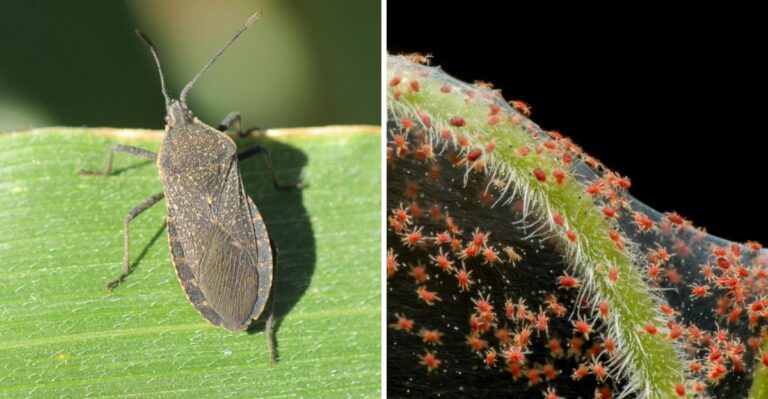
Spider mites are tiny, almost invisible to the naked eye, but they leave behind telltale fine webbing on the undersides of leaves. Affected leaves start to look dusty, faded, or speckled with yellow dots.
Scale insects look like small bumps stuck to stems and leaves. They can be tan, brown, or white and often go unnoticed until they are already spread widely across the plant.
Check your plumeria regularly in May, especially underneath the leaves and along the stems. Catching a pest problem early makes it much easier to manage.
A strong spray of water can knock off spider mites and dislodge scale crawlers before they settle in. For heavier infestations, neem oil spray is a popular and effective organic option that works well on both pests.
Mix neem oil with water and a small amount of dish soap, then spray the entire plant thoroughly, including the undersides of leaves.
Apply in the early morning or late evening to avoid burning the leaves in the Texas heat. Repeat every seven to ten days until the problem clears up.
Keeping your plumeria healthy with proper watering and feeding also makes it naturally more resistant to pests. A strong plant is much better at bouncing back from any insect pressure it faces during the summer months.