These Are The Only Lavender Varieties Worth Planting In Florida Gardens
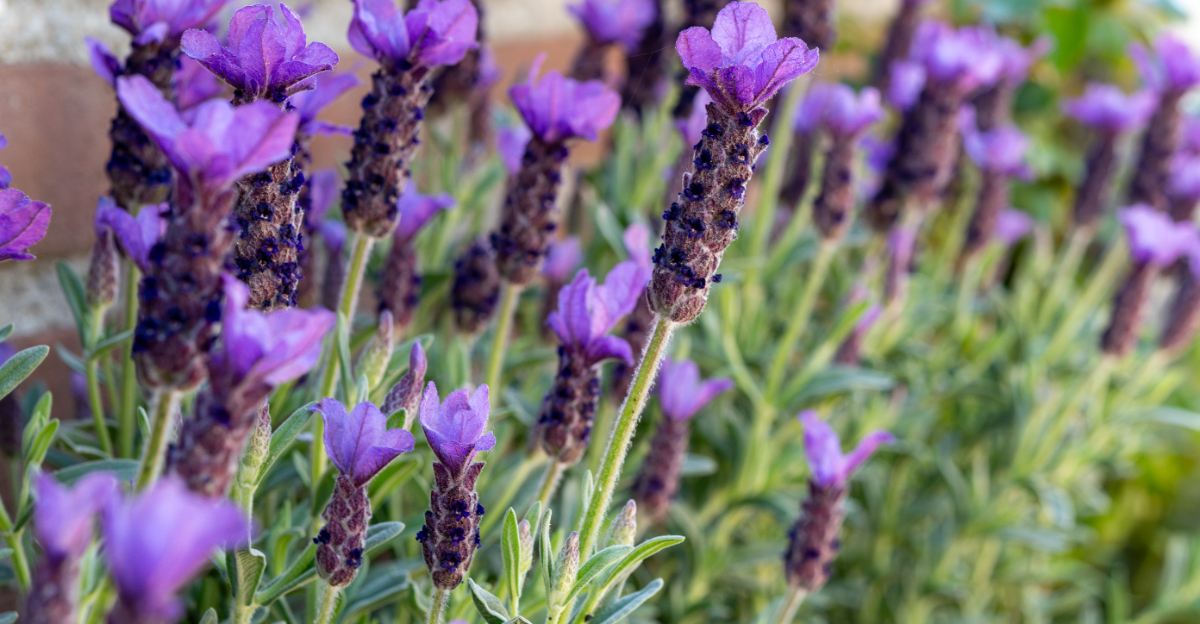
Lavender and Florida have a complicated history. Most gardeners have tried it, watched it sulk through the humidity, and written it off as a plant that simply doesn’t belong here.
That conclusion is understandable but not entirely accurate. The problem was never lavender itself.
It was the wrong lavender. The varieties that fill garden center shelves across the country were largely developed for dry summers and cold winters, two things Florida doesn’t offer.
Plant those here and disappointment is almost guaranteed. But lavender as a genus is broader than most people realize, and tucked inside it are varieties that handle heat and humidity without falling apart.
Gardeners who know which ones to reach for are growing lavender that actually thrives here, not just surviving the first season before slowly declining.
The variety question is the only question that matters, and most labels at the garden center aren’t answering it honestly.
1. Spanish Lavender Is The Type To Look For First
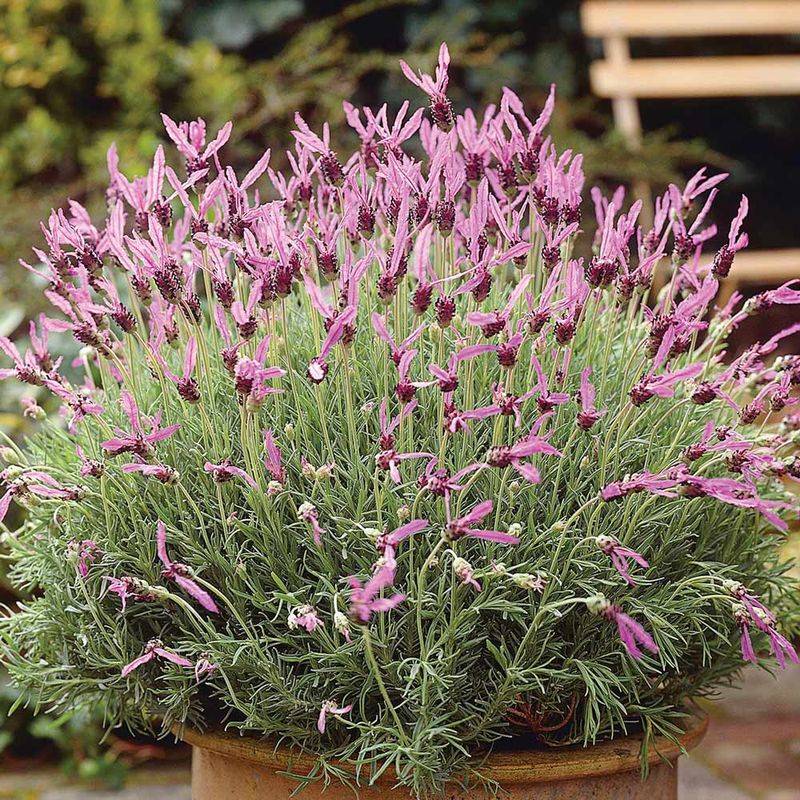
The best place to start is the label on the pot. When shopping for lavender in Florida, look for the botanical name Lavandula stoechas.
That is Spanish lavender, and it is often one of the more realistic types to try in local gardens. It handles heat better than many classic lavenders, and it tends to push through warm conditions that would quickly wear down an English lavender plant.
At the nursery, you may come across Spanish lavender selections sold under names like ‘Anouk,’ ‘Bandera,’ or ‘Otto Quast.’
These commonly available cultivars are worth checking out. However, do not assume any single one is a proven, long-term performer across every part of the state.
Local results vary depending on site, soil, and how wet or dry a summer turns out to be.
Spanish lavender produces distinctive blooms with small petal-like bracts on top that almost look like rabbit ears. The plant is aromatic, compact, and generally more forgiving of warm temperatures than most other lavender types.
That said, it still needs the right conditions to hold up through rainy season.
Full sun is non-negotiable. Airflow around the plant matters more than most gardeners expect, especially in humid months.
Soggy soil is the fastest way to lose any lavender, including Spanish lavender. Plant it in a raised bed or a container with fast-draining mix, and avoid spots where water pools after summer storms.
Good drainage is not optional here.
2. French Lavender Can Handle Heat Better Than English Lavender
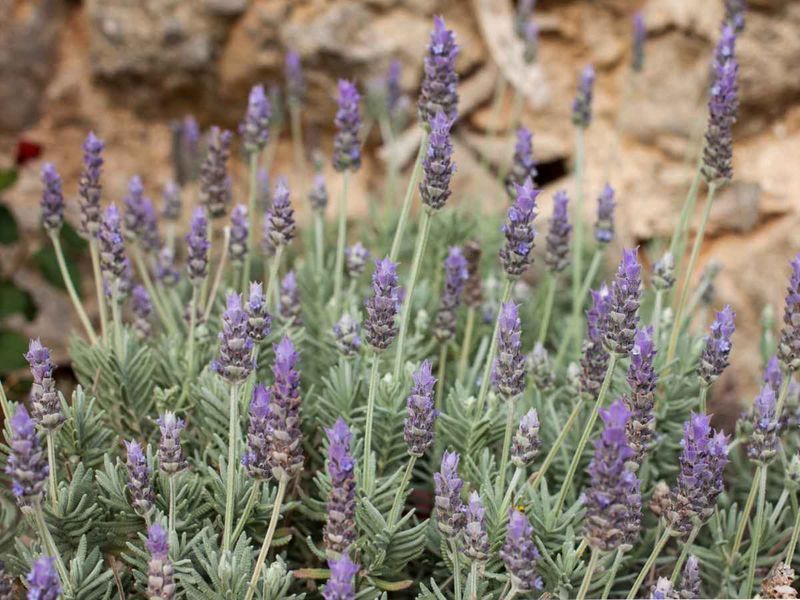
Warm-weather tolerance matters more than romance when choosing lavender for a Southern garden. French lavender, Lavandula dentata, is another type worth considering if you want fragrance and a bit more flexibility than English lavender offers.
Its toothed, gray-green leaves give it a distinctive look, and the foliage stays aromatic even when the plant is not in bloom.
Compared to English lavender, French lavender tends to handle warm conditions more gracefully. It can push through stretches of heat that would cause Lavandula angustifolia to fade quickly.
Gardeners in warmer parts of the state sometimes find it holds on longer into the season than other lavender types. That is especially true when the planting site gets strong sun and stays dry between rains.
Your Florida Garden Changes Every Week. Your Plan Should Too.
Gardening in Florida changes quickly throughout the season. Every Friday you’ll receive a simple weekly plan showing exactly what to plant, prune, fertilize, harvest, and protect so you never miss the right timing.
That said, French lavender is not immune to the problems that challenge every lavender grown here. Wet soil, humid shade, and low spots that collect summer rain are still serious threats.
Poor airflow around the plant encourages moisture buildup at the base, which can lead to root problems faster than most people expect during rainy season.
The best setup for French lavender in local gardens is a sunny, open spot with fast-draining soil. A raised bed or container works well because you can control the soil mix and drainage more easily than in a standard in-ground bed.
Keep mulch away from the crown of the plant, and avoid planting it in areas that receive heavy irrigation from nearby lawn systems or sprinkler heads.
3. Phenomenal Lavender Is Worth Trying In North And Central Florida
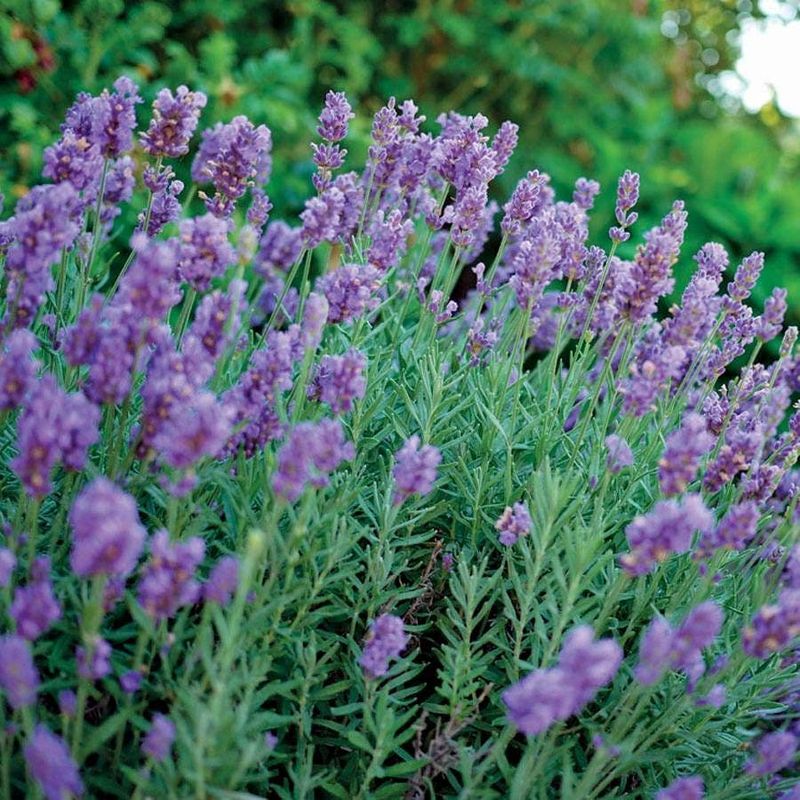
A named cultivar still needs the right region, and that point matters a lot with ‘Phenomenal’ lavender. This cultivar has been widely promoted as more tolerant of heat and humidity than many traditional lavenders.
That reputation has made it popular in garden centers across warmer parts of the country. For North and Central Florida gardeners, it is worth putting on the short list of types to try.
The honest caveat is that ‘Phenomenal’ performs more reliably in the northern and central parts of the state than in hot, wet South Florida beds.
Cooler winters, slightly lower humidity, and better chances of a real dry season give it a better shot at settling in and returning the following year.
In South Florida, summer conditions are simply more intense, and even a heat-tolerant cultivar can struggle when rain and humidity combine.
Raised beds are strongly recommended for this cultivar in local gardens. In-ground planting in heavy or poorly drained soil puts it at risk during rainy season, when water can sit around the roots for days at a time.
A container setup with a well-draining potting mix gives you more control over moisture and lets you move the plant if needed.
Full sun and good airflow are still the foundation. ‘Phenomenal’ does not get a free pass on site conditions just because it carries a heat-tolerant label. Think of it as a more forgiving option in the right setting, not a guaranteed long-lived perennial in every yard.
Manage expectations, and the results are often more satisfying.
4. Goodwin Creek Grey Is A Named Cultivar With Better Heat Tolerance
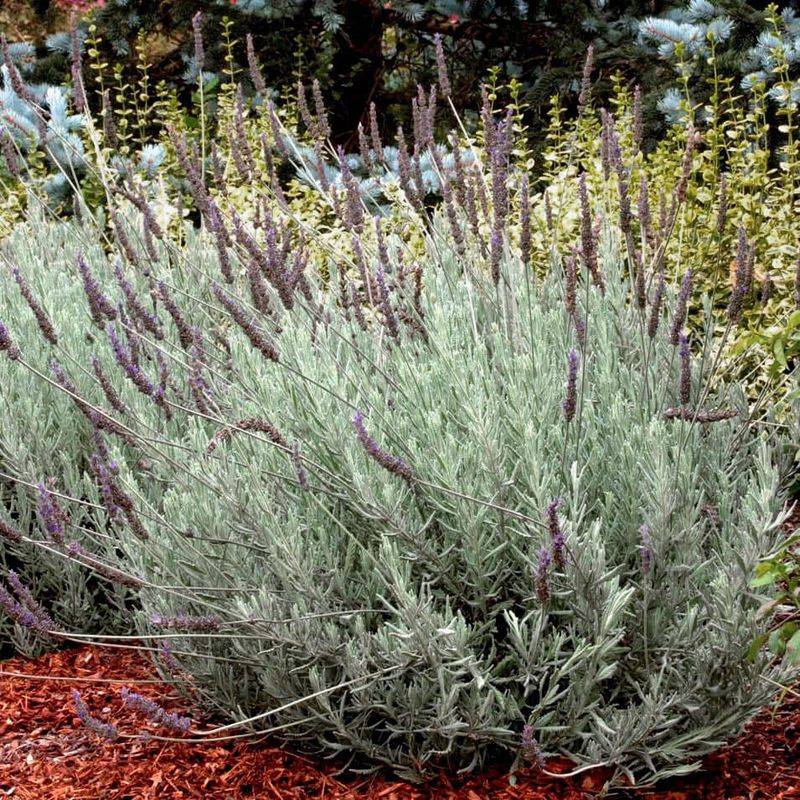
Silver foliage can be a clue, but not a guarantee. Goodwin Creek Grey is a named hybrid lavender cultivar, sometimes listed as Lavandula x ginginsii ‘Goodwin Creek Grey’ or simply Lavandula ‘Goodwin Creek Grey,’ depending on the source.
What sets it apart visually is its striking silver-gray foliage. It stays attractive even outside of bloom season and gives the plant a clean, textural look in containers or raised beds.
This cultivar has a reputation for handling heat better than some other lavender types, which has made it a recurring recommendation for warm-climate gardeners.
The deep purple flowers contrast nicely with the pale foliage, and the plant tends to stay fairly compact.
Those qualities make it a practical candidate for patio containers or small raised beds where drainage can be closely managed.
The important thing to understand is that better heat tolerance does not mean this cultivar can handle wet roots. Fast drainage is still essential.
During rainy season, containers can be moved to a covered but sunny spot if needed, which gives you an advantage that in-ground planting simply does not offer. Heavy, waterlogged soil remains the biggest threat to any lavender, including this one.
Airflow around the plant helps reduce humidity buildup at the base and along the stems. Give it room to breathe rather than crowding it between other plants or tucking it into a corner where air movement is limited.
With the right container, the right mix, and a sunny open spot, Goodwin Creek Grey has a reasonable chance in many local gardens.
5. Provence Lavender Needs A Dry Raised Spot
Fragrance alone is not enough reason to plant something in a spot where it will not last.
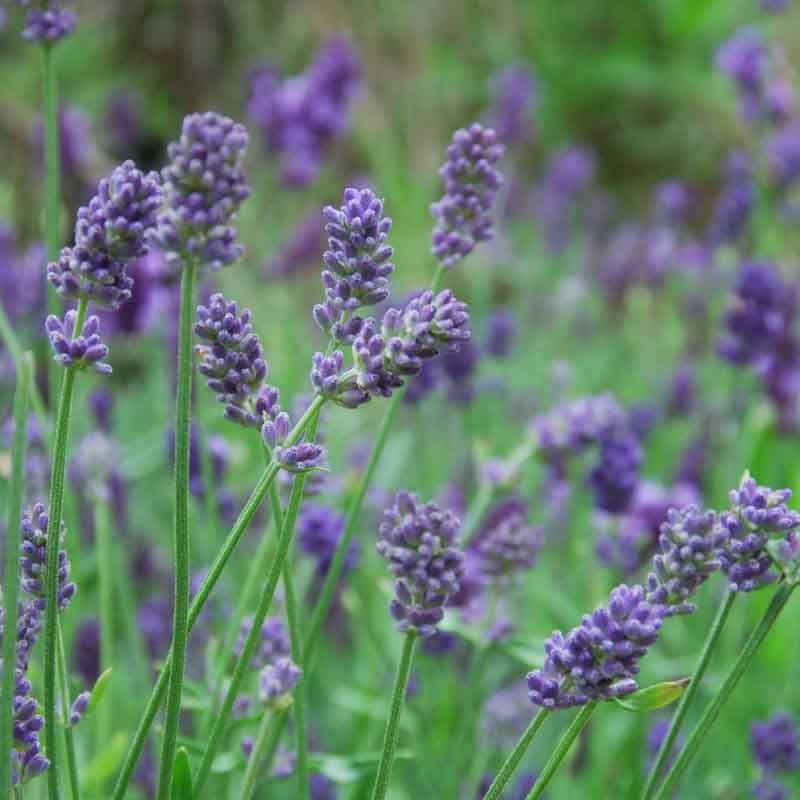
‘Provence’ lavender is one of the most recognized lavender cultivars for its long, graceful flower stems and strong fragrance. It also shows up regularly in garden centers around the state.
The appeal is easy to understand. The growing requirements, however, deserve a closer look before you commit to a planting spot.
This cultivar needs excellent drainage to have any real chance in local conditions. Sandy or gravelly soil that sheds water quickly is far better than anything dense, compacted, or prone to holding moisture after summer rains.
A raised bed with a well-amended, fast-draining mix is often the most practical approach. In-ground planting in heavier soils or in low spots that stay wet after afternoon storms is a setup that rarely ends well for this cultivar.
Containers are another solid option. A large pot with drainage holes and a quality, gritty potting mix gives you direct control over soil moisture in a way that standard garden beds usually cannot.
Avoid placing containers in areas that catch runoff or sit in spots where irrigation from lawn systems reaches them regularly.
Breezy, open locations help reduce the humidity that builds up around lavender during warm months. ‘Provence’ may be more realistic in drier, well-ventilated sites than in crowded, humid beds with heavy overhead irrigation. The fragrance payoff can be real, but only when the site conditions actually match what this cultivar needs to stay healthy through a Florida summer.
6. English Lavender Usually Struggles In Florida Summers
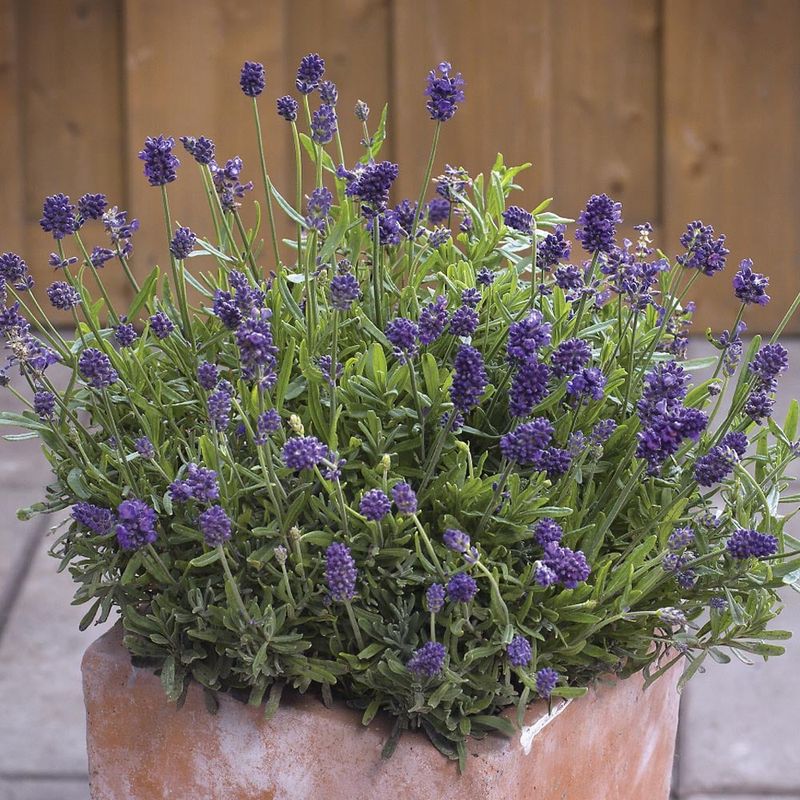
The classic choice is not always the smartest one for a humid Southern garden. English lavender, Lavandula angustifolia, is the lavender most people picture when they imagine a fragrant, blooming plant in a cottage garden.
The narrow gray-green leaves, the tall purple spikes, the clean herbal scent – it is genuinely beautiful. But beauty does not change what this species needs to thrive, and summers rarely deliver those conditions.
Heat and humidity are the main obstacles. Lavandula angustifolia evolved in the dry, rocky, well-drained soils of the Mediterranean, where summers are warm but not soaking wet.
Local rainy season conditions are almost the opposite of that. Heavy afternoon downpours, warm nights with high humidity, and soil that stays moist for days at a time create a very difficult environment for this species.
That does not mean it is impossible to grow English lavender here. Gardeners in North Florida, where summers are slightly less intense and winters are cooler, sometimes have better luck with it than gardeners farther south.
The key is removing as many disadvantages as possible from the start. A container with a fast-draining mix, a very sunny and breezy spot, and careful watering give it the best shot available.
Raised beds with sharp drainage can also help, but the margin for error is smaller than with Spanish or French lavender. If you want to try English lavender, go in with realistic expectations.
It may not return season after season, but a single season of blooms in the right container is still worth the effort for many gardeners.
7. Every Lavender Choice Still Needs Fast Drainage
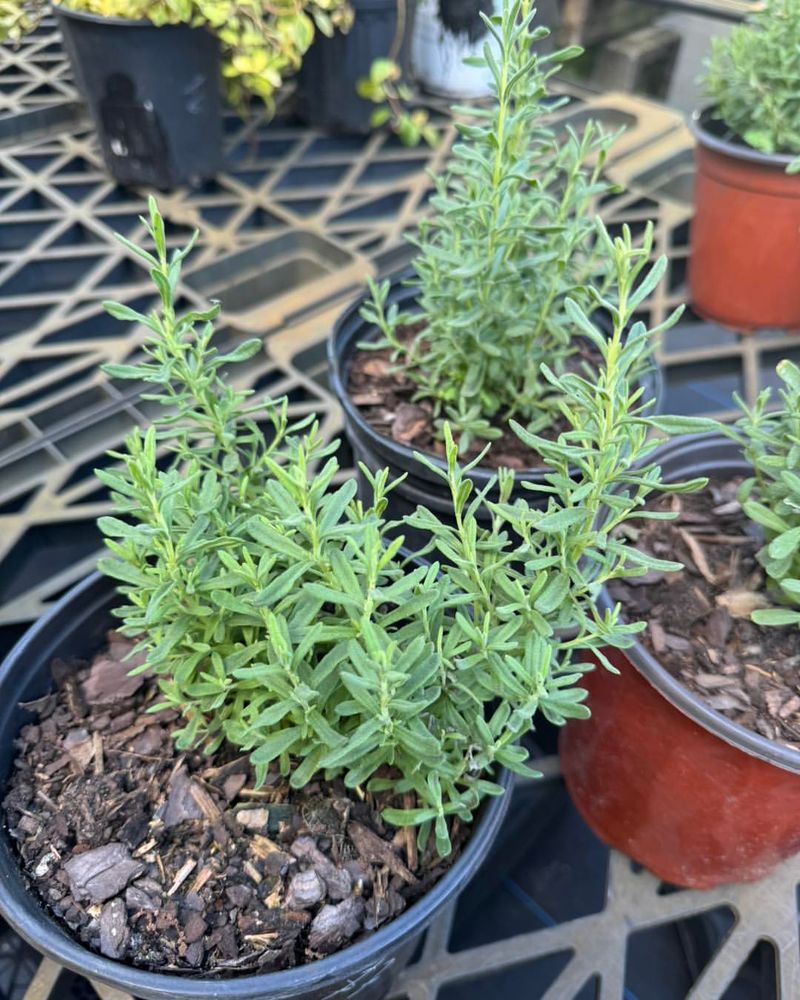
Drainage decides more lavender success than most gardeners expect. You can pick the most heat-tolerant cultivar available and plant it in the sunniest spot in the yard.
You can still lose it within a season if the soil does not drain fast enough. That is not an exaggeration.
Root problems from wet soil are one of the most consistent reasons lavender fails in warm, rainy climates, and local gardens are not an exception.
Every lavender type covered in this guide shares the same basic need for fast-draining soil. That includes Spanish, French, ‘Phenomenal,’ Goodwin Creek Grey, ‘Provence,’ and even the finicky English lavender.
Raised beds give you control over soil composition in a way that standard in-ground beds often cannot. This is especially helpful in areas with heavy clay, compacted earth, or hardpan beneath the surface.
Containers offer even more flexibility.
Avoid planting lavender in soggy low spots, heavy clay beds, or areas where lawn irrigation regularly reaches the plant. Heavy mulch piled against the crown holds moisture and creates the same problems as wet soil.
Keep mulch pulled back from the base of the plant, and make sure water moves away from the roots quickly after rain.
Full sun and good airflow are just as important as drainage. A shaded, still corner with poor drainage is one of the hardest places to grow any lavender successfully.
Give the plant open sky above it, moving air around it, and soil that drains fast beneath it. Those three conditions matter more than the specific cultivar name on the label, and they are worth prioritizing from the very start.