Smart Tricks Ohio Gardeners Should Use To Prevent Weeds In Raised Beds
Raised beds were supposed to solve the weed problem. Better soil, clean edges, full control over what goes in.
And for the first season they often do exactly that. Then the second year arrives and somehow the weeds find their way in anyway.
They seed down from neighboring areas, hitch rides in compost, and push up through gaps nobody thought to address. Ohio gardeners who have been through a few raised bed seasons know this pattern well.
Raised beds actually do make weed prevention more manageable, just not automatically. A few specific approaches applied at the right moments in the season change the equation significantly.
Not eliminating every weed entirely, that’s an unrealistic promise, but reducing the problem to something that takes minutes to manage rather than hours.
The gardeners who stay ahead of raised bed weeds aren’t pulling more, they just set things up differently from the start.
1. Start With Clean Soil Before You Plant
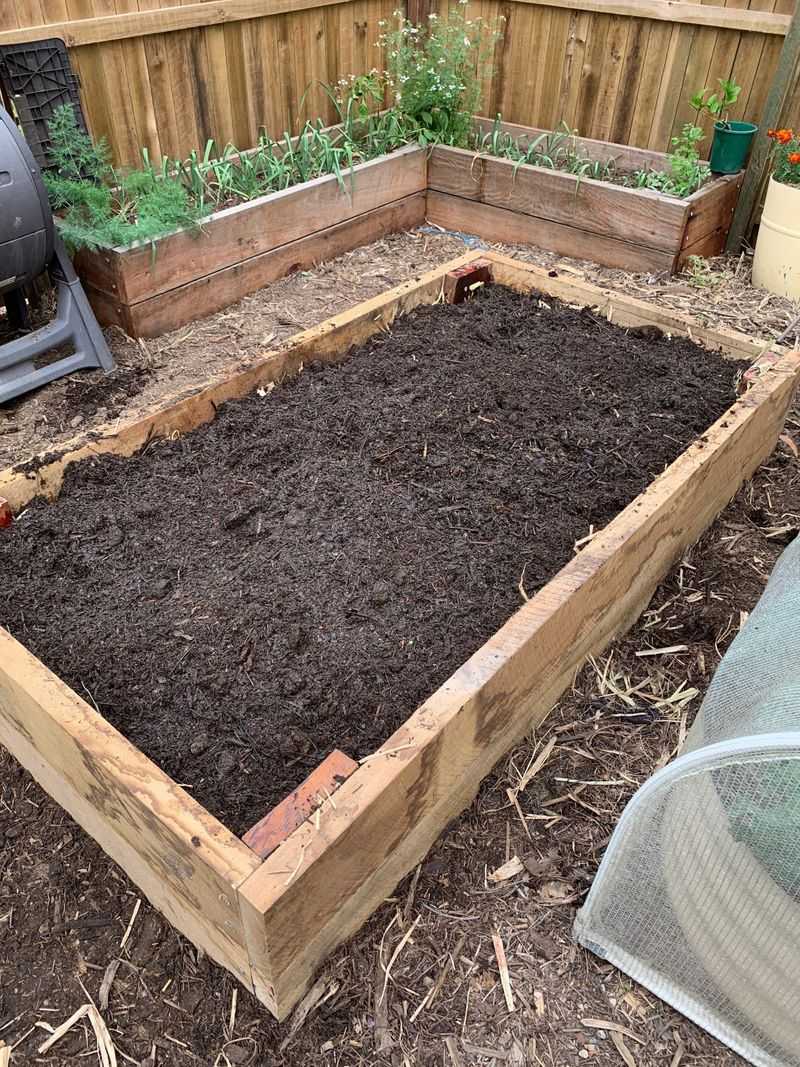
Every weed problem in a raised bed has to start somewhere, and often it starts right at the beginning when the bed gets filled. The soil or planting mix you use matters more than most gardeners realize.
Filling a new bed with old garden soil, low-quality fill dirt, or unfinished compost is one of the fastest ways to import weeds. You can bring in a season’s worth of problems before you even plant a single seed.
High-quality bagged planting mixes and blended raised bed soils from reputable suppliers are generally cleaner than random fill.
They are designed to drain well, support root growth, and arrive without the weed seed bank that tired garden soil often carries.
That said, no soil is guaranteed completely seed-free, so keeping up with early weeding still matters.
Homemade compost is a wonderful amendment, but it needs to be fully finished before you add large amounts to active beds. Compost that has not reached and held high enough internal temperatures may still contain viable weed seeds.
Partially finished compost can actually seed a bed with weeds instead of feeding your crops.
If you are refreshing an older raised bed, take a close look at what is already in there. Soil that has been in place for several seasons can accumulate weed seeds from previous years.
Mixing in fresh, clean compost each spring helps dilute that seed bank and improves soil structure at the same time. Starting clean is always easier than playing catch-up once weeds are already established and spreading across your planting beds.
2. Cover Bare Spots Before Weed Seeds Move In
Bare soil is basically an open invitation for weeds. Any patch of exposed ground in a raised bed gives weed seeds exactly what they need to sprout: light, warmth, and a place to land.
Summer storms, wind gusts, birds, and nearby weeds can all deliver fresh seeds into a raised bed faster than you might expect. Keeping soil covered is one of the most practical things you can do to slow that process down.
Your Ohio Garden Changes Every Week. Your Plan Should Too.
Gardening in Ohio changes quickly throughout the season. Every Friday you’ll receive a simple weekly plan showing exactly what to plant, prune, fertilize, harvest, and protect so you never miss the right timing.
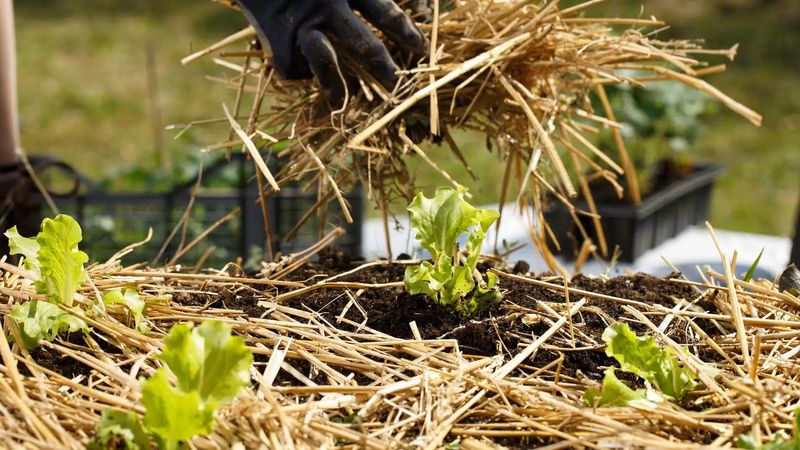
Between plantings, when part of a bed is empty and waiting, cover that open space rather than leaving it bare. A few inches of straw, shredded leaves, or even a temporary layer of cardboard can block light and discourage germination.
Quick-growing cover crops like buckwheat or crimson clover can also fill empty space, protect soil structure, and get turned in before they go to seed.
Even during the main growing season, look for gaps between plants where soil is exposed. Those spots are prime real estate for weed seedlings.
Tucking a little mulch into open areas or planting a compact filler herb or flower can close those gaps before weeds claim them.
It helps to think of bare soil as a problem to solve rather than a normal part of gardening. Every square foot of uncovered ground is a spot where next month’s weed problem is quietly getting started.
Covering open areas quickly is one of the simplest and most effective raised bed habits you can build. This matters especially after harvesting a crop or transplanting seedlings during the growing season.
3. Use Mulch Once The Soil Has Warmed
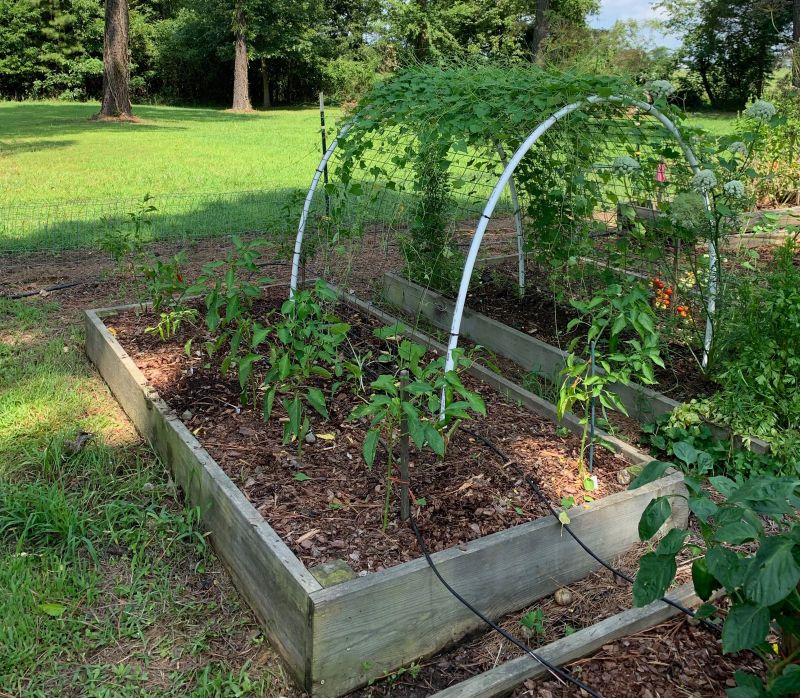
Mulch is one of the hardest-working tools in any raised bed garden. A good layer of organic mulch blocks sunlight from reaching the soil surface, which makes it much harder for weed seeds to germinate and get established.
It also holds moisture, reduces soil splash from rain and overhead watering, and slowly breaks down to feed the soil over time. For vegetable beds, herb beds, and flower beds alike, mulch earns its keep all season long.
Straw, shredded leaves, untreated grass clippings, and composted leaf mold are all solid choices for raised beds where food crops are growing. Avoid dyed mulch or wood products treated with unknown additives in beds where you are growing edibles.
Keep mulch layers around two to three inches deep for the best weed-blocking effect without smothering shallow roots.
Timing matters, especially in spring. Applying heavy mulch too early in the season can slow soil warming, which pushes back planting dates for heat-loving crops like tomatoes, peppers, squash, and basil.
Wait until the soil has warmed and warm-season transplants are in the ground before mulching heavily around them. A light layer is fine earlier in the season around cool-weather crops.
One detail worth remembering is to keep mulch pulled back a bit from plant stems and crowns. Piling mulch directly against stems can trap moisture and create conditions that encourage rot and pest pressure.
A small gap of an inch or two around each plant stem keeps things breathing while still giving you excellent weed coverage across the rest of the bed surface.
4. Plant Crops Close Enough To Shade The Soil
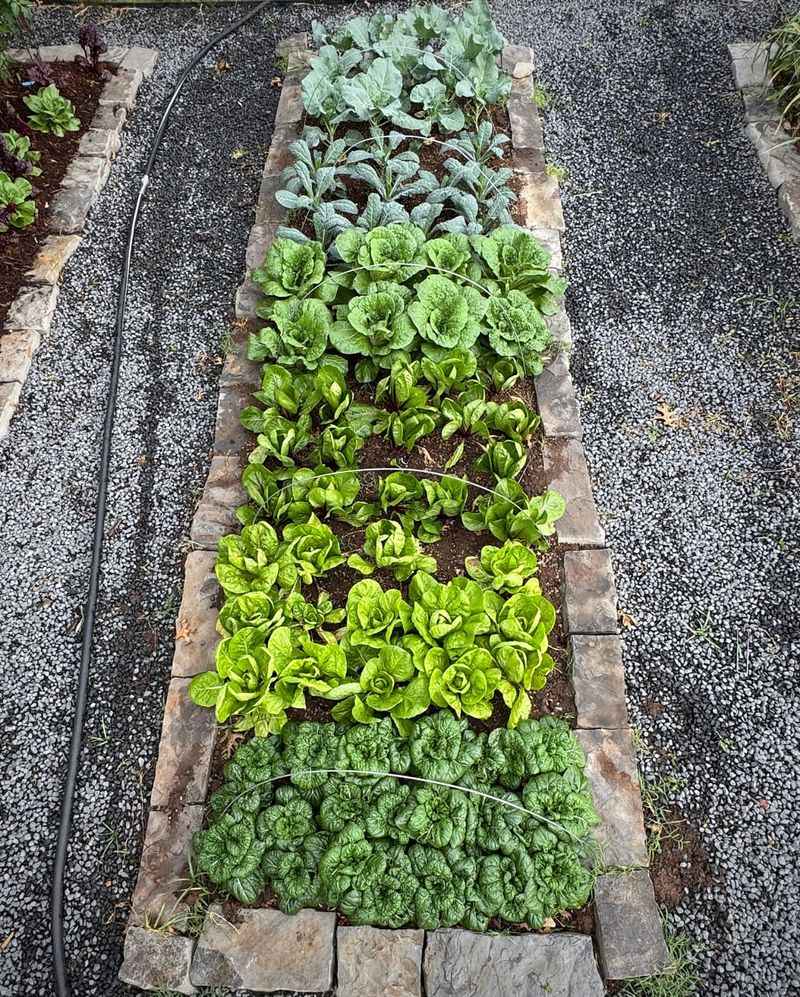
Spacing your crops thoughtfully is about more than just giving plants enough room to grow. Proper plant spacing can also help shade the soil between plants, which reduces the light available for weed seeds to germinate.
A raised bed where the canopy closes in over the soil by midsummer is a bed that naturally makes life harder for weeds trying to squeeze in.
Lettuce, bush beans, herbs like basil and cilantro, compact pepper plants, and low-growing flowers can all create decent ground cover. They work best when spaced correctly.
Tomatoes and taller crops take longer to fill in. Once they are established and staked, their lower leaves and spreading branches can shade a significant portion of the bed below them.
The key is finding the balance between close enough to shade and crowded enough to cause problems. Plants that are packed too tightly compete for water, nutrients, and light.
Airflow gets restricted, which can encourage fungal issues in our state’s humid summer weather. Follow spacing recommendations on seed packets and transplant tags as a starting point, then adjust slightly based on your specific bed layout.
Filling gaps between larger, slower-growing plants with fast-maturing crops like radishes, spinach, or small herbs is a practical strategy that serves double duty.
Those quick crops harvest before the main plants need the space, and in the meantime they cover ground that would otherwise sit bare and open to weed pressure.
Thinking of your raised bed as a space that should always be mostly covered is a mindset shift that pays off consistently across the growing season.
5. Pull Tiny Weeds Before Their Roots Take Hold
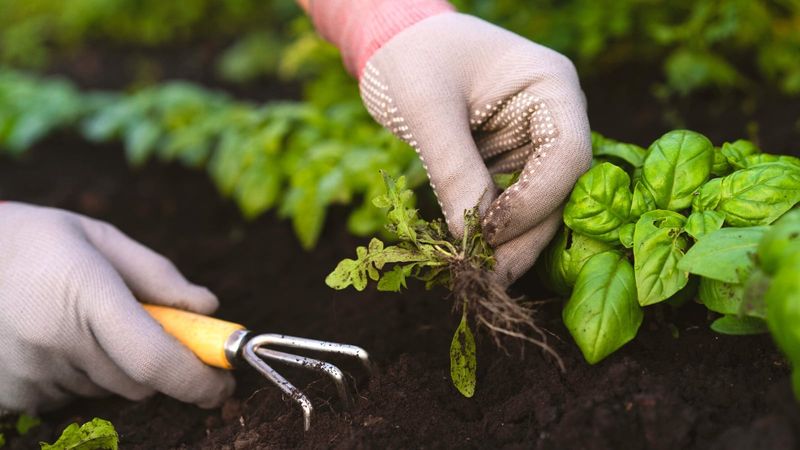
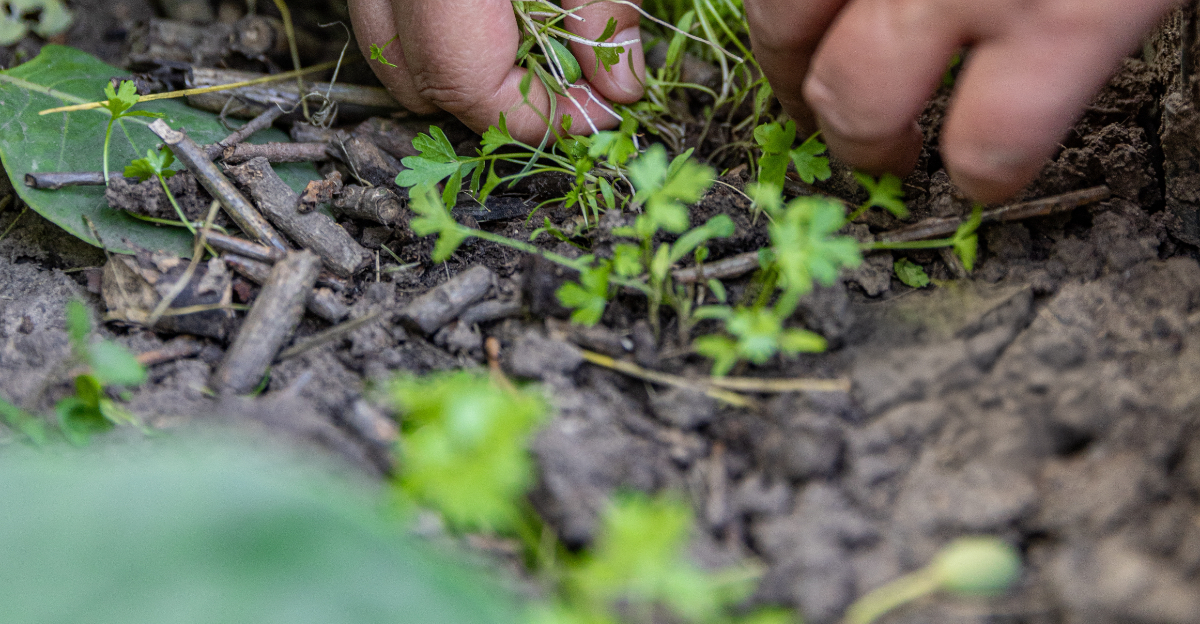
Catching weeds when they are small is one of the most practical and time-saving habits you can build in a raised bed garden. A tiny weed seedling with shallow roots takes seconds to pull.
That same weed left for two or three weeks can develop a deep taproot, spread lateral roots, and become a real project to remove without disturbing surrounding crops.
Check raised beds regularly, ideally every few days during the peak of the growing season. A quick walk through the garden with a hand weeder or a sharp hoe can clear a lot of small weeds in just a few minutes.
The best time to pull weeds by hand is right after a rain or after watering, when the soil is moist and roots release more easily without breaking off underground.
One thing to be careful about is how much you disturb the soil while weeding. Digging deeply or turning the soil to remove weeds can actually bring buried seeds up to the surface where they have access to light and can germinate.
Shallow cultivation, just enough to sever roots at or just below the soil surface, is usually more effective than deep digging and causes less disruption to the weed seed bank below.
A realistic goal is not a perfectly weed-free bed every single day. The real target is keeping weeds small enough that they never get the chance to compete seriously with your crops or produce seed for the next generation.
Staying consistent with small, frequent weeding sessions is far less work than dealing with an overgrown bed once weeds have already taken hold and spread.
6. Keep Pathway Weeds From Creeping Into Beds
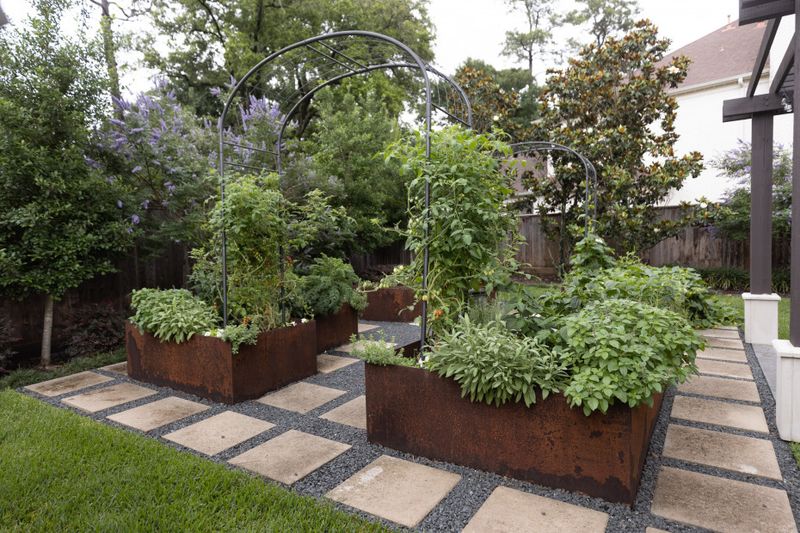
A tidy raised bed surrounded by weedy, neglected pathways is fighting a losing battle. Weeds growing right next to the bed edges can drop seeds directly into your planting area.
They can also send roots creeping under the boards and steadily work their way in from the sides. Keeping the areas around your raised beds just as clean as the beds themselves is a real part of weed management, not an optional extra.
Wood chips, straw, or shredded bark are popular and practical choices for mulching pathways between raised beds. They suppress weeds, keep mud down during wet Ohio springs, and make walking between beds comfortable.
For pathways where weed pressure is heavy, lay cardboard or several layers of newspaper under the wood chips before spreading them. This gives you a stronger weed barrier without using synthetic landscape fabric under food-growing areas.
If gravel or pea stone paths are already in place, keeping them edged cleanly and topping them off when they get thin helps reduce weed germination in the gaps. Regular mowing or string trimming of grass paths around raised beds also matters.
Grass that is allowed to grow tall and go to seed right next to a bed sends a steady supply of seeds into the planting area every season.
Clean edging along the sides of beds where grass or ground cover might creep in is worth doing two or three times a season. A simple flat spade or half-moon edger works well for cutting a clean line.
Think of your pathways and bed edges as part of the overall weed prevention system, not separate from it. That makes a real difference in how much weed pressure builds up over time.
7. Avoid Letting Weeds Go To Seed Nearby
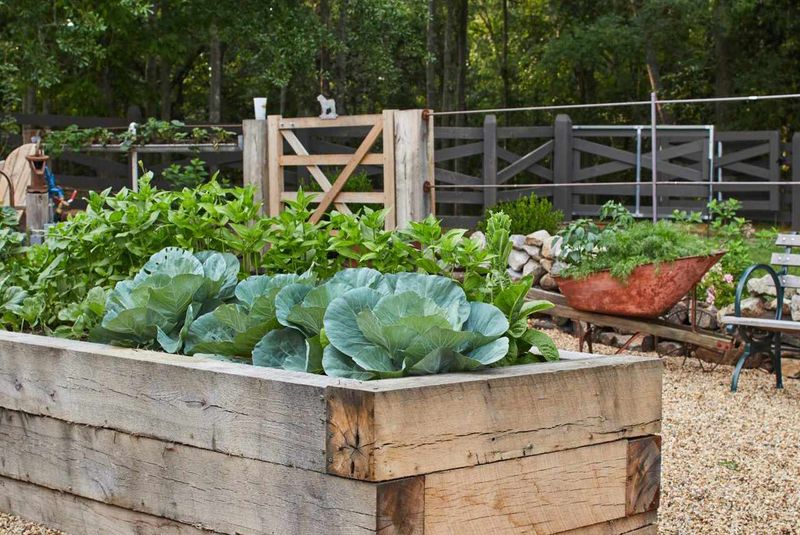
One mature weed that goes to seed can create dozens, sometimes hundreds, of new seeds. Those seeds scatter across your garden and wait in the soil for the right conditions to sprout.
Preventing weeds from seeding out is one of the highest-return habits you can build, because it directly reduces how much weed pressure you will face in future seasons.
Staying ahead of seed production is smarter than spending all your time pulling seedlings after the damage is already done.
Pay close attention to weeds growing along fence lines, in compost areas, and along the outside edges of raised beds. Also check any patches of ground that do not get regular attention.
These spots are where weeds often quietly flower and set seed without anyone noticing until the seeds have already blown across the garden. Common offenders in local gardens include common chickweed, lamb’s quarters, pigweed, bindweed, and crabgrass.
Remove flowering weeds before the seed heads fully mature whenever possible. Even if you cannot pull the whole plant right away, snapping off the flower heads or seed stalks buys time.
It also prevents that plant from contributing to next season’s weed bank. This is especially useful during busy stretches of the summer when full weeding sessions are hard to schedule.
Weeds that already have mature seed heads on them should not go into a cold compost pile. Cold compost does not reliably reach temperatures high enough to make those seeds non-viable.
Bag those plants for yard waste pickup, burn them where local rules allow, or set them aside to dry completely before disposal. Keeping seeding weeds out of compost is a simple step that protects next year’s beds from avoidable weed pressure.