What Plants Benefit Most From Coffee Grounds In Illinois Gardens

Turns out, that soggy pile in your kitchen trash? Pure garden gold.
Coffee grounds are loaded with nutrients that certain plants genuinely crave, and once I started sprinkling them around my Illinois beds, the difference was hard to ignore. Gardeners across Illinois are catching on to this ridiculously easy habit.
No fancy fertilizers. No expensive trips to the garden center.
Just the leftovers from your morning brew doing surprisingly big things. Some plants go absolutely wild for coffee grounds.
Others? Not so much.
The trick is knowing which ones will actually reward your efforts. The best part is that you already have everything you need. Go grab those grounds before they hit the trash, because your garden is about to get a serious upgrade.
1. Blueberries

Blueberries are practically begging for coffee grounds, and here is why that matters for your garden. These berries thrive in acidic soil with a pH between 4.5 and 5.5.
Coffee grounds alone cannot create that range. But used consistently alongside sulfur or an acidifying fertilizer, they help nudge soil in the right direction.
Most Illinois soil leans slightly alkaline, so giving blueberries a regular coffee boost can genuinely change how well they produce.
Sprinkle a thin layer of grounds around the base of each bush every two to three weeks during the growing season. Do not pile them on too thick because that can compact and block water from reaching the roots.
A light, even application mixed into the top inch of soil works best.
Blueberry bushes that get the right soil conditions may produce plumper, sweeter fruit over time. You will also see stronger cane growth and deeper green foliage when the pH is dialed in.
Pair the grounds with a layer of pine bark mulch for even better results. Your blueberry harvest could surprise you by late summer if you start this habit early in spring.
2. Azaleas
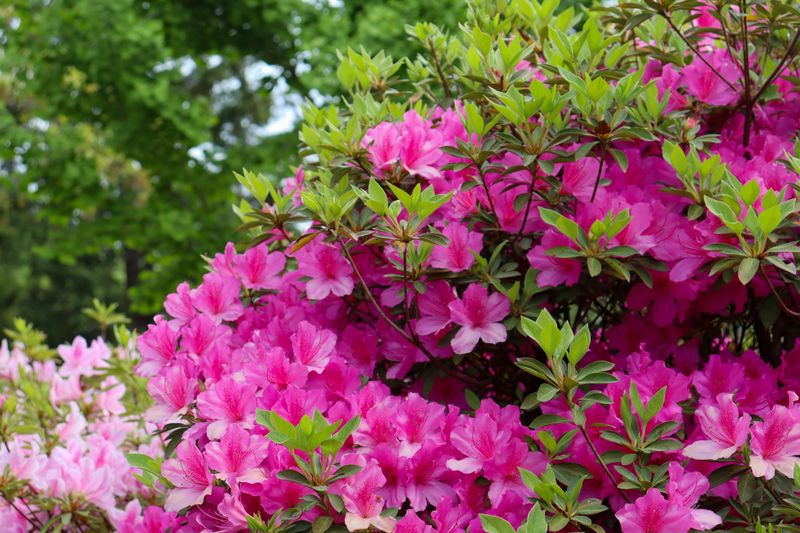
Few plants put on a spring show quite like azaleas, and coffee grounds help them do it even better. Azaleas are acid-loving shrubs that struggle in neutral or alkaline soils, which are common across much of Illinois.
Adding coffee grounds to the soil around them is one of the easiest ways to give these beauties what they need to truly shine.
Work the grounds gently into the topsoil about once a month during spring and early summer. Avoid burying them deep because azalea roots are shallow and sensitive.
A half-inch layer blended with compost creates a nutrient-rich, slightly acidic environment that these shrubs absolutely respond to.
You may notice richer, darker green leaves and more abundant blooms after just one season of consistent coffee ground applications. Nitrogen from the grounds also feeds the plant steadily as the material breaks down.
Think of it as slow-release fertilizer that costs you nothing extra. Healthy azaleas can anchor a front yard landscape with color for decades.
This one small habit is all it takes to keep them performing at their peak year after year.
Your Illinois Garden Changes Every Week. Your Plan Should Too.
Gardening in Illinois changes quickly throughout the season. Every Friday you’ll receive a simple weekly plan showing exactly what to plant, prune, fertilize, harvest, and protect so you never miss the right timing.
3. Rhododendrons
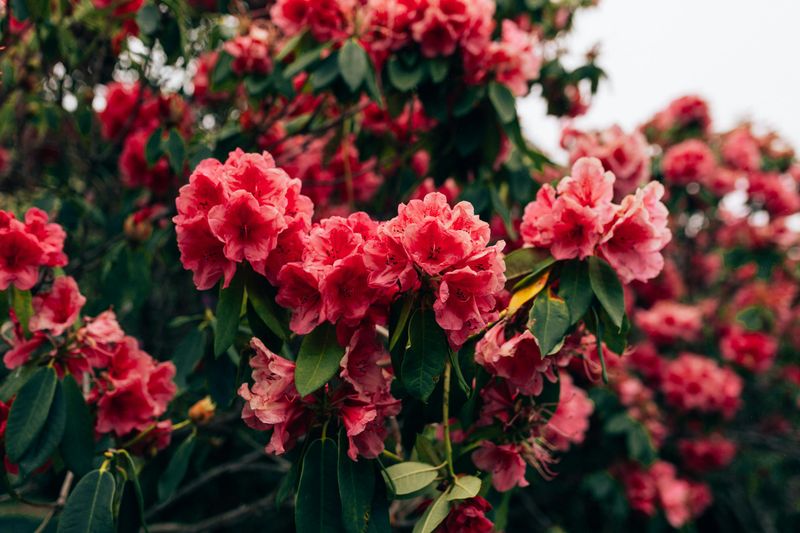
Image Credit: © Isaac Garcia / Pexels
Rhododendrons are true showstoppers, rewarding patient gardeners with spectacular flower clusters every spring. Like their azalea cousins, they demand acidic soil to absorb the iron and other nutrients they need.
In Illinois, where soil pH can be stubbornly neutral, coffee grounds are a practical and affordable solution.
Apply used grounds around the drip line of the shrub rather than directly against the trunk. This mimics where the feeder roots actually live and allows the nutrients to soak in where they are most useful.
Mixing the grounds with shredded leaf mulch helps them break down evenly and prevents crusting on the soil surface.
Rhododendrons that receive regular coffee ground treatments often show noticeably greener foliage and tighter, more vibrant bloom clusters. Yellow leaves, which signal iron deficiency, tend to fade away once the soil acidity improves.
Starting this practice in early spring gives the plant the whole growing season to benefit. If your rhododendron has looked tired for a few years, this one change might be exactly the wake-up call it needs.
4. Hydrangeas
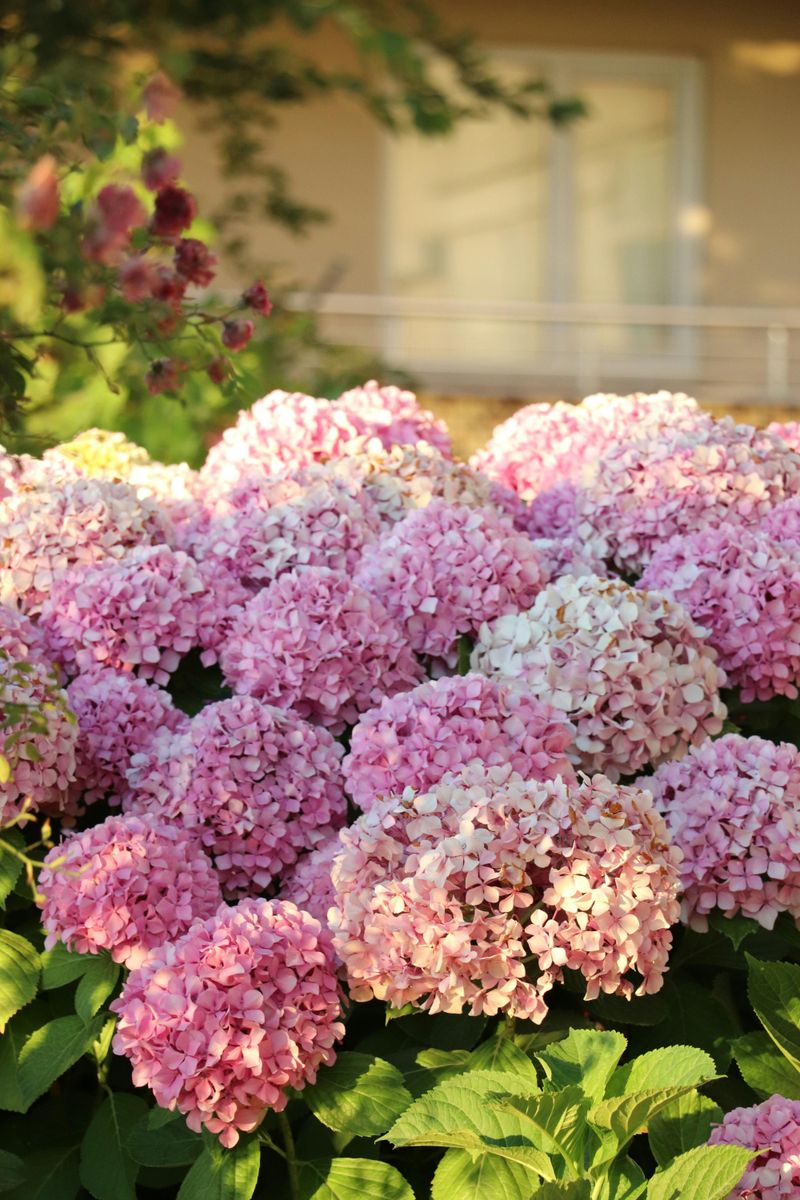
Here’s something that surprises most gardeners: hydrangea blooms can actually change color. It all comes down to your soil acidity.
More acidic soil, created in part by coffee grounds, tends to push mophead hydrangeas toward bluer, more vivid shades. That alone is reason enough to start saving your morning grounds.
Bigleaf hydrangeas are the variety most affected by soil pH, while panicle and smooth hydrangeas are less sensitive. Still, all types benefit from the nitrogen boost that coffee grounds provide as they decompose.
Apply a generous handful around the base of each plant every few weeks throughout spring and summer.
Hydrangeas in Illinois gardens can struggle with our heavy clay soils, so adding organic material like coffee grounds also helps loosen the ground and improve drainage. Better drainage means fewer root problems and a healthier plant overall.
The combination of improved soil structure, added nutrients, and shifted pH makes this one of the most impactful coffee ground applications in any garden. Watch your hydrangeas closely this season and notice how the blooms respond.
5. Roses

Image Credit: © Atlantic Ambience / Pexels
Roses have a reputation for being demanding, but coffee grounds make caring for them a little easier. These classic garden plants prefer slightly acidic soil and are heavy feeders that benefit from consistent nitrogen throughout the growing season.
Coffee grounds deliver both in one simple, free application.
Work a small handful of grounds into the soil around each rose bush every two weeks from spring through midsummer. Avoid applying too close to the stem to prevent any moisture-related issues at the base.
Combining the grounds with a balanced rose fertilizer gives you a well-rounded feeding approach without overdoing any single nutrient.
Gardeners who use coffee grounds on their roses often report stronger cane growth and deeper green leaves, and some notice more frequent blooming cycles too. The grounds also attract earthworms, which naturally aerate the soil and further improve root health.
Healthy soil structure is one of the most underrated factors in rose success. If your roses have been producing fewer blooms than you expected, a simple shift in soil nutrition might be the turning point you have been waiting for.
6. Tomatoes
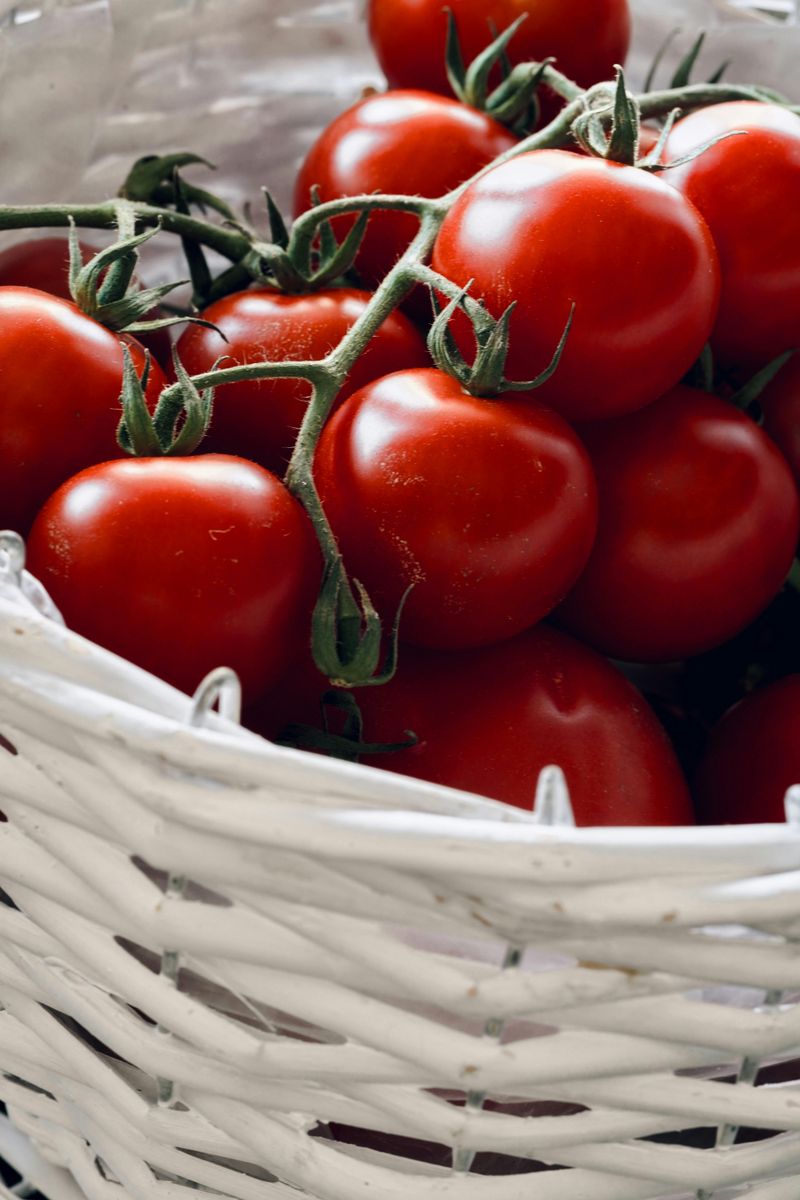
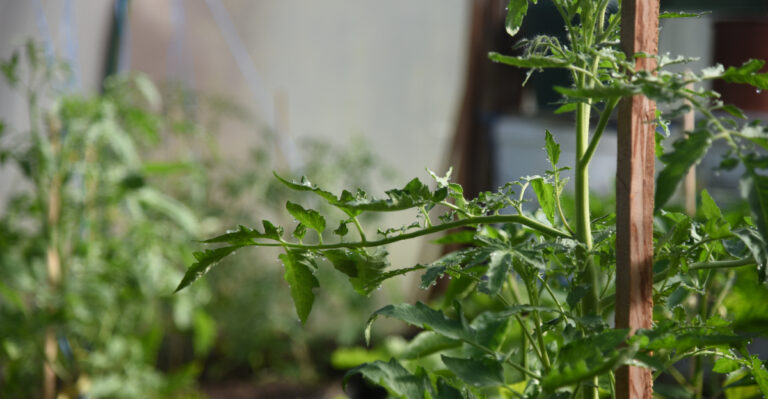
Tomatoes are the most popular vegetable in home gardens for good reason. Coffee grounds can give yours a serious edge.
These heavy feeders love nitrogen, and used coffee grounds are a solid source of it as they break down in the soil. Better nitrogen means lush, productive foliage and a stronger fruit set.
Mix grounds into your garden bed before transplanting seedlings in late May, which is typical timing for Illinois. You can also side-dress established plants by sprinkling grounds around the base once every two to three weeks during the growing season.
Keep the layer thin to avoid any drainage issues in your bed.
Some gardeners find that coffee grounds help deter slugs and certain pests, though results can vary. The texture and scent may play a role, but it is not guaranteed.
The slightly gritty texture and scent seem to discourage them naturally. Combine the grounds with crushed eggshells for a double layer of protection and added calcium, which helps prevent blossom end rot.
Your tomato plants will thank you with a harvest that fills up baskets all the way through early fall.
7. Carrots

Carrots are quiet overachievers in the garden, and the right soil preparation makes all the difference in how they grow. Coffee grounds help loosen compacted or clay-heavy soil, which is a common challenge in Illinois.
Loose, well-aerated soil lets carrot roots grow long and straight instead of forking or stunting.
Mix grounds into your carrot bed a few weeks before planting to give them time to blend into the soil. Fresh grounds can be slightly too acidic right away, so allowing them to mellow first produces better results.
Combining them with compost creates a balanced, workable planting environment that carrot seeds love.
Some gardeners swear by sprinkling a small amount of coffee grounds directly into the seed furrow alongside carrot seeds. Some gardeners sprinkle grounds to discourage root flies, though this benefit is not conclusively proven.
Whether that is the main benefit or just a bonus, the improved soil texture alone justifies the effort. Carrots grown in amended, loose soil tend to be larger, smoother, and easier to harvest cleanly from the ground.
8. Peppers
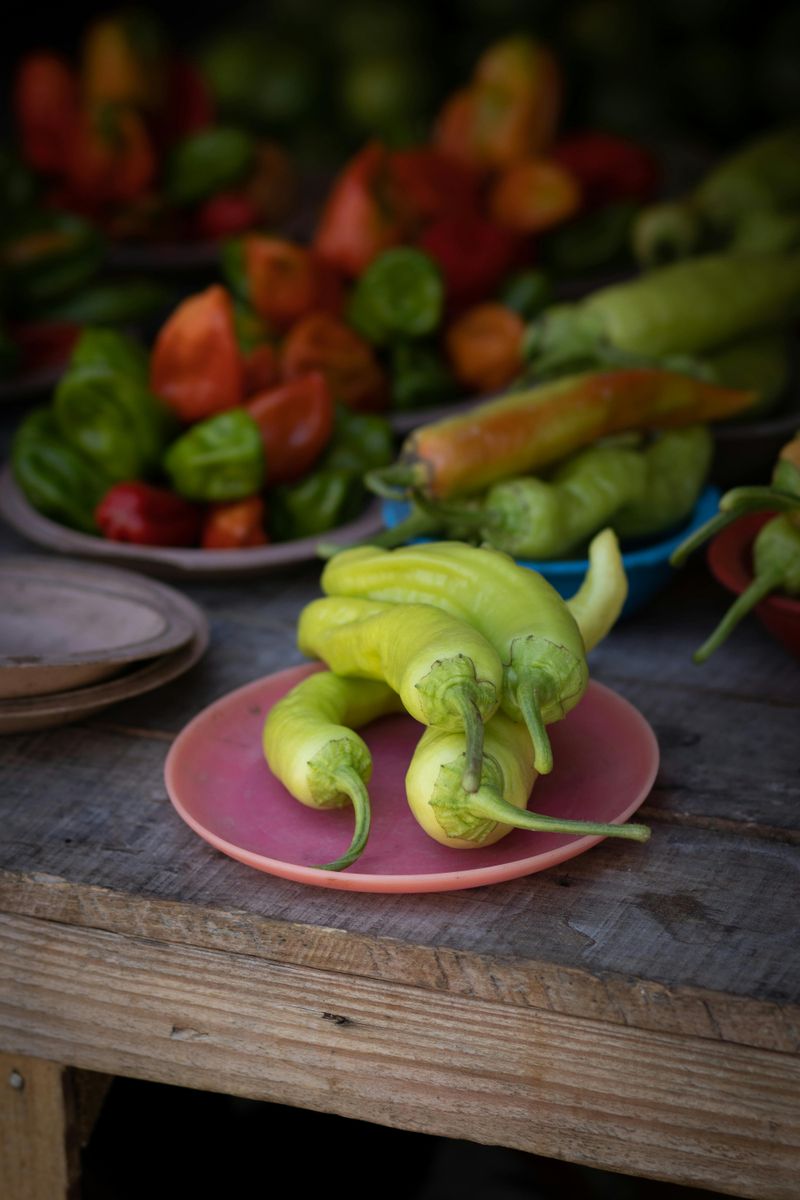
Pepper plants are sun-loving, warm-weather performers. And they quietly respond really well to coffee grounds.
They prefer slightly acidic soil, making them a natural fit for this type of soil amendment. Illinois summers provide the heat peppers crave, and coffee grounds can help create the soil conditions they need to match that energy.
Apply grounds around pepper transplants after the soil has warmed in late spring. A light application every few weeks keeps nitrogen available as the plants grow and begin setting fruit.
Mixing the grounds into the top layer of soil rather than leaving them on the surface helps prevent any surface mold from forming during humid stretches.
Bell peppers, banana peppers, and hot varieties all respond similarly to the nitrogen and slight acidity that coffee grounds provide. Stronger root development often translates to taller, sturdier plants that hold up better during summer storms.
Healthier plants also tend to produce a higher number of fruits per season.
A pepper crop that keeps delivering from July through the first frost starts with one smart move. Give your soil the right foundation from the beginning and your plants will handle the rest.
9. Magnolias
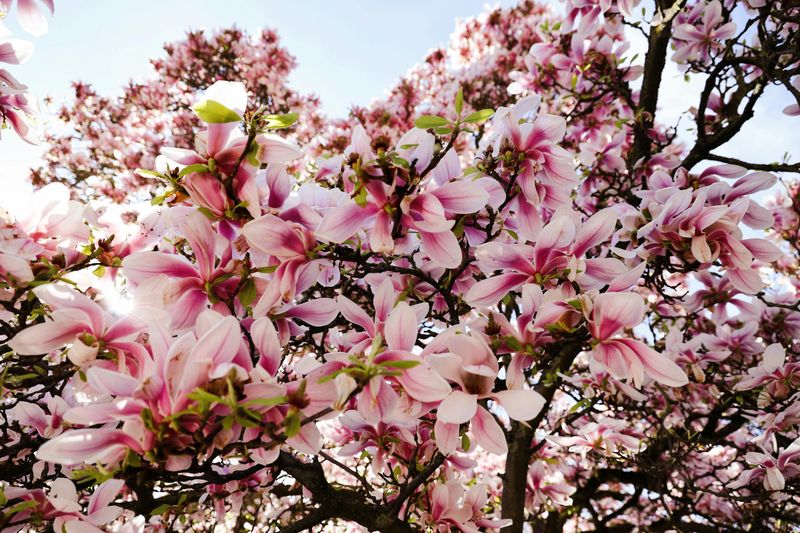
Magnolias are bold, architectural trees that command attention and thrive with a little coffee ground support. These trees prefer slightly acidic soil and can show signs of stress in neutral or alkaline conditions through yellowing leaves and reduced flowering.
Illinois soils often need amending to meet a magnolia’s preferences.
Spread a generous layer of coffee grounds across the root zone, which extends well beyond the trunk out to the tips of the branches. Avoid piling grounds directly against the bark because that can create moisture buildup and invite problems.
Mixing the grounds with a few inches of organic mulch helps them integrate into the soil gradually and effectively.
Young magnolia trees benefit the most from early soil preparation because it sets the foundation for decades of growth. Established trees that have been looking lackluster can also perk up noticeably after a season or two of consistent amendments.
The deep green, glossy leaves that healthy magnolias produce are genuinely striking in a landscape. Giving this tree the right soil conditions is an investment that pays off in beauty every single spring.
10. Camellias
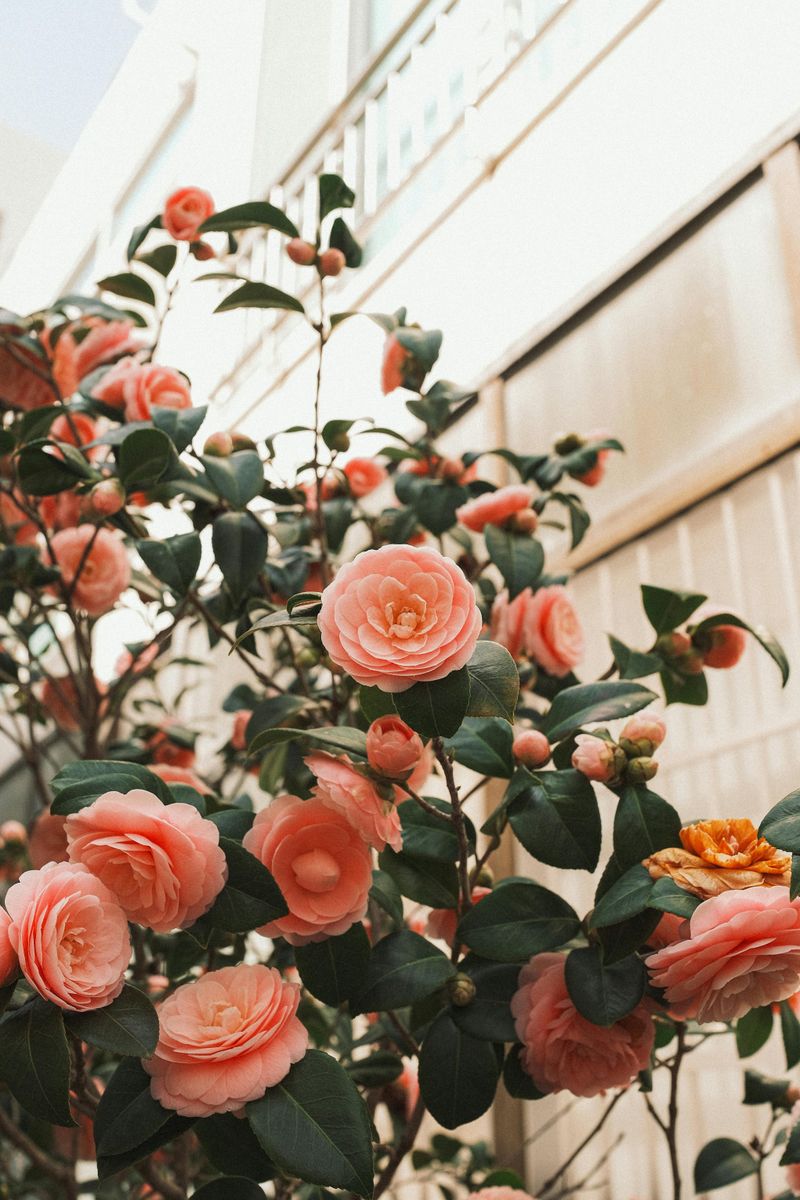
Camellias aren’t just for the South anymore. Cold-hardy varieties are making a real mark in Illinois gardens, though they are best suited to the southern part of the state.
Gardeners in central and northern Illinois should choose the most cold-hardy varieties available and provide extra winter protection.
They are strict about one thing though: they need acidic soil to absorb nutrients properly. Coffee grounds are one of the most accessible ways to maintain that acidic environment without spending money on specialty fertilizers.
Apply grounds around camellias in early spring before new growth begins, and again in midsummer to maintain soil conditions. Using a light hand is important because too much at once can temporarily make the soil overly acidic.
Blending the grounds with pine needle mulch creates a naturally acidic, moisture-retaining layer that camellias find ideal.
Gardeners who have successfully grown camellias in Illinois often credit consistent soil management as their biggest factor. The blooms on a well-nourished camellia are genuinely extraordinary, ranging from soft blush pink to deep crimson depending on the variety.
Glossy, dark green foliage is another sign that the plant is thriving. Once you see a camellia in full bloom, you will understand why it is worth every bit of the extra attention it takes to keep one happy.
11. Hollies

Holly shrubs are Illinois garden staples. Glossy leaves and brilliant red berries make them absolute showstoppers in the winter landscape.
What many gardeners do not realize is that hollies prefer slightly acidic soil, and they grow noticeably better when that condition is met. Coffee grounds are a simple, low-cost way to give them exactly that.
Work grounds into the soil around holly plants in early spring and again in fall to keep the pH in a favorable range. American holly and winterberry holly, both popular in this region, respond well to this treatment.
Consistent applications over several seasons tend to produce the most visible improvements in foliage density and berry production.
Hollies grown in the right soil conditions may handle everyday stress better, though leaf scorch and tip blight can have multiple causes beyond soil pH. Strong, healthy plants simply handle stress better.
The bright berries that appear in late fall are not just beautiful, they also provide food for birds during the coldest months. Coffee grounds and holly are a small habit with big rewards.
Enjoy the results both inside your home and out.
12. Strawberries
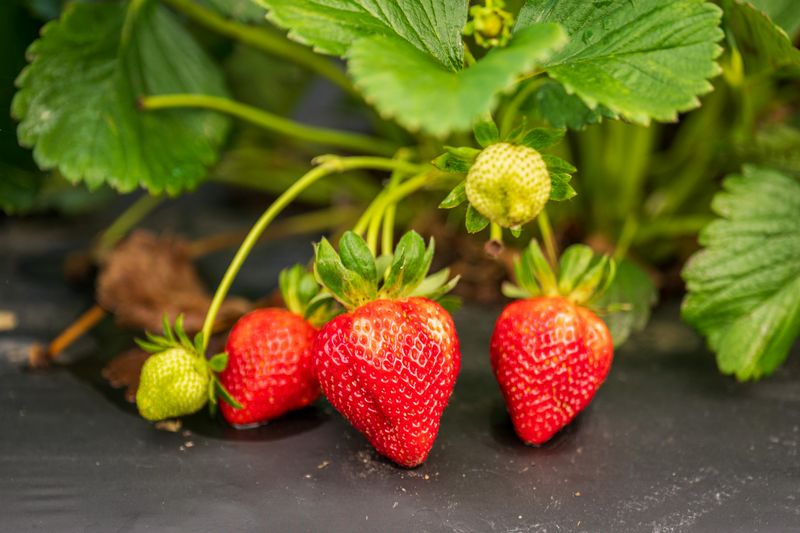
Strawberries are one of the most rewarding crops you can grow in an Illinois garden. Coffee grounds can help you grow even better ones.
These fruiting plants prefer slightly acidic soil, and they respond to nitrogen-rich amendments with faster runner production and more generous fruiting. Coffee grounds check both boxes at once.
Work a thin layer of grounds into the soil between plants at the start of the growing season. Reapply lightly every month through the fruiting period to keep nutrients available as the plants work hard to produce.
Avoid heavy applications right before a rain because concentrated grounds can temporarily affect soil balance if they wash into one spot.
One of the most satisfying things about growing strawberries with coffee ground support is how quickly you can see results. Deeper red color, firmer texture, and sweeter flavor can all follow from well-nourished soil, though variety, sun, and water matter just as much.
The grounds also help suppress certain fungal issues by improving drainage and soil structure. Using coffee grounds in your strawberry patch is one of those small decisions that adds up fast.
Your morning routine just became the best thing that ever happened to your backyard.