These Are The Slug-Resistant Vegetables Oregon Gardeners Swear By Every Single Season
Slugs in Oregon act like they have a standing dinner reservation in every garden bed. The rain shows up, the soil stays damp, and suddenly your tender seedlings look like someone used them for confetti. It is enough to make any gardener side eye the lettuce patch.
But not every vegetable rolls out the welcome mat for slimy troublemakers. Some crops are tougher, less tempting, or simply better at pushing through slug pressure.
That can make a huge difference when spring feels wet and the garden is full of tiny chew marks.
The trick is knowing which vegetables give you a better chance before the season turns into a nightly slug buffet.
Oregon gardeners still need smart planting habits, of course, but choosing sturdier crops can save a lot of frustration. A garden should feed you, not become an all night snack bar for slugs.
1. Garlic Is One Of The Safest Bets Against Slugs
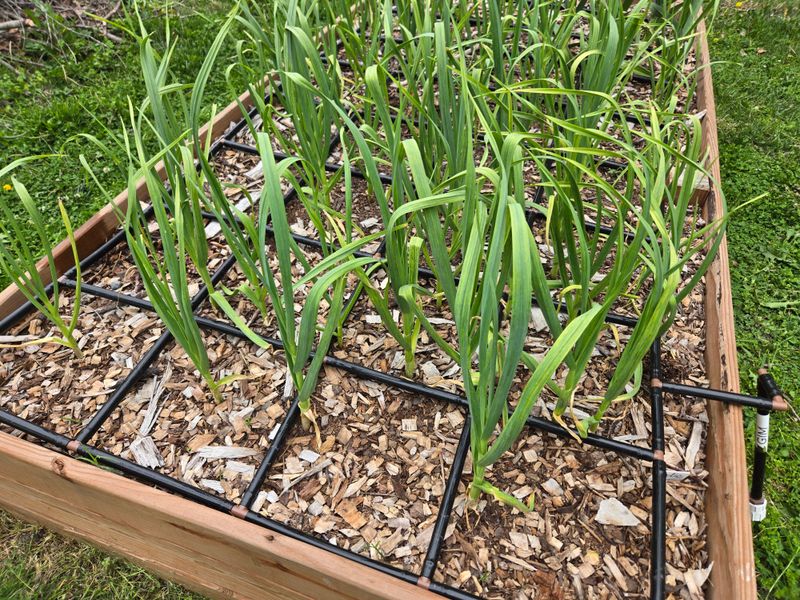
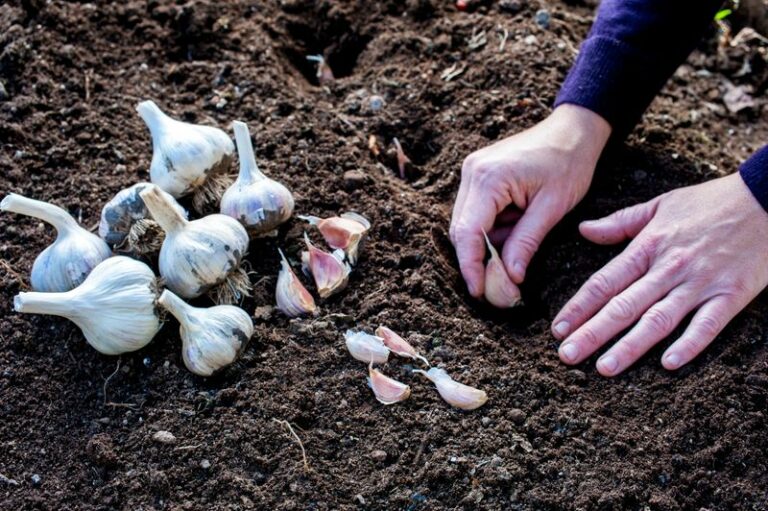
Few vegetables have earned as much trust in the slug battle as garlic. Gardeners across this state plant it in fall and barely worry about slug damage all season long.
The strong sulfur compounds in garlic make it almost completely unappealing to slugs, and that natural protection starts working from the moment the plant pushes through the soil.
Garlic grows through the wet winter months when slug populations are at their highest. While other crops get shredded overnight, garlic stands firm.
The tight, papery outer layers of the developing bulb also make it harder for slugs to get a grip, even if they wander close.
Hardneck varieties like Chesnok Red and German Red do especially well in the cooler, wetter parts of this state.
They produce large, flavorful bulbs and show strong resistance to both slugs and other common garden pests. Softneck types work well in milder zones closer to the valley floor.
Planting garlic in raised beds with good drainage gives it an extra advantage. Slugs prefer moist, flat ground where they can move easily. Raised beds dry out faster on the surface, which makes them less inviting for slugs looking for an easy meal.
Garlic paired with good bed management is one of the most reliable combinations a home gardener can use in this state.
2. Onions Usually Get Left Alone In Oregon Beds
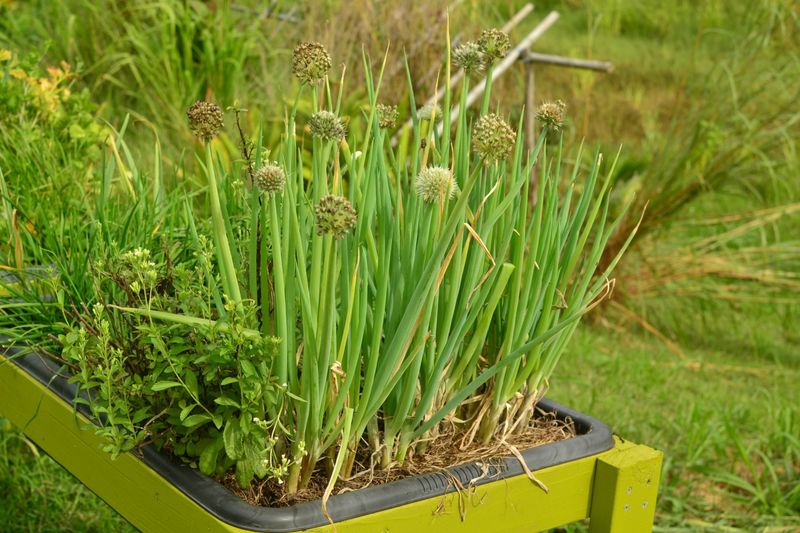
There is something almost magical about how slugs ignore onions. Even in gardens where slugs are absolutely everywhere, onion rows tend to come through the season looking clean and untouched.
The sharp, pungent compounds in onion tissue are a strong natural deterrent, and slugs seem to pick up on that signal fast.
Onions are a staple in gardens across this state for good reason. They grow well in the cool, wet springs that are so common here, and they bulk up nicely through summer.
Starting from sets rather than seeds gives them a head start, which means they are already well-established before the heaviest slug activity hits in spring.
Yellow storage onions are among the most popular choices. They are easy to grow, produce well, and store for months after harvest.
Your Oregon Garden Changes Every Week. Your Plan Should Too.
Gardening in Oregon changes quickly throughout the season. Every Friday you’ll receive a simple weekly plan showing exactly what to plant, prune, fertilize, harvest, and protect so you never miss the right timing.
Red onions and sweet onions also do well and carry the same slug-resistant qualities that make the whole family worth planting.
One helpful tip is to plant onions near crops that are more vulnerable to slugs. Their scent can act as a mild deterrent in the surrounding area, offering a small but real layer of protection to nearby plants.
They also take up very little space, so fitting them into tight garden layouts is simple. For gardeners dealing with persistent slug problems, filling empty bed space with onions is always a smart and practical choice.
3. Leeks Stand Tougher Than Tender Greens
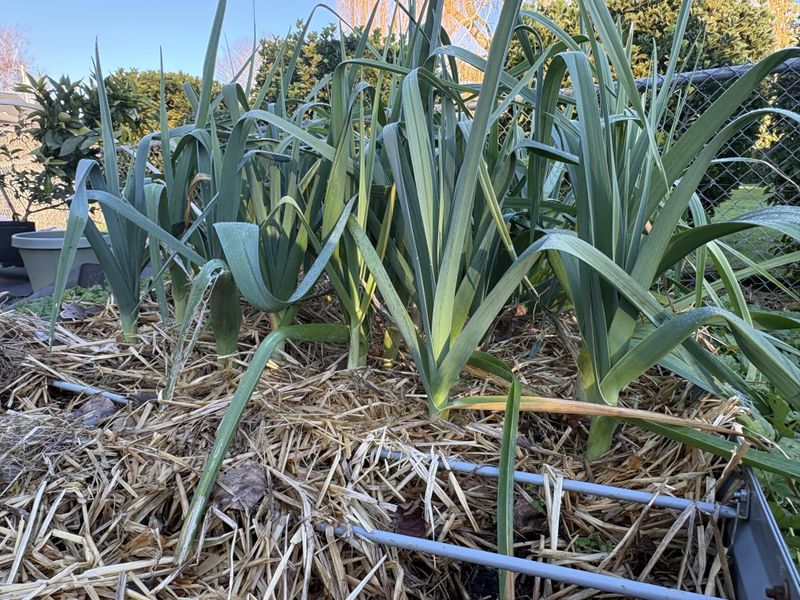
Leeks belong to the same family as onions and garlic, and they carry many of the same slug-resistant properties.
But what sets them apart is their sheer toughness. The thick, waxy outer leaves are harder to chew through, and the strong allium scent runs all the way through the plant from root to tip.
Growing leeks in this state is a long-season project, but the payoff is worth it. They go in the ground in early spring and are ready to harvest in fall and even into early winter.
That long growing window means they spend a lot of time in the garden during peak slug season, and they handle it better than almost any other leafy crop.
Varieties like King Richard and Bandit are popular among local gardeners for their dependability.
King Richard matures faster and works well for summer harvests. Bandit is a hardier type that holds up through cold, wet fall conditions without losing quality.
Leeks prefer rich, well-drained soil and do best when planted deeply so the white shank develops fully underground.
Hilling soil around the base as they grow helps blanch the stems and keeps slugs from finding easy entry points near the soil line.
Pairing leeks with mulch made from wood chips rather than straw also helps reduce slug habitat nearby. They are a reliable, low-fuss crop that earns its place in any slug-prone garden.
4. Chives Add Flavor Without Becoming Slug Candy
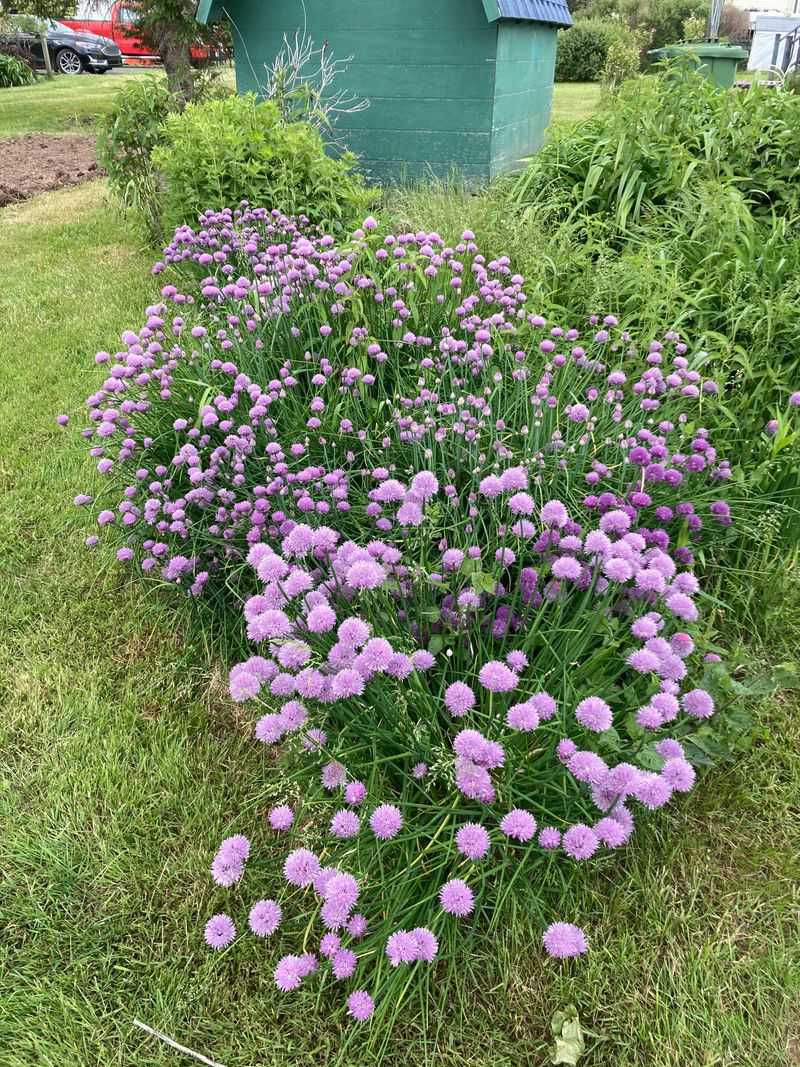
Chives might be small, but they punch well above their weight when it comes to slug resistance.
Slugs almost never touch them, even when the plants are young and tender. That makes chives one of the safest crops to grow in a wet, slug-heavy garden without needing any extra protection or effort.
The flavor and fragrance of chives come from the same sulfur-based compounds found in garlic and onions.
Slugs find these compounds unpleasant, and they consistently avoid chive plants even when other food sources are nearby.
Gardeners who have struggled with slugs for years often describe chives as one of the few plants they never worry about.
Beyond their slug resistance, chives are incredibly easy to grow. They come back every year, spread slowly on their own, and thrive in containers or open beds.
A small clump planted near the edge of a raised bed can last for a decade with almost no maintenance beyond an occasional division.
Chives also attract pollinators when they bloom in late spring. The purple flowers are edible and taste mildly onion-like, which makes them a fun addition to salads.
Garlic chives, a closely related variety, offer a slightly different flavor and the same strong slug resistance.
Tucking chives between more vulnerable plants is a simple strategy that many experienced gardeners use to create a natural buffer zone without using any chemicals or barriers.
5. Rhubarb Leaves Are Not A Slug Favorite
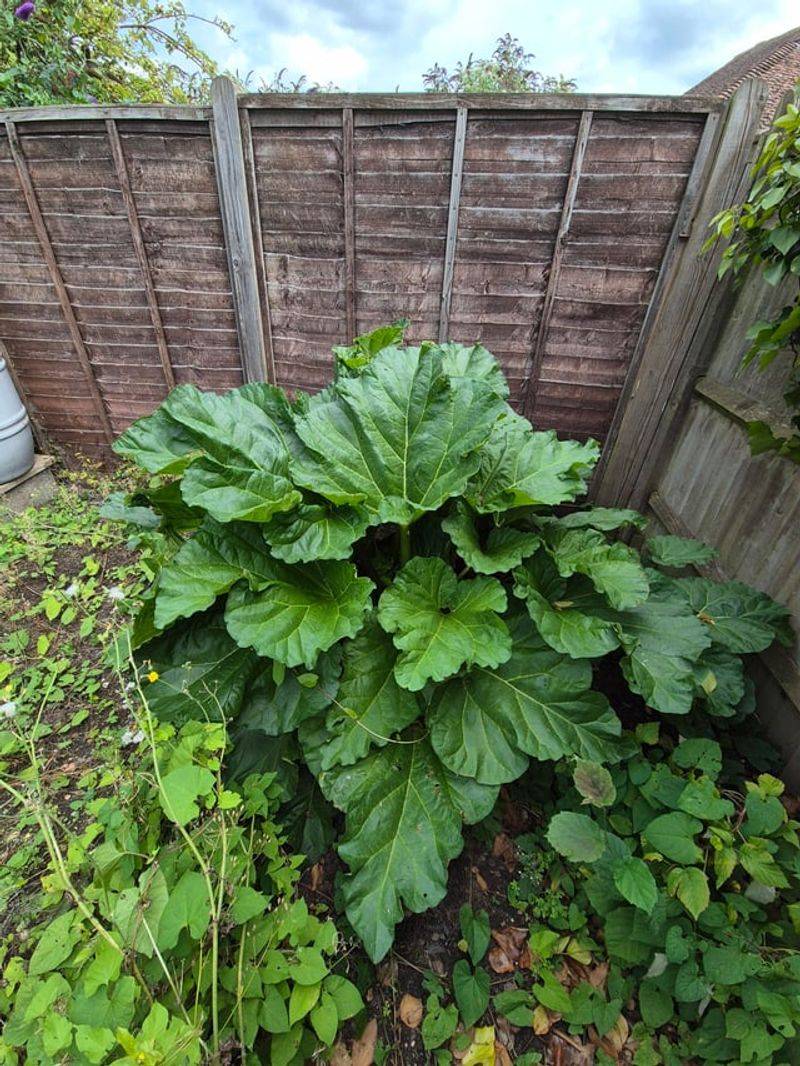
Rhubarb is one of those plants that slugs seem to respect from a distance. The enormous leaves contain oxalic acid, which is toxic to many animals and insects, including slugs.
That chemical defense makes rhubarb one of the most naturally protected plants you can put in a wet garden.
Established rhubarb crowns are nearly indestructible in this state. Once they are settled in, they come back bigger and stronger every spring without much help from the gardener.
The thick stalks and tough leaf surfaces are not appetizing to slugs, and the plant grows so vigorously that even minor pest activity rarely slows it down.
New crowns in their first year can be a little more vulnerable while they are still getting established.
Keeping the area around young rhubarb plants clear of debris and excess moisture during that first season helps reduce slug activity nearby. After that, the plant largely takes care of itself.
Rhubarb grows best in a permanent spot where it will not be disturbed. It prefers full sun to partial shade and rich, well-composted soil.
In the cooler, wetter parts of this state, it thrives with very little extra watering.
Harvesting stalks for pies, jams, and sauces is a spring tradition for many families here, and knowing slugs are not going to ruin the harvest makes the whole experience enjoyable.
Few plants offer this combination of productivity and built-in pest resistance.
6. Potatoes Handle Slug Pressure Better Than Leafy Crops
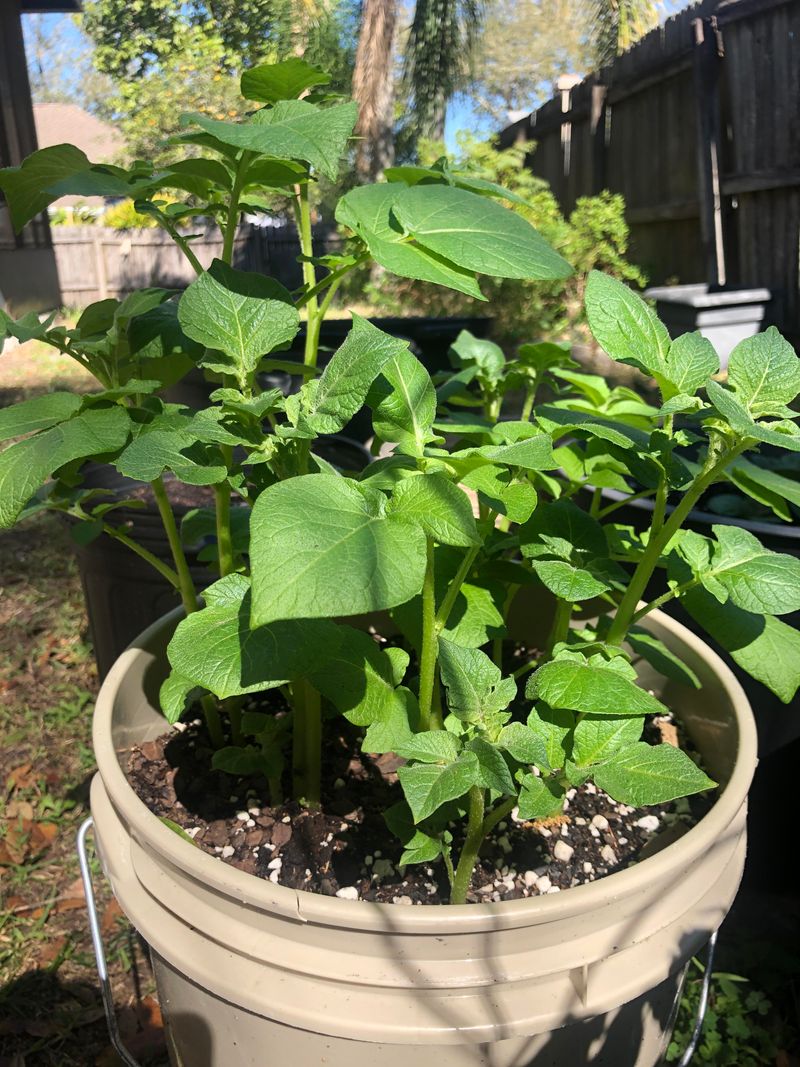
Potatoes have a complicated relationship with slugs. The foliage above ground is not a top target, and while slugs can tunnel into tubers underground, the right growing strategies make this much less of a problem than most people think.
Compared to leafy greens and brassicas, potatoes hold up significantly better under slug pressure.
Early-season varieties are the smartest choice for gardeners dealing with slugs. Planting early means the tubers finish bulking up and get harvested before late-summer slug populations peak.
Varieties like Yukon Gold and Norland mature quickly and leave less time for underground damage to occur.
Soil preparation plays a big role in reducing slug problems with potatoes. Loose, well-drained soil discourages slugs from moving around underground.
Heavy clay soil holds moisture and creates tunnels that slugs use to reach developing tubers.
Adding compost and breaking up compacted soil before planting makes a real difference in the final harvest quality.
Harvesting on time is just as important as soil prep. Leaving potatoes in the ground too long after the tops die back gives slugs more opportunity to find them.
Checking the crop regularly in late summer and pulling tubers as soon as they are ready keeps losses low.
Many gardeners in this state grow potatoes in raised beds with amended soil specifically to reduce slug tunneling. It is a simple adjustment that pays off with cleaner, better-looking harvests season after season.
7. Corn Grows Past The Danger Zone Quickly
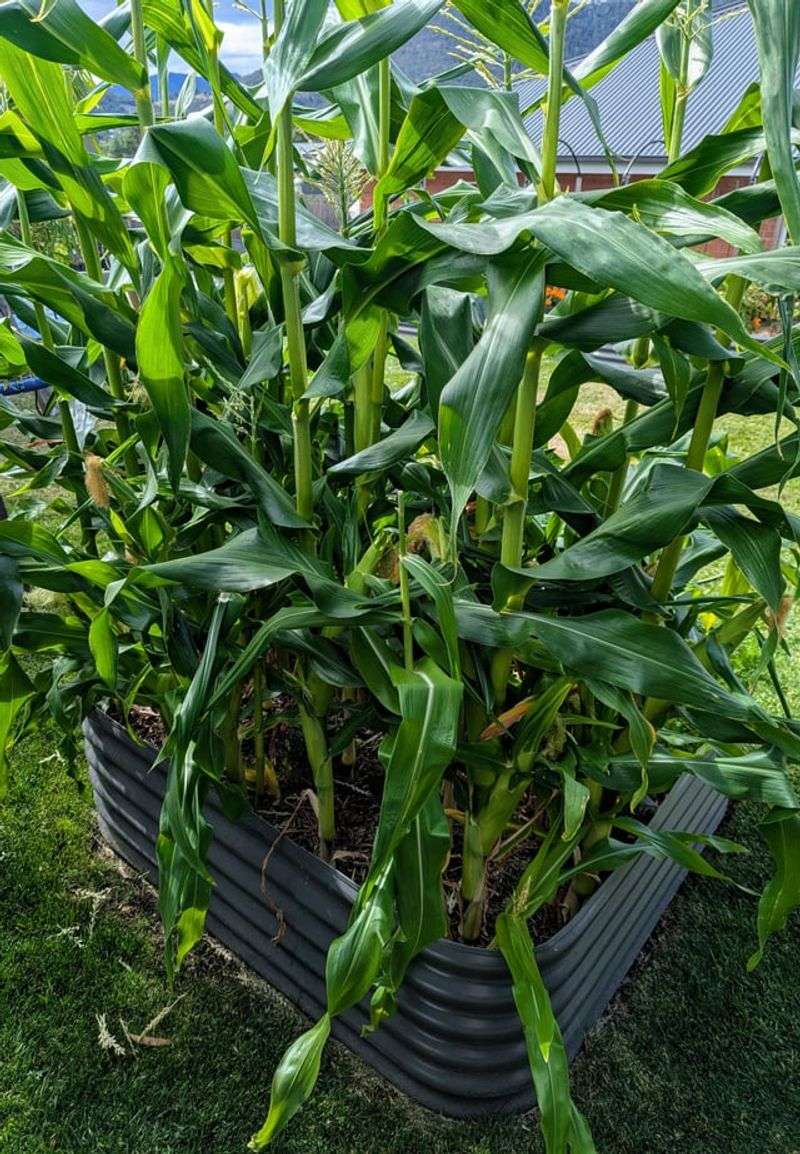
Corn has a secret weapon against slugs: speed. Young corn seedlings can be vulnerable in the first week or two after germination, but once the plants hit about six inches tall, slugs mostly lose interest.
Corn grows so fast in warm summer conditions that it outpaces slug damage before serious harm can occur.
The key is getting corn past that early vulnerable stage quickly. Starting seeds indoors a few weeks before the last frost gives seedlings a head start.
Transplanting sturdy, well-rooted starts rather than direct-sowing into slug-heavy beds reduces the risk of losing young plants to overnight feeding.
Once corn is established, the thick stalks and tough outer leaf surfaces are not appealing to slugs.
The plant puts all its energy into upward growth, and by midsummer it is well out of reach. Slug activity tends to stay near the soil surface, so tall crops like corn naturally escape the worst of it.
Sweet corn varieties like Honey Select and Peaches and Cream are popular choices in this state and grow vigorously once conditions warm up.
Planting in blocks rather than single rows also improves pollination and leads to fuller, better-filled ears at harvest time.
Keeping the base of corn plants clear of heavy mulch during the seedling stage reduces slug habitat right where young plants are most exposed.
A little extra attention early in the season leads to a strong, productive corn harvest by late summer.