Plants You’ll Never Need To Replant In Your Michigan Garden
Some plants just show up every spring and get on with it. No reminders, no replanting, no trips back to the nursery to fill in the gaps.
Michigan winters are brutal enough that any plant willing to come back reliably year after year deserves serious respect and a permanent spot in the garden.
Long-lived perennials are the backbone of a low-maintenance Michigan yard, and the best ones do not just survive the winters – they come back stronger, spread slowly on their own terms, and keep performing for years without much help from anyone.
Plant them once, get them settled into the right spot, and they will likely still be there long after you have forgotten what you originally paid for them.
1. Peonies Can Last For Decades In Michigan Gardens
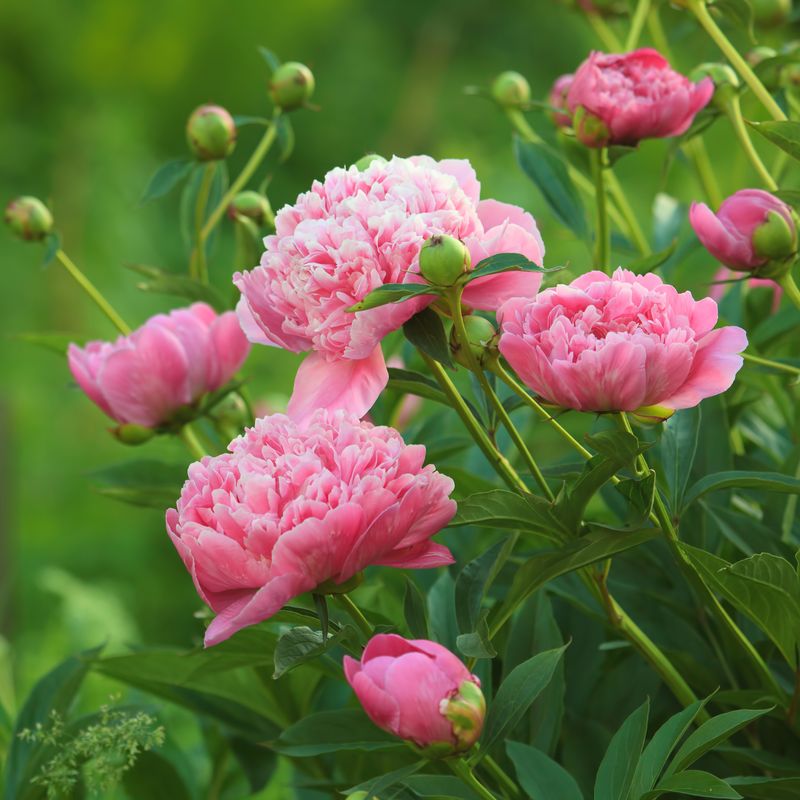
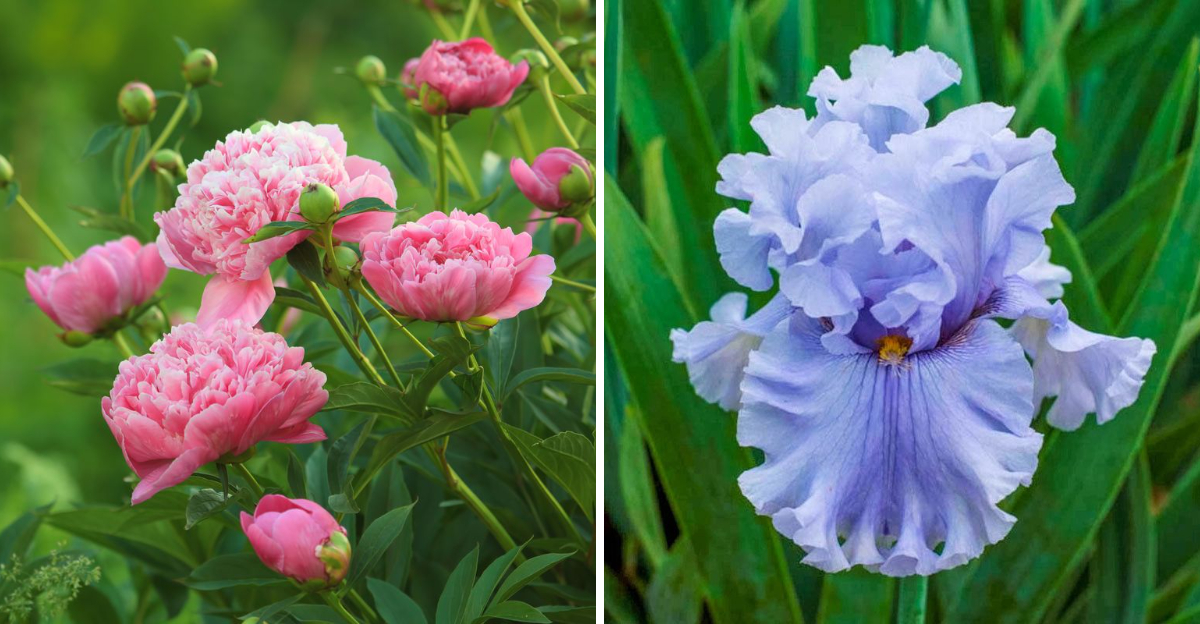
Old clumps of peonies have a way of outlasting almost everything else in a Michigan garden. There are stories of peony plants thriving in the same yard for fifty years or more, and that kind of staying power is part of what makes them so beloved across the state.
Unlike trendy annuals that need replanting every spring, a well-placed peony can simply be left alone to do its thing year after year.
Peonies prefer a sunny spot with good drainage and soil that does not stay soggy through wet spring season. They actually tend to bloom better after a cold winter, which means Michigan’s climate suits them well.
The key is planting them at the right depth, since burying the eyes too deep is one of the most common reasons peonies fail to bloom.
Once established, peonies reward patience in a way that few other plants can match. The blooms are large, fragrant, and showy, and they arrive each May or June like a reliable seasonal celebration.
Dividing a peony clump is rarely necessary and can actually set the plant back for a season or two.
For gardeners who want a long-lived flowering plant that brings real beauty to a perennial bed, peonies are a strong choice.
Plant them once in the right location, give them a little care in the early years, and they can reward you with blooms for many seasons to come.
2. Daylilies Return Year After Year With Little Fuss
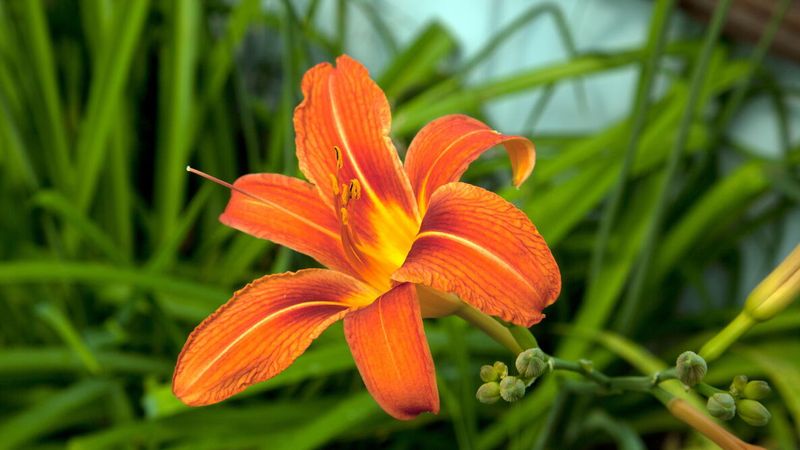
Walk down almost any Michigan neighborhood street in July and you will likely spot a bold splash of orange daylilies spilling over a garden edge or lining a fence row.
These plants have earned their reputation as some of the most reliable perennials gardener can grow, largely because they ask for very little while giving back season after season.
Once planted, they spread slowly and fill in a space with minimal attention.
Daylilies are not true lilies, but they share that cheerful, trumpet-shaped bloom that makes summer gardens feel alive. They thrive in full sun to light shade and handle Michigan’s variable spring weather without complaint.
Most varieties are quite cold-hardy, surviving winter without any special protection or mulching in typical Michigan conditions.
Your Michigan Garden Changes Every Week. Your Plan Should Too.
Gardening in Michigan changes quickly throughout the season. Every Friday you’ll receive a simple weekly plan showing exactly what to plant, prune, fertilize, harvest, and protect so you never miss the right timing.
One thing to keep in mind is that daylilies can become crowded over time, and a dense clump may start to produce fewer blooms after several years.
Dividing them every few years helps restore their vigor and gives you extra plants to spread around the yard or share with neighbors.
Division is simple and can be done in early spring or fall.
Modern daylily varieties come in a wide range of colors beyond the classic orange, including deep red, soft lavender, pale yellow, and bi-colored options.
Whether you choose an old-fashioned roadside type or a newer cultivar, daylilies bring reliable summer color to beds without demanding much in return from the gardener.
3. Asparagus Keeps Producing From The Same Bed
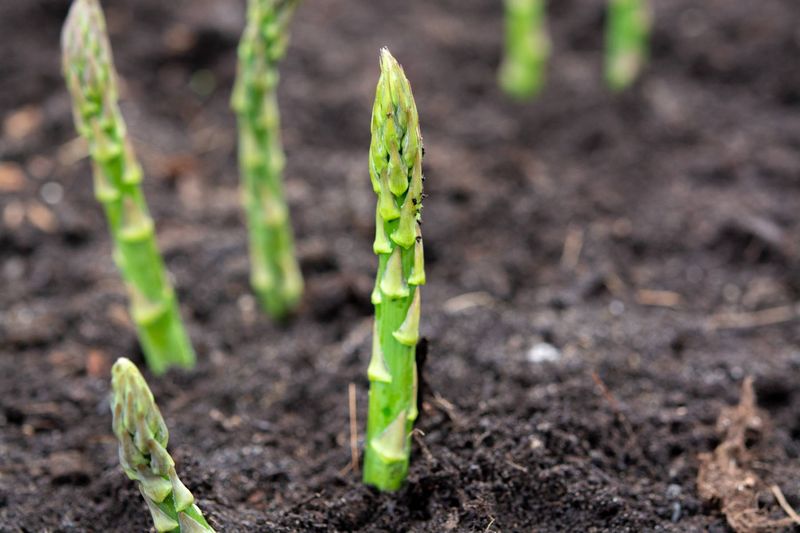
Asparagus is one of those rare edible crops that rewards patience in a way that annual vegetables simply cannot.
Unlike tomatoes or beans that need to be replanted from seed or transplant every spring, an asparagus bed can keep producing tender spears from the same crowns for fifteen to twenty years or longer when the site and soil are right.
That kind of long-term productivity makes it one of the most valuable plants home gardener can establish.
The catch is that asparagus takes time to get going. Most gardeners are advised to avoid harvesting at all during the first year or two after planting, allowing the ferns to grow fully and build strong root systems.
By the third year, light harvests are possible, and by years four and five, a well-established bed can produce generous amounts of fresh spears each spring.
Michigan’s cold winters actually suit asparagus well, since the plant needs a period of dormancy to perform its best.
A sunny location with well-drained soil is important, as asparagus crowns can struggle in areas where water tends to sit after heavy rain or snowmelt.
Raised beds or gently sloped garden spots work especially well.
Keeping the bed weeded and allowing the ferny tops to grow all season after harvest helps the plant store energy for the following year. A little fertilizer in early spring gives the crowns a boost.
With basic care, an asparagus bed in Michigan can be one of the most rewarding long-term investments in any edible garden.
4. Rhubarb Settles In For The Long Haul
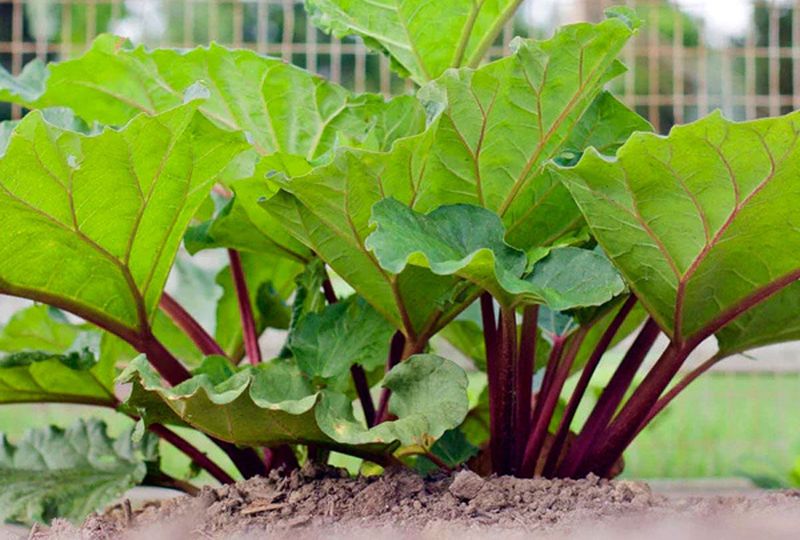
Few plants feel as deeply rooted in Michigan garden tradition as rhubarb. It is the kind of plant that seems to have always been there, often passed down from one generation to the next as a divided clump from a grandparent’s yard.
Rhubarb is a true perennial food crop, meaning that once it is established in a suitable spot, it can keep producing its tart red stalks year after year without needing to be replanted each season.
Rhubarb grows best in a location with full sun and well-drained soil, and it appreciates a good layer of compost worked in around the base each spring. Michigan’s cold winters are not a problem for rhubarb at all.
In fact, the plant needs a cold dormancy period to perform well, which makes Michigan’s climate a natural fit for growing it successfully over the long term.
A healthy rhubarb crown can expand over time and may eventually benefit from division every eight to ten years or so. Dividing the plant helps rejuvenate it and gives you additional crowns to plant elsewhere or share with other gardeners.
The divided sections establish quickly and begin producing within a season or two.
One important note for anyone new to growing rhubarb is that only the stalks are edible. The large leaves contain oxalic acid and should not be eaten.
Harvest stalks by pulling or cutting them when they reach a good size, and always leave several stalks on the plant to keep it strong through the rest of the growing season.
5. Iris Brings Long-Lasting Color To Michigan Beds
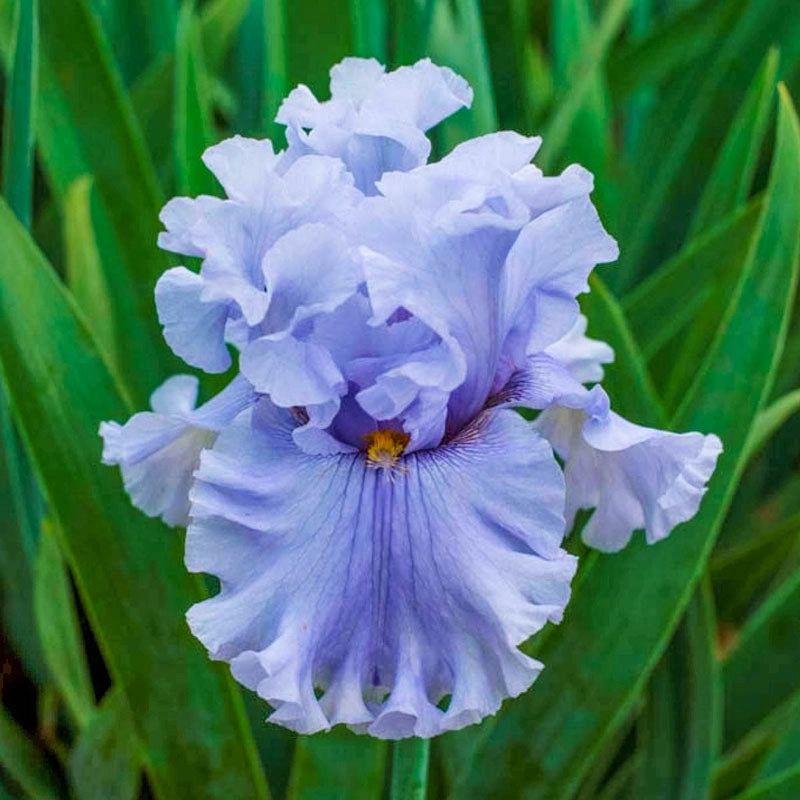
There is something undeniably old-fashioned and charming about a row of iris blooming along a garden border in late May or early June.
Bearded iris in particular has been a staple of Michigan cottage gardens and perennial beds for generations, and it is easy to see why.
The blooms are striking, the foliage stays tidy through much of the season, and the plants can hold their place in a bed for many years when conditions suit them.
Iris prefers a sunny location with excellent drainage. The rhizomes, which are the thick root-like structures that sit just at or slightly above the soil surface, need good air circulation and sunlight to stay healthy.
Planting them too deep or in a spot that stays wet can lead to rot, which is one of the more common problems Michigan iris growers encounter.
Over time, iris clumps can become crowded and may produce fewer blooms as a result. Dividing them every three to four years helps maintain strong flowering and keeps the planting looking tidy.
Division is best done in late summer after the blooms have faded, giving the replanted sections time to settle in before winter arrives.
Gardeners have a wide range of iris varieties to choose from, including Siberian iris, which handles wetter soils better than bearded types and is quite cold-hardy.
Whether you prefer the dramatic ruffled blooms of bearded iris or the more delicate look of Siberian varieties, iris is a reliable and long-lived addition to many Michigan garden settings.
6. Hostas Fill Shady Spaces For Years
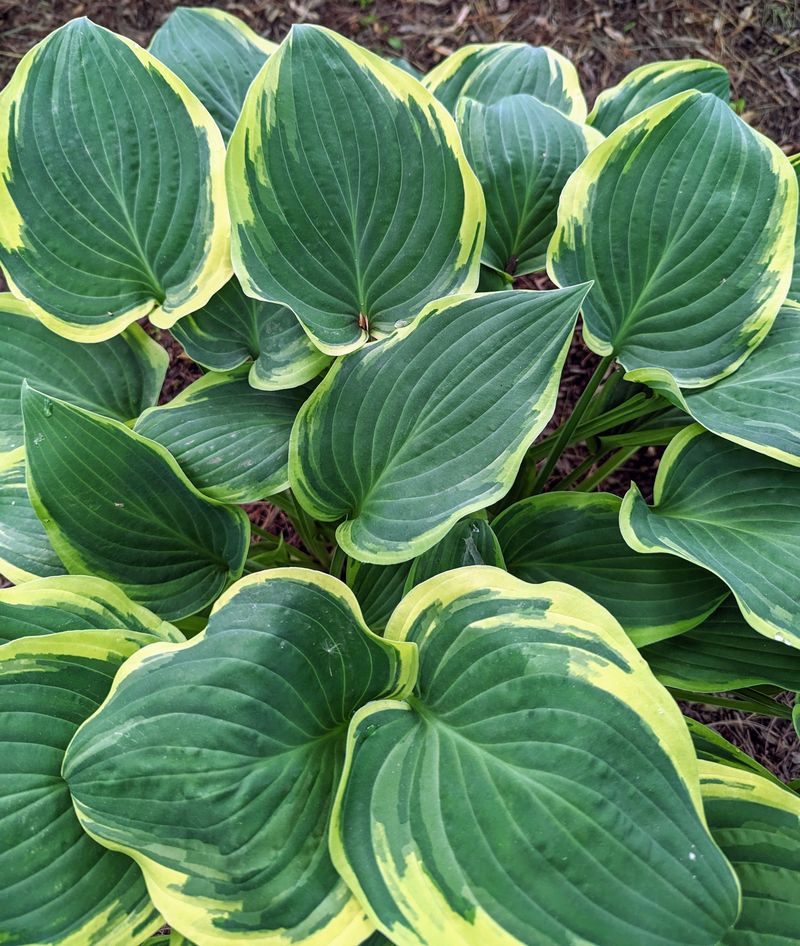
Shady corners of Michigan yards can be tricky to plant well, but hostas have been solving that problem for home gardeners for a very long time.
These leafy perennials thrive in conditions where many other plants struggle, and once they find a spot they like, they tend to come back bigger and fuller each season.
A small hosta planted in the right shady bed can grow into an impressive clump over several years without much intervention.
Hostas are grown primarily for their foliage, which comes in an enormous range of sizes, textures, and colors.
Some varieties have broad blue-green leaves, while others offer chartreuse, gold, or white-edged options that can brighten up a dark corner of the yard.
The lavender or white flowers that appear on tall stalks in summer are a pleasant bonus, and some types are lightly fragrant.
In Michigan, hostas go dormant in late fall and disappear completely underground through the winter. When spring arrives, the tightly rolled shoots push back up through the soil, and the plant slowly unfurls into its full leafy form over several weeks.
This reliable return each spring is one of the things gardeners appreciate most about them.
Slugs can be a nuisance in wet seasons, and hostas with thicker leaves tend to hold up better against slug feeding than thin-leafed varieties. Planting in well-drained soil and avoiding overwatering helps reduce slug problems.
Dividing large clumps every few years keeps the plants vigorous and gives you extra divisions to fill in other shady spots around the yard.