What To Do With Your Florida Lantana In June So It Stays Full And Doesn’t Get Leggy
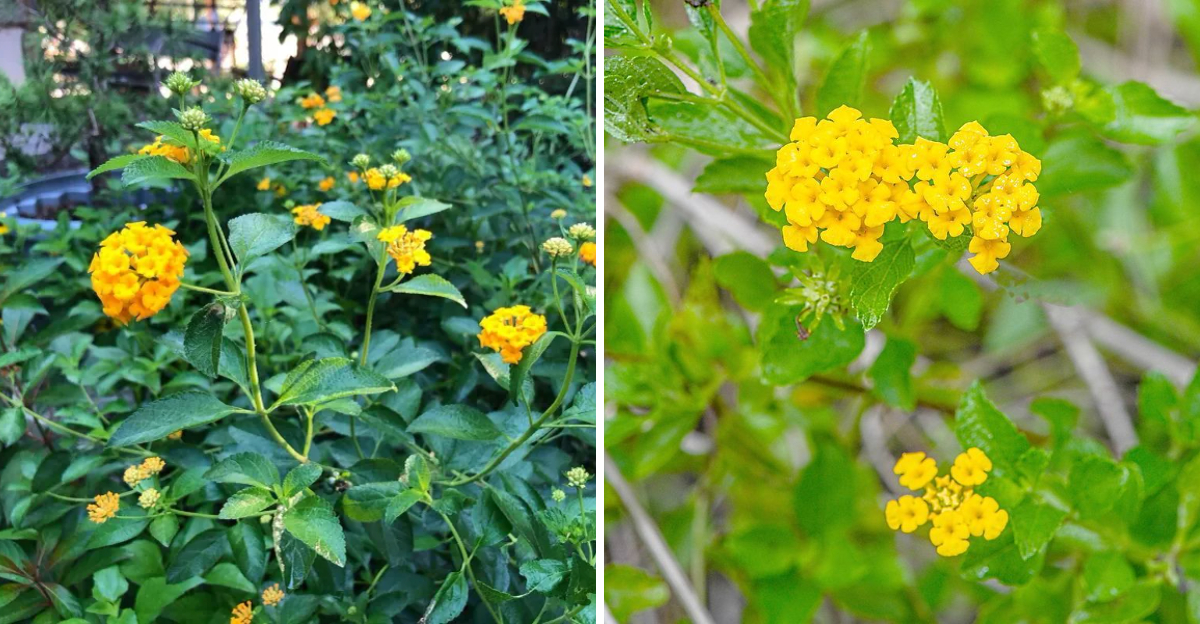
Lantana in June is basically on turbo mode.
Florida’s intense heat, long sunny days, and the arrival of rainy season give these plants all the fuel they need to grow fast, and sometimes that means stretched, open, or surprisingly thin-looking plants that were perfectly tidy just a few weeks ago.
It is a common situation and a very fixable one. A little light trimming, some attention to watering habits, and good drainage go a long way toward keeping lantana full and healthy through summer.
The cultivar, plant maturity, spacing, and site conditions all play a role too, so there is no single answer that works for every plant in every yard.
But understanding the basics puts you in a much better position to keep your lantana looking its best all season long.
1. Trim Leggy Growth Lightly In June
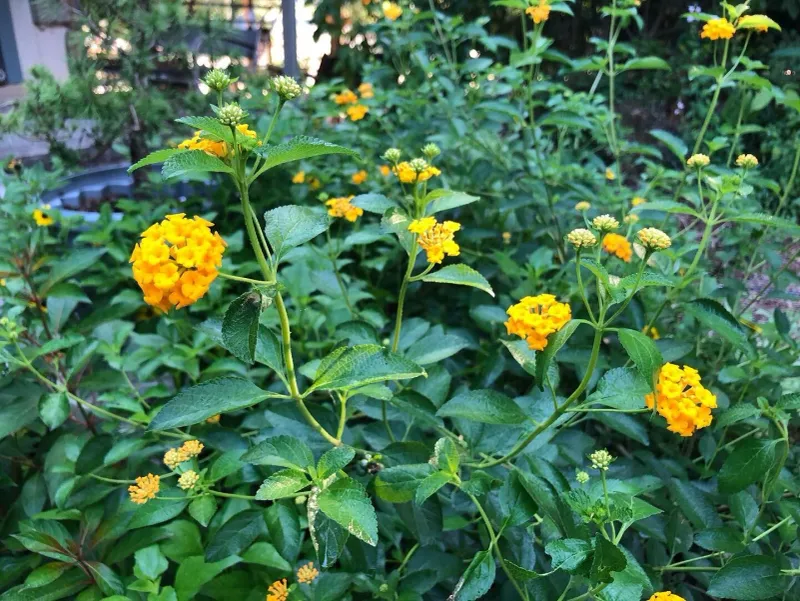
Leggy stems on lantana are one of the most common complaints Florida homeowners bring up during summer. When a plant starts sending out long, bare stems with flowers only at the tips, it can quickly lose that full, mounded look that made it appealing in the first place.
Light trimming in June can help redirect that energy and encourage bushier new growth closer to the base of the plant.
The key word here is light. In June, you are not trying to reshape the whole plant or cut it way back.
A moderate trim of the longest, most stretched-out stems is usually enough to tidy things up and prompt some fresh branching.
Cutting back just the tips by a few inches, or removing stems that are noticeably longer than the rest, tends to work well without stressing the plant during the heat of summer.
Keep in mind that trimming alone will not turn a struggling plant into a full, lush shrub if the underlying conditions are off. A lantana growing in too much shade, sitting in soggy soil, or crammed into a tight space may still look thin even after a trim.
Pruning works best as part of a broader care routine that includes full sun, good drainage, and appropriate spacing for the cultivar you are growing in your Florida landscape.
2. Save Hard Cutbacks For Later In The Season
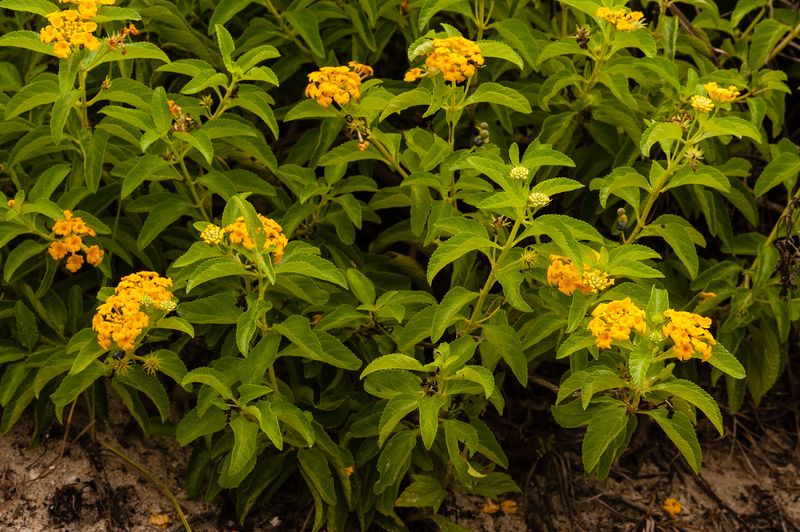
One of the most important timing decisions gardeners face with lantana is knowing when to hold back.
June might feel like the right time for a big reset, especially when plants look overgrown or stretched, but a hard cutback during active summer growth can set the plant back more than it helps.
Removing large amounts of growth in peak heat puts extra stress on the plant at a time when it is already working hard to manage the Florida sun and humidity.
Heavier pruning, including cutting lantana nearly to the ground for renewal, is generally better saved for the end of the growing season.
At that point, the plant has had time to finish its warm-season flush, and cooler temperatures reduce the stress of significant cutbacks.
Your Florida Garden Changes Every Week. Your Plan Should Too.
Gardening in Florida changes quickly throughout the season. Every Friday you’ll receive a simple weekly plan showing exactly what to plant, prune, fertilize, harvest, and protect so you never miss the right timing.
This kind of seasonal timing is a common recommendation in Florida horticulture guidance and tends to produce better results than aggressive summer pruning.
If your lantana is badly overgrown in June, focus on the most problematic stems rather than cutting everything at once.
Removing a portion of the leggy growth now, while saving a more thorough shaping for later in the year, gives the plant a chance to recover and regrow without being overwhelmed.
Patience with timing is one of the more underrated parts of caring for lantana in a Florida landscape through the warm months.
3. Keep Plants In Full Sun
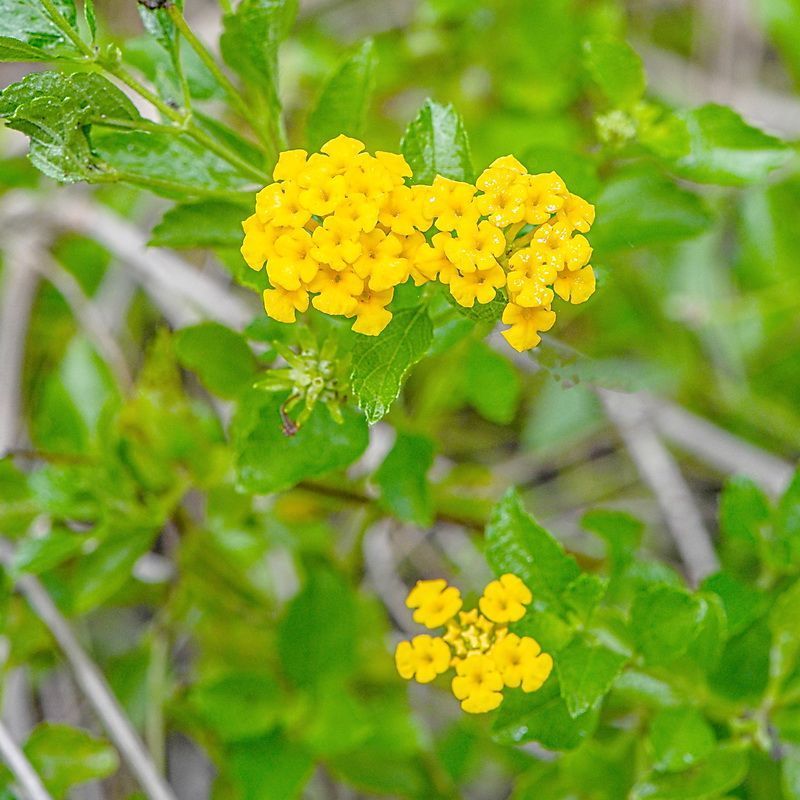
Sunny planting beds are where lantana truly earns its reputation as a tough, colorful Florida landscape plant.
This shrub is built for full sun, meaning at least six hours of direct sunlight each day, and it tends to perform its best when that light is consistent and unobstructed.
When lantana does not get enough sun, it often responds by stretching toward the light, which is one of the main reasons plants start looking leggy in the first place.
If your lantana is growing under a tree canopy, near a fence that blocks afternoon light, or in a spot that gets increasing shade as nearby plants grow taller, that reduced light exposure could be contributing to thin, open growth.
Relocating a struggling plant to a sunnier spot is worth considering, especially for younger plants that are still establishing.
Mature lantana that has been in place for several seasons may be harder to move without disruption.
For gardeners who are planting new lantana or replacing existing plants, choosing a location with reliable full sun from the start is one of the best decisions you can make for long-term fullness.
No amount of trimming or fertilizing will fully compensate for a shady planting site.
Sun is the foundation of healthy, compact lantana growth, and getting that part right makes every other care step more effective throughout the Florida growing season.
4. Water During Dry Stretches Without Overdoing It
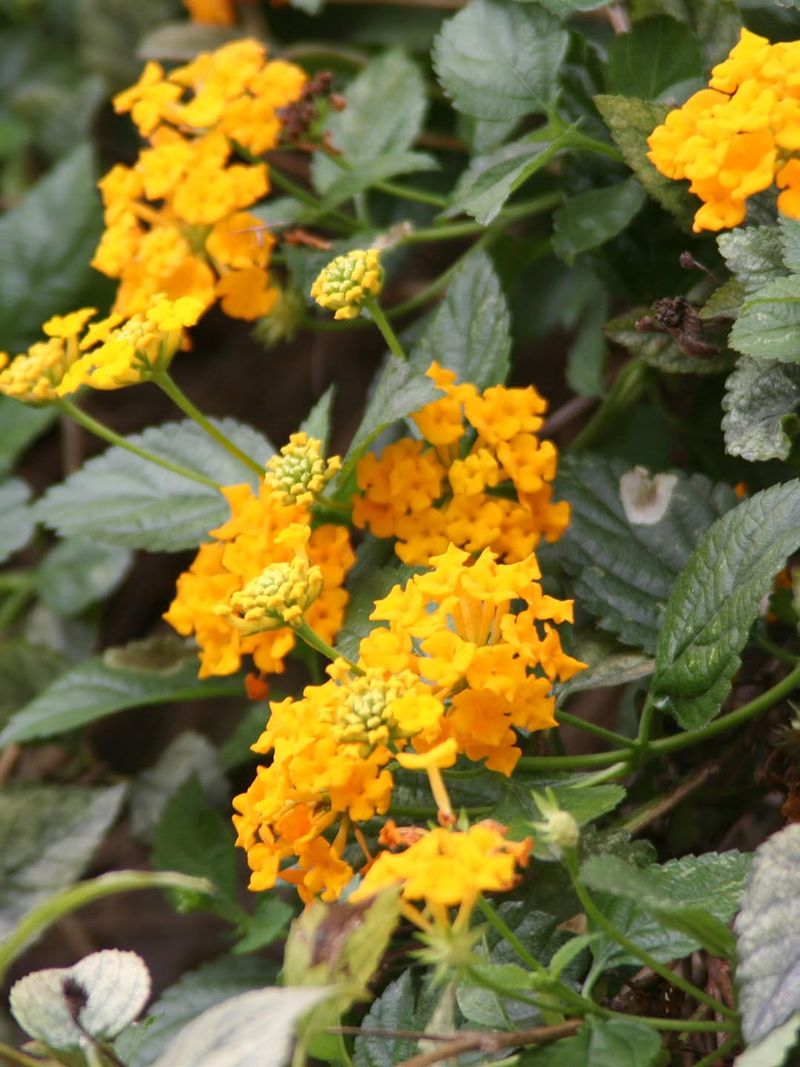
Established lantana has a solid reputation for handling dry conditions, and in Florida that tolerance comes in handy during the gaps between summer rain events. However, drought tolerance does not mean the plant thrives on neglect.
During extended dry stretches in June, lantana may flower more consistently and maintain better overall appearance when it receives some supplemental moisture rather than going weeks without any water at all.
The challenge in Florida is that June sits right at the start of the rainy season, which means rainfall can be unpredictable. Some weeks bring daily afternoon storms, while others stay surprisingly dry.
Checking soil conditions before turning on irrigation is a practical habit that helps avoid overwatering, which can be just as problematic as drought for a plant that prefers well-drained soil.
Soggy roots are not something lantana handles well, regardless of how heat-tolerant it might be above ground.
For container-grown lantana or plants in sandy soils that drain quickly, moisture can disappear faster than expected between rain events.
In those situations, a slow, deep watering when the top inch or two of soil feels dry is usually a reasonable approach.
Adjusting your irrigation schedule around actual rainfall rather than running it on a fixed timer is a smarter strategy and aligns with Florida-Friendly Landscaping principles that encourage watering only when plants truly need it.
5. Check Drainage After Heavy Summer Rain
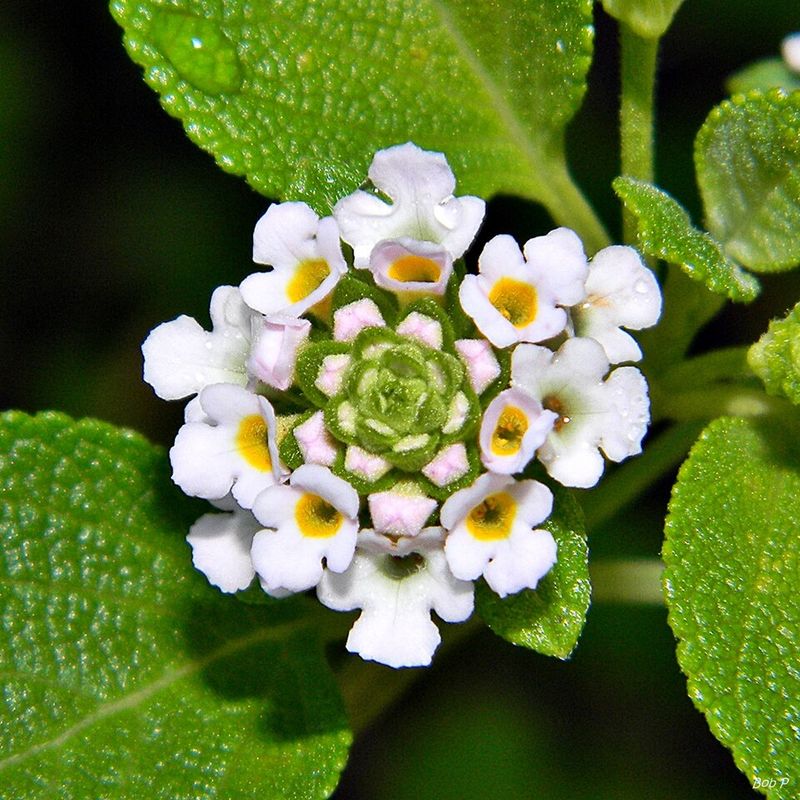
Heavy summer rain is a defining feature of the Florida growing season, and for lantana, what happens after those downpours matters as much as the rain itself. Standing water around the base of lantana plants is a warning sign worth taking seriously.
This shrub genuinely prefers well-drained soil, and prolonged wet conditions around the roots can affect plant health and overall appearance over time.
After a significant rain event in June, take a walk through your planting beds and look for spots where water is pooling or draining slowly.
Low areas in the landscape, compacted soil, or beds with heavy clay content can all create drainage problems that lantana is not well-suited to tolerate for extended periods.
If the same area consistently stays wet after rain, the planting site itself may need attention before the plant can perform well.
Improving drainage in a problem area might involve amending the soil, adjusting bed grades, or reconsidering whether lantana is the right plant for that particular spot.
In Florida, sandy soils in many regions drain quickly and work well for lantana, but not every yard has uniform soil conditions throughout.
Raised beds or bermed planting areas can also help in spots where natural drainage is limited.
Addressing drainage issues tends to have a bigger impact on plant health and fullness than most other adjustments you can make to your summer care routine.
6. Use Light Slow-Release Fertilizer If Needed
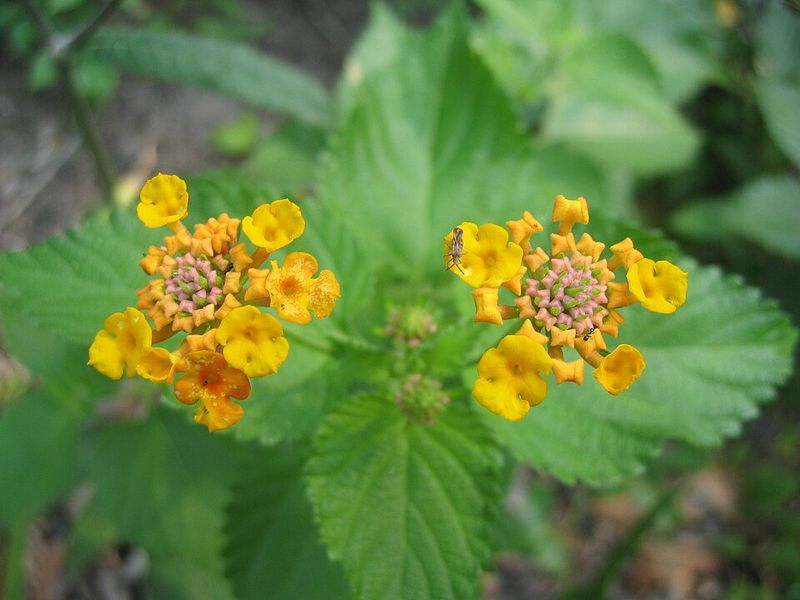
Fertilizer is not always the first thing lantana needs in June, but for plants that look pale, are growing slowly, or seem to lack energy after a rough stretch, a light application of slow-release or controlled-release fertilizer can be a reasonable option.
Lantana is not a heavy feeder, and in many Florida landscapes with reasonably healthy soil, it gets by without much supplemental nutrition at all.
When fertilizer does seem warranted, slow-release formulas are a practical choice because they deliver nutrients gradually rather than all at once.
This reduces the risk of runoff, which is a real concern given the state’s proximity to sensitive water bodies and the frequency of summer rain.
Following label directions carefully and applying only the recommended amount helps avoid overfertilizing, which can push excessive leafy growth at the expense of flowers.
It is also worth checking whether your local Florida municipality has fertilizer blackout periods or ordinances that restrict applications during the rainy season.
Several counties and cities have adopted these rules to protect water quality, and they apply to residential landscapes including ornamental beds.
If a blackout period is in effect in your area, hold off on any fertilizer application until it has passed. A plant that is otherwise healthy and growing in full sun with good drainage may not need fertilizer at all to look its best through the summer months.
7. Watch For Plants Outgrowing Their Space
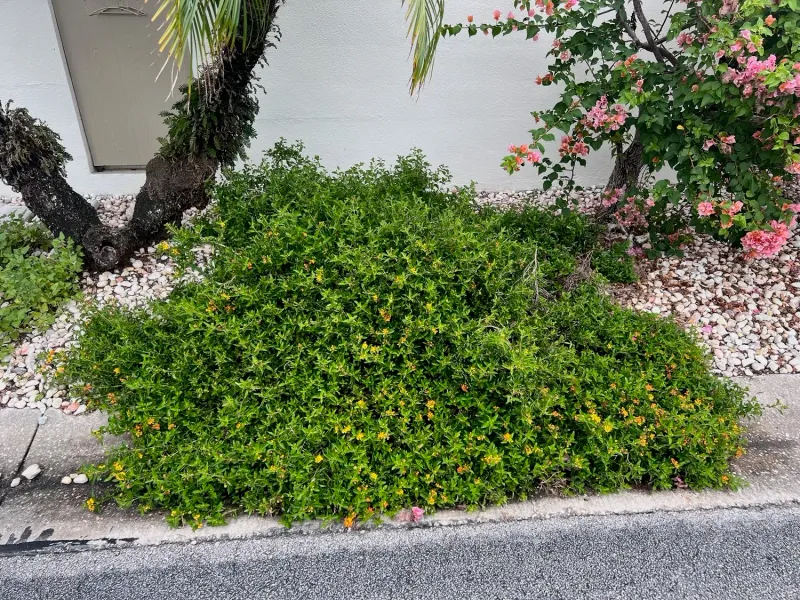
Fast summer growth can catch gardeners off guard, especially with lantana, which can expand quickly once the warm season hits full stride.
A plant that looked perfectly sized in spring may be pushing into a walkway, crowding nearby shrubs, or spilling well beyond its intended bed space by mid-June.
Mature size and spread vary considerably by cultivar, so how much space your lantana needs depends on which type you are growing.
Some lantana cultivars have a naturally compact, mounding habit and stay relatively contained, while others can spread several feet in each direction under good growing conditions.
If you are not sure what cultivar you have, observing its growth pattern over a season or two gives useful information.
Plants that consistently outgrow their space may simply be the wrong size choice for that particular bed, and replacing them with a more compact selection is sometimes the most practical long-term solution.
For now, trimming back stems that are encroaching on paths, structures, or other plants is a reasonable June task. Keeping plants within their intended footprint reduces competition with neighboring plants and makes beds easier to manage.
In Florida’s warm climate, lantana can put on significant growth between maintenance visits.
Checking plant size regularly through the summer months helps you stay ahead of spacing issues before they become harder to manage without more disruptive pruning later in the season.
8. Replace Invasive Types With Sterile Or Native Options
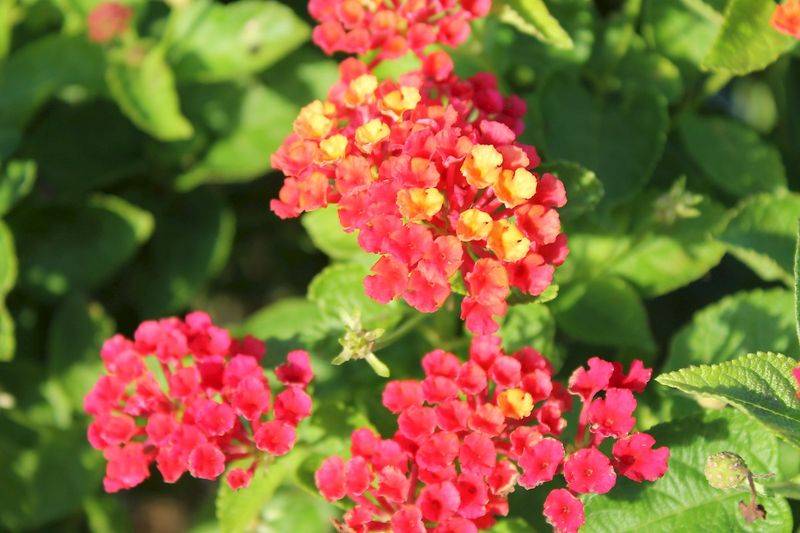
Not all lantana is the same when it comes to its impact on Florida’s natural areas. Non-native common lantana, known botanically as Lantana strigocamara, is listed as invasive and is not recommended for planting in North, Central, or South Florida.
This type produces seeds that can spread into natural areas and displace native vegetation, making it a poor choice for residential landscapes regardless of how attractive it looks in bloom.
The good news is that several sterile lantana cultivars have been developed specifically as alternatives.
Options like Bloomify Red, Bloomify Rose, and Luscious Royale Red Zone are examples of sterile selections that do not produce viable seeds, which significantly reduces the risk of spreading into surrounding areas.
These cultivars are worth seeking out at Florida nurseries if you are looking to replace invasive types or start fresh with a more responsible planting choice.
Native lantana species are another option worth exploring for gardeners who want to support local pollinators and work within Florida-Friendly Landscaping principles.
Native options may be better suited to certain sites and can provide habitat value that non-native cultivars do not offer in the same way.
If you are unsure whether the lantana already in your landscape is an invasive type, a local Florida extension office or master gardener program can help with identification and point you toward appropriate replacements for your specific region and growing conditions.