Colorado Property Owners Are Getting Fined For These Tree Mistakes
Nobody warns you about this when you buy your first home in Colorado. You trim a tree hanging over your fence, feel pretty proud of yourself, and then get a letter from the city two weeks later.
Turns out, that tree had protected status. Whoops.
Here is the thing most Colorado homeowners never hear until it is too late: owning a tree does not always mean you control it. City ordinances, HOA rules, and environmental protections can all have a say before one branch hits the ground.
Denver has its own rules. Boulder has stricter ones.
Even properties out in the foothills are not off the hook. Renting, owning, or just inheriting a yard full of old pines, the laws around trees can get surprisingly complicated.
Knowing the rules before picking up a chainsaw? That could save you thousands.
Denver Requires A Permit For Public Property Tree Removal
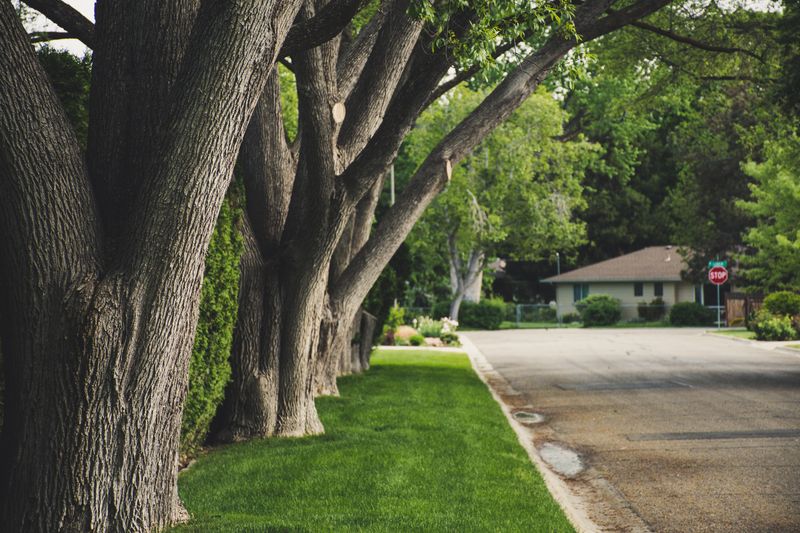
Cutting down a city tree in Denver without permission is not something you can talk your way out of. Denver Parks and Recreation owns and manages all trees planted along streets, in medians, and on public rights-of-way.
Even if a tree sits directly in front of your house and you have been raking its leaves for twenty years, that does not make it yours to remove.
Homeowners sometimes get confused because the tree looks like it is on their land. But the strip of grass between the sidewalk and the curb, often called the parkway or tree lawn, is almost always public property.
Denver requires a formal permit before anyone touches those trees, and violating that rule can lead to steep fines.
The permit process exists for good reason. Urban trees reduce heat, clean the air, slow stormwater runoff, and raise property values.
The city wants to protect that investment. If a public tree on your block is dead, diseased, or dangerous, you can report it to Denver 311 and request an inspection.
Trained city arborists will assess the situation and decide on next steps.
Hiring a private tree service to remove a street tree without going through proper channels is a mistake that can cost you big.
Fines for unauthorized removal of a heritage tree in Boulder can be substantial, often based on the appraised value of the tree.
For a mature oak or cottonwood that has been growing for a century, that appraised value can be surprisingly high.
Boulder Protects Heritage Trees With Fines
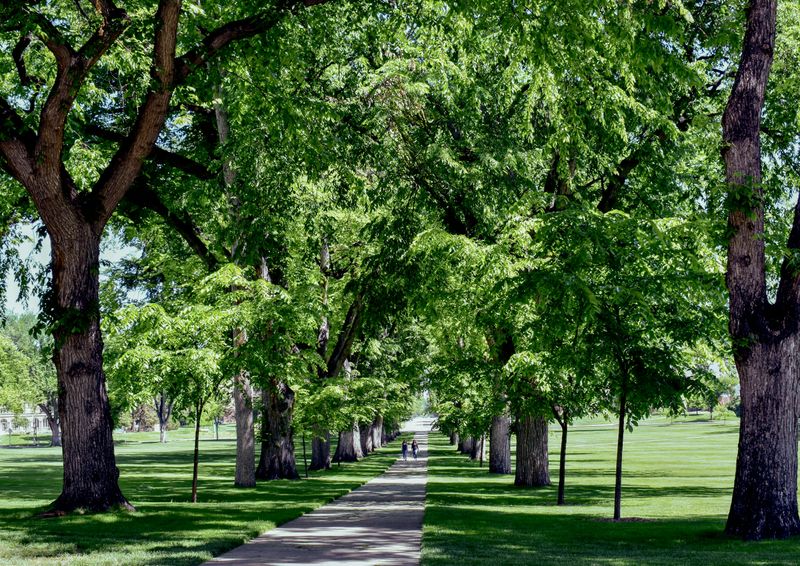
Boulder takes its trees seriously, and it has the fines to prove it. The city has a Heritage Tree Program that officially recognizes trees of exceptional size, age, or ecological value.
Fines for unauthorized removal of a heritage tree in Boulder can be substantial enough to surprise most homeowners. For a mature oak or cottonwood that has been growing for a century, that appraised value can be surprisingly high.
We are talking about potential fines in the tens of thousands of dollars for a single tree.
Even trimming a heritage tree improperly can create problems. Boulder has guidelines around how much of a tree’s canopy can be removed at one time, and those rules apply whether you are a homeowner or a hired contractor.
Your Colorado Garden Changes Every Week. Your Plan Should Too.
Gardening in Colorado changes quickly throughout the season. Every Friday you’ll receive a simple weekly plan showing exactly what to plant, prune, fertilize, harvest, and protect so you never miss the right timing.
Ignorance of the program is not considered a valid defense when the city comes knocking.
If you live in Boulder and suspect a tree on your property might qualify as a heritage specimen, the smartest move is to contact the city’s Forestry Division before doing anything at all.
They can tell you the tree’s status and walk you through what is and is not allowed.
Protecting these trees is not just about following Colorado law, it is about preserving living landmarks that make the community what it is. Some of those trees were saplings before the city even existed.
Colorado Has No Statewide Private Property Tree Law

Colorado has no single statewide law telling you what to do with trees on your own land. Surprising, right?
Unlike some states that regulate tree removal across the board, Colorado leaves most of those decisions up to individual cities and counties.
That means the rules in Denver are completely different from the rules in Colorado Springs or a rural county in the San Luis Valley.
If you own land outside city limits and away from any protected environmental zones, you generally have broad freedom to remove trees as you see fit. No permit, no inspector, no waiting period.
That level of freedom is unusual compared to many other states, and it reflects Colorado’s strong tradition of private property rights.
However, that freedom comes with important caveats. Local municipalities can and do impose their own regulations, which vary widely.
Some towns require permits for removing any tree above a certain trunk diameter. Others have no restrictions at all.
Before assuming you are free to act, always check with your local planning or forestry department first.
The absence of a statewide law does not mean you are operating in a legal vacuum. Environmental protections, HOA covenants, and neighbor liability rules can all still apply depending on your specific situation.
Thinking that private land equals total freedom is the kind of assumption that leads to expensive surprises. Always do your homework before making any major decisions about trees on your Colorado property.
HOA Rules Can Override Private Property Tree Rights

You own your home, you pay your mortgage, and you think that means you call the shots. Then your HOA sends a letter about the tree in your front yard, and suddenly it gets complicated.
Homeowners associations in Colorado can have extensive authority over what you do with trees on your own lot, and their rules often go far beyond what local law requires.
Many HOA governing documents include specific language about tree removal, trimming standards, and even what species are allowed to be planted.
Some associations require written approval before any tree work is done, regardless of the tree’s size or condition.
Skipping that step can result in fines, forced replanting at your expense, or legal action from the association.
HOA rules are not suggestions. They are contracts you agreed to the day you bought your home.
Colorado courts have consistently backed HOA authority in these disputes, and fighting back is usually expensive and rarely worth it.
Before you hire anyone to touch a single branch, pull out your HOA documents and read the relevant sections carefully. If anything is unclear, contact your HOA board or property management company and get their response in writing.
Knowing exactly what your association allows protects you from penalties and keeps the peace with your neighbors.
Your property rights are real, but in an HOA community, they come with strings attached that you agreed to the day you signed the closing papers.
Damaging A Neighbor’s Property With A Tree Creates Liability
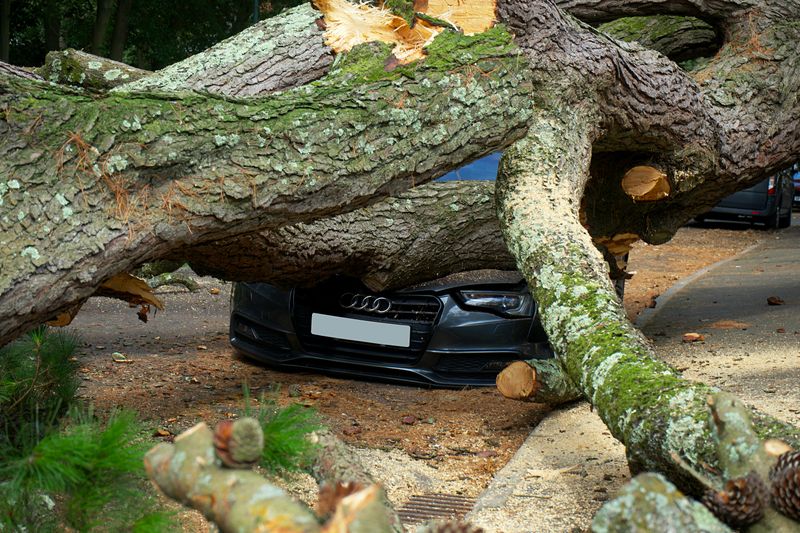
A tree branch crashing through your fence during a windstorm is jarring enough. What comes next, the legal dispute, can cost even more.
In Colorado, liability for tree-related property damage depends heavily on one key question: did the tree owner know the tree was hazardous? That concept is called negligence, and it matters a great deal in these situations.
If a tree on your property is visibly dead, leaning dangerously, or has been flagged as a risk by an arborist, and it falls and damages your neighbor’s home or vehicle, you could be held financially responsible.
The reasoning is that you knew or should have known about the danger and failed to act.
Courts look at whether a reasonable person would have taken steps to address the risk.
On the other hand, if a healthy-looking tree falls during an unexpected storm with no prior warning signs, liability is less clear.
Many such cases fall under the category of an act of nature, which may shift responsibility to the affected neighbor’s own insurance.
But do not count on that outcome without consulting an attorney first.
The practical takeaway here is straightforward: get your trees inspected regularly, especially the large ones near property lines. Document any inspections with dated reports from a certified arborist.
If a neighbor notifies you in writing that they believe one of your trees is dangerous, take that seriously and respond promptly. Staying proactive keeps you out of court and keeps your relationships with neighbors intact.
Trees Near Wetlands May Require Permits Before Removal

Wetland trees in Colorado carry real legal weight. Federal and state permit requirements may still apply near streams, ponds, or marshes, even after the Supreme Court’s 2023 Sackett v.
EPA decision narrowed what officially counts as a protected wetland.
The U.S. Army Corps of Engineers has jurisdiction over wetland areas across the country, including in Colorado.
Before removing trees near any water feature, landowners should determine whether the area qualifies as a jurisdictional wetland.
That process can involve a formal delineation, which is a technical survey conducted by a qualified professional.
Skipping this step is a risk not worth taking.
The Colorado Department of Public Health and Environment and the Colorado Water Quality Control Commission both have roles in protecting riparian zones, which are the vegetated areas along waterways.
Trees in these zones help prevent erosion, filter runoff, and provide wildlife habitat.
Removing riparian trees without authorization can result in restoration orders, meaning you may be forced to replant at your own cost plus face financial penalties.
The fines can be significant, especially if the removal caused measurable environmental harm.
If your land has any water features at all, treat tree removal near those areas with extra caution. Consult an environmental attorney or land use specialist before doing anything.
The paperwork upfront is far less painful than the consequences later.
Colorado Allows Tree Removal In Wildfire Risk Zones
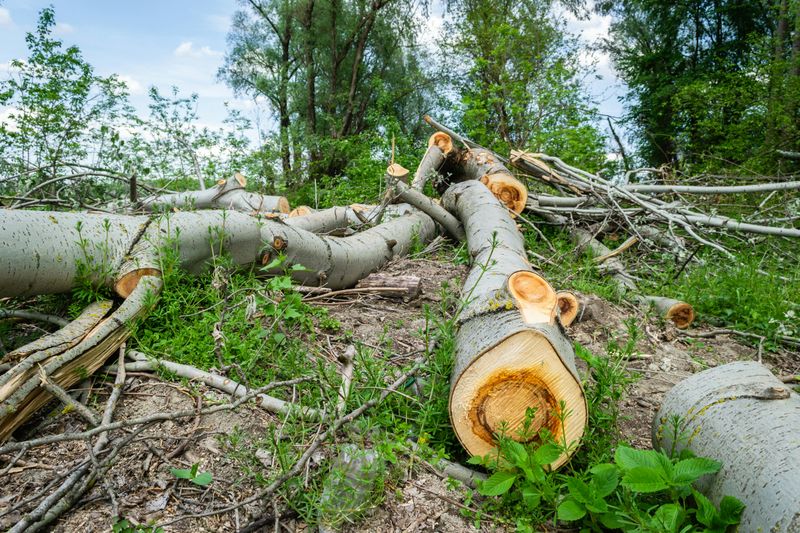
Colorado’s wildfire risk is rising, and sometimes the safest move is removing a tree. This stands in sharp contrast to the strict protections that apply in urban settings.
In wildfire-prone zones, thinning trees and clearing defensible space around your home can be not just allowed but actively supported by government programs.
Colorado’s Forest Service and many county governments offer assistance programs to help landowners reduce wildfire fuel on their properties.
These sometimes include free consultations or cost-sharing assistance, so it is worth checking what is available in your county.
Some communities in high-risk zones have gone further, adopting local ordinances that actually require property owners to maintain defensible space. Failure to comply can result in fines or, in extreme cases, the city doing the work and billing you for it.
Checking with your county’s fire department or forestry office will tell you exactly what standards apply to your specific address.
The balance here is interesting because Colorado law can simultaneously protect certain trees while encouraging the removal of others just miles away. Location, elevation, fire risk rating, and local rules all factor into what is allowed.
If you live in the mountains or foothills, wildfire mitigation rules tend to give you a bit more room to work with when it comes to tree removal.
Cross-Property Trimming Can Spark Legal Disputes
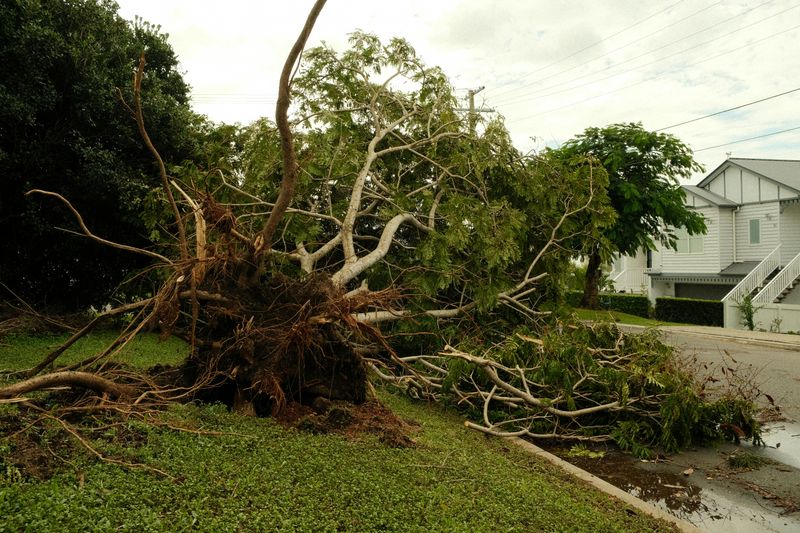
One overhanging branch. Two properties.
Surprisingly complicated rules. In Colorado, property owners generally have the right to trim branches and roots that cross onto their side of the property line, but only up to the boundary itself.
Cutting further than that, or causing harm to the tree in the process, can open the door to a civil lawsuit.
Colorado generally allows property owners to trim branches and roots that cross onto their side of the property line. But outcomes can vary depending on the situation, and no two property disputes are exactly alike.
Where things get messy is when aggressive root cutting or heavy branch removal weakens or topples the tree entirely.
If your actions cause a tree on your neighbor’s property to suffer significant harm or fall, you could face a claim for the value of that tree.
Courts have awarded substantial damages in these cases, especially when the tree was mature and had high appraised value.
The smartest approach is always to talk to your neighbor first before doing any trimming near the property line. A friendly conversation can prevent misunderstandings and often leads to a shared solution.
Colorado law gives you certain rights along your boundary line. But exercising them without a conversation first can turn a simple tree problem into a costly legal battle that neither side truly wins.