The 8 Rat-Repelling Plants Pennsylvania Gardeners Are Planting Now
Rats in Pennsylvania yards and gardens are a more common problem than most homeowners want to admit, and once they establish a presence, getting rid of them through conventional means requires ongoing effort and attention.
Traps and bait work, but they deal with the symptom rather than the underlying draw, and a yard that remains attractive to rats will keep pulling them in no matter how many you remove.
What Pennsylvania gardeners are increasingly turning to is a plant-based approach that makes properties less appealing to rats in the first place.
Certain plants produce strong scents that rats find deeply unpleasant, and positioning them strategically around a home creates a natural deterrent that works continuously without any maintenance once the plants are established.
Pennsylvania’s climate supports many of these plants through most of the growing season, and several of them bring enough visual appeal to earn their place in the garden completely apart from their rat-repelling qualities.
1. Mint
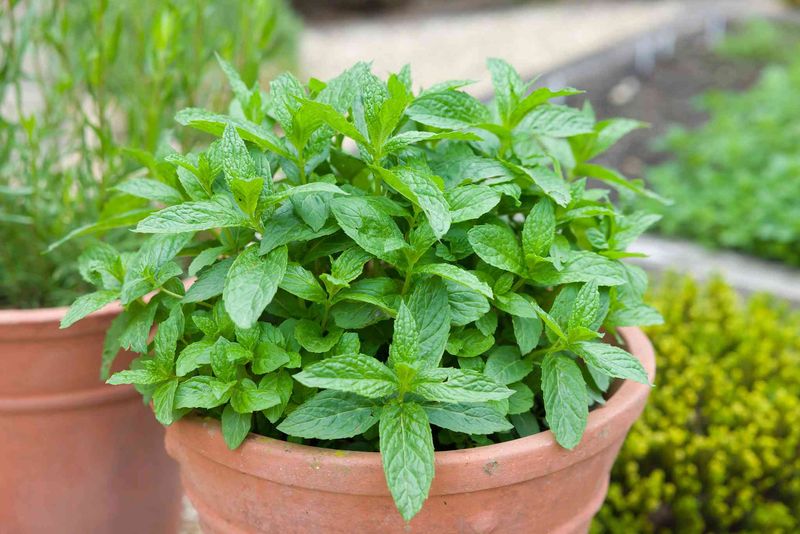
Few plants pack as much punch in such a small package as mint. Walk past a mint plant and brush your hand across its leaves, and that sharp, cool scent hits you immediately.
Rats and mice experience that same smell at a much more intense level, and most of them want nothing to do with it.
Pennsylvania gardeners have been tucking mint around shed foundations, along fence lines, and near patio edges for years. Spearmint and peppermint are the two most popular varieties for pest deterrence.
Both release strong aromatic oils that rodents find overwhelming and unpleasant. One thing to keep in mind is that mint spreads aggressively. Plant it in containers if you want to keep it under control.
Placing those containers near doorways, garage entrances, or compost bins can create a natural scent barrier that discourages rodents from getting too comfortable.
Mint is also incredibly easy to grow. It handles Pennsylvania summers well, comes back every spring as a perennial, and needs very little attention once established. You can even harvest it for teas, cooking, and homemade pest sprays.
Crushing a few leaves and rubbing them near cracks or openings around your home is a simple trick many gardeners swear by. Fresh mint is more potent than dried, so keeping live plants nearby gives you the strongest effect.
For anyone looking for a low-effort, high-reward plant that serves double duty in the garden, mint is an excellent place to start.
2. Lavender
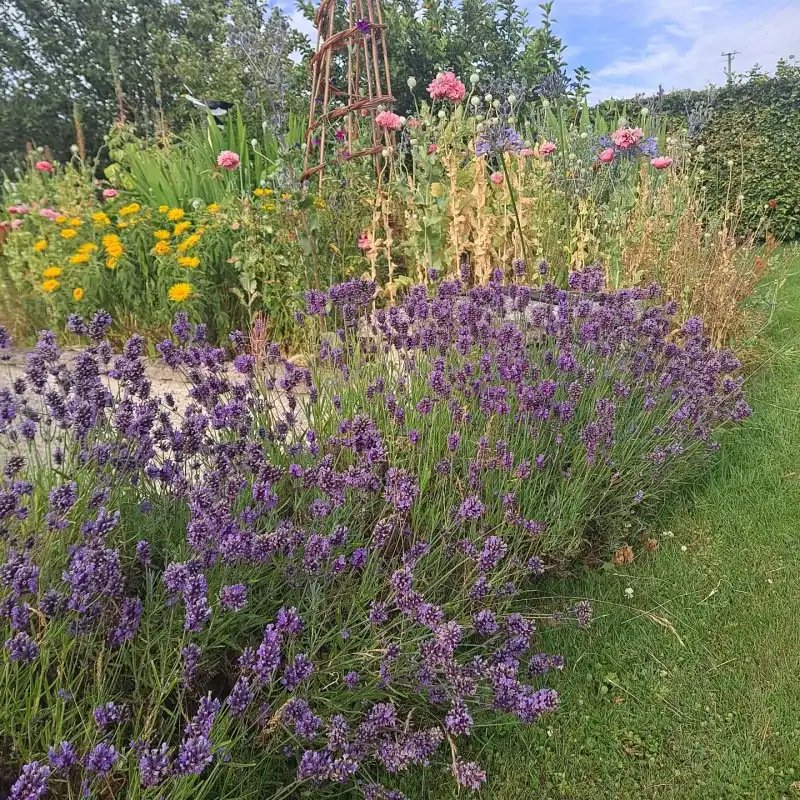
Lavender is one of those plants that humans adore and rodents absolutely cannot stand. People love its soft purple blooms and calming fragrance, but rats and mice find that same scent deeply off-putting.
That contrast makes lavender one of the smartest plants you can add to a Pennsylvania garden.
The essential oils in lavender, particularly linalool and linalyl acetate, are what give it that distinctive smell.
These compounds are harmless to people and pets but act as a natural warning signal for rodents. Areas where lavender grows tend to see less rodent activity over time.
Your Pennsylvania Garden Changes Every Week. Your Plan Should Too.
Gardening in Pennsylvania changes quickly throughout the season. Every Friday you’ll receive a simple weekly plan showing exactly what to plant, prune, fertilize, harvest, and protect so you never miss the right timing.
Lavender thrives in full sun and well-drained soil, which makes it a great fit for many Pennsylvania yards.
It does especially well along sunny garden borders, near patios, and around vegetable beds where you want an extra layer of protection. Once established, it is drought-tolerant and low-maintenance.
Planting lavender near entry points to your home or garden shed creates a fragrant barrier that rodents are reluctant to cross. Bundles of dried lavender placed inside sheds or near storage areas can also extend the effect indoors.
Beyond pest deterrence, lavender attracts pollinators like bees and butterflies, making it a genuinely valuable addition to any garden. It blooms from late spring through summer in Pennsylvania and provides color long after many other flowers have faded.
For gardeners who want beauty and function in one plant, lavender delivers on both counts every single season.
3. Rosemary
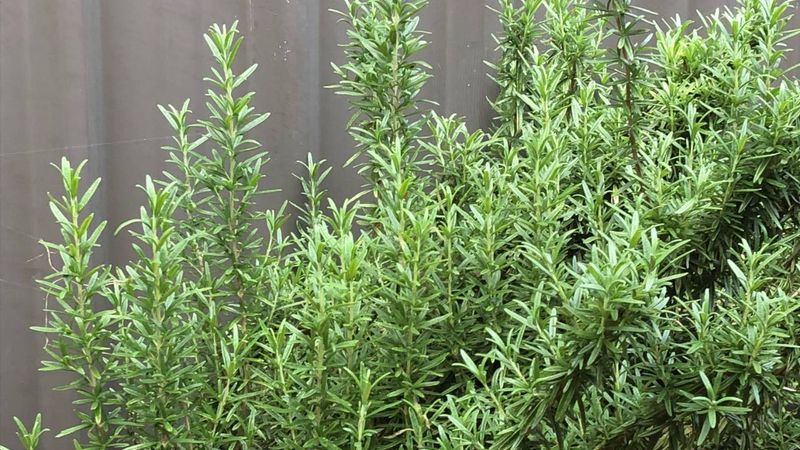
Rosemary has a reputation as a kitchen herb, but Pennsylvania gardeners are discovering it has another very useful skill. The plant produces strong aromatic oils that rodents find deeply unappealing.
Rats and mice tend to steer clear of areas where rosemary is growing, especially when the plants are large and well-established.
The scent comes from compounds like camphor and borneol found in the plant’s needle-like leaves. When temperatures rise and the oils become more volatile, the smell intensifies.
That makes rosemary especially effective during Pennsylvania’s warm spring and summer months when rodent activity tends to peak.
Growing rosemary along walkways, near garden containers, and around raised vegetable beds creates a fragrant boundary that many pests prefer to avoid.
It works particularly well when planted in groups rather than as a single isolated plant. The denser the planting, the stronger the scent barrier becomes.
Rosemary loves full sun and does best in well-drained soil. In Pennsylvania, it can survive mild winters outdoors, but bringing potted rosemary inside during harsh cold snaps helps it thrive long-term.
Container planting also lets you move it to wherever you need pest protection most. Did you know rosemary was used in ancient times to ward off pests and protect stored grains? That long history of practical use is part of why gardeners still trust it today.
Beyond pest deterrence, it provides fresh herbs for cooking year-round, making it one of the most hardworking plants in any Pennsylvania garden.
4. Marigold
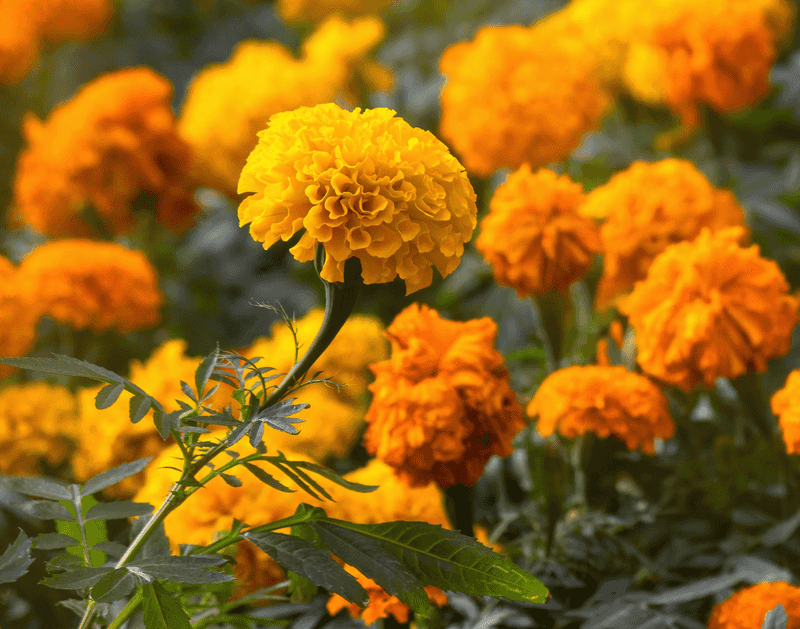
Marigolds are one of the most cheerful flowers in any garden, but they have a hidden talent that goes far beyond their bold colors. These bright blooms produce a strong, distinctive scent that many pests find irritating.
Rats and mice are among the creatures that tend to avoid areas where marigolds are growing in abundance.
Pennsylvania gardeners have long planted marigolds near tomato plants, pepper beds, and squash vines to reduce pest pressure. The scent comes from compounds in the flowers and foliage that act as a natural deterrent.
When you rub a marigold leaf between your fingers, that sharp, slightly bitter smell is exactly what rodents want to avoid.
French marigolds are particularly popular for pest deterrence because they produce a stronger scent than some other varieties.
Planting them in thick rows around the edges of vegetable beds creates a fragrant border that discourages rodents from venturing inside. The more plants you use, the more effective the barrier becomes.
Marigolds are incredibly easy to grow from seed or transplant and bloom from late spring all the way through the first frost in Pennsylvania. They prefer full sun and average soil, making them adaptable to most garden setups.
Deadheading spent blooms regularly encourages continuous flowering and keeps the scent strong throughout the season.
Beyond pest deterrence, marigolds attract helpful pollinators and can even suppress certain soil-dwelling pests through their root secretions. For any gardener who wants a plant that looks great and works hard at the same time, marigolds are a no-brainer choice.
5. Catnip
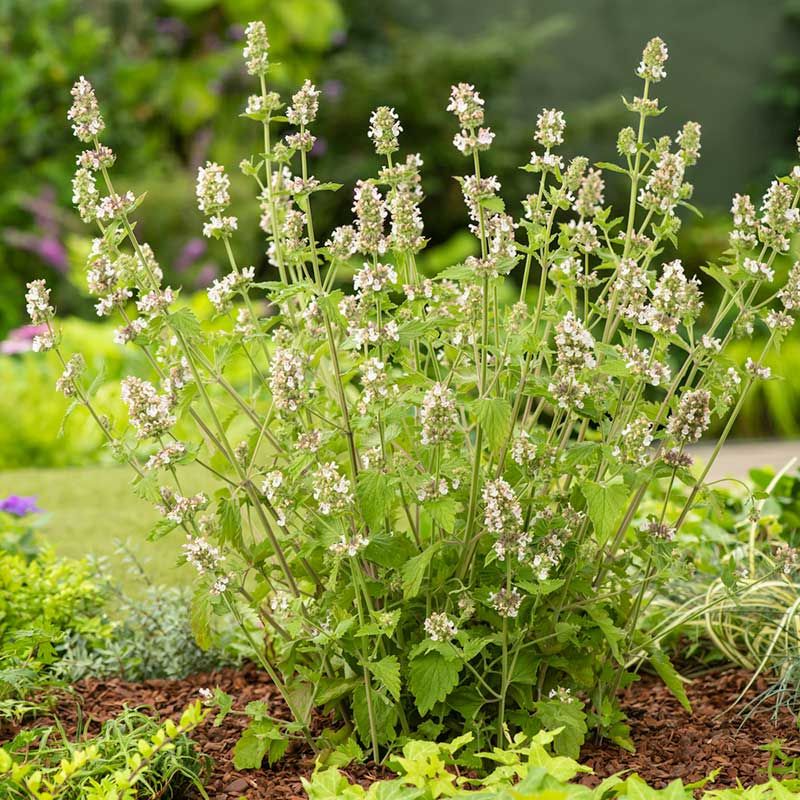
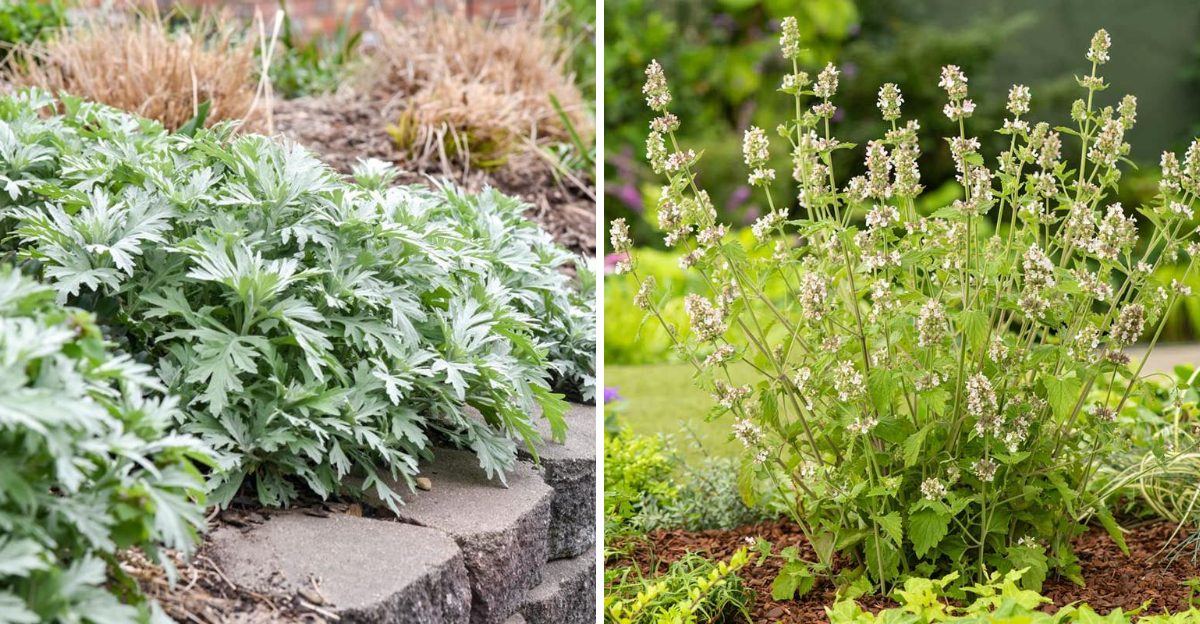
Catnip is best known for sending cats into a playful frenzy, but it has a very different effect on rodents. The same compound that cats love, called nepetalactone, is something rats and mice tend to find repellent.
Pennsylvania gardeners are starting to use catnip strategically around their properties to take advantage of this natural reaction.
Nepetalactone is a powerful aromatic compound that releases easily into the air. When rodents encounter it, many studies suggest they respond with avoidance rather than curiosity.
Planting catnip near compost piles, garden sheds, and vegetable beds can help reduce the appeal of those areas to unwanted visitors.
Catnip grows quickly and spreads enthusiastically, so planting it in containers is often the smartest approach. You can position those containers near entryways, along fence lines, or beside structures where rodents might try to nest.
Moving the containers seasonally gives you flexible, targeted protection wherever you need it most.
One fun bonus of growing catnip is that it attracts beneficial insects, including bees and certain predatory wasps that help control other garden pests.
It blooms in summer with small lavender-colored flowers that add a soft, pretty touch to any garden space. The plant is a perennial in Pennsylvania and comes back reliably each spring.
Harvesting and drying catnip leaves is easy, and dried bundles can be placed inside sheds or near problem areas indoors. Fresh plants are more potent, but dried catnip still carries enough scent to be useful.
For a multi-purpose plant that earns its space in multiple ways, catnip is worth a serious look.
6. Society Garlic
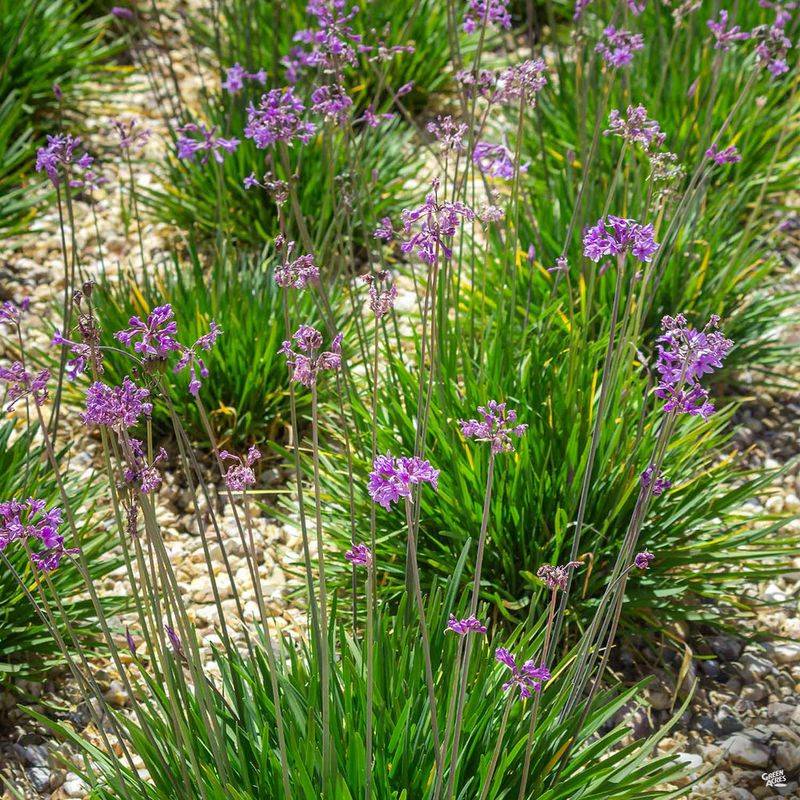
Society garlic might sound like an unusual name, but this plant earns it honestly. It looks elegant, produces lovely purple blooms, and carries a strong garlic-like scent that rodents find deeply unappealing.
For Pennsylvania gardeners dealing with rats near patios, entrances, or garden borders, society garlic is becoming a go-to choice.
The scent comes from sulfur-containing compounds similar to those found in true garlic and onions. Rodents have highly sensitive noses, and these compounds are particularly irritating to them.
Planting society garlic in clusters near doorways, along pathways, or around patio edges creates a natural scent barrier that discourages rodents from getting too close to living spaces.
Unlike true garlic, society garlic stays attractive throughout the growing season. Its long, strap-like leaves stay green and tidy, and it produces clusters of soft purple flowers that bloom from late spring through summer.
The plant is both functional and decorative, which makes it a smart pick for front-yard gardens and visible landscaping.
Society garlic prefers full sun and well-drained soil. It handles Pennsylvania summers well and is relatively drought-tolerant once established.
In mild winters, it may even remain semi-evergreen, giving you some year-round presence in the garden.
Planting it near entryways is particularly effective because rodents often scout these areas first before deciding to move closer.
A dense planting of society garlic near a front door or garage entrance sends a clear message that this is not a welcoming spot. For a plant that combines beauty with a practical purpose, society garlic is hard to beat.
7. Bee Balm
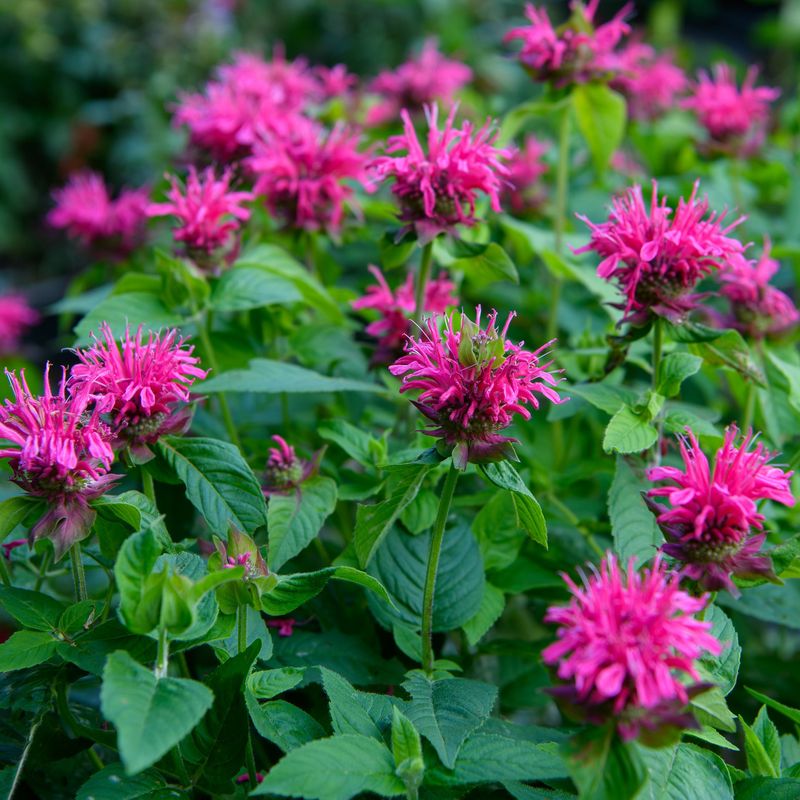
Bee balm is a Pennsylvania native with a lot going for it. Its shaggy, wildflower-style blooms in red, pink, purple, and white attract hummingbirds, bees, and butterflies in impressive numbers.
But beneath all that pollinator-friendly beauty lies a sharp, spicy fragrance that rodents tend to avoid.
The plant belongs to the mint family, which gives you a clue about its aromatic properties. Bee balm contains thymol and other volatile compounds that create a strong, medicinal scent.
These compounds are pleasant enough to most humans but overwhelming to rodents with their highly sensitive sense of smell.
Growing bee balm along garden borders, near sheds, or around the edges of vegetable beds adds both visual impact and a natural deterrent layer.
It spreads gradually over time, filling in spaces and building a thicker, more effective scent barrier as the planting matures. Dividing clumps every few years keeps it healthy and vigorous.
Bee balm thrives in Pennsylvania’s climate and does best in moist, well-drained soil with full to partial sun.
It blooms in midsummer and can reach two to four feet tall, making it a strong visual presence in any garden. Taller varieties work especially well as background plants in mixed borders.
Beyond its pest-deterring properties, bee balm has a long history of use by Native American communities for medicinal teas and remedies. That rich heritage adds a layer of meaning to growing it today.
For any Pennsylvania gardener who wants a native plant that supports wildlife and discourages pests at the same time, bee balm is a standout choice.
8. Wormwood
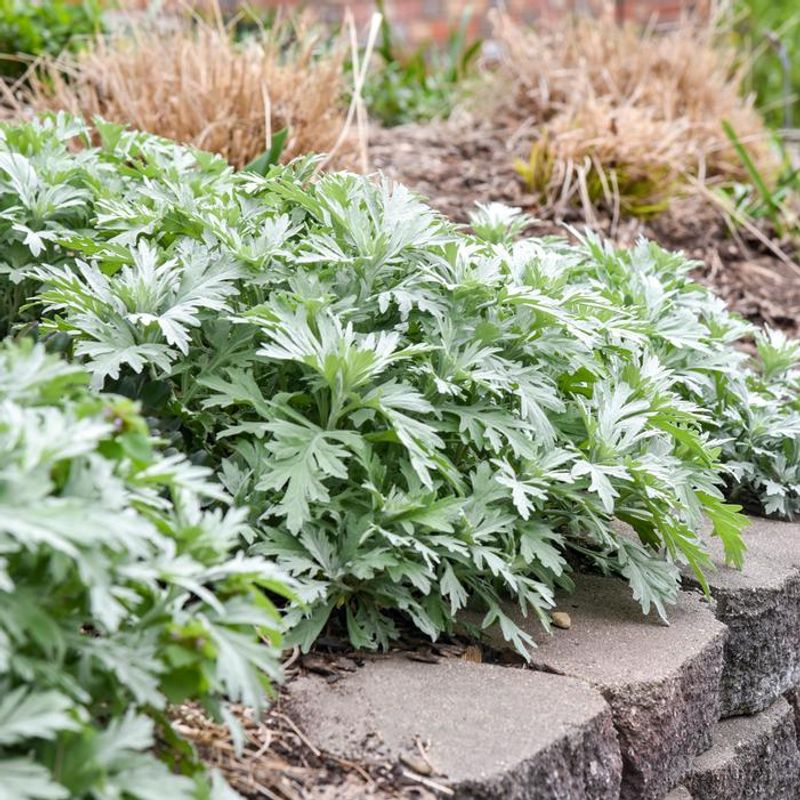
Wormwood has one of the most striking appearances in the garden world. Its silvery, feathery leaves shimmer in sunlight and give any planting a cool, almost otherworldly look.
But wormwood is more than just a pretty face. It produces one of the sharpest, most bitter scents in the plant kingdom, and rodents want absolutely nothing to do with it. The plant contains a compound called absinthin, which gives it that intensely bitter aroma.
This compound has been used for centuries in pest deterrence, and historical records show people placing wormwood around grain stores and homes long before modern pest control existed. Pennsylvania gardeners are tapping into that same old-world wisdom today.
Wormwood grows best in full sun and dry, well-drained soil. It is actually quite drought-tolerant, which makes it a low-maintenance option for garden borders, slopes, or areas where other plants struggle.
In Pennsylvania, it performs well through summer and into fall, holding its silver color even as other plants begin to fade.
Planting wormwood near shed entrances, along fence lines, or at the corners of vegetable gardens creates a strong scent boundary.
The smell is most intense on warm days when the plant’s oils become more active. Even brushing against the leaves releases a burst of that sharp, bitter fragrance.
One caution worth mentioning is that wormwood can inhibit the growth of nearby plants if placed too close. Giving it some space or using it in containers prevents this issue.
For a plant with serious visual appeal and a centuries-old reputation as a pest deterrent, wormwood earns a spot in any serious Pennsylvania garden.