These Are The 9 Easy Flowers To Plant Around Trees In Pennsylvania
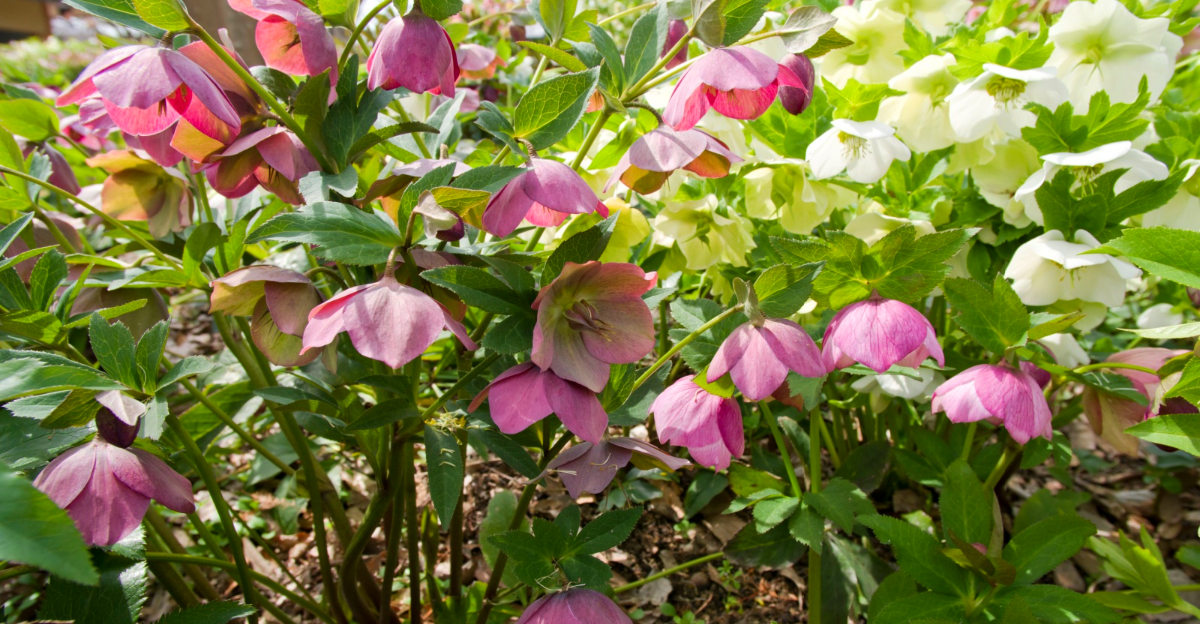
The space around a tree can look like one of those garden spots that comes with a built-in warning label. Too shady, too dry, too root-filled, too stubborn.
Pennsylvania gardeners know the feeling. One look at that bare patch under a maple or oak, and it is easy to assume the tree has already claimed every last inch for itself.
Thankfully, that is not the whole story. Some flowers are surprisingly well suited to life under trees and seem completely unbothered by the challenge.
Honestly, they handle it better than most people would. Gardeners have a real advantage here because many woodland plants are perfectly adapted to filtered light, root competition, and the drier soil that often comes with mature trees.
Once the right flowers are in place, that difficult patch can start looking less like a problem and a lot more like part of the garden.
1. Lenten Rose Brings Early Beauty Under Trees
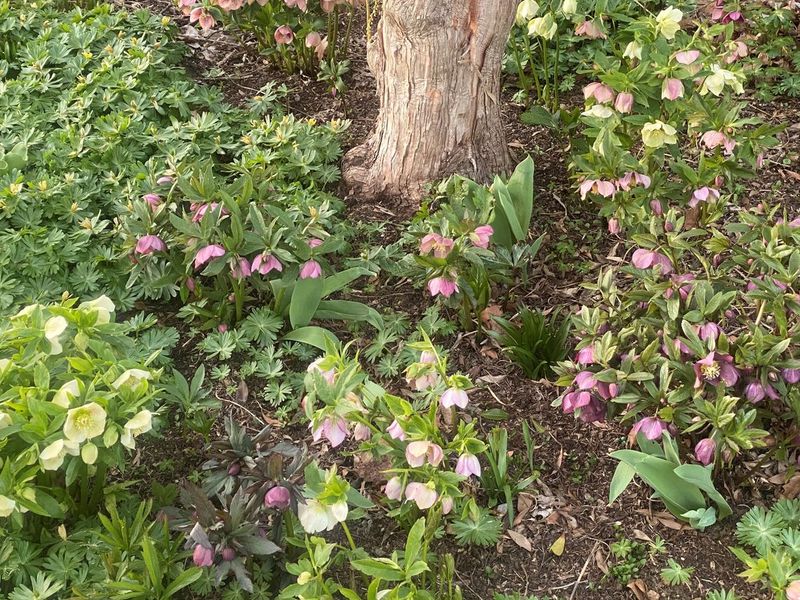
Few flowers show up as reliably early in a Pennsylvania shade garden as Lenten rose, which can push through the ground and bloom even before the last cold snaps of late winter have fully passed.
That early appearance is part of what makes it so appealing for the difficult space beneath mature trees.
When little else is blooming, Lenten rose offers rich, nodding flowers in shades of deep plum, soft cream, dusty pink, and near-black.
Lenten rose, known botanically as Helleborus orientalis, is not a native Pennsylvania plant, but it has earned a solid reputation among shade gardeners across the region for its ability to handle dry, root-filled soil once established.
It tends to do well under deciduous trees, where it gets some winter and early spring light before the canopy closes in.
Dense shade from evergreens can reduce flowering.
One of its most practical traits is that deer tend to avoid it, which matters quite a bit in many neighborhoods and rural properties. The foliage stays semi-evergreen through winter in milder years.
Established clumps tend to spread slowly over time, gradually filling in bare ground around tree bases with texture and seasonal interest without much fuss from the gardener.
2. Bloodroot Adds A Bright Spring Moment
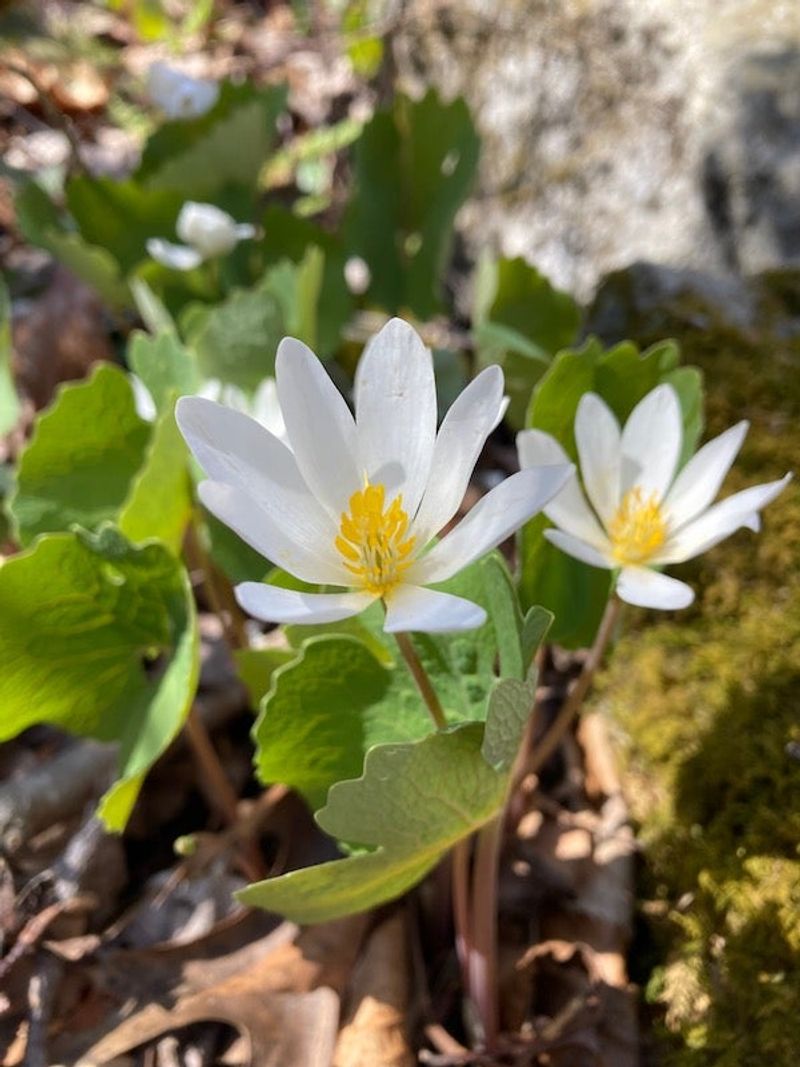
One of the most striking sights in a Pennsylvania woodland garden is bloodroot in full bloom on a clear April morning. The flowers are bright white with golden centers, and they open wide in sunlight before closing again in the evening.
Each bloom only lasts a few days, but the effect while it lasts is genuinely lovely.
Bloodroot, or Sanguinaria canadensis, is a true Pennsylvania native that naturally grows along wooded slopes, stream edges, and forest floors across the state.
That native background makes it well suited for the conditions found under mature trees in home landscapes.
It tolerates dry to moderately moist soil and handles both part shade and deeper shade with reasonable success, though it tends to bloom best where it gets some early spring light before the tree canopy fills in.
Your Pennsylvania Garden Changes Every Week. Your Plan Should Too.
Gardening in Pennsylvania changes quickly throughout the season. Every Friday you’ll receive a simple weekly plan showing exactly what to plant, prune, fertilize, harvest, and protect so you never miss the right timing.
After the flowers fade, the large, lobed leaves remain through summer and can form a pleasant low groundcover. By late summer, the foliage tends to yellow and go dormant, which is completely normal for this species.
Planting bloodroot alongside other shade perennials helps fill in the visual gap it leaves behind.
Over several seasons, established colonies can spread naturally by seed and offset, gradually covering more ground around tree bases with minimal effort from the gardener.
3. Virginia Bluebells Bring Soft Spring Color
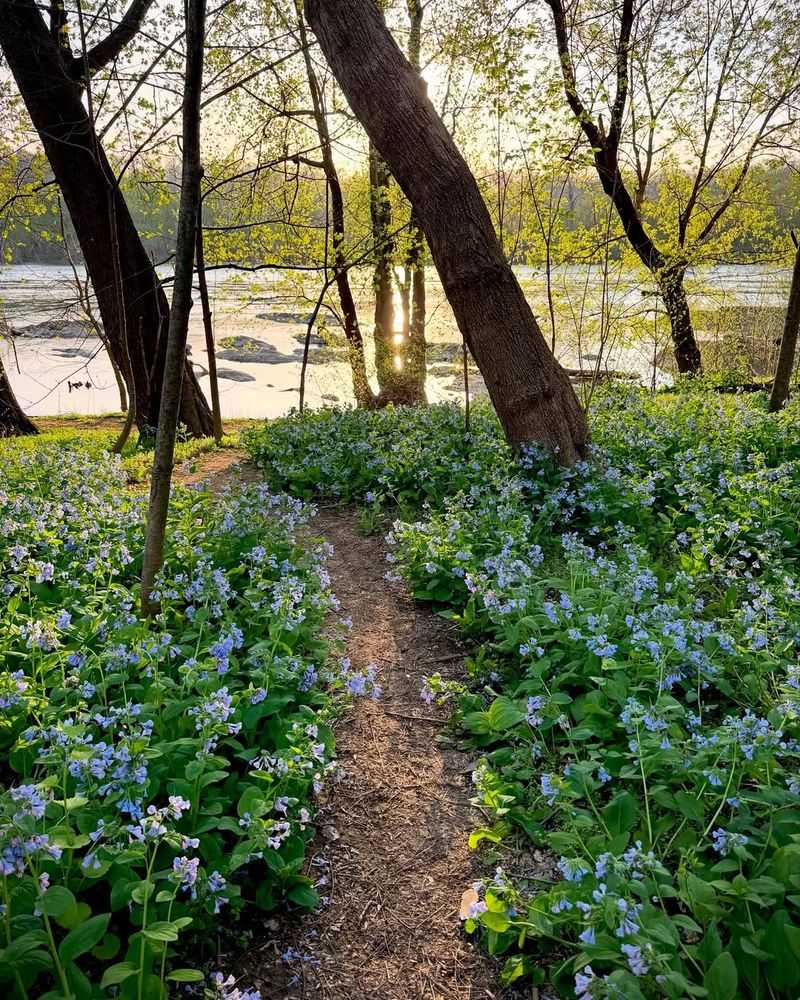
Walking past a patch of Virginia bluebells in full spring bloom is one of those small garden moments that genuinely stops people in their tracks.
The flowers open in a soft sky-blue that feels almost out of place in an early spring landscape still waking up from winter.
They appear in loose clusters on arching stems, creating a gentle, flowing look that works beautifully around the base of a mature tree.
Mertensia virginica is a native Pennsylvania woodland plant that grows naturally along stream banks and in moist, rich forest soil. In home gardens, it tends to perform best in part shade with reasonably moist, organic-rich soil.
It can struggle in very dry conditions under trees with aggressive surface roots, so pairing it with some added compost or leaf mulch at planting time can help it settle in more successfully.
Virginia bluebells are spring ephemerals, which means the foliage goes completely dormant by early summer. Marking their location in the garden helps avoid accidentally disturbing the roots during summer cleanup.
Planting them alongside ferns, hostas, or other shade perennials that fill in after they go dormant is a common and practical approach.
In favorable spots across Pennsylvania, established colonies can naturalize and return reliably each spring with minimal maintenance.
4. Dutchman’s Breeches Add Woodland Charm
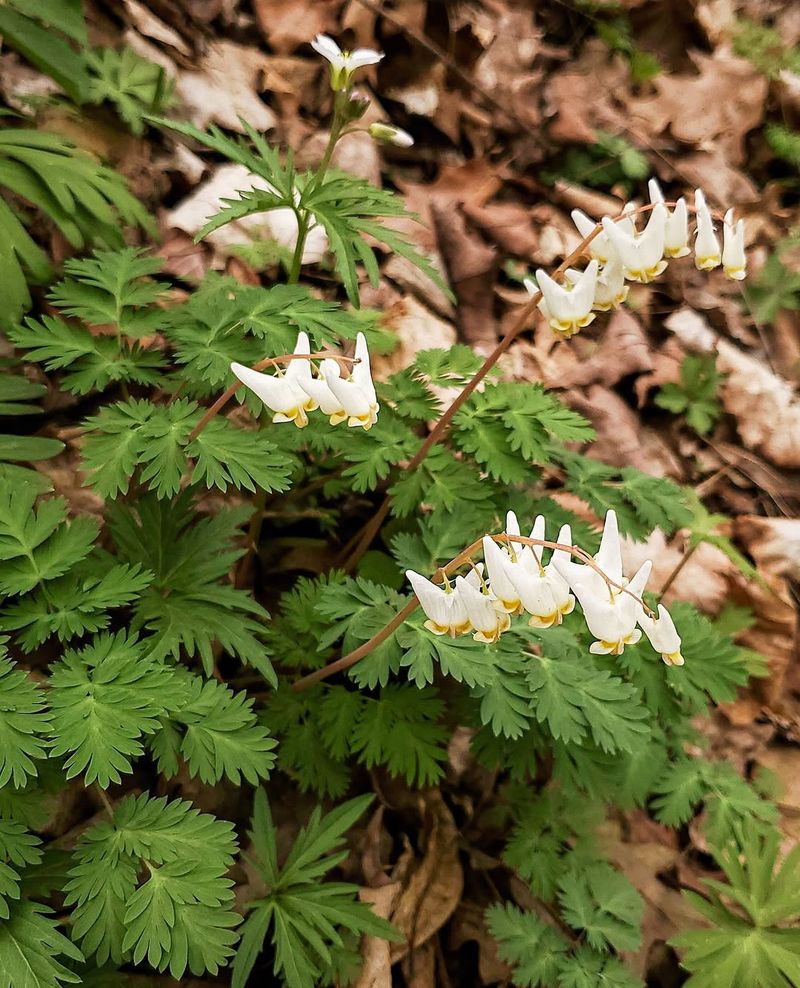
There is something almost whimsical about Dutchman’s breeches in bloom. The flowers dangle from arching stems like tiny pairs of upside-down white trousers, which is exactly how the plant got its memorable common name.
Up close, the blooms have a soft yellow tip and a delicate structure that makes them look almost too intricate for a wild plant growing in the shade beneath trees.
Dicentra cucullaria is a native Pennsylvania wildflower that appears naturally in rich, moist woodland soil across much of the state. In home gardens, it tends to do best in part shade with good organic matter worked into the soil.
It can handle the conditions under deciduous trees reasonably well, especially where leaf litter has built up over the years and the soil retains some moisture through spring.
Like Virginia bluebells, Dutchman’s breeches is a spring ephemeral. The foliage disappears by early summer, leaving behind bare patches unless other plants are growing nearby to fill the space.
Pairing it with hostas, ferns, or foamflower works well for maintaining visual coverage through the warmer months. Small underground tubers help established plants return reliably each spring.
In the right spot in a Pennsylvania shade bed, this charming native can spread slowly over time into a soft, low colony of spring interest.
5. Bleeding Heart Brings A Familiar Spring Look
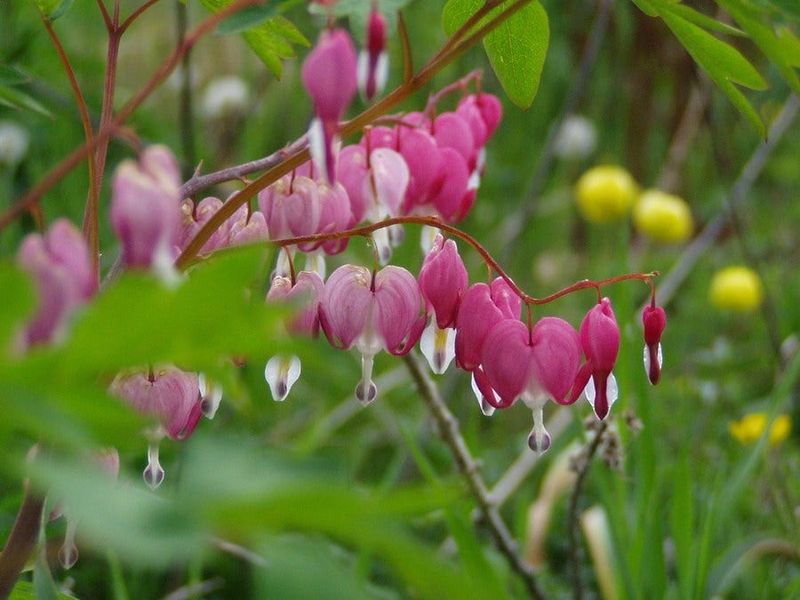
Most gardeners recognize bleeding heart the moment they see it. Those arching stems loaded with dangling, heart-shaped pink or white flowers have been a staple of shady home gardens for generations.
There is a nostalgic quality to the plant that makes it feel like something you might have seen in a grandparent’s backyard, growing quietly beneath an old maple or ash.
The native species, Dicentra eximia, also called fringed bleeding heart, tends to be a better long-term choice for under-tree planting in Pennsylvania than the larger Asian species because it is more tolerant of dry shade and summer heat.
It also blooms over a longer period, sometimes continuing into early summer rather than going fully dormant after a single spring flush.
The foliage is finely cut and attractive even when flowers are not present.
Bleeding heart generally prefers moist, well-drained soil with good organic content, but fringed bleeding heart can adapt reasonably well to the drier, root-filled conditions found beneath established trees.
It works well planted along the outer edges of the tree’s root zone where conditions may be slightly less competitive.
In cooler, shadier spots across Pennsylvania, it can settle in nicely and return reliably each year with minimal attention, gradually building into a soft, full clump of texture and color.
6. Wood Anemone Adds Light Beauty In Shade
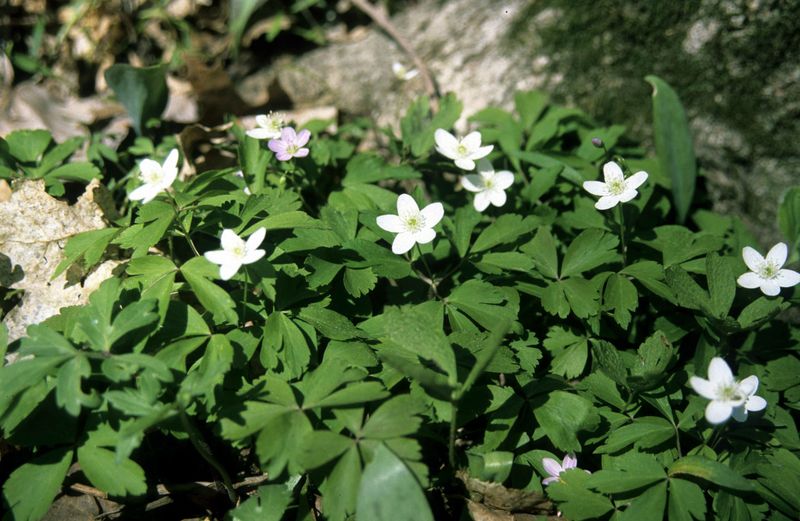
Ground-level blooms in a shade garden have a quiet kind of beauty that taller plants simply cannot replicate, and wood anemone captures that feeling well.
The flowers are small and white with cheerful yellow centers, held just above a carpet of deeply cut, dark green foliage.
When a colony is in full bloom on a mild spring morning, the effect under a large tree can feel genuinely magical in a low-key, understated way.
Anemone quinquefolia is a native Pennsylvania woodland plant that grows naturally on the forest floor across much of the eastern part of the state.
It spreads slowly by underground rhizomes to form a low groundcover over time, making it a practical choice for covering bare soil around tree bases.
It tends to prefer moist, humus-rich soil and part shade, though it can tolerate moderate dryness once established in a favorable spot.
Wood anemone blooms in mid to late spring and goes dormant by summer, so pairing it with other shade plants that remain active later in the season helps maintain visual interest.
Because it spreads gradually rather than aggressively, it fits well in mixed shade beds without crowding out neighboring plants too quickly.
For gardeners looking for a delicate, low-maintenance native that adds real seasonal charm under trees, wood anemone is a solid and rewarding option.
7. Trillium Brings Spring Interest To Woodland Beds
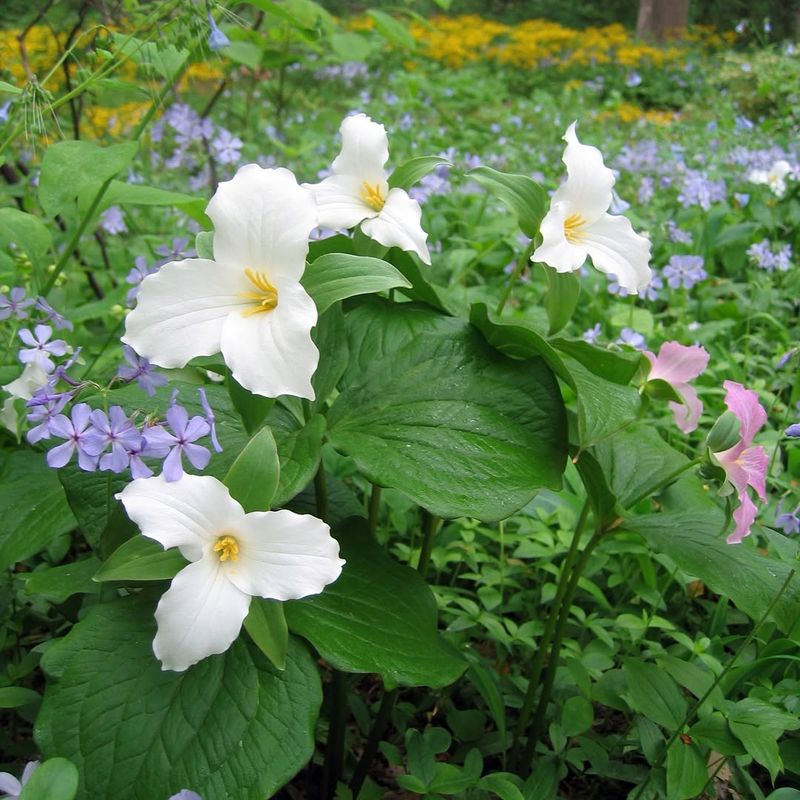
Spotting a trillium in bloom under a canopy of trees is one of those small spring rewards that gardeners tend to remember.
The three broad petals, three leaves, and three sepals give the plant an almost geometric quality that looks deliberate and beautiful against the dark, rich soil of a woodland bed.
Large-flowered trillium, Trillium grandiflorum, is the species most commonly found and grown across the state.
Trillium is a slow-growing native woodland plant that takes patience to establish but rewards that patience with reliable, long-lived performance once settled in.
It prefers moist, humus-rich, well-drained soil in part to full shade, making it a reasonable choice for spots beneath deciduous trees where leaf litter has been accumulating for years.
Very dry soil under shallow-rooted trees can be a challenge for this plant, so site selection matters more than it does for some tougher species.
One important thing to understand about trillium is that it should be sourced from reputable nurseries that propagate it ethically, rather than collected from wild populations, which are protected in Pennsylvania.
Once established in a suitable spot, trillium can live for many years and gradually spread into a small colony.
The white flowers often age to pink before fading, adding a subtle shift in color through the bloom season that makes the plant even more interesting to watch.
8. Foamflower Adds Blooms And Groundcover Appeal
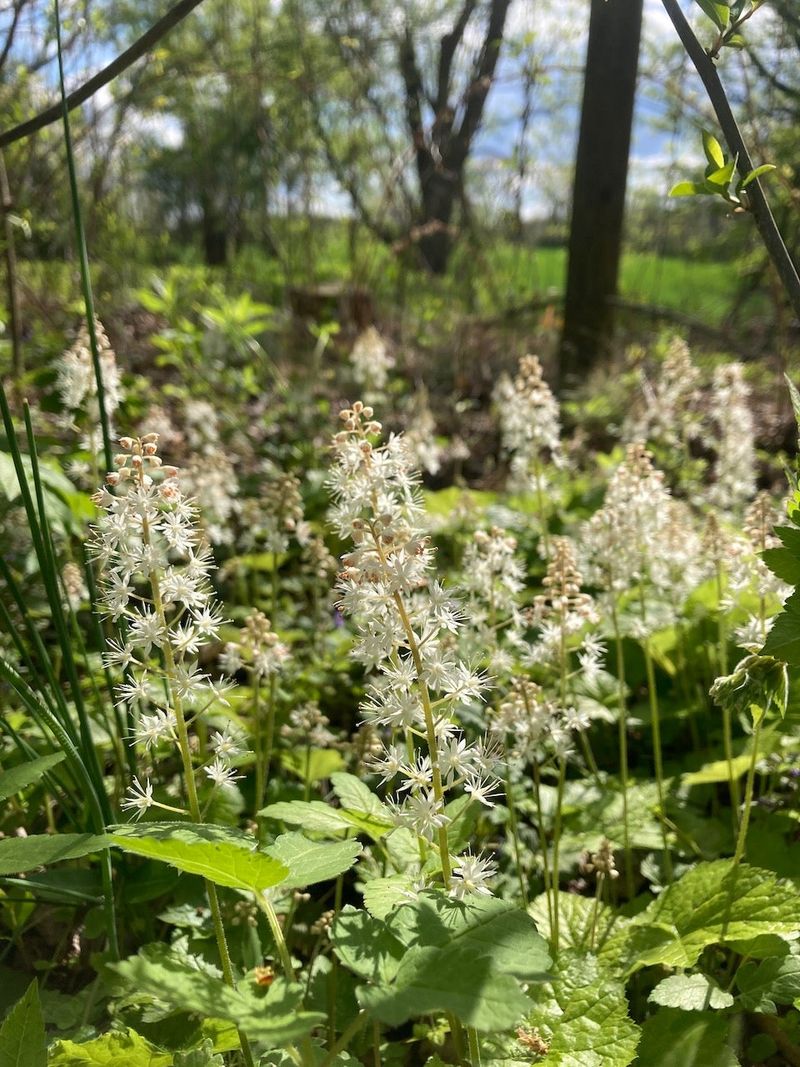
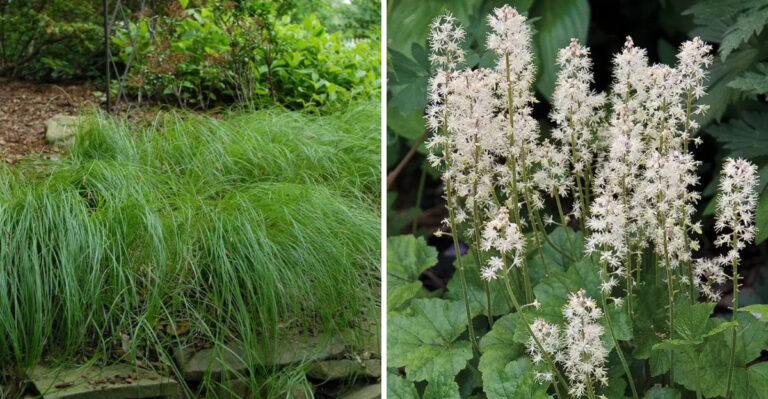
For gardeners who want both flowers and groundcover function from a single plant, foamflower is one of the most practical choices available for Pennsylvania shade beds.
The low, spreading foliage forms a dense mat that helps suppress weeds and cover bare soil around tree bases, while the airy white flower spikes that rise up in spring add a soft, frothy texture that earns the plant its name.
Tiarella cordifolia is a native Pennsylvania woodland plant that naturally colonizes the forest floor beneath deciduous trees across the state.
It handles shade well and can tolerate the dry, root-competitive soil found under mature trees better than many other flowering plants.
Moist, organic-rich soil produces the most vigorous growth, but established plants can adapt to moderately dry conditions over time.
Foamflower spreads by runners to form a gradually expanding colony, which makes it useful for filling in larger areas around tree bases over multiple seasons.
The foliage often develops attractive reddish markings along the veins, adding visual interest even when the plant is not in bloom.
It tends to bloom in mid to late spring and may rebloom lightly under favorable conditions.
For shade gardeners looking for a native plant that works hard with minimal care, foamflower consistently delivers strong results in a wide range of under-tree settings.
9. Woodland Phlox Brings Gentle Color Around Trees
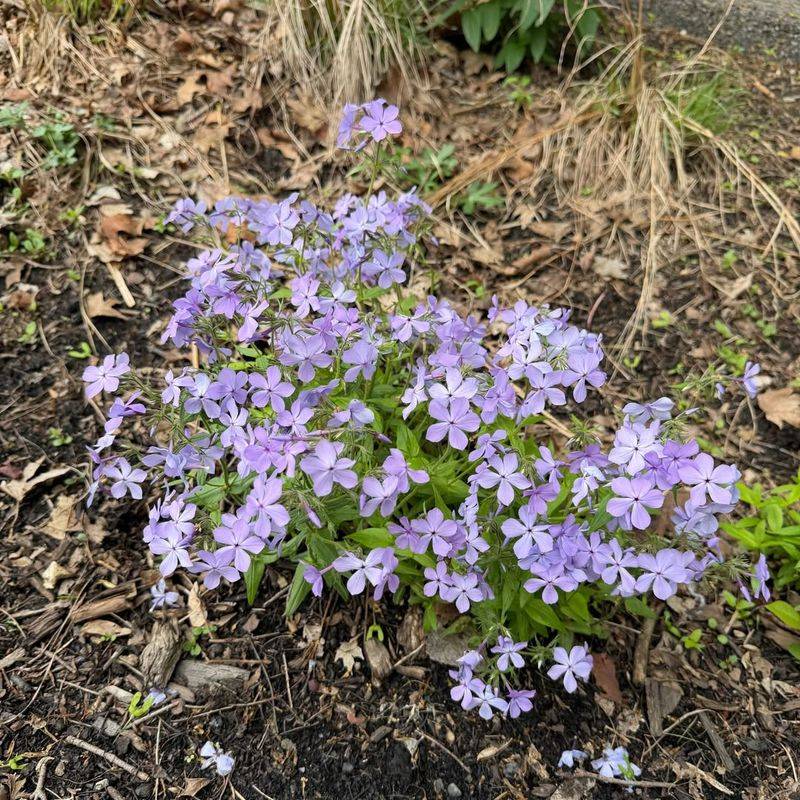
Color in a shade garden can be harder to come by than most people expect, which is part of what makes woodland phlox so valuable for Pennsylvania landscapes.
The soft lavender-blue flower clusters appear in mid to late spring and have a light, pleasant fragrance that adds another dimension to the garden experience.
Growing low and spreading gradually, the plant fits naturally into the layered look of a shade bed planted around mature trees.
Phlox divaricata is a native wildflower that grows naturally in open woodlands and along shaded stream edges across the state.
It prefers moist, well-drained soil with good organic content and tends to do best in part shade, where it gets filtered light without too much direct afternoon sun.
Under deciduous trees that leaf out later in spring, it often gets enough light to bloom well before the canopy closes in fully.
Woodland phlox spreads slowly by runners and can gradually fill in open areas around tree bases over a few seasons.
It pairs well with other spring natives like trillium, foamflower, and Virginia bluebells, creating a layered spring display that looks natural and cohesive.
Deer pressure can be a concern in some Pennsylvania areas, though the plant tends to be less targeted than many other garden flowers. With reasonable moisture and some leaf mulch, it can settle in and return reliably for years.