Texas Groundcovers That Choke Out Weeds On Slopes And Hills
Slopes and hills have a special talent for making Texas gardeners feel completely defeated.
The sun hammers down on exposed banks like it has a personal grudge, heavy rains show up and take half your soil with them on the way out, and then a dry spell moves in and leaves everything cracked and sad-looking.
And weeds? They absolutely love a bare slope.
They will claim that territory faster than you can reach for the hose. A lot of homeowners go looking for a quick fix, and honestly, who could blame them.
But the plants that actually solve this problem long term are the ones that spread naturally, suit your specific light conditions, and get serious about holding that soil in place once they settle in.
Texas has some really impressive native groundcovers that do exactly that, and they’re worth knowing about.
1. Frogfruit Helps Cover Sunny Slopes Fast
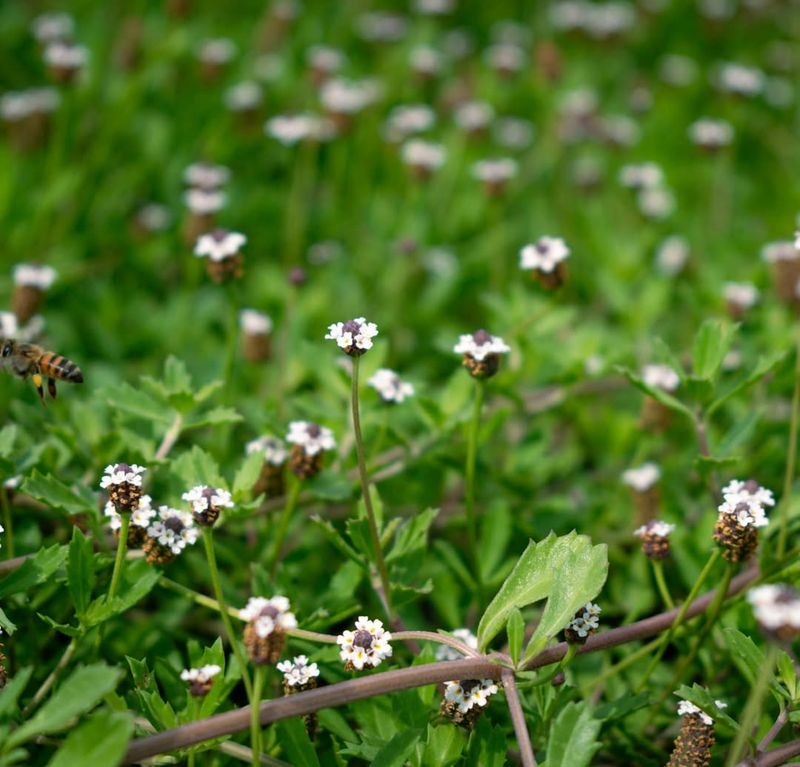
Sunny banks in Texas can bake in the heat all summer long, making it hard for most plants to spread and fill in well. Frogfruit, also called Texas frogfruit or turkey tangle fogfruit, is a low-growing native that handles those conditions better than most.
It hugs the ground tightly and spreads by runners, which helps it knit together quickly and crowd out weeds on exposed slopes.
Once frogfruit gets established, it forms a dense mat that shades the soil beneath it. That shading effect is one of the main reasons it works so well for weed suppression on sunny hillsides.
Weeds have a much harder time pushing through a well-rooted frogfruit patch than they do on bare ground.
Frogfruit is native to Texas and tolerates drought reasonably well once it has settled in. It does best with some moisture during establishment, so watering regularly through the first season gives it the best chance to fill in.
It can handle foot traffic better than many groundcovers, which makes it useful along slopes that double as walking paths.
Small white flowers appear through much of the warm season, and pollinators visit them regularly. Frogfruit works well in full sun to light shade and stays low enough that mowing is rarely needed.
For homeowners dealing with hard-to-manage sunny slopes, this native plant offers solid, practical coverage without a lot of fuss once it takes hold.
2. Horseherb Works Well On Shadier Hills
Shaded slopes in Texas present a different kind of challenge. Most sun-loving groundcovers struggle under tree canopies, and bare shaded soil on a hillside can erode just as quickly as exposed sunny ground.
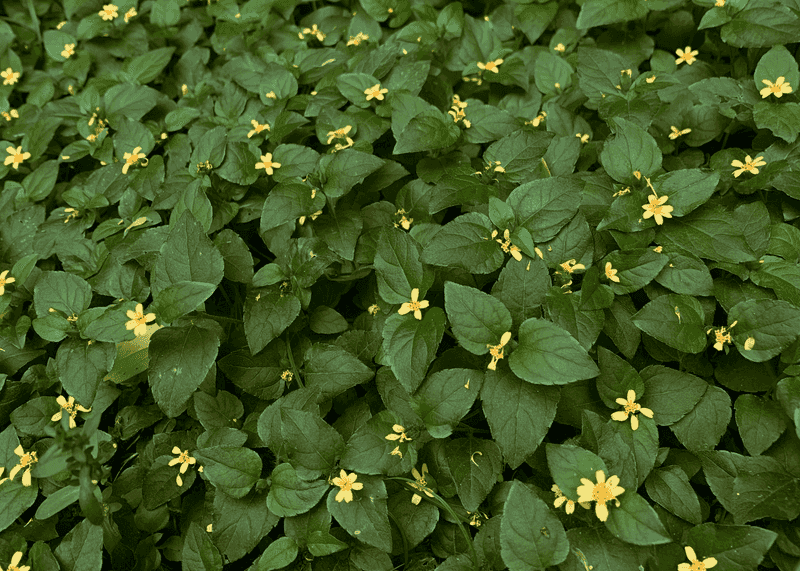
Horseherb, known botanically as Calyptocarpus vialis, is a native Texas plant that thrives in exactly those conditions and fills in shaded and partly shaded slopes with surprising ease.
Horseherb spreads low along the ground using runners and rooted stems, building up a soft green mat that covers soil and shades out many common weeds.
It tends to grow where other plants give up, which is one of the reasons gardeners in areas with large shade trees find it so useful.
Your Texas Garden Changes Every Week. Your Plan Should Too.
Gardening in Texas changes quickly throughout the season. Every Friday you’ll receive a simple weekly plan showing exactly what to plant, prune, fertilize, harvest, and protect so you never miss the right timing.
It handles dry shade better than most groundcovers, which is a real advantage under established oaks and elms.
The plant produces small yellow flowers through much of the growing season, adding a bit of color without becoming showy or distracting.
Horseherb does not create a formal lawn look, so it suits naturalistic or cottage-style landscapes better than tidy, manicured settings.
Some homeowners actually find it spreading into their lawn on its own, which gives a sense of just how well it adapts to Texas conditions.
Foot traffic tolerance is moderate at best, so it works better on slopes that are not walked on regularly. With minimal care after establishment, horseherb can quietly take over a shaded hillside and keep weeds from gaining a foothold through much of the year.
3. Buffalograss Makes A Strong Native Turf Swap
Not every homeowner wants a wildflower patch or a spreading vine on their slope. Some people want something that still looks like a lawn but requires far less water and upkeep than traditional turf grasses.
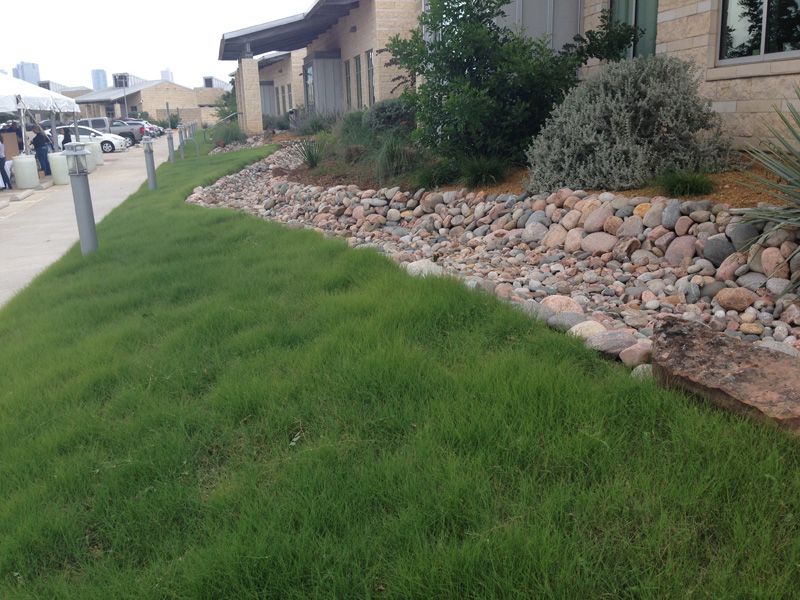
Buffalograss is a native Texas prairie grass that fits that need well, especially on sunny slopes and open banks where standard lawn grasses tend to thin out and struggle.
Buffalograss spreads by stolons, which are above-ground runners that creep across the soil surface and root as they go. On a slope, that spreading habit helps it gradually cover bare ground and build a reasonably dense turf that resists weed invasion.
It does not form the thick, lush carpet that some homeowners expect, but it creates a soft, fine-textured cover that holds soil and reduces erosion on gentle to moderate inclines.
One of the biggest advantages of buffalograss in Texas is its low water requirement once established.
It goes dormant during dry periods and cold winters, which can catch new gardeners off guard, but it tends to green back up reliably when conditions improve.
It performs best in full sun and does not do well in shade or heavily irrigated areas, where other grasses can outcompete it.
Mowing is optional with buffalograss since it stays fairly short on its own.
For homeowners looking to reduce lawn maintenance on a sunny slope without giving up a grass-like appearance, buffalograss is a practical and genuinely native option worth considering.
4. Blue Grama Fits Dry Sunny Banks
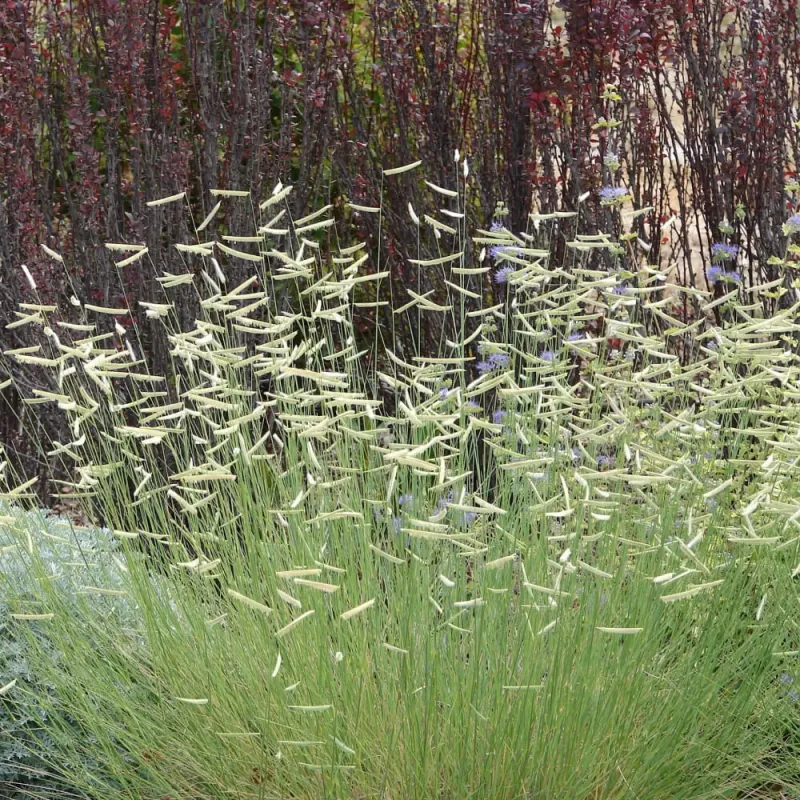
Dry, sun-baked banks are notoriously tough to plant. Soil on those exposed slopes tends to be thin, drainage is fast, and summer heat can be relentless.
Blue grama is a native prairie grass that evolved in exactly those conditions across Texas and much of the Great Plains, which makes it one of the more reliable choices for difficult sunny banks where other plants thin out or wash away.
The grass grows in low clumps and spreads modestly, forming a soft, fine-textured cover that holds soil in place. Its root system goes deep for a short grass, which helps anchor it on slopes where erosion from heavy rain is a real concern.
Blue grama is not a fast spreader, so it takes a season or two to fill in well, but once established it handles drought and lean soil with little complaint.
One of the most recognizable features of blue grama is its distinctive seed head, which curves into a shape that looks a bit like an eyelash or a small comb. That detail makes it attractive even in late summer when many grasses look tired and dry.
It stays relatively short, usually under a foot tall, and does not require mowing to look tidy.
Blue grama pairs nicely with other native Texas plants on sunny slopes and works well in low-water landscape designs.
For homeowners dealing with dry, exposed banks, it brings both practical erosion control and a bit of native character to a challenging spot.
5. Curly Mesquite Handles Lean Dry Soil
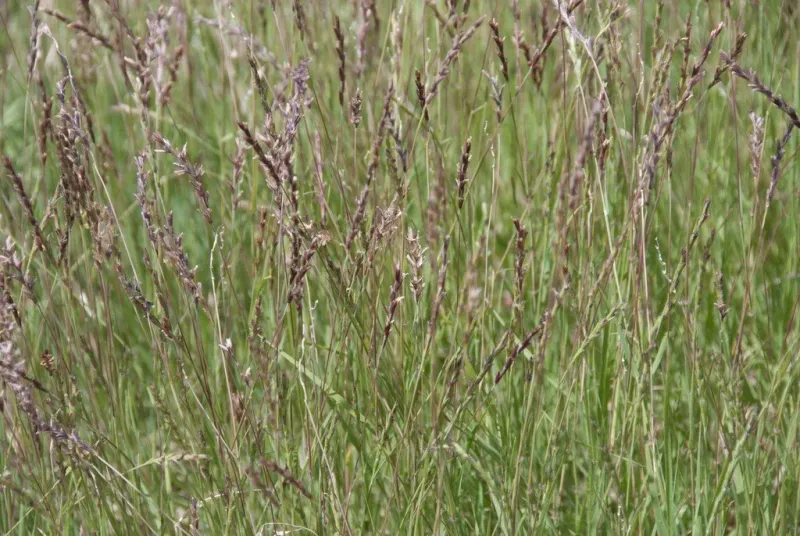
Lean, rocky soil on a Texas hillside can be one of the most discouraging places to try to grow anything. Curly mesquite grass, a native shortgrass, is well suited to those tough conditions and earns its place on dry slopes where soil fertility is low and moisture is scarce.
It is not related to the mesquite tree despite sharing part of the name, and it behaves quite differently from that thorny shrub.
Curly mesquite spreads by stolons that run along the soil surface, rooting at nodes as they extend outward. That spreading habit allows it to gradually cover bare ground on a slope and reduce the open soil where weed seeds like to land and sprout.
The coverage it creates is not as thick as a traditional lawn, but it is enough to shade soil and slow weed establishment on dry banks.
The grass gets its name from the slightly curly or wavy texture of its fine leaf blades, which give it a soft, somewhat informal look. It stays low, usually only a few inches tall, and does not require mowing.
During dry periods it may go semi-dormant, but it tends to bounce back when rain returns.
Curly mesquite does best in full sun and well-drained soil, which makes it a natural fit for the kind of dry, south-facing slopes common in central and west Texas.
Homeowners looking for a low-maintenance native option for rocky hillsides may find it a surprisingly capable choice.
6. Texas Sedge Softens Partly Shaded Slopes
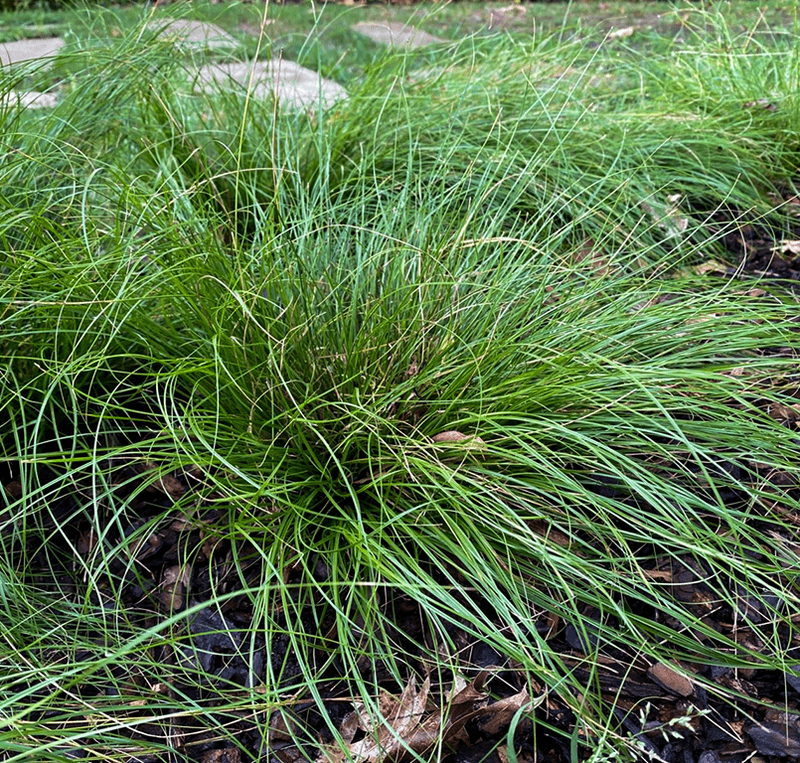
Partly shaded slopes can be tricky to plant because they do not get enough sun for most grasses but are too bright for deep-shade groundcovers. Texas sedge, known botanically as Carex texensis, sits right in that middle range and handles it gracefully.
It forms soft, arching clumps of fine green foliage that spill gently over slopes and create a naturalistic, flowing look.
Unlike some ornamental grasses that spread aggressively, Texas sedge tends to spread at a moderate pace through self-seeding and slow clump expansion. On a slope, that means it gradually fills in over time rather than taking over in a single season.
Patience helps here, but the end result on a partly shaded hillside can be a lush, low-maintenance groundcover that suppresses weeds by shading the soil beneath its arching blades.
Texas sedge stays relatively short, usually around six to ten inches tall, and rarely needs mowing.
It handles dry shade reasonably well once established, which is a valuable trait in Texas landscapes where shade often comes from drought-tolerant oaks and other deep-rooted trees that pull moisture from the surrounding soil.
It also holds up better in dry conditions than many other sedge species.
For homeowners who want something that looks soft and natural on a shaded or partly shaded slope without requiring constant attention, Texas sedge is a dependable native option.
It does best with some supplemental water during its first growing season to help it root in and begin spreading across the slope.
7. Leavenworth Sedge Adds Easy Native Coverage
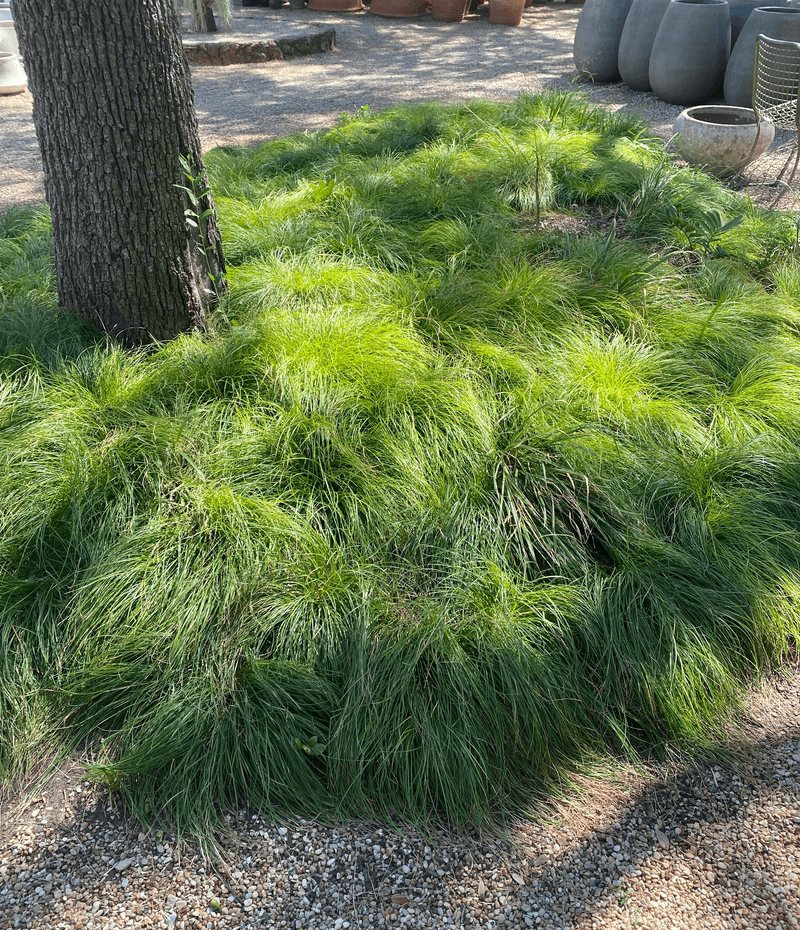
For homeowners dealing with shaded slopes that seem to resist every planting attempt, Leavenworth sedge offers a quieter solution that often goes unnoticed until it has filled in beautifully.
Carex leavenworthii is a fine-textured native sedge found naturally in moist, shaded spots across parts of Texas, and it adapts well to the kind of partly shaded residential slopes that can be so frustrating to cover.
Leavenworth sedge spreads by both seed and rhizomes, which gives it two ways to fill in gaps on a slope over time.
The foliage stays low and dense, forming a mat-like surface that shades the soil and makes it harder for weed seeds to find the light and space they need to sprout.
That weed-suppressing quality becomes more noticeable as the sedge fills in through its second and third seasons.
It performs best in part shade to full shade and appreciates a bit more moisture than some of the sun-loving grasses on this list.
On slopes near downspouts, under tree canopies, or along north-facing banks, Leavenworth sedge tends to settle in and spread without much encouragement.
It does not need mowing and stays tidy on its own throughout the growing season.
Leavenworth sedge is not widely sold in every Texas garden center, so sourcing it from a native plant nursery may take a bit of extra effort.
That effort tends to pay off for homeowners who want a genuinely native, low-care option for difficult shaded slopes where other groundcovers have not worked out well.