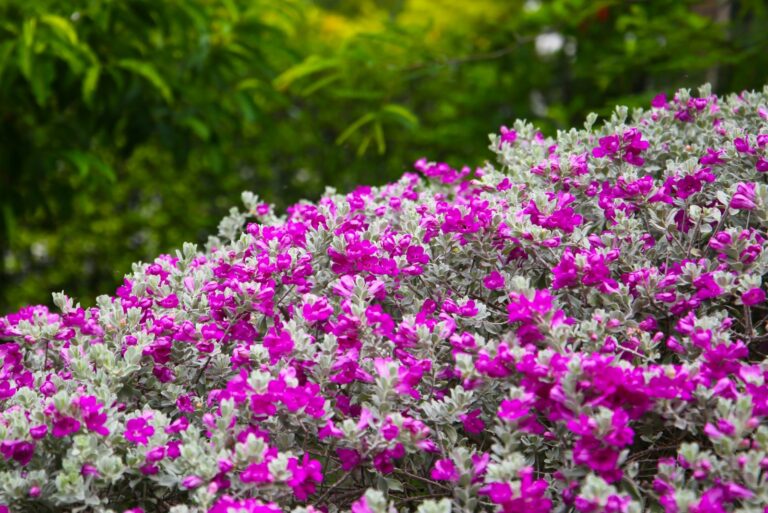
The Most Profitable Plants Texans Can Grow At Home
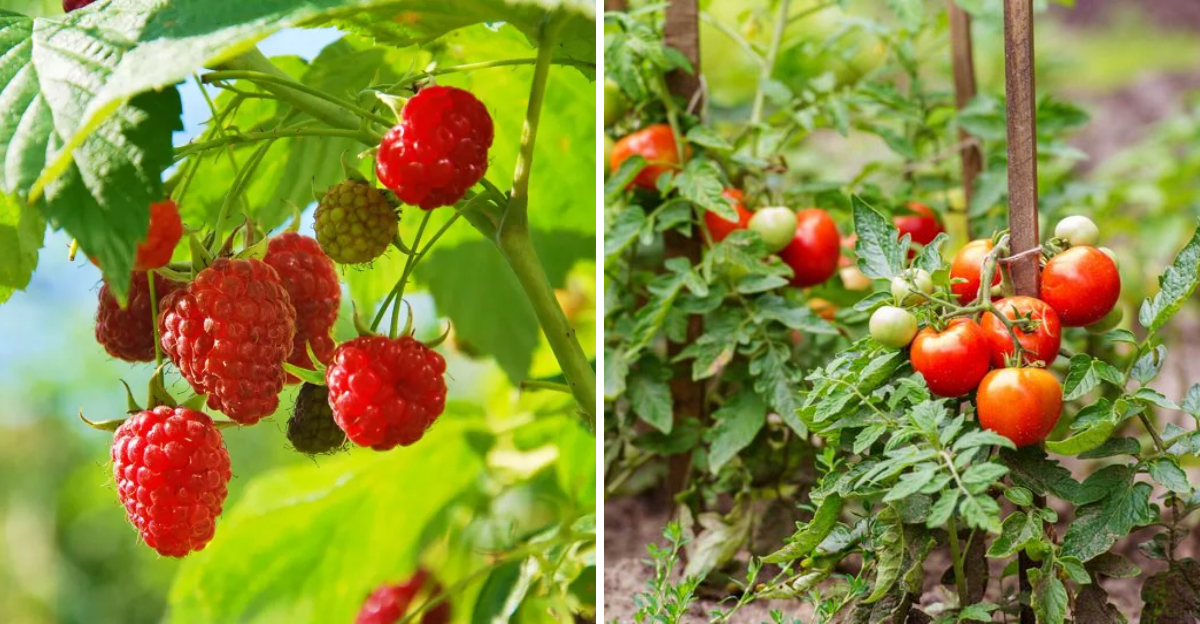
Growing plants at home in Texas can be rewarding in more ways than one. Beyond adding beauty and freshness to your yard, some plants have the potential to bring in extra income.
With the right choices, Texans can turn their gardens into productive spaces that are both enjoyable and profitable.
Certain herbs, fruits, and vegetables thrive in Texas’ warm climate and long growing season, making them excellent candidates for home cultivation.
These plants are not only in demand at local markets, farmers’ stands, and online, but they also often require minimal space and care compared to larger crops.
Flowers, specialty herbs, and high-yield vegetables can offer quick returns for anyone willing to put in a little attention.
By focusing on plants that grow well in Texas conditions and have a strong market value, homeowners can maximize their garden’s potential. With planning and effort, your backyard can become a source of beauty, food, and income all at once.
1. Zucchini (Cucurbita Pepo)
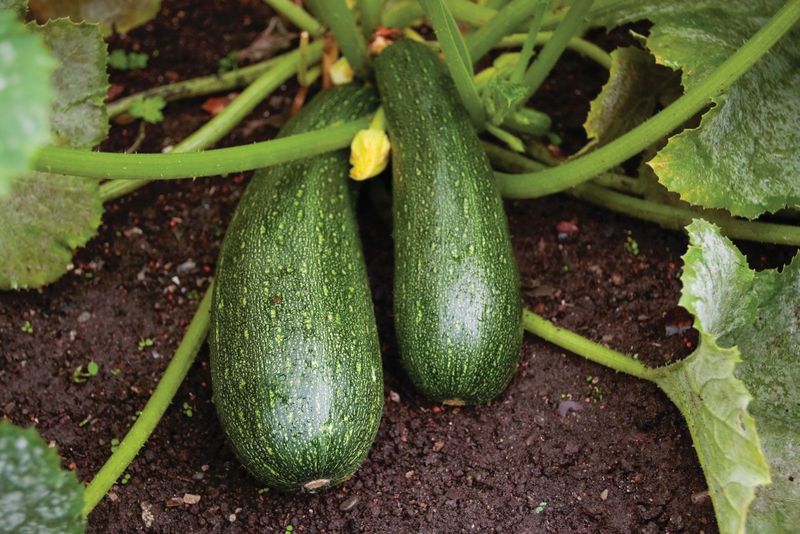
Few vegetables can keep up with zucchini when it comes to speed and output. This fast-growing summer squash can go from seed to harvest in as little as 50 days.
In Texas, the warm weather and long growing season make it an absolute winner for home growers looking to earn extra cash.
At farmers markets across the Lone Star State, fresh zucchini sells quickly. Shoppers love it because it is versatile in the kitchen.
You can sell it by the pound, bundle it with other veggies, or even make baked goods to boost your profits even more.
Plant your zucchini in full sun with well-drained soil. The more sunlight it gets, the better it will produce.
One important tip: harvest your zucchini frequently. If you leave them on the vine too long, they get too big and the plant slows down production. Picking often actually encourages the plant to keep making more fruit.
Space your plants about three feet apart so air can circulate freely. Good airflow helps prevent mold and disease.
With just a few plants, a Texas home grower can easily bring in pounds of zucchini every week throughout the summer growing season.
2. Cucumbers (Cucumis Sativus)
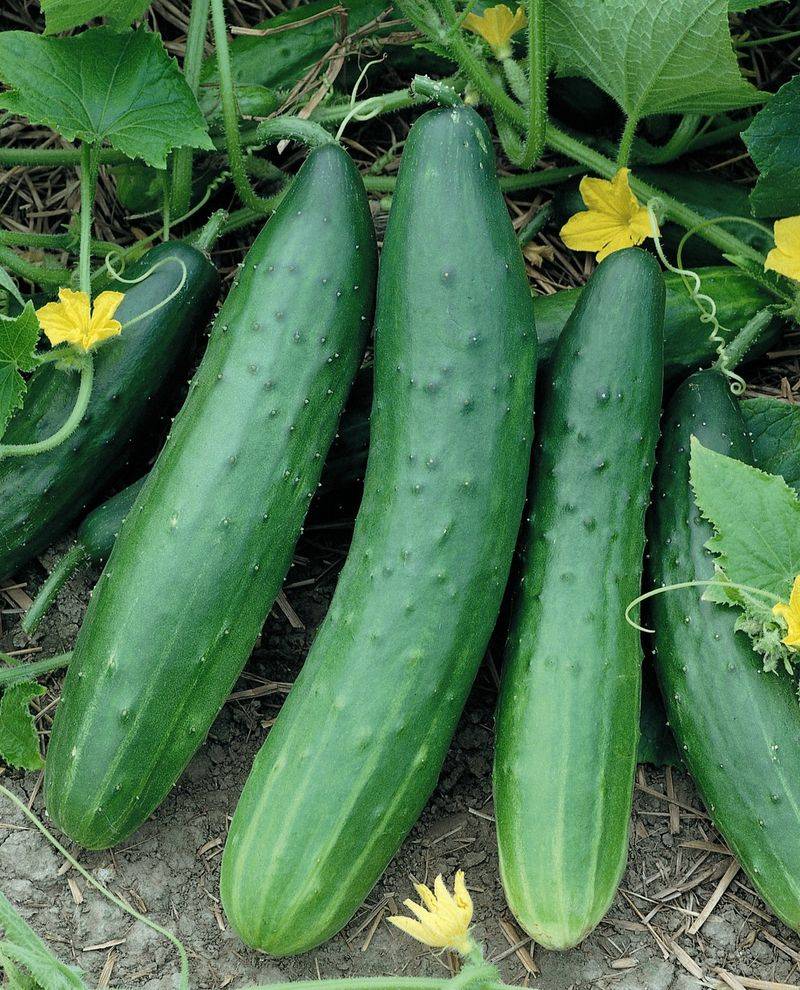
Walk through any Texas farmers market on a Saturday morning and you will almost always see cucumbers selling fast. People love them for fresh salads, snacking, and especially for making homemade pickles.
That steady demand is exactly why cucumbers are one of the smartest plants a Texas home grower can choose.
A single cucumber plant can produce a surprisingly large amount of fruit over the course of a season. The trick is to give them what they need: consistent water, good sunlight, and a trellis to climb.
Growing cucumbers vertically saves space in your garden and makes harvesting much easier too.
In Texas, you can start cucumber seeds indoors in early spring and transplant them outside once temperatures stay warm. They love heat, so Texas summers are basically perfect for them.
Just make sure you water them evenly. Uneven watering can cause bitter-tasting fruit, which nobody wants to buy.
Your Texas Garden Changes Every Week. Your Plan Should Too.
Gardening in Texas changes quickly throughout the season. Every Friday you’ll receive a simple weekly plan showing exactly what to plant, prune, fertilize, harvest, and protect so you never miss the right timing.
For the best results, look for high-yield varieties like Marketmore or Straight Eight. Pickling varieties such as Calypso are also great sellers.
Selling fresh cucumbers at local markets or even to neighbors can bring in solid returns with very little investment from you.
3. Mushrooms (Oyster Or Shiitake)
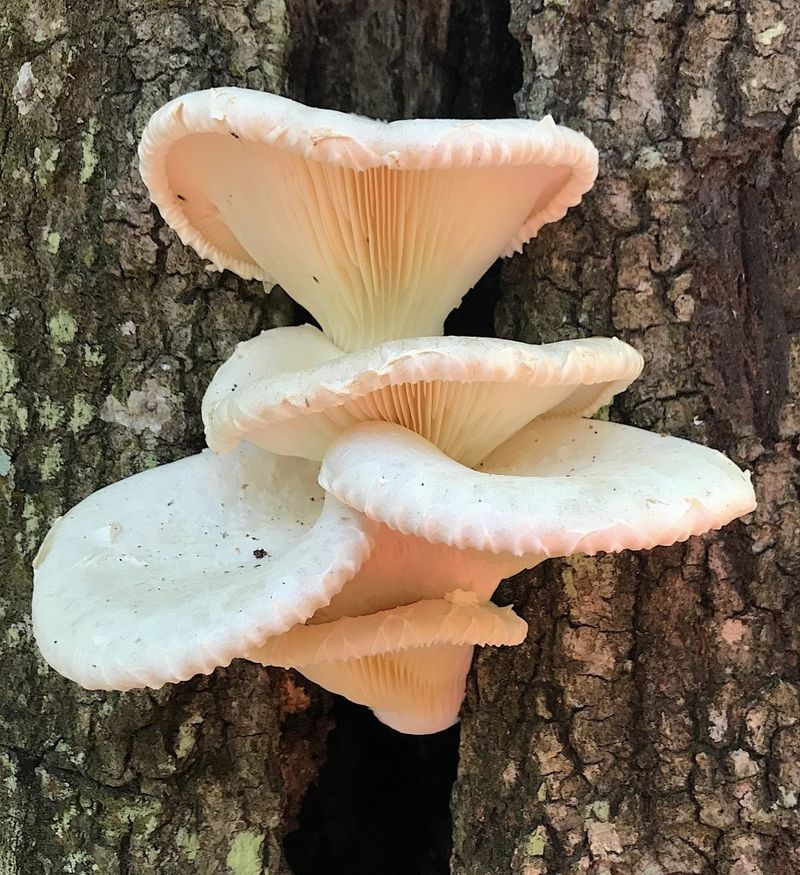
Here is something most people do not think about when they picture a home garden: mushrooms. Gourmet mushrooms like oyster and shiitake can sell for anywhere from $10 to $20 per pound at specialty markets and restaurants.
That kind of price tag makes them one of the most profitable crops per square foot you can grow in Texas.
The best part is that you do not even need outdoor space to grow them. Mushrooms thrive indoors or in shaded areas, making them perfect for apartment dwellers or anyone with a small yard.
You can grow them on logs, sawdust blocks, or even purchase ready-to-grow kits to get started quickly and easily.
Humidity and temperature control are the two biggest factors for success. Oyster mushrooms prefer temperatures between 55 and 75 degrees Fahrenheit and high humidity around 80 to 95 percent.
A simple spray bottle and a humidity gauge are often all you need to manage your growing environment.
Chefs and health-conscious shoppers across Texas are always looking for locally grown gourmet mushrooms.
Once you build a reputation as a reliable supplier, repeat customers can provide a very steady and predictable income stream month after month throughout the year.
4. Raspberries (Rubus Idaeus)
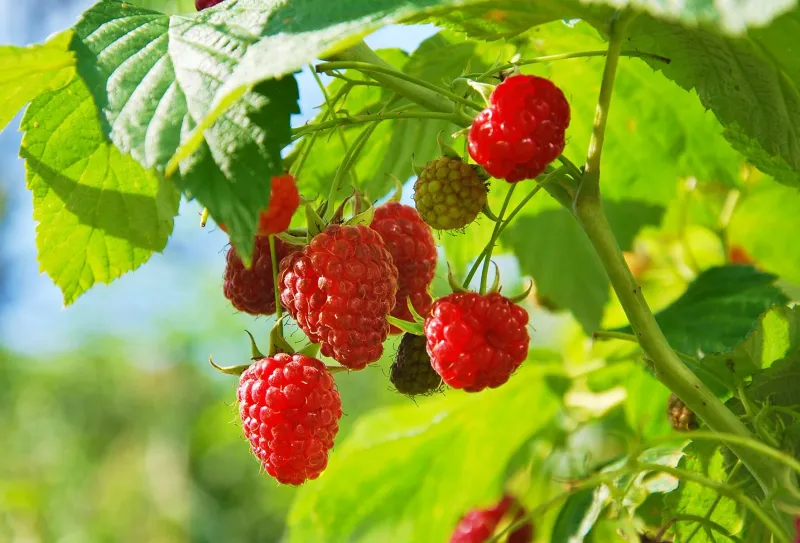
Raspberries are one of those fruits that people genuinely get excited about. Fresh raspberries at a farmers market almost never sit on the table for long.
They sell out fast, and because they are delicate and do not ship well from large farms, locally grown berries always have a clear advantage in the Texas market.
Beyond fresh sales, raspberries open up extra income opportunities. You can make jams, jellies, and preserves to sell alongside your fresh berries.
Value-added products like these can double or even triple your earnings from the same harvest. Shoppers in Texas love artisan-made food products, and raspberry jam is always a crowd favorite.
Growing raspberries in Texas does take a little planning. Choose heat-tolerant varieties that can handle the state’s warm summers.
Plant them in a spot with full sun and well-drained soil. Raised beds work especially well because they prevent waterlogging around the roots.
Pruning in late winter is one of the most important steps for a strong harvest. Remove old canes and let new growth come in strong.
With proper care, raspberry plants can produce fruit for many years. That long lifespan makes your initial investment pay off more and more over time.
5. Lettuce (Lactuca Sativa)
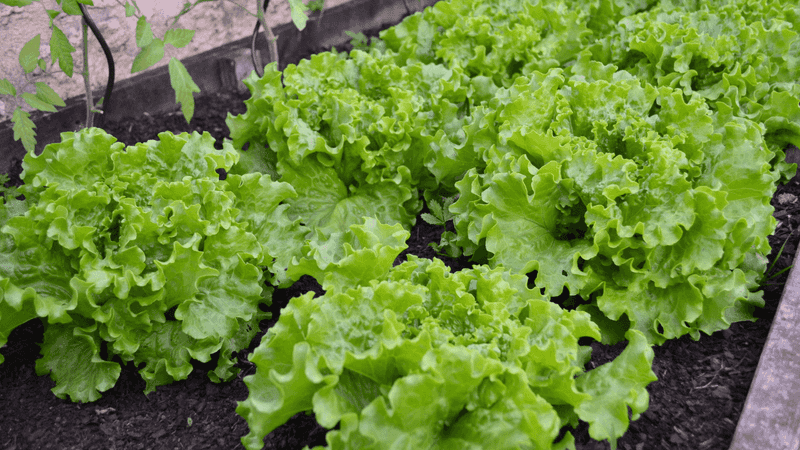
Speed is money in the world of home growing, and lettuce is one of the fastest crops you can put in the ground. Some varieties are ready to harvest in as little as 30 days.
That quick turnaround means you can grow multiple rounds of lettuce in a single season, which adds up to a lot of product and a lot of potential profit.
Texas growers can plant lettuce in early spring and again in fall when temperatures cool back down. The mild winters in many parts of Texas even allow for year-round growing in some regions.
That extended growing window gives Texas home growers a real edge over gardeners in colder states.
Selling lettuce at farmers markets or through CSA boxes is a smart move. Mixed salad greens and specialty varieties like butterhead, romaine, and red leaf tend to command higher prices than plain iceberg.
Customers who care about fresh, local food are willing to pay a premium for quality greens they cannot find at a regular grocery store.
Grow lettuce in containers or raised beds for easy management. Harvest outer leaves regularly to keep the plant producing.
This cut-and-come-again method stretches your harvest window and keeps fresh product coming in week after week throughout the Texas growing season.
6. Cherries (Prunus Spp.)
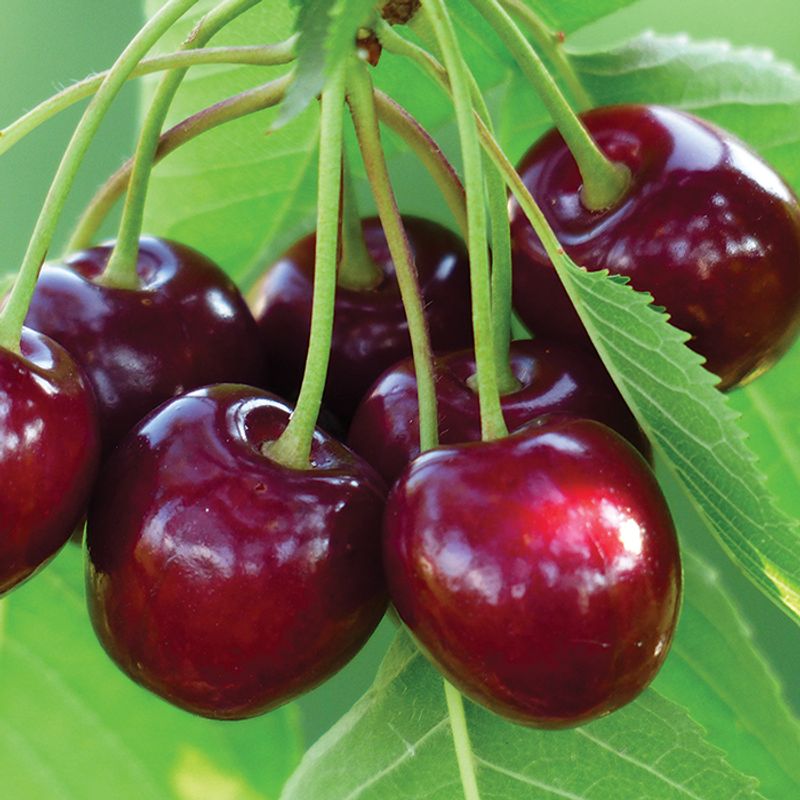
Fresh cherries are a luxury that many Texas shoppers are happy to pay top dollar for, especially when they are locally grown.
The short spring season makes them feel special and rare, which only drives up demand at markets and roadside stands across the state. Growing cherries at home in Texas puts you right in the middle of that excitement.
Choosing the right variety is everything when it comes to cherries in Texas. Look for cold-hardy and heat-tolerant varieties that are bred to handle the state’s sometimes unpredictable weather.
Barbados cherry, also known as acerola, is a popular choice for Texas growers because it adapts well to the local climate and produces abundantly.
Plant your cherry trees in a spot that gets full sun for at least six to eight hours a day. Good drainage is critical because cherry trees do not like sitting in wet soil for extended periods.
Raised planting areas or slightly sloped ground can help prevent drainage issues in heavier Texas soils.
Patience is required with cherry trees since they take a few years to start producing well. But once they do, the rewards are significant.
Fresh cherries at Texas farmers markets can sell for several dollars per pound, making the wait very much worth your while.
7. Blueberries (Vaccinium Spp.)
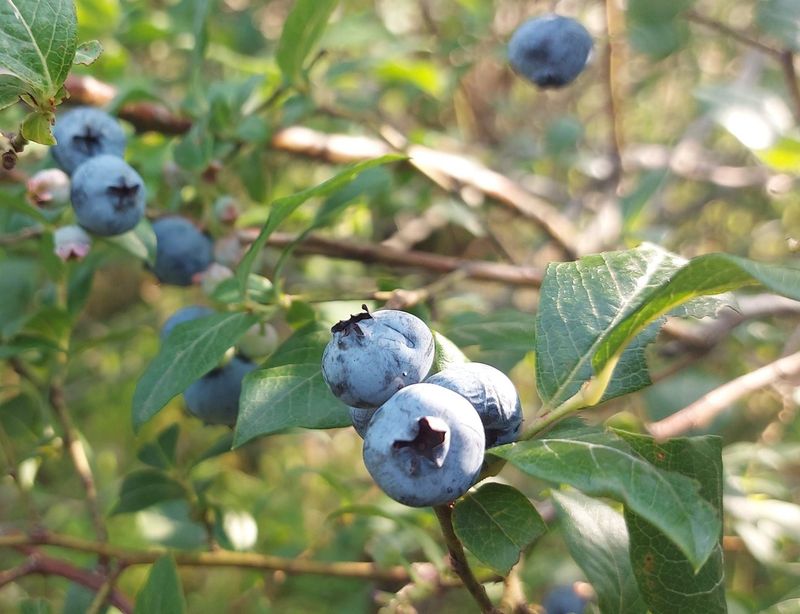
Ask any farmers market vendor in Texas what customers reach for first in the summer, and blueberries will almost always come up.
These little blue gems are wildly popular, and locally grown organic berries can fetch premium prices that make them well worth the effort to grow at home.
Blueberries do have one specific requirement that Texas growers need to plan for: acidic soil. They need a soil pH between 4.5 and 5.5 to really thrive.
Most Texas soils are naturally alkaline, so you will need to amend your soil with sulfur or use a specially prepared acidic growing mix in raised beds or containers.
East Texas is actually one of the best regions in the state for blueberry production because the soil there is naturally more acidic. Varieties like Tifblue and Brightwell perform especially well in the Texas climate.
Plant them in full sun and water them consistently, but avoid overwatering since soggy roots will hurt your harvest.
Once established, blueberry bushes can produce fruit for 20 years or more. That long productive life makes them one of the best long-term investments a Texas home grower can make.
Selling fresh or frozen blueberries, or even blueberry preserves, can bring in reliable income season after season.
8. Tomatoes (Solanum Lycopersicum)
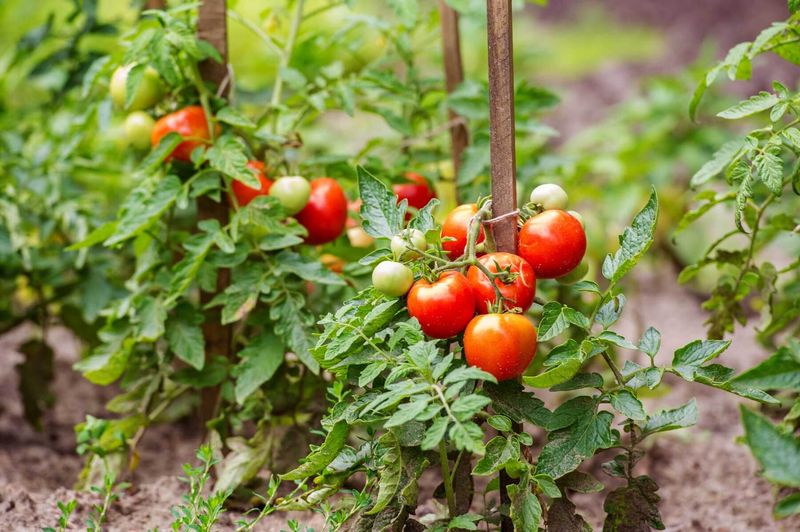
There is nothing quite like a vine-ripened tomato fresh from the garden, and Texas shoppers know it. Heirloom and specialty tomato varieties are some of the hottest sellers at farmers markets across the state.
Colorful varieties like Cherokee Purple, Brandywine, and Sun Gold cherry tomatoes can sell for two to three times the price of regular store tomatoes.
Texas has a long growing season that is perfect for tomatoes. You can plant a spring crop and then a fall crop in the same year.
That double-season opportunity means more harvests and more chances to earn money. Starting seeds indoors about six to eight weeks before your last frost date gives your plants a strong head start.
Tomatoes need full sun, at least eight hours a day, and they love the Texas heat. Use cages or sturdy stakes to support your plants as they grow.
Regular fertilization with a balanced fertilizer keeps them producing strong throughout the season. Watch for common issues like blossom end rot, which is usually caused by inconsistent watering.
Selling tomatoes at local markets, to restaurants, or through neighborhood sales can be very rewarding. Once customers taste a real homegrown Texas tomato, they will come back for more every single week without fail.
9. Green Onions (Allium Fistulosum)
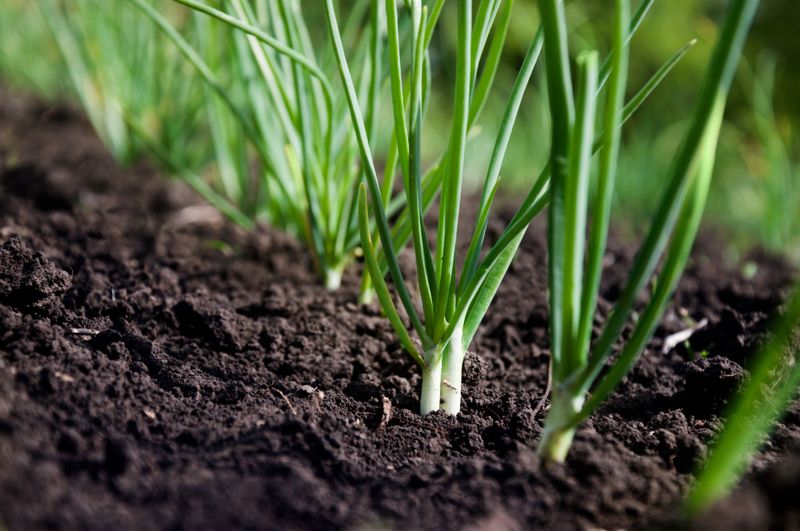
Do not underestimate the little green onion. This humble vegetable is one of the fastest and easiest crops a Texas home grower can produce for profit.
From seed to harvest, green onions can be ready in as few as three to four weeks. That rapid turnaround makes them a smart choice for anyone who wants to start selling quickly without a long wait.
Green onions are used in everything from tacos to salads to soups, which means demand never really slows down. Texas has a vibrant food culture that celebrates fresh ingredients, and local green onions are always a welcome sight at farmers markets and roadside stands.
Bunching them neatly and selling by the bundle is a simple and effective way to move product fast.
Sow seeds directly into the ground in early spring, or even in late winter in South Texas where temperatures stay mild.
You can also grow them in containers on a patio or balcony with great results. Water them regularly and give them a spot with good sunlight for the best growth.
One of the best things about green onions is that you can harvest them continuously. Cut the tops and let the base regrow for multiple harvests from a single planting.
That ongoing production keeps your supply steady and your customers coming back regularly.