How Florida Gardeners Should Prune A Leggy Shrub Without Destroying Spring Blooms
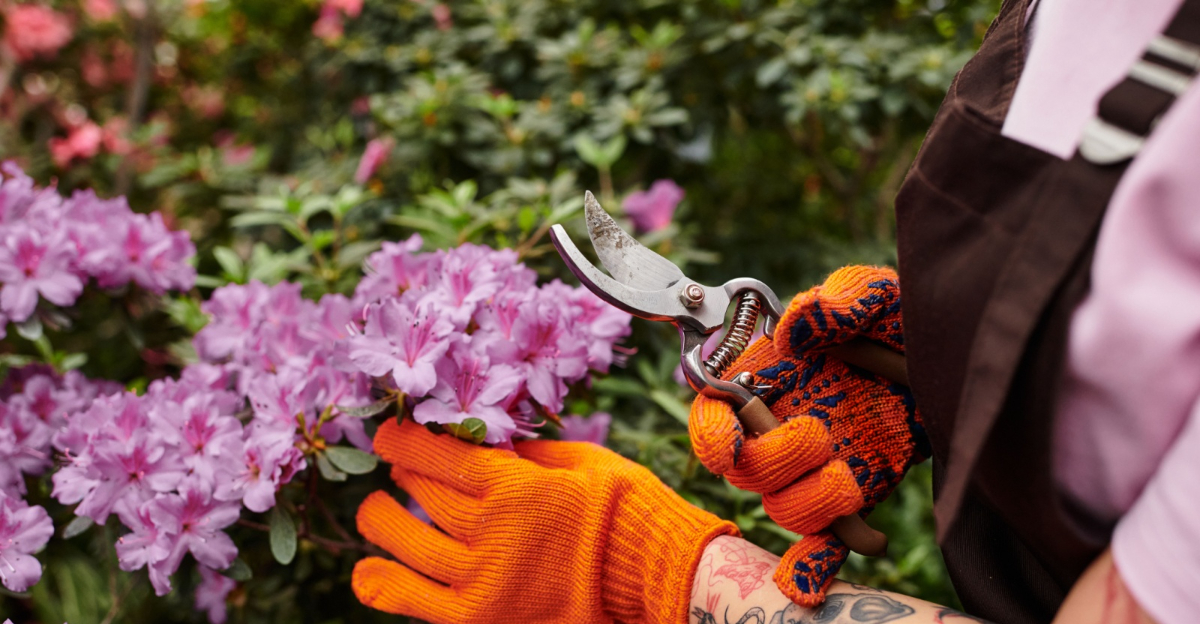
Pruning a leggy shrub in spring feels like a calculated risk, and in Florida, the margin for error is pretty slim. Go in too early or cut too hard and those flower buds that formed on last season’s wood are gone, taking your spring color display with them.
It is one of the most common and most frustrating pruning mistakes Florida gardeners make, and it happens across foundation beds, hedges, and fence lines all over the state every year.
But here is the thing, you do not have to choose between tidy shrubs and spring blooms.
Understanding how a shrub produces its flowers and applying the right pruning approach for that specific plant makes it very possible to get both.
The key is knowing what you are working with before you pick up the shears.
1. Identify When The Shrub Blooms First
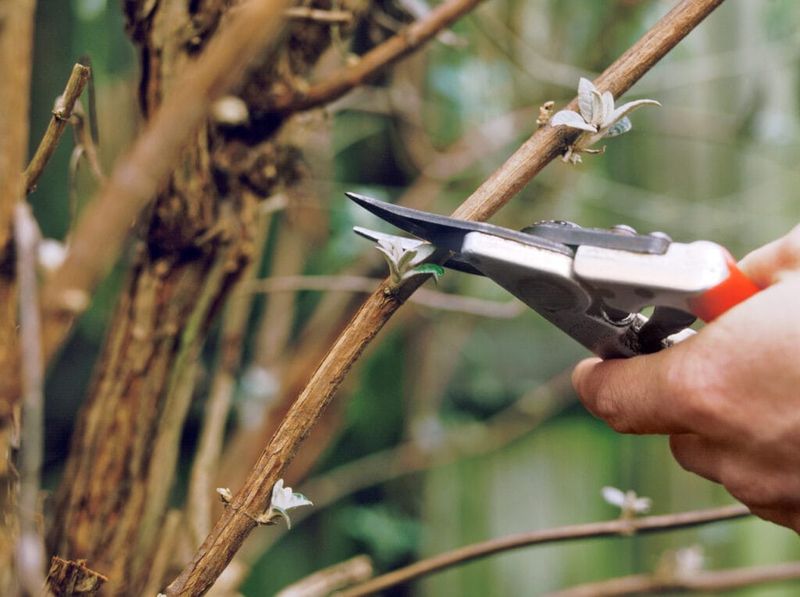
Spring pruning often goes wrong before a single cut is ever made, and the reason is simple: most gardeners reach for the pruners without knowing whether their shrub blooms on old wood or new growth.
That one detail changes everything about when and how much you should cut.
Shrubs that bloom on last season’s wood, such as azaleas and certain viburnums, have already set their flower buds by the time fall arrives in Florida. Cutting those stems in late winter or early spring means removing buds that were quietly waiting to open.
Shrubs that bloom on current-season growth, on the other hand, push out fresh stems first and then produce flowers on those new branches later in the season.
Gardeners should take a few minutes to identify their shrub before touching it with any tool. Check the plant tag if it is still around, or look up the species name online using a reliable extension resource.
Pay attention to when the shrub typically blooms in your region of Florida, whether that is late winter, early spring, or summer.
Once you know the bloom habit, you have a solid starting point for planning a pruning approach that protects your flowers while still addressing those long, stretched stems that make the plant look untidy in the landscape.
2. Wait Until Spring Bloomers Finish Flowering
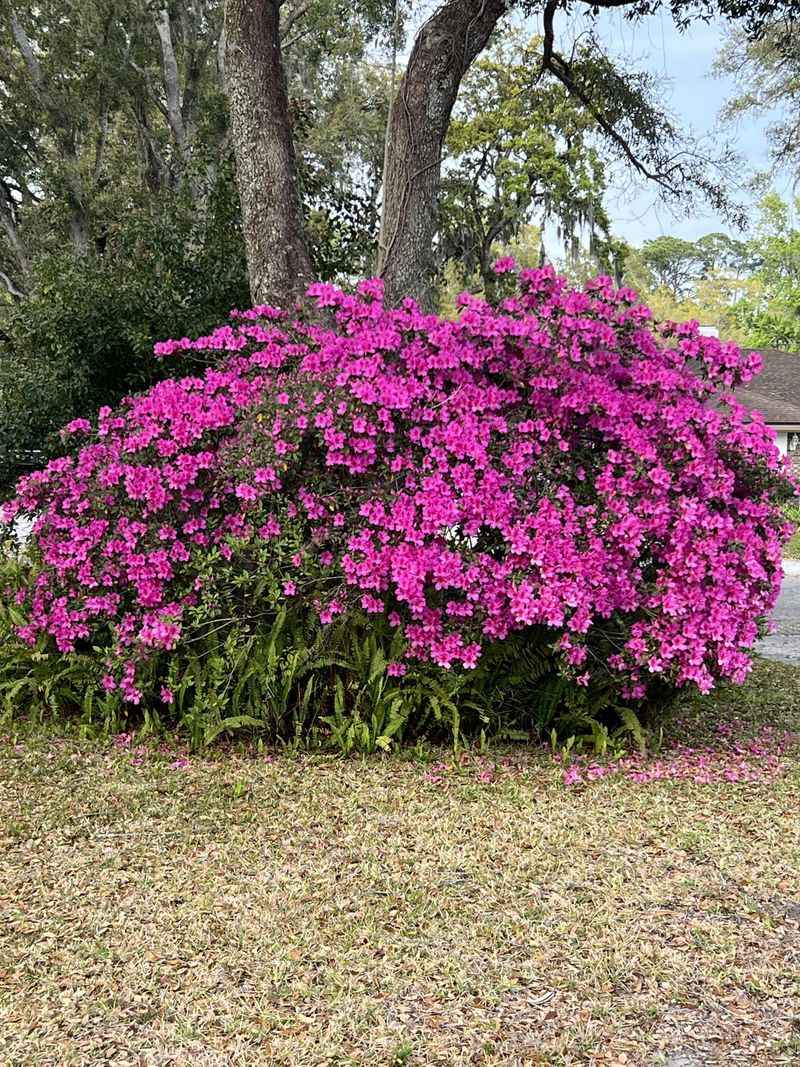
Watching a leggy shrub bloom while knowing it desperately needs pruning takes patience, but that patience pays off in a big way. Spring-blooming shrubs that flower on last season’s wood should be pruned after the flowers fade, not before they open.
In Florida, spring comes early and moves fast. Azaleas, for example, can begin blooming as early as late February in some parts of the state.
Once those blooms drop and the petals fade, that post-bloom window is the right time to start shaping.
Pruning soon after flowering gives the shrub enough of the warm growing season ahead to push new branches, which will then mature over summer and set next year’s flower buds by fall.
Waiting does not mean delaying indefinitely. The sooner you prune after blooms fade, the more growing time the shrub has before it needs to set buds again.
Your Florida Garden Changes Every Week. Your Plan Should Too.
Gardening in Florida changes quickly throughout the season. Every Friday you’ll receive a simple weekly plan showing exactly what to plant, prune, fertilize, harvest, and protect so you never miss the right timing.
Letting a spring bloomer sit unpruned well into summer can cut into that recovery window, especially in South Florida where the calendar shifts differently than in North or Central Florida.
Mark your calendar when the first blooms open so you know roughly when to expect them to fade.
That simple habit can help gardeners stay on schedule and avoid accidentally pruning at the wrong point in the season.
3. Avoid Cutting Off Last Season’s Buds
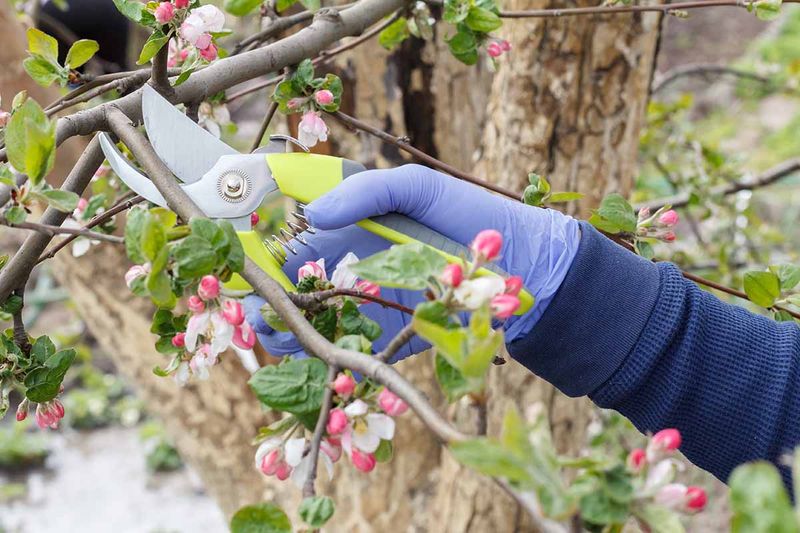
One of the most common pruning mistakes Florida homeowners make is cutting back a spring-flowering shrub in January or February, thinking they are getting a head start on spring cleanup.
The problem is that those older stems are likely carrying flower buds that formed back in late summer or early fall.
Flower buds on old wood can be easy to spot once you know what to look for. They tend to look slightly rounder and plumper than leaf buds, which are usually more narrow and pointed.
On an azalea, for instance, you might notice clusters of small, rounded buds sitting along branches that grew during the previous season. Removing those branches before they bloom means losing those flowers entirely for that year.
Gardeners working in foundation beds or mixed borders should slow down and inspect stems closely before making cuts during winter months.
If you are unsure whether the buds you see are flower buds or leaf buds, wait a few more weeks and watch what happens.
Warm Florida temperatures often push those buds into visible movement fairly quickly. Cutting conservatively and observing how the plant responds is a reasonable approach when you are still learning the bloom habits of a particular shrub in your landscape.
Protecting those buds is the most direct way to protect your spring color.
4. Use Thinning Cuts To Open The Shrub
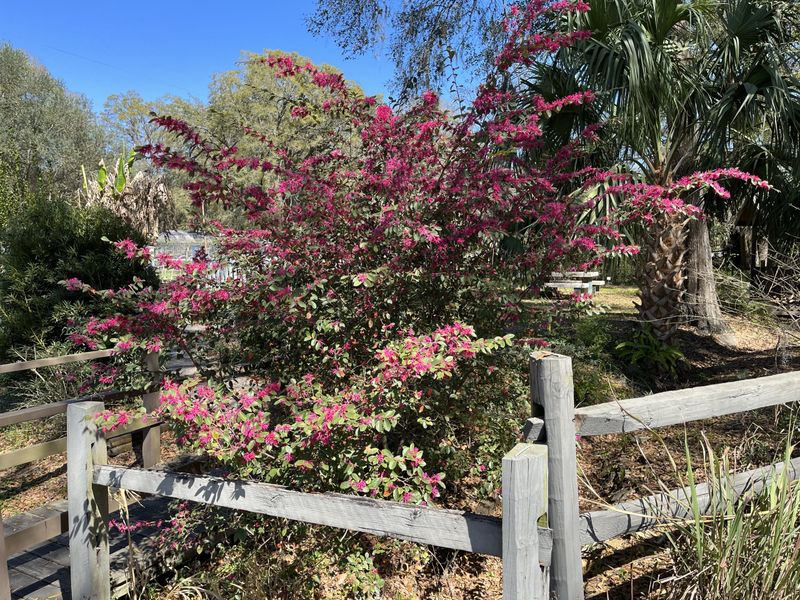
Thinning cuts are one of the most useful tools a gardener has when trying to reduce legginess without losing spring flowers.
Unlike shearing, which clips the tips of many branches at once, thinning removes individual stems all the way back to their point of origin.
When you thin a shrub, you are taking out selected branches at the base or back to a larger supporting branch.
This opens up the interior of the plant, lets more light and air reach the center, and reduces the overall bulk of the shrub without triggering a rush of dense, brushy regrowth along the outer edges.
The result tends to look more natural than a sheared hedge and often keeps more of the flowering wood intact.
For leggy shrubs in Florida landscape beds, thinning can be done carefully even during the spring bloom window, as long as you are selective about which branches you remove.
Focusing on the longest, most stretched stems while leaving shorter flowering branches alone is a practical way to tidy the plant without stripping away your spring display.
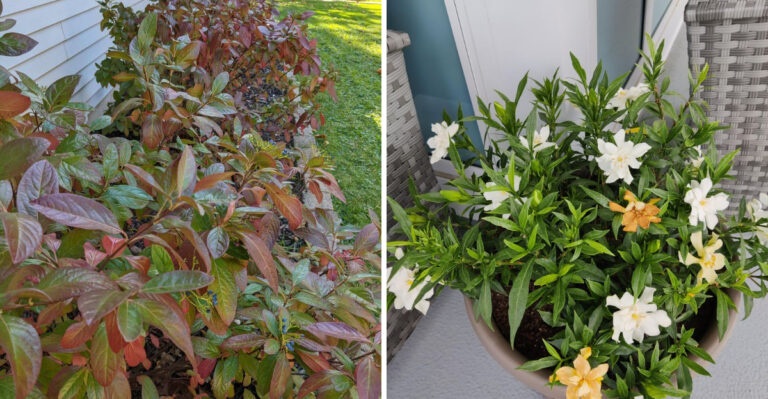
Thinning works especially well on shrubs with an open, arching form, such as certain gardenias, loropetalums, or native Florida shrubs used in mixed borders.
Sharp bypass pruners make cleaner cuts than anvil-style tools and are worth the investment for this kind of careful work.
5. Remove Crossing Or Crowded Branches
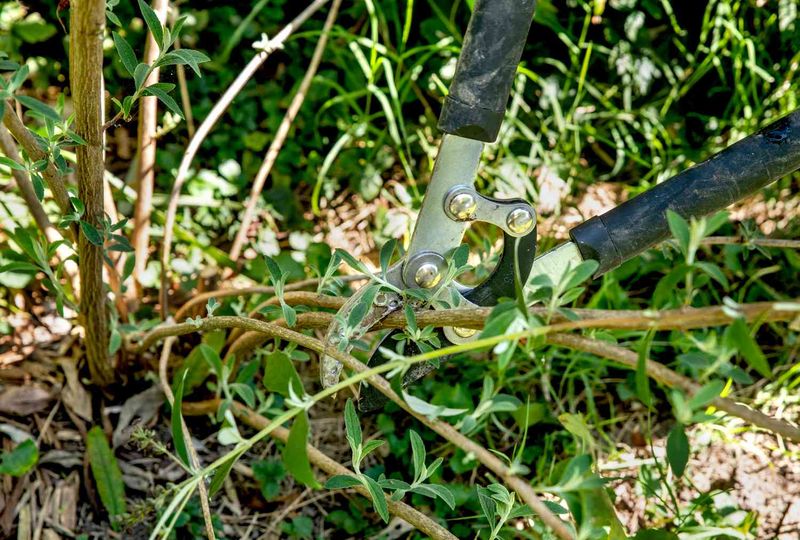
Crowded branches do more than make a shrub look messy. When stems rub against each other repeatedly, the bark can wear away, creating entry points for pests and disease organisms that thrive in Florida’s warm, humid climate.
Removing crossing or crowded branches is a practical pruning step that improves both the health and the appearance of the plant.
Start by stepping back and looking at the shrub from a few feet away.
Identify branches that are growing toward the center of the plant rather than outward, stems that cross over other main branches, and any growth that is so tightly packed it blocks airflow through the canopy.
These are the candidates for removal, regardless of whether the shrub is a spring bloomer or a summer bloomer.
In Florida’s humid conditions, good airflow through a shrub’s canopy can reduce the likelihood of fungal issues like powdery mildew or leaf spot, which show up on many ornamental shrubs during the rainy season.
Selectively removing crowded growth addresses legginess while doing something genuinely useful for the plant’s long-term structure.
Try to make each cut back to a healthy side branch or the main stem, leaving no long stubs behind. Short stubs left on a branch can become problem spots over time, so a clean cut at the right location gives the plant a better chance to seal over the wound properly.
6. Cut Back To A Healthy Bud Or Branch
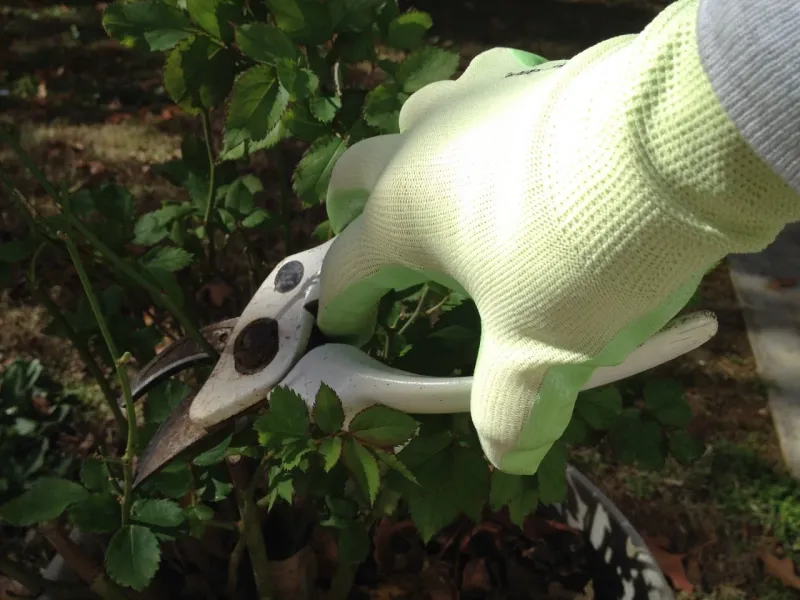
Where you make a cut matters just as much as when you make it. Cutting back to a healthy bud or side branch gives the shrub a clear growing point to push from, and it keeps the plant from wasting energy trying to push growth from a long, deceased stub.
A good rule of thumb is to cut just above a bud or side branch that is facing outward, away from the center of the plant. This encourages the new growth that follows to extend outward rather than crossing back through the interior.
The cut itself should be angled slightly so water runs away from the bud rather than pooling on the cut surface, which can invite rot in Florida’s rainy conditions.
Avoid leaving long stubs when pruning flowering shrubs. A stub with no bud or branch to support it will eventually dry out and may become an entry point for wood-boring insects or fungal pathogens.
Florida’s warm climate keeps pest and disease pressure active for more months of the year than in cooler states, so clean cuts are genuinely worth the extra attention. Make sure your pruners are sharp before you start.
Dull blades crush and tear plant tissue rather than slicing cleanly, and damaged tissue takes longer to seal. Wiping blades with a disinfectant between plants is also a good habit, especially if you suspect any disease issues in your landscape beds.
7. Shape Lightly Instead Of Shearing Hard
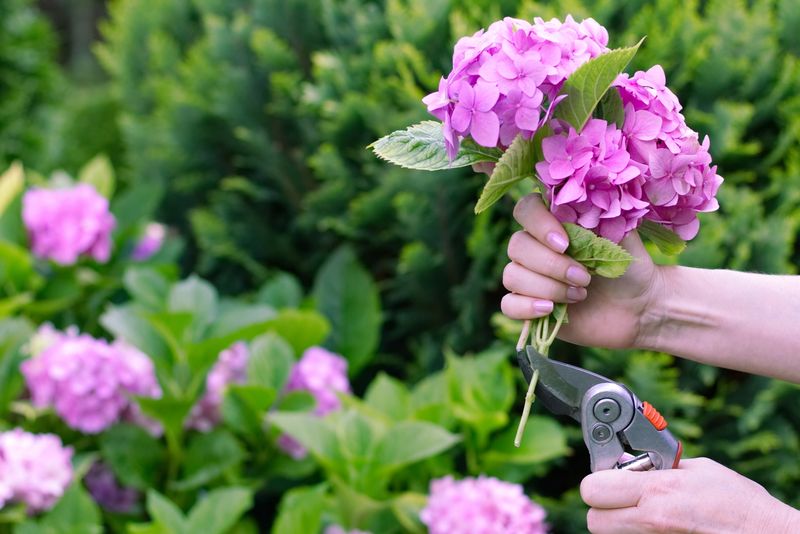
Hedge shears are a common sight in Florida landscapes, and they work well for formal hedges where a tight, clipped look is the goal.
For flowering shrubs that you want to keep blooming, though, heavy shearing can work against you in ways that are not always obvious at first.
When you shear a shrub hard, you remove a large amount of stem tips all at once. On a spring bloomer, many of those tips may be carrying flower buds.
Even on shrubs that bloom later in the season, aggressive shearing encourages a flush of dense, twiggy outer growth that can shade out the interior and shift the plant’s energy toward producing leaves rather than flowers.
Over several seasons of heavy shearing, some shrubs gradually stop blooming well.
Light shaping with hand pruners gives you much more control. You can selectively remove the longest, most stretched stems while leaving shorter, well-placed branches intact.
For a leggy shrub in a Florida foundation bed or mixed border, this kind of careful shaping can reduce the rangy appearance without stripping away the season’s flowers.
It also tends to preserve a more natural, graceful form that suits flowering shrubs better than a hard, boxy outline.
If a shrub has grown significantly out of proportion with the space it occupies, light shaping over two or three seasons may be a more effective long-term approach than one dramatic cutback.
8. Save Renewal Pruning For The Right Shrubs
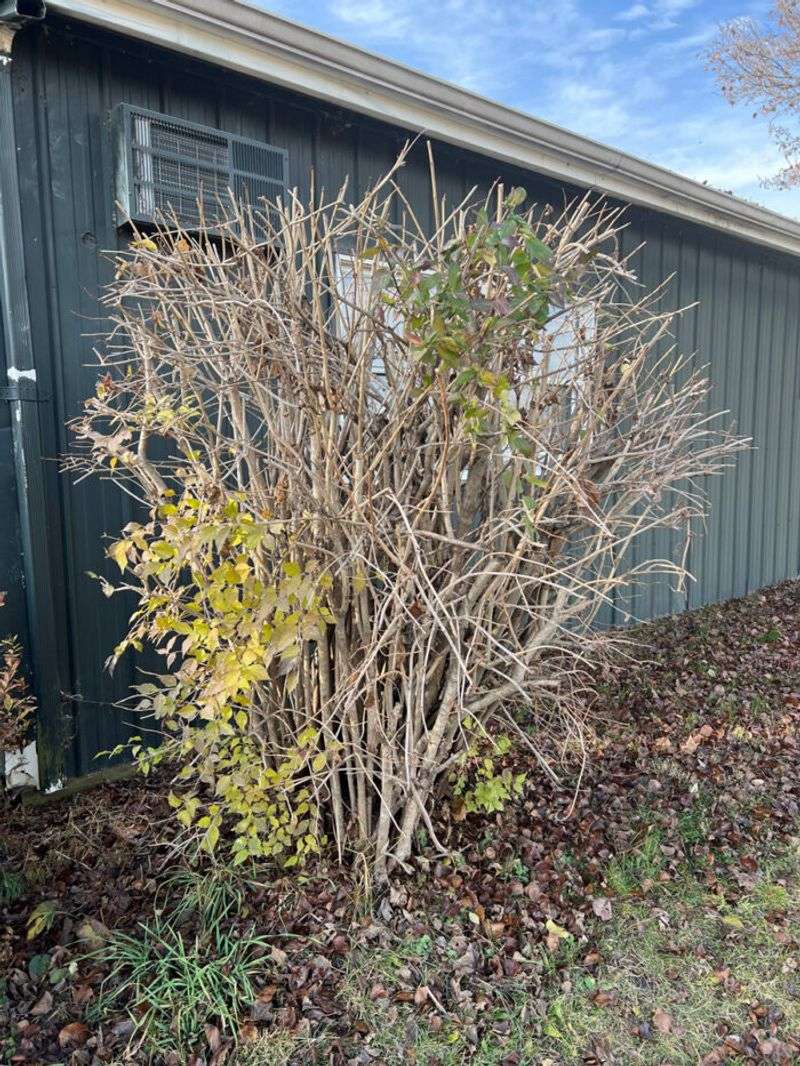
Renewal pruning, sometimes called rejuvenation pruning, involves cutting a shrub back quite hard to encourage a fresh framework of new growth.
It can be a genuine solution for certain overgrown, woody shrubs that have become too leggy to fix with light shaping alone.
The catch is that renewal pruning is not the right move for every shrub in a Florida landscape.
Some shrubs handle hard cutbacks well and push vigorous new growth from the base or from older wood. Others respond poorly, especially if they are already stressed, recently planted, or struggling with poor soil drainage, drought, or pest pressure.
Spring-blooming shrubs cut back hard before flowering will lose that season’s blooms entirely, which may be an acceptable trade-off in some cases but is worth understanding before you start cutting.
Gardeners considering renewal pruning should research whether their specific shrub species responds well to that treatment. A loropetalum, for example, can often handle a significant cutback and bounce back with healthy new growth.
A gardenia that is already struggling in a poorly drained spot may not recover as reliably. Plant species, age, overall health, and site conditions all influence how a shrub responds to heavy pruning.
When in doubt, a staged approach over two seasons, removing roughly one-third of the oldest stems per year, can achieve a similar renewal effect with less risk to the plant.