How To Grow A Lush Rosemary Plant In A Pot In Texas With This One Trick
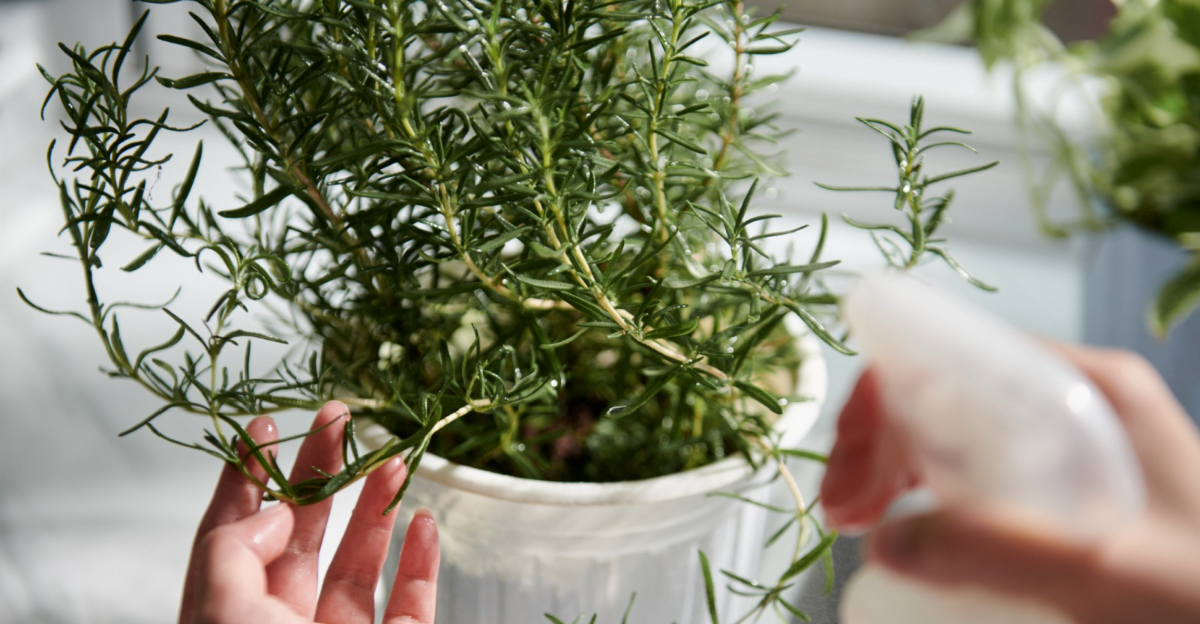
If rosemary could pick its own living situation in Texas, it would absolutely choose a pot. No question.
This Mediterranean herb has very strong opinions about its roots, and Texas soil, with all its heavy clay, unpredictable rainfall, and scorching summer heat, is not exactly what rosemary had in mind.
Growing it in the ground across much of the state can feel like a constant uphill battle. But a container? That changes everything.
Suddenly you’re in charge of the soil, the placement, and most importantly, the drainage. And drainage, it turns out, is basically the whole game with rosemary in a pot.
Every decision you make, from the container you pick to the way you water and where you position the plant, works best when it’s built around keeping those roots happy and never waterlogged.
1. Start With A Pot That Lets Water Flow Freely
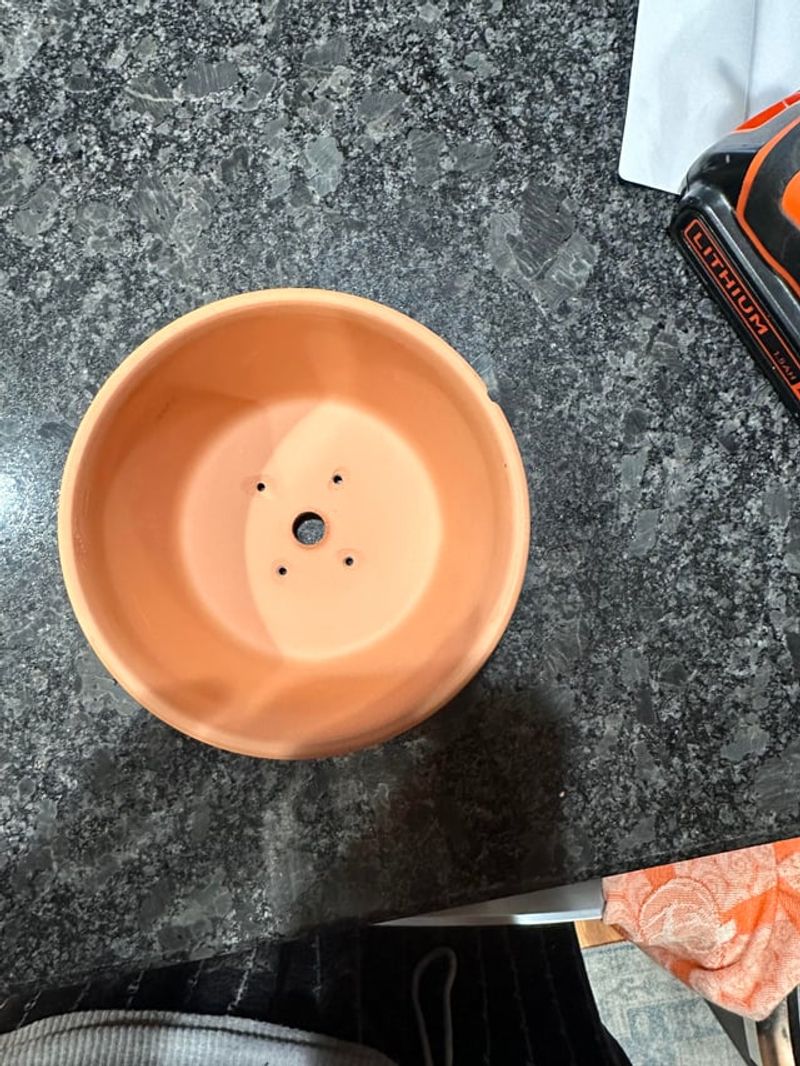
Picking the right container is the foundation of growing healthy rosemary in Texas, and drainage is the first thing to check before you even buy a pot.
Rosemary roots do not do well when they sit in moisture for long periods, and a pot without proper drainage will hold water against the roots in a way that causes serious problems over time.
Terracotta pots are a popular choice among Texas herb gardeners because the porous walls allow some moisture to escape through the sides, which helps the soil dry out between waterings.
Unglazed clay pots also tend to stay cooler than dark plastic containers, which matters a lot when summer temperatures in Texas push well above 90 degrees for weeks at a time.
Look for a pot with at least one large drainage hole, though two or three holes are even better. Avoid decorative pots that have no openings at the bottom, even if they look attractive on a porch.
If you already own a pot you love but it lacks drainage, a masonry drill bit can be used to carefully add holes. A pot size between 12 and 16 inches wide gives rosemary enough room to spread its roots without holding excess moisture around them.
2. Choose A Fast-Draining Mix Instead Of Heavy Garden Soil
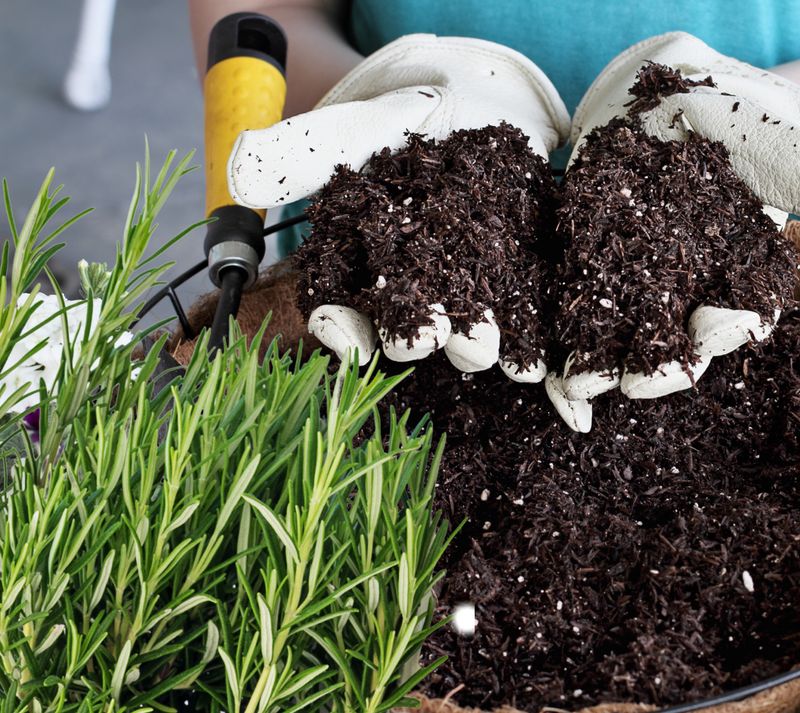
One of the most common mistakes people make when potting rosemary is reaching for regular garden soil or a dense all-purpose potting mix.
Heavy soil holds moisture tightly, which may work for some vegetables, but rosemary comes from the dry, rocky hillsides of the Mediterranean and prefers something much lighter and faster-draining.
A good mix for rosemary in a Texas container combines a quality potting mix with coarse perlite or coarse sand in roughly a 60-40 ratio. The perlite creates air pockets throughout the mix that allow water to pass through quickly rather than pooling around the roots.
Some gardeners also add a small amount of horticultural grit or crushed granite to improve drainage even further, especially during the rainy spring season when pots can receive more water than the plant needs.
Avoid mixes labeled as moisture-retaining or water-conserving, since those products are designed to hold water longer, which is the opposite of what rosemary needs.
Your Texas Garden Changes Every Week. Your Plan Should Too.
Gardening in Texas changes quickly throughout the season. Every Friday you’ll receive a simple weekly plan showing exactly what to plant, prune, fertilize, harvest, and protect so you never miss the right timing.
Cactus and succulent mixes can work well as a base because they are already formulated for plants that prefer dry conditions.
Refreshing the potting mix every year or two also helps prevent the soil from compacting and slowing down drainage over time.
3. Water Only After The Soil Has Dried Down
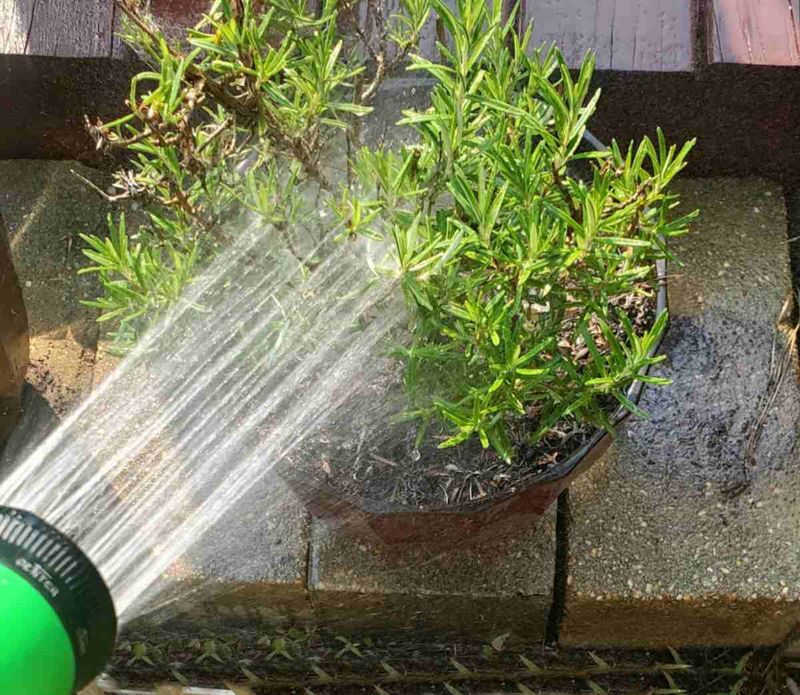
Watering on a fixed schedule sounds convenient, but it rarely lines up with what a potted rosemary plant actually needs in Texas.
Rainfall, wind, temperature, pot size, and the time of year all affect how quickly soil dries out, and those conditions shift constantly across Texas seasons.
The most reliable approach is to check the soil before reaching for the watering can. Press your finger about two inches into the potting mix.
If the soil feels dry at that depth, it is a good time to water. If it still feels damp or cool, wait another day and check again.
This simple habit prevents the most common issue that affects potted rosemary, which is watering too frequently before the soil has had a chance to dry.
When you do water, do it thoroughly so that moisture reaches the full depth of the root zone and excess water runs freely out of the drainage holes. Shallow watering can leave the lower roots dry while the top layer stays consistently wet, which is not ideal.
During the hottest stretches of a Texas summer, you may find yourself watering more often than in spring or fall, and that is completely normal as long as you are letting the soil dry between sessions.
4. Give Rosemary Enough Sun To Use Moisture Well
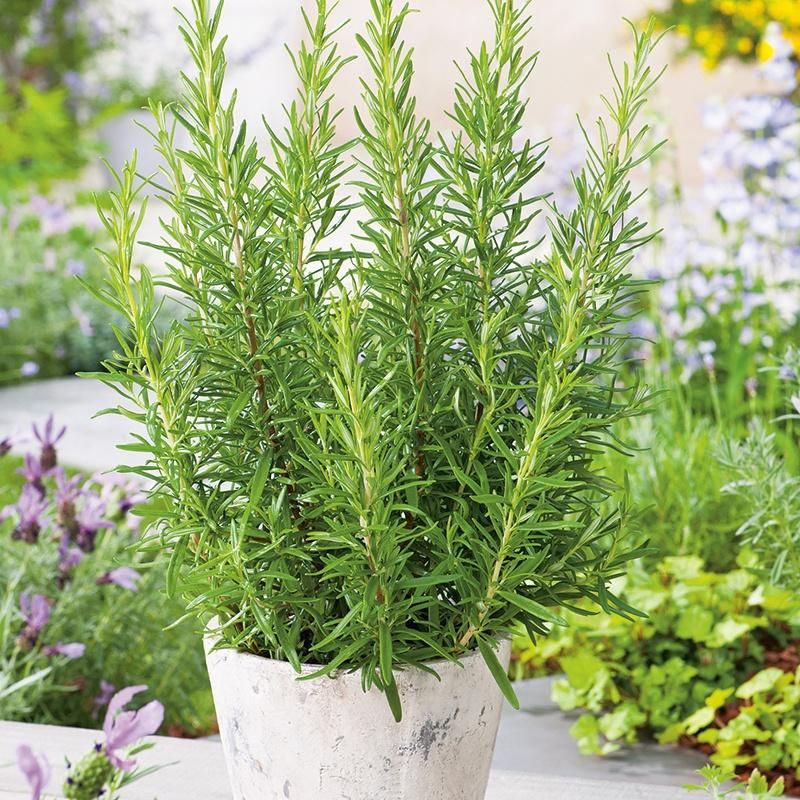
Sunlight and drainage work together more closely than most people realize. When rosemary receives plenty of direct sun, it actively grows and uses the moisture in its soil at a much healthier rate.
A plant sitting in shade or low light tends to use water slowly, which means the soil stays wet longer and the roots are more likely to stay in overly moist conditions.
Rosemary generally thrives with six to eight hours of direct sunlight each day, and in Texas, that kind of sun exposure is easy to find for most of the year. South-facing and west-facing patios, porches, and decks tend to offer the most consistent sun.
East-facing spots can work during cooler months but may not provide enough afternoon heat to keep the soil drying at a good pace.
During the intense heat of a Texas July or August, some afternoon shade can help prevent the foliage from scorching, especially for younger plants or smaller containers that heat up quickly.
Moving a potted rosemary to a spot with morning sun and a bit of afternoon relief during peak summer weeks is a reasonable adjustment.
Observing how your specific patio or balcony receives light throughout the day will help you find the most supportive placement for the plant.
5. Keep The Pot Raised So Extra Water Can Escape

Setting a pot directly on a flat surface, whether that is a concrete patio, a wooden deck, or a tile floor, can block the drainage holes and trap water underneath the container.
Even pots with large holes can lose most of their drainage function when the bottom sits flush against a solid surface.
Raising the pot even a small amount makes a noticeable difference. Pot feet, which are small ceramic or rubber risers placed under the container, lift the base off the ground and allow water to flow freely out of the drainage holes and away from the pot.
Plant stands and wooden platforms work just as well and can add a tidy, intentional look to a Texas porch or patio setup.
In Texas, where heavy spring rains can arrive quickly and soak a patio in a short time, keeping the pot elevated helps prevent water from pooling under the container and working its way back up through the drainage holes.
This is a small adjustment that costs very little but supports the drainage-first approach that rosemary responds well to.
Check periodically that the risers or stand are still stable, especially after strong storms or wind events that are common across many parts of Texas during spring and early summer.
6. Watch For Signs The Soil Is Staying Too Wet
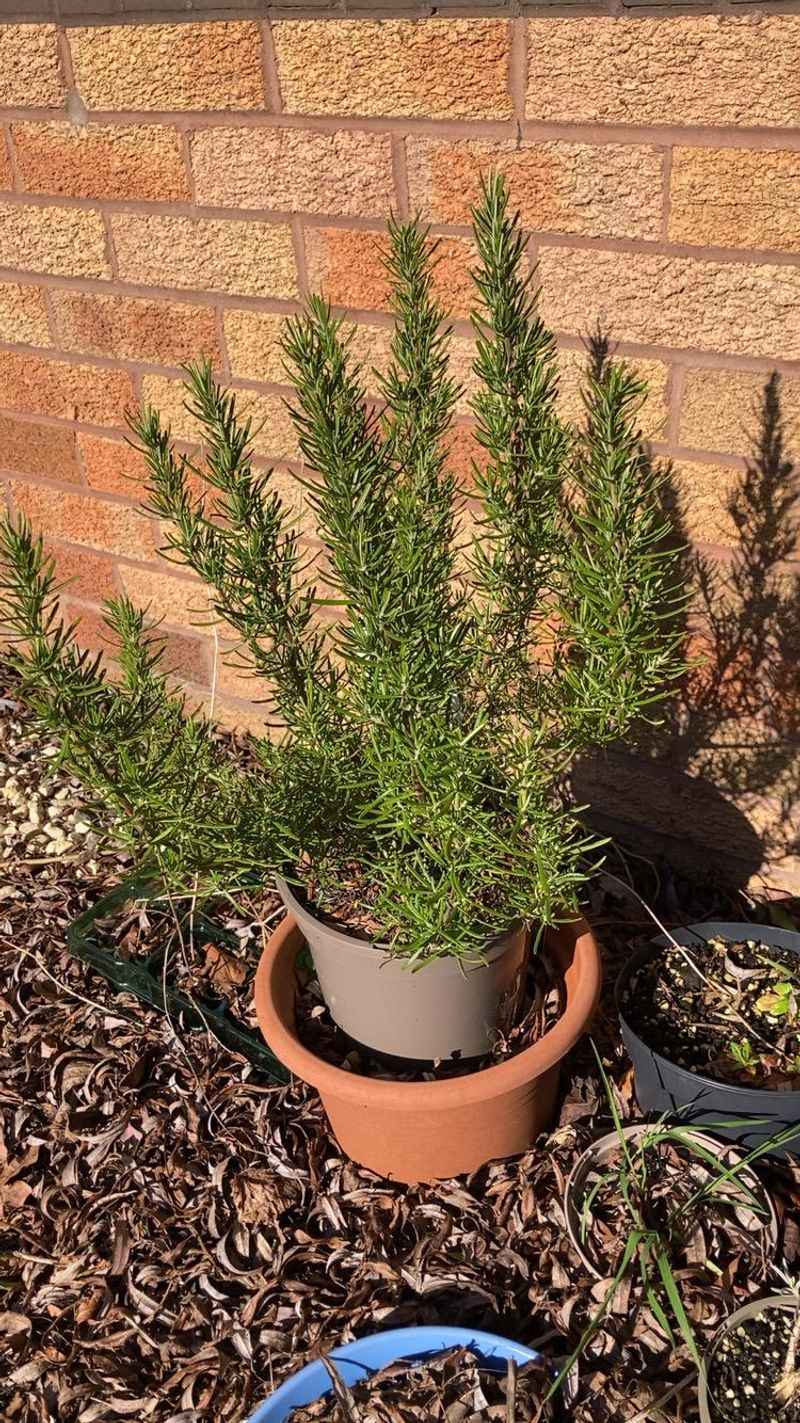
Catching drainage problems early gives rosemary a much better chance of bouncing back before the root system is seriously affected.
Fortunately, the plant tends to show a few recognizable signals when conditions are not quite right, and learning to read those signs can save a lot of frustration.
Yellowing leaves are one of the first things to notice. When the lower foliage begins turning pale yellow and dropping off while the rest of the plant looks dull, overly wet soil is often the reason.
Rosemary that is not getting enough water tends to look dry and crispy, while rosemary sitting in soggy soil often looks limp or soft in a way that feels different from normal heat stress. The stems near the soil line may also feel soft rather than firm and woody.
A musty or sour smell coming from the potting mix is another signal that the soil has been holding too much moisture for too long. If you notice this, gently remove the plant from the pot and check the roots.
Healthy roots should appear white or light tan and feel firm. Roots that look dark brown and feel mushy suggest the drainage situation needs to be corrected.
Repotting into a fresh, fast-draining mix with better container drainage can often help the plant recover.
7. Use A Simple Soil Check Before Every Watering
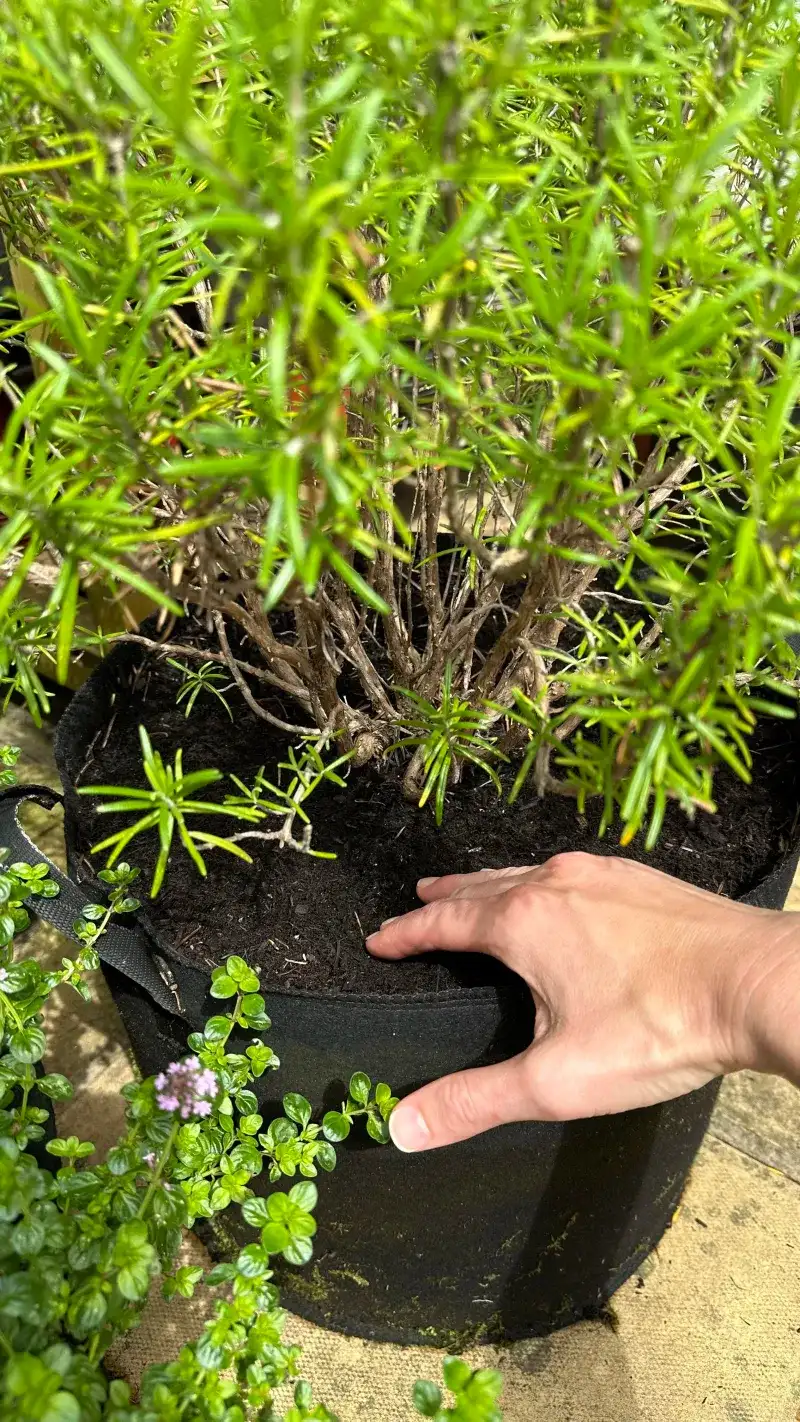
Building a quick soil check into your watering routine is probably the single most practical habit a Texas rosemary grower can adopt. It takes less than ten seconds and removes the guesswork that leads to most overwatering situations.
The finger test is straightforward. Push your index finger into the potting mix up to about the second knuckle, which is roughly two inches deep.
If the soil at that depth feels dry or barely cool, the plant is ready for water. If it still feels clearly moist or damp, skip watering and check again the following day.
Consistent use of this method tends to naturally align your watering rhythm with what the plant actually needs rather than what a calendar says.
Wooden chopsticks or bamboo skewers can also serve as a simple moisture probe. Insert one a few inches into the soil and leave it for a minute.
When you pull it out, dry soil means the stick comes out clean, while moist soil clings to it slightly. Some gardeners prefer this approach because it is less messy and reaches a bit deeper into the container.
Inexpensive moisture meters are another option and can be helpful for beginners who are still building confidence with their watering instincts. Any of these methods supports the drainage-first approach by preventing unnecessary waterings.
8. Pair Better Drainage With Good Airflow
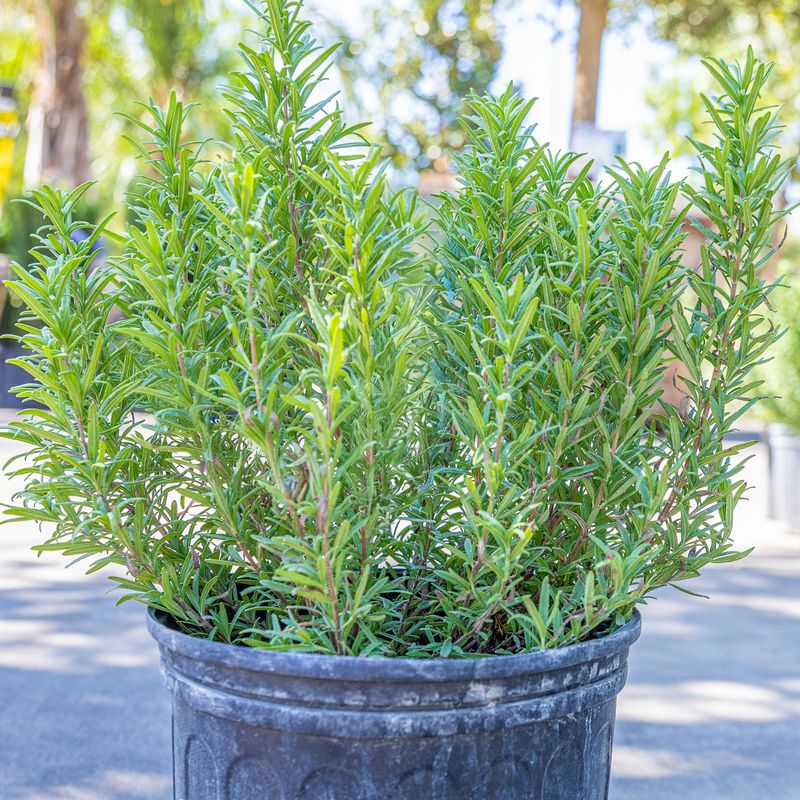
Drainage and airflow are closely connected when it comes to keeping potted rosemary healthy in Texas.
Good airflow around the plant helps the foliage and the soil surface dry out more quickly after watering or rain, which supports the overall drainage approach in a meaningful way.
Crowding rosemary next to other large plants or pushing it into a corner where air does not move well can slow the drying process and create a more humid microenvironment around the foliage.
In the warm, humid conditions that settle over parts of Texas in late spring and early summer, that kind of stagnant air can also encourage fungal issues on the leaves and stems.
Positioning your rosemary pot in a spot where it receives a natural breeze, even a gentle one, helps the plant stay in better condition.
Open patios, elevated decks, and south-facing porches in Texas tend to offer both the sunlight and the air movement that rosemary prefers.
If your growing space is more sheltered, a small oscillating fan used occasionally near indoor or covered porch plants can help improve air circulation during humid periods.
Spacing plants a foot or more apart also allows each one to benefit from whatever airflow is available, rather than competing for it in a tight cluster.
9. Avoid Overfeeding Rosemary In A Container
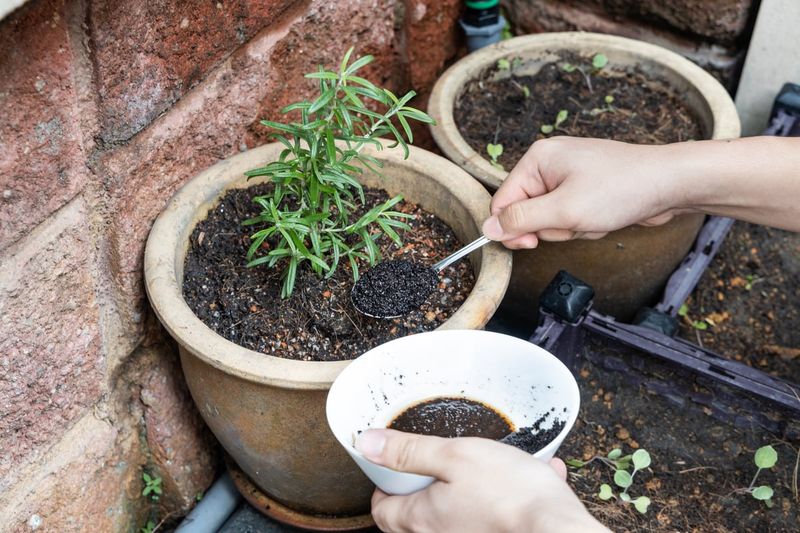
Rosemary is not a heavy feeder, and in a container setting it needs even less fertilizer than many people expect. Applying too much fertilizer, especially nitrogen-heavy formulas, can push the plant to produce a lot of soft, leafy growth very quickly.
That kind of rapid, lush growth tends to be weaker and more vulnerable to stress from Texas heat or fluctuating moisture conditions.
A light application of a balanced, slow-release fertilizer once in early spring and possibly again in early fall is generally enough for potted rosemary in Texas.
Some gardeners skip fertilizing entirely after the first year and find that the plant grows steadily without any added nutrients, especially when the potting mix is refreshed occasionally.
Liquid fertilizers can be used at half the recommended strength if the plant shows signs of pale foliage or slow growth, but they should be applied sparingly.
Overfeeding can also make the potting mix retain moisture differently, particularly if the fertilizer contains ingredients that affect soil texture or water-holding capacity.
Keeping the feeding minimal supports the drainage goal by ensuring the soil mix stays light and open rather than becoming dense with organic material or fertilizer salts over time.
Healthy rosemary in a well-draining container usually grows at a steady, manageable pace without much nutritional intervention.
10. Harvest Lightly To Encourage Fuller Growth
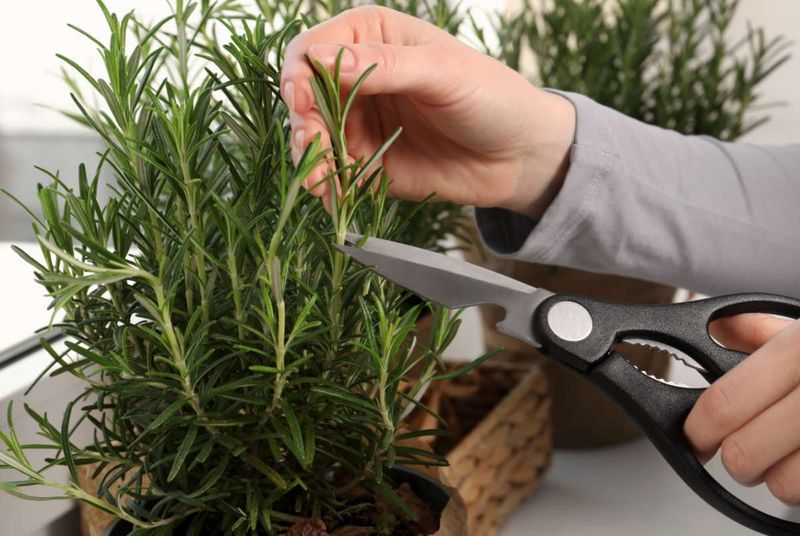
Harvesting rosemary regularly is one of the more enjoyable parts of growing it in a container, and when done thoughtfully, it actually encourages the plant to grow bushier and fuller over time.
Rosemary responds well to light trimming because removing stem tips prompts the plant to branch outward from the cut point.
The key is to keep each harvest light rather than taking large amounts at once. Removing no more than one-third of any stem at a time is a reasonable guideline.
Snipping just above a leaf node, which is the point where leaves meet the stem, encourages two new shoots to grow from that spot.
Over the course of a Texas growing season, this kind of regular light harvesting can transform a sparse, leggy plant into a dense, rounded shrub with plenty of foliage to work with in the kitchen.
Avoid harvesting heavily during the hottest weeks of a Texas summer, when the plant may already be managing heat stress. Light trims in spring and early fall tend to produce the most vigorous new growth.
Harvesting in the morning, after any overnight moisture has dried from the foliage, is a small habit that helps keep the cut stems clean and reduces the chance of any moisture-related issues developing at the pruning points on the plant.