Stop Planting Knockout Roses In Georgia — These Alternatives Bloom Longer
Georgia gardens are filled with Knock Out roses, and it is easy to understand why. They grow well in the climate, produce plenty of flowers, and have been a popular choice for years.
For many people, they are the first shrub that comes to mind when adding long lasting color to the landscape.
Lately, more gardeners have started looking beyond the familiar option. Some want a plant with a different appearance, while others are searching for blooms that keep coming even longer through the growing season.
A garden does not have to rely on the same shrub found in every neighborhood.
There are plenty of flowering alternatives that bring strong color, seasonal interest, and a fresh look to the yard.
Once these plants get established, they can easily become some of the most eye catching features in the garden.
1. Drift Roses Stay Colorful From Spring Into Fall
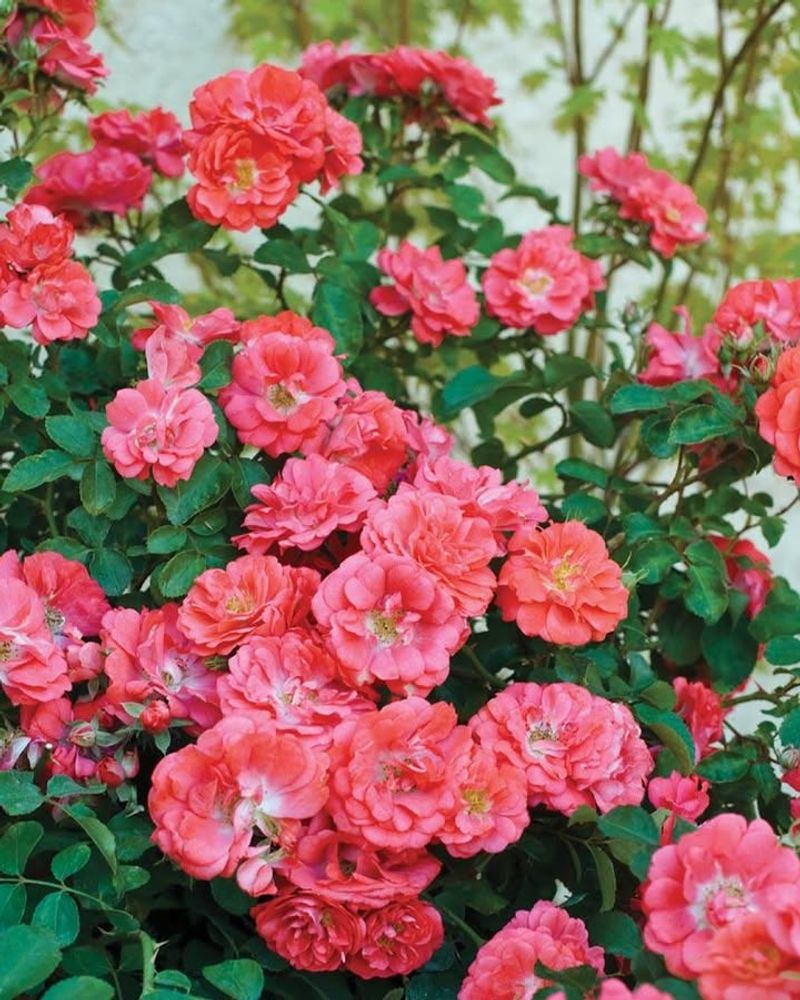
Knockout Roses get the spotlight, but Drift Roses quietly outperform them in a lot of Southern yards. Compact, low-growing, and packed with blooms, Drift Roses keep flowering from spring through the first frost without much fuss.
Unlike traditional roses, Drift varieties were bred to resist black spot and powdery mildew, two problems that plague roses in humid climates. That resistance makes a real difference when summer heat and afternoon rain become a weekly routine.
Deadheading is optional. New blooms appear on their own as spent flowers fade, which keeps the plant looking fresh without requiring daily attention.
Drift Roses stay small, usually under two feet tall and three feet wide. That size makes them practical for borders, container gardens, and front yard edges.
Colors range from deep red and coral to soft pink and white.
Plant them in full sun with good drainage. Sandy or amended clay soil works well as long as water does not pool around the roots.
A slow-release fertilizer applied in spring gives them a strong start. Trim them back lightly in late winter, and they return with impressive energy each season.
They also handle light drought once established, but consistent deep watering keeps flowering more continuous through hot summer periods.
2. Garden Phlox Extends Color Well Past Spring
Spring color is easy to find. Keeping it going through July and August is a different challenge entirely.
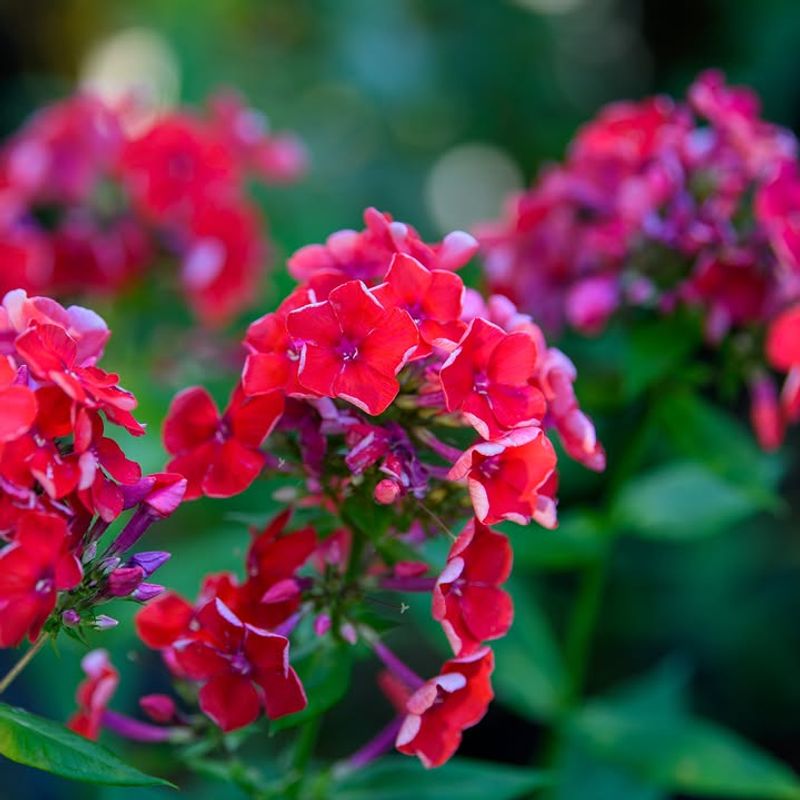
Garden Phlox steps up when most other perennials have already faded, producing large, fragrant flower clusters that last well into late summer.
Bloom colors range from pure white to deep magenta, lavender, and bicolor combinations. Planted in groups, Garden Phlox creates a bold visual impact that stands out even from a distance.
Powdery mildew used to be a serious problem with older varieties. Newer cultivars like ‘David,’ ‘Jeana,’ and ‘Opening Act’ have much stronger resistance, making them far more practical for humid Southern summers.
Full sun is ideal, though light afternoon shade can reduce heat stress during the hottest weeks. Rich, moist, well-drained soil produces the tallest and most floriferous plants.
Deadhead spent flower heads to encourage rebloom. Dividing clumps every three years keeps plants vigorous and prevents crowding.
Your Georgia Garden Changes Every Week. Your Plan Should Too.
Gardening in Georgia changes quickly throughout the season. Every Friday you’ll receive a simple weekly plan showing exactly what to plant, prune, fertilize, harvest, and protect so you never miss the right timing.
Spacing matters too. Good air circulation between plants reduces fungal pressure significantly.
Heights vary from eighteen inches in compact types to nearly four feet in standard varieties. Either way, Garden Phlox earns its space with weeks of reliable, fragrant color that most spring perennials cannot match.
Garden Phlox benefits from morning watering rather than evening watering, since dry foliage going into night reduces the risk of fungal problems.
3. Catmint Responds Well To A Midseason Cutback
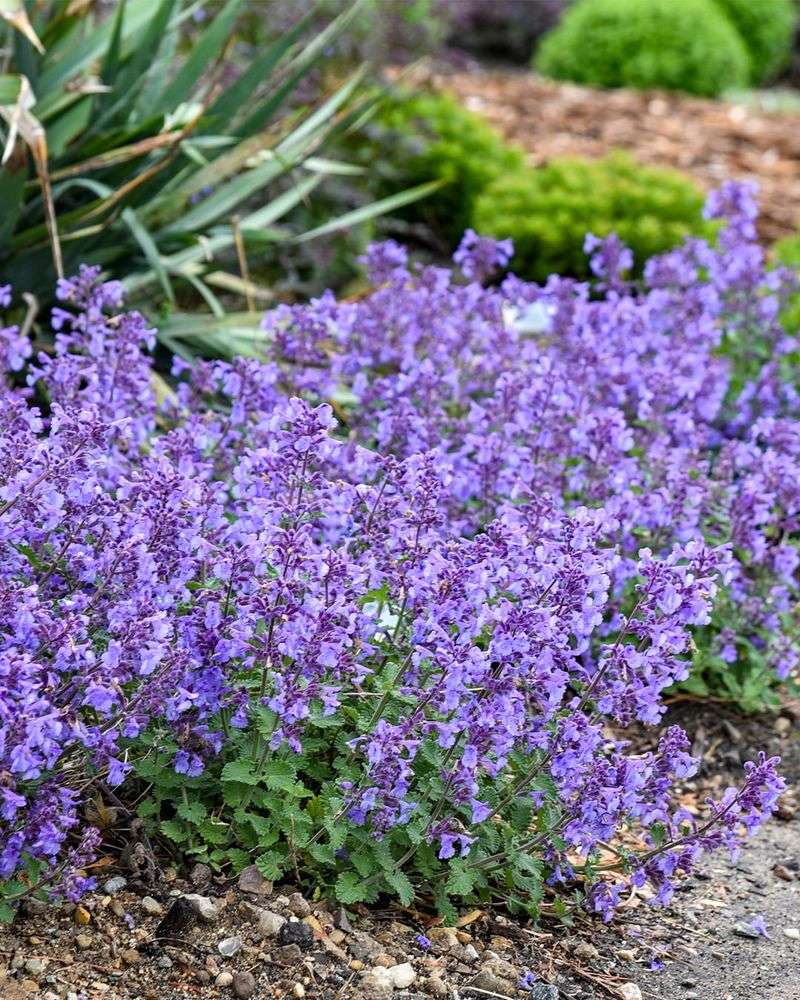
Few perennials recover from a hard trim faster than Catmint. Cut it back by half after the first bloom flush fades, water it well, and within a few weeks new growth and fresh flower spikes appear.
That cycle can repeat two or three times in a single season.
Lavender-blue flower spikes rise above soft, gray-green foliage from late spring onward. Bees absolutely love it.
On warm mornings, a mature Catmint plant buzzes with activity from the moment flowers open.
Drought tolerance is one of its biggest practical advantages. Once established, Catmint handles dry stretches without wilting or dropping leaves.
It also resists deer browsing, which matters in suburban and rural landscapes across the region.
Full sun is preferred. Average to lean soil actually produces better results than overly rich beds, which can cause floppy growth.
Avoid heavy clay without amending first, as Catmint needs decent drainage to perform well long-term.
Popular varieties include ‘Walker’s Low,’ which grows about two feet tall and spreads nicely, and ‘Six Hills Giant,’ which reaches closer to three feet. Either one works well along pathways, as edging, or mixed into perennial borders.
Plant in fall or early spring for best establishment results.
4. Gaura Sends Up New Flower Stems All Summer
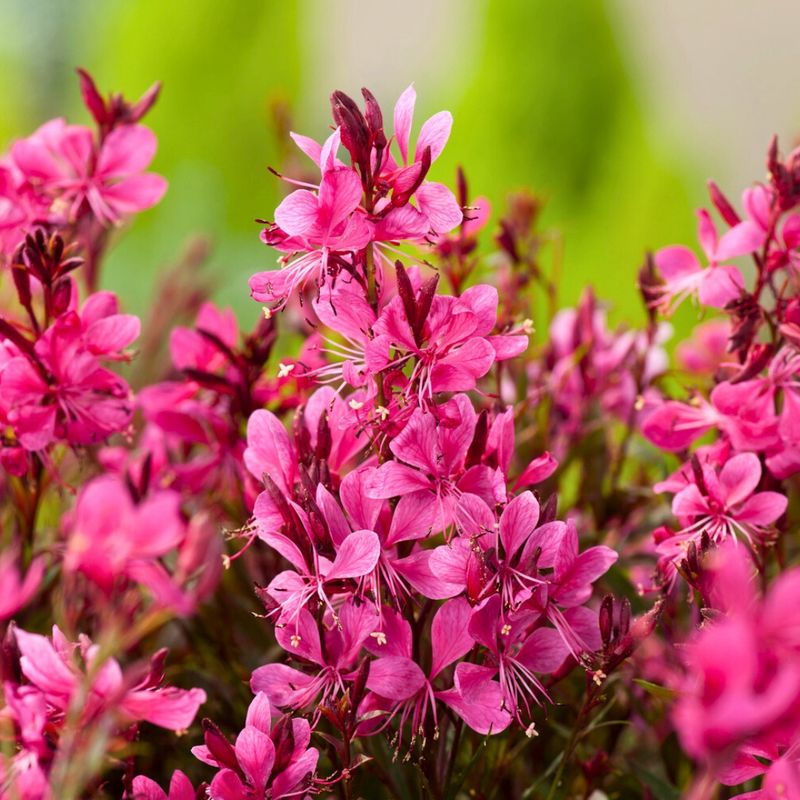
Gaura moves in the breeze like nothing else in the garden. Slender stems carry small white and pink flowers that flutter and shift with every gust of wind, giving the plant a light, airy quality that heavier perennials simply cannot replicate.
New flower stems emerge continuously from late spring through fall. Old stems can be removed at the base as they finish, but the plant keeps sending up replacements without any extra encouragement.
Heat and humidity do not slow it down. In fact, Gaura often looks its best during the hottest weeks of summer when neighboring plants start to struggle.
That resilience makes it a dependable choice for warm-climate gardens.
Drought tolerance is excellent once plants are established. Sandy or loamy soil with sharp drainage produces the strongest growth.
Heavy, wet soil shortens the life of the plant noticeably, so raised beds or amended soil help in problem areas.
Compact varieties like ‘Siskiyou Pink’ and ‘Whirling Butterflies’ stay under two feet tall. Standard types can reach three feet or more.
Either size works well in mixed borders or as filler around larger shrubs. Full sun is essential.
Shade reduces flowering significantly and weakens stem structure over time.
5. Lantana Handles Heat While Continuing To Flower
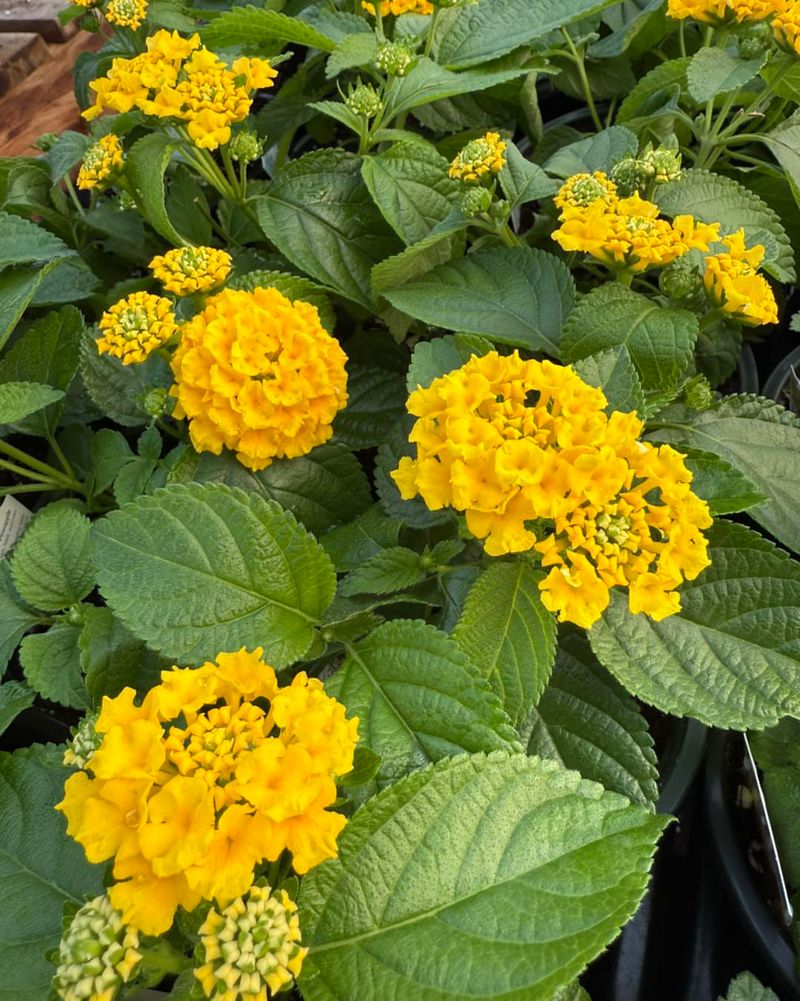
Scorching heat does not slow Lantana down. While other plants drop leaves or stop blooming in August, Lantana keeps pushing out fresh flower clusters week after week.
It is one of the most heat-tolerant flowering plants available to Southern gardeners.
Flower clusters come in vivid combinations of red, orange, yellow, pink, purple, and white. Many varieties shift color as individual blooms age, giving each cluster a multicolored appearance.
Butterflies find them irresistible, and the plant stays active with pollinator traffic all season.
Lantana is treated as a perennial in warmer parts of Georgia but grown as an annual in colder areas. Either way, the value it provides during summer more than justifies the investment.
Full sun is non-negotiable. Lantana planted in shade produces sparse flowers and weak growth.
Sandy or loamy soil with good drainage suits it best. Overwatering causes more problems than drought once plants are established.
Trailing varieties work well in containers and hanging baskets. Upright types make strong border plants and can reach three to four feet tall by midsummer.
Trim stems back by one-third in midsummer if plants get leggy. Fresh growth follows quickly, bringing a new round of colorful blooms before the season ends.
6. Autumn Sage Delivers Repeated Flushes Of Color
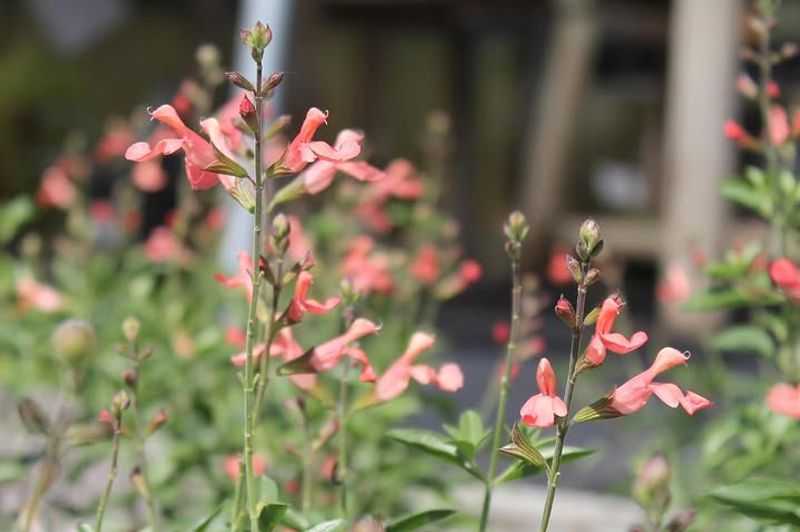
Red flowers in August are rare. Autumn Sage makes them happen.
Bright tubular blooms appear in spring, take a brief pause in the hottest weeks, then return with full force in late summer and continue through fall. That extended bloom window is hard to beat.
Hummingbirds target Autumn Sage almost immediately after planting. The tubular flower shape is perfectly suited to them, and a blooming plant rarely goes unvisited for long during migration season.
Drought tolerance is strong once established. Autumn Sage comes from dry, rocky terrain and performs well in lean, well-drained soil.
Rich, moist conditions actually work against it by encouraging soft growth that flops and becomes more disease-prone.
Full sun is ideal. At least six hours of direct sun daily produces the tightest, most floriferous growth.
Afternoon shade is tolerable but tends to stretch the plant and reduce bloom count.
Most varieties reach two to three feet tall and wide. Colors beyond red include pink, coral, white, and bicolor options.
Shear the plant back lightly after each bloom flush to encourage the next round. In Georgia, plants often stay semi-evergreen through mild winters, returning vigorously each spring with minimal preparation needed from the gardener.
7. Abelia Provides Months Of Fresh Flowers
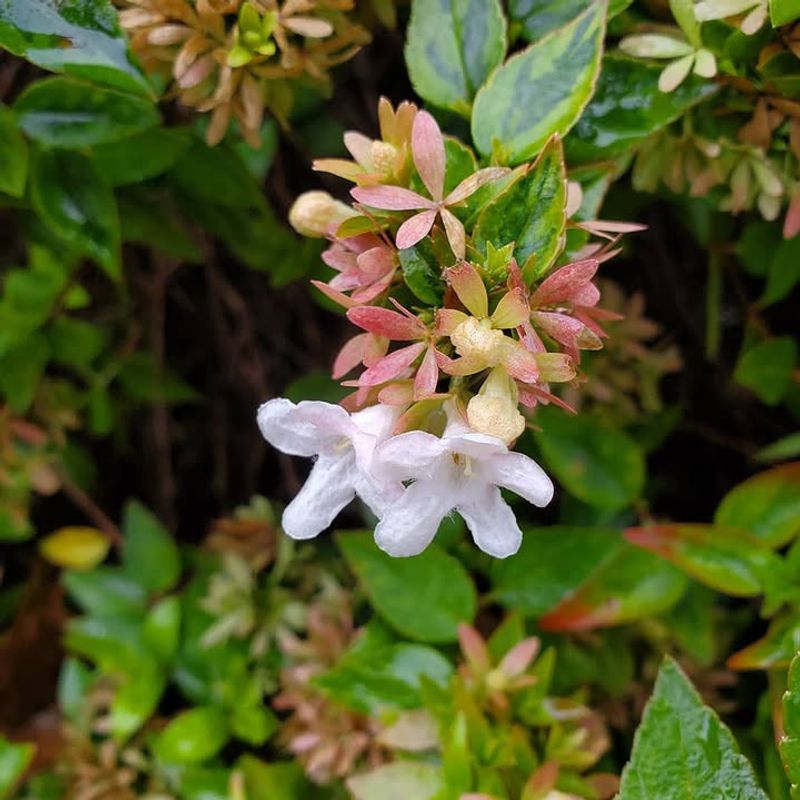
Abelia does not get nearly enough credit. Gardeners walk past it at the nursery and reach for something flashier, not realizing that Abelia quietly blooms from late spring all the way into November in many parts of the South.
Small, tubular flowers appear in clusters along arching stems. They are not enormous, but they show up in huge numbers and attract hummingbirds and butterflies consistently throughout the season.
Foliage is another strong point. Glossy Abelia, one of the most popular varieties, holds its leaves through winter in warmer zones.
Some selections develop reddish or bronze tones in fall, adding a second layer of seasonal interest.
Abelia tolerates drought once established, which matters during dry summer stretches. It also handles a range of soil types, including clay, as long as drainage is adequate.
Pruning is simple. Remove older woody stems at the base every few years to keep growth fresh and encourage strong new shoots.
Hard pruning is rarely needed. Plants typically reach four to six feet tall and wide, making them solid choices for hedges, screens, or mixed foundation plantings.
Full sun to light shade both work well in most landscape situations.
It is also considered a low-maintenance shrub because it has relatively few pest and disease issues compared to many other flowering ornamentals.
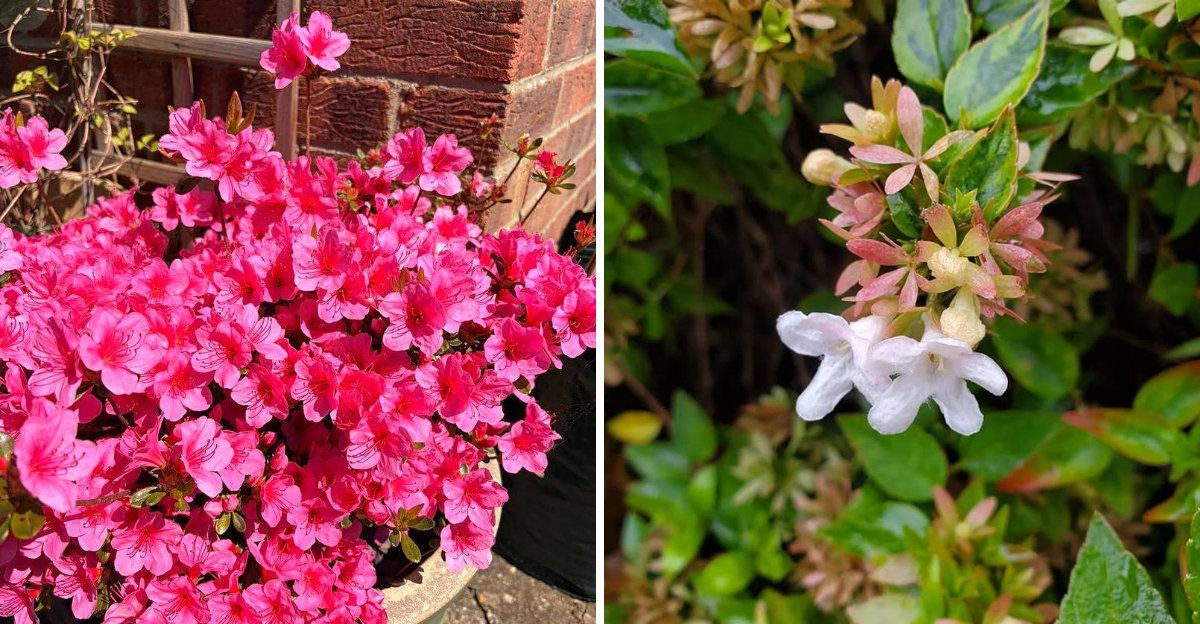
8. Bloom-A-Thon Azaleas Return With Multiple Flower Cycles
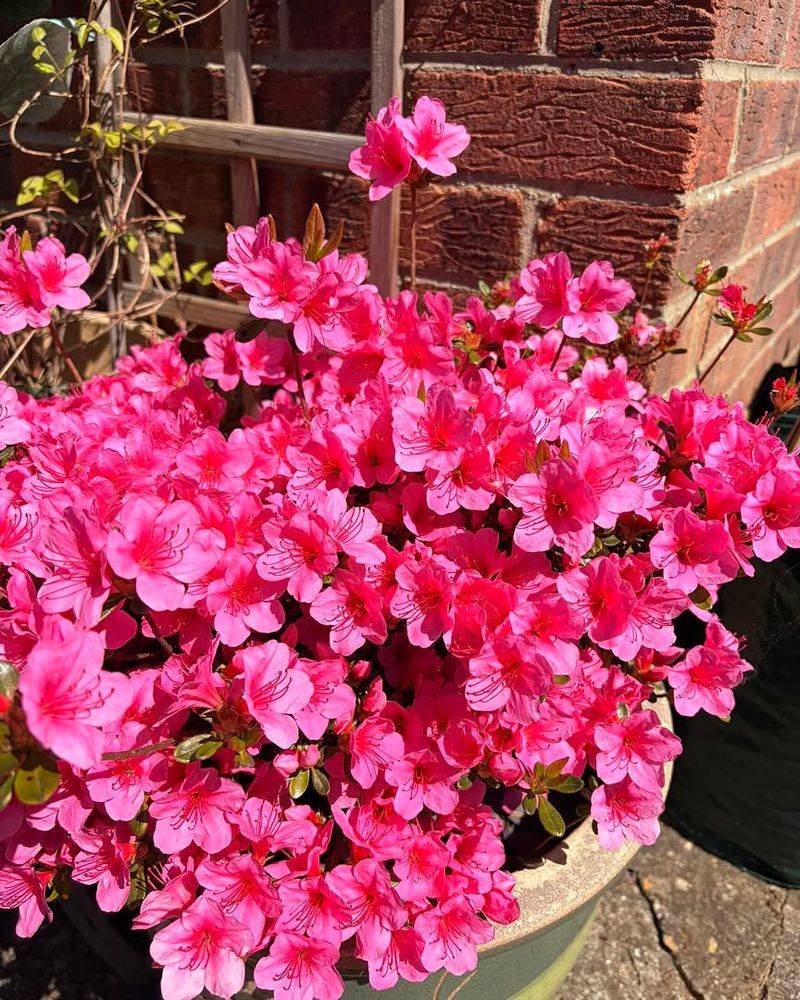
Most azaleas put on one show in spring and then go quiet for the rest of the year. Bloom-A-Thon varieties refuse to follow that pattern.
They bloom in spring, take a brief rest in the heat of summer, then push out a second and sometimes third round of flowers in fall.
That repeat bloom cycle sets them apart from standard azaleas. For gardeners who want color beyond April, Bloom-A-Thon plants deliver in a way that most spring-only varieties simply cannot match.
They handle partial shade well, which is a practical advantage in yards with mature trees. Morning sun with afternoon shade tends to produce the best results in warm climates.
Soil prep matters more with azaleas than with most shrubs. They prefer acidic, well-drained soil with good organic content.
Amending heavy clay before planting pays off quickly.
Sizes vary by variety, with most staying between two and five feet tall. Flower colors include white, pink, red, lavender, and bicolor options.
Mulching around the base helps retain moisture and keeps roots cool during hot stretches. Water consistently during establishment, and these plants reward you with reliable seasonal color for many years.
9. Butterfly Bush Attracts Pollinators For Much Of The Season
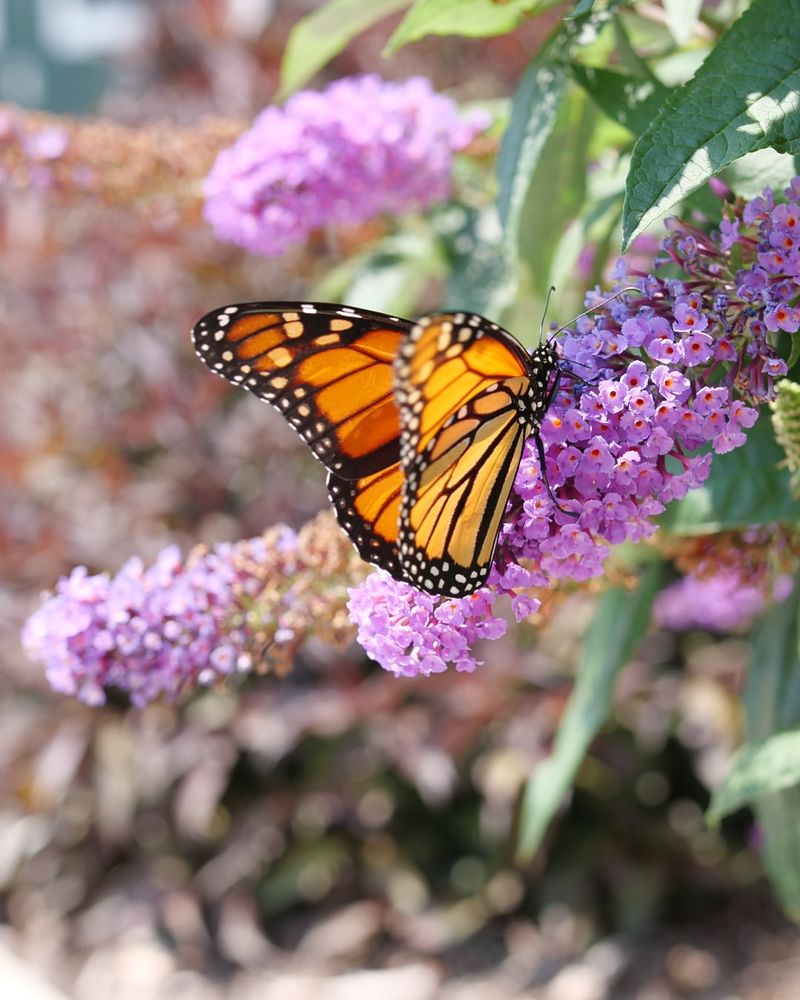
Walk past a Butterfly Bush in full bloom and the air around it hums. Monarchs, swallowtails, skippers, and bees crowd every flower spike at once.
Few plants pull in that level of pollinator activity so consistently throughout the warm season.
Long, cone-shaped flower spikes appear from early summer and continue producing well into fall with proper deadheading. Removing spent spikes as they fade encourages the plant to push out fresh ones rather than redirecting energy into seed production.
Newer compact varieties have addressed older concerns about spreading. Plants like ‘Miss Molly,’ ‘Lo and Behold,’ and the Pugster series produce far fewer viable seeds while still delivering full-season bloom performance.
Full sun is essential. Butterfly Bush planted in shade produces elongated, floppy stems and far fewer flowers.
Average, well-drained soil is all it needs. Avoid overfeeding with nitrogen, which pushes leafy growth at the expense of blooms.
Compact varieties stay three to four feet tall. Standard types can reach six feet or more by late summer.
Cut plants back hard in late winter, leaving only a few inches above the soil. Strong new growth emerges quickly in spring, and the first flower spikes typically appear by June in most Southern landscapes.