8 Reasons Your Wisconsin Lawn Is Covered In Ant Hills And How Homeowners Are Fighting Back
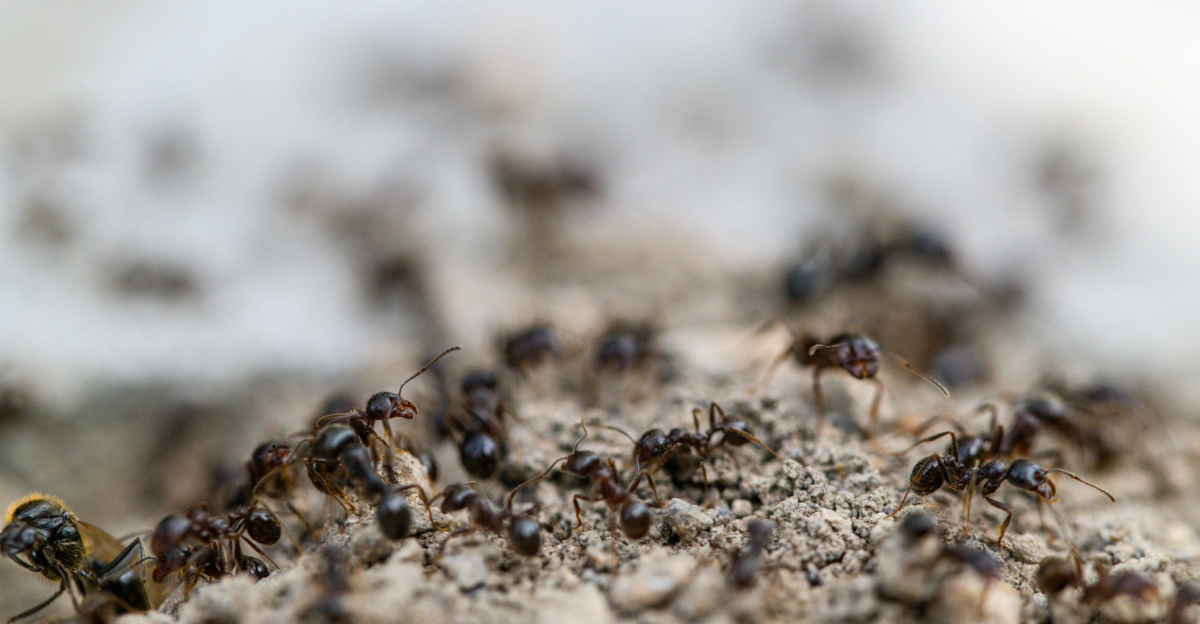
One quiet Tuesday morning, I walked outside to water my tomatoes and froze. My yard had turned into a minefield of tiny dirt craters.
They looked almost deliberate, scattered like tiny craters across what I had spent weeks trying to keep neat and green. Ant hills are invading yards across the state, popping up along walkways, in garden beds, and smack in the middle of healthy turf.
Soggy soil, thin grass, and warm spring temps are practically a welcome mat for colonies looking to settle in. The encouraging part is that these conditions are understandable, and in many cases, manageable.
Wisconsin homeowners are finding smarter ways to fight back, and they don’t have to tear up their yards to do it. Knowing what draws ants in the first place puts you several steps closer to reclaiming your outdoor space.
1. Wet Spring Soils Create The Perfect Underground Neighborhood
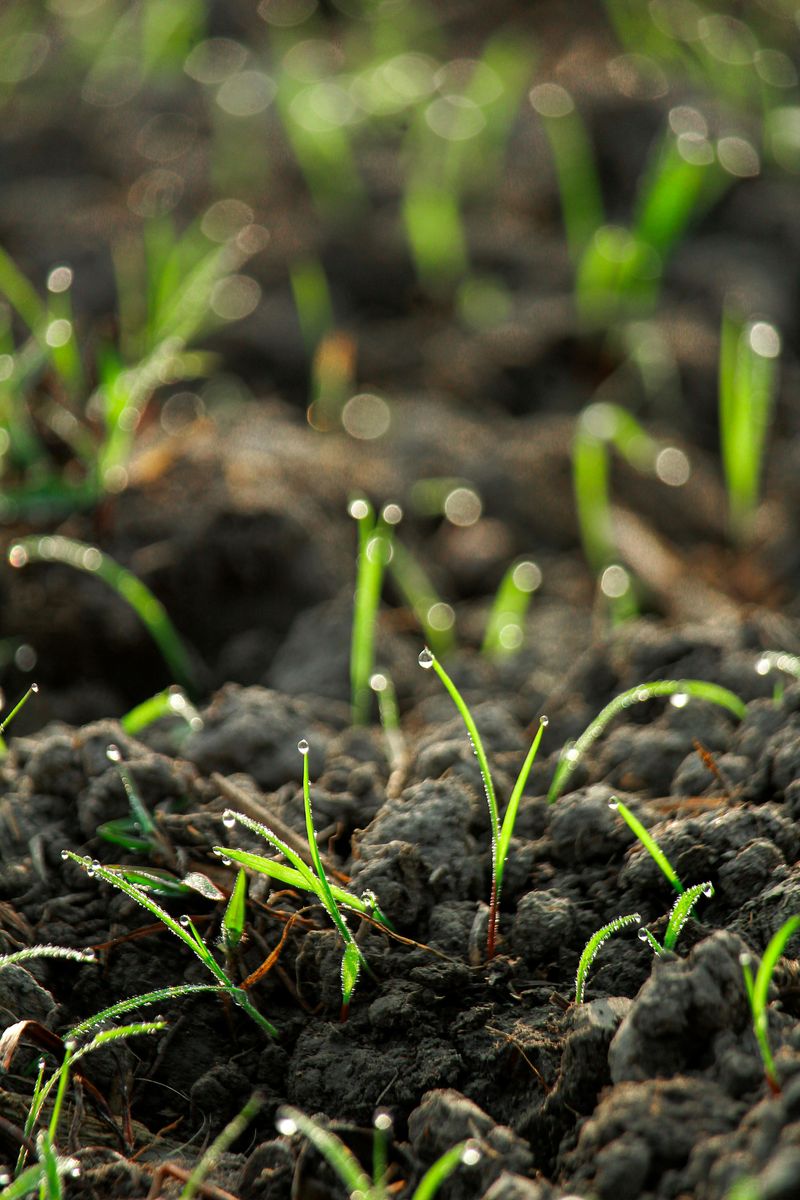
Wisconsin springs have been soaking lawns harder than ever, and ants are taking full advantage of it.
When the ground stays wet for extended periods, soil particles shift and separate, creating soft, easy-to-move conditions that ant colonies absolutely love.
Saturated earth is basically a construction dream for worker ants looking to expand. Wet soil compacts unevenly, which leaves pockets of air just below the surface.
Ants move into those pockets fast, tunneling upward and pushing loose dirt into the telltale mounds you see dotting your yard. The wetter the spring, the more mounds tend to appear, almost overnight.
Homeowners across the state have reported seeing noticeably more ant hills after back-to-back rainy weeks than during dry seasons. One practical fix is improving lawn drainage before the next big rain hits.
Adding a thin layer of topdressing sand or aerating compacted areas helps water move through faster, making your soil far less inviting. A well-drained lawn is a boring lawn to an ant scout looking for a new home.
2. Longer, Warmer Summers Are Supercharging Ant Activity In Wisconsin

Summer temperatures in Wisconsin have been creeping higher each year, and that extra warmth is like a signal flare for ant colonies.
Warmer conditions speed up ant reproduction cycles significantly, meaning colonies grow bigger and faster than they did just a decade ago.
More ants in a colony means more tunneling, more mounds, and more headaches for homeowners. Heat also dries out deeper soil layers, pushing ant activity closer to the surface where the ground is still workable.
You might notice a surge of fresh mounds appearing right after a hot, dry stretch followed by a light rain. That combination of warmth and moisture is basically the perfect recipe for a mound-building frenzy.
Longer frost-free seasons also give colonies more time to establish before winter, so they enter the cold months larger and more resilient.
Fighting back means staying proactive during peak summer weeks rather than waiting until the problem looks unmanageable.
Applying a perimeter insecticide barrier around your home and lawn edges in early summer can intercept foraging workers before they set up new nesting sites. Staying one step ahead of the heat is the smartest move a homeowner can make.
Your Wisconsin Garden Changes Every Week. Your Plan Should Too.
Gardening in Wisconsin changes quickly throughout the season. Every Friday you’ll receive a simple weekly plan showing exactly what to plant, prune, fertilize, harvest, and protect so you never miss the right timing.
3. Sandy Or Loose Soil Types Roll Out The Welcome Mat For Ants
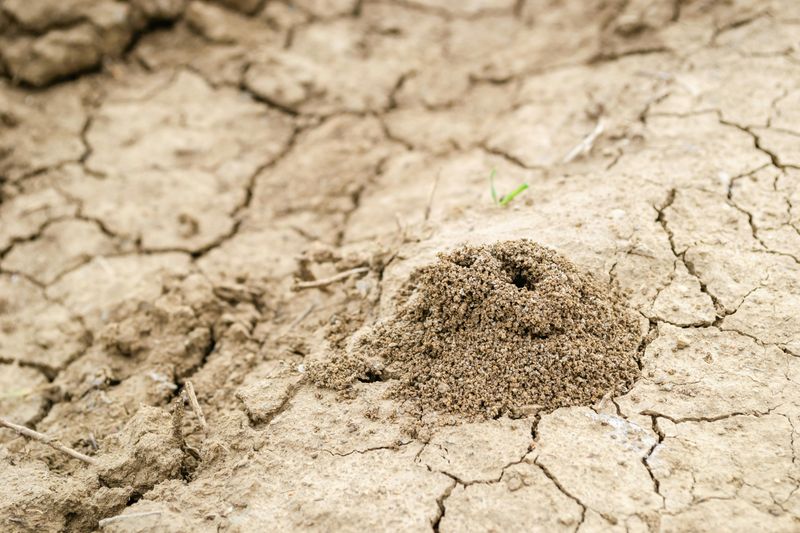
Sandy soil is practically a five-star resort for ants looking to build a colony. Loose, granular earth is easy to excavate, drains quickly so it stays workable, and holds tunnel shapes without collapsing under light pressure.
If your yard sits on sandy or loamy ground, you are already starting at a disadvantage when it comes to ant hills.
Regions near rivers, lakes, or glacially deposited plains in Wisconsin often have naturally sandy compositions.
Homeowners in those areas frequently report persistent mound problems that seem to return no matter what they try.
The soil itself is the invitation, which means surface-level treatments alone rarely solve the underlying issue. Improving soil structure by blending in organic compost can make a real difference over time.
Denser soil is harder to excavate and holds moisture more evenly, which makes it less appealing for tunneling. Overseeding with a thick, deep-rooted grass variety also helps bind the soil together and reduces open, loose patches.
Think of it as making your lawn less of a sandbox and more of a fortress that ants would rather skip. Small changes in soil composition can shift the balance surprisingly fast.
4. Thin Or Sparse Turf Cover Leaves Bare Ground Wide Open
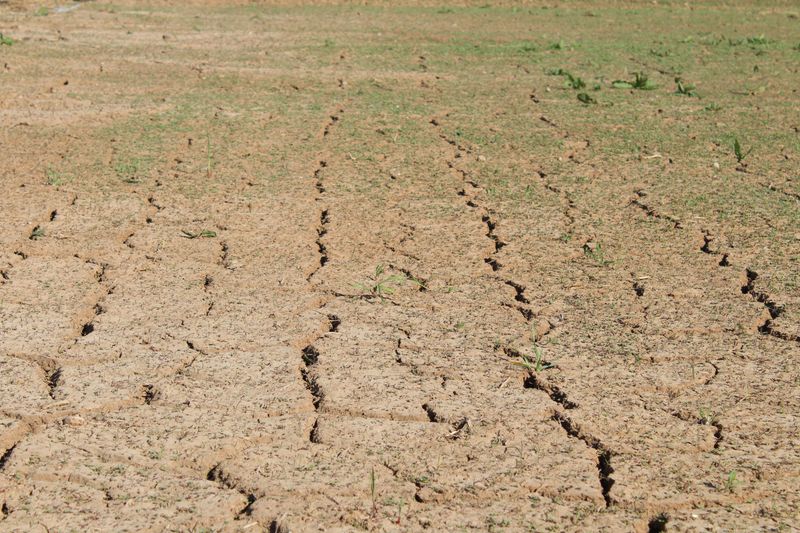
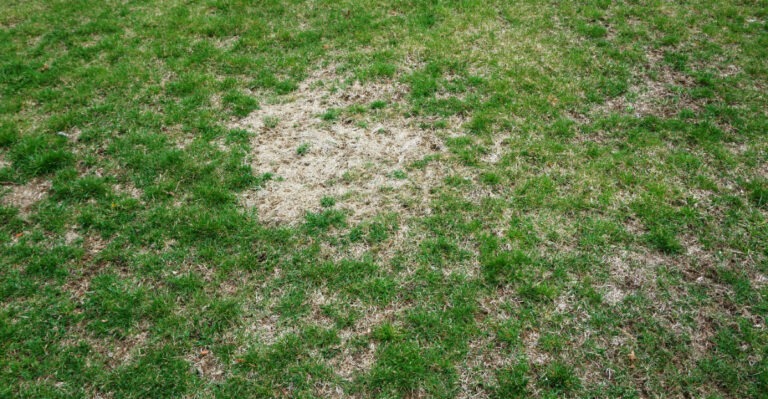
Bare patches in your lawn are open invitations that ant scouts notice immediately. Thin or sparse turf means less root competition underground, softer exposed soil at the surface, and no dense grass canopy blocking easy access to the ground.
Ants prefer open ground for a reason: it is simply easier to move in and start building. Lawns that have been stressed by drought, heavy foot traffic, or shade often develop thin areas over time.
Once those gaps appear, ant colonies move in quickly and establish mounds before the grass has any chance to recover. The mounds then make it even harder for grass to regrow, creating a frustrating cycle that feeds itself.
Overseeding is one of the most effective and affordable ways homeowners are pushing back against this problem.
Filling in bare spots with a dense, shade-tolerant grass mix in early fall gives the turf time to establish strong roots before spring ant season begins.
A thick, healthy lawn acts like a natural barrier, making it physically harder for ants to access and excavate soil.
When the grass wins the ground game, the ants lose their preferred building sites. A full, lush lawn is genuinely one of your best long-term defenses.
5. Aphid And Honeydew Farming Turns Your Garden Into An Ant Buffet

Here is something most homeowners never suspect: ants are actually farming insects right in your garden.
Many ant species herd aphids like tiny livestock, protecting them from predators in exchange for a sweet liquid called honeydew that aphids produce.
Where there are aphids on your plants, there are almost certainly ants nearby building a permanent base of operations. Aphid colonies multiply quickly on roses, shrubs, vegetable plants, and ornamental trees.
Once ants establish a food source that reliable, they anchor their nesting sites close by, which means mounds start popping up near garden beds and landscaping edges.
The ants are not just passing through; they are setting up a full operation. Controlling aphid populations is a surprisingly powerful way to reduce ant pressure on your property.
Blasting plants with a strong stream of water knocks aphids off stems, and encouraging native ladybugs already present in your yard can help keep aphid populations in check. Removing the food source disrupts the ant colony’s reason for staying near your yard.
Without their honeydew supply, ants are far more likely to relocate to a more rewarding territory. Taking care of your plants is not just about aesthetics; it is also ant management in disguise.
6. Decomposing Organic Matter Is Like A Neon Sign For Nesting Ants
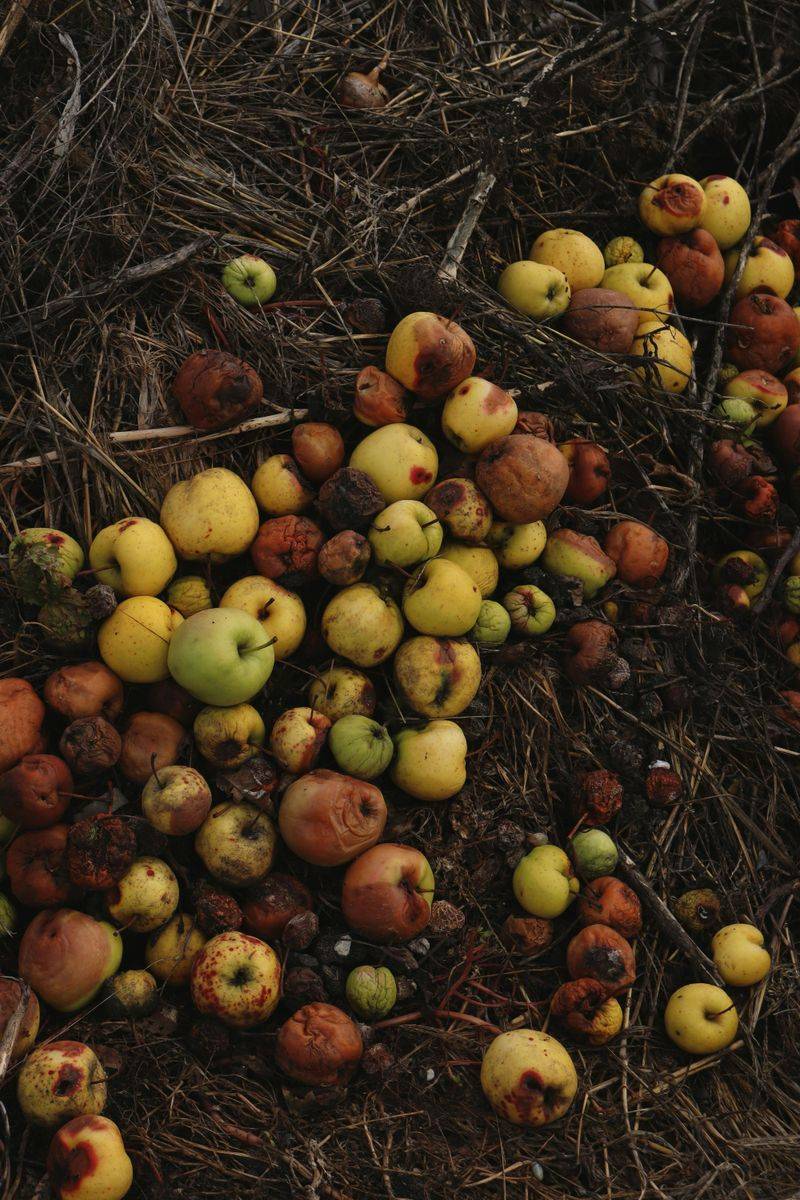
Old logs, leaf piles, and forgotten mulch beds are not just eyesores; they are prime nesting real estate for ants.
Decomposing organic matter stays moist, stays warm, and breaks down into soft material that is incredibly easy for ants to tunnel through and nest inside.
If you have got a brush pile sitting in the corner of your yard, there is a good chance something has already moved in.
Rotting wood is especially attractive because it holds heat well into the cooler months, giving colonies a comfortable place to overwinter.
Ants that survive winter in a large, well-insulated mound emerge in spring as a much bigger and more aggressive colony.
That is why homeowners who clean up debris in fall often see noticeably fewer mounds the following summer.
Removing decomposing wood, clearing thick leaf litter, and keeping mulch layers thin and dry are all practical steps that directly reduce ant habitat.
Aim to keep any wood piles stored away from the lawn and elevated off the ground. A clean yard perimeter removes the staging areas that colonies depend on.
Every pile you clear is one less colony that gets a foothold near your home. A tidy yard is a powerful and completely free line of defense.
7. Reduced Natural Predators Let Ant Populations Grow Unchecked

Nature has always had a built-in system for keeping ant populations balanced, but that system is quietly breaking down in many suburban yards.
Birds like flickers and robins are voracious ant hunters, and ground beetles prey on ant eggs and larvae with impressive efficiency.
When those predators disappear from a neighborhood, ant colonies can expand without anything slowing them down.
Pesticide overuse, habitat loss, and manicured landscapes that leave no room for beneficial insects all contribute to fewer natural checks on ant populations.
Suburban lawns that look neat and tidy often have dramatically fewer predatory insects than a wilder, more diverse yard would.
The tidier the yard in terms of plant diversity, the worse the ant problem can become over time. Predator insects lose the habitat they depend on, even as clearing debris separately remains important.
Attracting natural predators back to your property is a genuinely effective long-term strategy.
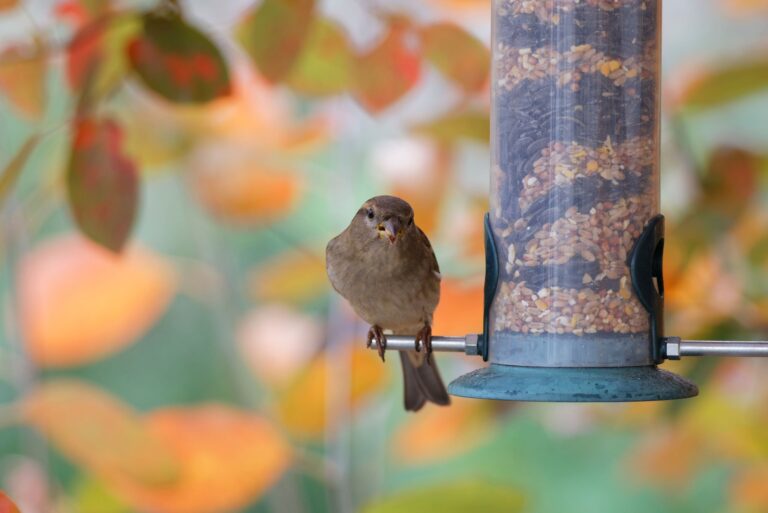
Installing bird feeders, adding native flowering plants that support ground beetles, and reducing broad-spectrum pesticide use all help rebuild the predator community. A yard that supports diverse wildlife is far more resilient against pest pressure of any kind.
When the natural food web is working, ant colonies face real competition for survival. Helping nature do its job is one of the most satisfying ways to fight back.
8. Mowing Too Short Weakens Grass And Hands Ants An Easy Win
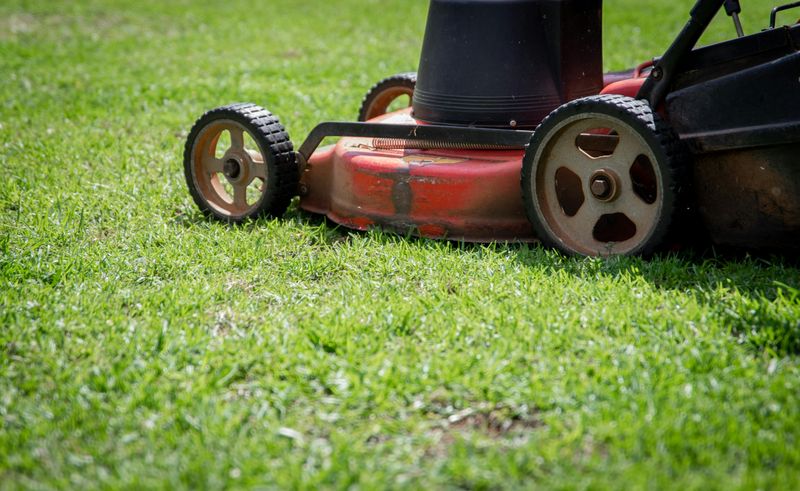
Cutting your grass too short might feel like a time-saver, but it is quietly making your ant problem worse.
Scalped turf exposes bare soil between grass blades, reduces root depth, and stresses the lawn in ways that make recovery slow and difficult.
Ants scout for exactly that kind of weakened, open ground when choosing where to build new mounds.
Most Wisconsin lawn grasses perform best when kept at a height between three and four inches.
Dropping below that threshold weakens the turf’s ability to shade the soil, retain moisture, and crowd out competing organisms.
Stressed grass also becomes more susceptible to other issues like fungal problems, which only adds to the lawn’s troubles.
Raising your mower deck is one of the simplest adjustments a homeowner can make with an immediate positive impact.
Taller grass shades the soil surface, keeping it cooler and less exposed to ant scouts searching for soft, accessible ground.
Combined with proper watering habits and seasonal overseeding, mowing at the right height can visibly reduce new mound formation over a single growing season.
Ant hills on Wisconsin lawns thrive where the grass gives up, so do not let it. Give your turf a fighting chance by letting it grow a little taller this season.