Why June Is The Most Important Month For North Carolina Gardeners In Charlotte
Every month in the garden has its own rhythm, but June in Charlotte operates on a different level entirely.
This is the month where the whole season either locks in or starts quietly unraveling, where the decisions you make in the first two weeks ripple forward into August, September, and beyond.
The heat is building, the plants are at a turning point, and the window for getting certain things right is genuinely short. Charlotte’s specific climate adds another layer to all of this.
The combination of humidity, warm nights, and increasingly intense afternoon sun creates conditions that reward gardeners who know what to prioritize and makes things harder for those who treat June like any other month.
If you only have a limited amount of time to spend in the garden right now, knowing where to put that effort first makes all the difference.
1. Summer Heat Stress Is About To Begin
Most Charlotte gardeners know the heat is coming, but few realize just how fast it hits in June. Temperatures can swing from pleasant mornings to brutal afternoons within days, and plants that looked perfectly healthy in May can start struggling almost overnight.
June is genuinely your last real window to get plants ready before the long stretch of North Carolina summer takes hold.
Right now, focus on watering deeply rather than frequently. Shallow watering encourages roots to stay near the surface, where soil dries out fastest.
Deep watering pushes roots downward into cooler, more stable soil, which helps plants handle heat far better over time. Aim for about one inch of water per week, applied slowly so it soaks in rather than runs off.
Shade cloth can be a game changer for sensitive plants like lettuce, spinach, and herbs that bolt quickly in the heat. A lightweight 30 to 40 percent shade cloth draped over a simple frame can extend your harvest by weeks.
Grouping pots together also helps reduce moisture loss from individual containers. Small adjustments made now can prevent a lot of frustration later when temperatures regularly push past 90 degrees and afternoon thunderstorms are no guarantee of relief.
2. Mulch Matters More Now Than Any Other Time
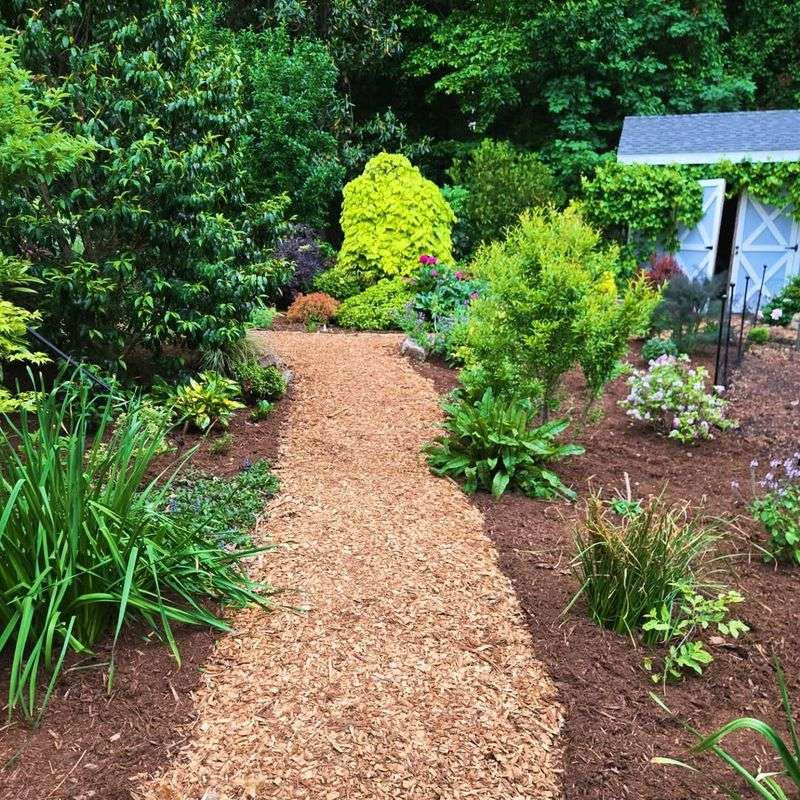
There is one garden task that delivers more return on your effort in June than almost anything else, and that is mulching.
A good layer of mulch applied right now can mean the difference between a thriving summer garden and one that struggles to keep up. It is simple, affordable, and the benefits start working the moment you spread it.
Mulch does three important things at once. First, it holds moisture in the soil so your plants stay hydrated longer between waterings.
Second, it moderates soil temperature, keeping roots cooler even when the air above is blazing hot. Third, it suppresses weed growth by blocking sunlight from reaching weed seeds waiting to sprout.
In Charlotte summers, all three of those benefits matter enormously. Aim for a two to three inch layer around your plants, keeping mulch pulled back slightly from direct contact with stems to prevent rot.
Your North Carolina Garden Changes Every Week. Your Plan Should Too.
Gardening in North Carolina changes quickly throughout the season. Every Friday you’ll receive a simple weekly plan showing exactly what to plant, prune, fertilize, harvest, and protect so you never miss the right timing.
Pine straw, shredded hardwood, and wood chips all work well in Charlotte landscapes. Pine straw is especially popular locally because it is lightweight, easy to spread, and breaks down slowly.
Refresh any areas where mulch has thinned out from last season. Doing this one task well in early June can dramatically reduce how much watering and weeding you need to do all summer long.
3. Tomato Problems Often Start In June
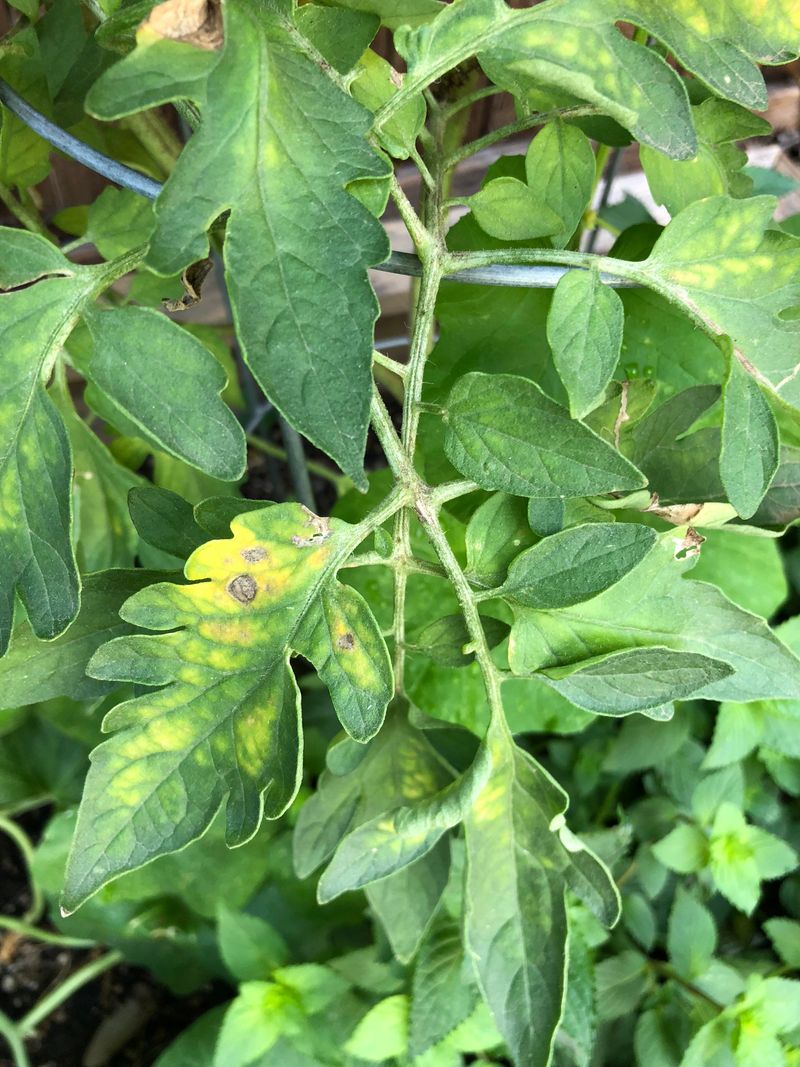
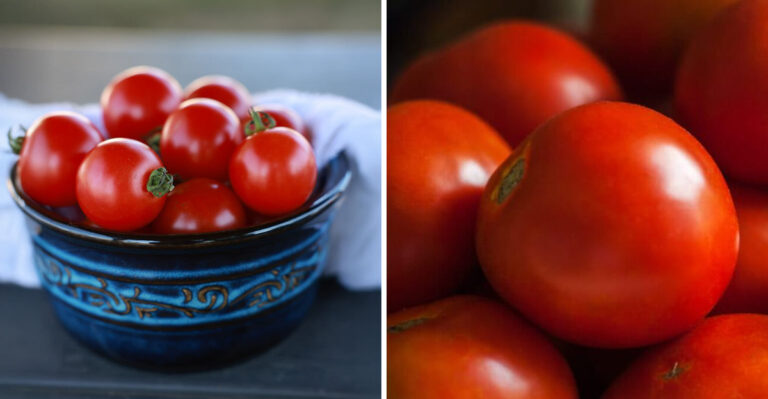
Tomatoes are the crown jewel of most Charlotte vegetable gardens, and June is when they need the most attention. The combination of warm nights, high humidity, and intense afternoon sun creates the perfect setup for a range of common problems.
Catching issues early is far easier than trying to fix them once they take hold. Blight is one of the biggest concerns in the Charlotte area.
Early blight shows up as dark spots with yellow rings on lower leaves, while late blight produces water-soaked lesions that spread quickly.
Both spread faster in humid, wet conditions. Remove affected leaves immediately, avoid overhead watering, and make sure plants have good airflow by keeping them properly pruned and staked.
A preventive application of copper-based fungicide can help protect healthy foliage before problems appear.
Blossom end rot is another June headache for tomato growers. It shows up as a dark, sunken area on the bottom of the fruit and is caused by inconsistent watering that disrupts calcium uptake.
Keeping soil moisture steady with mulch and regular deep watering goes a long way toward prevention. Tomato cracking often follows heavy rain after a dry spell, so consistent irrigation matters here too.
Check plants every few days in June, because catching a problem early can save the entire crop before summer even gets going.
4. Weeds Grow Fast Enough To Take Over Quickly
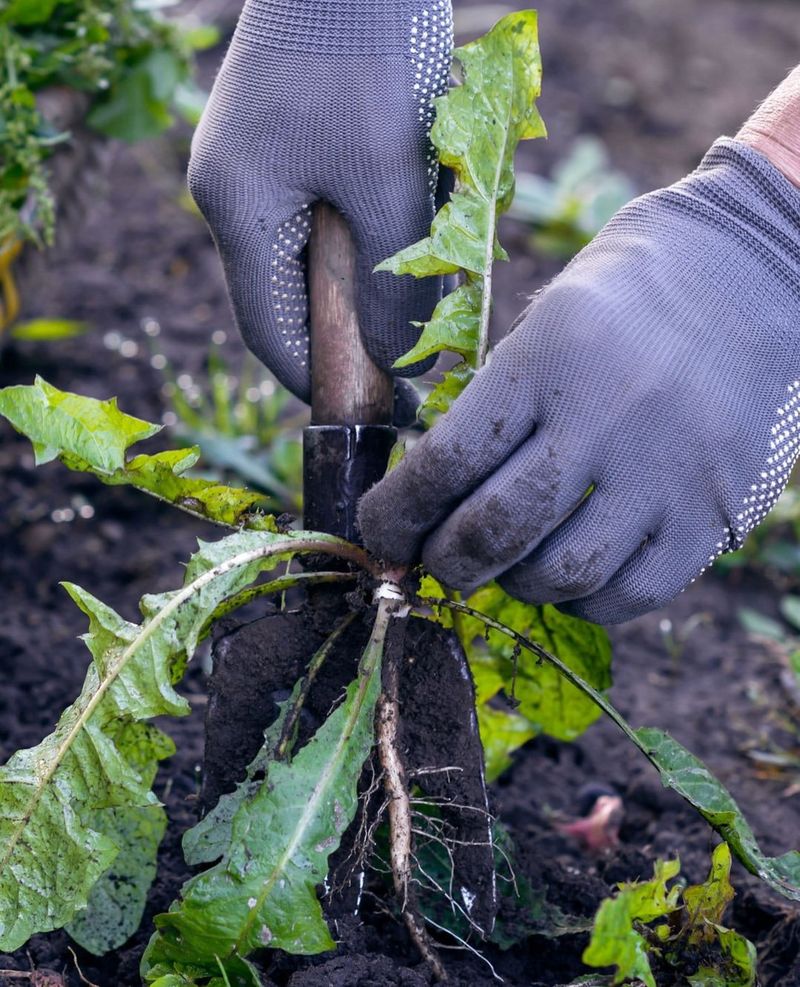
June in Charlotte feels like weeds have a secret growth plan. Warm soil, longer days, and regular rain create conditions where weeds can go from tiny seedlings to established plants in what feels like a matter of days.
If you let them get ahead of you even for a week or two, they start competing seriously with your vegetables and flowers for water, nutrients, and light.
The best strategy is to tackle weeds when they are young and small. A quick pass with a hoe or hand weeder every few days takes about ten minutes and keeps things under control without much effort.
Waiting until weeds are large means more physical work, more soil disturbance, and often more weed seeds shaken loose to sprout later. Staying consistent early in June pays off big throughout the summer.
Pre-emergent herbicides can help in areas where you are not growing vegetables, like ornamental beds and lawn edges. In vegetable gardens, mulch is your best non-chemical tool for suppressing new weed growth.
Laying down cardboard beneath mulch in empty garden spaces adds another layer of weed control without any chemicals at all.
Pulling weeds right after rain, when soil is soft and loose, makes the job much easier and gets roots out cleanly. Stay on top of it now and the rest of summer becomes far more manageable.
5. Deep Watering Becomes More Important Than Rainfall Totals
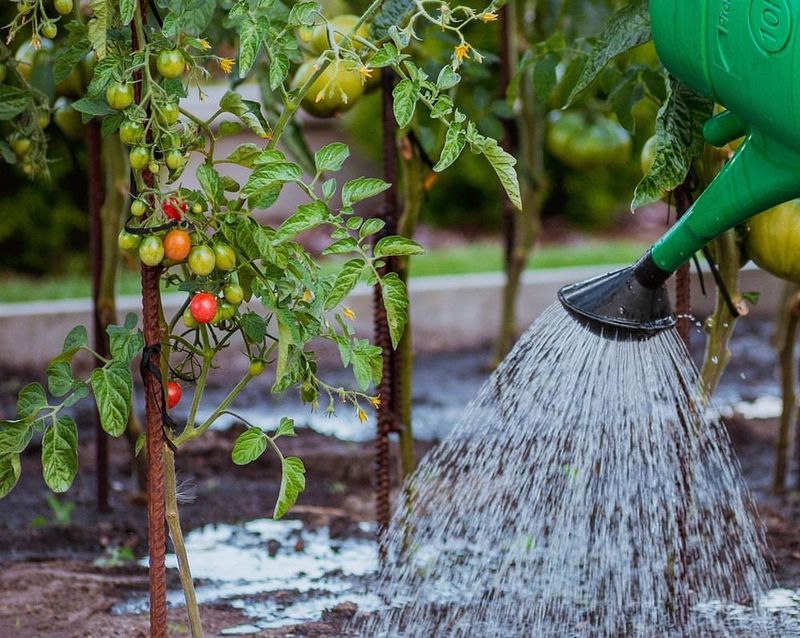
Charlotte summers are full of afternoon thunderstorms that look impressive but often drop less water than you think. A quick, heavy storm might wet the top inch of soil while leaving deeper root zones completely dry.
Relying on rainfall totals alone during June and July is one of the most common mistakes Charlotte gardeners make every single season.
The key is learning to check soil moisture rather than watching the weather app. Push your finger two inches into the soil near your plants.
If it feels dry at that depth, your plants need water regardless of whether it rained yesterday.
Most vegetables and flowering plants need consistent moisture down to six inches, which takes slow, deep watering rather than a quick sprinkle to achieve.
Soaker hoses and drip irrigation are worth every penny in a Charlotte summer. They deliver water directly to the root zone slowly and efficiently, reducing evaporation and keeping foliage dry, which also helps prevent fungal issues.
Water in the early morning whenever possible so plants head into the hottest part of the day already hydrated. Evening watering works in a pinch but can leave foliage damp overnight, increasing disease risk.
Setting up a simple watering schedule in June, rather than watering whenever you remember, keeps plants consistently healthy through even the driest stretches of summer.
6. Pollinator Activity Reaches A Peak
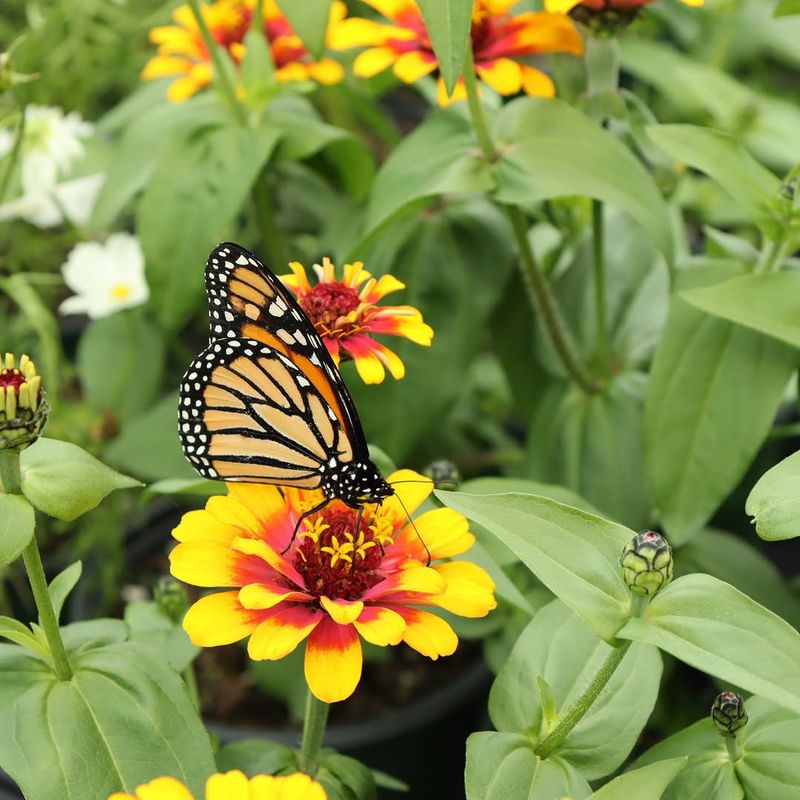
Something magical happens in Charlotte gardens every June. Bees, butterflies, and dozens of other beneficial insects reach their highest activity levels of the year, moving from flower to flower and making your vegetable and fruit harvests possible.
Supporting pollinators right now is one of the smartest things any gardener can do, and it does not take much effort to make a real difference.
Native plants are the most reliable way to attract and support local pollinators. Purple coneflower, black-eyed Susan, native bee balm, and milkweed are all excellent choices that thrive in Charlotte’s climate and bloom right through summer.
These plants evolved alongside native bees and butterflies, so they offer exactly the nectar and pollen those insects need most. Adding even a small cluster of native flowering plants to your garden can noticeably increase pollinator visits.
Avoid spraying pesticides during peak bloom hours, which are typically morning through early afternoon. Even organic sprays can harm beneficial insects if applied when flowers are open and pollinators are actively foraging.
If you need to treat pest problems, do it in the evening when most pollinators have returned to their nesting sites.
Leaving a shallow dish of water with pebbles in it gives bees a safe drinking spot during hot days. These small, thoughtful habits build a garden that buzzes with life all season long.
7. Many Shrubs Begin Setting Future Flower Buds
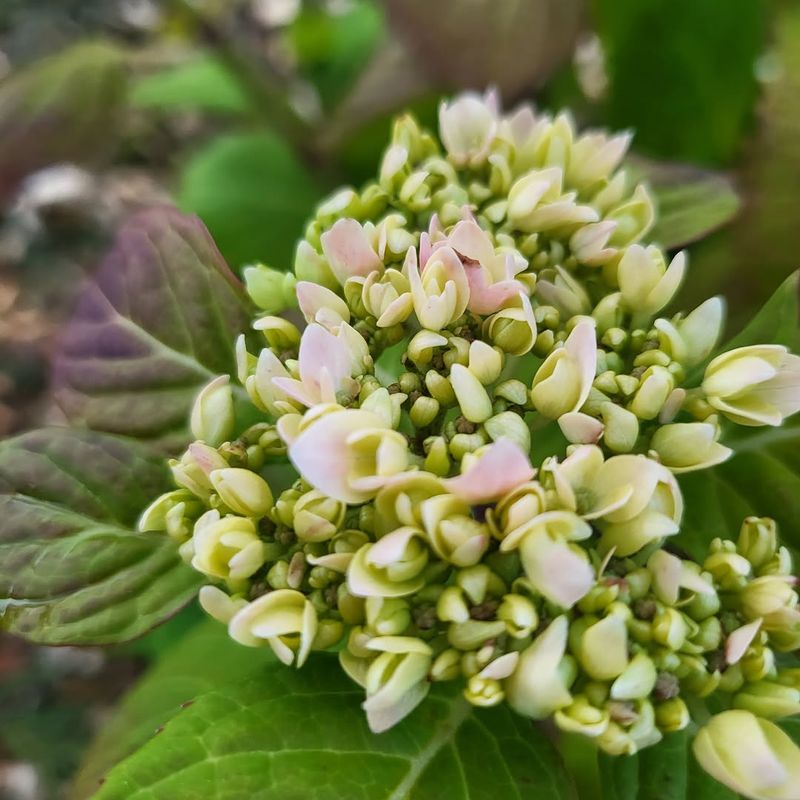
Timing is everything when it comes to pruning shrubs in Charlotte, and June is the month where a well-meaning mistake can cost you an entire season of blooms.
Many popular landscape shrubs, including azaleas, gardenias, and bigleaf hydrangeas, begin setting next year’s flower buds in summer.
Pruning them too late in the season removes those developing buds before they ever get a chance to open.
Azaleas are a perfect example. They bloom in spring and immediately begin forming buds for the following year.
Pruning after mid-June can remove those new buds entirely, leaving you with a healthy-looking shrub that produces very few flowers next spring. If you want to shape or size-reduce an azalea, do it right after blooming ends and before the end of June to stay safe.
Bigleaf hydrangeas, the big mophead and lacecap types with blue or pink blooms, follow the same general rule. They bloom on old wood, meaning the stems that grew last year carry this year’s flowers.
Cutting them back hard in summer removes those flowering stems completely. Deadhead spent blooms carefully without cutting far back into the stem. Gardenias also appreciate a light cleanup right after flowering.
Knowing which shrubs to prune now versus which ones to leave alone until late winter can protect years of landscape investment and keep your yard looking spectacular every single year.
8. Pest Populations Expand Rapidly
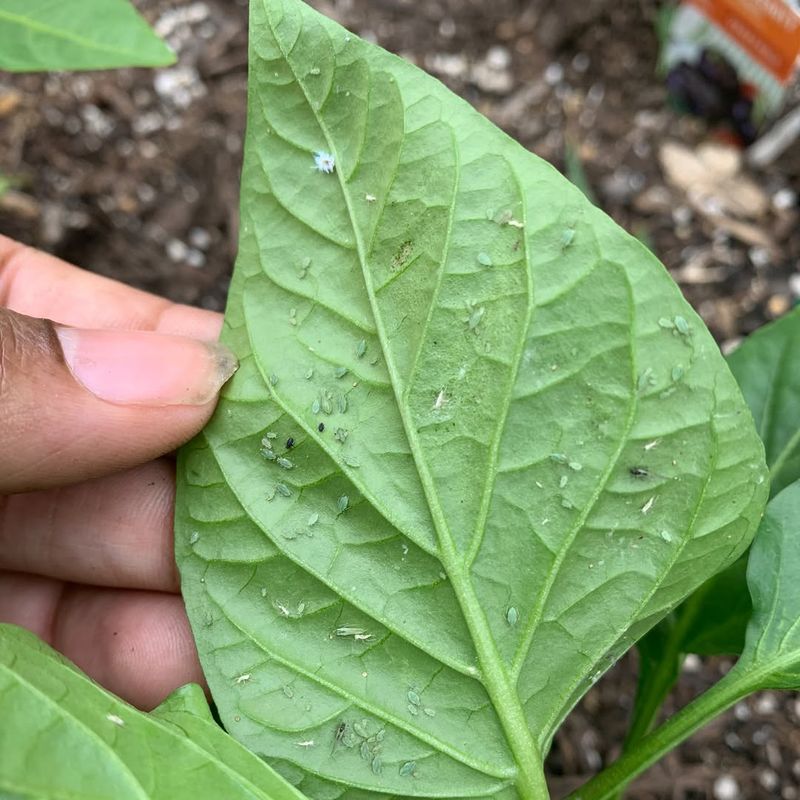
Warm temperatures and lush plant growth in June create ideal conditions for insects to multiply fast.
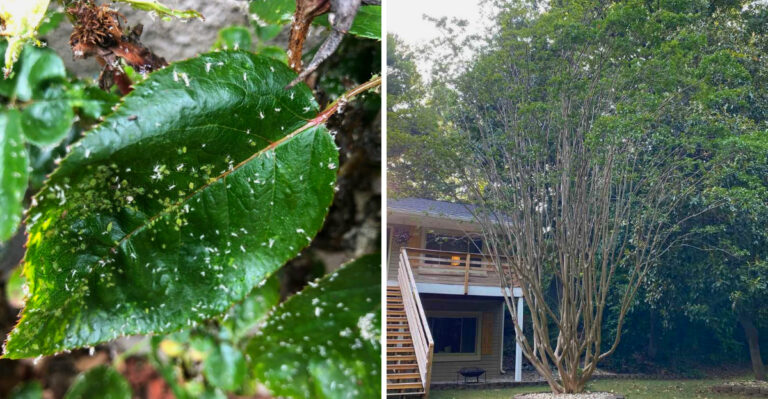
What starts as a handful of aphids on a pepper plant or a few squash vine borer eggs on a zucchini stem can turn into a full-blown infestation within two weeks if left unchecked.
June is the month to start paying close attention because early action is always easier than late damage control.
Make it a habit to walk through your garden every two or three days and look closely at both the tops and undersides of leaves. Aphids, spider mites, whiteflies, and caterpillars often hide on leaf undersides where they are easy to miss during a quick glance.
Catching a small cluster of aphids early means a strong blast of water from the hose can knock them off before they establish a large colony. Finding one squash vine borer egg means you can remove it before the larva tunnels into the stem.
Beneficial insects like ladybugs, lacewings, and parasitic wasps naturally keep many pest populations in check, so avoid broad-spectrum pesticide sprays that wipe out the good with the bad.
Targeted treatments using insecticidal soap or neem oil work well for soft-bodied insects and have minimal impact on beneficial species when used correctly.
Keeping a simple garden journal to track what pests appear and when helps you anticipate problems in future seasons and stay one step ahead all summer.
9. Healthy June Growth Shapes The Rest Of The Season
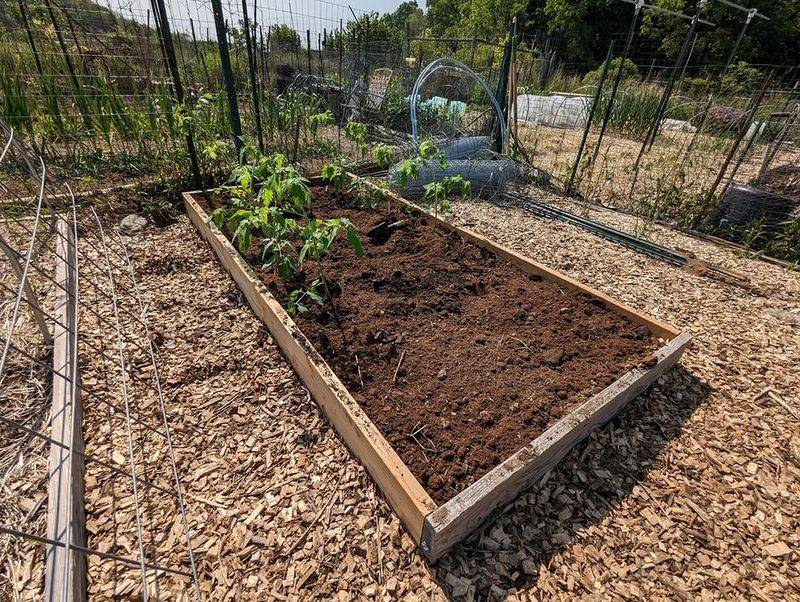
Every season has a turning point, and for Charlotte gardeners, that turning point is June. The habits you build now, the tasks you complete or skip, and the attention you give your plants during this month ripple forward through July, August, and into early fall.
A garden that gets solid care in June tends to stay productive and resilient even when summer gets tough.
Think of June as your foundation month. Mulching, deep watering, pest monitoring, timely pruning, and weed control done consistently now reduce the amount of emergency fixes you need later.
Plants that establish strong, deep root systems in June handle dry spells and heat waves with far less visible stress. Vegetables that get consistent moisture and nutrition now produce better harvests through peak summer.
Flowers that are properly deadheaded and supported now keep blooming longer into fall. Keeping a simple to-do list for your garden in June helps make sure nothing important slips through the cracks during a busy month.
Walk your garden in the morning when it is cool, check soil moisture, look for pest damage, pull a few weeds, and note anything that needs attention.
These short, regular visits add up to a garden that feels manageable rather than overwhelming.
Charlotte gardeners who invest their energy in June almost always end up with the most rewarding, productive, and beautiful gardens by the time September rolls around.