8 Michigan Native Perennials That Hold Their Shape Longer Than Hostas
Hostas have a loyal fan club in Michigan, and honestly, the loyalty is earned. They are familiar, leafy, and easy to tuck into a shady bed without much thought. But by late summer, something often changes.
The garden still needs structure. The paths still need edges. Those corners still need plants that can carry the season. That is where the story gets more interesting.
Certain native perennials hold themselves together when the rest of the garden starts looking tired and ready to call it a season. They bring shape, texture, movement, and serious wildlife value without asking for constant attention.
Some of them bloom when nothing else will. Some feed pollinators at the exact moment those pollinators need it most. Some just look genuinely beautiful in October when everything around them has given up.
Whether it is shade, damp soil, or a tired sunny border, Michigan natives may have a better answer.
A few of these plants may completely change how you think about “reliable” in a Michigan garden.
1. Wild Geranium Keeps Shade Beds Full After Spring
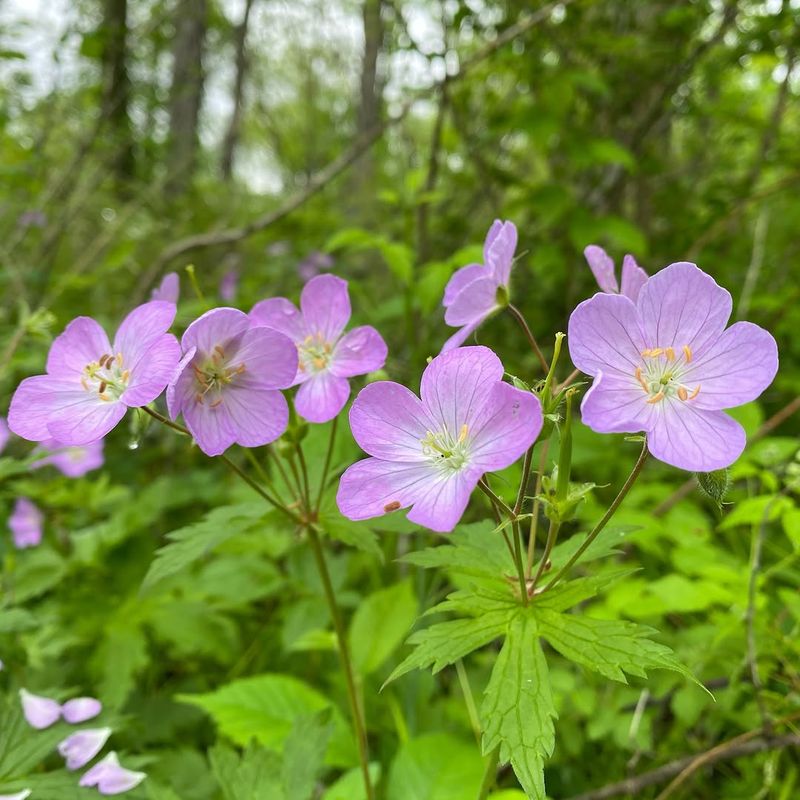
Some spring bloomers make a big entrance, then quietly vanish from the scene. Wild geranium has better manners.
It opens the season with soft pink-purple flowers that feel perfectly at home under trees and along woodland paths. But the real trick comes after the bloom. Instead of fading into a forgettable patch, it keeps a rounded mound of deeply cut leaves.
That foliage gives shade beds a fresh, full look for much of the growing season. If your hostas often look tired by late summer, wild geranium may feel like a garden plot twist.
This Michigan native works well under deciduous trees, near shrub borders, and along lightly shaded walkways. It can handle dry shade once established, which is no small thing. Anyone who has tried to plant beneath mature trees knows how tricky that spot can be.
Wild geranium usually grows about one to two feet tall and wide. That makes it useful as a filler between taller shrubs or as a soft front layer in a woodland bed.
For a better look, plant it in small groups. Three or five plants can create a natural drift that feels intentional without looking stiff. Space them about twelve to eighteen inches apart and let them settle.
They may spread gently over time. That slow movement helps fill gaps without turning the bed into a wrestling match.
The leaves can also pick up reddish tones in fall. That gives the plant one more quiet moment before the season winds down.
Think of wild geranium as the shade bed’s good geran-i-yum. It brings flowers, shape, and texture without making the gardener chase it around. If you want a native that looks polished after spring has passed, this one deserves a closer look.
2. Foamflower Adds Neat Foliage And Woodland Texture
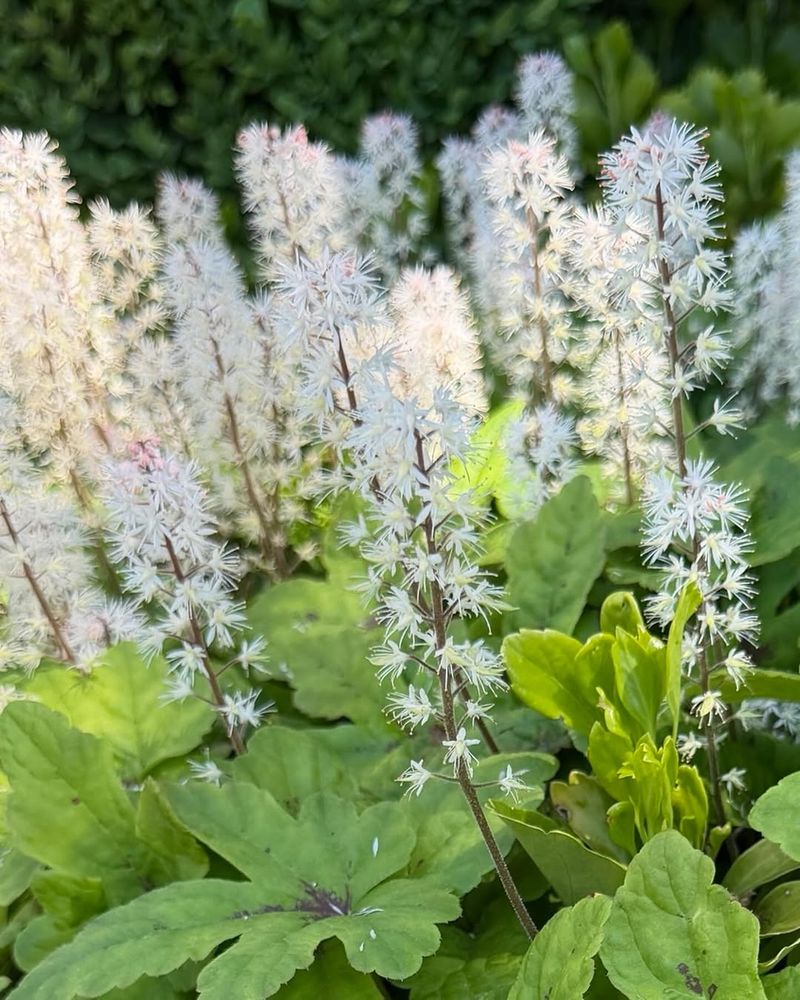
Foamflower sounds delicate, but do not underestimate it. This little woodland native knows how to hold a shady space together.
Its heart-shaped leaves form a low, neat carpet that looks tidy along paths, under trees, and around larger perennials. Then spring arrives, and slender white flower spikes rise above the foliage like tiny foam-tipped wands. It feels soft, but the plant has real staying power.
Your Michigan Garden Changes Every Week. Your Plan Should Too.
Gardening in Michigan changes quickly throughout the season. Every Friday you’ll receive a simple weekly plan showing exactly what to plant, prune, fertilize, harvest, and protect so you never miss the right timing.
Even after the flowers finish, the foliage keeps doing the work. The leaves often show dark markings along the veins, which adds texture and depth. That means the plant still looks interesting when it is not blooming.
If you have a shaded corner that always looks unfinished, foamflower may be a smart fix. It can create a living layer where bare soil or plain mulch might feel flat.
Foamflower does especially well in moist, humus-rich soil. Think woodland floor: leafy, cool, and lightly damp. It can also handle deeper shade better than many perennials.
During the first season, keep the soil consistently moist while roots settle. After that, established plants may handle short dry spells without losing their clean shape.
Plant it about twelve inches apart if you want faster coverage. The plants spread slowly by runners, filling gaps in a gentle way.
Use foamflower near ferns, sedges, wild ginger, or Solomon’s seal. Together, they create that layered woodland look that feels calm and natural.
It is also useful along path edges because it stays low and does not flop into the walkway. That makes it practical as well as pretty.
Think of foamflower as the garden’s foam-and-function plant. It brings a little magic in spring and neat texture long after. If your shade bed needs softness without sloppiness, this native can really rise to the occasion.
3. Solomon’s Seal Gives Shade Gardens Arching Structure
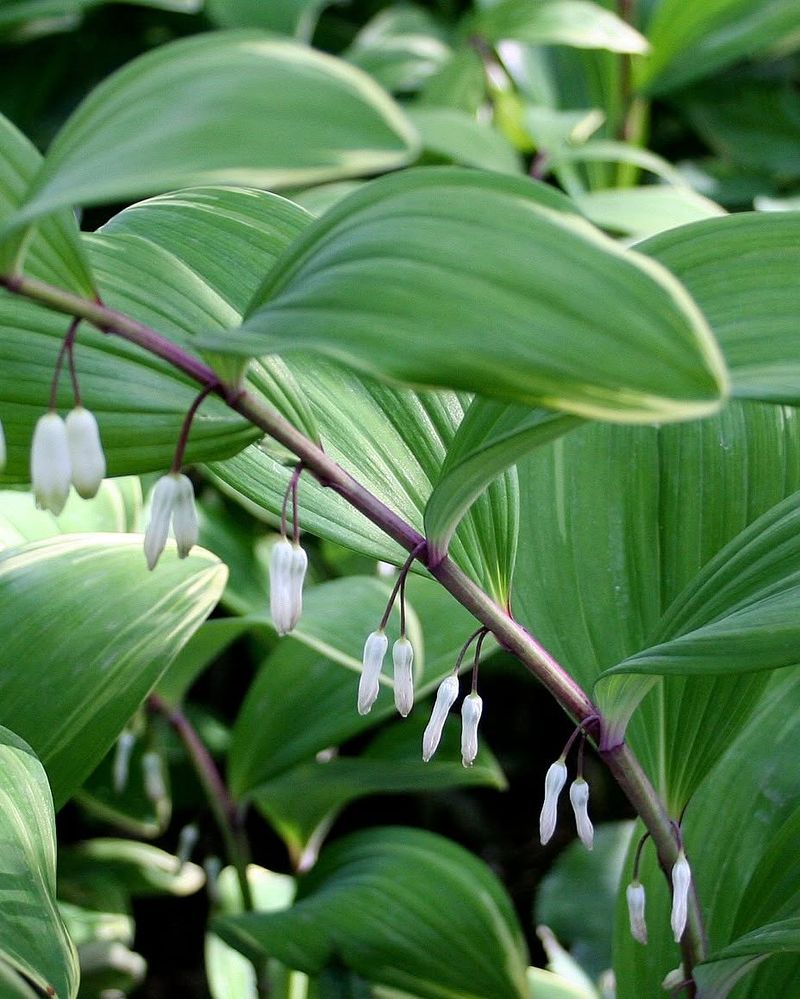
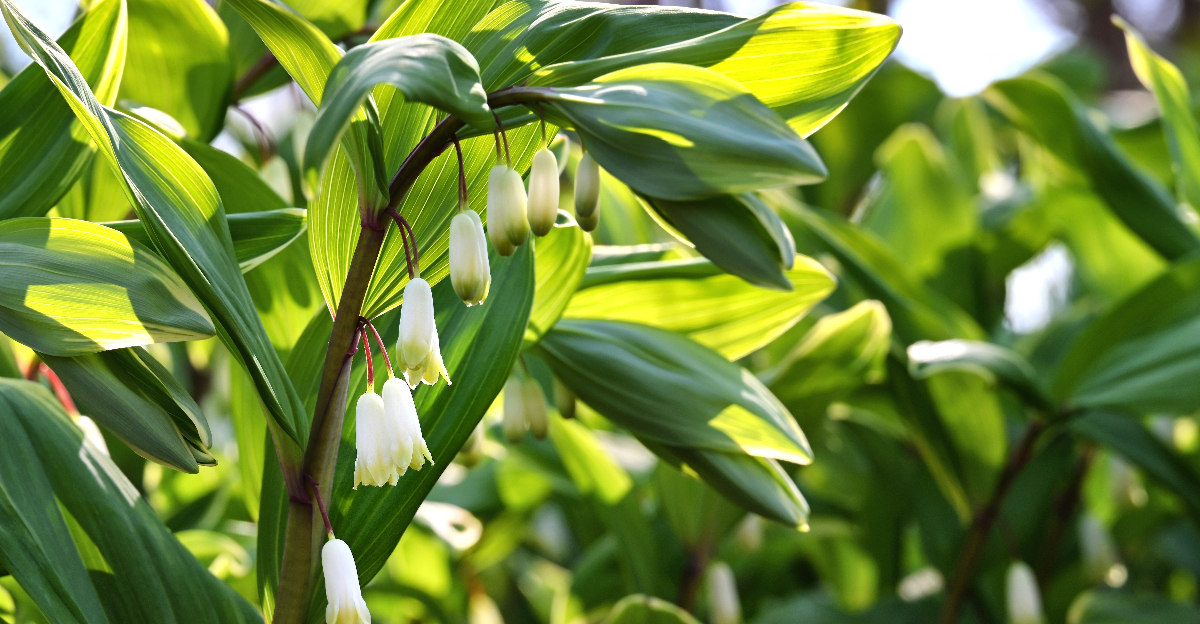
Solomon’s arching stems curve outward with a graceful, almost architectural shape. Paired oval leaves run neatly along each stem, giving the plant a calm, ordered look.
In late spring, small white bell-like flowers hang underneath, almost hidden unless you lean in. That little secret is part of its charm.
Solomon’s seal is wonderful for shady beds that need height without heaviness. It does not form a flat mat. It does not sprawl around in a messy way. Instead, it creates movement, like a green brushstroke across the garden.
In Michigan gardens, it fits beautifully under trees, along woodland borders, and near shaded paths. It likes soil with organic matter and steady moisture, though established clumps can be fairly easygoing.
Most plants grow around two to three feet tall. In richer, moister soil, they may stretch taller. That makes them useful behind lower groundcovers or in the middle of a shade border.
Plant the rhizomes horizontally, just below the soil surface. Spring or fall planting can work well. Once settled, the plants spread slowly into a graceful colony.
This is not an instant-impact plant. It asks for a little patience. But after a few seasons, the shape becomes one of the most reliable features in the bed.
Pair it with foamflower, wild geranium, ferns, or Pennsylvania sedge. Those lower plants make the arching stems stand out even more.
The blue-black berries that follow the flowers can add another note of interest. Birds may also make use of them. Want plants that look composed without looking stiff? This one is worth a spot.
4. Ostrich Fern Brings Tall Texture For Moist Shade
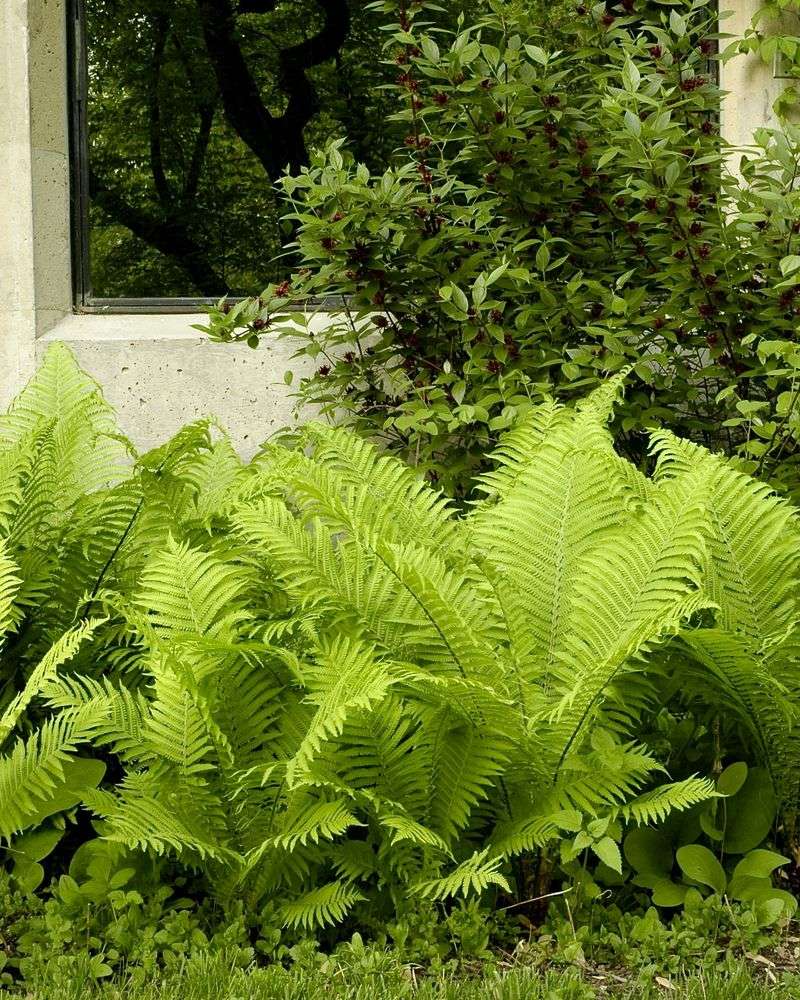
If your shady garden needs height, ostrich fern knows how to make an entrance. This is not a shy little fern tucked politely at the edge.
It can send up tall, vase-shaped fronds that bring bold texture to moist corners. In the right spot, it can feel almost theatrical. And honestly, some gardens could use that kind of fern-tastic confidence.
Ostrich fern is a strong choice for damp shade. Think stream edges, rain garden margins, low woodland areas, or spots where soil stays evenly moist. It is not usually the best match for dry shade, but in a moist bed, it can shine.
The fronds may reach several feet tall, often creating a lush, upright shape. That height makes the plant useful at the back of a border or beside a shaded seating area.
The form is one of its best features. The fronds rise from the center and fan outward, giving the plant a natural vase shape. That structure can hold attention much longer than many broad-leaf shade plants.
During the first growing season, keep the soil consistently moist. Once the plants settle in, they can spread into colonies. Give them enough room so the planting looks generous rather than crowded.
Pair ostrich fern with lower natives like wild ginger, foamflower, or Pennsylvania sedge. That creates layers, with the fern rising above like a green fountain.
In early spring, the curled fiddleheads can be a fun detail to watch. They unfurl slowly, turning a quiet bed into something that feels alive and in motion.
This plant works best where you can let it be bold. Do not squeeze it into a tiny dry corner and expect elegance.
Think of ostrich fern as the shade garden’s plume with a view. It brings height, texture, and a little woodland drama to places that need more than flat foliage.
5. Royal Fern Holds Upright Form In Damp Beds
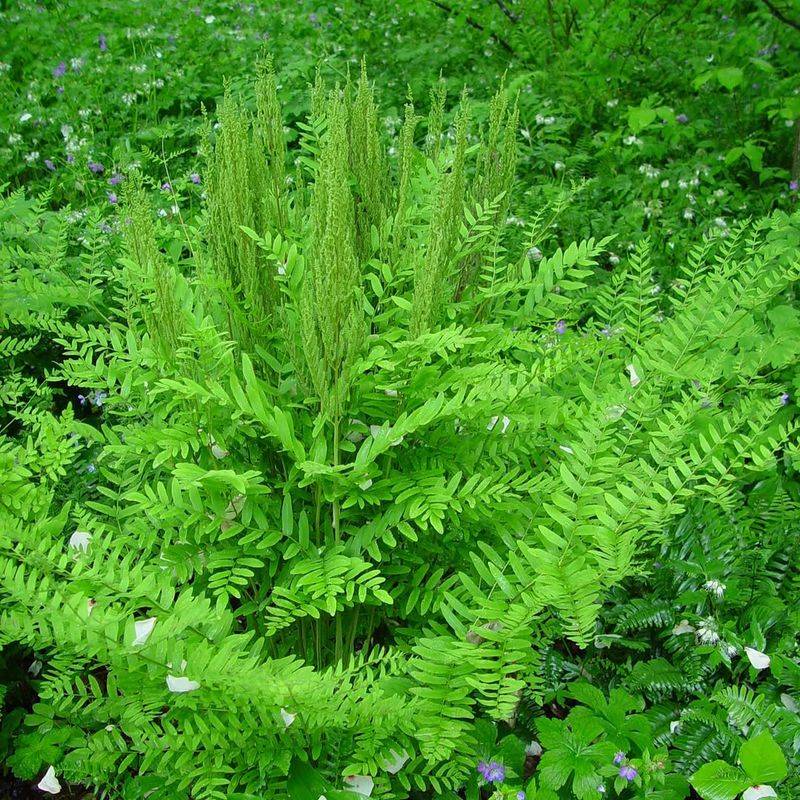
Royal fern has a name that fits. It stands with a kind of quiet confidence, especially in damp garden beds where many plants lose their shape.
The fronds are tall, divided, and layered, giving the plant a refined texture that feels almost tropical. For a Michigan native, it brings a surprisingly grand look.
Royal fern works well in moist to wet areas. Rain gardens, low spots, pond edges, and wet woodland borders can all suit it. If you have a soggy corner that never looks finished, this fern may turn the problem into a feature.
It can reach three to five feet tall in favorable conditions. That height makes it useful as a vertical accent. Unlike low, spreading plants, royal fern gives the bed a lifted, upright form.
The texture is different from many ferns. Its leaflets are more open and layered, which helps it stand out in mixed plantings. It pairs beautifully with blue flag iris, cardinal flower, sedges, and other moisture-loving natives.
Plant it in spring or early fall. Add compost or leaf mold if the soil lacks organic matter. This helps mimic the rich, leafy conditions it enjoys in natural settings.
Royal fern can be slow to settle in. That does not mean anything is wrong. Some plants take their time before showing their full character.
Keep it moist during its early years. Once established, it can become a long-lasting anchor in damp shade.
This is a plant for gardeners who appreciate patience. You may not get instant drama on day one. But over time, the structure becomes richer and more impressive.
Royal Fern does not need flowers to feel special. Its form does the talking. If your garden has a damp corner waiting for purpose, this fern may give it a royal upgrade.
6. Pennsylvania Sedge Creates A Low Native Carpet
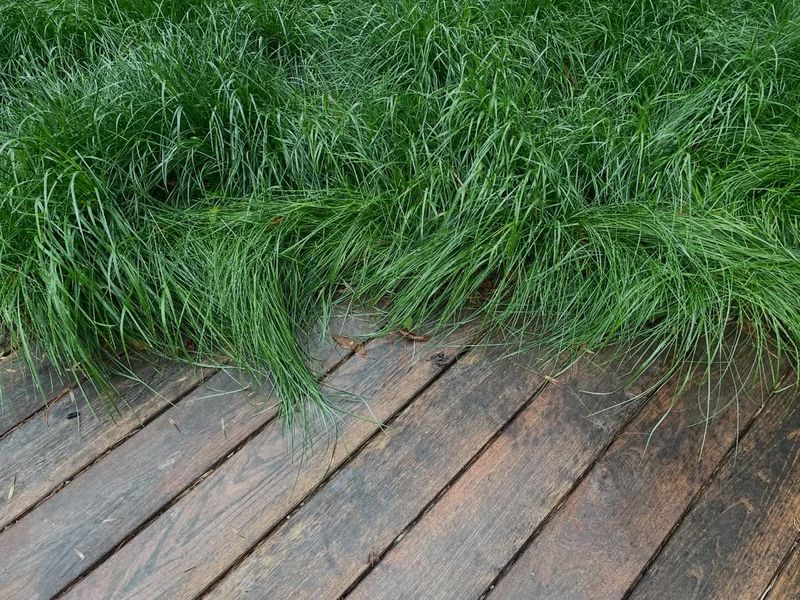
Bare mulch has its place. But under trees, along shady paths, and around woodland beds, Pennsylvania sedge can offer something much more alive.
This native sedge forms a soft, grasslike carpet that stays low and fine-textured. It usually grows about six to ten inches tall, which makes it useful where you want coverage without bulk. It has a meadow-like feel, but on a smaller, tidier scale.
Pennsylvania sedge works in dry to moist shade, which makes it especially useful in Michigan gardens. Tree roots can make soil dry and competitive. Many plants struggle there, but this sedge often handles those conditions once established.
The foliage creates gentle movement and texture. It is not flashy, but it is quietly effective. Sometimes that is exactly what a shaded bed needs.
Use it under large trees, along path edges, on gentle slopes, or as a living alternative to plain mulch. It can help soften hard lines and reduce bare patches.
Plant plugs or divisions in spring or fall. Spacing them eight to twelve inches apart can help the area fill in more quickly. If you space them farther apart, they may still knit together, but it will take more time.
Once established, Pennsylvania sedge usually asks for very little. It does not need mowing in most garden settings. A trim in early spring can refresh the foliage before new growth begins.
Pair it with wild geranium, foamflower, wild ginger, or Solomon’s seal. Those combinations create a layered native shade planting that feels natural and finished.
Think of Pennsylvania sedge as the garden’s soft landing. It covers ground, calms the bed, and keeps things looking intentional. If you want a low native layer that works harder than mulch, this plant deserves a serious look.
7. Switchgrass Adds Strong Late Season Shape
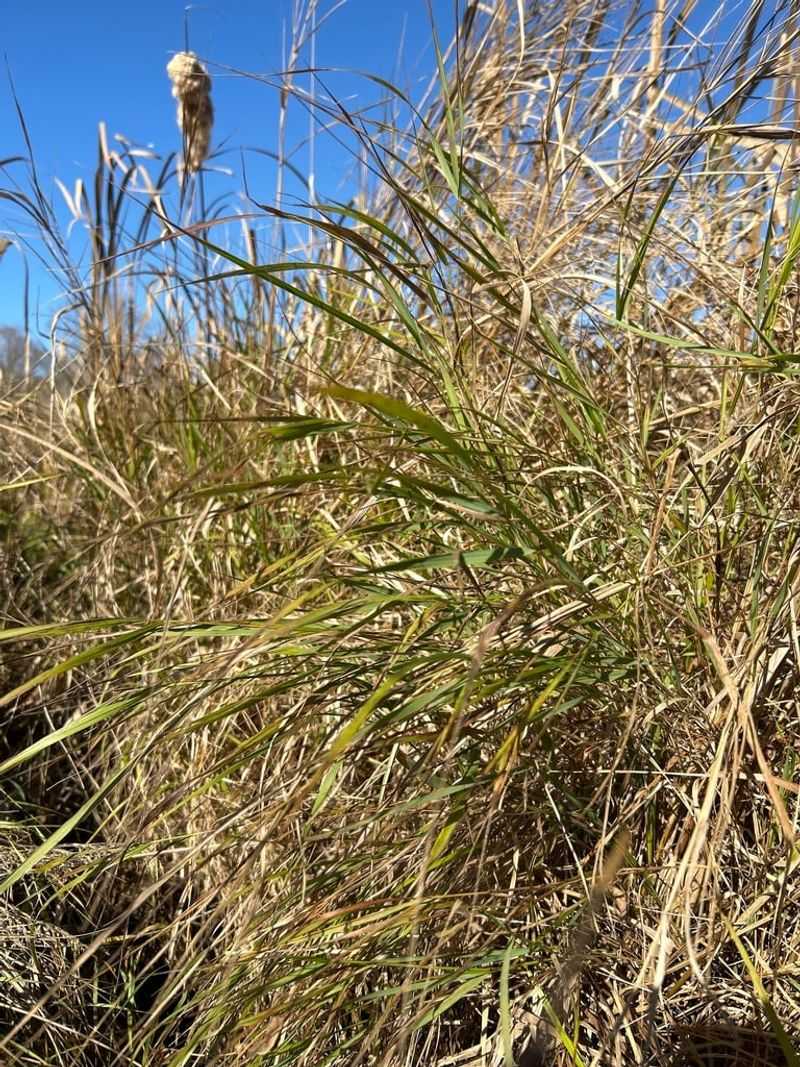
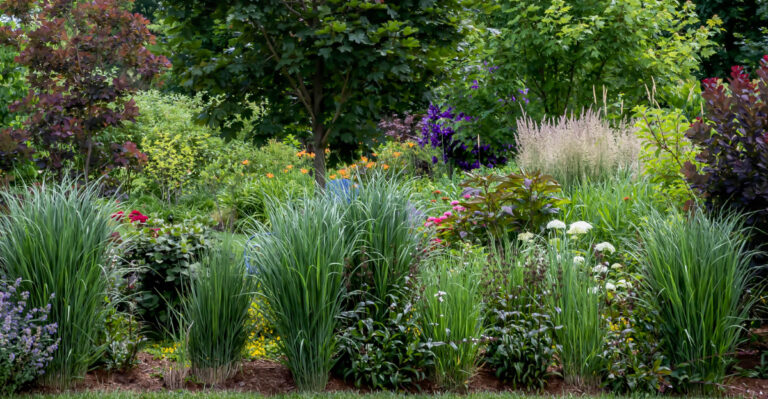
By late summer, many borders start to lose their spark. Switchgrass is just getting interesting. This Michigan native grass forms upright clumps that bring height, movement, and structure into the back half of the season.
Its airy seedheads catch light beautifully, especially in late afternoon. Even on cloudy days, they can make a planting feel alive. If your sunny border looks tired by August, switchgrass may be the backbone it is missing.
Most varieties grow around three to five feet tall. That makes them useful in the middle or back of sunny beds. They can also work as a loose screen, a soft divider, or a vertical accent among flowering perennials.
Switchgrass is adaptable once established. It can handle clay, sandy soil, and average garden soil. It may also tolerate dry spells or brief wet periods without losing its upright character. Full sun gives the strongest form. Too much shade can make the clumps lean or open up.
Choose a variety that fits your style. Some offer red fall tones. Others have blue-green foliage or especially upright habits. A little selection work up front can save you space problems later.
Plant in spring, spacing clumps about two to three feet apart. Give the roots regular moisture during the first season. After that, the plants can often manage with less attention.
Leave the seedheads standing into fall and early winter if you can. They bring winter texture, and birds may use the seeds.
Cut the clumps back in late winter or very early spring before new growth begins. That refresh gives the plant a clean start.
Think of switchgrass as the garden’s late-season switch hitter. When summer flowers slow down, it steps up with shape, shimmer, and movement. That kind of timing is hard to beat.
8. Little Bluestem Carries Structure Into Fall
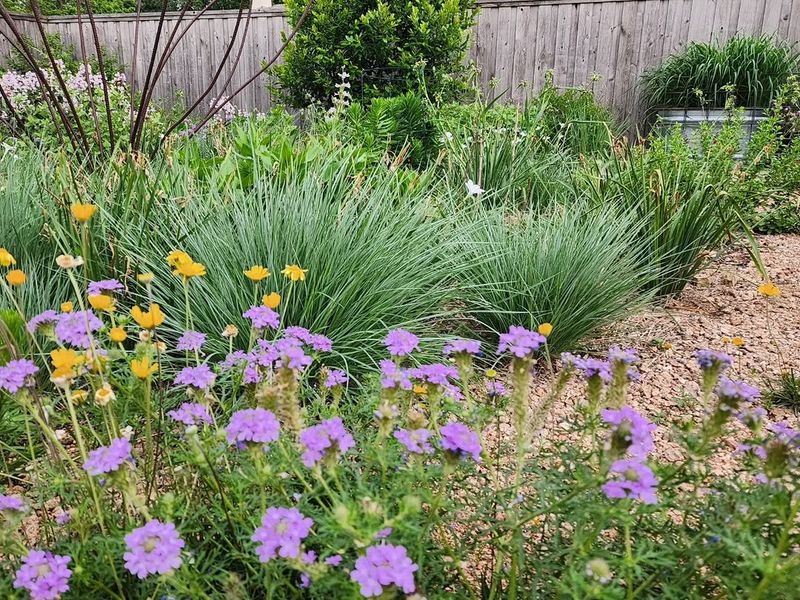
Little bluestem saves some of its best color for later. In summer, it brings upright blue-green texture to sunny gardens.
Then fall arrives, and the clumps can shift into copper, orange, rust, and reddish-brown tones. Fluffy seedheads catch the light and move with the breeze. It is the kind of plant that makes October feel planned.
This native grass grows naturally in dry prairies, sandy soils, and lean open places. That background makes it a strong choice for sunny Michigan gardens with well-drained soil.
It usually grows two to four feet tall. That size works well in mid-border plantings, prairie-style beds, sunny edges, and mixed native gardens.
Little bluestem prefers sun. In too much shade or overly rich soil, the clumps may lean more than you want. Lean soil often helps it keep a stronger upright shape.
Do not overfeed it. This is one plant that does not need a luxury buffet. Too much fertility can make it softer and less tidy.
Plant it in spring after the coldest weather has passed. Space plants about eighteen to twenty-four inches apart. Give them water while they establish, then ease into a lower-care routine.
Little bluestem pairs beautifully with coneflowers, black-eyed Susans, prairie dropseed, asters, and goldenrods. Together, they create a sunny planting with color, texture, and wildlife value.
Leave the seedheads through winter if possible. They add movement and may provide food for birds. Then cut clumps back in late winter or early spring.
Think of little bluestem as the garden’s autumn ember. It starts quietly, then glows when many plants are winding down. Just what we want, right?