Before You Plant Florida Beautyberry, Know These Things About Where It Spreads
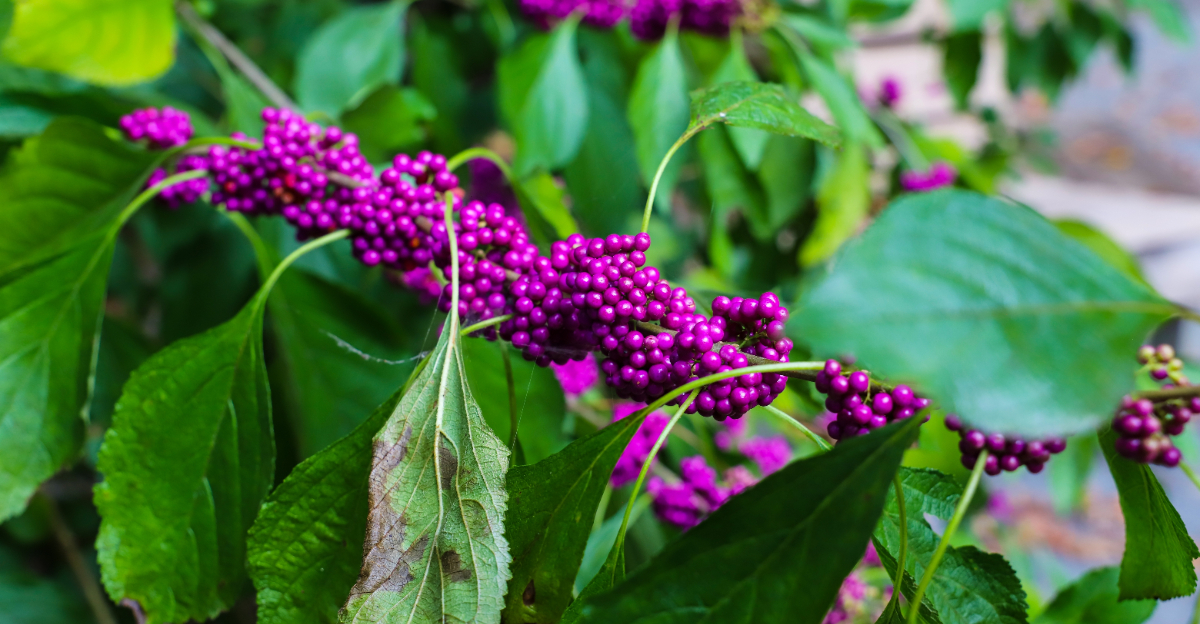
American beautyberry stops people in their tracks. Those clusters of vivid purple berries packed tight along arching stems are genuinely one of the most striking things growing in a Florida yard.
Gardeners see it once, want it immediately, and plant it without a second thought. That enthusiasm is understandable.
But beautyberry comes with a few surprises that the nursery tag rarely mentions, and some of them have nothing to do with how you care for it. Where it ends up growing is one conversation.
What you actually brought home from the nursery is another. Both matter more than most Florida gardeners expect before they get started.
The difference often comes down to decisions made before planting day. One choice creates a beautyberry that works beautifully, while another creates years of headaches.
So what do you actually need to know first?
1. Plan For A Shrub That Spreads Wide
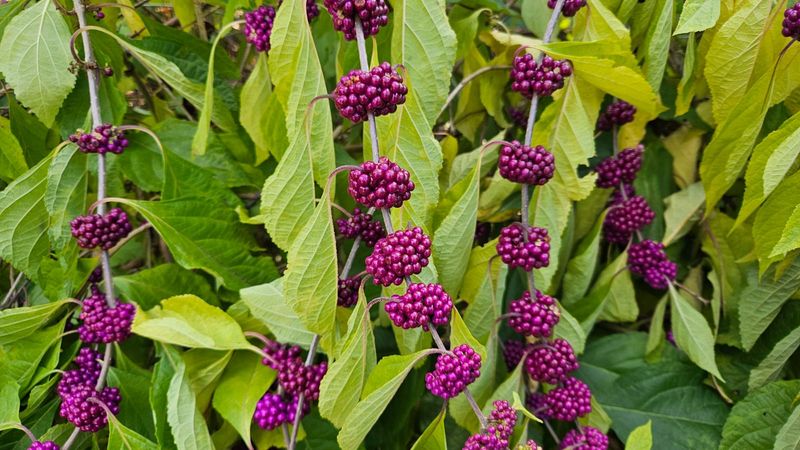
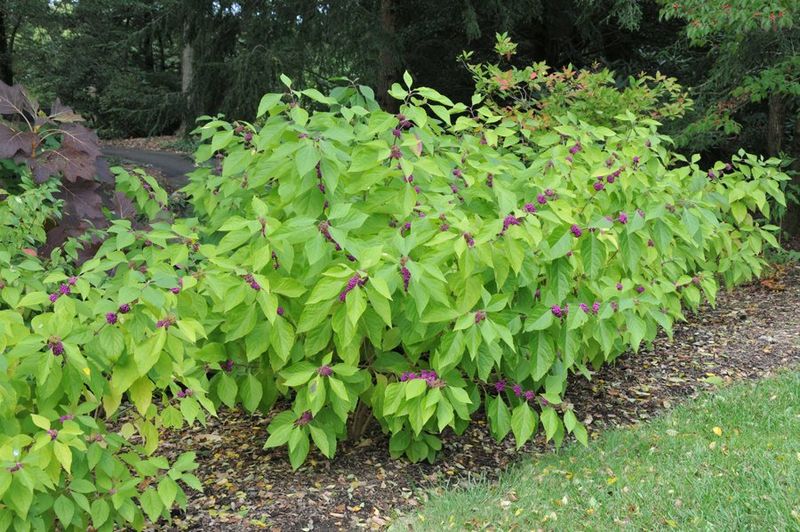
Picture a small pot sitting on a nursery bench, barely knee-high, looking like something you could tuck into any open corner of your Florida yard. A few seasons later, that same plant can become a full, loose, arching shrub that takes up real ground.
According to UF/IFAS, native American beautyberry can reach roughly 3 to 8 feet tall and spread 4 to 8 feet wide at maturity. That is a substantial footprint for a plant that looked so modest at the store.
The spread is not only about seedlings traveling into new spots. The plant’s natural form is a wide, vase-like shape with long branches that bow outward under the weight of their own leaves and fruit clusters.
This arching habit is part of what makes it so visually appealing in the right setting. The branches sweep outward gracefully, giving the shrub a relaxed, naturalistic look that works beautifully in informal borders and wildlife gardens.
Before you dig, measure the space you have available. Give the plant enough room to reach its full mature width without crowding a path, fence, or nearby shrub.
A planting area that feels roomy when the ground is bare may feel cramped two or three growing seasons later. Allowing at least 4 to 5 feet of clearance on each side of the planting hole is a reasonable starting point.
Choosing the right location from the beginning means you spend less time managing the plant later and more time enjoying its striking seasonal show.
2. Check The Tag For Callicarpa Americana First
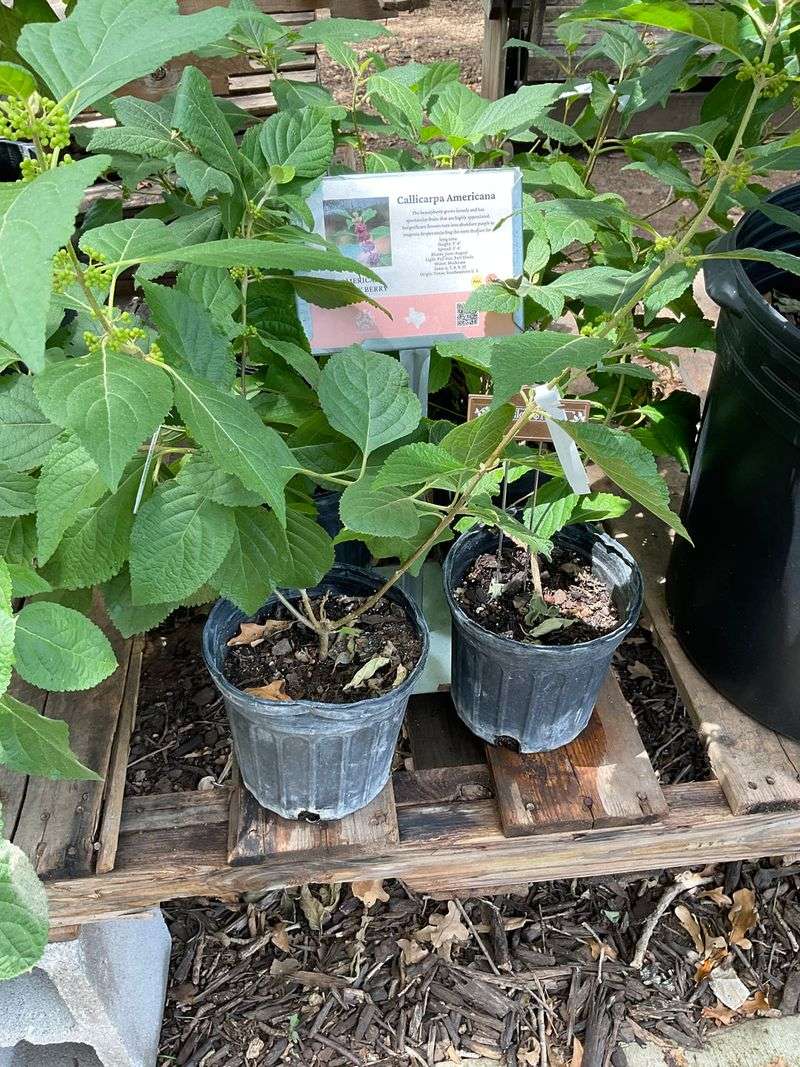
Standing in the garden center aisle, reaching for the shrub with the brilliant purple berries, most shoppers just grab the one that looks prettiest.
But the common name printed on the tag, beautyberry, does not always mean you are taking home the native American species.
The name beautyberry can appear on several different plants, including Asian species such as Callicarpa japonica and Callicarpa dichotoma. It can also include cultivars and hybrids that may behave quite differently in your landscape.
Species and cultivars within the beautyberry group can vary in size, spread, wildlife value, and how they behave in local growing conditions.
Your Florida Garden Changes Every Week. Your Plan Should Too.
Gardening in Florida changes quickly throughout the season. Every Friday you’ll receive a simple weekly plan showing exactly what to plant, prune, fertilize, harvest, and protect so you never miss the right timing.
A cultivar bred for compact growth may stay tidier than the native species, but it may also offer less food value for native birds and wildlife.
An imported species may spread differently or perform differently in local soils and climate. The tag on the pot is your clearest guide to what you are actually buying.
Look specifically for Callicarpa americana if you want the native American species with its full wildlife benefits and naturalistic habit. If the tag only says beautyberry without a botanical name, ask a nursery staff member for clarification before purchasing.
Reputable native plant nurseries will list the botanical name clearly, and many county Extension offices maintain lists of local native plant sources.
Taking an extra minute to check the tag protects your investment and helps you make a planting decision based on accurate information rather than a pretty label.
3. Leave Space Where Arching Branches Can Reach
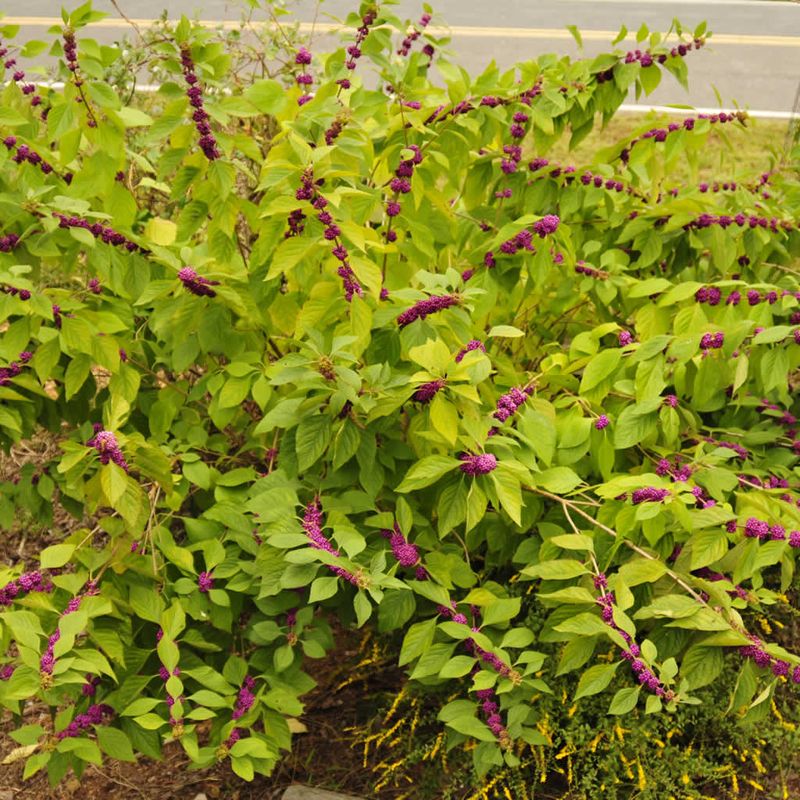
Branches loaded with clusters of purple fruit have a way of bending gracefully outward, almost like they are offering the berries to anyone passing by. That sweeping, arching form is one of the most appealing things about native beautyberry.
The long stems curve away from the center of the plant and extend outward in all directions. This creates a loose, vase-like silhouette that softens edges and blends naturally into informal landscapes.
Along a woodland border or a naturalistic garden bed, that outward reach looks intentional and beautiful. Along a narrow side path, a driveway edge, a garden gate, or a small patio, those same branches can become a weekly nuisance.
Wet branches brushing against you after rain, stems drooping across a walkway, and fruit clusters staining concrete are common complaints. They usually come from homeowners who planted beautyberry too close to high-traffic zones.
The solution is simple but requires planning ahead. Place native beautyberry where its branches have room to soften edges rather than block movement.
A natural border between your lawn and a tree line is an ideal fit. A loose side-yard bed with no foot traffic works well too.
Avoid forcing the plant into a tight formal shape through repeated pruning, because fighting its natural form takes consistent effort and can reduce fruiting. Let the arching habit work in your favor by choosing the right location.
Pick a spot where the plant’s natural reach becomes an asset rather than an obstacle.
4. Expect Birds To Carry Seeds Beyond The Bed
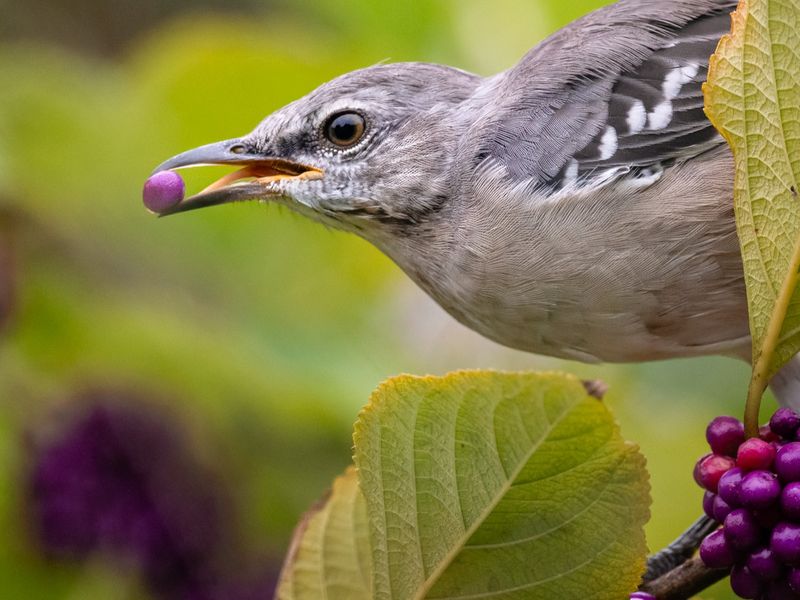
Berries disappear from a beautyberry shrub faster than most homeowners expect. Mockingbirds, robins, cardinals, and other wildlife find the fruit quickly once it ripens, and the seeds inside those berries travel wherever the birds go next.
A few weeks after the shrub is stripped bare, tiny seedlings may start showing up in spots that have nothing to do with where the original plant is growing.
UF/IFAS notes that native beautyberry may self-seed each year as part of its natural reproductive cycle. This is not cause for alarm, and the plant is not considered invasive in native landscapes.
Framing seed spread as something to monitor rather than panic about keeps the situation manageable.
Most volunteer seedlings are easy to spot and simple to remove when they are small, before they have time to establish a strong root system in unwanted spots.
Check mulch edges, open soil patches, fence lines, and nearby garden beds regularly after the fruiting season ends. Pay especially close attention after rainy periods, when seeds germinate more easily.
A quick walk around the planting area every few weeks during the growing season is usually enough to catch new seedlings early. Pulling a tiny seedling takes seconds.
Waiting until it has grown into a established plant takes much more work. Staying aware of where seeds may land helps you enjoy native beautyberry’s genuinely impressive wildlife value.
It also keeps volunteer plants from showing up in beds, lawn edges, or paved cracks where you do not want them.
5. Plant It Along Woodland Edges And Natural Borders
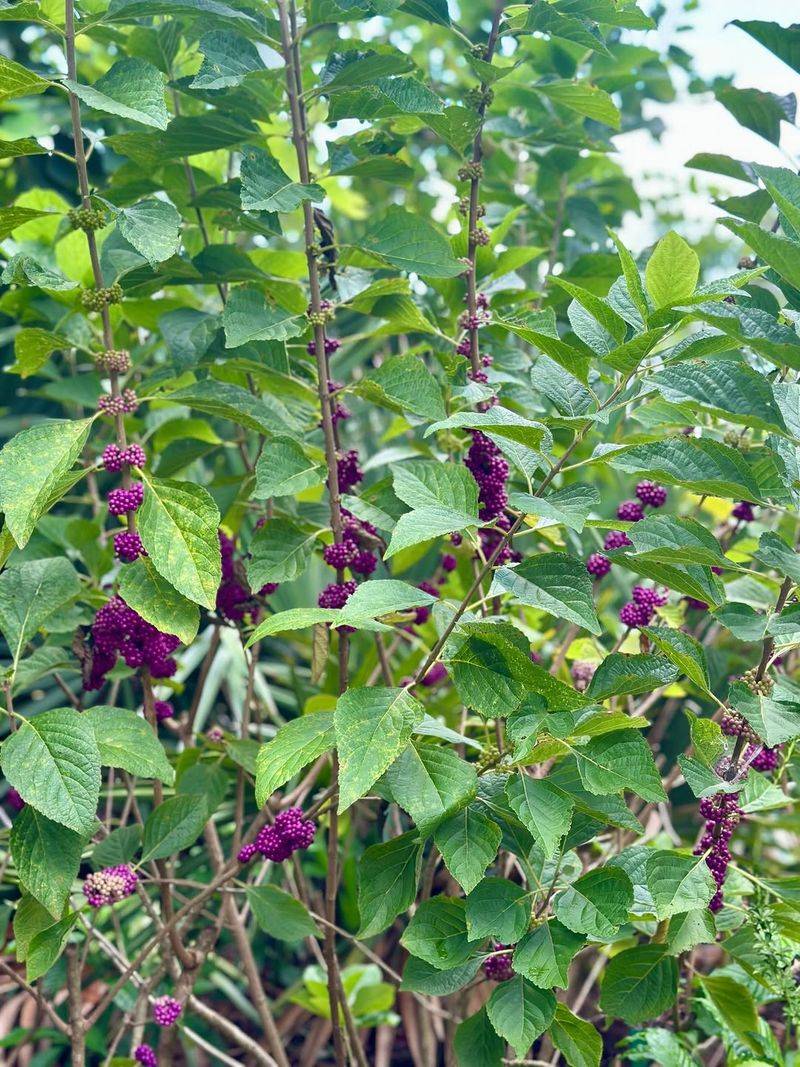
The spot where a mowed lawn fades into a line of trees is one of the most underused spaces in a home landscape. That transitional zone, neither fully shaded nor fully open, is exactly where native beautyberry feels most at home.
UF/IFAS describes it as a plant naturally found in hammocks and woodland settings. That means it evolved alongside canopy trees, filtered light, and loose, organic soil along forest edges.
Using beautyberry to anchor a natural border gives that in-between zone a real purpose. The shrub adds seasonal color with its vivid purple fruit clusters.
It also provides food and cover for local wildlife and blends naturally with other native plants. In southern regions of the state, the plant may hold a lusher, fuller appearance for longer stretches of the year due to milder winters.
In northern regions, cooler temperatures and occasional cold snaps may make the plant look more open or sparse during certain seasons. It typically rebounds well once warmer weather returns.
Loose side-yard beds, wildlife gardens, and native plant areas are all strong placements for this shrub. Pairing it with other native understory plants creates a layered border that looks intentional and supports local ecosystems.
Avoid placing it in highly manicured areas where its informal habit will look out of place. Matching the plant to the right setting from the start means less maintenance, a healthier shrub, and a landscape that works with nature rather than against it.
6. Avoid Tight Walkways And Formal Foundation Beds
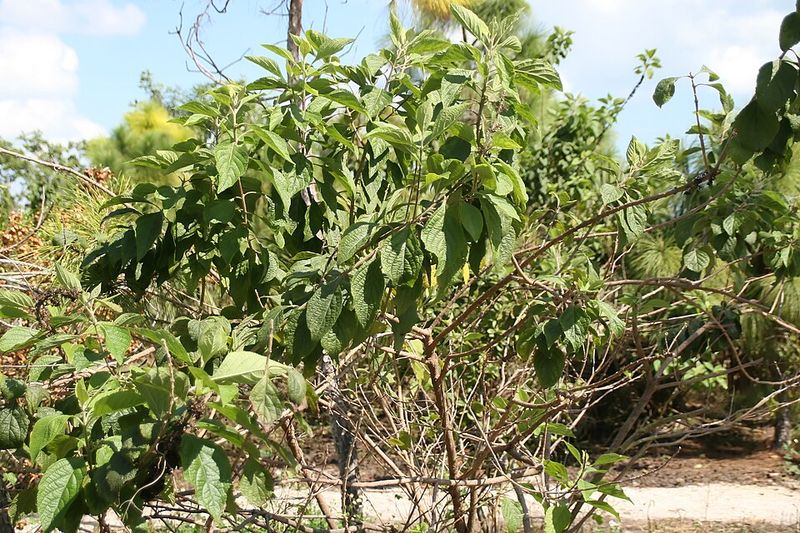
Brushing past wet branches every time you walk to the mailbox gets old quickly. So does cutting back the same stems from a path two or three times each growing season, only to have them return to the same spot a few weeks later.
Native beautyberry’s loose, arching habit is genuinely lovely in the right place. That same habit can become a recurring chore when the shrub is planted too close to spaces that need to stay clear.
Narrow front walkways, clipped foundation rows, small entry beds, and tight side yards are poor fits. In those spots, beautyberry’s natural spread tends to work against the planting.
The plant’s branches do not grow upright and tidy on their own. They arc outward.
Forcing them to stay within a rigid shape through repeated hard pruning takes consistent effort. Cutting the plant back too severely can also reduce or remove the fruiting wood that makes it worth growing.
Rather than fighting the shrub season after season, the smarter move is to choose a different site. Save the tight formal spots for plants that naturally stay compact and upright.
Reserve native beautyberry for locations where its sprawling, arching form has room to do what it does naturally. A well-placed beautyberry that gets space to spread looks intentional and thrives with minimal intervention.
A cramped beautyberry wedged against a foundation or a narrow path just creates extra work without ever looking quite right.
7. Pull Volunteer Seedlings Before They Spread Further
A tiny seedling poking up through the mulch near a fence post is easy to miss on a quick walk through the yard. Spot it at two inches tall and it takes a few seconds to pull.
Wait until it reaches two feet with a root system that has had months to anchor itself, and the job becomes noticeably harder. Managing volunteer beautyberry seedlings is mostly a matter of catching them early rather than dealing with a difficult plant.
Bird-dispersed seeds can land in open soil, mulch edges, lawn patches, and cracks near paved surfaces.
After the fruiting season ends and rainfall picks up, germination conditions improve and seedlings can appear in clusters near the parent plant or surprisingly far away.
Making seedling checks part of your regular weeding routine keeps things manageable. A walk around the planting area every few weeks during the growing season is usually enough to stay ahead of any volunteers that sprout up in unwanted spots.
Pay close attention to fence lines, the edges of nearby garden beds, areas under bird feeders or perches, and any spot with disturbed or bare soil. Those locations tend to collect seeds and offer the open ground that seedlings need to establish.
Removing small seedlings promptly does not require any special tools or products. A hand trowel or even a firm pull is usually sufficient.
Staying consistent with this simple habit lets you enjoy everything native beautyberry offers, especially its wildlife value and seasonal color. It also keeps the plant from gradually spreading into areas you want to keep clear.