Skip Liriope Along Your North Carolina Walkway And Plant These Native Alternatives Instead
Liriope is everywhere along North Carolina walkways, and it’s not hard to understand why. It’s tough, it stays green, it doesn’t ask for much, and it lines a path cleanly without a lot of fuss.
But spend enough time around it and the sameness starts to wear on you. Every neighborhood has it. Every commercial property has it.
And beyond looking familiar, liriope doesn’t actually do much for the landscape around it. No pollinator stops there. No bird finds anything useful in it.
North Carolina has native plants that can do the same structural job along a walkway while actually contributing something to the yard’s ecosystem.
Several of them stay tidy through the whole season, handle foot traffic proximity without complaint, and bring texture, bloom, or wildlife value that liriope never comes close to offering.
The path in front of your house deserves something more interesting.
1. Cherokee Sedge
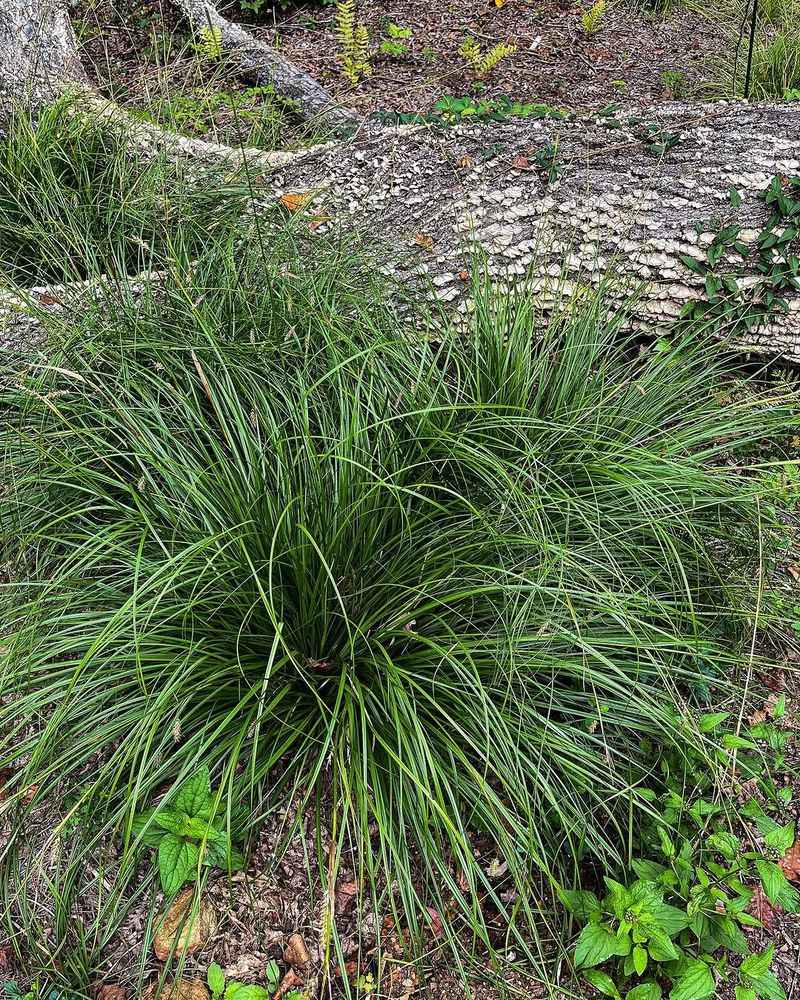
Cherokee sedge brings a graceful, fountain-like appearance to walkway edges without the stiff formality of liriope.
This southeastern native sends up soft, arching blades that sway gently with every breeze, creating movement and texture along your path.
The foliage stays green through most of the year, giving you that evergreen look people love about liriope but with better environmental benefits.
Partial shade suits this sedge perfectly, making it ideal for walkways under trees or alongside your home’s shaded side.
It handles North Carolina’s humidity without developing the fungal issues that sometimes plague liriope in our climate.
Cherokee sedge spreads slowly through short rhizomes, filling in gaps without becoming aggressive or invasive.
Local insects and small wildlife appreciate this native plant far more than imported alternatives.
Birds pick through the foliage searching for insects, while the seeds provide a food source later in the season.
The roots help stabilize soil along your walkway, preventing erosion during our heavy spring rains.
Maintenance stays minimal once Cherokee sedge establishes itself in your landscape. You can leave the foliage standing through winter for texture, or trim it back in late winter before new growth emerges.
This sedge tolerates foot traffic better than you might expect, bouncing back quickly if someone steps off the path.
2. Blue Wood Sedge
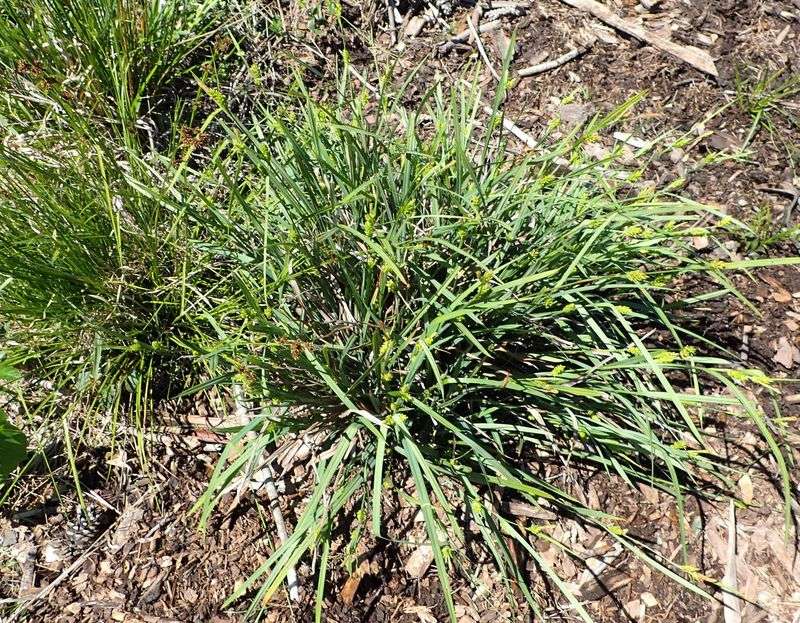
Blue wood sedge offers something special with its distinctive blue-green foliage that catches your eye even in deep shade.
This color stays vibrant throughout the growing season, providing visual interest when many other shade plants look washed out or tired.
The fine-textured leaves create a soft, almost feathery appearance that contrasts beautifully with coarser woodland plants.
Shaded walkways become the perfect home for this adaptable native sedge. It thrives under tree canopies where grass struggles and liriope often looks scraggly.
Blue wood sedge handles dry shade remarkably well once established, making it valuable for those difficult spots under mature oaks or maples where nothing else seems to grow.
Year-round interest comes naturally with this evergreen sedge that keeps its color through winter.
While some plants look bedraggled during cold months, blue wood sedge maintains its appearance and continues providing structure to your landscape.
Your North Carolina Garden Changes Every Week. Your Plan Should Too.
Gardening in North Carolina changes quickly throughout the season. Every Friday you’ll receive a simple weekly plan showing exactly what to plant, prune, fertilize, harvest, and protect so you never miss the right timing.
The subtle blue tones become even more pronounced during cooler weather, offering unexpected beauty when most gardens look dormant.
Native pollinators and beneficial insects find shelter among the dense foliage throughout the year.
This sedge forms tight clumps that spread slowly, creating a naturalized look without becoming weedy or overwhelming nearby plants.
It pairs wonderfully with spring wildflowers, providing a textured backdrop that makes blooms stand out even more.
3. Pennsylvania Sedge
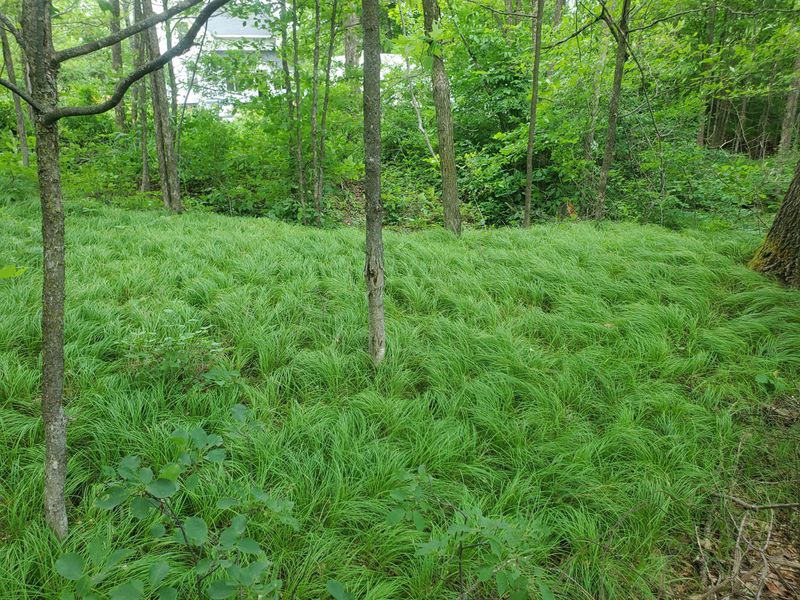
Pennsylvania sedge creates a natural, meadow-like appearance along walkways that feels completely different from formal liriope borders.
This fine-textured native spreads to form a soft carpet that looks almost like a miniature lawn, but without the constant mowing and fussing traditional grass demands.
The relaxed, informal look fits perfectly with modern naturalistic landscape designs that emphasize ecological health over rigid formality.
Dry shade challenges many garden plants, but Pennsylvania sedge actually prefers these conditions once established.
It thrives under mature trees where competition for water runs high and soil stays consistently dry during summer months.
This makes it incredibly valuable for those frustrating areas along walkways where you’ve tried everything else without success.
Low maintenance becomes the defining characteristic of this adaptable sedge in your landscape.
After the first growing season, it needs almost no supplemental watering and tolerates neglect better than most ground covers.
You can mow it once in early spring if you want a tidier look, or simply leave it alone to grow naturally at its modest four to six inch height.
Wildlife benefits multiply when you replace liriope with this native sedge along your paths. Native bees nest in the soil beneath its protective foliage, while small birds forage for insects among the blades.
The plant’s roots form beneficial relationships with soil fungi, improving overall soil health along your walkway edges.
4. Green And Gold
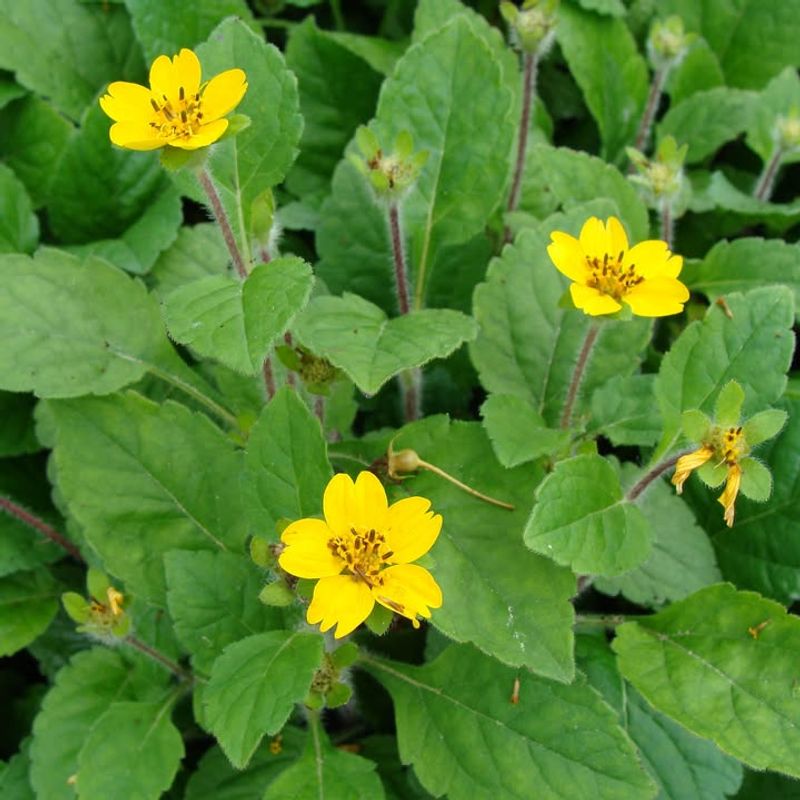
Bright yellow flowers transform walkway edges from ordinary to extraordinary when green and gold bursts into bloom each spring.
This cheerful native spreads steadily to form a flowering mat that brings color right to your feet as you stroll along the path.
The blooms start appearing in April and continue sporadically through summer, giving you far more visual interest than liriope’s subtle purple spikes.
North Carolina gardeners have embraced this plant for good reason beyond its flowers. The spreading habit fills spaces efficiently without becoming thuggish or overwhelming nearby plants.
Green and gold adapts to various light conditions, growing happily in partial shade or brighter spots, making it versatile for walkways that wind through different areas of your yard.
Semi-evergreen foliage keeps your walkway edges looking furnished through most of winter in our climate.
The rounded leaves create a textured appearance that contrasts nicely with finer-leaved plants nearby.
During the growing season, the foliage forms a dense mat that helps suppress weeds naturally, reducing your maintenance time considerably.
Pollinators flock to the cheerful yellow blooms throughout the flowering season. Native bees, butterflies, and other beneficial insects visit regularly, creating movement and life along your pathway that imported plants simply can’t match.
This increased pollinator activity benefits your entire garden, improving fruit set on vegetables and flowering on ornamental plants throughout your landscape.
5. Foamflower
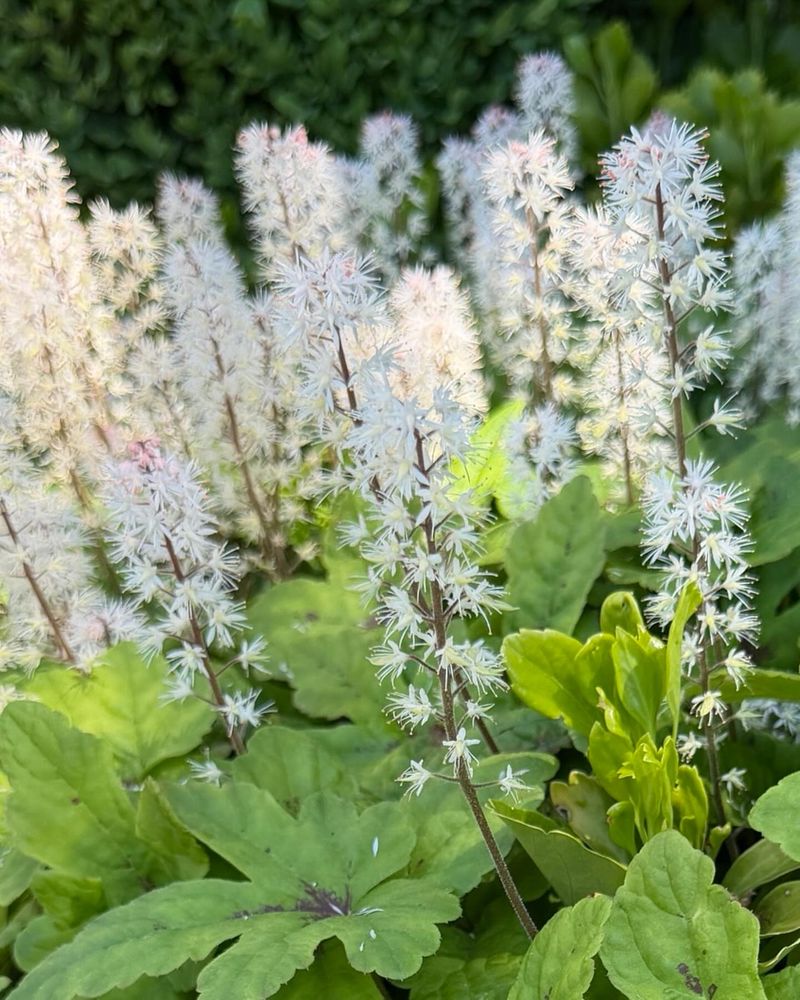
Delicate white flower spikes rise above attractive foliage in spring, creating a frothy display that gives foamflower its perfect common name.
These airy blooms seem to float above the leaves like foam on a gentle stream, bringing an ethereal quality to shaded walkways that liriope could never achieve.
The flowering display lasts several weeks, providing extended interest during the peak of spring garden season.
Shaded paths become showcases for this woodland native that thrives where sun-loving plants struggle.
Foamflower spreads through stolons to form colonies that look natural rather than planted, creating that coveted woodland garden aesthetic along your walkway.
The heart-shaped leaves often develop burgundy markings as the season progresses, adding another layer of visual interest beyond the spring blooms.
Attractive foliage remains a feature throughout the growing season even after flowers fade.
Many cultivars offer leaves with striking patterns, veining, or color variations that keep your walkway edges interesting from spring through autumn.
The foliage forms a dense mat that helps retain soil moisture and keeps weeds from establishing along path edges.
Hummingbirds occasionally visit the tubular flowers while native bees work them regularly for pollen and nectar.
This native plant supports far more beneficial insects than liriope ever could, contributing to a healthier garden ecosystem.
Foamflower tolerates occasional foot traffic and bounces back quickly, making it practical for edges where people sometimes step off the path.
6. Wild Ginger
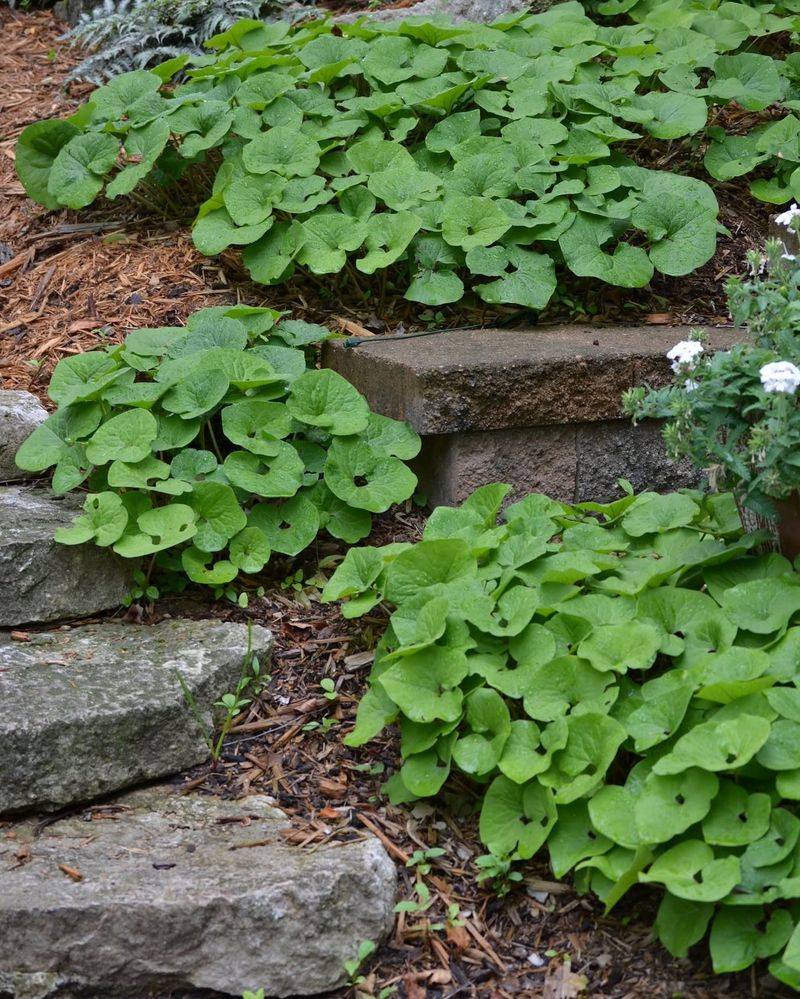
Heart-shaped leaves create a lush, tropical-looking ground cover that surprises people when they learn this plant thrives in North Carolina shade.
Wild ginger forms dense colonies that completely cover bare soil along walkways, solving erosion problems while looking intentional and attractive.
The rich green foliage stays low to the ground, typically reaching only six inches tall, making it perfect for path edges where you want plants to stay out of the way.
Shady walkways benefit enormously from this native ground cover’s ability to thrive in deep shade.
It spreads through rhizomes that smell pleasantly of ginger when broken, though the plant isn’t related to culinary ginger and shouldn’t be eaten.
Wild ginger fills in steadily but not aggressively, creating naturalized drifts that look like they’ve always been part of your landscape.
Bare soil disappears quickly once wild ginger establishes itself along your path edges. The overlapping leaves create such dense coverage that weeds struggle to find openings, dramatically reducing the time you spend weeding along walkways.
This living mulch also helps retain soil moisture, benefiting nearby plants while reducing your watering needs during dry spells. Hidden beneath the foliage, unusual burgundy flowers appear at soil level in spring.
These curious blooms attract specialized pollinators that crawl along the ground, adding another dimension to your garden’s ecological value.
The dense foliage provides shelter for ground-dwelling beneficial insects and creates habitat that supports a healthy garden ecosystem.
7. Allegheny Spurge
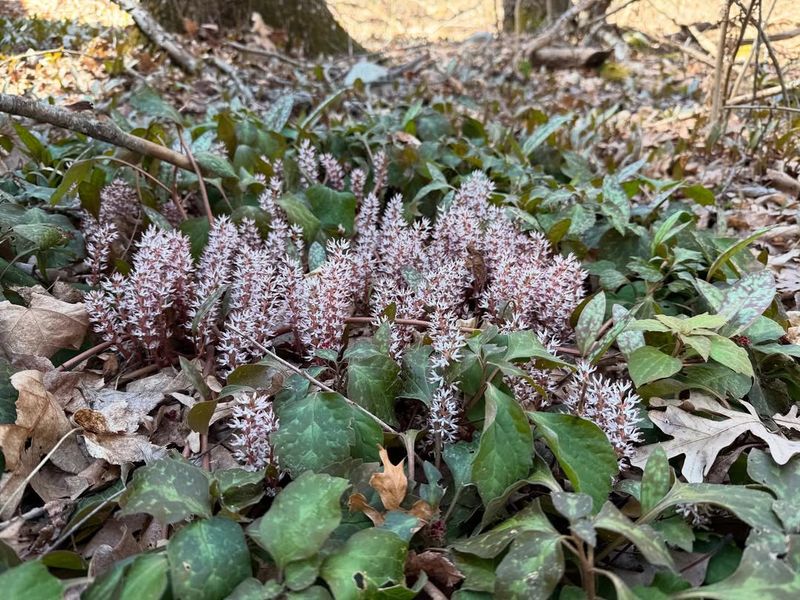
Mottled foliage brings unexpected pattern and texture to shaded walkway edges where solid green plants can look monotonous.
Allegheny spurge offers leaves marked with silver or pewter tones that brighten dark areas naturally, creating visual interest throughout the growing season.
This native pachysandra grows lower and spreads more slowly than its aggressive Asian cousin, making it far better behaved in North Carolina landscapes.
Woodland-style landscapes find their perfect ground cover companion in this southeastern native.
It thrives under the same conditions as native wildflowers and ferns, creating cohesive plantings that look naturally occurring rather than artificially arranged.
The plant’s clumping habit allows it to spread and fill space without becoming the invasive menace that Japanese pachysandra often becomes.
Fragrant white flowers emerge in early spring before the new foliage fully expands. These bottlebrush-shaped blooms attract early-season pollinators that emerge during warm spells in late winter and early spring.
The flowers add a subtle sweet scent to your walkway that makes strolling the path even more pleasant during the first warm days of the year.
North Carolina gardeners increasingly choose Allegheny spurge instead of liriope for its superior ecological value.
This native plant supports local insect populations that imported plants can’t, creating a ripple effect that benefits birds and other wildlife throughout your yard.
The semi-evergreen foliage provides year-round coverage while looking fresh and attractive rather than tired or damaged after winter weather.
8. Creeping Phlox
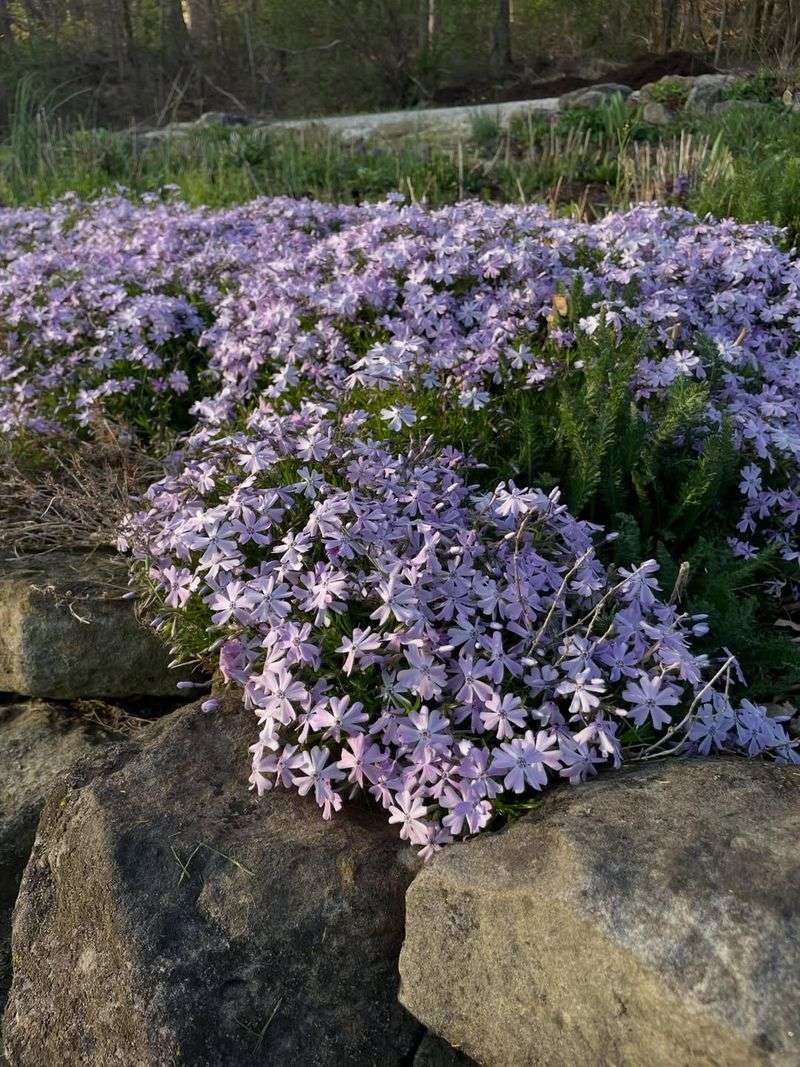
Lavender-blue flowers carpet walkway edges each spring when creeping phlox puts on its spectacular show.
This spreading native transforms shaded path borders into ribbons of color that rival any formal garden display.
The blooms appear in dense clusters that nearly hide the foliage beneath, creating a visual impact that makes neighbors stop and ask what you’re growing.
Spring color comes naturally with this woodland native that thrives in the dappled shade along many North Carolina walkways.
Unlike sun-demanding ground covers that struggle under trees, creeping phlox actually prefers these cooler, shadier conditions where it can spread without stress.
The plant sends out stolons that root as they travel, gradually forming colonies that look established and intentional rather than patchy or sparse.
Shaded walkway edges become destinations rather than afterthoughts when creeping phlox brightens them with seasonal color.
The flowering display lasts several weeks in spring, providing extended enjoyment during the season when you’re most likely to be outside enjoying your garden.
After blooms fade, the evergreen foliage continues providing coverage and texture throughout the year.
Native ground cover function meets ornamental beauty in this versatile plant that serves multiple purposes.
Creeping phlox controls erosion along sloped walkways while looking attractive, solving practical problems with style.
The flowers attract butterflies and native bees, adding movement and life to your path edges while supporting beneficial insects that help your entire garden thrive.