Why Your Tomatoes Are Splitting In Michigan And How To Stop It Before It Gets Worse
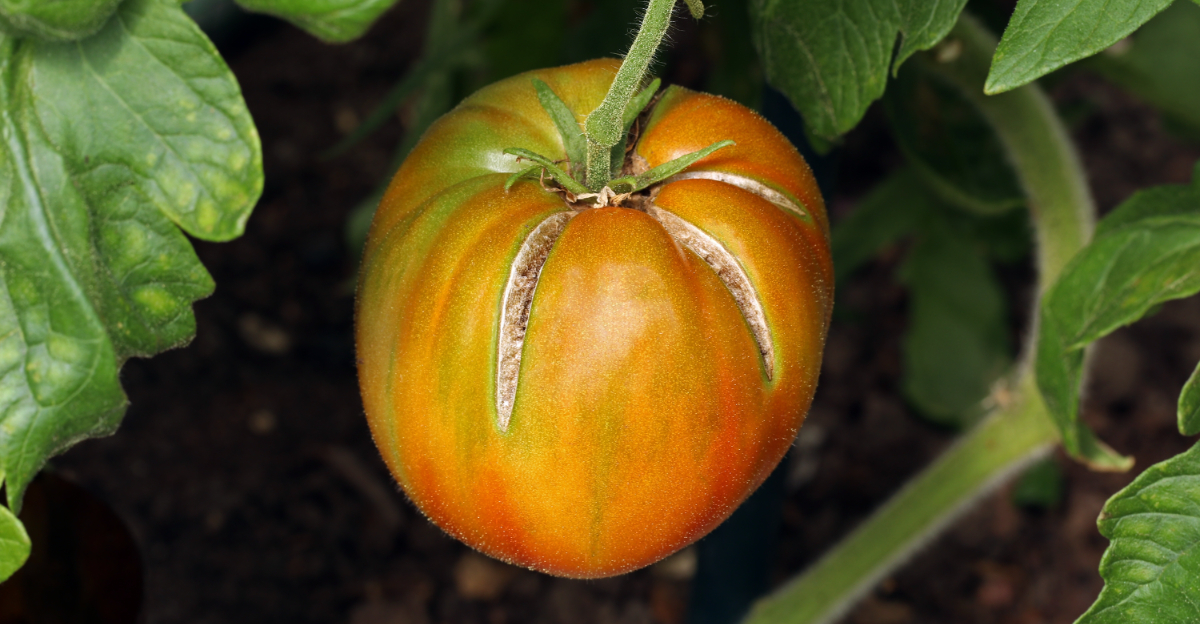
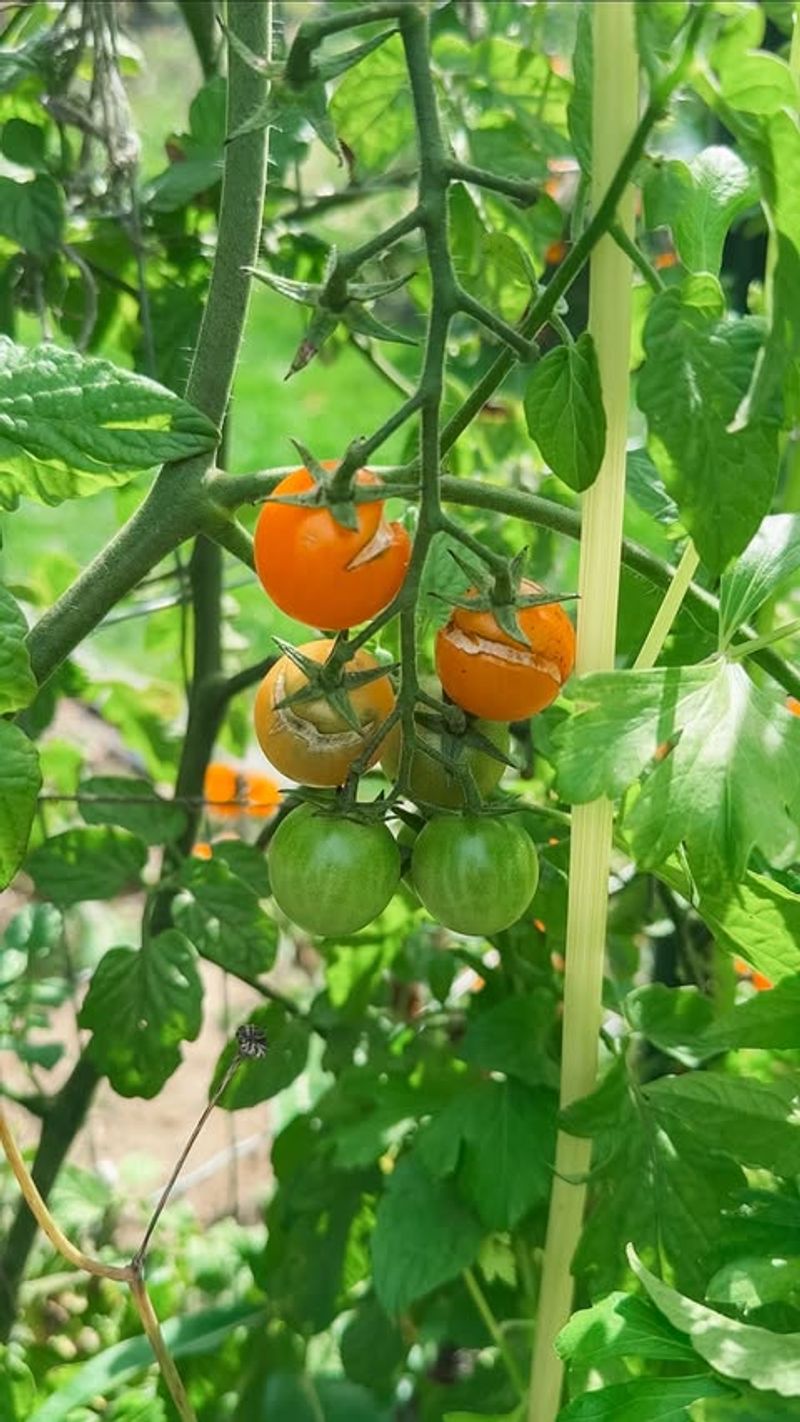
You head out to the garden expecting to pick a ripe tomato and find it cracked open instead, sometimes just a little, sometimes split clean across the top in a way that makes the whole fruit unusable.
It’s one of the more discouraging things that happens in a Michigan summer garden, especially when the plant looked so promising just days before.
The frustrating part is that splitting usually isn’t random bad luck. It follows a pretty predictable pattern, and once you understand what triggers it, the whole thing starts to make sense.
Michigan’s weather plays a role, but the way you manage the garden around your tomato plants matters just as much.
A few adjustments to watering habits and a couple of other small changes can significantly cut down on splitting, even during the kind of feast-or-famine rain summers that Michigan regularly throws at gardeners.
1. Rapid Changes In Soil Moisture Cause Splitting
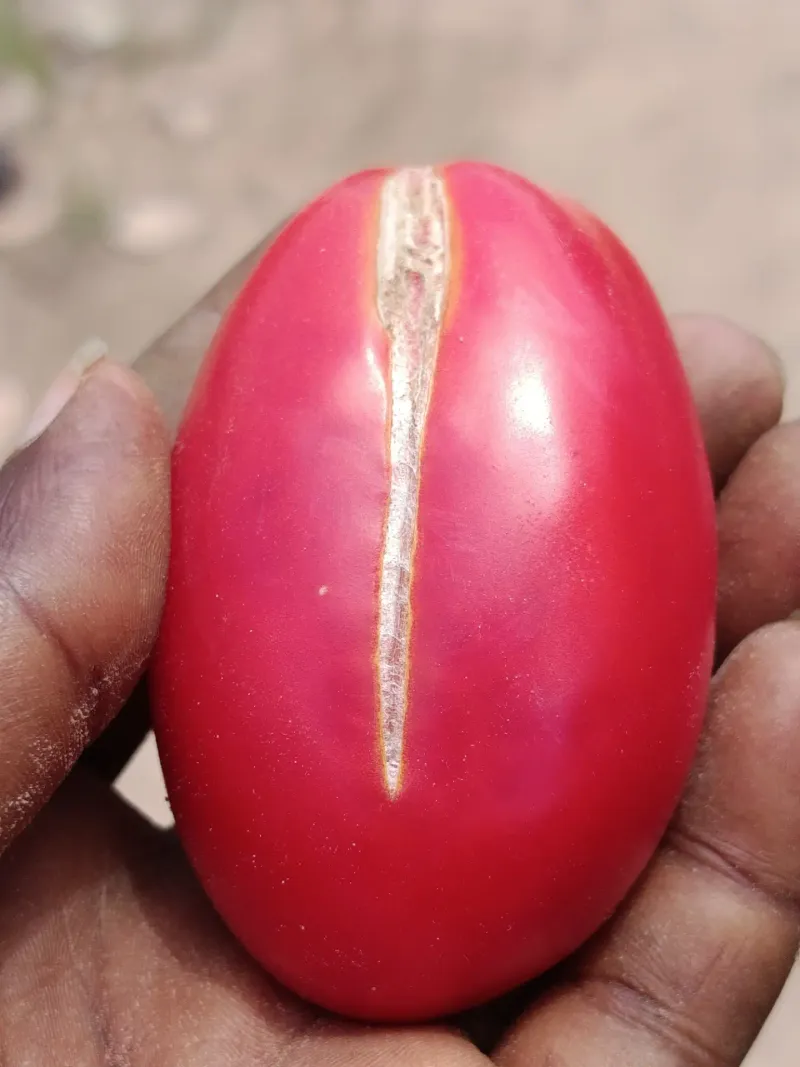
Picture this: your tomatoes are doing great all week, then a heavy rainstorm rolls through overnight, and the next morning your fruit is cracked. That is not a coincidence.
When soil moisture changes quickly, tomato plants absorb a sudden rush of water, pushing fluids rapidly into the fruit. The inside of the tomato expands faster than the outer skin can stretch, and the skin simply splits open.
Michigan summers are famous for stretches of dry heat followed by heavy downpours, and that cycle is one of the biggest reasons local gardeners struggle with splitting. Consistent watering is the real fix here.
Try to water your tomatoes at the same time every day, giving them a steady, predictable supply so the fruit grows at a controlled pace.
Drip irrigation works especially well for this because it delivers water slowly and evenly right at the root zone. Soaker hoses are another budget-friendly option that keeps moisture levels stable without soaking the leaves.
Avoid overhead watering whenever possible since it can cause uneven absorption and increase disease pressure too. If rain is in the forecast, hold off on watering beforehand so your plants are not getting a double dose.
Monitoring the soil with your finger about two inches deep before watering helps you stay consistent and avoid those dramatic moisture swings that cause the most damage to your fruit.
2. Deep Watering Reduces Stress On Your Tomatoes
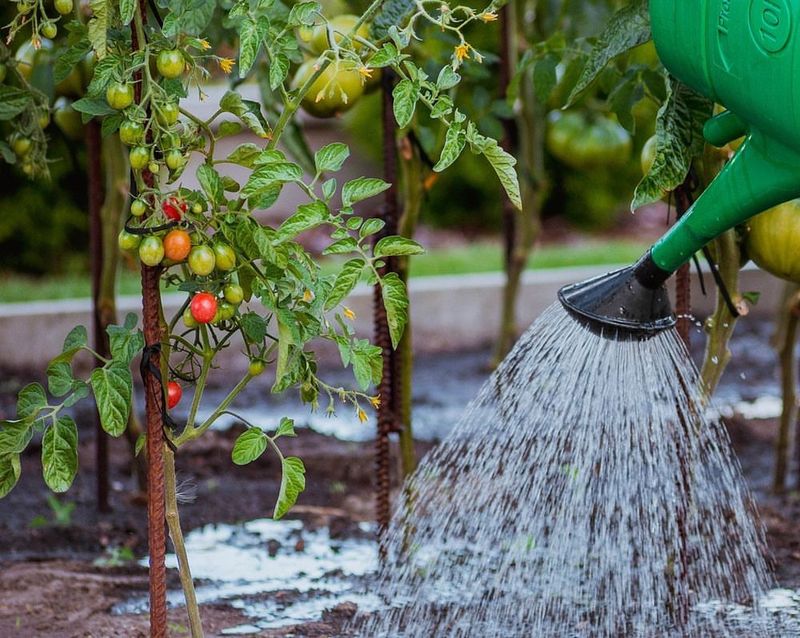
Shallow watering might seem like enough, but it actually trains tomato roots to stay near the surface where soil dries out fast. When the top layer dries between waterings, those shallow roots experience stress, and that stress travels straight up to the fruit.
Deep watering changes everything by pushing moisture down into the soil where roots can chase it and develop a stronger, more stable foundation.
In Michigan, where summer temperatures can spike and soil in raised beds dries out quickly, deep watering is especially important. Aim to water slowly and thoroughly, giving the soil time to absorb moisture at least six to eight inches deep.
A simple way to check is to push a wooden dowel or your finger into the soil after watering to see how far the moisture reached.
Your Michigan Garden Changes Every Week. Your Plan Should Too.
Gardening in Michigan changes quickly throughout the season. Every Friday you’ll receive a simple weekly plan showing exactly what to plant, prune, fertilize, harvest, and protect so you never miss the right timing.
Container gardeners need to be extra careful because pots dry out much faster than in-ground beds. Water containers until you see it draining from the bottom, which confirms the entire root zone received moisture.
For in-ground tomatoes, watering every two to three days during dry spells is usually enough when done deeply. Raised beds may need daily attention during July heat waves.
Keeping that moisture deep and consistent prevents the sudden fruit expansion that leads to cracking, and it also builds a root system tough enough to handle weather surprises without showing it in your harvest.
3. Mulch Helps Moderate Soil Moisture Around Tomatoes
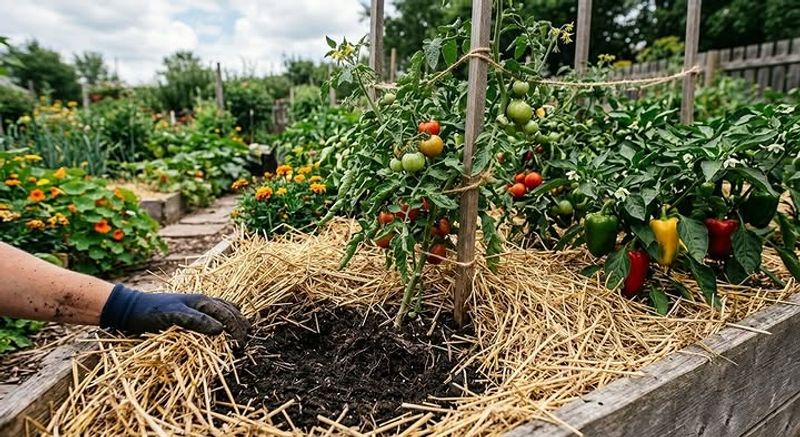
Mulch might be the most underrated tool in a tomato gardener’s toolkit. A good layer of organic mulch acts like a blanket over your soil, holding in moisture after rain or watering and slowing down evaporation during hot afternoons.
When soil stays consistently moist underneath that mulch layer, tomatoes grow at a steady rate instead of swelling suddenly after a rain event.
Straw is one of the most popular mulch options for tomatoes because it is light, easy to apply, and breaks down slowly over the season. Shredded leaves, wood chips, and grass clippings also work well and are often free if you have them on hand.
Aim for a mulch layer about three to four inches deep, keeping it a couple of inches away from the main stem to prevent rot or disease issues near the base of the plant.
Beyond moisture control, mulch also helps regulate soil temperature, which matters a lot in Michigan where spring nights can still be cool and summer days can get surprisingly hot. Stable soil temperature means more even plant growth overall.
When you apply mulch early in the season, right after transplanting, you set your tomatoes up for success from day one. Refreshing the mulch layer mid-season is a smart move too, especially after heavy rains wash it thin.
This one simple habit can dramatically cut down on the number of split tomatoes you find each week.
4. Avoid Overfertilization With Nitrogen To Prevent Splitting
Nitrogen is the nutrient that makes plants grow lush and green, but too much of it can actually work against you when tomatoes start forming fruit.
When nitrogen levels are too high during the fruiting stage, plants put their energy into rapid leafy growth and push that same fast-growth energy into the fruit.
The result is tomatoes that expand quickly from the inside, outpacing the skin’s ability to keep up, and cracking follows.
Many Michigan gardeners make the mistake of continuing heavy nitrogen feeding all season long. Early in the season, some nitrogen is helpful for getting transplants established and building strong foliage.
But once flowers appear and fruit starts setting, it is time to back off the nitrogen and switch to a fertilizer with more phosphorus and potassium, which support root development and fruit quality instead of rapid growth spurts.
Look for fertilizers labeled for tomatoes or vegetables with a lower first number in the N-P-K ratio once fruiting begins. Slow-release granular fertilizers are a safer bet than liquid feeds because they deliver nutrients gradually over time rather than all at once.
Compost is another excellent option since it feeds plants gently and improves soil structure at the same time.
Getting a basic soil test through Michigan State University Extension is worth the small cost too, because it tells you exactly what your soil already has so you are not guessing and accidentally over-applying what your tomatoes do not need.
5. Choose Split-Resistant Tomato Varieties For Michigan Gardens
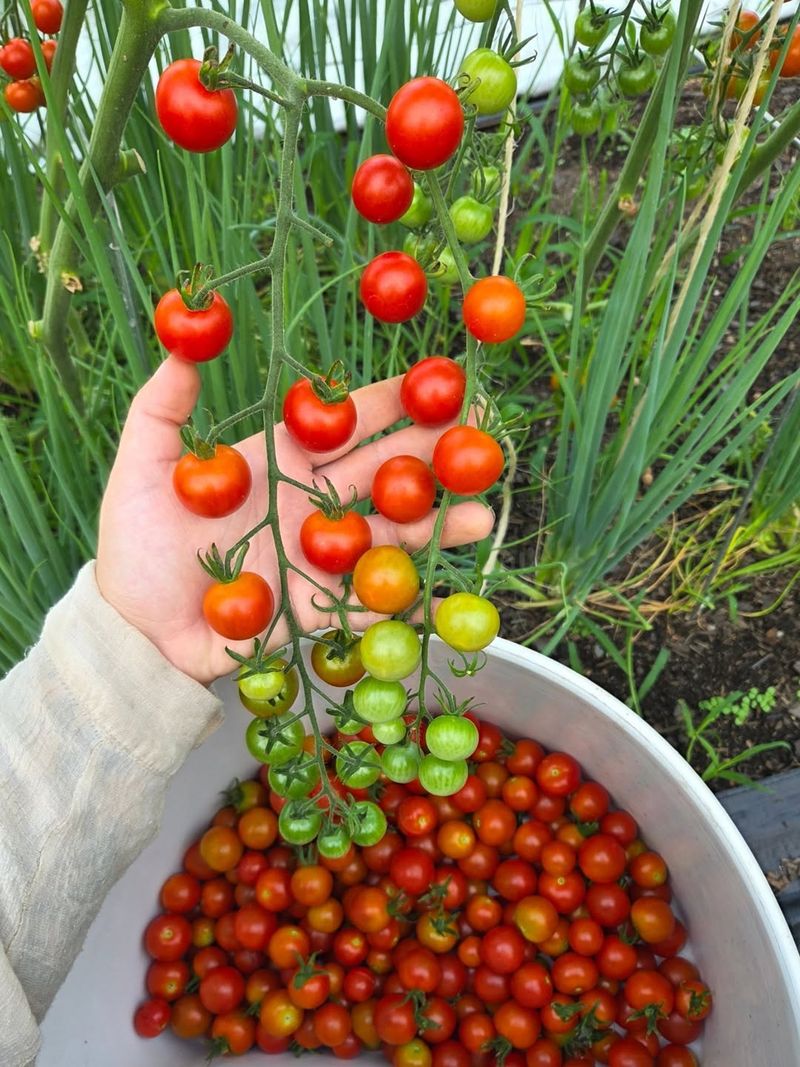
Not all tomatoes are built the same, and some varieties are simply tougher when it comes to resisting cracks. Plant breeders have developed cultivars with thicker, more flexible skins that can handle fluctuating moisture without splitting as easily.
Choosing one of these varieties from the start gives you a real advantage before you even put a plant in the ground.
For Michigan gardeners, some reliable split-resistant options include Mountain Fresh Plus, Jetstar, and Celebrity, all of which perform well in the Midwest climate.
Cherry tomato varieties like Juliet and Sweet 100 also tend to handle moisture swings better than large beefsteak types, which have thinner skins and more fruit mass to manage.
If you love big slicing tomatoes, look specifically for descriptions that mention crack resistance on the seed packet or plant label.
Container gardeners should look for compact determinate varieties that are bred for smaller spaces and often come with better crack resistance built in.
Varieties like Bush Early Girl or Patio tomatoes are good picks for pots on a Michigan deck or balcony.
Shopping at a local Michigan garden center or through a regional seed company gives you access to staff who know which varieties actually perform in your specific climate zone.
Starting with the right plant is honestly one of the easiest steps you can take, and it pays off every single time you walk through your garden and find your tomatoes smooth and whole.
6. Harvest Promptly To Stop Splitting Before It Starts
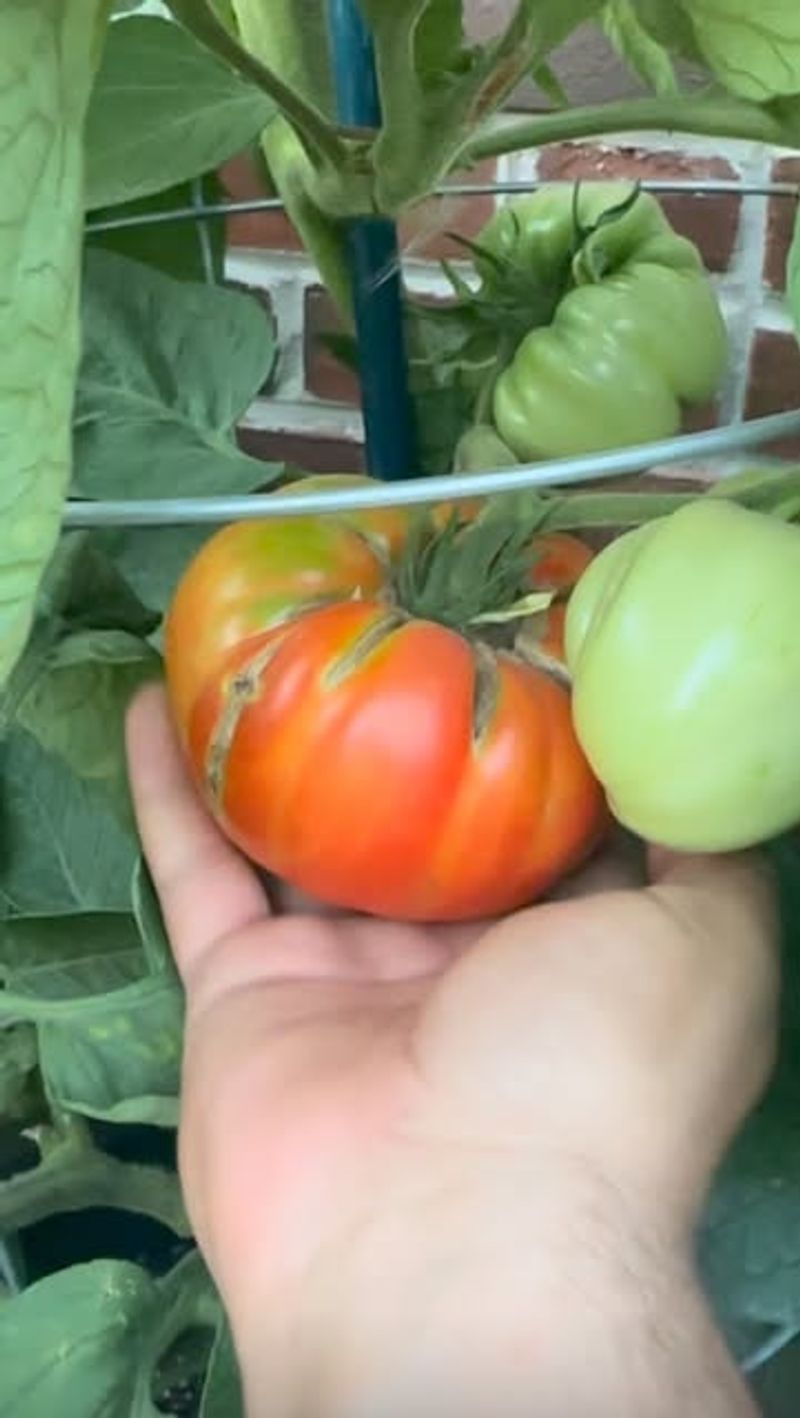
Leaving tomatoes on the vine too long is one of those easy mistakes that sneaks up on busy gardeners. Once a tomato reaches full color and feels slightly soft to the touch, it is ready to come off the vine.
The longer it stays on, the more vulnerable it becomes to splitting, especially if rain or heavy dew arrives overnight and pushes moisture into already-mature fruit.
Getting into the habit of checking your tomato plants every single day during peak season makes a huge difference. Morning is the best time to harvest because the fruit is cool and firm, making it easier to handle without bruising.
Gently twist and lift the tomato while supporting the stem so you do not damage the plant or nearby developing fruit. A clean, dry harvest is always better than waiting for absolute perfection on the vine.
Here is something many gardeners do not realize: tomatoes continue to ripen perfectly well off the vine at room temperature.
If you pick a tomato that is just starting to blush pink or orange, it will finish ripening on your kitchen counter within a day or two without any loss of flavor or texture.
Never refrigerate unripe tomatoes because cold temperatures break down the cell walls and ruin the taste.
Harvesting promptly also frees up the plant’s energy for the next round of fruit, keeping your overall yield higher and your garden looking clean and healthy all season long.
7. Maintain Even Sunlight Exposure To Prevent Overheating
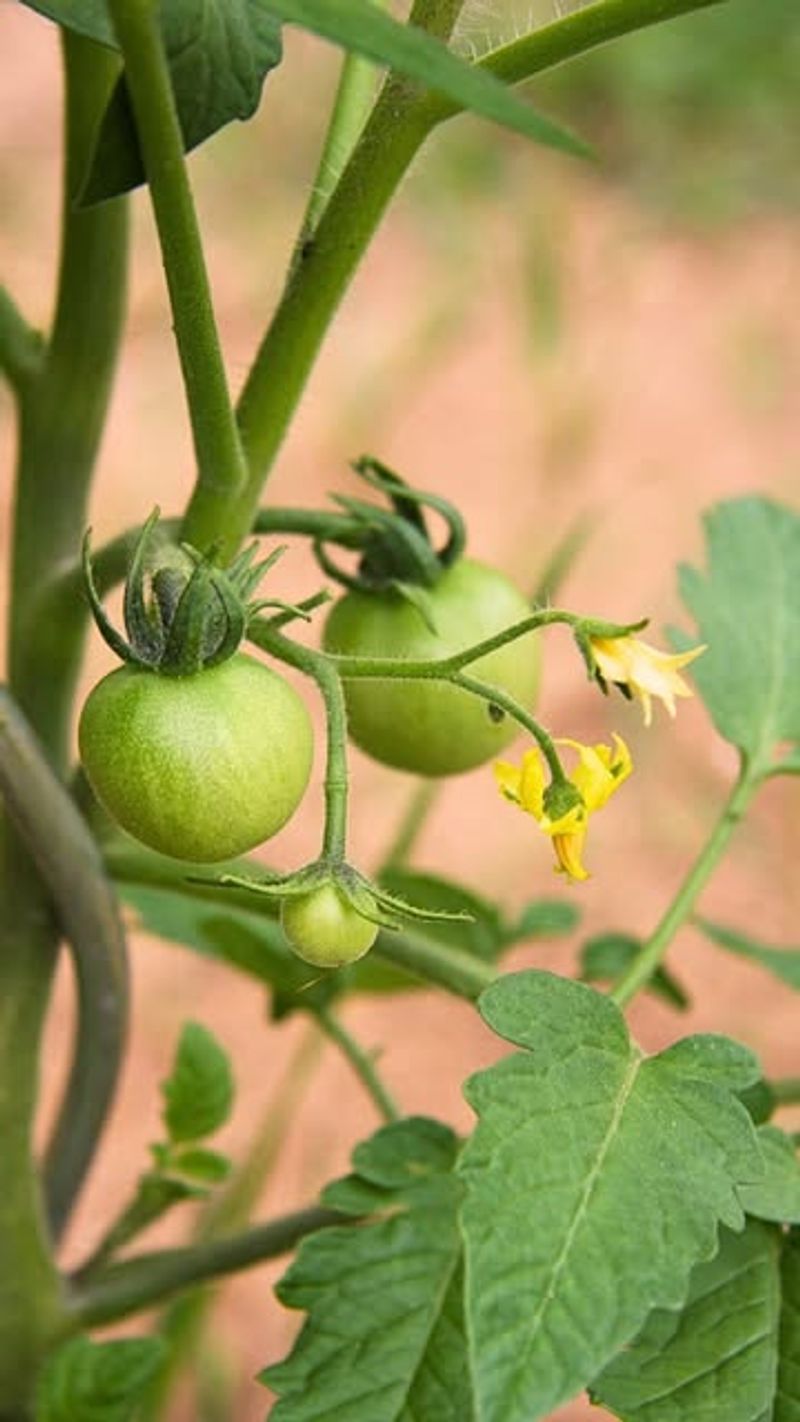
Sunlight is essential for growing great tomatoes, but too much direct sun hitting the fruit itself can cause problems.
When the surface of a tomato heats up rapidly in the afternoon sun, the skin expands faster than the cooler interior can keep pace with, and that tension can trigger cracking.
Michigan summers can bring some surprisingly intense heat waves, making this more of an issue than many gardeners expect.
Good plant spacing helps a lot because it allows air to move through the garden and prevents localized hot spots from building up around individual plants.
Pruning out excessive foliage improves airflow too, but be careful not to remove the large leaves that naturally shade the fruit clusters.
Those leaves act as a natural sunscreen for developing tomatoes, especially during the hottest part of the afternoon between noon and four o’clock.
If you are growing tomatoes in containers on a south-facing patio, consider moving them slightly to a spot that gets morning sun but is protected from the harshest afternoon rays during a heat wave.
Row cover fabric or shade cloth rated at thirty percent shade can be draped loosely over plants during extreme heat without blocking too much light for normal growth.
Proper plant support through staking or caging also keeps foliage distributed evenly around the plant so fruit gets natural coverage.
A little thoughtful planning around light exposure goes a long way toward keeping your tomato skins smooth and crack-free throughout the Michigan growing season.
8. Support Plants With Stakes Or Cages For Healthier Fruit
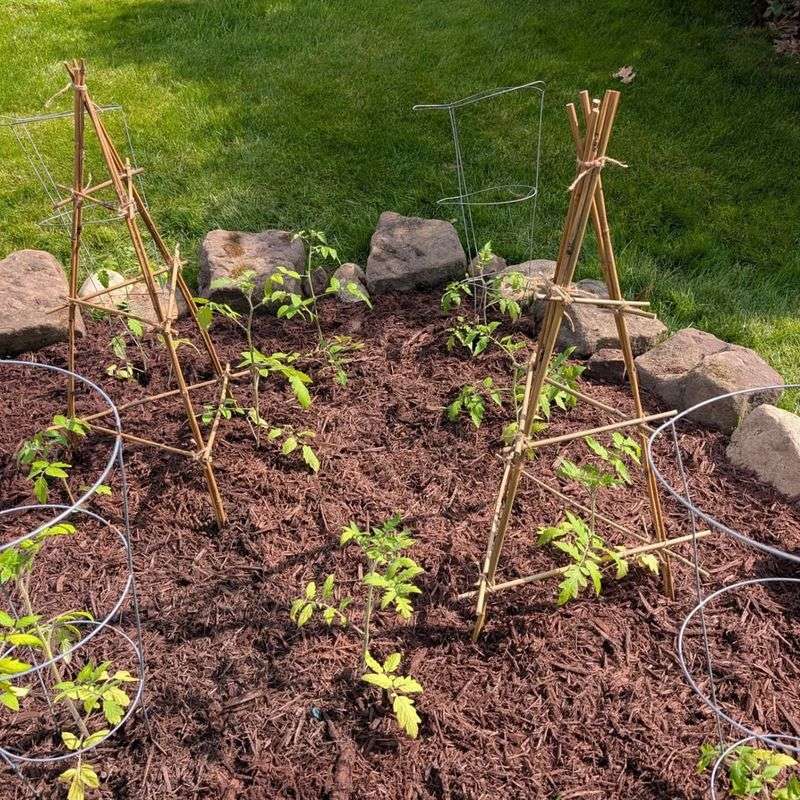
Unsupported tomato plants tend to flop over and sprawl across the ground, and that creates more problems than just a messy garden bed.
When fruit sits directly on wet soil after a Michigan rainstorm, it absorbs moisture unevenly and the skin on the bottom of the tomato gets softer and weaker than the top.
That imbalance makes splitting much more likely, especially after the next watering or rain event pushes moisture through the plant again.
Sturdy cages are one of the easiest ways to keep tomatoes elevated and well-supported throughout the season. Heavy-gauge wire cages work better than the lightweight cone-shaped ones sold at most hardware stores, which tend to tip over once plants get large.
For indeterminate varieties that keep growing all season, a tall stake or Florida weave system using wooden posts and twine gives you more flexibility to train the plant as it grows.
Beyond preventing fruit contact with the soil, good support also reduces stem stress. When heavy fruit clusters drag on unsupported branches, the stem can twist or weaken, which disrupts water and nutrient flow to the fruit.
That inconsistent flow is another sneaky contributor to cracking. Installing your support system at planting time rather than waiting until plants are large prevents root disturbance later in the season.
Michigan gardeners who use consistent support structures tend to report cleaner, more uniform fruit with fewer cracks and a much easier harvest experience from start to finish.
9. Monitor For Pests And Disease To Keep Fruit Strong
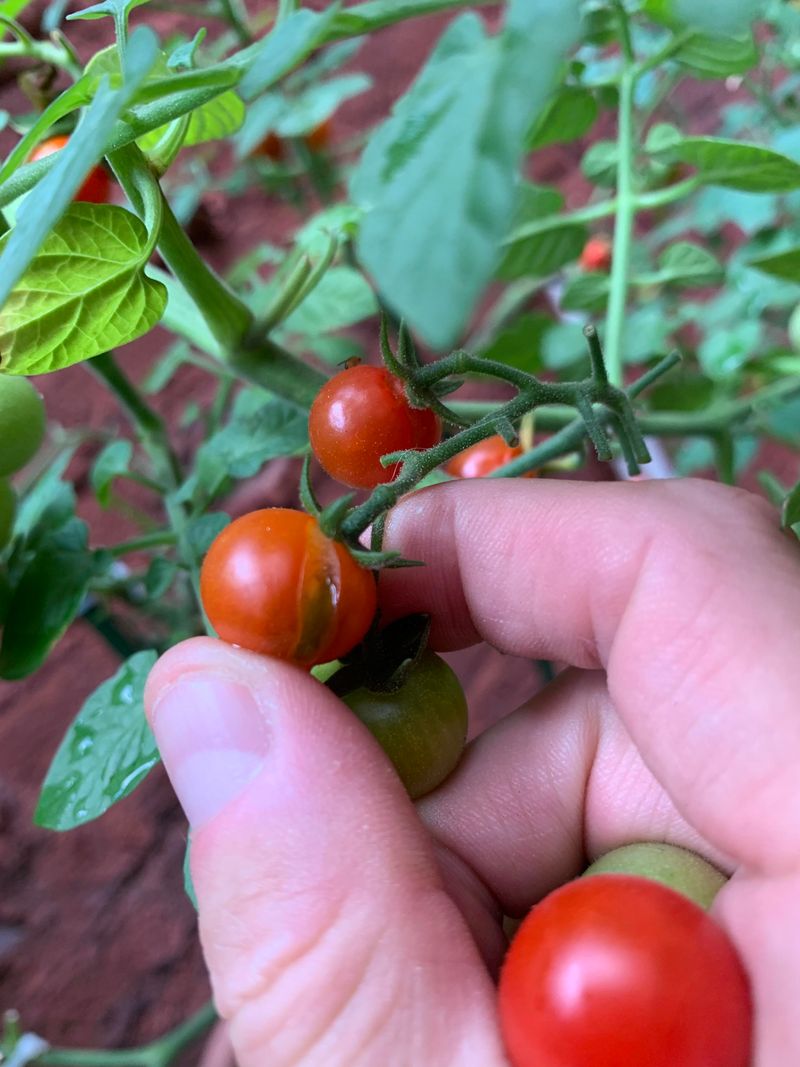
Healthy tomato plants produce fruit with strong, resilient skins. When pests or disease start weakening a plant, the fruit often pays the price in ways that are not always obvious right away.
Certain fungal diseases like early blight and Septoria leaf spot attack the foliage, reducing the plant’s ability to manage water efficiently.
When water regulation goes off track inside the plant, the fruit becomes more vulnerable to splitting after rain or heavy watering.
Common Michigan tomato pests like aphids, hornworms, and stink bugs also create stress that ripples through the entire plant.
Aphid colonies in particular can cause subtle but real disruptions to how plants move water and nutrients, and that can contribute to uneven fruit development.
Scouting your plants every few days, turning over leaves and checking stems, helps you catch problems early before they spiral out of control.
Integrated pest management, or IPM, is a practical approach that starts with the least invasive options first. Removing pests by hand, using insecticidal soap spray, and encouraging beneficial insects like ladybugs are all effective first steps.
Copper-based fungicides applied preventatively can help keep common Michigan fungal diseases from gaining a foothold. Removing and discarding diseased leaves promptly, rather than composting them, keeps spores from spreading through your garden.
Rotating your tomato planting location each year is one of the smartest long-term habits you can build, since many soil-borne diseases build up over multiple seasons in the same spot.