Shrubs North Carolina Gardeners Should Never Plant Near A Fence
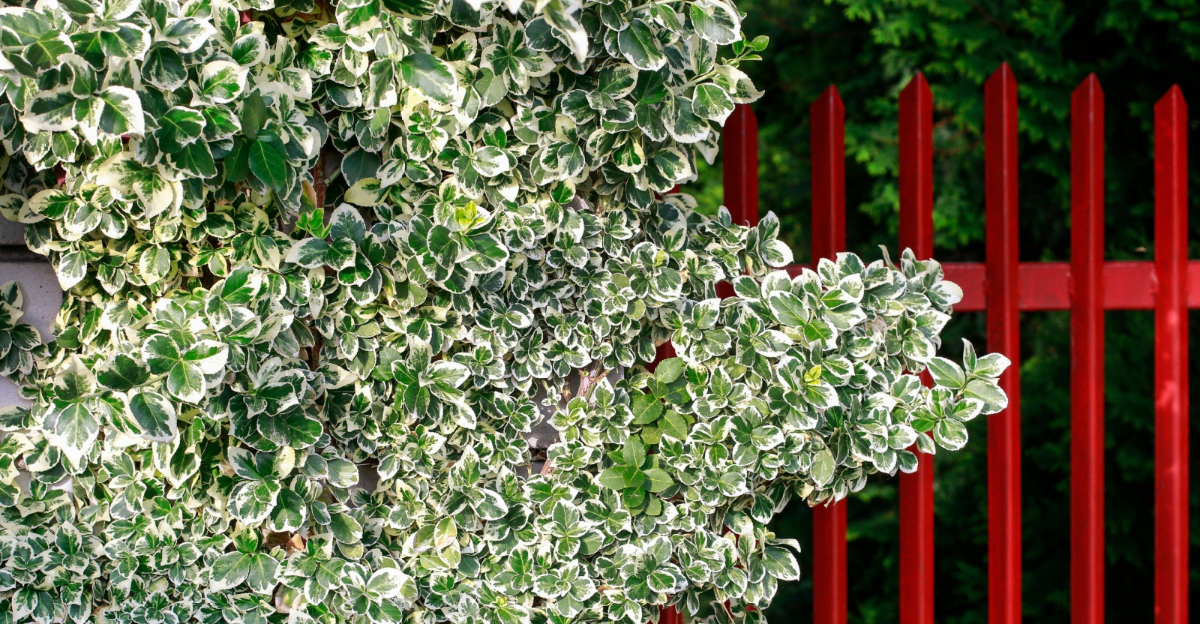
Planting shrubs along a fence line in North Carolina feels like a brilliant idea right up until the wrong shrub starts taking over everything in sight.
That narrow strip of soil beside a fence looks innocent enough, but it can turn into a genuine maintenance nightmare if you plant something with aggressive habits and nowhere to go.
Tight spaces restrict airflow, make pruning a frustrating puzzle, and give pushy shrubs exactly the kind of unchecked territory they love.
Some will send suckering roots creeping under the fence into your neighbor’s yard, which is an awkward conversation nobody wants to have.
Others drop seeds that sprout up everywhere imaginable. Knowing which shrubs cause the most trouble along North Carolina fence lines before you plant is genuinely one of the most useful things you can do for your future self.
1. Chinese Privet Spreads Along Fence Lines
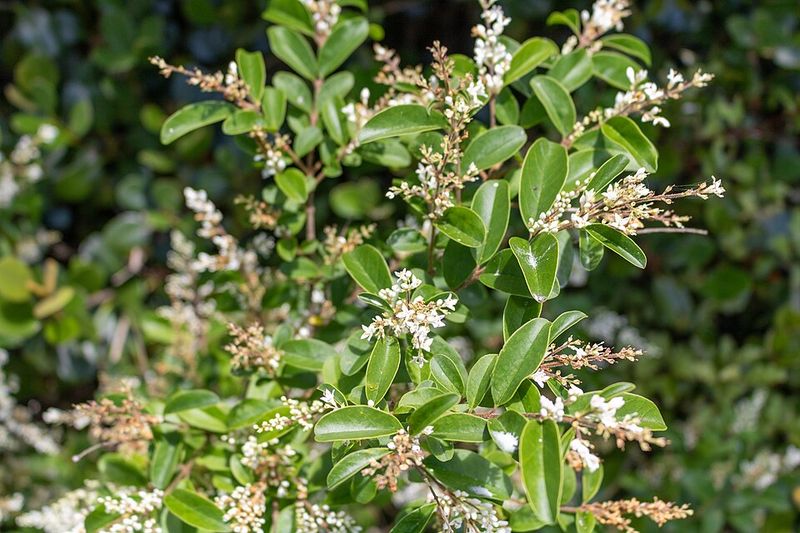
Few shrubs cause as much trouble along residential fence lines in North Carolina as Chinese privet. What starts as a tidy-looking hedge can quickly become a spreading mass of stems that fills every inch of the space beside your fence and then some.
Birds eat the small black berries and carry seeds into neighboring yards, wooded edges, and natural areas nearby.
The roots sucker aggressively, sending up new shoots along the fence line and beyond. Trimming back the top growth does not stop the root system from pushing out new stems season after season.
That cycle can make fence maintenance much harder because branches intertwine with fence posts and rails over time.
In North Carolina, Chinese privet is widely recognized as one of the most problematic invasive shrubs in home landscapes. Its ability to thrive in shade, sun, wet soil, and dry soil means it can establish itself in almost any fence-side planting area.
The narrow strip beside a fence gives it just enough space to get started, and from there it tends to spread outward into lawns, beds, and beyond. Homeowners often find that removing it takes far more effort than planting it ever did.
2. Japanese Barberry Brings Thorny Growth
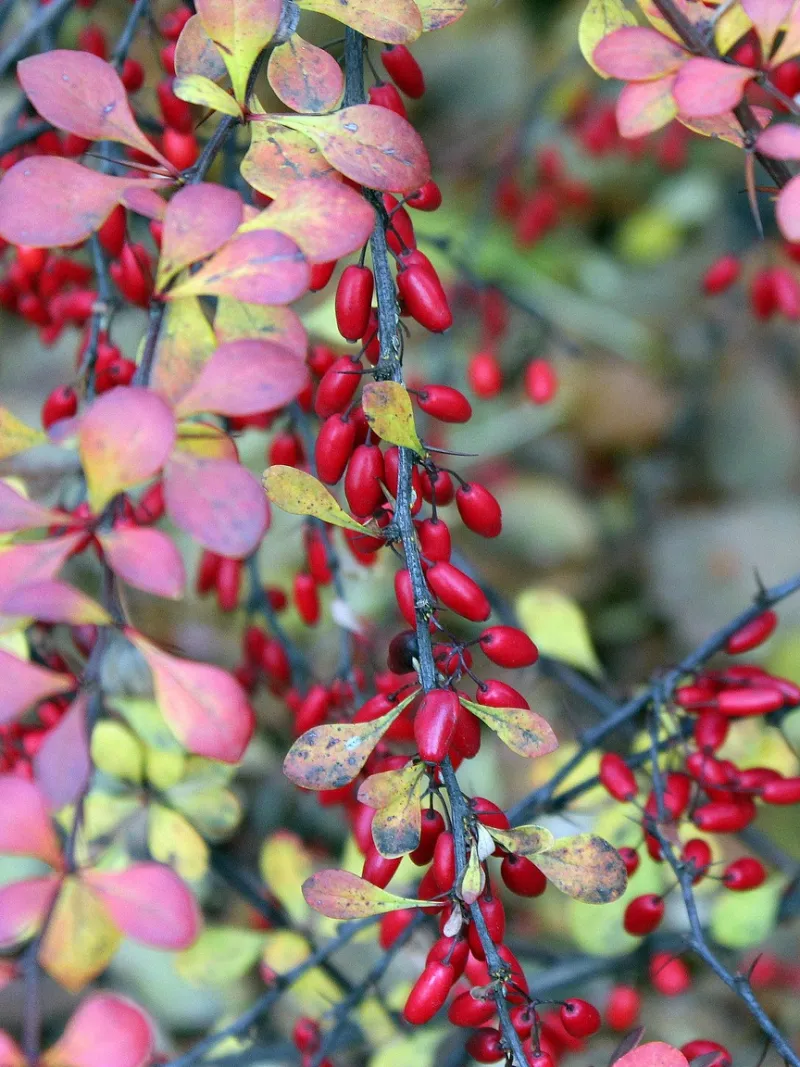
Barberry has been a popular landscape shrub for decades because of its colorful foliage and compact shape, but planting it beside a fence creates problems that are easy to underestimate.
The sharp thorns on every stem make routine pruning a painful task, and when branches grow into or through a fence, trimming them back safely becomes genuinely difficult.
Japanese barberry also spreads by seed. Birds consume the small red berries and deposit seeds in neighboring yards, naturalized edges, and wooded areas.
In North Carolina, this shrub has been flagged as invasive in some regions, meaning it can establish itself well beyond where it was originally planted.
The thorny stems also tend to catch debris, damaged leaves, and other plant material along the fence line, creating dense pockets that are hard to clean out without getting scratched.
Over time, the shrub can grow wide enough to push against the fence structure itself.
Your North Carolina Garden Changes Every Week. Your Plan Should Too.
Gardening in North Carolina changes quickly throughout the season. Every Friday you’ll receive a simple weekly plan showing exactly what to plant, prune, fertilize, harvest, and protect so you never miss the right timing.
While Japanese barberry does offer attractive reddish or golden foliage, the combination of thorns, seed spread, and invasive potential makes it a poor fit for the tight, hard-to-access space beside a residential fence in North Carolina.
Thornless, non-invasive alternatives can provide similar color without the complications.
3. Multiflora Rose Can Take Over Fences
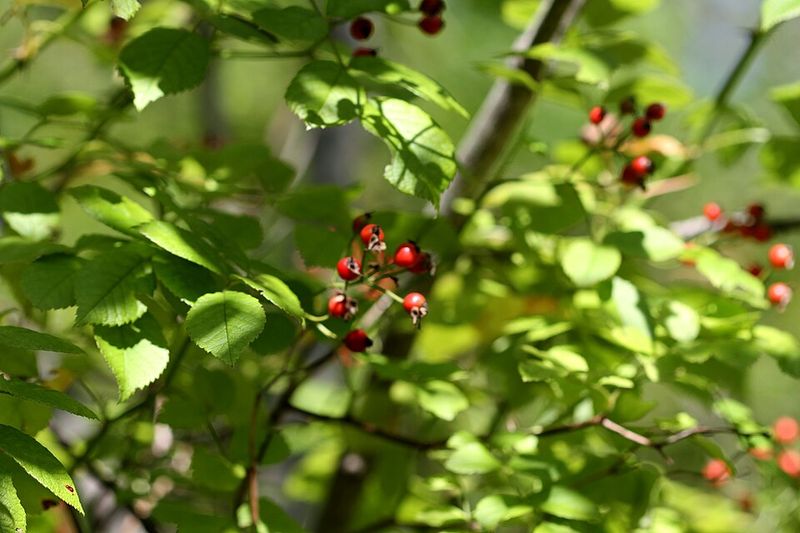
Multiflora rose is one of the most aggressive plants a North Carolina homeowner can plant near a fence, and in many cases it was never intentionally planted at all.
Birds spread the seeds widely, and the shrub can establish itself along fence lines before most gardeners even notice it.
Once it gets going, the long arching canes grow quickly and weave themselves through fence rails, boards, and posts in a way that makes removal extremely difficult.
The thorns are small but hooked, which means stems cling to clothing, gloves, and skin during any attempt to cut them back. Canes can reach impressive lengths in a single season, and each one that touches the ground can root and start a new plant.
That suckering habit makes multiflora rose particularly relentless near fences where access is already limited.
North Carolina lists multiflora rose as an invasive plant, and it is known to spread from residential landscapes into natural areas, roadsides, and neighboring properties. The dense thickets it forms can overtake fence lines entirely within a few seasons.
Even gardeners who appreciate its small white flowers in late spring often find that the maintenance burden far outweighs the brief seasonal display.
Avoiding it near fences is a practical decision for any North Carolina yard.
4. Thorny Elaeagnus Spreads Too Quickly
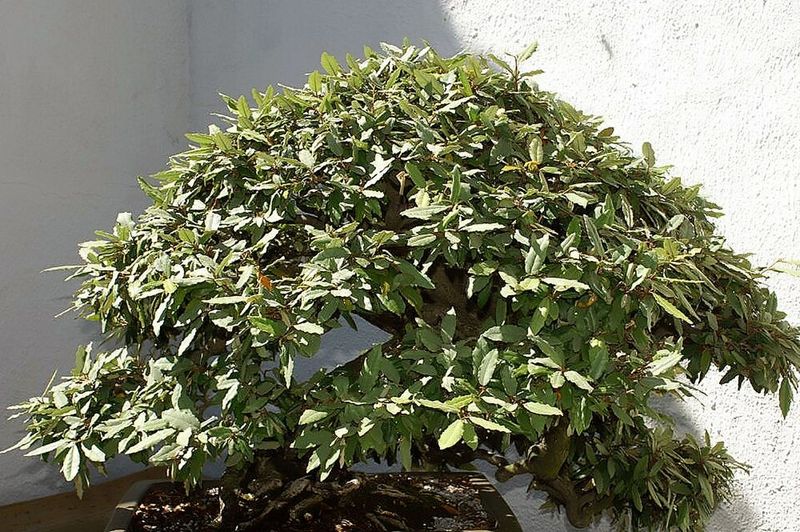
Thorny elaeagnus, sometimes called thorny olive, is a fast-growing shrub that many homeowners have used for privacy screens and windbreaks.
Its silvery foliage and fragrant fall flowers make it seem like an attractive option, but planting it beside a fence tends to reveal its downsides fairly quickly.
The shrub grows rapidly and can reach large dimensions that overwhelm a narrow fence-side planting strip within just a few years.
The arching branches grow outward aggressively and can push through fence boards or extend well into neighboring yards.
Birds eat the small fruits and spread seeds readily, which is why thorny elaeagnus frequently shows up along fence lines, woodland edges, and roadsides in North Carolina without ever being deliberately planted there.
Once established, the shrub is difficult to manage because cutting it back stimulates vigorous regrowth. The thorns on older stems make close pruning uncomfortable and slow.
In North Carolina, thorny elaeagnus is considered an invasive shrub that can spread from home landscapes into natural areas.
The combination of fast growth, thorny stems, bird-dispersed seeds, and aggressive suckering makes it a poor fit for the space beside a fence where regular maintenance access is already limited.
Compact, non-invasive evergreens offer better long-term results for privacy.
5. Leatherleaf Mahonia Has Spiny Leaves
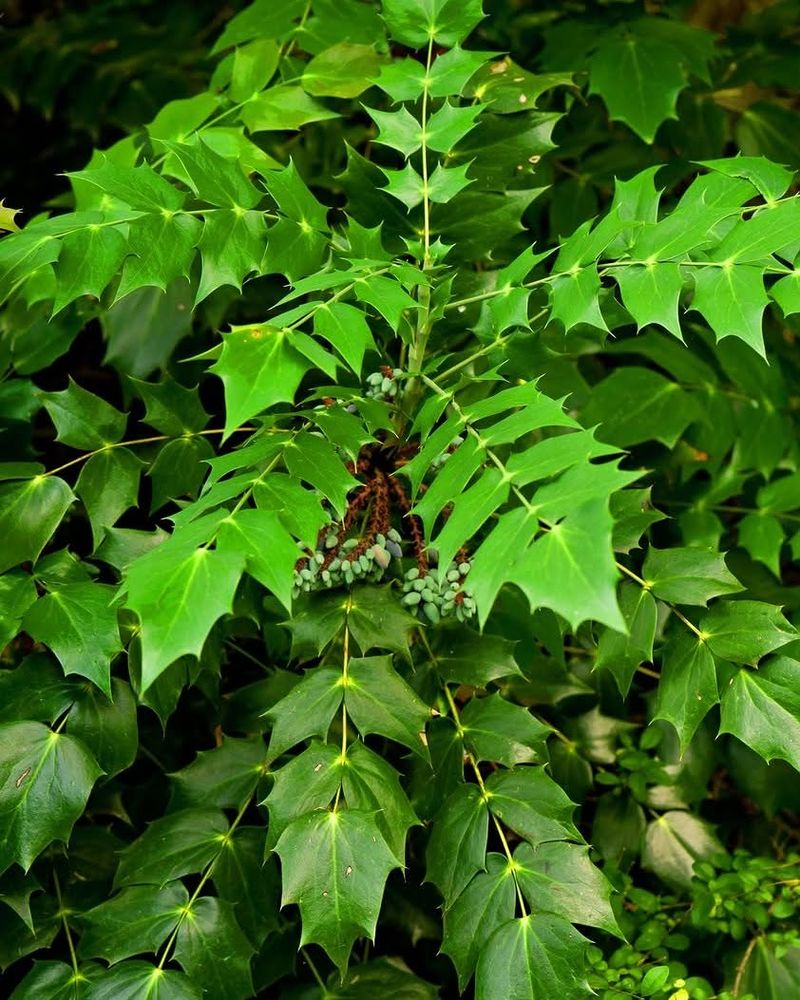
Leatherleaf mahonia looks bold and architectural in garden settings, with its large spiny leaves and bright yellow flower clusters in late winter.
That dramatic appearance is part of why it became popular in North Carolina landscapes, but the same qualities that make it eye-catching also make it a challenging choice near a fence.
The stiff, spine-tipped leaflets can scratch and catch on clothing, making it uncomfortable to work close to the fence for any routine maintenance.
The shrub spreads by seed, and birds are efficient at distributing those seeds into nearby beds, natural areas, and neighboring properties.
Leatherleaf mahonia has naturalized in parts of the eastern United States, including areas of North Carolina, which signals that it can establish well beyond its original planting site.
The plant also spreads slowly by root suckers, gradually widening its footprint along the fence line. Because the leaves are stiff and sharp, cleaning debris from around the base or trimming back overhanging stems requires careful handling.
Gloves alone are not always enough protection.
While leatherleaf mahonia can work well as a specimen planting in open beds with plenty of access, the tight corridor beside a fence in a yard is rarely the right place for a shrub that punishes anyone who gets too close to it.
6. Burning Bush Grows Too Large
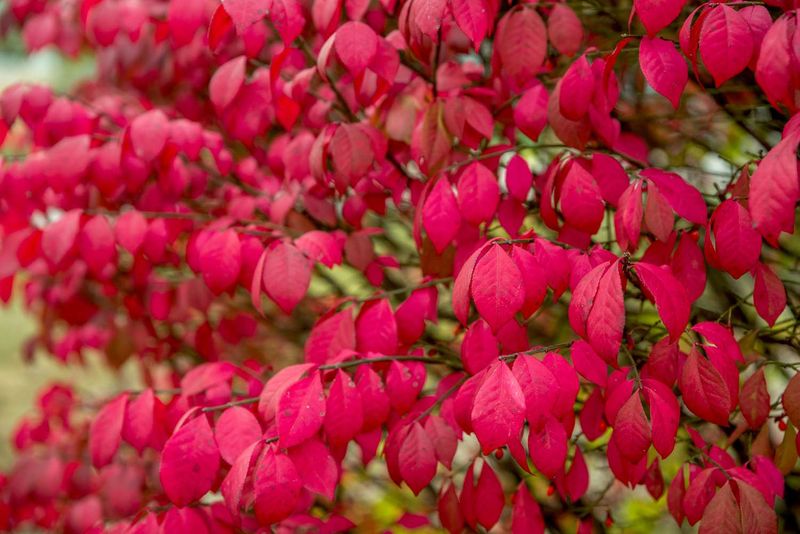
Burning bush is one of the most recognizable shrubs in American yards, and its blazing red fall color has made it a go-to choice for decades.
In North Carolina landscapes, however, it often grows much larger than the tag suggests, and a fence-side planting can become a structural problem over time.
Mature specimens can spread six to eight feet wide or more, which is far too much bulk for a narrow strip beside most residential fences.
As the shrub widens, its branches press against fence boards and rails, eventually warping or displacing them. Routine fence inspection and repair becomes difficult when a large burning bush has grown flush against the structure.
Pruning it back hard tends to produce dense, twiggy regrowth rather than a cleaner, more manageable shape.
Burning bush also spreads by seed, and birds carry those seeds into natural areas, roadsides, and neighboring properties. In some states it is listed as invasive, and gardeners should be aware that it can naturalize beyond home landscapes.
The combination of large mature size, fence pressure, and seed dispersal makes it a risky choice for the space beside a fence.
Native shrubs with strong fall color, such as Virginia sweetspire or oakleaf hydrangea, can provide similar seasonal interest without the same drawbacks.
7. Wild-Type Heavenly Bamboo Spreads By Seed
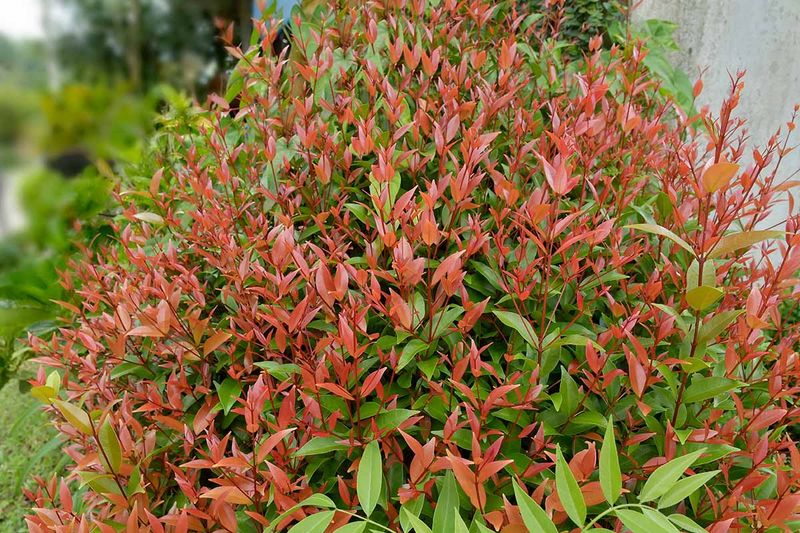
Heavenly bamboo, or nandina, is a staple in North Carolina landscapes because it is tough, evergreen, and easy to grow. The wild-type species, however, produces abundant clusters of red berries that birds spread enthusiastically.
Along a fence line, that seed dispersal can lead to seedlings popping up on both sides of the fence, in neighboring yards, and in natural areas close by.
The shrub also spreads by underground rhizomes, gradually expanding its clump along the fence line over time. In narrow planting strips, that spreading habit can be hard to control without regular intervention.
Stems that push through or under the fence can create awkward growth on the neighboring side that requires cooperation between property owners to manage.
North Carolina recognizes wild-type nandina as a plant with invasive potential, particularly because of how freely it seeds into natural areas.
The berries are also known to be harmful to certain bird species in large quantities, which adds another layer of concern for gardeners who want to support local wildlife.
Compact or sterile nandina cultivars are widely available and carry far less risk near fences because they produce few or no berries.
If you already have wild-type heavenly bamboo beside a fence in your North Carolina yard, monitoring it closely for spreading seedlings is a smart ongoing practice.
8. Climbing Euonymus Climbs Fence Supports
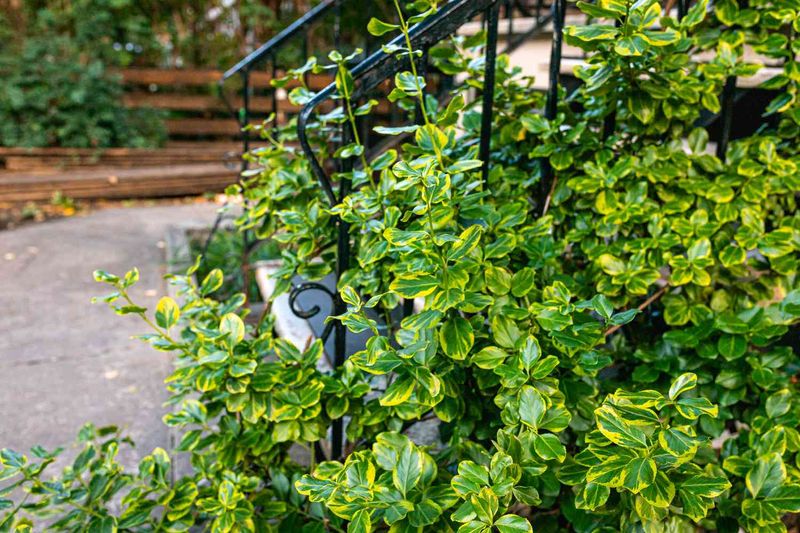
Climbing euonymus, sometimes called wintercreeper, has a sneaky way of making itself at home on any surface it can reach. Planted near a fence in North Carolina, it will quickly send out stems that attach to boards, posts, and rails using small aerial rootlets.
Over time, those rootlets can work their way into gaps in the wood and contribute to moisture retention and surface deterioration.
The plant grows in both sun and shade, which makes it adaptable to almost any fence-side condition. Once it covers the fence surface, removing it without damaging the wood underneath becomes a slow and tedious process.
The rootlets grip tightly, and pulling stems away often strips paint, stain, or even wood fibers from the fence boards.
Climbing euonymus is also recognized as an invasive plant in parts of the eastern United States, including areas of North Carolina.
It spreads by seed and by stem contact, meaning it can creep into neighboring beds, lawn areas, and natural edges without much encouragement.
The euonymus scale insect is another concern, as infestations can be severe and are easier to miss when the plant is growing densely along a fence.
For homeowners who want evergreen coverage near a fence, there are better-behaved alternatives that do not attach to and potentially damage the fence structure.