Invasive Plants Florida Gardeners Often Mistake For Native Species
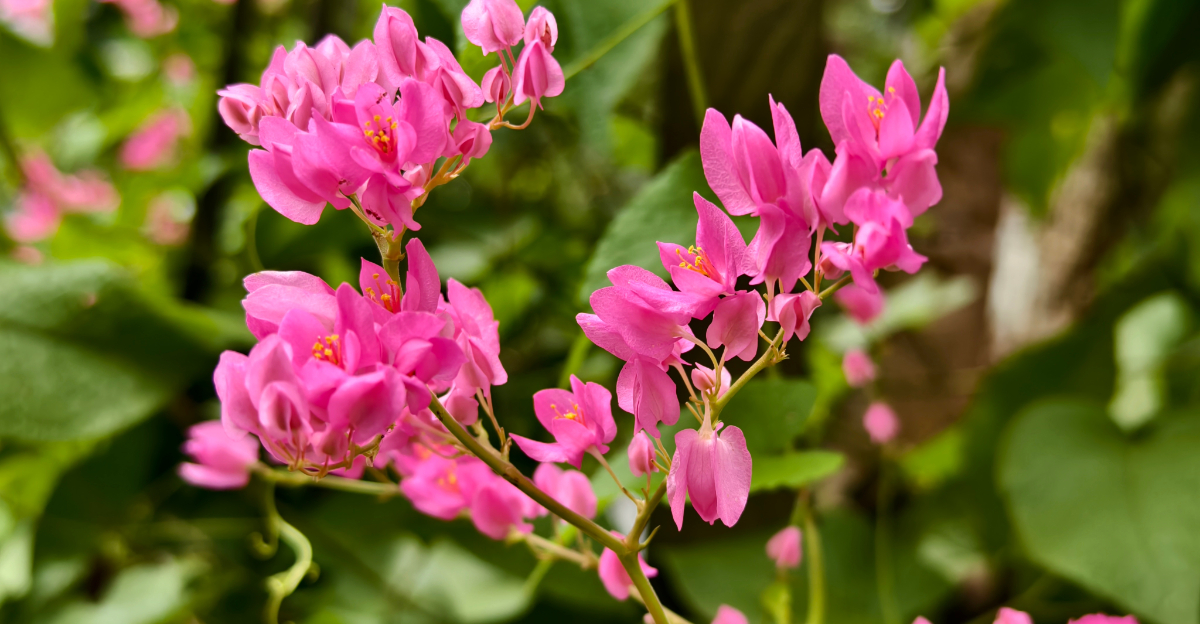
Florida has some of the most convincing botanical impostors in the country. Plants that look so at home in a landscape that even experienced gardeners assume they belong here.
Same leaf shapes as native species, same growth habits, same comfort in Florida heat and humidity. Nothing about them signals outsider.
That is precisely what makes them so problematic. These are not plants that look obviously out of place.
They are the ones blending in so well that homeowners plant them on purpose, assuming they are doing something good for local wildlife and habitat.
Meanwhile the actual native species they resemble are getting crowded out in the exact spots where they should be thriving.
Florida’s natural areas are full of invasives that got their start in well-intentioned yards.
Knowing which plants are pulling off that impersonation is genuinely useful information for anyone gardening in this state.
1. Mistake Mexican Petunia For Native Wild Petunia
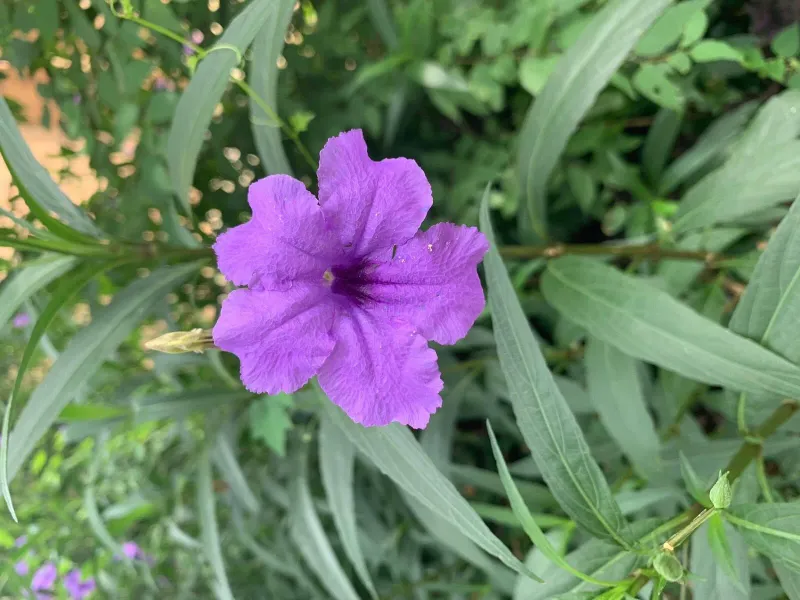
A row of tall purple flowers catches your eye at the nursery, and the tag mentions butterflies and easy care. The blooms look wild and natural, so you assume they belong in a local garden.
But Mexican petunia, usually sold as Ruellia simplex or Ruellia brittoniana, is not the same plant as Carolina wild petunia, the true native Ruellia caroliniensis.
Mexican petunia is listed as invasive or not recommended by UF/IFAS and other authorities across the state. Its purple tubular flowers may look harmless, but the plant spreads aggressively through underground rhizomes and self-sown seeds.
Once established, it marches into flower beds, lawns, ditches, wetland edges, and natural areas.
Native Carolina wild petunia stays compact, grows in clumps, and does not take over. It has similar purple blooms but a much gentler growth habit.
The two plants share a common name, which creates confusion at garden centers and plant swaps.
Before you buy or accept a passalong plant labeled “petunia,” check the botanical name on the tag or ask the seller. If the label says Ruellia simplex, leave it at the store.
If you already have Mexican petunia in your yard, avoid moving divisions, dumping pulled plants near natural areas, or sharing pieces with neighbors. Choose the true native wild petunia when you want purple flowers that stay where you plant them.
2. Confuse Coral Ardisia With Native Wild Coffee
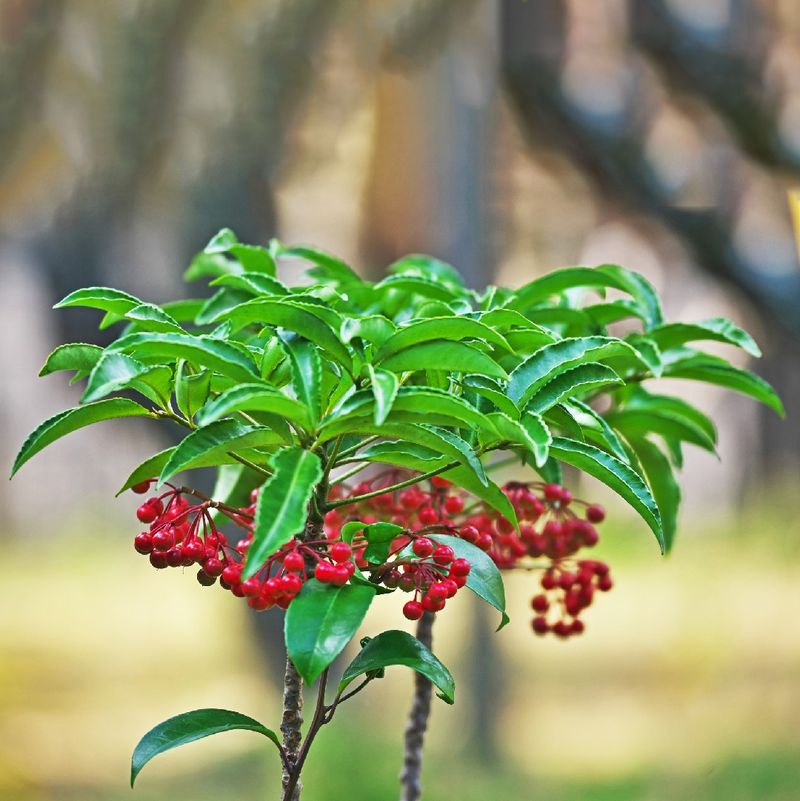
Walk through a shaded yard in late fall and you might spot a low shrub with glossy leaves and bright red berries tucked beneath the tree canopy. The plant looks like it belongs in the woods, and the berries seem like a natural food source for birds.
But coral ardisia, known botanically as Ardisia crenata, is not a native understory shrub.
UF/IFAS and other authorities list coral ardisia as invasive. Birds eat the berries and spread seeds into hammocks, floodplains, and shaded natural areas where the plant forms dense thickets.
Once established, it crowds out native shrubs such as wild coffee, beautyberry, and other woodland species that provide better habitat and food for local wildlife.
Your Florida Garden Changes Every Week. Your Plan Should Too.
Gardening in Florida changes quickly throughout the season. Every Friday you’ll receive a simple weekly plan showing exactly what to plant, prune, fertilize, harvest, and protect so you never miss the right timing.
Gardeners sometimes confuse coral ardisia with wild coffee because both have glossy leaves and red berries. But wild coffee, Psychotria nervosa, has different leaf venation, grows in a more open habit, and does not spread aggressively.
Coral ardisia has scalloped leaf edges and a tighter, more invasive growth pattern.
Before planting a red-berried shrub in the shade, verify the botanical name. If you already have coral ardisia, avoid moving berries, pulling and dumping plants near woods, or sharing divisions.
Choose true native understory shrubs recommended by local Extension offices when you want glossy foliage and wildlife appeal without the invasive risk.
3. Buy Lantana Without Checking For Native Or Sterile Types
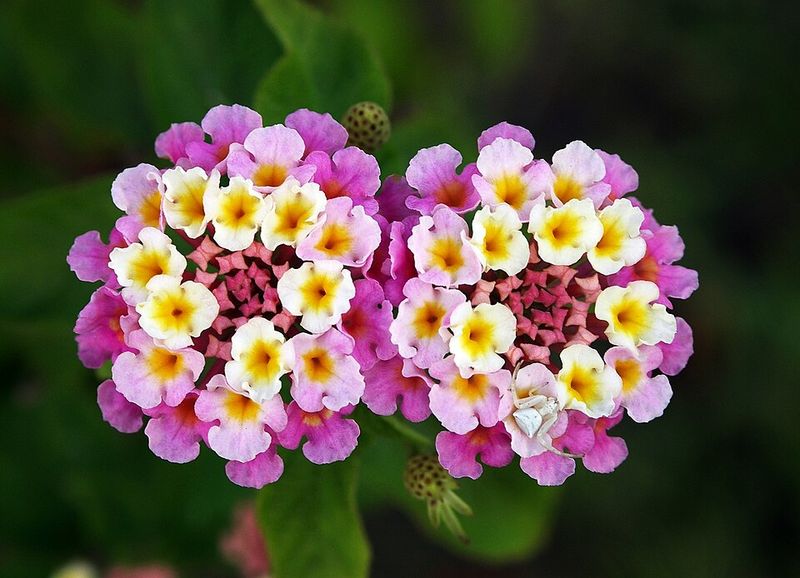
Bright clusters of orange, yellow, pink, and red flowers sit on the nursery bench, buzzing with bees and butterflies. The tag says “lantana,” and the plant looks cheerful and pollinator-friendly.
You assume all lantanas are the same and toss one in your cart. But the name “lantana” covers several different species and cultivars, and not all of them are safe for local landscapes.
Lantana camara is the main concern. UF/IFAS lists it as invasive in many regions, especially in central and southern parts of the state.
It spreads through seeds carried by birds and can invade natural areas, pastures, and woodland edges. Attractive flowers and pollinator visits do not mean a plant is harmless or native.
Native lantana, Lantana depressa, and some sterile cultivars may be recommended in certain situations. The key is checking the exact species or cultivar name before you buy.
Generic “lantana” labels are not enough. Ask the nursery staff for the botanical name, or look for UF/IFAS guidance on recommended varieties.
If you already have lantana in your yard, verify which type you are growing. Avoid planting invasive Lantana camara, avoid moving berries or seedlings, and choose native or sterile alternatives when you want color and pollinator appeal.
Do not assume that every lantana sold at a garden center is safe for your landscape or the surrounding natural areas.
4. Mistake Brazilian Pepper For A Florida Holly Lookalike
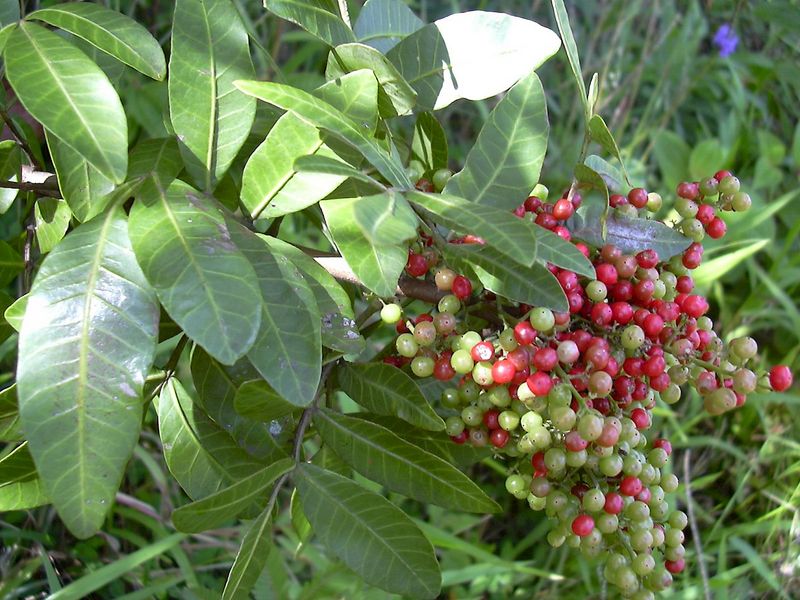
Bright red berries dangle from glossy evergreen branches in late fall, and the plant looks like it could pass for a native holly or a harmless local shrub. The berries seem festive, and the foliage stays green year-round.
But Brazilian pepper, Schinus terebinthifolia, is one of the most problematic invasive plants in the state.
UF/IFAS, the Florida Invasive Species Council, and other authorities list Brazilian pepper as a Category I invasive species. It forms dense thickets in natural areas, displaces native vegetation, and alters soil chemistry.
Birds spread the seeds, and the plant invades wetlands, hammocks, coastal areas, and disturbed sites across the state.
Some gardeners mistake it for a holly because of the red berries and evergreen leaves. But Brazilian pepper is not a holly.
It has compound leaves with multiple leaflets, while true hollies have simple leaves with spiny edges. The berries also cause skin irritation in some people and are not a safe food source for wildlife.
Never plant Brazilian pepper. If you already have it on your property, consult your local Extension office for removal guidance.
Do not move berries, seedlings, or branches. Avoid dumping pulled plants near natural areas or vacant lots where they can resprout.
Choose true native hollies or other source-supported shrubs when you want evergreen foliage and winter berries.
5. Plant Carrotwood Thinking It Is A Harmless Shade Tree
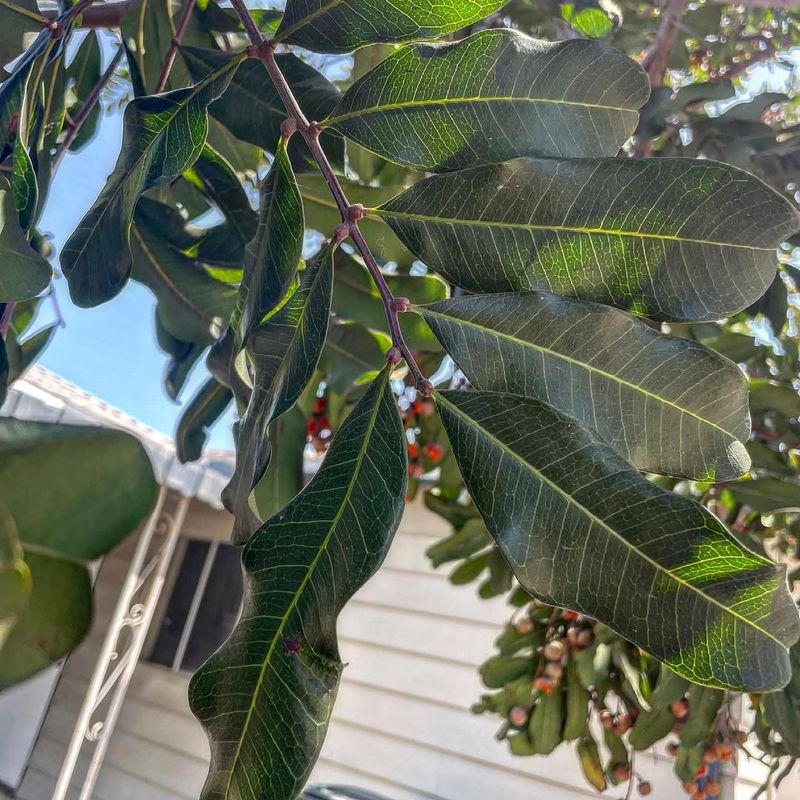
A small tree sits in a black nursery pot, its glossy leaves catching the light. The canopy looks tidy, the trunk is straight, and the tag promises fast growth and low maintenance.
You picture it shading your patio in a few years, and the price is right. But carrotwood, Cupaniopsis anacardioides, is not the harmless shade tree it appears to be.
UF/IFAS and other authorities list carrotwood as invasive. The tree produces seeds that birds spread into natural areas, hammocks, and disturbed sites.
Once established, it can form dense stands that crowd out native trees and shrubs. A tree that looks manageable when young can still cause ecological problems as it matures and spreads beyond your property line.
Gardeners choose carrotwood because it grows quickly, tolerates poor soil, and provides dense shade. But fast growth and toughness are not enough reasons to plant an invasive tree.
Better native or non-invasive shade trees are available, including live oak, laurel oak, mahogany, and gumbo limbo. UF/IFAS recommends different options for different regions and soil types.
Before buying a shade tree, verify the botanical name and check UF/IFAS recommendations for your area. If you already have carrotwood, avoid planting more and consider replacing it over time with a safer alternative.
Do not move seedlings or share seeds with neighbors or community plantings.
6. Mistake Wedelia For A Friendly Yellow Groundcover
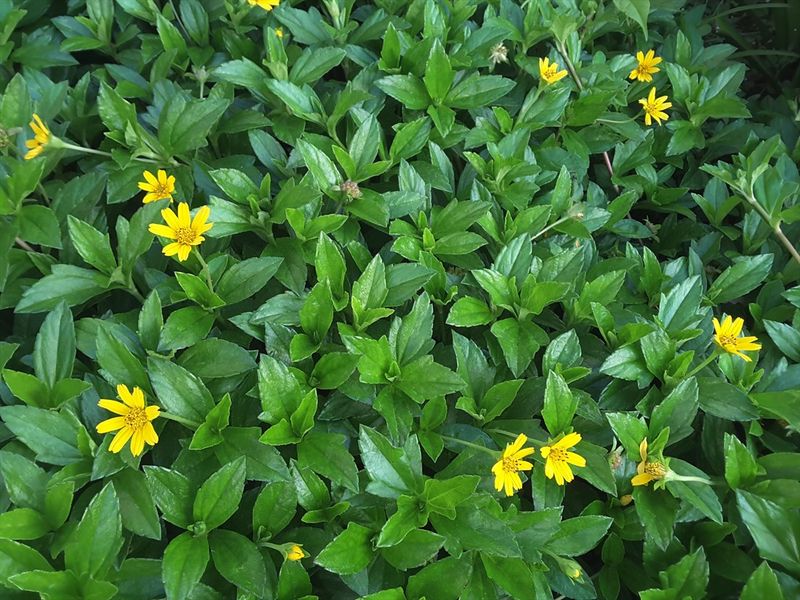
A patch of cheerful yellow flowers spreads across the ground, covering bare soil and filling empty spaces faster than anything else in the yard. The blooms look like tiny daisies, and the plant seems helpful, especially on slopes or in areas where grass struggles.
But wedelia, often sold as Sphagneticola trilobata or under older names, is not a harmless groundcover.
UF/IFAS lists wedelia as invasive. The plant spreads aggressively through rooting stems and forms dense mats that smother native groundcovers, grasses, and low-growing wildflowers.
Once it escapes the garden, it invades wetland edges, ditches, natural areas, and disturbed sites. Birds and yard waste can spread it to new locations.
Gardeners choose wedelia because it covers soil quickly, tolerates sun and shade, and produces bright flowers. But fast coverage is not worth the long-term risk.
Safer groundcovers are available for erosion control, color, and low-maintenance landscapes. These include sunshine mimosa, beach sunflower, and other native or non-invasive options recommended by Extension offices.
Avoid accepting passalong wedelia pieces from neighbors or plant swaps. Do not dump pulled wedelia near natural areas, vacant lots, or roadside spaces where it can reroot.
If you already have it, remove it carefully and dispose of it in sealed yard waste bags. Choose verified groundcovers that stay where you plant them and do not threaten surrounding landscapes.
7. Buy Coral Vine For Native-Looking Cottage Color
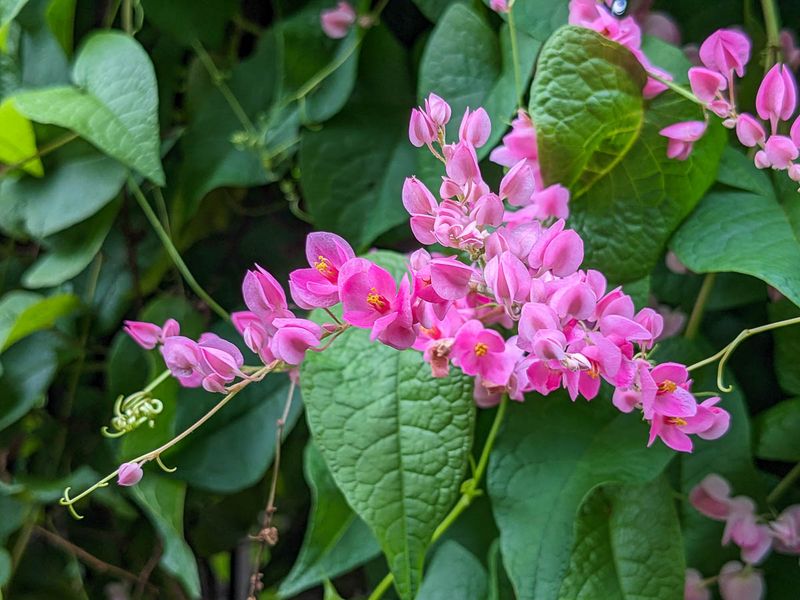
Cascades of pink flowers drape over a fence, and the vine seems to add instant cottage charm to the yard. The blooms attract bees and butterflies, and the plant covers an ugly chain-link fence in just one season.
Coral vine, Antigonon leptopus, looks charming and pollinator-friendly. But UF/IFAS lists it as a high-risk invasive species.
Coral vine spreads through underground tubers, self-sown seeds, and rooting stems. Once established, it climbs trees, smothers shrubs, and spreads beyond the original planting site.
It invades fence lines, woodland edges, natural areas, and unmanaged spaces. There, it forms dense tangles that block light and crowd out native vines and understory plants.
Gardeners plant coral vine because it grows fast, tolerates heat, and produces showy flowers. But fast fence coverage is not worth the ecological damage.
Native vines such as coral honeysuckle, crossvine, and passionflower provide similar beauty and pollinator appeal without the invasive risk.
Avoid buying, planting, or sharing coral vine, especially near natural areas or unmanaged edges. If you already have it, consult your local Extension office for removal guidance.
Do not dump tubers, seeds, or pulled vines in vacant lots, ditches, or roadside spaces. Choose source-supported native or non-invasive vines when you want quick color, wildlife appeal, and fence coverage that does not spread beyond your property.
8. Confuse Air Potato With A Fast Native Vine
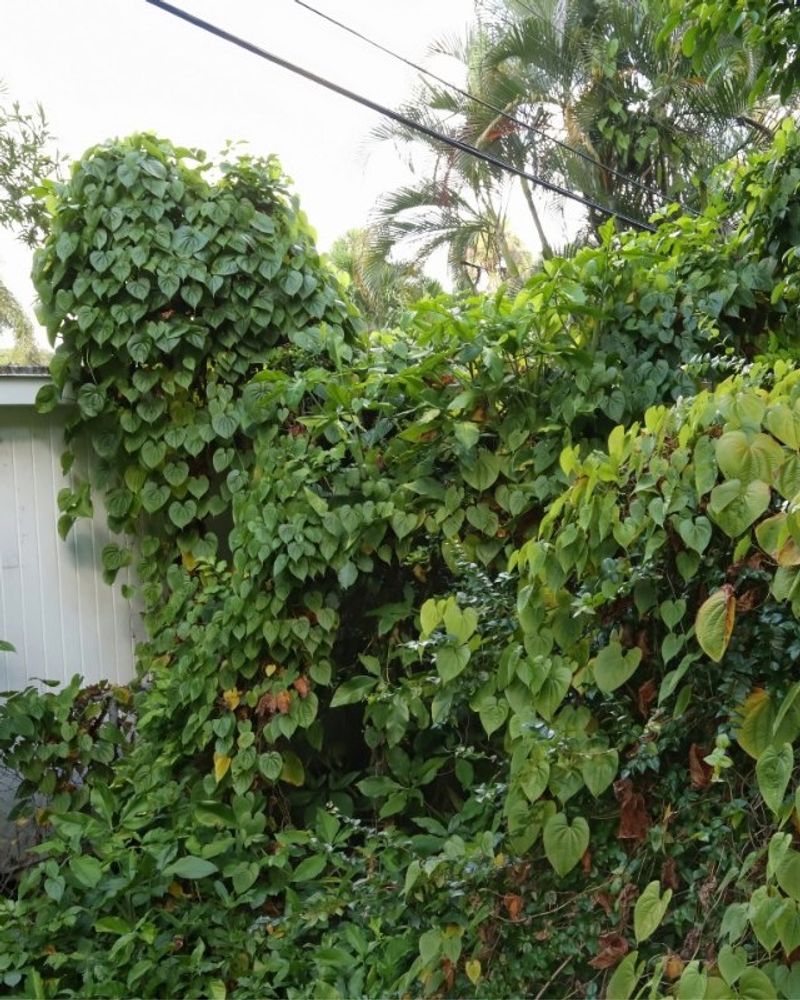
A vine appears almost overnight, its heart-shaped leaves climbing a fence or tree trunk with astonishing speed. The plant seems useful for quick shade or screening, and the leaves look lush and tropical.
But air potato, Dioscorea bulbifera, is an invasive vine, not a helpful native climber.
UF/IFAS and other authorities list air potato as a Category I invasive species. The vine produces aerial bulbils (small potato-like tubers) that drop to the ground and sprout new plants.
It climbs trees, smothers native vegetation, and spreads rapidly through natural areas, hammocks, wetland edges, and disturbed sites. Control is difficult because the bulbils can remain viable in the soil for years.
Gardeners sometimes mistake air potato for a harmless fast-growing vine because of its vigorous growth and attractive foliage. But fast coverage is not a benefit when the vine escapes the garden and damages surrounding landscapes.
Native vines such as muscadine grape, Virginia creeper, and others provide better wildlife habitat and do not produce invasive tubers.
Never plant air potato for quick shade or fence cover. If you already have it, report or manage infestations according to local guidance.
Do not move bulbils, and avoid dumping pulled vines near natural areas or vacant lots. Choose verified native or non-invasive vines when you want fast growth without the long-term ecological and landscape problems that come with aggressive invaders.