Ground Covers Ohio Homeowners Are Using In Shady Areas To Help Deter Ticks
Shady areas in Ohio yards create conditions that ticks genuinely prefer. Low light, consistent moisture, leaf litter that builds up and stays damp.
Most homeowners either ignore those spots or struggle to grow anything useful in them. Turfgrass thins out, weeds move in, and the area becomes exactly the kind of habitat ticks are comfortable in.
Some homeowners have started approaching the problem from a different angle, focusing on what covers that ground instead of what repels ticks directly.
Certain groundcovers change the conditions in shady spots in ways that make those areas less hospitable over time.
Not a guaranteed fix and not a replacement for other tick prevention habits. But a reasonable part of a broader strategy that also happens to solve the problem of bare, weedy shade.
Ohio has a few options worth knowing about if those shady corners of your yard have been on your mind.
1. Pennsylvania Sedge Keeps Shady Spots Neat Without Tall Grass
If you have ever watched a patch of turf slowly thin out under a big oak or maple, you already know the frustration of trying to grow grass where grass simply does not want to grow.
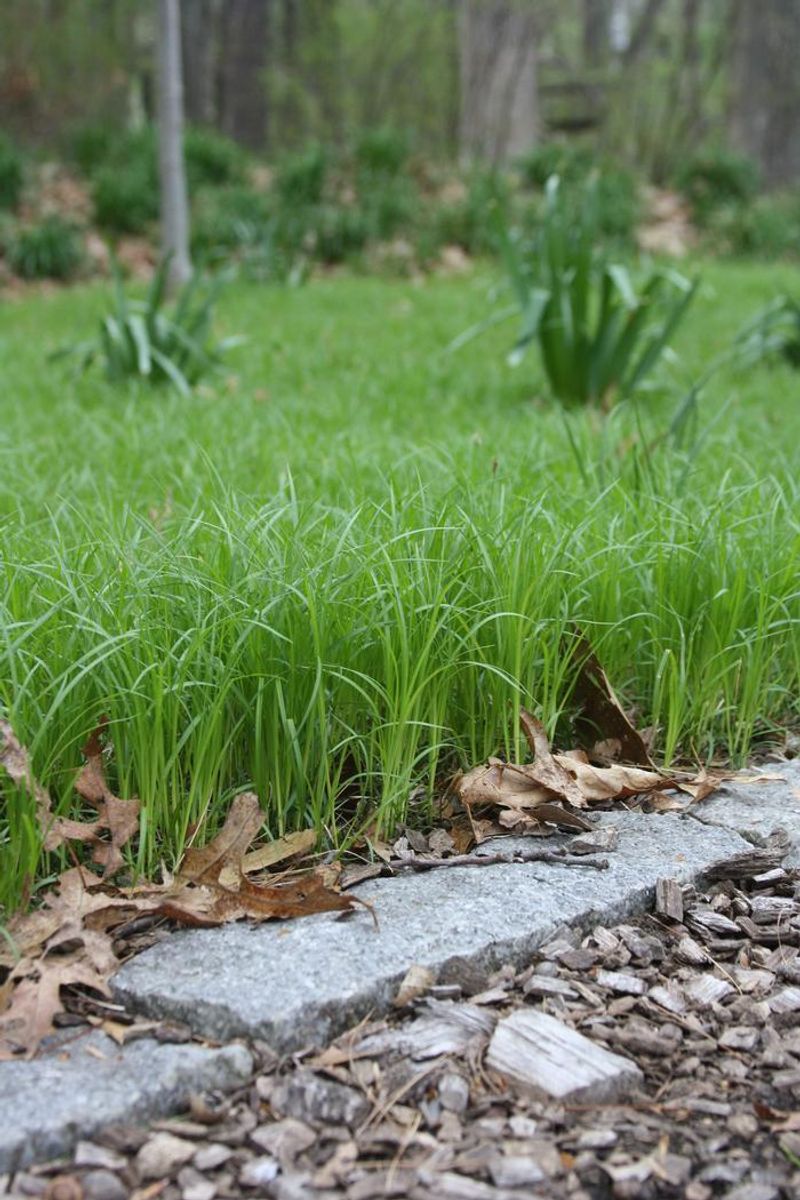
Pennsylvania sedge is a native, grass-like plant that actually thrives in those conditions.
It stays low, forms a soft, arching mat, and looks intentional rather than neglected.
According to the State University Extension and Ohioline resources, Pennsylvania sedge handles part shade to full shade well. It also tolerates the dry, root-filled soil that often collects under mature trees.
It is not a true grass, but it looks enough like one that most neighbors would never notice the difference. The key difference is that it stays short on its own, usually around six to twelve inches without mowing.
Establishment takes some patience. You will want to plant it in spring or early fall, keep it watered through its first season, and give it time to fill in before expecting a full carpet effect.
Plugs or potted plants work better than seed for most homeowners. Once it is settled, it needs very little attention beyond occasional cleanup.
From a tick-aware yard perspective, a low planted sedge area is much easier to inspect and manage. It is far more manageable than a patchy mess of tall weeds and bare soil.
State University Extension recommends keeping grass and weeds cut short near play areas and yard edges, and Pennsylvania sedge supports that goal in spots where mowing is awkward or ineffective.
Still, even a tidy sedge planting needs leaf litter removed from around it in fall.
Leaves piling up on top of any ground cover can undo the neat, managed look you are working toward, so a light seasonal rake goes a long way.
2. Wild Ginger Covers Bare Shade With Low, Dense Growth
There is something quietly impressive about a plant that can turn bare, shadowy soil under a dense tree canopy into a clean, lush-looking bed. Wild ginger does exactly that.
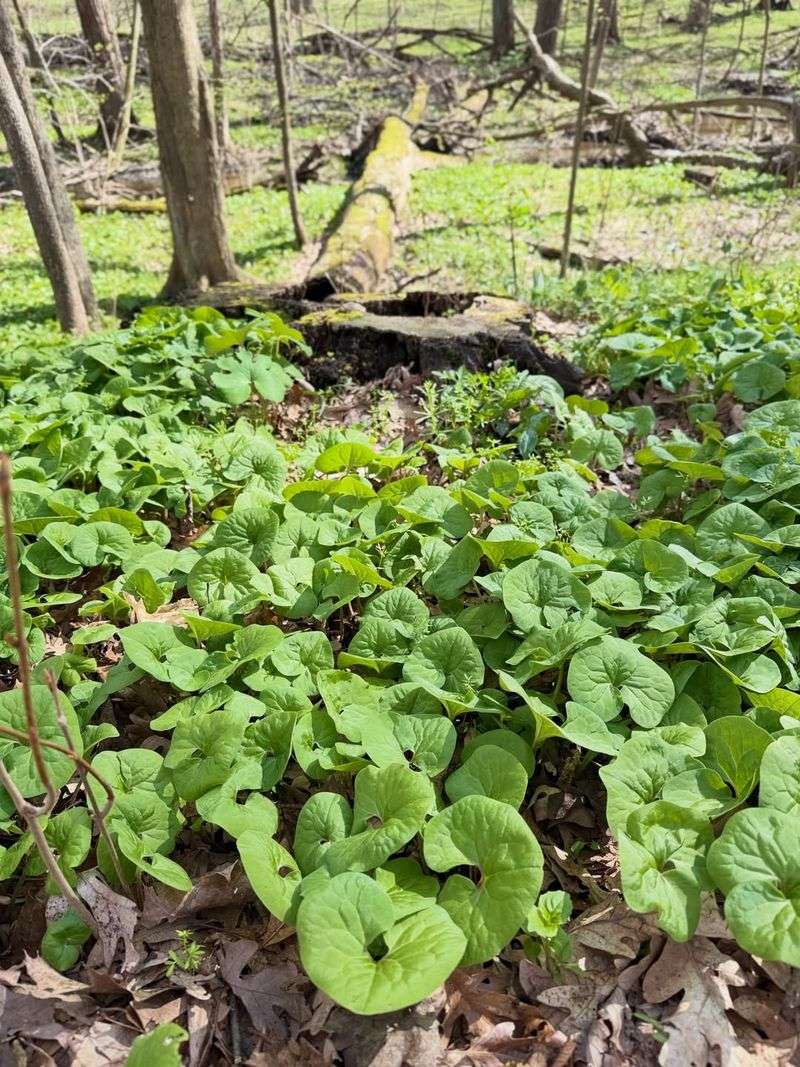
Its broad, heart-shaped leaves grow close to the ground and spread steadily over time, covering bare patches that would otherwise collect leaves and debris.
Your Ohio Garden Changes Every Week. Your Plan Should Too.
Gardening in Ohio changes quickly throughout the season. Every Friday you’ll receive a simple weekly plan showing exactly what to plant, prune, fertilize, harvest, and protect so you never miss the right timing.
Native to Ohio woodlands, wild ginger is well-suited to shaded spots with moist, rich, organic soil. It does best in part to full shade and prefers the kind of loose, humus-rich earth you find along woodland edges or near established trees.
State University Extension recognizes it as a native woodland species, and it fits naturally into naturalized beds, shaded borders, and areas near woods where turf just will not take hold.
Growth is slow at first, so do not expect it to fill a large area in one season. Plant it in clusters and give it a couple of years to knit together into that dense, weed-suppressing mat.
Once established, it is fairly low-maintenance and quite deer-resistant, which matters in many parts of this state where deer pressure is heavy.
For homeowners thinking about tick-aware yard management, wild ginger fits well in shaded beds that you want to keep intentional and planted rather than brushy and ignored.
The Ohio Department of Health notes that ticks favor areas with leaf litter, high grass, and brush.
Keeping planted beds clean and free of thick debris is still important. Avoid letting leaf litter pile up heavily on top of wild ginger near paths, patios, or play areas.
A light cleanup in late fall helps keep the planting looking neat and removes the kind of moist, matted debris that can create the conditions ticks prefer.
3. Foamflower Adds Native Coverage Where Turf Struggles
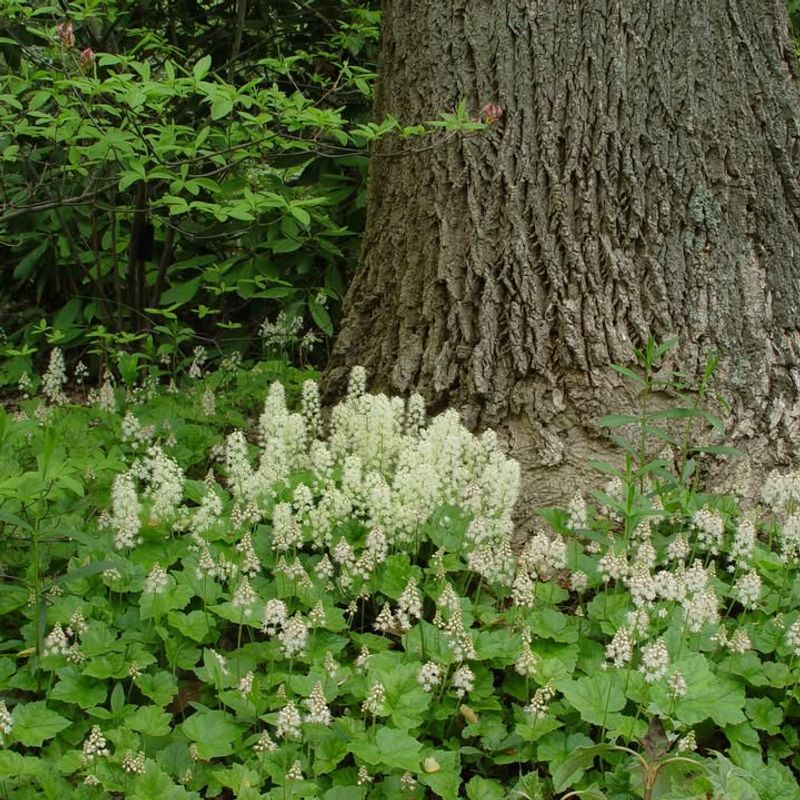
Walk through an Ohio woodland in spring and you might spot foamflower tucked along shaded slopes, its delicate white flower spikes rising above a carpet of lobed, maple-like leaves.
It is one of those native plants that looks like it belongs exactly where it is planted, which is part of what makes it so appealing for shaded garden beds where grass has given up.
Foamflower, known botanically as Tiarella cordifolia, is a native perennial that handles part shade to full shade with grace.
It prefers moist, well-drained soil rich in organic matter, making it a natural fit for woodland-style beds near established trees or along shaded borders.
State University Extension and native plant resources for the Midwest consistently list it as a reliable, well-behaved native ground cover for these conditions.
It spreads by runners and can gradually fill in a bed over a few seasons, but it is not aggressive. You can manage it easily by pulling or dividing plants that wander too far.
The foliage stays low through the growing season, and some varieties offer attractive mottled leaves that look good even after the spring blooms fade.
Foamflower is best used in garden beds rather than high-traffic areas. It will not handle being walked on regularly and is not a lawn replacement.
For tick-aware landscaping, its real value is that it turns a rough, weedy shade patch into a maintained, planted space. Planted beds are easier to inspect and easier to clean.
They are also far less likely to harbor the brush and tall growth associated with tick habitat. After planting, keep an eye on leaf litter buildup around the base of the plants, especially near seating areas or spots where kids or pets spend time.
4. Woodland Phlox Fills Shady Edges With Spring Color
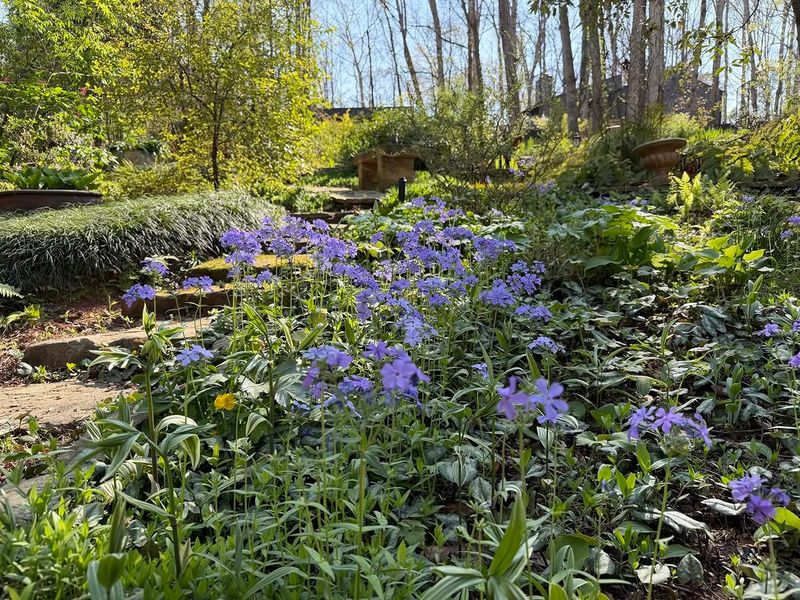
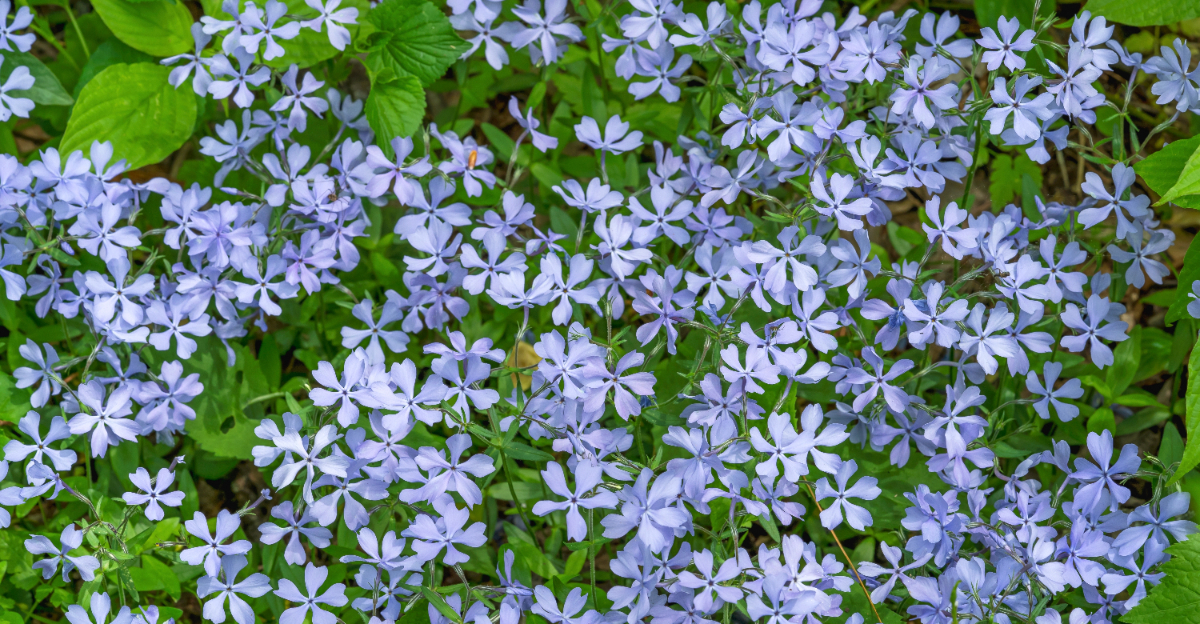
Few native plants put on a spring show quite like woodland phlox. Clusters of soft lavender, blue, or white blooms appear in mid-spring, right when shaded yard edges can look their dullest after a long winter.
Beyond the flowers, though, woodland phlox earns its place as a practical, low-growing option for shaded borders and naturalized beds.
Woodland phlox, or Phlox divaricata, is native to Ohio and much of the eastern United States. It performs best in part shade, though it tolerates dappled light under open tree canopies well.
It prefers moist, well-drained soil with decent organic content, and it spreads gently by stolons over time without becoming a problem.
Native plant guides and Midwest Extension sources consistently recommend it for woodland-style plantings, shaded borders, and naturalized yard edges.
One thing to know upfront: woodland phlox is not built for heavy foot traffic or harsh dry shade under dense evergreens. It works best in spots with some light, decent moisture, and soil that has not been completely depleted by tree roots.
In the right conditions, though, it fills in nicely and stays low enough to keep edges looking clean rather than brushy.
Replacing unmanaged weeds and rough growth along shaded yard edges with planned, low plantings like woodland phlox supports the kind of neat, visible yard margins that make tick management easier.
State University Extension recommends keeping brush and tall weeds cut back along yard edges.
A well-placed phlox planting can help hold those spots in an attractive and manageable way. After blooms fade, the foliage stays tidy through summer.
Trim back any withered stems in early spring to keep the planting looking fresh and prevent debris from collecting at the base.
5. Wild Strawberry Helps Cover Thin Spots In Part Shade
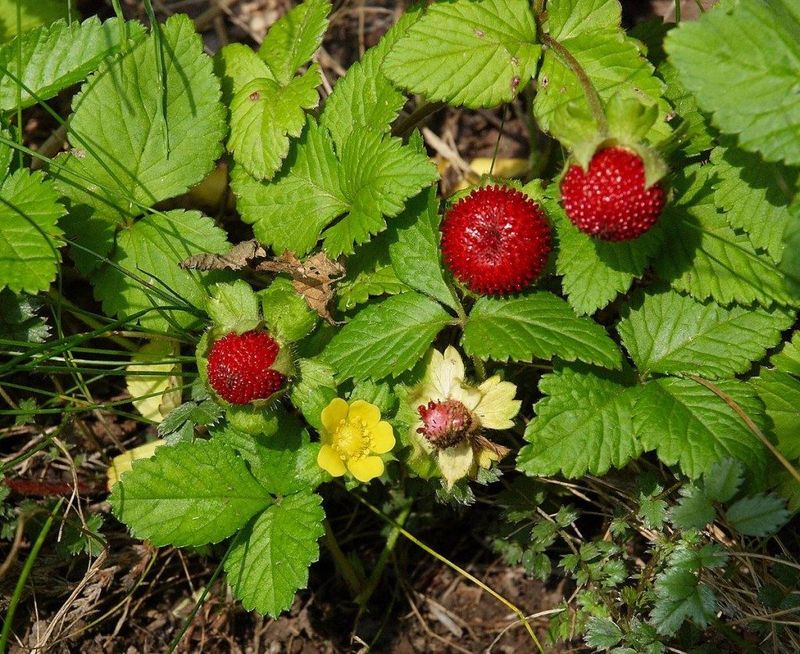
Most people recognize wild strawberry the moment they see it, even if they have never planted it on purpose. Those small, three-leaflet rosettes and tiny white flowers pop up in thin lawn spots, along yard edges, and near open shade all across this state.
Some homeowners pull them out. Others are starting to recognize them as a low-effort, low-growing option for spots where turf is struggling.
Wild strawberry, Fragaria virginiana, is native and tolerates a range of conditions from full sun to part shade. It spreads by runners, filling in thin or bare patches gradually without growing tall.
State University Extension and native plant sources for the Midwest note its value as a low-maintenance, wildlife-friendly plant that supports pollinators and provides small fruits that birds enjoy.
The honest trade-off is that wild strawberry can creep into garden beds or along walkway edges if you are not watching it. It is best used in less formal yard zones, open shaded edges, or areas where a relaxed, mixed-lawn look is acceptable.
Regular edging along beds and paths will keep it from spreading where you do not want it. It is not a plant for a formal, manicured lawn.
From a tick-prevention standpoint, a low, managed patch of wild strawberry is far preferable to tall weeds and rough, uncut grass. But managed is the key word.
State University Extension is clear that mowing, leaf cleanup, and removing brush are essential steps in reducing tick habitat, and wild strawberry does not replace any of those habits.
Keep the planting thinned if it gets dense, remove accumulated leaf litter in fall, and do not let it grow up against brush piles or wooded edges without regular attention.
Tick checks after outdoor time remain non-negotiable regardless of what you plant.
6. Violets Bring Low Blooms To Relaxed Shady Lawns
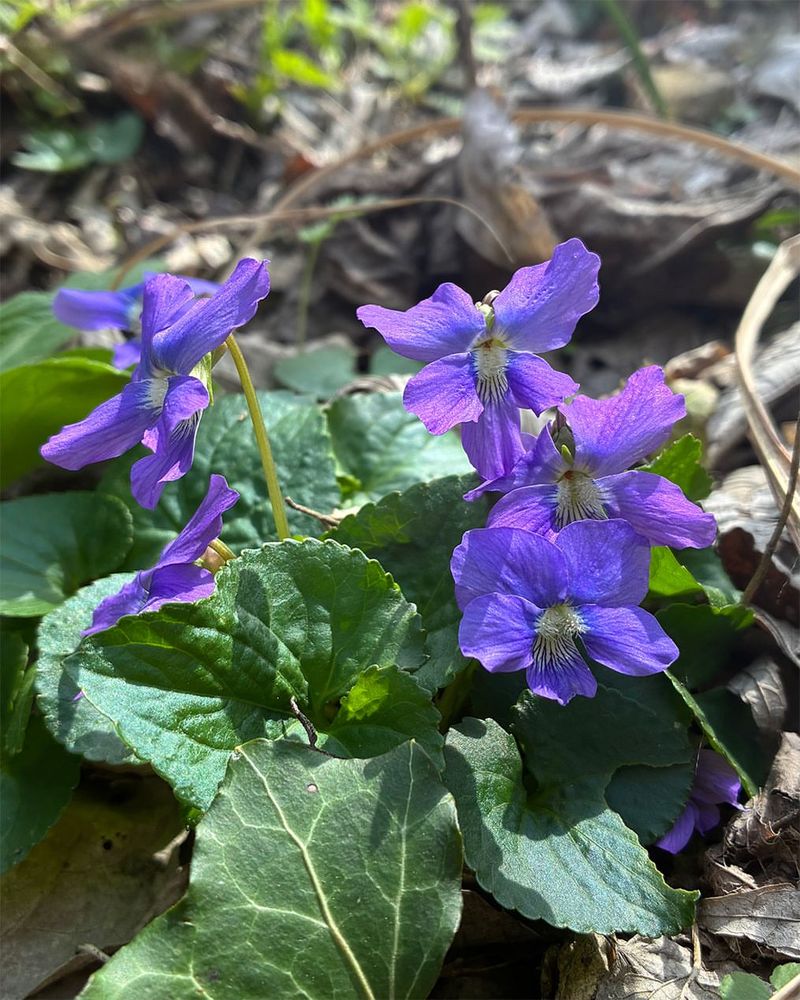
Violets have a reputation problem. Homeowners chasing a perfect, uniform lawn often see them as weeds to remove.
But for yards with shaded patches, thin turf, and a more relaxed approach to lawn care, violets are actually a practical, low-growing option that handles part shade far better than most turf grasses ever will.
Common blue violet, Viola sororia, is native and grows naturally in shaded lawns, woodland edges, and partly shaded borders across the state.
It stays low, produces cheerful purple blooms in spring, and supports early pollinators when not much else is flowering yet.
Native plant resources recognize it as a valuable part of mixed-lawn and naturalized yard settings, and it pairs well with a low-mow or relaxed lawn approach.
The honest reality is that violets are not the right fit for every yard. Homeowners who want clean, uniform turf will find them frustrating because they spread by seed and rhizomes and can multiply quickly in the right conditions.
They work best in shaded lawn areas, pollinator patches, or naturalized zones where a mixed, informal look is the goal rather than the problem.
For tick-aware yard management, the important distinction is this: low plants in a maintained, mowed lawn setting are very different from tall grass, brush, and leaf-filled weeds.
The Ohio Department of Health points to brushy, weedy, leaf-littered areas as prime tick habitat.
A low violet patch in a regularly mowed lawn does not fit that description. That said, violets near wooded edges, stone walls, or fenced borders need the same leaf litter cleanup and brush removal that any shaded edge requires.
Keep mowing, keep clearing debris, and keep checking yourself, your kids, and your pets after time outdoors, no matter how tidy the plantings look.