8 Flowering Vines That Can Handle Georgia Humidity Without Constant Fuss
Most vines fall into one of two categories once those conditions arrive. There are the ones that quietly give up on you, and the ones that read the forecast, shrug, and just get on with it.
You probably already know which category most of your yard falls into. The second group, however, is far more interesting.
There are flowering vines that do not just tolerate this climate. They seem to genuinely prefer it. They climb, they bloom, and they bring the kind of wildlife activity that makes a garden feel alive in the middle of August.
But here is the question worth sitting with before your next nursery visit. Do you actually know which vines belong in a Georgia summer, and which ones are just putting on a good show in spring?
1. Coral Honeysuckle Climbs Cleanly Through Muggy Weather
Not every honeysuckle behaves the same way. That matters more than you might expect in a Georgia garden.
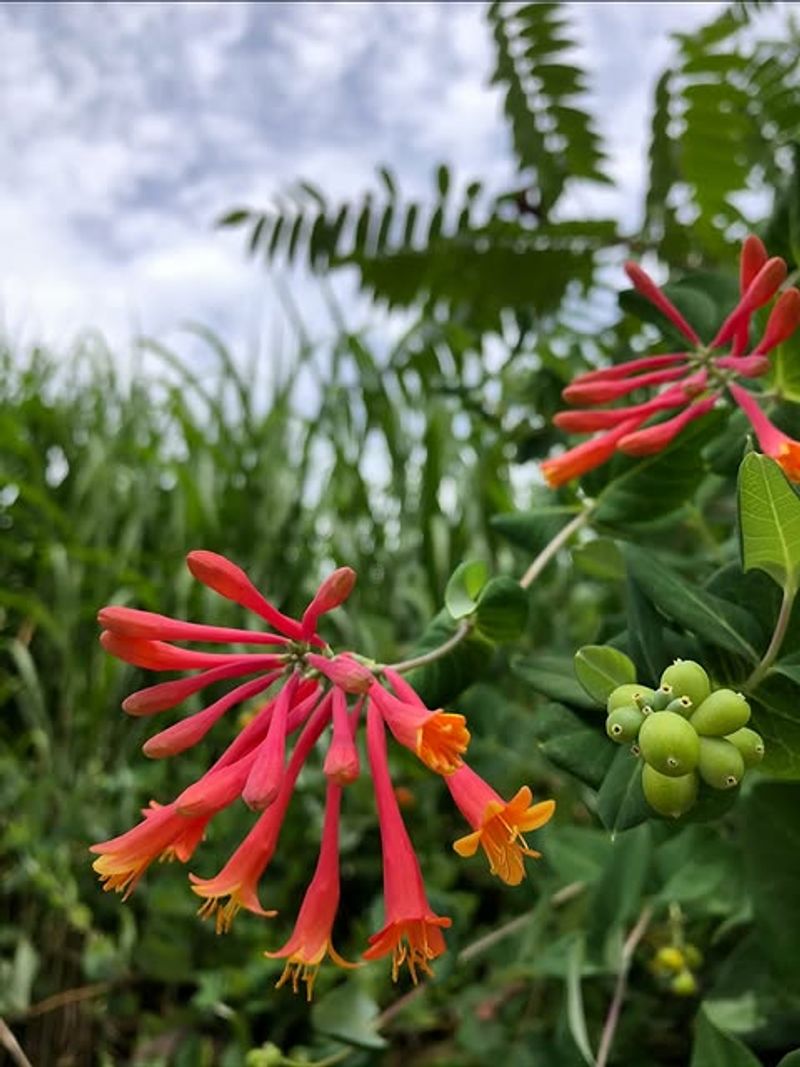
Coral honeysuckle brings the color and charm without the pushy personality of some other honeysuckle types. It climbs neatly when given a trellis, fence, post, or arbor.
It can soften a structure without turning the whole yard into a tangled puzzle. That makes it especially useful for gardeners who want beauty without constant weekend trimming.
The flowers are the main event. Clusters of tubular coral-red blooms appear in spring and may return in waves through the warm season. Their shape is perfect for hummingbirds, and those little visitors often find the vine quickly.
If you enjoy sitting outside and watching the garden move, this vine gives you a reason to pause.
Coral honeysuckle usually handles Georgia humidity well once established. It keeps a steadier, cleaner look than many fussier flowering vines. The foliage can stay attractive while the plant continues climbing with a fairly graceful habit.
Full sun usually brings the strongest bloom display. Part shade can also work, especially in warmer corners where afternoon light gets intense. You may see fewer flowers in shade, but the vine can still offer coverage and structure.
Young plants need regular water while roots settle. After that, they often need less attention. A layer of mulch around the root zone helps hold moisture and smooth out heat swings.
Pruning is simple. After the main bloom, trim stems that wander too far. Keep the cuts selective, not severe. The goal is to guide the plant, not flatten its natural movement.
The result is a vine with good Southern manners. It brings nectar, color, hummingbird traffic, and a polished look without demanding constant supervision. That is a pretty sweet honeysuckle deal.
2. Crossvine Brings Trumpet Blooms To Humid Georgia Fences
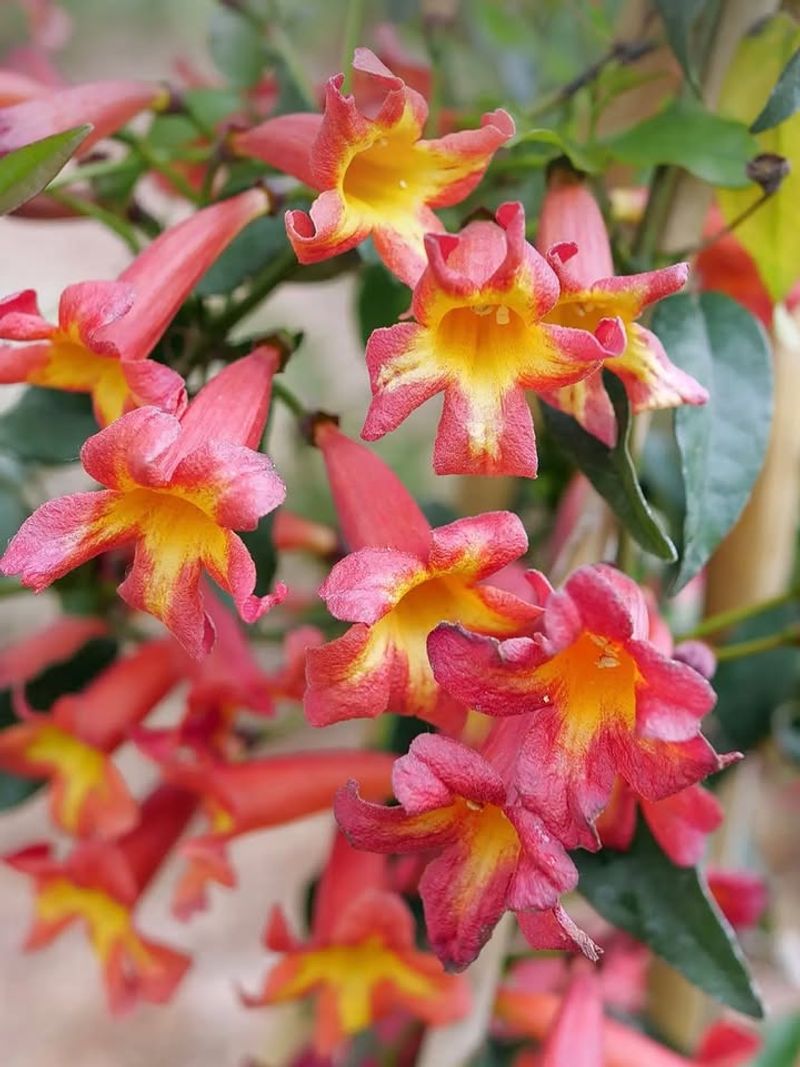
Crossvine does not ease quietly into spring. It arrives with trumpets.
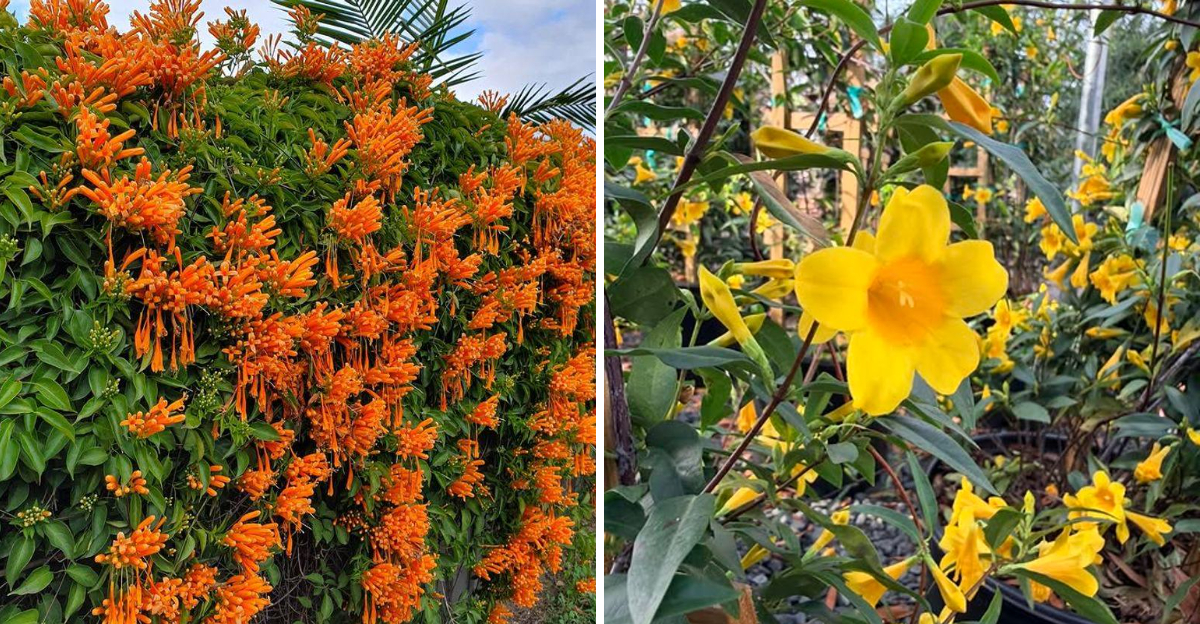
The blooms can glow in shades of orange, red, and yellow, often bright enough to pull your eye from across the yard.
On a fence, arbor, or pergola, that flower display can feel like the garden just turned up the volume. Hummingbirds tend to agree.
This vine is a strong match for Georgia’s warm, humid growing season. Once established, it can handle muggy weather with confidence and keep a leafy presence through much of the year.
Your Georgia Garden Changes Every Week. Your Plan Should Too.
Gardening in Georgia changes quickly throughout the season. Every Friday you’ll receive a simple weekly plan showing exactly what to plant, prune, fertilize, harvest, and protect so you never miss the right timing.
That semi-evergreen habit is a bonus. Even when the biggest bloom show has passed, the vine can still give structure to a fence or wall.
Crossvine climbs with tendrils and small adhesive pads. That means it can grip more easily than vines that need constant tying. Still, it needs the right support from the start.
A flimsy trellis may not be enough. Use a sturdy fence, heavy arbor, pergola, or strong wire system. This plant can gain size and weight as it settles in.
Placement matters too. Crossvine can grow with enthusiasm, which is helpful when you want coverage. It is less helpful in a tiny space with nowhere for the vine to go.
Give it room to climb and make sure you can reach it for pruning.
Full sun usually encourages the most flowers. Part shade can work, though the bloom show may be lighter. Well-drained soil helps it settle without staying too wet around the roots.
Water young plants during their first season. After they establish, they often need less help. Mulch can keep the root zone more comfortable during hot spells.
Prune after the spring bloom to shape the vine and manage size. Remove stems heading into gutters, rooflines, or nearby shrubs.
This gives a plain fence a real trumpet section. It is bold, bright, and ready for Georgia’s humid rhythm.
3. Passionflower Handles Summer Moisture With Wild Purple Style
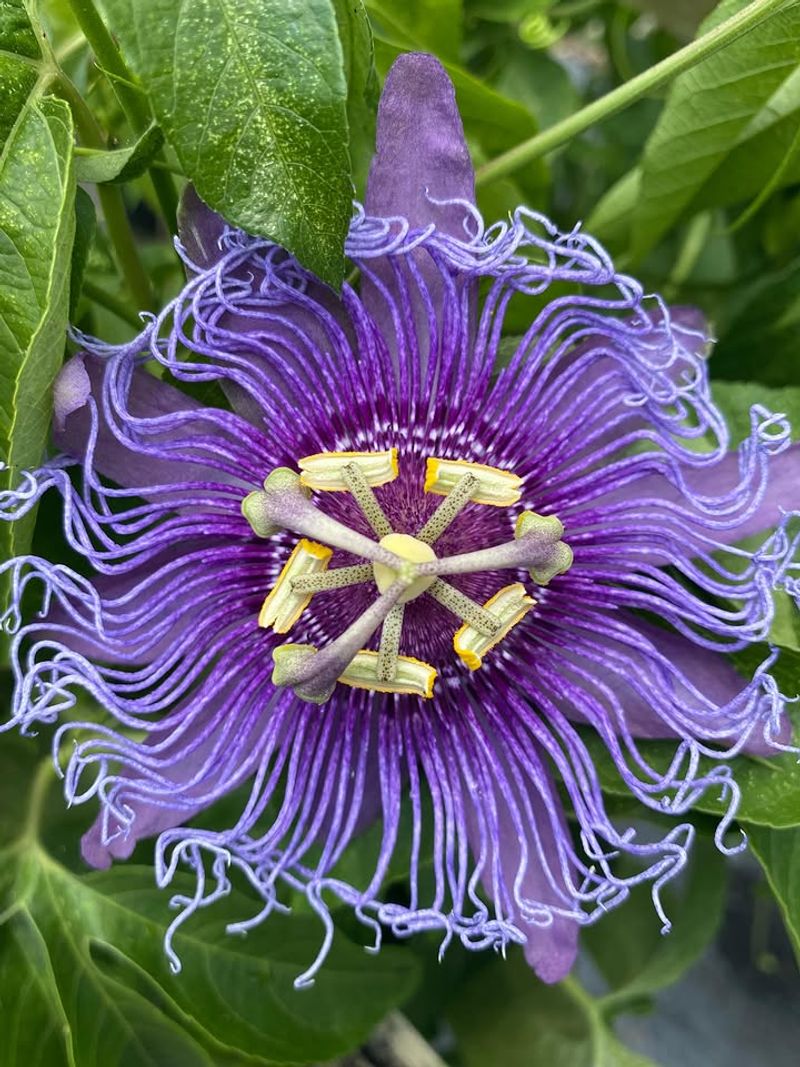
Passionflower looks like it has a secret life. The blooms are layered, purple, fringed, and almost unreal. They can stop visitors mid-sentence and make even experienced gardeners lean closer.
If your garden needs a conversation starter, this vine has plenty to offer.
Passionflower is well suited to Georgia’s warm, moist summers in many yards. Once heat settles in, it often grows quickly and fills space with lush green foliage.
It can ramble along fences, trail over slopes, or weave through a relaxed garden edge. This is not usually the vine for a perfectly clipped, formal corner. It has a wilder spirit.
That can be a strength if you give it the right place. A back fence, pollinator bed, naturalized border, or sunny slope can suit it well. It may be too energetic beside a narrow walkway or tiny patio unless you plan to guide it often.
The flowers are dramatic, but the wildlife value adds another layer. Passionflower can serve as a host plant for certain butterflies, including Gulf fritillary and zebra longwing butterflies where they are present.
That means the leaves may get nibbled. For a butterfly garden, that is part of the purpose, not a flaw.
Full sun usually brings more flowers. Part shade can still produce a leafy, attractive vine, especially in hotter areas.
Keep soil moderately moist while the plant establishes. Once settled, many passionflowers become more resilient during warm weather.
Prune in late winter or early spring to manage size and remove old tangled growth. During the growing season, you can redirect stems that head into shrubs or paths.
The result is a vine with passion and personality. It brings wild beauty, butterfly value, and a purple bloom show that feels anything but ordinary.
4. Carolina Jessamine Adds Early Color Before Humidity Peaks
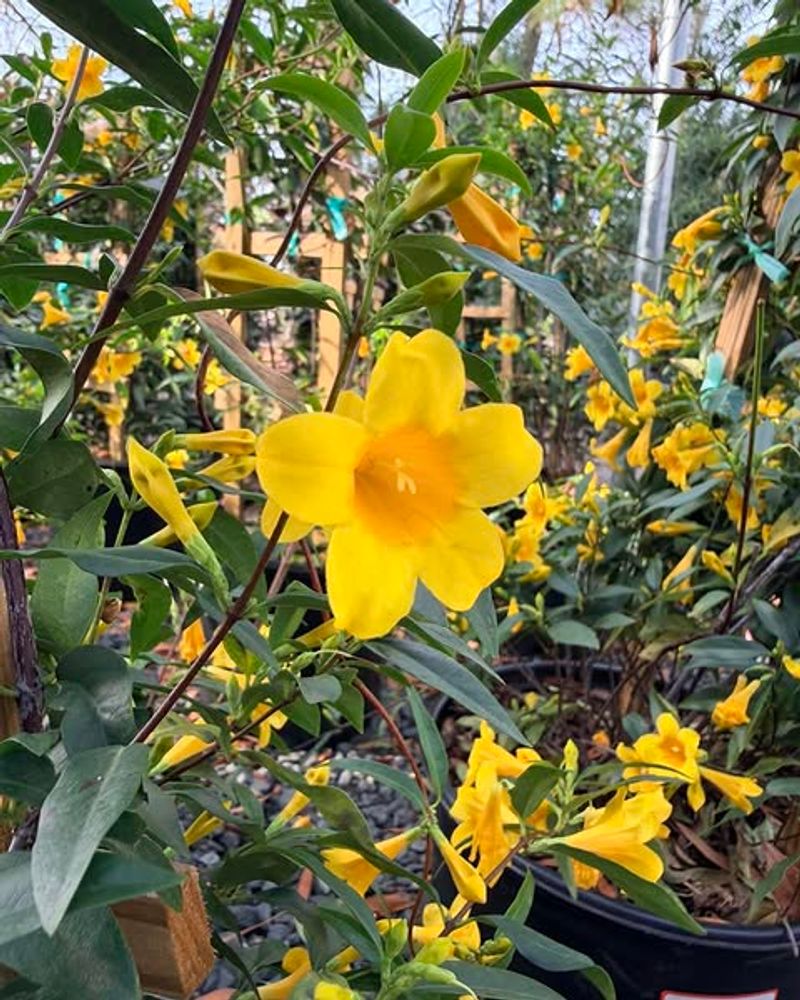
Carolina jessamine gets started while much of the garden is still stretching. Its yellow tubular flowers can appear in late winter or early spring, sometimes before many plants have fully joined the season. That timing gives it a special kind of magic.
When the landscape still feels quiet, this vine brings a bright golden signal.
By the time Georgia humidity becomes the main character, Carolina jessamine has usually finished its strongest bloom show.
Then it shifts into a handsome green vine with a semi-evergreen presence in many areas. That makes it useful beyond the flower window.
Use it on fences, mailbox structures, trellises, arbors, or entry features. It climbs by twining, so it needs something slender enough to wrap around. Wire supports, lattice, or narrow rails can help guide the stems.
Full sun usually gives the best bloom display. Part shade can work too, especially in hotter sites, but flowering may be lighter.
Once established, Carolina jessamine tends to be fairly low-fuss. It appreciates well-drained soil and steady water while young. After the roots settle, it can often handle typical Georgia conditions with less attention.
Prune after flowering if the vine needs shaping. That timing lets you enjoy the yellow show first and tidy the plant afterward.
Avoid heavy summer pruning if you want to preserve the plant’s natural rhythm. A light touch usually keeps it attractive without making it look forced.
One important note belongs here. All parts of Carolina jessamine are toxic if eaten. Choose the planting spot carefully if children, pets, or grazing animals have access to the area.
In the right location, this vine offers early color, graceful coverage, and a cheerful start to the growing season. This gives Georgia gardens a golden hello before the weather gets sticky.
5. Trumpet Creeper Powers Through Heat On Strong Supports
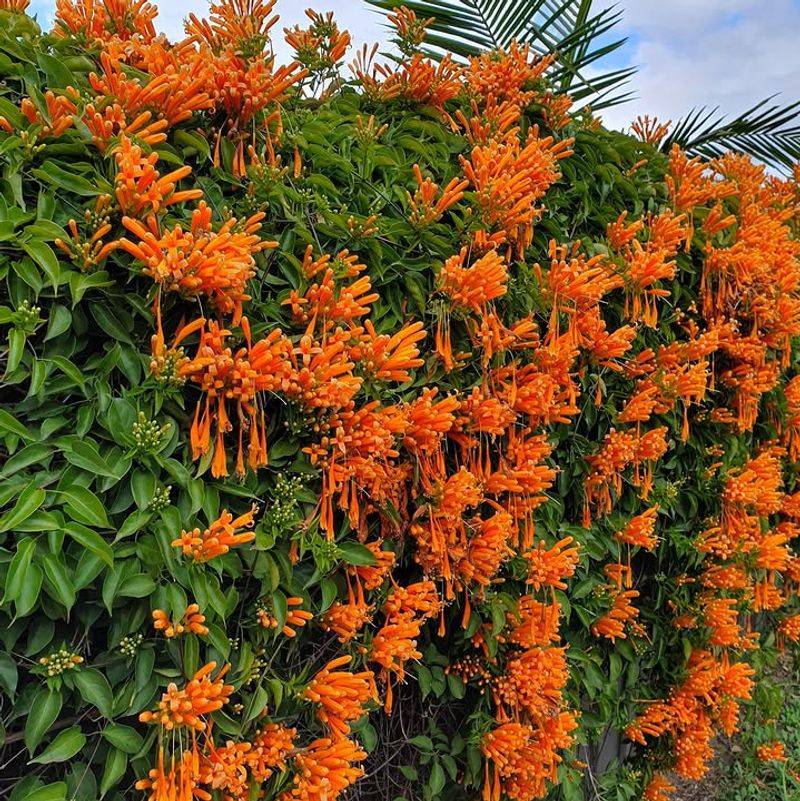
This one is not a quiet vine. It climbs with energy, grows with purpose, and blooms like it wants to be noticed from the driveway. In Georgia’s heat and humidity, that kind of confidence can be useful. But it needs a plan.
The flowers are bold orange-red trumpets that hummingbirds often visit. They can appear through the warmest part of the season, giving the garden color when many plants start slowing down. If you want drama, this vine brings plenty.
It is also vigorous. That word matters here. Trumpet creeper can grow fast once established and may spread beyond its original space if not managed.
That makes it a good fit for larger structures, open fence lines, sturdy pergolas, or utility areas that need coverage. It is not the best match for a delicate trellis or a small spot beside a front door.
Give it a strong support from the beginning. A heavy arbor, strong fence, mature tree, or substantial structure can handle the plant better over time.
Full sun usually encourages the strongest bloom show. Some shade can work, though flowers may be fewer.
Water young plants while they establish. Once mature, trumpet creeper often handles dry stretches better than many ornamental vines. Mulch can help keep the root area stable during heat.
Pruning is the key to keeping this vine useful and attractive. Cut it back in late winter to control size and encourage a better shape. During the growing season, remove stems that wander into unwanted areas.
Suckers may appear, depending on the site. Stay ahead of them if you want a cleaner look.
This is the brass section of the vine world. It is loud, colorful, and exciting, but it performs best when you stay involved as the conductor.
With strong support and regular pruning, it can bring major hummingbird-worthy color to a Georgia summer.
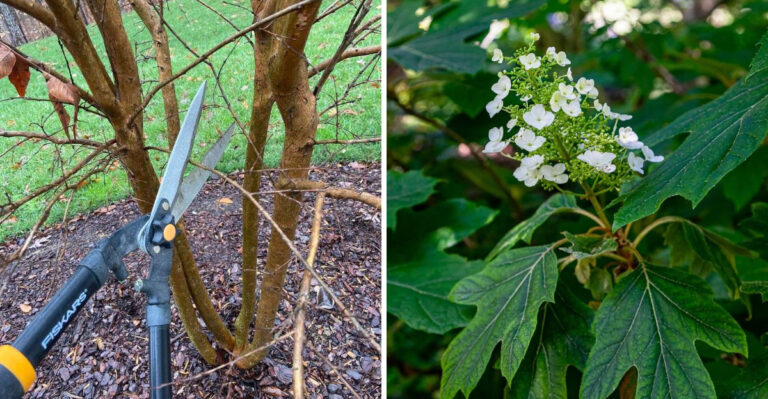
6. Climbing Hydrangea Suits Shadier Spots With Moist Soil
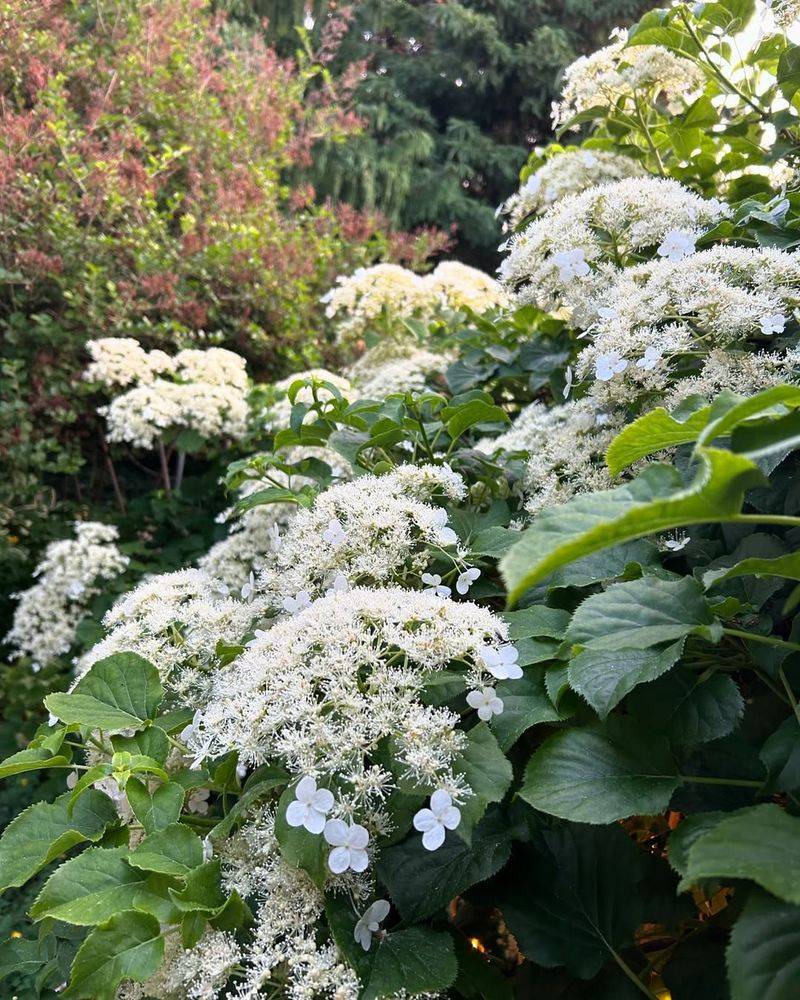
Some garden spaces feel like riddles. Too shady for most flowering vines. Too moist for dry-loving climbers. Too visible to leave plain.
That is where climbing hydrangea becomes interesting.
It prefers a cooler, shadier situation than many flowering vines. For Georgia gardeners with a north-facing wall, shaded fence, moist woodland edge, or bright shade corner, this can be a valuable option.
The blooms are elegant. Large white flower clusters appear in late spring or early summer, standing out beautifully against deep green foliage. Even after flowering, the vine can keep earning its place with attractive leaves and textured bark.
This is not usually a fast-starting vine. Climbing hydrangea often spends the first couple of seasons settling in. The early years may feel slow, but the plant can become more impressive once the roots are established. Patience is part of the bargain.
It climbs with small rootlike holdfasts. That means placement matters. It can attach to surfaces, so avoid putting it on delicate siding or painted wood where marks would bother you.
Masonry walls, sturdy fences, large arbors, or strong woodland structures may be better fits.
The soil should be moist but well drained. Organic matter helps create the rich, woodland-like conditions this vine prefers. Mulch can help keep the root zone cooler and more evenly moist.
Water regularly while the plant establishes. Do not let young plants dry out for long stretches.
Pruning is usually minimal. Shape after bloom if needed, and remove stems that wander too far from the support.
This gives a shaded corner a refined, almost estate-garden feeling. It may not rush, but the reward can be a lush, flowering wall with quiet elegance.
7. American Wisteria Gives Georgia Gardens A Better Behaved Vine
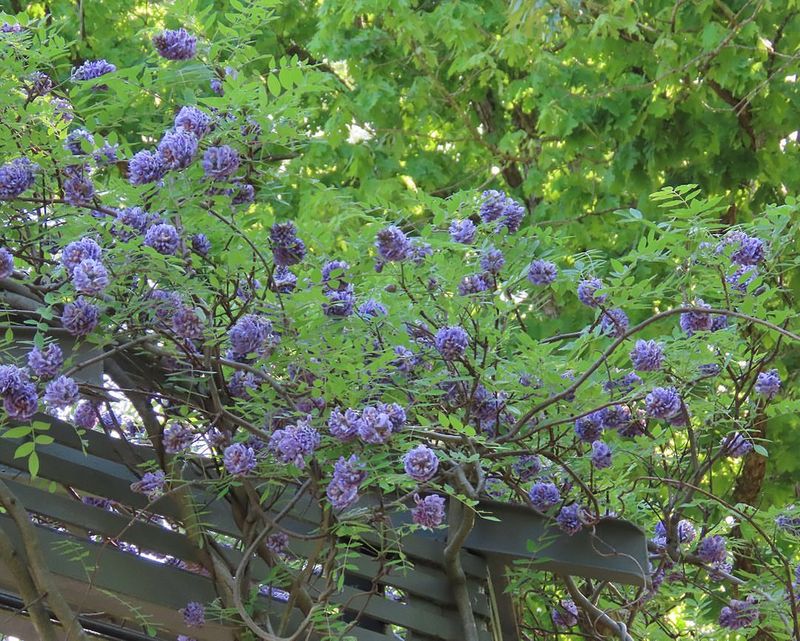
Wisteria has a reputation, and many gardeners know why. Some types grow with more enthusiasm than a home landscape can comfortably handle. American wisteria offers a more manageable path to that classic look.
It still brings dangling clusters of purple-blue flowers. It still gives an arbor or pergola that romantic, draped effect. It still feels graceful when the blooms hang in spring.
The difference is that it tends to grow with better manners than some imported wisterias. That does not make it tiny or effortless. American wisteria still needs structure, attention, and pruning.
A strong support is essential. Use a sturdy pergola, heavy arbor, or solid fence. As the vine matures, it gains weight, and lightweight supports may not hold up well.
Full sun usually brings better flowering. Part shade can work, but the bloom display may be lighter.
Water regularly during establishment. Once settled, the vine can often handle Georgia’s warm season with less attention.
Pruning keeps the plant shapely and encourages better flowering. Trim after the main spring bloom to manage the structure. Then prune again in late summer if long shoots need controlling.
Do not let it climb into gutters, rooflines, or small trees. Guide it onto the support you actually want it to use.
This is where American wisteria earns its place. It gives Georgia gardeners the romance of wisteria with a more reasonable growth habit.
The pun writes itself, but we will keep it tidy: this vine brings wisteria without quite as much hysteria. If used well, it can turn an arbor into a spring highlight and still fit into a managed garden plan.
8. Virginia Creeper Covers Tough Spaces With Fast Green Growth
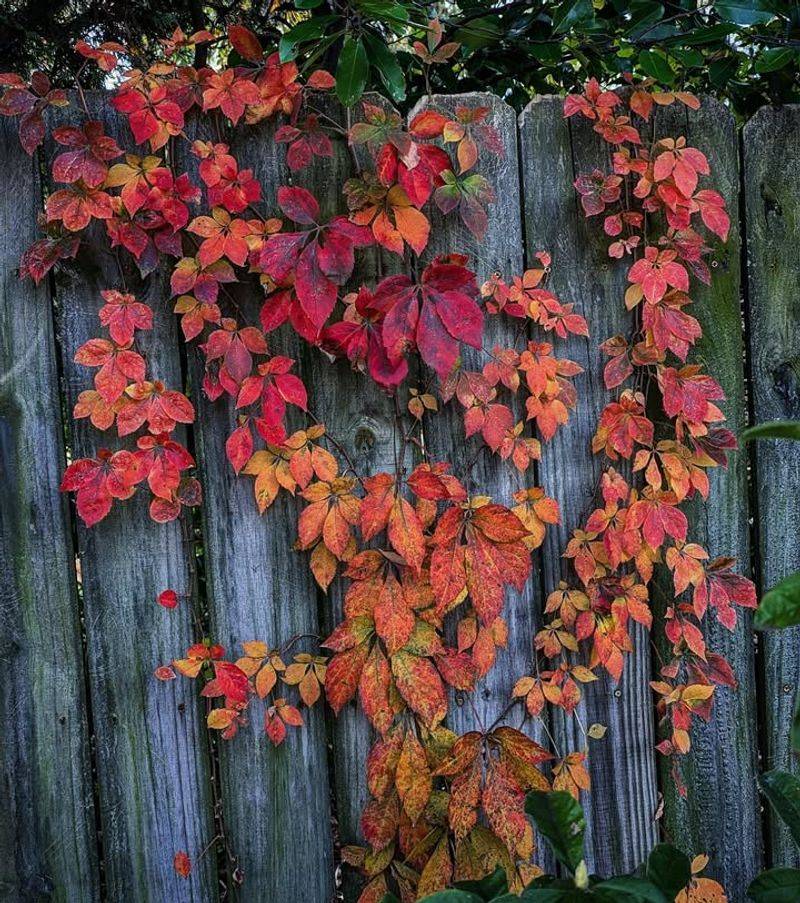
Some spaces are not looking for delicate treatment. They need coverage. They need speed. They need a plant that can handle rough edges and make them look intentional. Virginia creeper can do that job.
This native vine grows quickly once established and can cover chain-link fences, stone walls, slopes, and awkward gaps with dense green foliage.
Then fall brings the surprise. The foliage can shift into deep red and crimson tones, turning a plain area into one of the strongest seasonal features in the yard.
The vine climbs with adhesive pads, so place it carefully. Those pads can cling firmly and may leave marks if removed later. Brick, stone, chain-link, and rough utility structures are usually better choices than painted wood or delicate siding.
It can also ramble along the ground on slopes or large open areas. That can help cover spots where mowing is awkward or where soil needs protection.
Sun to part shade works for this vine. More sun often brings stronger fall color, while part shade can still produce good coverage.
Regular trimming keeps it from wandering too far. Cut it back when it reaches windows, rooflines, small trees, or garden beds where it is not wanted.
Wear gloves if your skin is sensitive, since some people react to the foliage or sap.
This vine is a fast-cover problem solver. For rough spaces that need greenery, wildlife value, and a strong fall finale, Virginia creeper can bring the closing scene beautifully.