These Are The Georgia Vegetables You Should Be Planting Right Now For A Fall Harvest
The gardeners who enjoy the best fall harvests are often doing something very different from everyone else right now.
While many people are focused on watering, harvesting, and keeping summer crops productive, they are already thinking several steps ahead.
It may seem early to worry about cooler weather, but waiting too long can quietly close the door on some excellent growing opportunities.
Timing plays a bigger role in gardening than many people realize. A crop planted at the right moment has weeks to establish, grow stronger, and prepare for the conditions ahead.
Miss that window, and even the best varieties may struggle to reach their full potential before the season changes.
Right now is an important transition period for vegetable gardens in Georgia.
Certain crops benefit from getting started during this stretch of the season, setting the stage for productive plants and baskets of fresh harvests later in the year.
1. Broccoli Makes The Most Of Fall’s Cooler Days
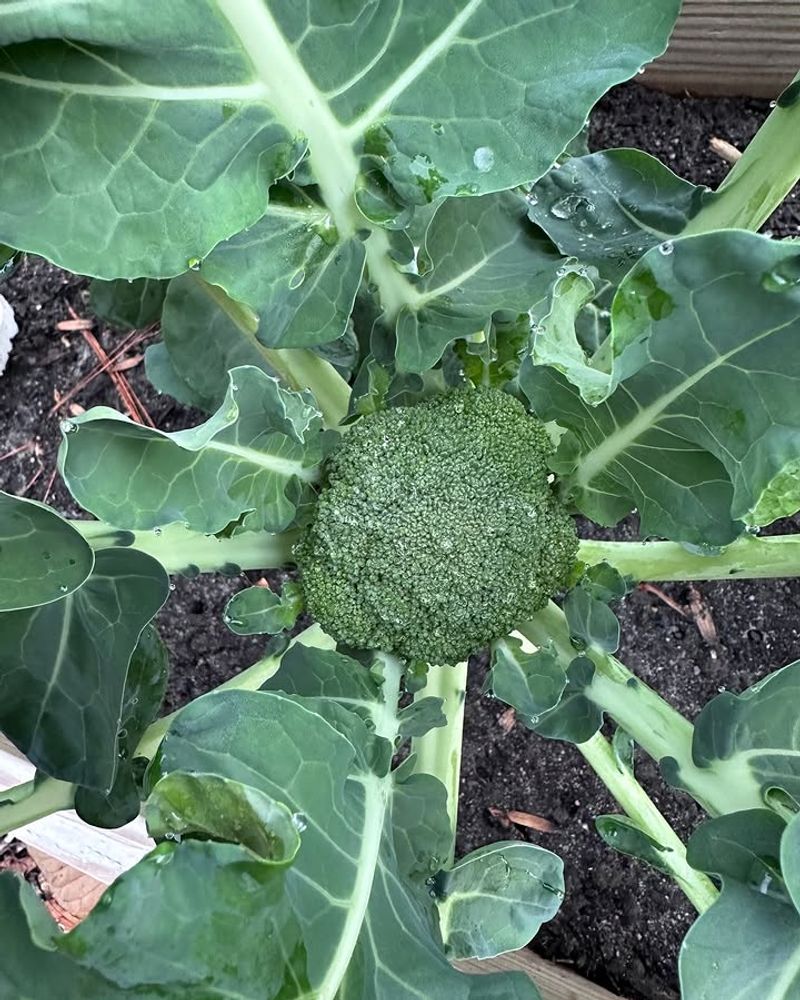
Broccoli grown in fall almost always tastes better than spring broccoli. Cooler air tightens the heads and brings out a sweeter, more tender flavor that summer heat simply cannot produce.
Plant seeds or transplants in June so they have 80 to 100 days to mature before your first frost.
In most parts of Georgia, that window lands perfectly in October and November.
Space plants about 18 inches apart. Broccoli needs room to spread, and crowding leads to smaller heads and more pest pressure.
Side-dress with a nitrogen-rich fertilizer about three weeks after transplanting. Consistent feeding keeps the plant pushing toward a strong central head.
Watch for cabbage worms once the weather cools slightly. Hand-picking works well on small plantings, and row covers offer solid protection without chemicals.
Harvest the main head before it starts to open or turn yellow. After cutting, the plant will often push out smaller side shoots that keep producing for several more weeks.
Broccoli is one of those crops that rewards patience.
Start it in June, stay consistent with water and feeding, and fall will deliver one of your most satisfying harvests of the year.
2. Brussels Sprouts Need Plenty Of Time To Develop
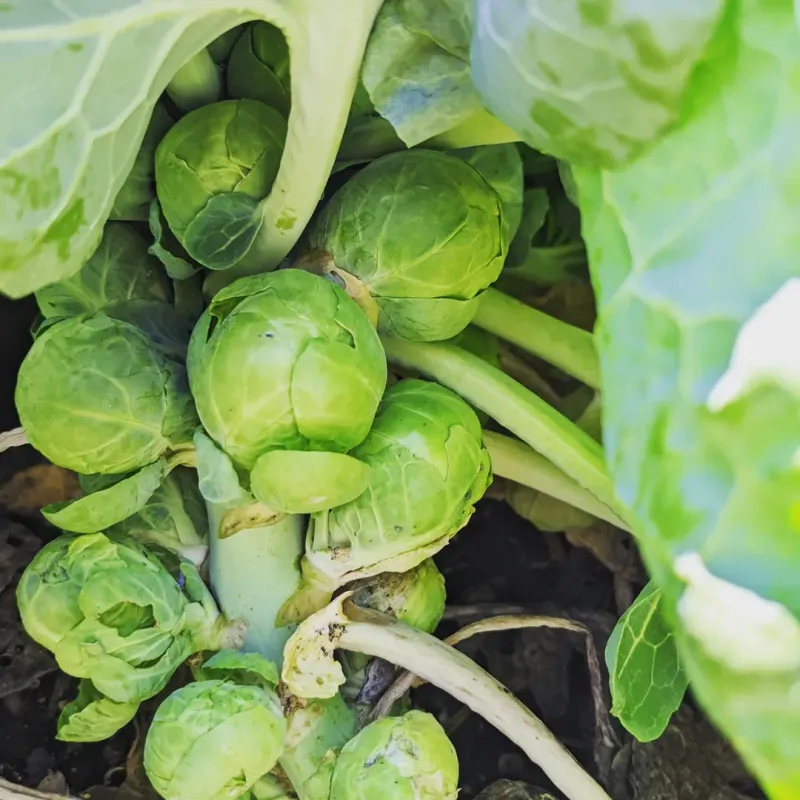
Brussels sprouts are slow. There is no getting around it.
They need 90 to 110 days from transplant to harvest, which makes June planting absolutely critical in the South.
Start seeds indoors in early June, then move transplants outside after two to three weeks. Giving them a controlled start helps them get established before outdoor heat stresses young roots.
Plant in a spot that gets full sun. Partial shade slows growth even more, and these plants are already working on a tight schedule heading into fall.
Water deeply and consistently. Irregular watering causes the sprouts to crack or stay loose instead of forming tight, firm buttons along the stalk.
Remove yellowing lower leaves as the plant grows.
Keeping the stalk clean improves air circulation and lets the sprouts develop without competition from dying foliage.
Frost actually helps Brussels sprouts. A light freeze in late fall converts some of the plant’s starches into sugar, which noticeably improves flavor right before harvest.
Your Georgia Garden Changes Every Week. Your Plan Should Too.
Gardening in Georgia changes quickly throughout the season. Every Friday you’ll receive a simple weekly plan showing exactly what to plant, prune, fertilize, harvest, and protect so you never miss the right timing.
Pinch off the growing tip of the plant in early September. Doing this redirects energy into the sprouts already forming and helps them size up faster before temperatures drop hard.
3. Cabbage Settles In Before Temperatures Drop
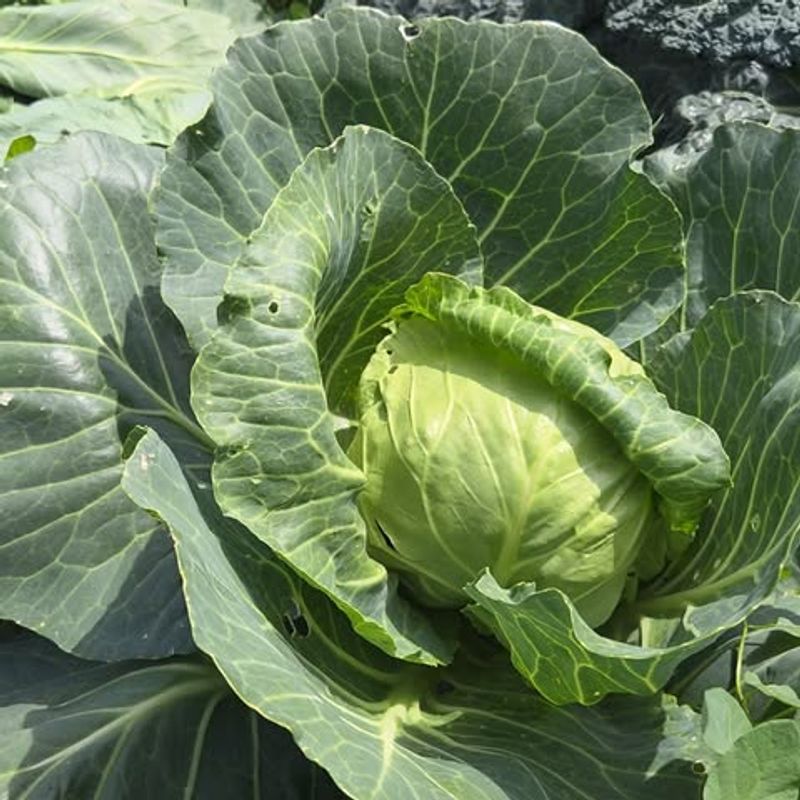
Cabbage planted in June hits the ground running. By the time September cools things off, the heads are already forming and sizing up fast.
Choose a variety suited for fall. Varieties like Stonehead, Gonzales, or Blue Vantage are compact, fast-maturing, and handle Southern fall conditions without much fuss.
Direct sow or transplant into well-amended soil. Cabbage is a heavy feeder, so mixing compost into the bed before planting gives roots something to work with right away.
Keep soil moisture steady. Uneven watering causes heads to split, especially once they get close to full size.
A layer of mulch helps regulate both moisture and soil temperature.
Cabbage can handle light frost without any protection. Temperatures in the upper 20s may slow growth slightly, but mature heads hold up well through most of what a Georgia fall delivers.
Watch for harlequin bugs and aphids in late summer. Both pests love brassicas, and catching them early prevents serious damage to developing heads.
Harvest when heads feel firm and dense under light pressure. Waiting too long after maturity causes heads to crack open, so check plants regularly once they start sizing up in October.
4. Cauliflower Benefits From Early Planning
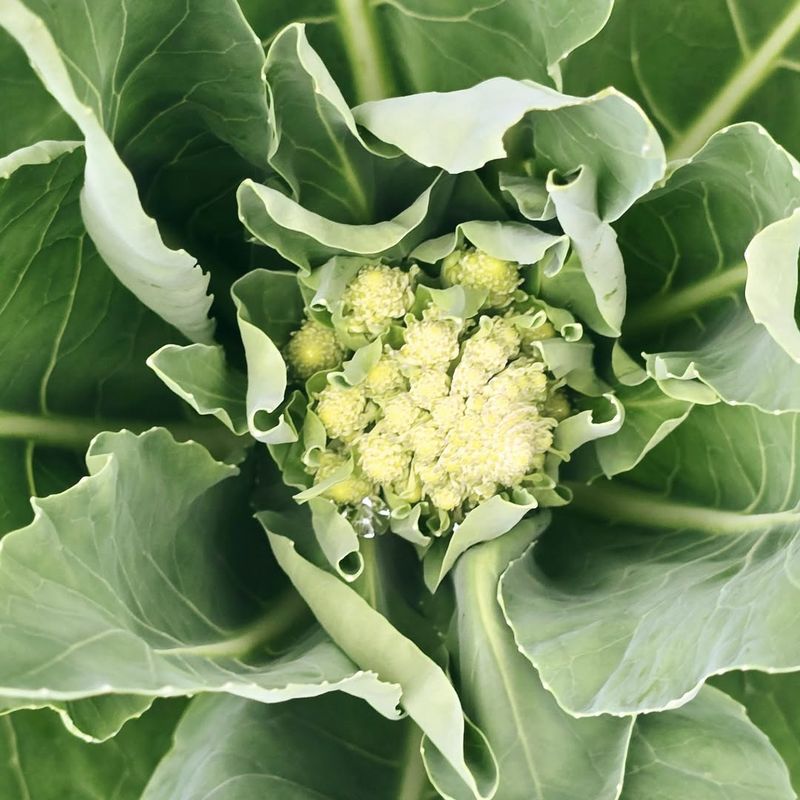
Cauliflower has a reputation for being difficult, but most of that trouble comes from poor timing. Plant it too late and it buttons up before reaching full size.
Starting in June gives cauliflower the full 75 to 85 days it needs to develop properly. Transplants set out by mid-June have the best shot at hitting mature size before hard freezes arrive.
Blanching is a key step most beginners skip. Once the curd starts forming, fold a few outer leaves over the top and secure them loosely.
Blocking sunlight keeps the head white and mild-flavored.
Cauliflower is sensitive to both heat and drought stress. During hot stretches in late summer, deep watering every two to three days keeps the plant from stalling out before it matures.
Avoid planting in the same spot where other brassicas grew recently. Rotating crops reduces the buildup of soil-borne disease that hits cauliflower harder than most other vegetables.
Purple and orange varieties skip the blanching step entirely, which makes them easier to manage. Flavor is similar, and color adds something interesting to a fall garden bed.
Harvest when curds are tight and compact. Once they start to separate or look grainy, the window for peak quality has already passed.
5. Kale Stays Productive Deep Into The Season
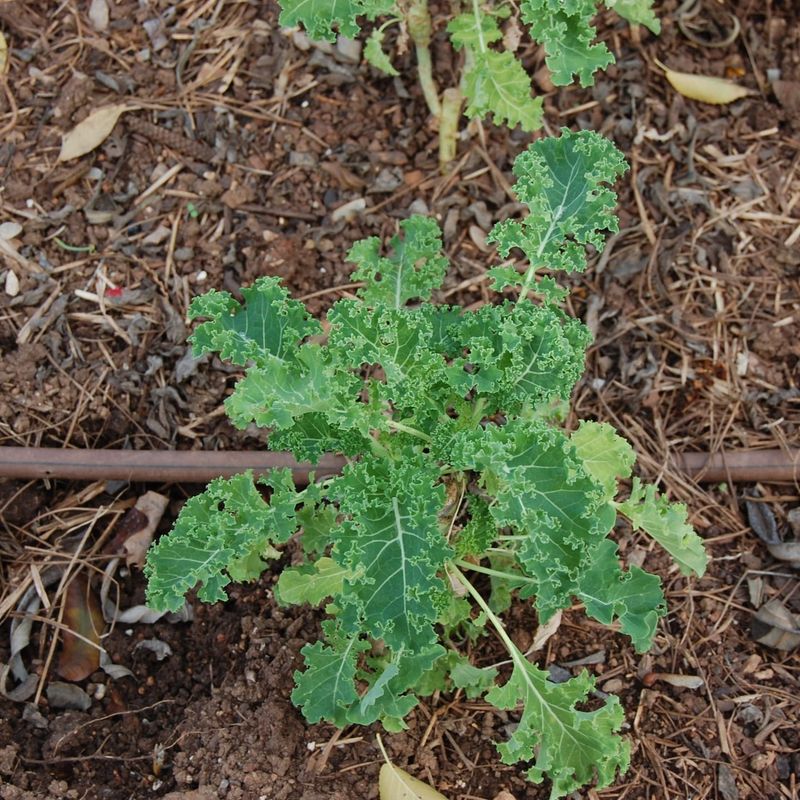
Kale is one of the toughest vegetables you can grow in a fall garden. It handles frost, resists most pests, and keeps producing long after other crops have wrapped up.
Plant seeds or transplants in June for a harvest that runs from September all the way into December in many parts of the Southeast. Few vegetables offer that kind of return.
Lacinato and Red Russian are two varieties that perform especially well in Southern fall conditions.
Both are productive, flavorful, and hold up in heat better than curly varieties during warm stretches.
Kale grows fast. Seedlings can go from germination to transplant size in about three weeks, and full-sized leaves are usually ready to harvest within 50 to 60 days of planting.
Pick outer leaves first and leave the central growing point intact. Doing this encourages the plant to keep pushing out new growth rather than stalling after a single harvest.
Flavor improves after the first frost hits. Cold temperatures convert starches to sugar, which makes fall-grown kale noticeably sweeter and less bitter than summer-grown leaves.
Kale works well in containers too. A five-gallon pot on a sunny patio can produce a solid harvest without needing a traditional garden bed at all.
6. Collards Welcome The Arrival Of Cooler Weather
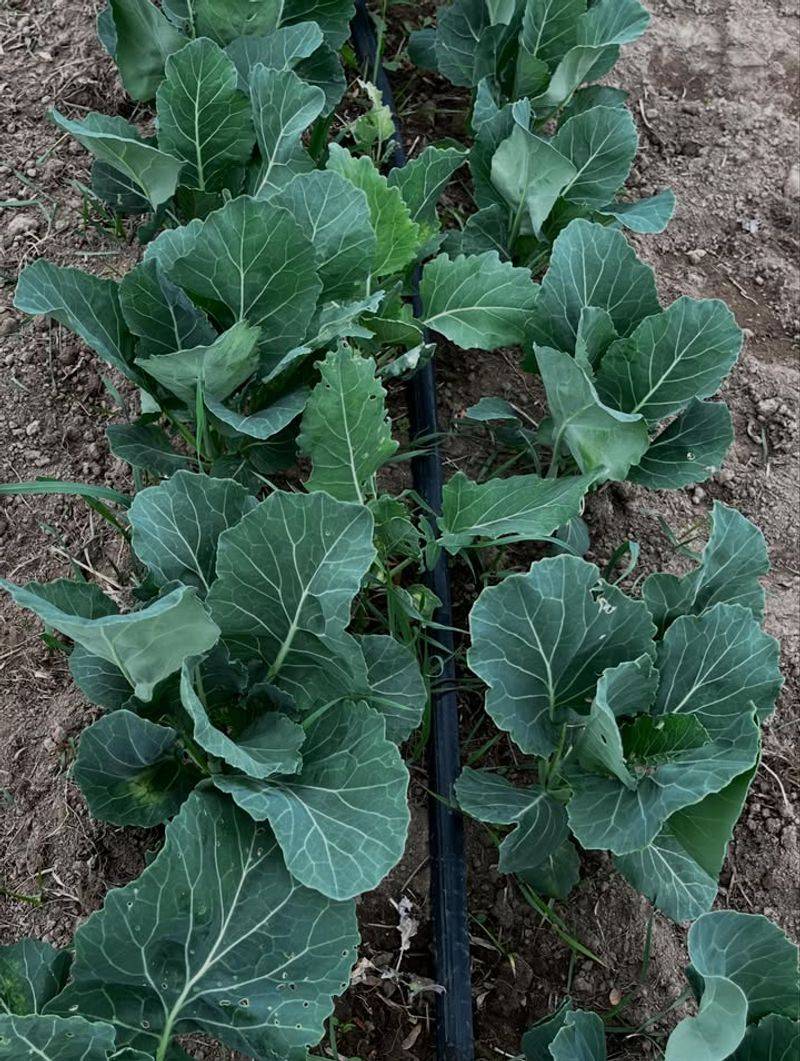
Collards are a staple across the South, and for good reason. Few vegetables are as forgiving, as productive, or as deeply rooted in regional cooking traditions.
June planting sets collards up for a fall harvest that can stretch well into winter. Mature plants handle freezing temperatures better than almost any other leafy vegetable in the garden.
Georgia Blue and Champion are two reliable varieties for fall production. Both grow large, flavorful leaves and stand up well to the warm stretches that often linger into September and October.
Space plants 18 to 24 inches apart. Collards get big, and crowding them reduces airflow, which invites fungal issues during humid late-summer conditions.
Water regularly during establishment, then back off slightly once plants are a foot tall.
Collards are drought-tolerant once mature, but consistent moisture during early growth leads to larger, more tender leaves.
Harvest outer leaves as needed and let the plant keep growing from the center. A single plant started in June can produce harvestable leaves from September through January without replanting.
Frost sweetens collards the same way it does kale. Leaves picked after a cold snap have a milder, richer flavor that makes them more enjoyable raw or cooked.
7. Carrots Sweeten As Fall Approaches
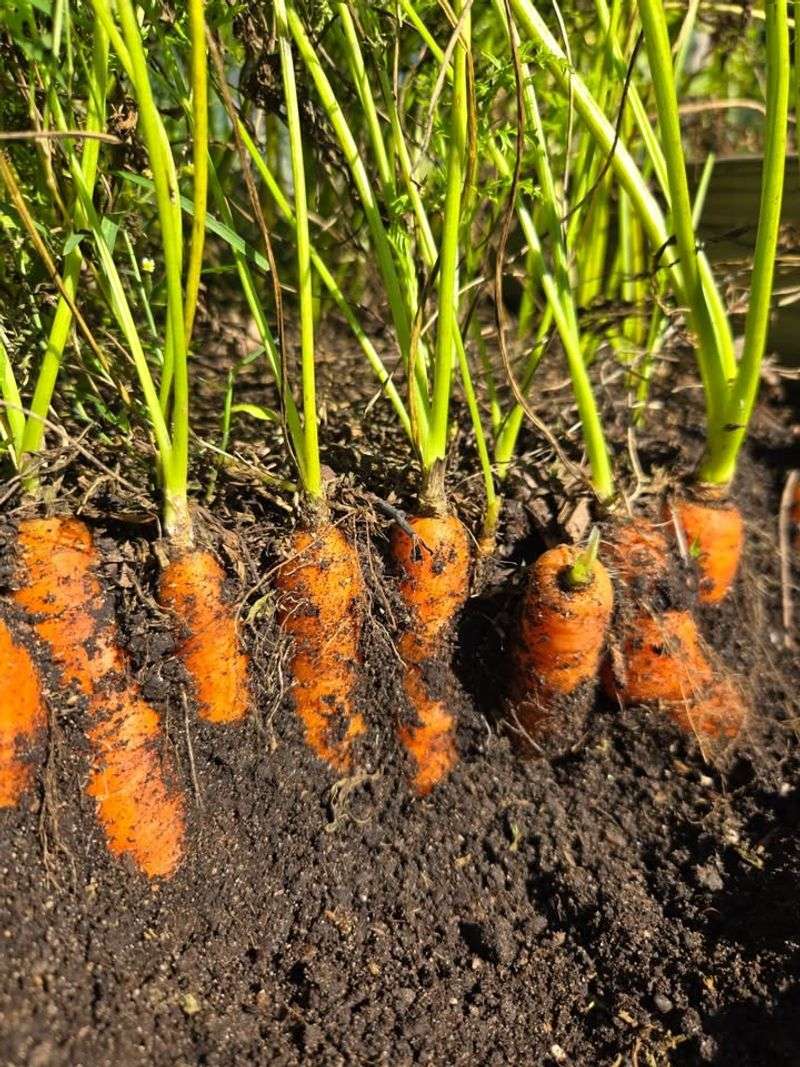
Carrots planted in June mature right as soil temperatures begin to drop in September and October. Cooler soil converts starches into sugar, and that is exactly what makes fall carrots so much sweeter than spring ones.
Loose, well-draining soil is non-negotiable. Rocky or compacted soil causes roots to fork and stunt, so work the bed at least 12 inches deep before seeding.
Sow seeds directly into the garden. Carrots do not transplant well because disturbing the taproot early causes deformed growth.
Direct seeding is the only reliable method.
Thin seedlings to two to three inches apart once they reach about two inches tall. Skipping this step leads to crowded roots that stay small and misshapen.
Germination is the hardest part. Carrot seeds need consistent moisture to sprout, which can be tricky during hot June weather.
Covering the row with burlap or a thin board keeps moisture in until seedlings emerge.
Nantes and Danvers varieties work well in Southern soils. Both produce medium-length roots that handle clay-heavy or slightly compacted conditions better than longer European varieties.
Leave carrots in the ground a few weeks past maturity if possible. Cold soil keeps improving the flavor right up until the ground gets too hard to dig.
8. Beets Offer Two Harvests From One Crop
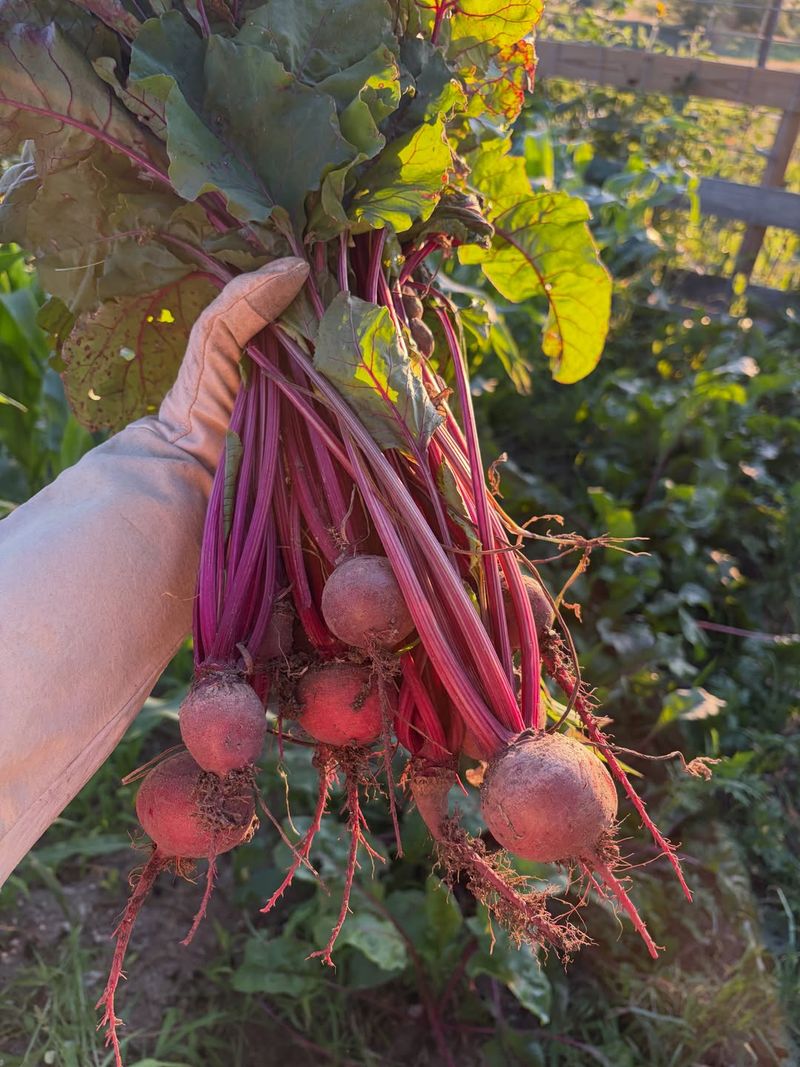
Beets are one of the most efficient vegetables in a fall garden. You get two crops from one planting: the roots and the greens.
Both are edible, and both are genuinely good.
June-planted beets mature in 50 to 70 days, landing right in the sweet spot of October and November when cool temperatures make them taste their best.
Soak seeds overnight before planting. Beet seeds have a hard outer coat that slows germination.
A short soak softens that coat and gets seedlings up faster.
Plant seeds about half an inch deep and one inch apart. Once seedlings are two inches tall, thin to three to four inches between plants.
Roots need that space to size up properly.
What most gardeners do not realize is that each beet seed cluster can produce two to three seedlings. Thinning is not optional; it is essential for getting usable roots.
Detroit Dark Red and Chioggia are both solid variety choices for fall planting in the South. Detroit produces reliably large roots, while Chioggia offers a milder flavor and a striking striped interior.
Harvest beet greens when they reach four to six inches tall. Young leaves are tender enough to eat raw in salads, which means you start eating from this crop weeks before the roots are even close to ready.
9. Swiss Chard Keeps Producing Long After Summer
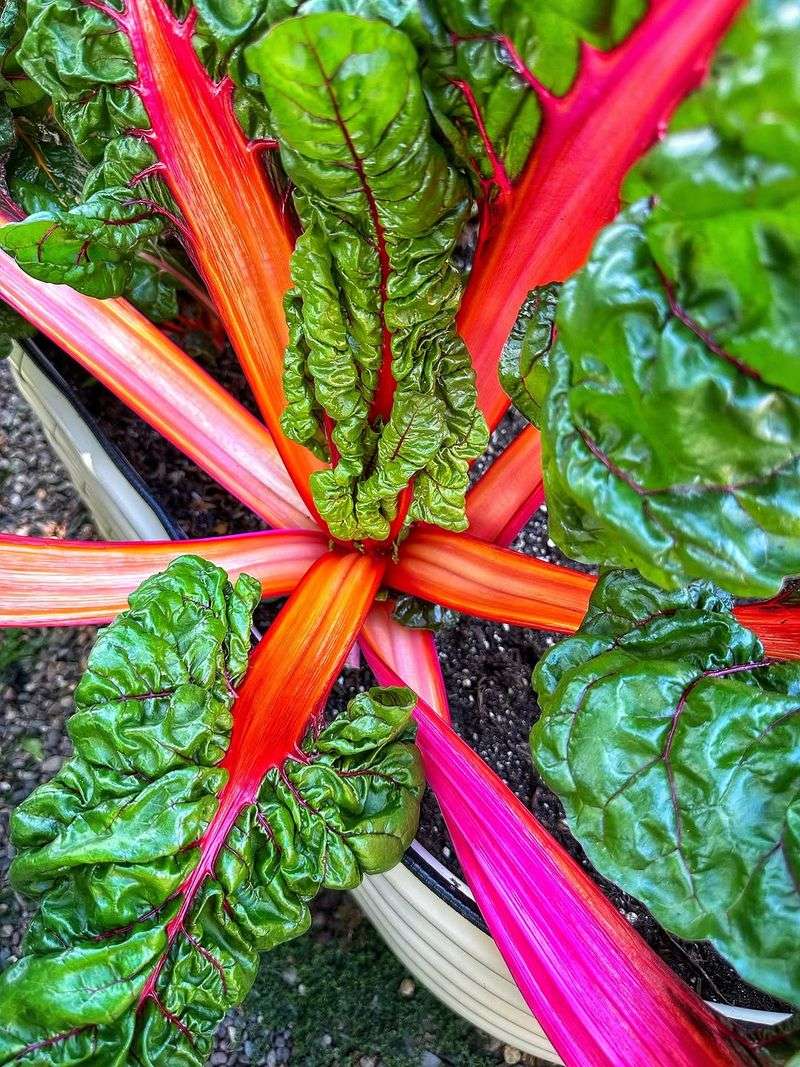
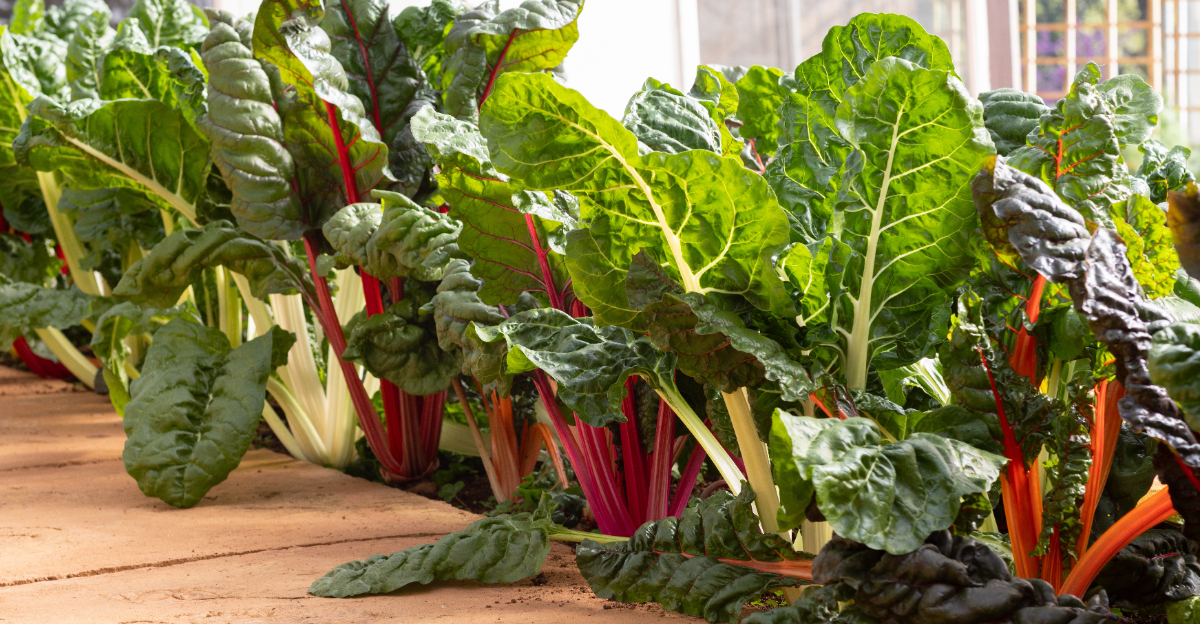
Swiss chard bridges the gap between summer and fall better than almost any other vegetable. It handles lingering heat in August and September, then keeps right on growing as temperatures cool down.
Rainbow chard varieties bring both productivity and visual appeal to the garden. Stems in red, orange, yellow, and white make the bed look striking well into fall when most other color has faded.
Plant seeds or transplants in June for a harvest window that runs from late summer through early winter. Chard rarely needs replanting because it just keeps pushing out new leaves from the center.
Cut outer stalks at the base when they reach 8 to 10 inches. Leaving the inner leaves intact keeps the plant growing continuously without any slowdown between harvests.
Chard tolerates partial shade better than most vegetables. If your garden gets afternoon shade in fall, chard is one of the few crops that will still produce well without full sun all day.
Consistent watering matters most during germination and early growth.
Once established, chard handles short dry spells without much trouble, making it a low-maintenance choice for busy gardeners.
Mild frost does not set chard back. Plants keep producing into late November across much of the Southeast, giving you fresh greens well after other crops have finished for the season.