Stop Doing These 8 Things If You Have Grubs In Your Minnesota Lawn
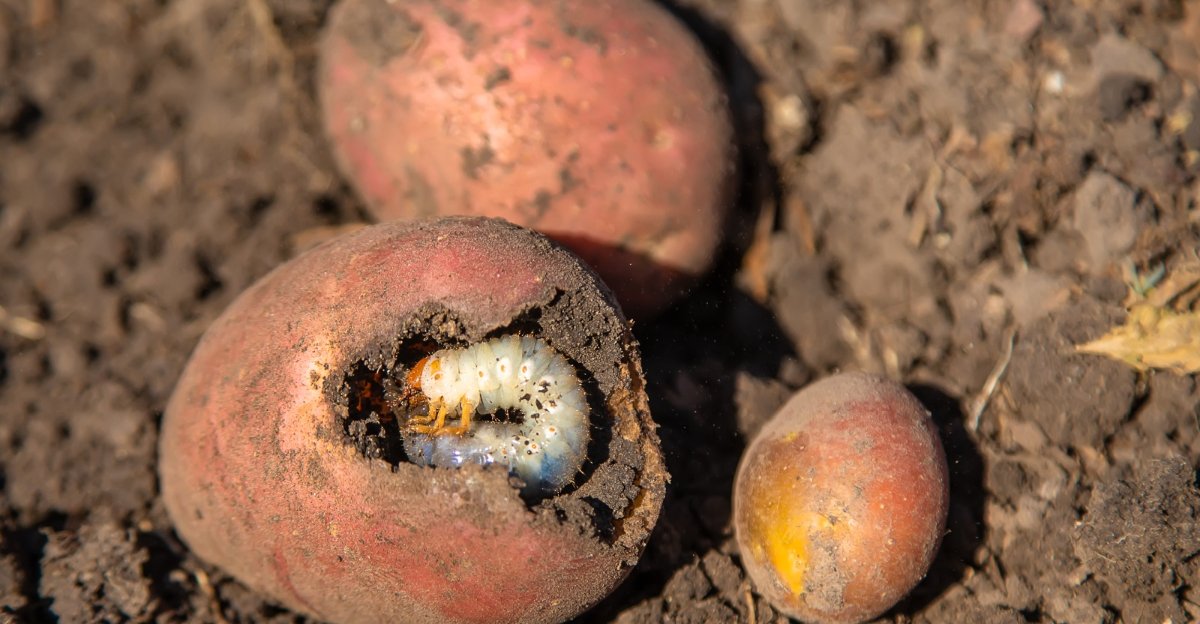
Minnesota grubs do not send a warning. One afternoon your lawn looks lush and full, and three weeks later you are staring at brown patches that peel back like loose carpet.
You might notice this in your own front yard, lifting up a struggling section only to find a wriggling handful of white larvae tucked just beneath the surface. Recognize that gut-drop moment?
These C-shaped root-chewers operate on a schedule that most homeowners never track, and that timing gap is exactly where the damage compounds.
Minnesota summers create the ideal soil warmth for grub hatching, and once they settle in, certain lawn habits quietly fuel their spread.
Overwatering, skipping aeration, and misreading brown patches as drought stress all give grubs exactly what they need to thrive.
Understanding what not to do is often the sharper edge of any pest strategy. Break the cycle first, and your lawn bounces back.
1. Overwatering Your Lawn In Midsummer
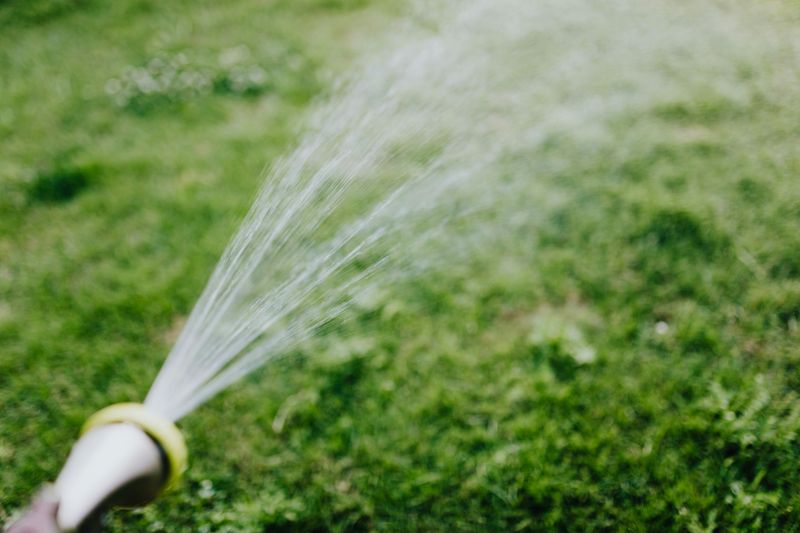
Soggy soil is basically a five-star hotel for grubs. Watering more does not mean a healthier lawn. With grubs in Minnesota, overwatering is one of the worst things you can do.
Excess moisture softens the soil and makes it incredibly easy for beetle eggs to hatch and for young larvae to move freely through the ground.
Japanese beetles, June beetles, masked chafers, and European chafers can all contribute to white grub problems in Minnesota lawns.
If your lawn stays consistently wet, you are practically sending out invitations.Adult beetles can detect soil moisture from a surprising distance. A waterlogged yard signals exactly the conditions they look for when choosing where to lay eggs.
Cutting back on watering during late June through August can genuinely reduce how many eggs get deposited in your turf. Aim for deep, infrequent watering sessions rather than short daily sprinkles.
Letting the top inch of soil dry out between waterings creates just enough stress to deter egg-laying beetles. Your grass stays healthy, but the conditions become far less inviting.
A good rule of thumb is about one inch of water per week, including rainfall. Use a rain gauge or even a tuna can to measure what your sprinkler delivers.
This simple shift in watering habits could dramatically reduce next season’s grub population before it ever gets started.
2. Cutting Grass Too Short
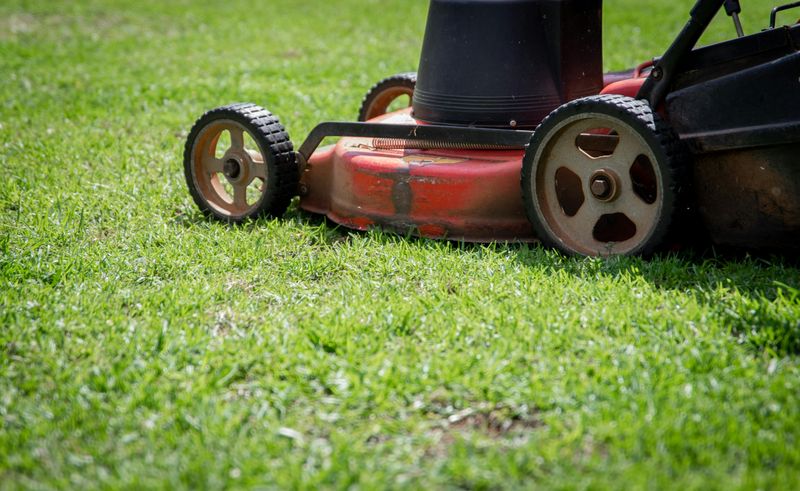
Cutting your lawn too short quietly rolls out a welcome mat for pests. When grass is cut too short, the root system weakens, the soil heats up faster, and moisture evaporates more quickly.
Those conditions are exactly what grubs in Minnesota thrive in when they are feeding near the surface.
Turfgrass experts recommend keeping cool-season grasses at three to four inches. Kentucky bluegrass and tall fescue, both common across Minnesota yards, fall into that category.
Grass that tall shades the soil, keeps it cooler, and retains moisture more evenly without becoming oversaturated. Deeper shade at the soil level also makes it harder for adult beetles to find ideal egg-laying spots.
Your Minnesota Garden Changes Every Week. Your Plan Should Too.
Gardening in Minnesota changes quickly throughout the season. Every Friday you’ll receive a simple weekly plan showing exactly what to plant, prune, fertilize, harvest, and protect so you never miss the right timing.
Short grass also means a shallower root system, and shallow roots cannot recover from grub feeding as quickly or as fully.
A lawn with deep, healthy roots can tolerate a moderate grub population without showing much visible damage.
Once those roots are already compromised by low mowing, even a small infestation can cause significant browning and turf loss. Raise your mower deck this season and commit to that taller cut through the entire summer.
Never remove more than one-third of the grass blade in a single mowing session. That one adjustment builds a tougher lawn, and it costs nothing extra.
3. Ignoring Thick Thatch
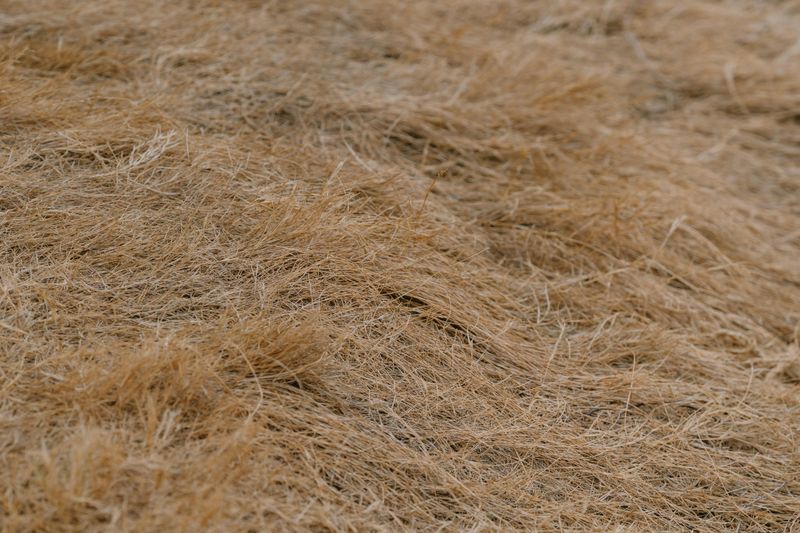
Pull back a handful of grass and check what sits beneath it. If you see a spongy, brownish layer thicker than half an inch, you have a thatch problem, and it is making your grub situation considerably worse.
Thatch is a dense mat of dead grass stems, roots, and organic debris that accumulates faster than it can break down.
That thick layer creates a cozy buffer zone where beetle eggs can hide and where young grubs can begin feeding before they even reach the soil. It also blocks water, fertilizer, and pest control products from penetrating the soil properly.
When your lawn care products cannot reach the root zone, they are essentially wasted money sitting on top of a mat.
Thatch also traps heat and moisture in unpredictable ways, creating micro-environments that favor insect activity near the surface. Minnesota lawns with heavy thatch tend to show grub damage earlier and more severely than well-maintained turf.
The pests have more places to hide, more protection from temperature extremes, and easier access to the root zone they feed on.
Dethatching in early fall or spring using a power rake or vertical mower can make a dramatic difference in how well your lawn defends itself. Aiming for a thatch layer under half an inch keeps your turf breathing, absorbing, and fighting back.
A cleaner lawn surface means treatments actually work, and that changes everything when you are battling an active infestation.
4. Overfeeding Your Lawn With Nitrogen
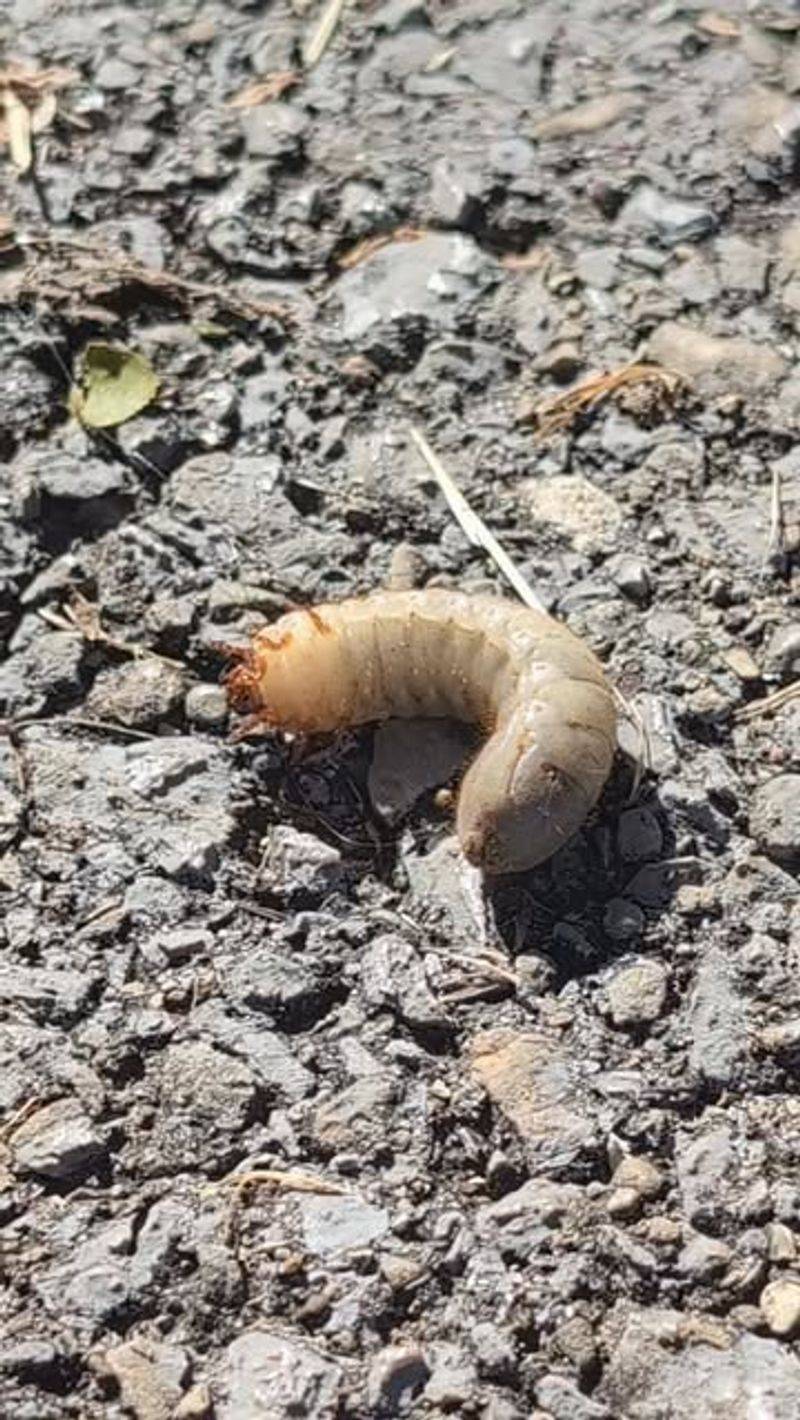
More fertilizer does not mean a better lawn. With grubs present, it can work against you. High-nitrogen fertilizers push grass into rapid, lush, soft growth that looks gorgeous on the surface but creates a feeding paradise just below it.
Soft, fast-growing root tissue is far easier for grubs to chew through than the tougher roots of a moderately fertilized lawn.
There is also the beetle attraction factor to consider. Beetles that lay grub-producing eggs are drawn to thick, lush, well-irrigated turf because it signals an ideal nursery for their offspring.
A lawn with high nitrogen levels in early summer may increase its appeal as an egg-laying destination right when adult beetles are most active in Minnesota.
Excess nitrogen also increases thatch buildup over time, which loops back to another problem entirely.
Fast-growing grass produces more clippings and organic material than soil microbes can break down at a natural pace. Before long, you have both a thatch problem and a grub problem feeding off each other in the same lawn.
Switch to a balanced, slow-release fertilizer for better results. Timing your applications for early spring or fall, rather than peak summer, can reduce the lawn’s appeal to egg-laying beetles.
A soil test from your local University of Minnesota Extension office can tell you exactly what your turf needs without the guesswork. Feed your lawn smarter, not harder, and you take away one of the grubs’ biggest advantages.
5. Waiting Too Long Makes Grub Control Harder
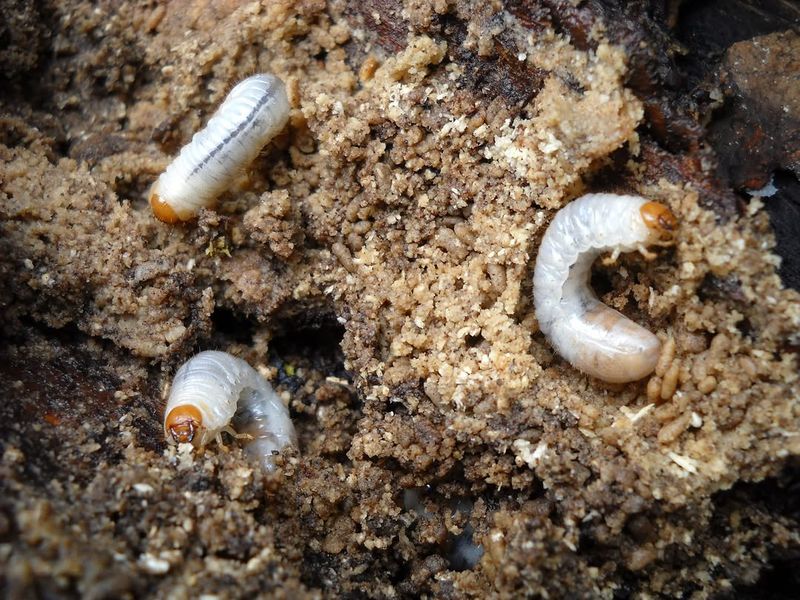
Timing is everything with grub control. Get it wrong, and the window to act closes faster than you expect.
Waiting until brown patches or spongy turf appear means the larvae are already large and harder to manage.
Preventive treatments work on young, newly hatched grubs near the soil surface, not on mature ones buried several inches deep.
In Minnesota, the ideal window for preventive grub control is late June through July, right when adult beetles are laying eggs and the young larvae are just beginning to hatch.
Products containing imidacloprid or chlorantraniliprole, two of the most commonly recommended active ingredients, need to be applied during this narrow timeframe to be effective.
Applying them too early means the product breaks down before the eggs even hatch, and applying too late means the grubs have grown too large to be affected.
Chlorantraniliprole, sold under brand names like Scotts GrubEx, has a slightly longer application window than other preventive options. It is also considered safer around pollinators, which makes it a practical choice for Minnesota homeowners.
Reading the product label thoroughly and watering it in immediately after application helps move the active ingredient into the root zone where it is needed most.
Skipping this step is like preparing for a storm after it has already passed through. Mark your calendar right now for late June as your annual grub prevention date.
Building this habit into your regular lawn care routine costs far less than reseeding or sodding a damaged yard. Prevention is always the smarter play, and the grubs never even get a chance to settle in.
6. Letting Soil Stay Compacted Weakens The Roots
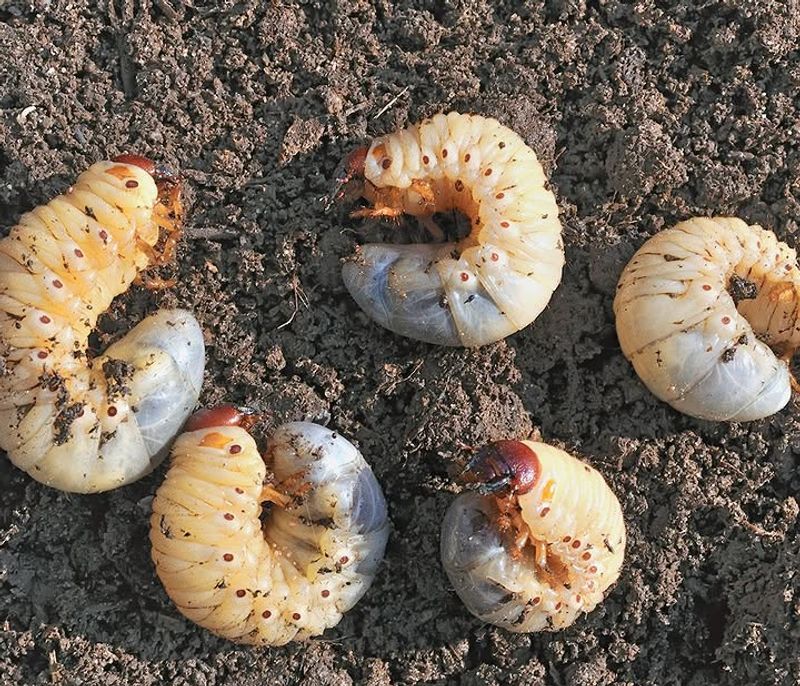
Minnesota’s clay soils and freeze-thaw cycles create significant compaction. That alone makes lawns far more open to grub damage.
Dense, compacted soil stops water and nutrients from reaching deep roots. Shallow roots have little defense against the feeding grubs are known for.
Aeration breaks that cycle in a genuinely powerful way. Core aeration pulls small plugs of soil out of the ground.
This loosens compaction and opens the turf up for air, water, and treatments.
Pest control products applied to compacted soil often sit on the surface and break down before reaching the larvae. Aeration gives those products a clear path to where they are actually needed.
Aeration essentially opens up the delivery system your lawn needs to actually fight back. Fall is the prime aeration season for Minnesota lawns, giving cool-season grasses time to fill in the holes and strengthen their root systems before winter.
Spring aeration is also beneficial, particularly if your lawn took a beating from grub feeding the previous season.
A stronger root system going into summer means the grass can better tolerate whatever larval feeding does occur.
Renting a core aerator from a local hardware store costs around thirty to fifty dollars for a half-day, and the payoff is enormous.
Pair aeration with overseeding and a balanced fertilizer application for a recovery combination that genuinely works.
Your lawn will look noticeably better within weeks, and the grubs will have a much harder time doing serious harm.
7. Letting Soil Stay Compacted Weakens The Roots
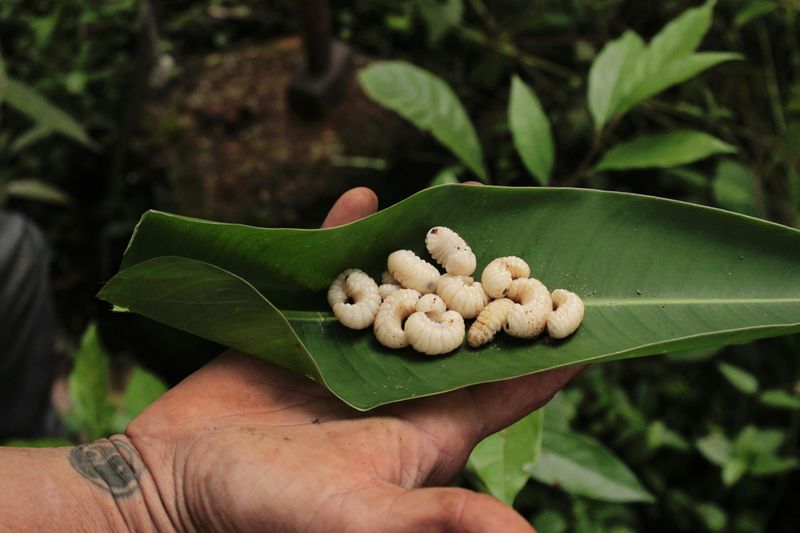
Grubs rarely show surface signs until the damage is already done. By the time large brown patches appear in your yard, the larvae beneath have likely been feeding for weeks.
Early scouting is the single most underrated step in effective grub management, and almost nobody does it consistently.
The best time to check for grubs in Minnesota is late summer, typically August through early September, when the larvae are still small but actively feeding near the surface.
Use a flat spade to cut three sides of a one-foot square, fold it back, and count the grubs in the top two to three inches of soil. Finding five or more grubs per square foot generally indicates a level that warrants treatment.
Look for other early warning signs too. Spongy turf underfoot, grass that pulls up with no root resistance, or a sudden surge of bird activity in one area all point to grub activity below.
Skunks and raccoons digging up your lawn overnight are another classic indicator that something is living just below the surface.
These clues show up before the grass turns brown, giving you a real window to respond. Check multiple spots across your lawn, especially near garden beds, trees, and areas that receive more irrigation.
Keeping a simple log of where grubs appear each year helps you spot patterns and focus your efforts more precisely over time. The homeowners who catch infestations early are the ones who spend the least money fixing them.
8. Relying On Last-Minute Fixes Rarely Pays Off
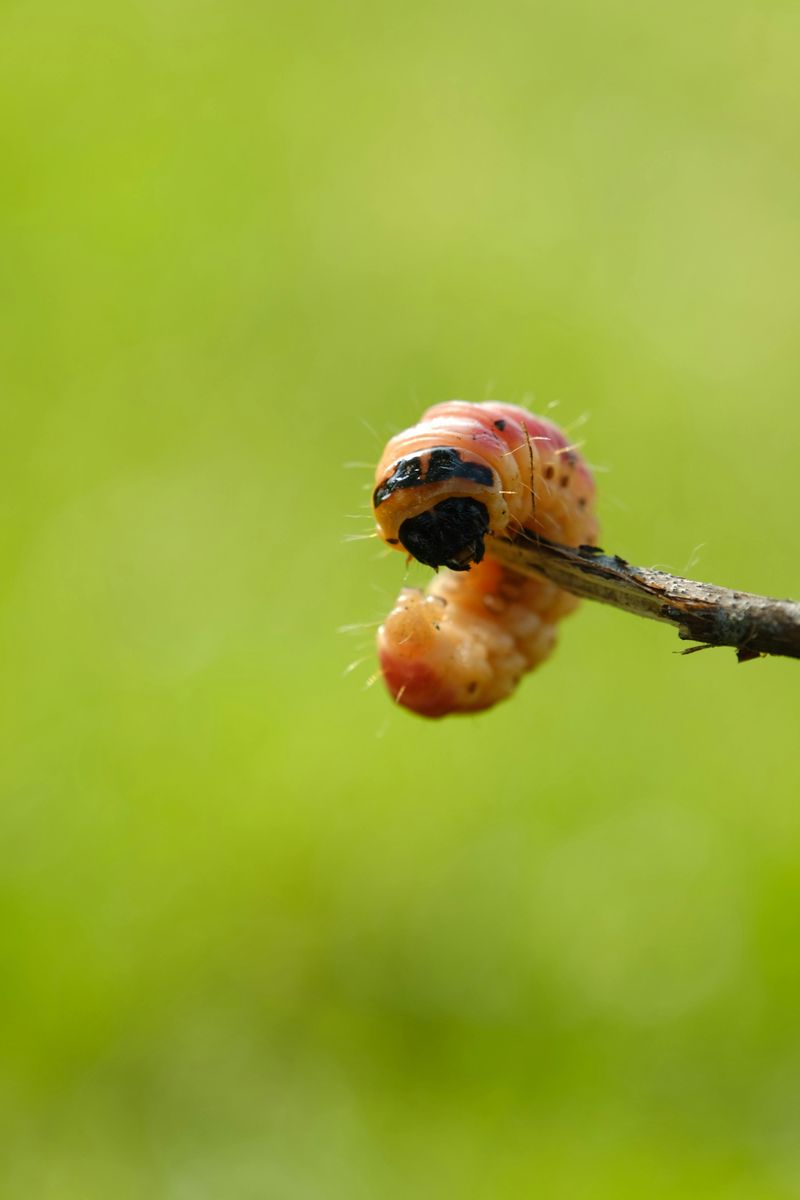
Curative products are a backup plan, not a starting point. Curative treatments work on young larvae but lose effectiveness fast as grubs mature.
By late August, most grubs in Minnesota are already too large and too deep for curative products to work well.
Preventive products target newly hatched larvae before damage begins. Curative options are a fallback, not a first move. The gap in effectiveness between the two is significant.
There is also an environmental consideration worth keeping in mind. Some curative products require higher application rates and more frequent watering to move into the soil, increasing the potential for runoff into nearby water sources.
Minnesota has strict water quality concerns given its abundance of lakes and wetlands, so choosing lower-impact preventive products whenever possible is a responsible approach.
Trichlorfon is an organophosphate with documented risks to aquatic organisms. It can also affect birds and beneficial soil insects.
Minnesota’s lakes and wetlands sit closer to residential yards than most homeowners realize. Keep applications away from drainage areas and always read the label before use.
Building a grub management plan around prevention rather than reaction puts you ahead of the problem every single season.
If grubs in Minnesota have already caused damage this year, use a curative product as a bridge, then commit fully to preventive treatment next summer. That shift in strategy is what finally breaks the cycle for good.