These Are The Florida Native Plants That Reduce Flood Damage In Yards After Heavy Tropical Rain
Rainy season does not mess around. Intense afternoon downpours fill low spots almost instantly, driveways turn into rivers, and swales that looked perfectly fine an hour ago are suddenly overflowing.
It is one of those yard realities that catches even experienced homeowners off guard. The good news is that the right plants can handle these conditions without missing a beat.
Florida native plants are especially well suited here because many have spent generations adapting to the dramatic wet and dry swings that come with subtropical living.
Rain gardens, damp borders, and stormwater-friendly landscapes all benefit from plants that can take a serious soaking after a storm and bounce right back without complaint.
Pretty impressive, honestly.
1. Blue Flag Iris Handles Wet Soil
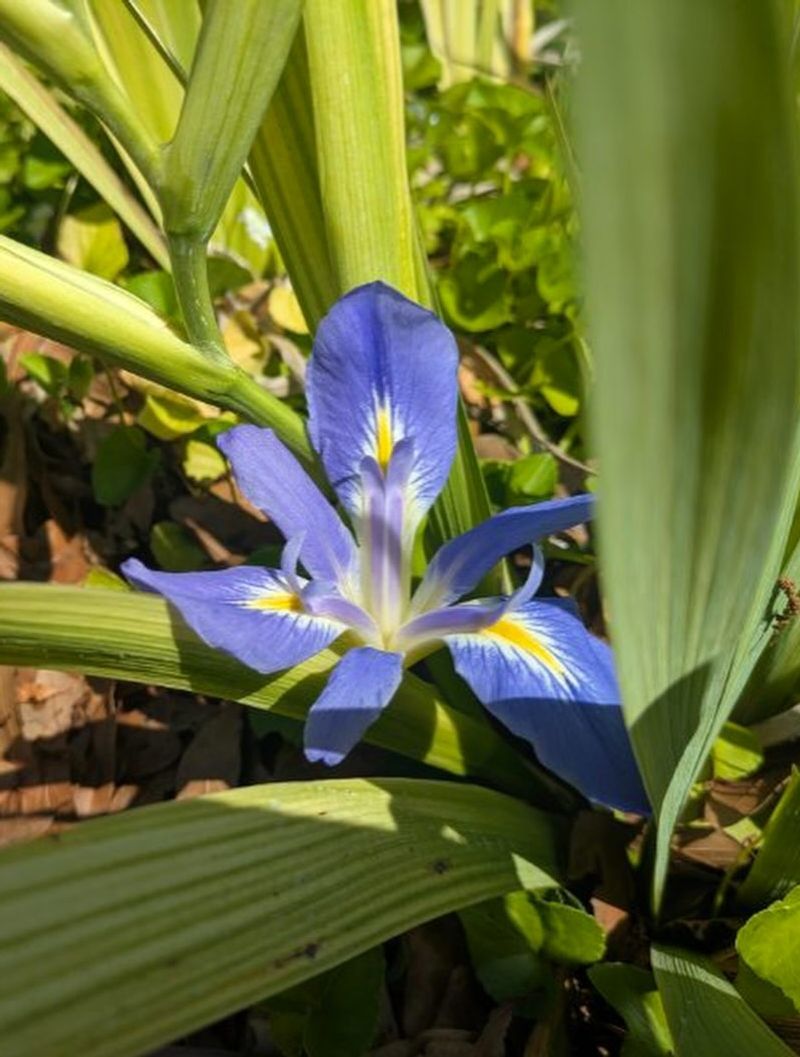
Rain garden designers in Florida often reach for blue flag iris when they need a plant that can settle into damp, low-lying soil without much fuss.
This native iris produces striking purple-blue flowers that bring a splash of color to spots where most ornamental plants would struggle.
It tends to thrive where soil moisture stays consistently higher than in a typical raised garden bed.
Blue flag iris works well along the edges of water features, in the bottom zones of rain gardens, or in low areas of a yard that collect runoff after heavy tropical downpours.
The plant can handle standing water for short periods, making it a reasonable fit for spots that flood briefly and then drain.
It does best in full sun to partial shade, so placement matters when planning a wet-site planting.
One thing to keep in mind is that blue flag iris spreads over time through rhizomes, so it may gradually expand beyond its original planting zone. Giving it some room at the start can help avoid crowding nearby plants.
It is not a solution for serious drainage failures or persistent flooding near a home’s foundation, but in a well-designed rain garden or damp border, it can add both function and visual appeal to a Florida landscape.
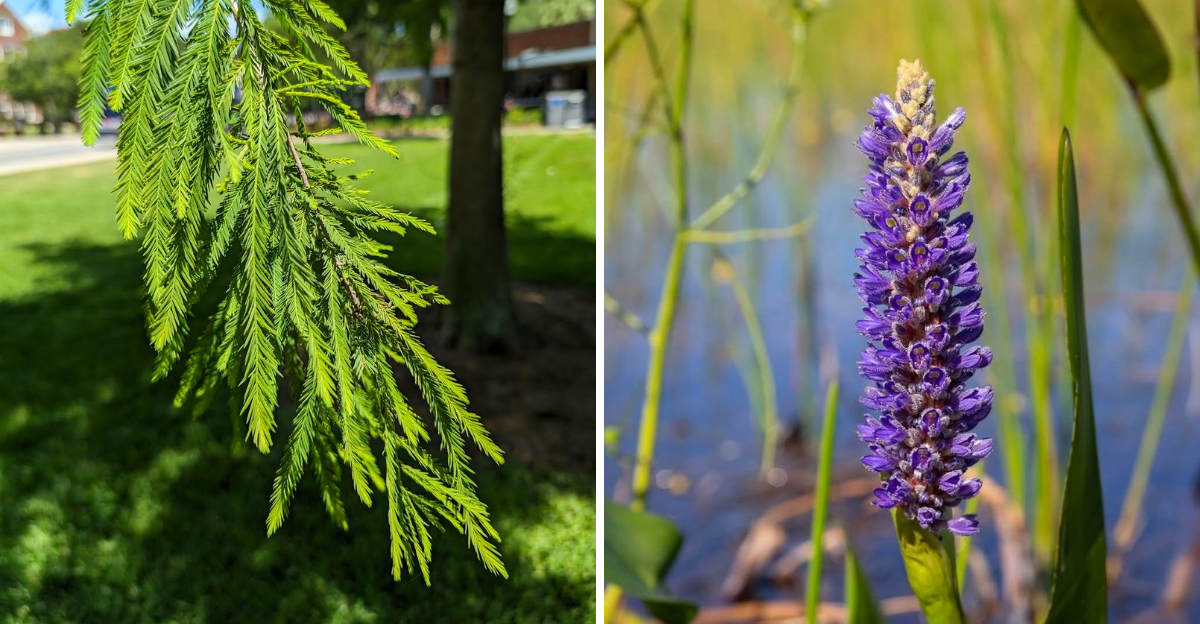
2. Pickerelweed Fits Pond Edges
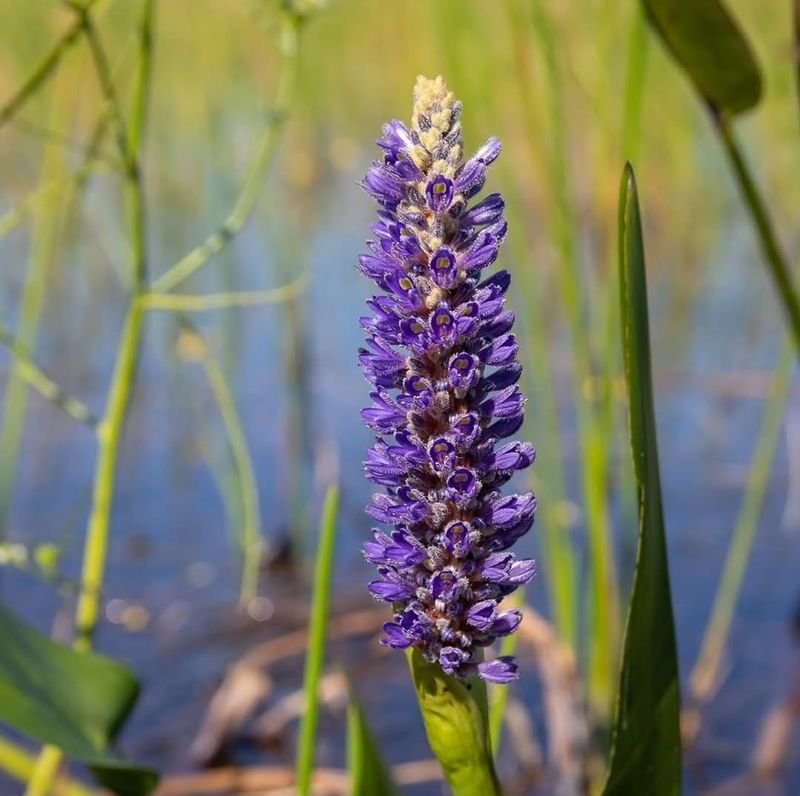
Standing at the edge of a pond after a heavy storm, you might notice that some plants look completely unbothered by the rising water line. Pickerelweed is one of those plants.
It grows naturally along pond edges, slow-moving waterways, and shallow shoreline areas where moisture is a constant rather than an occasional visitor.
This Florida native produces upright spikes of small purple flowers that attract pollinators, including bees and butterflies, during the warm months. The broad, heart-shaped leaves give it a bold, tropical look that fits naturally into a water garden or naturalized pond edge.
It tends to grow in clusters and can spread through both seeds and underground stems, which means it can fill in a wet shoreline planting fairly well over a season or two.
Pickerelweed is best suited to areas with consistent moisture rather than dry upland beds where soil drains quickly.
Placing it in a spot that stays wet most of the year, such as a pond margin, a flooded swale, or a low area that holds water after rain, gives it the best chance to establish well.
Your Florida Garden Changes Every Week. Your Plan Should Too.
Gardening in Florida changes quickly throughout the season. Every Friday you’ll receive a simple weekly plan showing exactly what to plant, prune, fertilize, harvest, and protect so you never miss the right timing.
It is not a plant for a standard garden bed, but along a pond edge or in a shallow water planting, it can be a reliable and attractive addition to a Florida landscape.
3. Duck Potato Likes Shallow Wet Spots
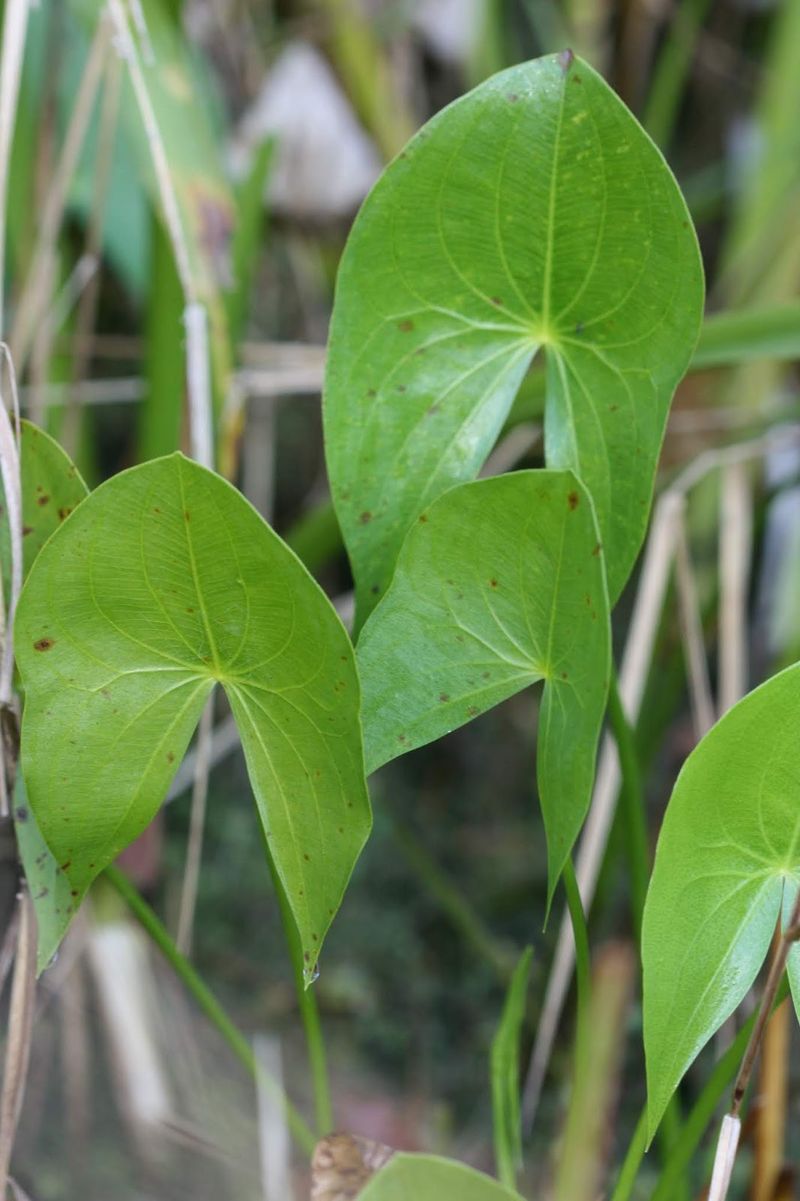
Shallow wet spots in a Florida yard can be tricky to plant because the ground stays waterlogged for long stretches after tropical rain.
Duck potato handles those conditions with ease, making it one of the more practical choices for homeowners dealing with persistently damp low areas.
It is a true wetland plant with arrowhead-shaped leaves that rise clearly above the water surface in pond margins and wet swales.
The plant gets its common name from the small, potato-like tubers it produces underground, which are known to attract waterfowl and other wildlife.
It produces small white flowers on tall stalks during warmer months, adding some visual interest to an otherwise green wetland planting.
Duck potato can handle fluctuating water levels reasonably well, which makes it a decent fit for areas that shift between shallow standing water and damp but drained soil.
This plant is not the right choice for an ordinary dry flower bed or a raised planting area. It needs consistent access to moisture and does best along pond margins, in shallow water plantings, or in wet swales where water lingers after Florida’s rainy-season storms.
Giving it space to spread naturally tends to produce the best results, and pairing it with other wetland natives can create a more complete and functional wet-area planting that supports local wildlife over time.
4. Golden Canna Brightens Damp Areas
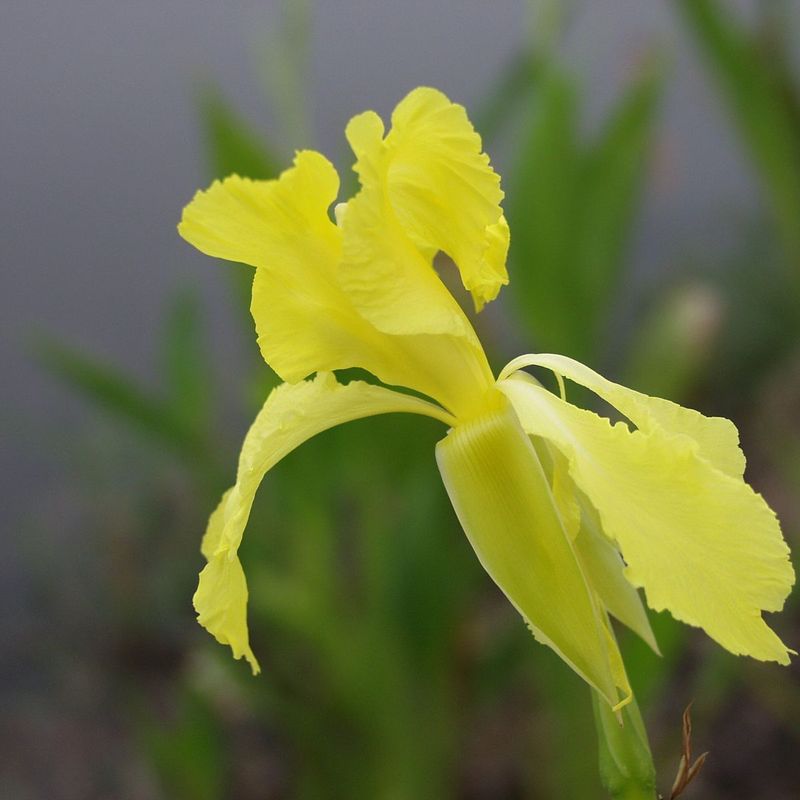
Few plants can light up a damp Florida yard quite like golden canna. Its broad tropical leaves and bright yellow flowers bring a bold, warm energy to spots that might otherwise look like problem areas after a heavy rain.
This native is well adapted to wet conditions and can add real visual structure to a moist planting zone or rain garden edge.
Golden canna grows in clumps and can reach several feet tall, making it a strong background plant or anchor piece in a wet-area design.
It tends to do well in full sun and thrives in soils that stay consistently moist, such as swale edges, low areas near pond margins, or spots in a rain garden that collect runoff from a driveway or roof downspout.
The plant spreads through rhizomes, so it can gradually fill a damp border over time.
Placement still matters with golden canna, even though it handles wet soil well. It needs enough sun to flower well, and it should be positioned where the soil moisture level actually matches what the plant expects.
Putting it in a spot that drains too quickly may limit its growth, while placing it in a permanently flooded area without any drainage cycle could also reduce its performance.
In the right wet-site spot across Florida, though, golden canna can be a standout addition to a stormwater-friendly landscape design.
5. Spikerush Holds Wet Soil Edges
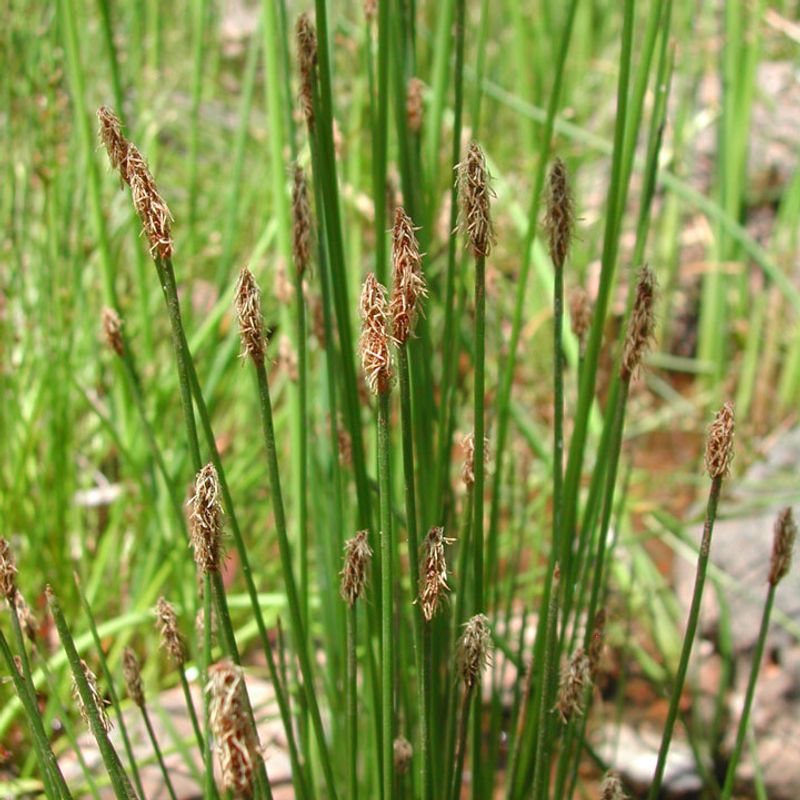
After a heavy storm, the edges of swales and rain gardens can become soft, unstable, and prone to slow surface movement as water flows across bare soil.
Spikerush is a low-growing, grass-like plant that can help cover and stabilize those wet edges by establishing dense root systems in consistently moist or saturated soil.
It is one of those plants that does quiet, useful work in the background of a wet landscape design.
Spikerush grows in tight clusters and spreads to form a mat-like ground cover in wet areas. It is commonly found along pond edges, in shallow wetlands, and in the moist zones of rain gardens across Florida.
The plant handles wet feet well and can tolerate brief periods of shallow standing water, which makes it a reasonable choice for the lower sections of a rain garden or the wet fringe of a swale planting.
It is worth being realistic about what spikerush can and cannot do.
It can help cover and hold wet soil edges in appropriate planting zones, but it should not be counted on to fix major erosion problems or correct drainage failures caused by grading issues or soil compaction.
Site conditions across Florida vary quite a bit, and the best results tend to come when spikerush is planted in spots where moisture is consistent and the soil stays damp between rain events rather than drying out completely.
6. Buttonbush Works In Rain Gardens
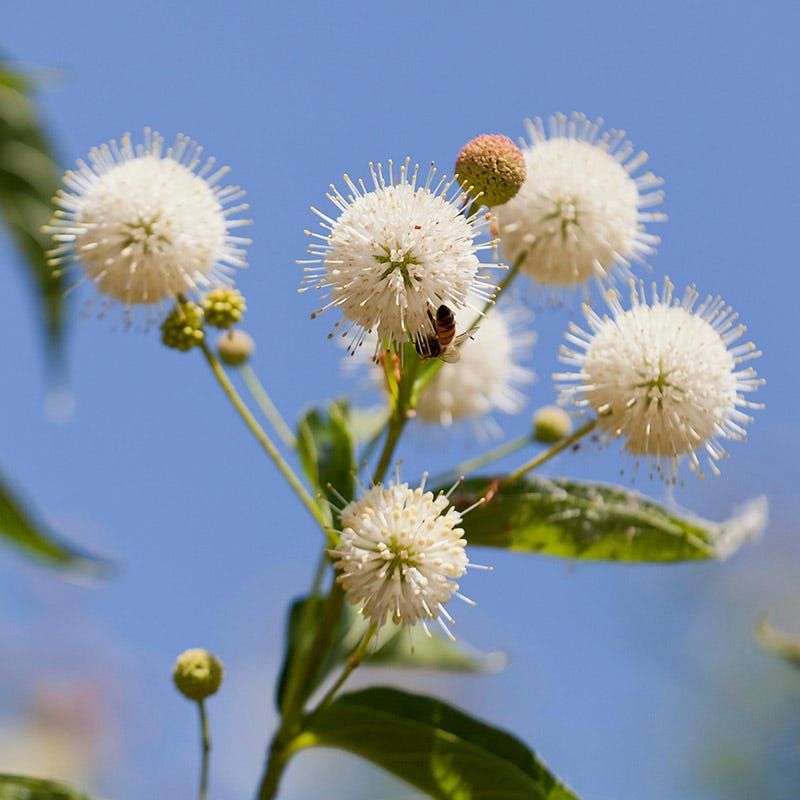
One of the more distinctive shrubs you might spot growing near a Florida wetland or rain garden is buttonbush, named for the round, spiky white flower clusters it produces during summer.
Those globe-shaped blooms are hard to miss and tend to attract bees, butterflies, and even hummingbirds when the plant is in full flower.
Buttonbush earns its place in a rain garden not just for its looks but for its ability to handle wet soil conditions that would stress out most ornamental shrubs.
This native shrub can grow quite large over time, sometimes reaching ten feet or more in height and spread depending on site conditions.
That mature size is something homeowners should factor in before planting, since buttonbush needs room to grow without crowding paths, structures, or neighboring plants.
It fits well in larger rain garden designs, along pond edges, or in wide swale plantings where there is enough space for a sizable shrub to develop naturally.
Buttonbush can tolerate seasonal flooding and consistently wet soil, which makes it a solid choice for the wetter zones of a Florida landscape.
It does best in full sun to partial shade and tends to perform well in the kind of low areas that collect runoff after tropical rain events.
Giving it adequate space and matching it to a genuinely wet site are the two most important factors for getting good results with this native shrub in a Florida yard.
7. Wax Myrtle Fits Moist Landscapes
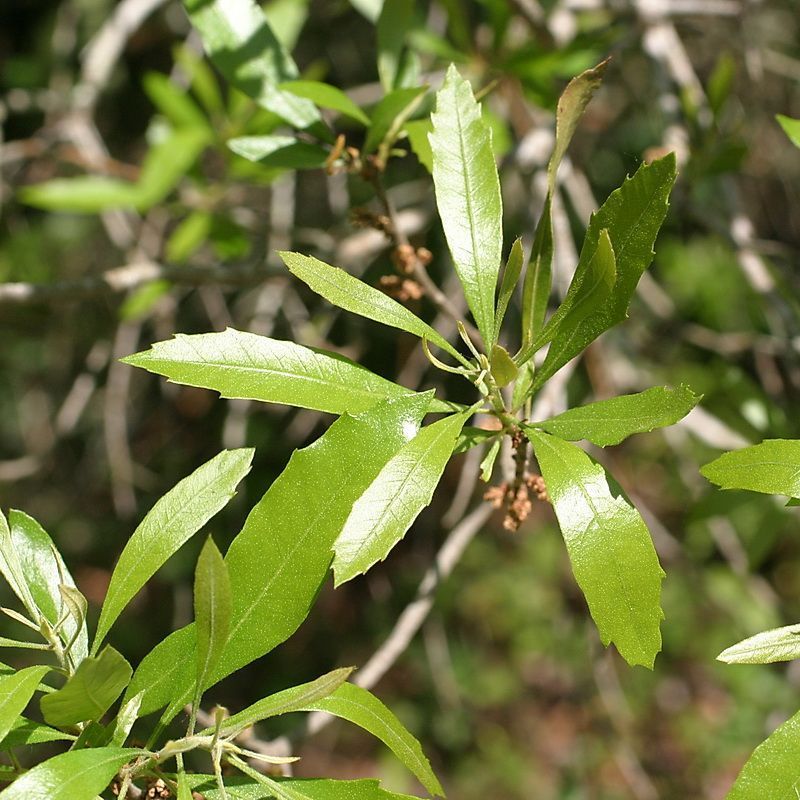
Wax myrtle is one of those Florida native plants that seems to show up everywhere once you start paying attention, and there is a good reason for that.
It is tough, adaptable, and can handle a range of soil moisture conditions, including the kind of damp, moist soils that are common in Florida yards that receive heavy seasonal rainfall.
It works well as a screening shrub, a background plant, or even a small multi-trunk tree in a rain garden-style planting.
Unlike smaller flowering perennials or low-growing grasses, wax myrtle needs real space to develop properly. It can grow into a large shrub or small tree over time, so it should be planted with its mature size in mind.
In a rain garden or moist landscape design, it tends to work best toward the back or along the outer edge where it has room to spread without overwhelming smaller plants nearby.
The aromatic leaves of wax myrtle are one of its well-known features, and the small waxy berries it produces are a food source for birds during cooler months.
It grows in full sun to partial shade and can handle both sandy soils and heavier, moisture-retaining soils, which is a useful quality in Florida where site conditions can vary significantly from one yard to the next.
For a moist border or rain garden planting that needs height and structure, wax myrtle is a practical and native-friendly option.
8. Bald Cypress Suits Larger Wet Yards
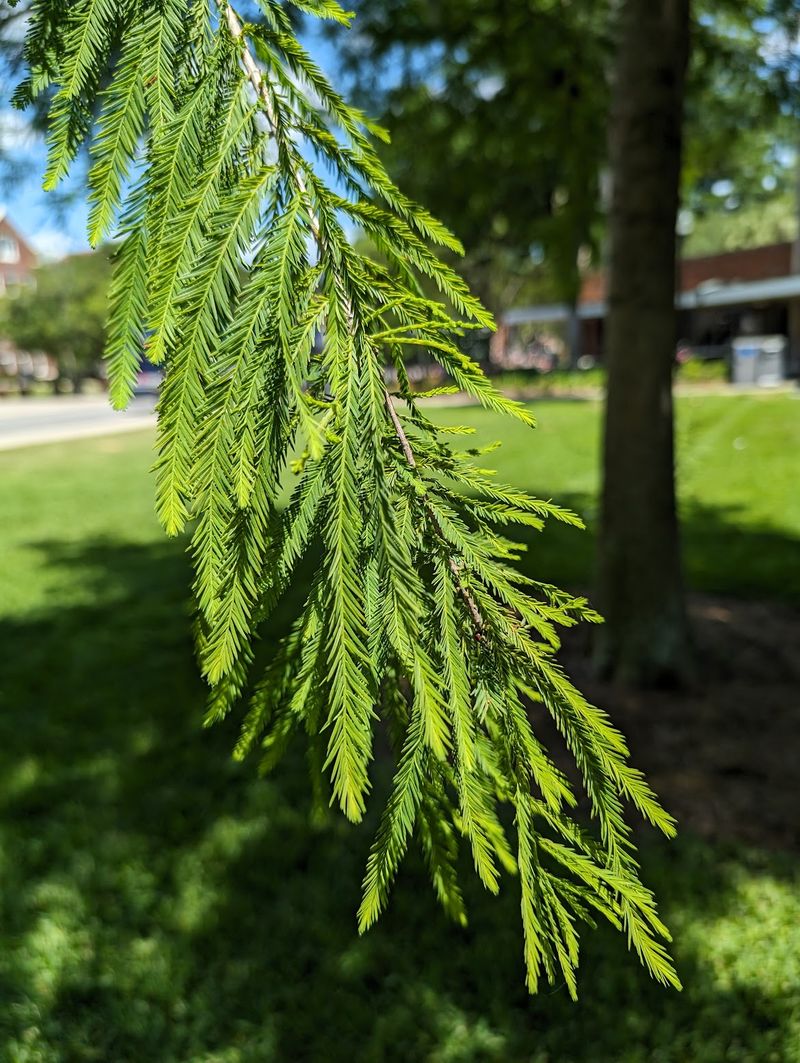
When a Florida yard has a large low area, a pond edge, or a wide swale that stays wet for extended periods after tropical rain, bald cypress is one of the few native trees actually suited to those conditions.
It is a tree with deep roots in Florida’s natural landscape, growing naturally in swamps, floodplains, and along slow-moving waterways across the state.
Its feathery, soft green foliage and distinctive above-ground root structures known as knees make it one of the most recognizable trees in Florida wetlands.
Bald cypress can grow very tall and develop a wide canopy over many years, so it is clearly not a small-space solution.
Before planting one, homeowners should think carefully about the mature size of the tree, the root spread, and how close it will be to structures, utility lines, or other landscape features.
A large open yard with a consistently wet low area, a pond margin, or a broad swale is a much better fit than a compact suburban lot with limited space.
The tree handles seasonal flooding and wet soil conditions well and can provide shade and canopy cover to a large wet-yard planting over time.
It is deciduous, meaning it drops its needle-like foliage in fall, which surprises some homeowners who expect it to stay green year-round.
In the right large-scale setting, bald cypress is a long-lived and ecologically valuable addition to a Florida landscape.