Don’t Chase It Away, Here’s What A Praying Mantis Means For Your Illinois Garden
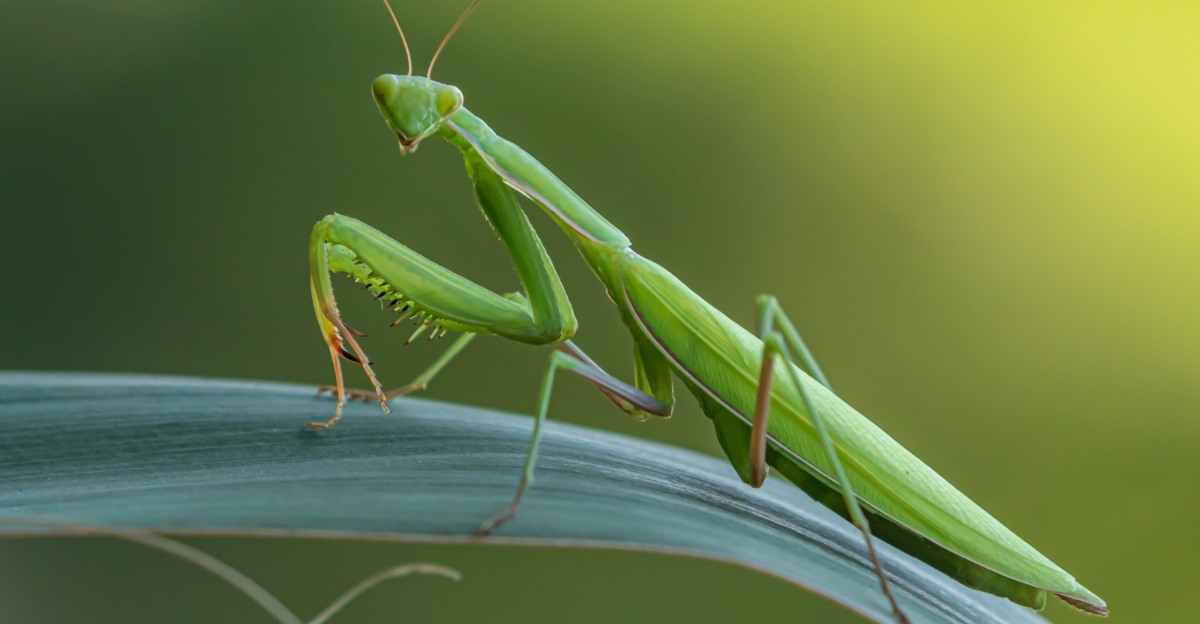
How does a garden earn a praying mantis? Not every patch of soil gets one.
Boots still wet from the grass, you go completely still because something on the tomato plant is staring straight back at you. Not darting.
Not flinching. Just watching, with those unsettling swivel-head eyes that feel far too intelligent for a creature the size of your thumb.
That moment in your Illinois garden cracks something open. You start looking at your plants differently, your soil differently, the whole buzzing perimeter of your outdoor space differently.
So what does it actually mean when one of these ancient hunters picks your garden as its territory?
It means your space has quietly become something rare: a functioning, layered, living ecosystem.
A praying mantis does not settle into neglected soil or sparse plantings. It follows abundance.
It follows balance. Illinois gardeners who spot one are getting a verdict, and the verdict is good. That is not a small thing.
1. Your Ecosystem Is Healthy And Thriving
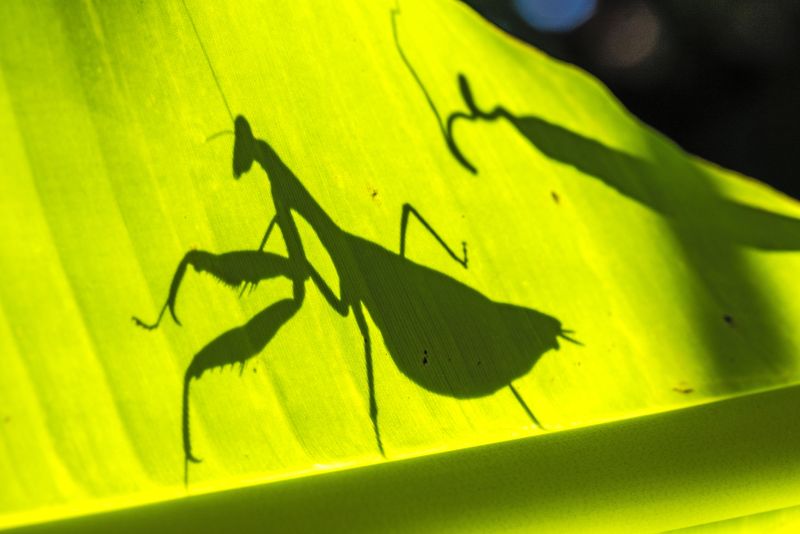
Healthy ecosystems are rare, and yours might be one of them. A praying mantis does not show up in just any yard.
These insects need a complex, layered environment with plenty of insects to hunt, diverse plants to hide in, and minimal chemical interference.
If one has chosen your garden, you have built something special without even realizing it. Think of the mantis as a quality inspector for your outdoor space.
It only sets up shop where the food web is working properly. That means you have pollinators visiting your flowers, smaller insects moving through your soil, and enough plant variety to support multiple layers of life.
The mantis sits at the top of that invertebrate food chain, and its presence confirms the whole system is functioning below it.
Gardeners in the Midwest often chase elaborate soil tests and fertilizer schedules chasing the perfect garden. But sometimes the best feedback comes from nature itself.
A single mantis sighting tells you more about your garden’s health than most lab reports ever could.
Biodiversity is the word scientists use, but what it really means is that your yard is alive in all the right ways. You have created a place where creatures can find food, shelter, and safety.
That is no small achievement in a world where so many green spaces have been paved, sprayed, or simplified into near silence. Your garden is speaking, and the mantis is its most eloquent voice.
2. Natural Pest Control Is Actively At Work
Free pest control is hiding in your garden right now. A single adult praying mantis can consume several insects every week.
Aphids, caterpillars, beetles, flies, and even grasshoppers are all on the menu. If you have been battling any of these garden nuisances, a resident mantis is already on the case.
What makes the mantis such an effective hunter is its patience.
It does not chase prey the way a spider does. Instead, it waits, motionless, blending into stems and leaves until something edible gets close enough.
Your Illinois Garden Changes Every Week. Your Plan Should Too.
Gardening in Illinois changes quickly throughout the season. Every Friday you’ll receive a simple weekly plan showing exactly what to plant, prune, fertilize, harvest, and protect so you never miss the right timing.
Then, in under a tenth of a second, those powerful front legs close with precision. The speed of that strike is nearly impossible to see with the naked eye.
Spraying chemicals might feel like doing something, but it often wipes out the beneficial insects alongside the harmful ones. A mantis-friendly garden is a smarter, longer-lasting approach.
When you let natural predators do their job, the balance tends to maintain itself season after season without you having to intervene. Farmers and organic gardeners have known this for generations.
Some even purchase egg cases online to introduce mantises into new growing spaces. But you do not need to buy anything because yours arrived on its own.
That is the garden equivalent of a five-star review. Nature has voted your space worthy of one of its most skilled and ancient hunters, and that is something worth protecting.
3. A Wide Variety Of Insects Are Present In Your Garden
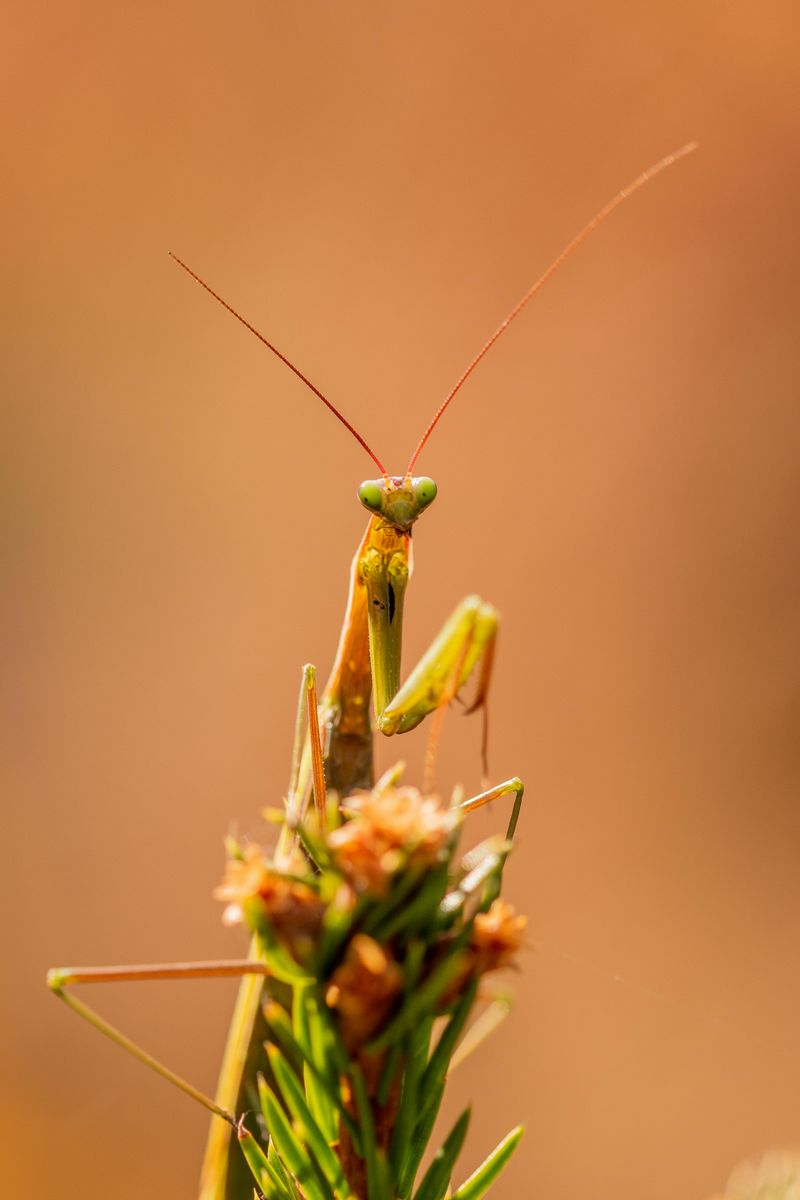
Spot a mantis and you have spotted the tip of a very large iceberg. Beneath every praying mantis sighting is an entire community of insects making your garden work.
The mantis needs a buffet to survive, and a buffet requires variety. If it is thriving in your space, you can be confident that dozens of other species are quietly doing their jobs nearby.
Pollinators like bees and butterflies get most of the garden glory, but beetles, flies, lacewings, and ground-dwelling bugs are just as important.
They break down organic matter, aerate the soil, and serve as food for birds, toads, and yes, the mantis.
Every creature in that chain depends on the others, and the mantis only appears when that chain is intact. Many gardeners panic when they see unfamiliar bugs on their plants.
The instinct to spray or squash is understandable but often counterproductive. Most insects in a garden are either neutral or actively helpful.
The ones causing damage are usually a small fraction of the total population, and predators like the mantis keep those numbers in check naturally. Encouraging insect diversity is simpler than it sounds.
Planting native flowers, leaving some bare soil patches, and skipping the leaf blower in fall all make a measurable difference. Your current insect population is already impressive if a mantis has moved in.
The goal now is to keep that momentum going so next season is just as rich, just as alive, and just as full of these fascinating, unexpected garden guests.
4. Your Garden Provides Quality Habitat
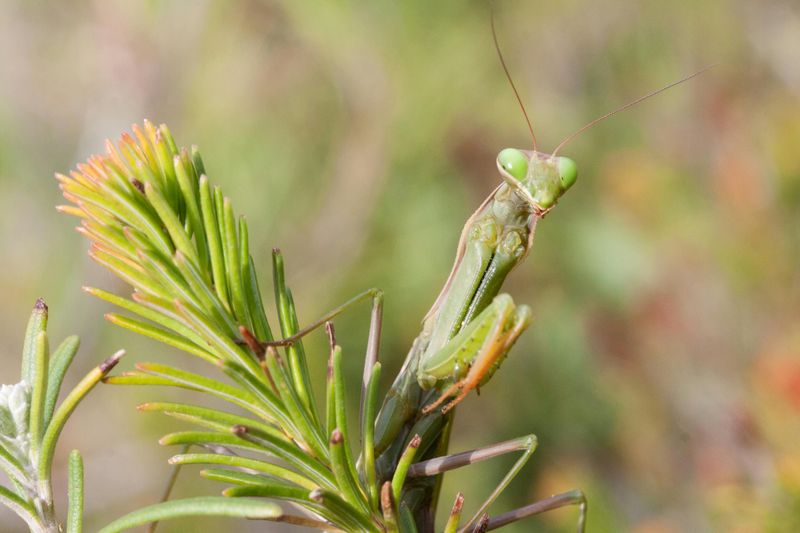
Not every yard earns a wild tenant like the praying mantis. These insects are selective about where they settle, and their requirements go beyond just having a few flowers around.
They need structure, layered vegetation, and places to perch, hunt, and eventually lay eggs without being disturbed. If yours has passed that test, your habitat is genuinely exceptional.
Quality habitat means different heights of plants growing together. Tall ornamental grasses, mid-height perennials, low ground covers, and woody shrubs all play a role.
Mantises use these layers to move through the garden, ambush prey from different angles, and stay hidden from birds that might otherwise snatch them.
A flat lawn with a few rose bushes simply does not offer that kind of complexity. Water sources matter too.
Even a shallow dish of water near your plantings can make a garden dramatically more attractive to wildlife.
Mantises, like most insects, need moisture especially during dry Illinois summers when food sources can thin out quickly.
The good news is that you have already done the hard work. Your garden is clearly offering what this creature needs, and that did not happen by accident.
Every plant you chose, every patch of mulch you laid down, and every corner you left a little wild contributed to this outcome.
The mantis is not just a visitor. It is proof that your garden has crossed the line from decorative to genuinely functional, a place where nature can actually live, not just look pretty from the back porch.
5. It’s Peak Mantis Season (September Through October)
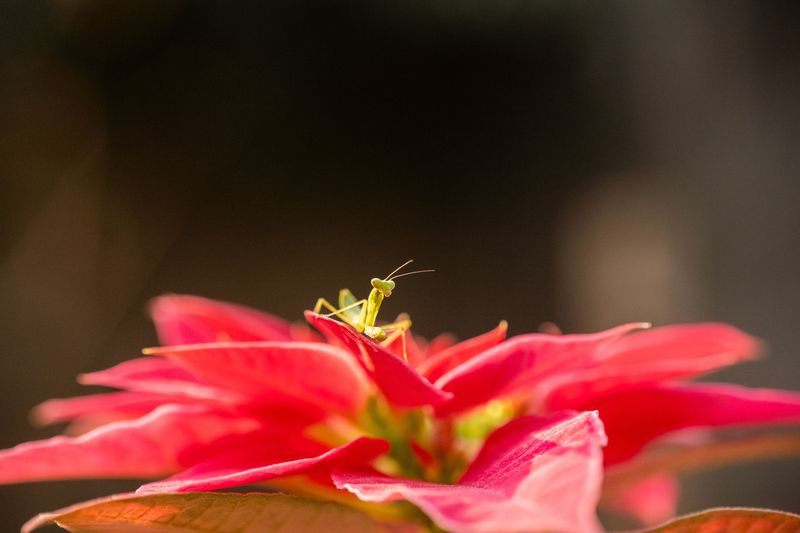
September through October is when the mantis steals the show. By late summer, the nymphs that hatched in spring have grown into full adults, sometimes stretching four to five inches long.
These are the impressive green and brown giants that seem to appear out of nowhere on fence posts, screen doors, and garden stakes across the Midwest. If you are seeing them now, the timing could not be more perfect.
Adult mantises in fall are on a mission. They are feeding heavily to build energy reserves, and females are actively searching for the right spot to deposit their egg cases before temperatures drop.
This is when they become most visible, most active, and frankly most fascinating to watch. A female in peak season can be almost as large as your hand.
Illinois autumns create ideal conditions for mantis activity. Moderate temperatures, late-season insect activity, and mature garden structure give these hunters everything they need.
Cooler nights slow their metabolism, keeping them active well into October before temperatures drop too far. Seeing a mantis in your garden right now is not a coincidence.
It’s a lovely sign that your garden may have played a small part in supporting wildlife through the seasons. From the earliest days of spring all the way to autumn.
That is a full-season achievement that most yards may not reach. Enjoy them while you can. Winter’s quiet chapter isn’t far away.
6. Egg Cases May Already Be Hidden In Your Garden
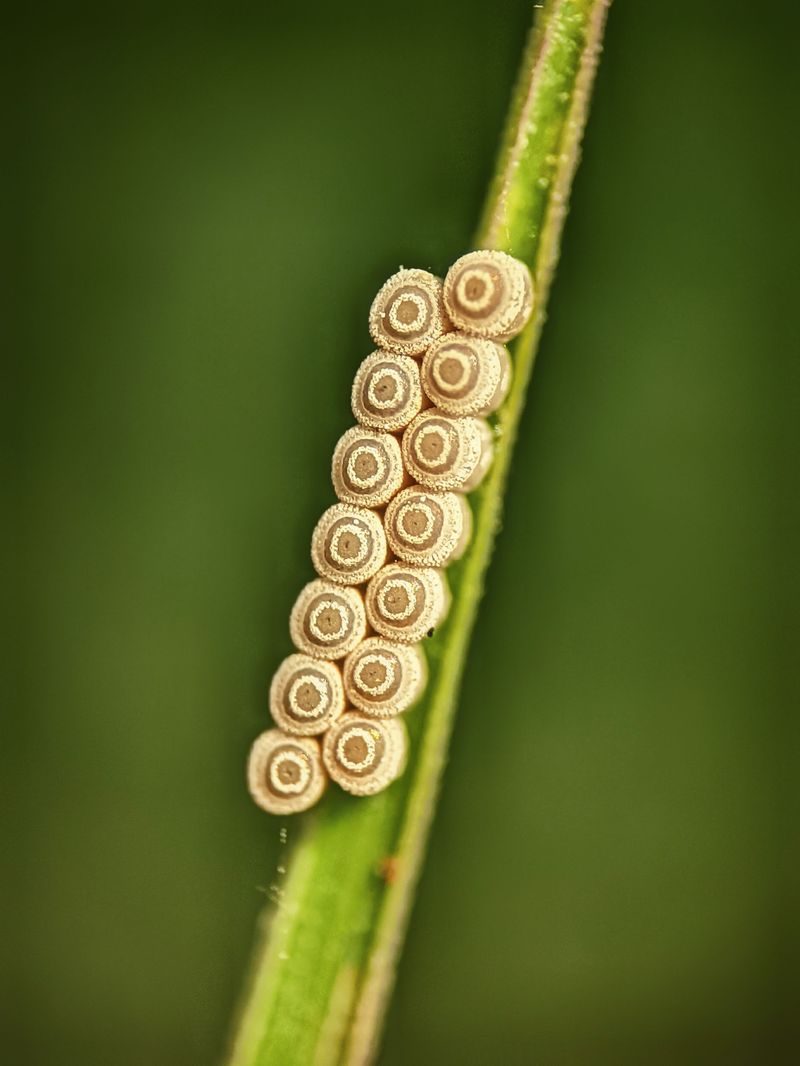
Something extraordinary might already be clinging to your dried stems. Female mantises lay their eggs inside a foamy protective case called an ootheca, attaching it to stems, twigs, and garden stakes.
Each case holds between 100 and 400 eggs, sealed inside a papery, tan-colored structure that looks almost like a small blob of hardened foam. You have probably walked past one without ever noticing.
The ootheca is an engineering marvel. That foam hardens into an insulating shell that protects the eggs through freezing temperatures, snow, and ice.
The eggs inside stay dormant all winter and hatch in late spring when conditions warm up. One egg case can release a whole new generation of pest-controlling hunters into your garden without you lifting a finger.
Finding one in your garden is like discovering buried treasure. Check the stems of your ornamental grasses, the lower branches of shrubs, and the dried stalks of perennials like coneflowers and black-eyed Susans.
The cases are usually attached firmly and blend in almost perfectly with their surroundings, which is exactly the point. Once you spot one, leave it completely undisturbed.
Resist the urge to move it indoors or into a warmer spot, because the eggs need that cold dormancy period to develop properly.
Just mark the stem with a small flag or ribbon so you remember where it is come spring. You are not just a gardener anymore, you are a mantis landlord now, and the rent is paid entirely in pest control.
7. Next Spring’s Pest Control Is Already Secured
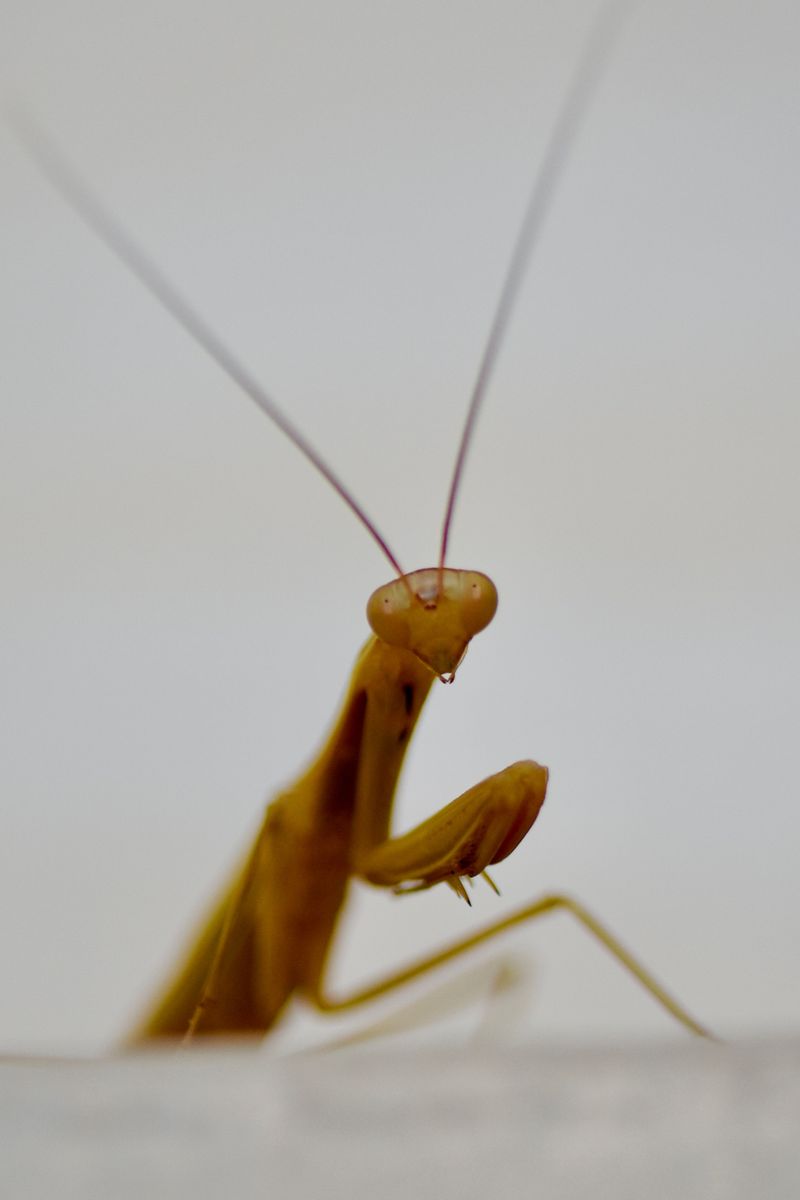
Spring pest season does not stand a chance. If a female mantis has laid an egg case in your garden this fall, you are already set up for next season’s natural defense system.
Hundreds of tiny nymphs will emerge in May or June, immediately spreading out through your garden and beginning to hunt the moment they hatch. You will not even see most of them, but they will be working.
Young mantis nymphs start small, targeting aphids, gnats, and other soft-bodied insects that tend to surge in numbers during early spring. As they grow through their molts over the following weeks, they move on to larger prey.
By midsummer, they are taking oncaterpillars and beetles that could otherwise put real pressure on your vegetable beds. This is the kind of long-game gardening that feels almost magical once you understand it.
You did not plant a single trap crop or hang a single sticky strip. You just created a garden good enough to attract a self-reproducing pest management system.
That is genuinely impressive, and not every garden reaches this point. The praying mantis life cycle is perfectly timed to match the rise and fall of garden pest populations. When the bugs show up, the mantises are already there waiting.
All of this is already in motion in your garden right now, tucked inside those small papery cases weathering the winter on your stems. Next spring is going to be a very good growing season.
8. Hold Off Cutting Back Perennials And Grasses Until Spring
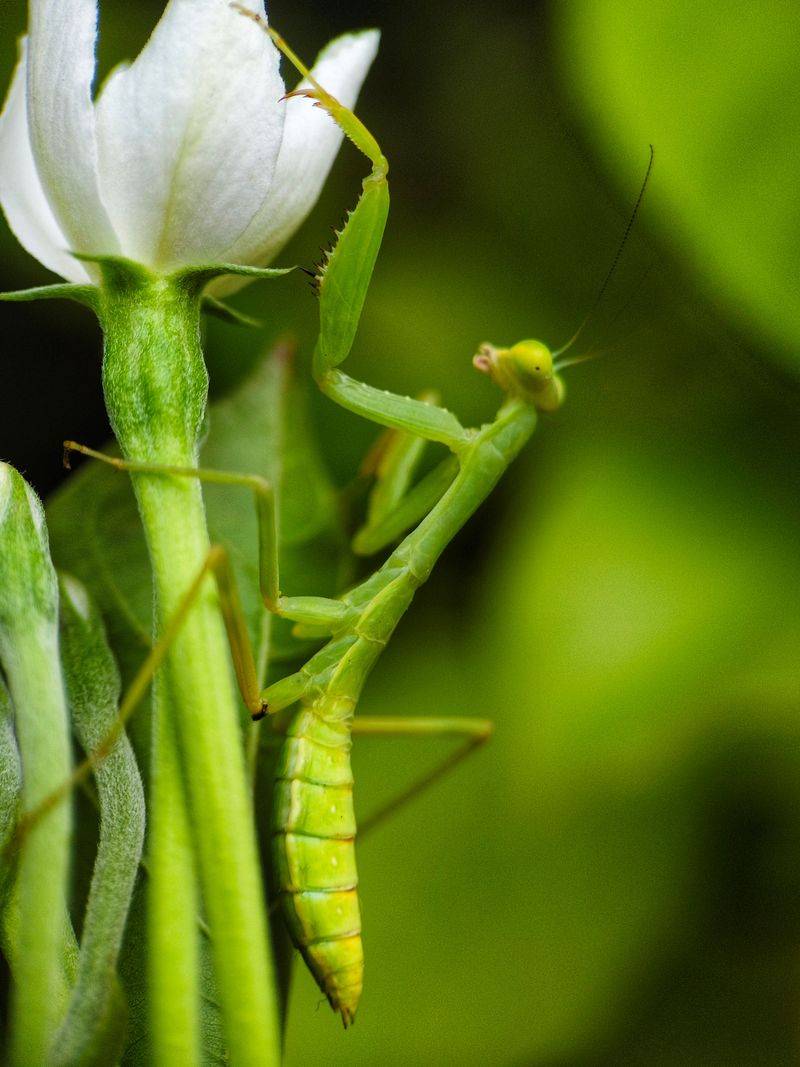
Resist reaching for the pruning shears just yet. One of the most common fall gardening mistakes is cutting everything back too aggressively before winter.
Dried stems, seed heads, and standing grasses might look messy to you, but to a praying mantis and dozens of other beneficial insects, they are a lifeline.
Cutting them down now could destroy egg cases that are already attached and waiting. Leaving your perennials and ornamental grasses standing through winter does more than protect the mantis.
Seed heads feed birds like goldfinches and sparrows through the coldest months. Hollow stems shelter native bees that overwinter as adults.
The tangled structure of dried plants also traps insulating snow and debris that keeps soil temperatures more stable for ground-dwelling insects below.
A tidy garden in November is not always a healthy one. Some of the most productive gardens look a little wild and unkempt from Thanksgiving through March, and that is perfectly fine.
Nature built this system long before we started raking everything into neat piles and hauling it to the curb. Wait until late March or early April before doing your big garden cleanup.
By then, the eggs in any ootheca will be close to hatching, and overwintering insects will have already emerged.
Cut stems at about eight inches rather than to the ground, leaving enough structure to still support any remaining egg cases.
Your praying mantis left you a gift this fall. Give it the chance to unwrap itself come spring, and your garden will thank you in ways you can actually see and feel all season long.