The Herbs California Gardeners Should Get In The Ground Before June Ends
Here is some genuinely good news for California gardeners who feel like the planting window is closing fast. When it comes to herbs, late June is actually a pretty solid time to get things in the ground.
Warm soil, long sunny days, and dry conditions are not obstacles here, they are basically the whole point.
A lot of Mediterranean and heat-loving herbs are practically built for exactly this kind of weather, and they will let you know it by settling in fast and producing generously.
The key is choosing varieties that actually want to be outside in a California summer rather than ones that are going to sulk the second temperatures climb.
Get that right, pay a little extra attention while the roots find their footing, and fresh herbs through fall is a very realistic outcome.
1. Basil Loves Warm June Soil
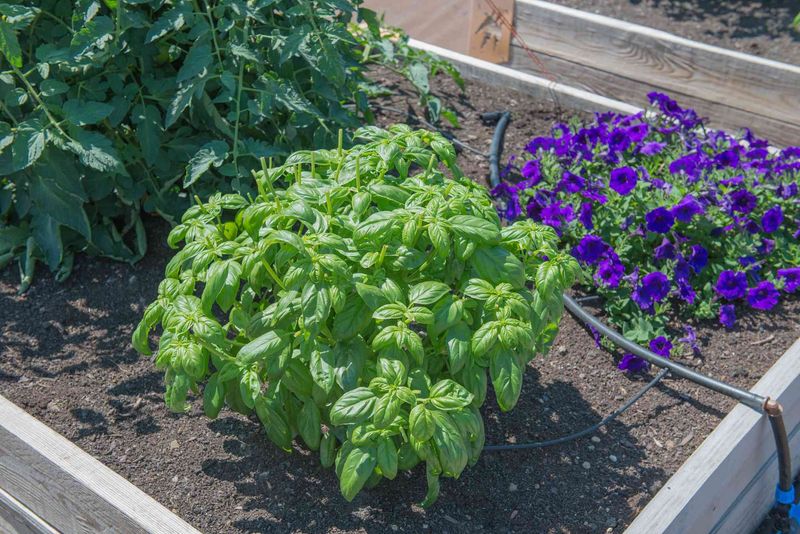
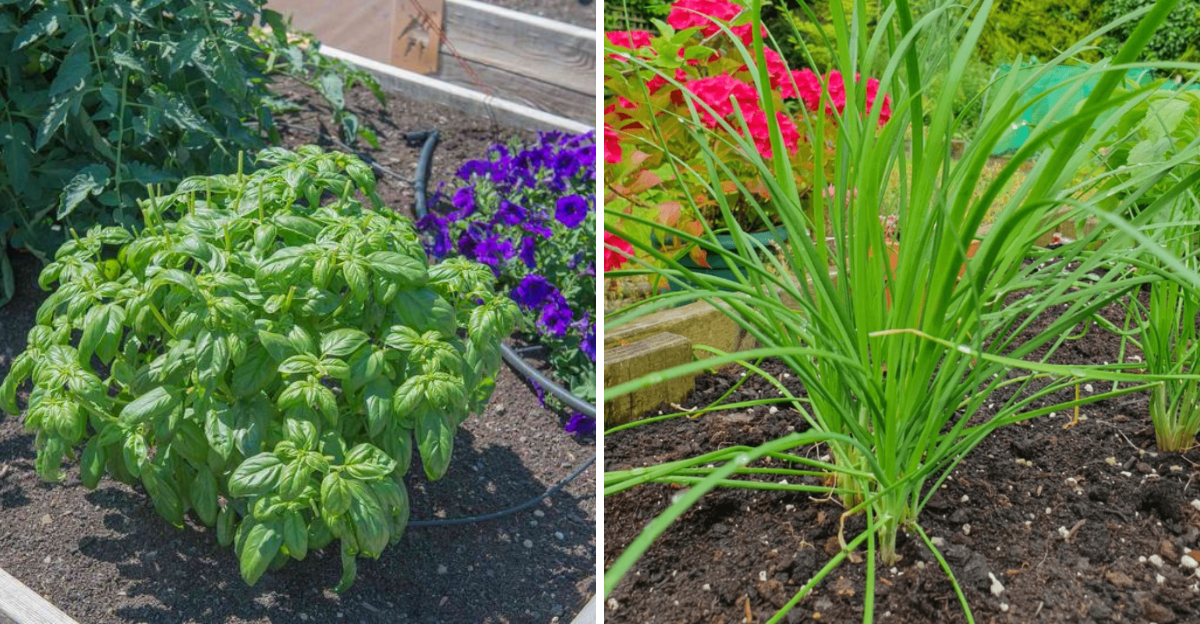
Few herbs respond as enthusiastically to warm soil as basil does, and late June in California offers exactly the conditions this plant enjoys.
Soil temperatures in most California regions have climbed high enough by now to encourage quick root development, which helps transplants settle in without much struggle.
Whether you are planting in a raised bed, a kitchen garden container, or a sunny border, basil tends to respond well when the ground is already warm.
Choose a spot that receives at least six hours of direct sunlight each day. In inland California, where afternoon heat can be intense, a location with some light afternoon shade may help prevent leaf scorch on the hottest days.
Along the coast, full sun is usually fine since temperatures stay more moderate through summer.
Water newly planted basil consistently but avoid letting the roots sit in soggy soil. Well-drained beds work best, and containers with drainage holes give you good control over moisture.
Pinching off flower buds as they appear encourages the plant to keep producing flavorful leaves rather than putting energy into seed production.
Basil pairs well with tomatoes in the garden and in the kitchen, making it a practical and satisfying addition to any edible garden this time of year.
2. Oregano Fits Sunny Dry Beds
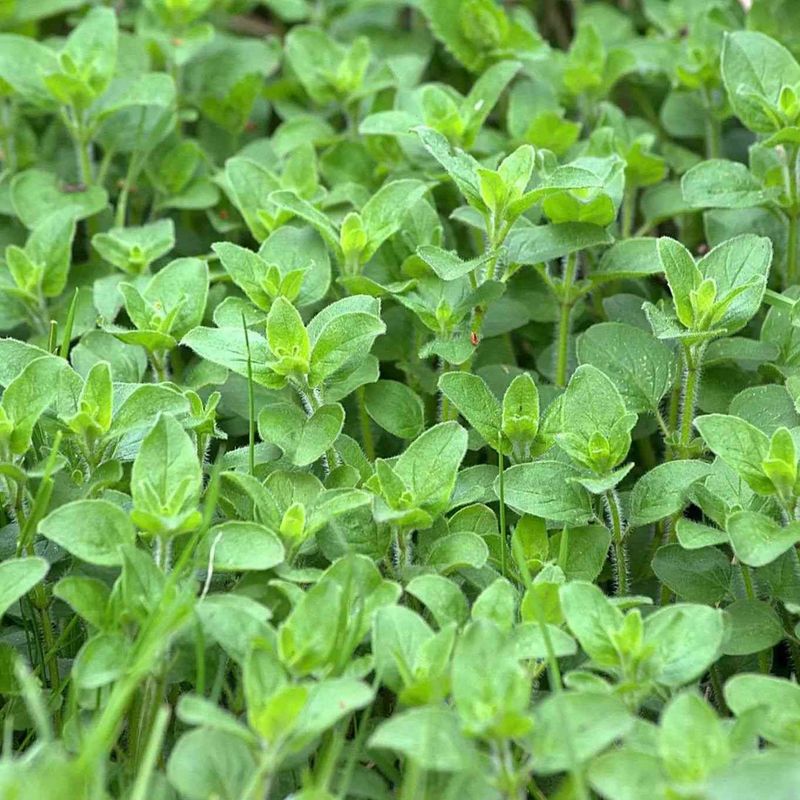
Walk through almost any Mediterranean-style garden in California and you are likely to spot oregano tucked into a dry, sun-baked bed looking completely at home.
This herb has a natural affinity for conditions that mimic its southern European origins, which makes it a smart choice for late-June planting in most parts of the state.
Once established, it handles dry spells with ease and rarely complains about heat.
Oregano prefers well-drained soil above almost anything else. Planting it in heavy clay or consistently moist ground can lead to root problems over time, so raised beds or sandy loam work particularly well.
If your garden soil stays wet after watering, consider amending it with coarse sand or planting oregano in a container where drainage is easier to manage.
In inland California, oregano handles the intense summer sun without much trouble. Coastal gardeners may notice slightly more compact growth due to cooler temperatures, but the plant still performs reliably.
Your California Garden Changes Every Week. Your Plan Should Too.
Gardening in California changes quickly throughout the season. Every Friday you’ll receive a simple weekly plan showing exactly what to plant, prune, fertilize, harvest, and protect so you never miss the right timing.
Water newly planted oregano regularly for the first few weeks while roots develop, then gradually reduce frequency as the plant becomes established. Trimming stems back occasionally encourages bushy, productive growth and keeps the plant from getting leggy.
Oregano works well along sunny borders, in herb beds, or at the edge of a raised kitchen garden where it can spread comfortably without crowding other plants.
3. Thyme Handles Heat And Drainage
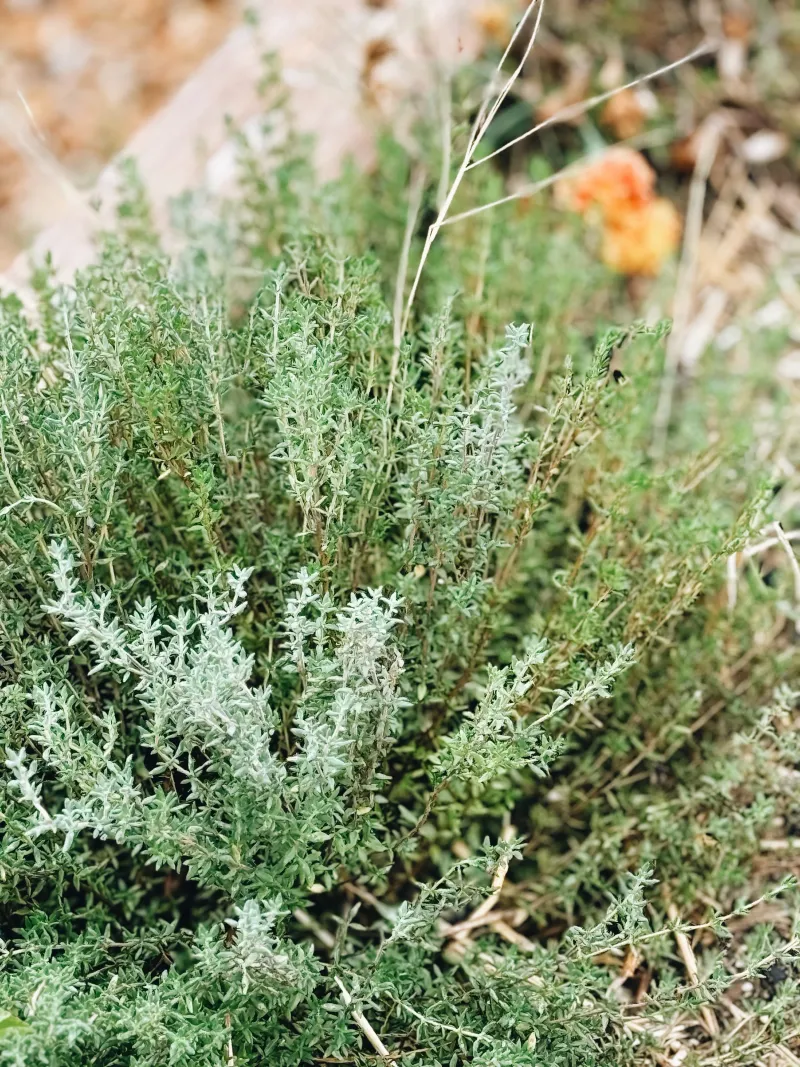
Planted in the right spot, thyme is one of those herbs that seems to thrive on neglect once it gets going. The challenge is giving it the right start, and late June is actually a reasonable time to do that.
Warm soil encourages root development, and thyme’s preference for dry conditions aligns well with California’s summer irrigation patterns.
Good drainage is the single most important factor for thyme. Roots that stay wet for long periods tend to struggle, so heavy or compacted soil should be loosened or amended before planting.
Raised beds, rocky borders, and sloped garden areas where water drains away naturally are all solid options. Containers also work well as long as they have drainage holes and are not overwatered.
Full sun is non-negotiable for thyme. At least six to eight hours of direct light each day keeps the plant healthy and the leaves flavorful.
In hotter inland areas of California, a little extra water during the first few weeks of establishment helps the plant settle in before summer heat peaks. Once roots are established, thyme becomes much more self-sufficient.
Trim stems lightly after flowering to keep growth tidy and productive. Thyme works nicely along garden path edges, in herb spirals, or tucked into gaps in raised beds where its low, spreading habit fills space without taking over.
4. Sage Settles Into Summer Sun
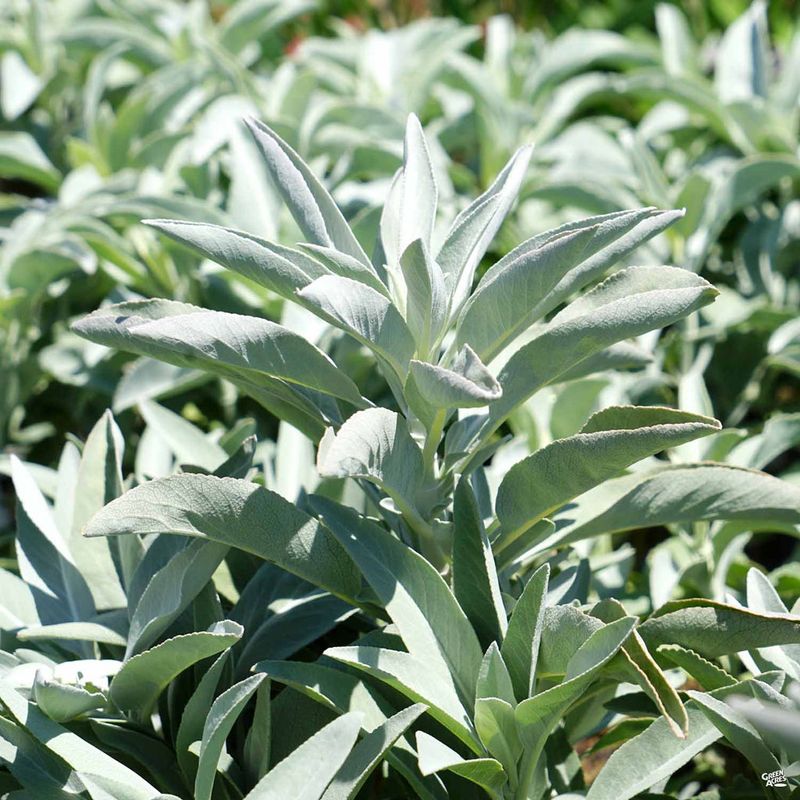
Something about sage’s silvery-green leaves and earthy fragrance feels like it belongs in a California garden.
This herb has deep roots in Mediterranean climates similar to much of California’s, and planting it in late June gives it a long warm season to establish before cooler weather arrives.
It is a practical choice for gardeners who want a herb that earns its space visually as well as in the kitchen.
Sage does best in full sun with well-drained soil. It tolerates dry conditions well once established, which suits California’s dry summer season nicely.
Sandy or loamy soil is preferable to heavy clay, and raised beds offer excellent conditions if your native soil drains poorly. Avoid planting sage in low spots where water tends to collect after irrigation or rain.
Newly planted sage benefits from regular watering during its first few weeks in the ground. Once roots have spread out and the plant shows signs of active growth, you can reduce watering frequency.
Inland California gardeners may need to water a bit more often during heat waves, while coastal gardeners usually find that moderate, consistent irrigation is enough. Pruning sage lightly after it flowers helps maintain a compact, productive shape.
Left unpruned, plants can become woody over time, so a light trim each season keeps growth fresh. Sage also works well in containers on a sunny patio or deck.
5. Rosemary Works In Beds Or Pots
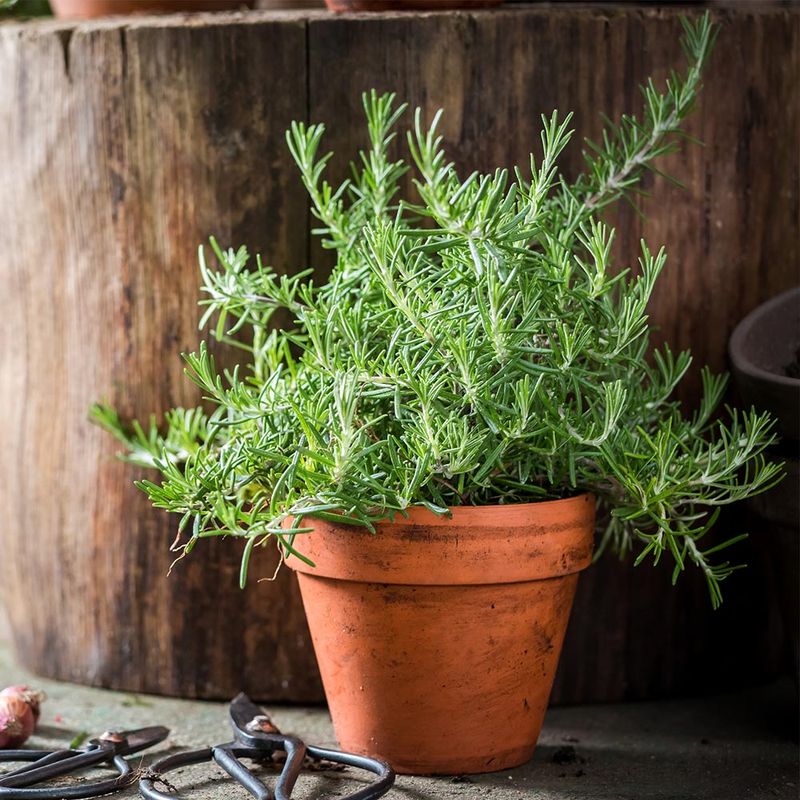
Rosemary is practically synonymous with California gardening, and for good reason. It thrives in the state’s warm, dry summers, tolerates poor soil, and asks for very little once it finds its footing.
Late June planting gives rosemary a full warm season to develop strong roots before the weather shifts, making it one of the more forgiving herbs to add to a California garden at this time of year.
Both in-ground beds and containers suit rosemary well. When planting in a bed, choose a spot with full sun and excellent drainage.
Rosemary roots do not appreciate sitting in wet soil, so raised beds or sloped areas work particularly well. In containers, use a well-draining potting mix and a pot with good drainage holes to prevent moisture buildup at the base.
Watering newly planted rosemary consistently for the first several weeks helps roots establish. After that, rosemary generally handles California’s dry summers with reduced irrigation, though container-grown plants dry out faster and need more frequent attention.
Coastal gardeners may find that rosemary grows more slowly in cooler, foggy conditions, while inland plants often put on faster growth in the heat. Trim stems occasionally to encourage bushy growth and prevent the plant from becoming too woody too quickly.
Rosemary works beautifully along sunny borders, in kitchen gardens, or grouped with other drought-tolerant Mediterranean herbs in a raised bed.
6. Marjoram Brings Soft Summer Flavor
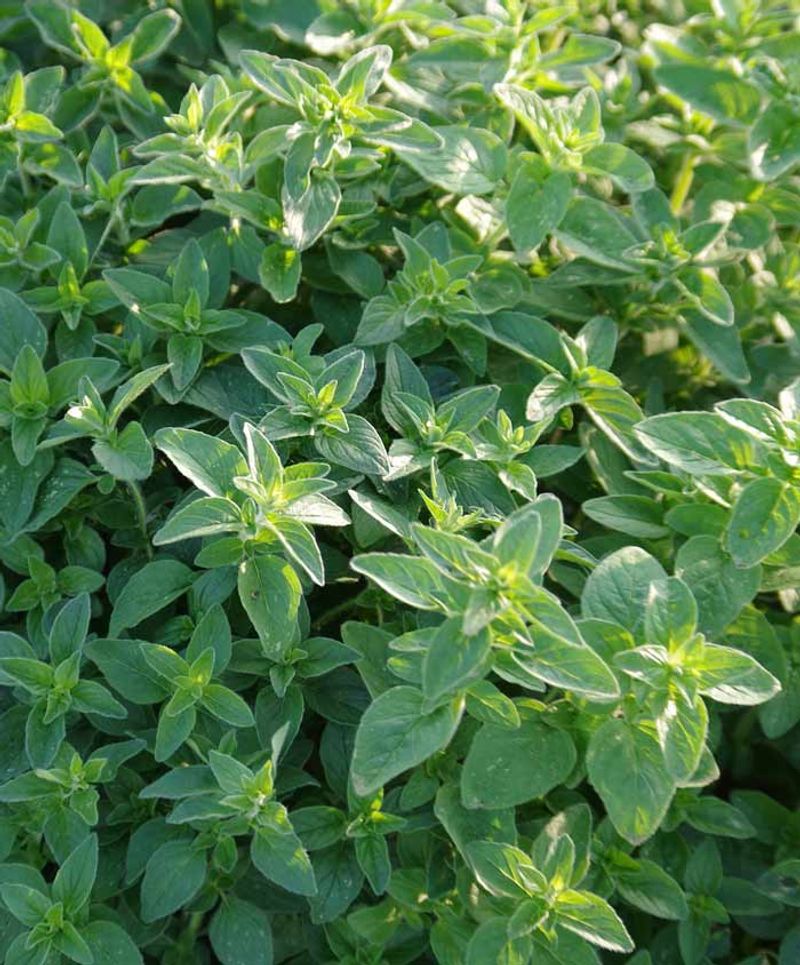
Marjoram does not always get the attention it deserves in California herb gardens, but gardeners who grow it tend to appreciate its mild, slightly sweet flavor and its easygoing nature.
Related to oregano but gentler in taste, marjoram fits well into kitchen gardens where fresh herbs are used regularly in cooking.
Planting it in late June gives it enough warm weather to establish and begin producing usable leaves before the season winds down.
Warm, well-drained soil and plenty of sunlight are the two things marjoram needs most. It grows well in raised beds, herb containers, or sunny borders where air circulation is good and water does not pool after irrigation.
In California’s inland regions, afternoon shade during the hottest weeks may help prevent the leaves from drying out too quickly, though the plant generally handles heat reasonably well.
Water newly planted marjoram regularly while roots are getting established, then ease off as the plant grows more self-sufficient.
Overwatering is a more common problem than underwatering once the plant is settled, so let the top inch of soil dry out between waterings.
Pinching back stem tips encourages the plant to branch out and produce more leaves rather than rushing toward flowering.
Marjoram works nicely alongside thyme, oregano, and basil in a shared herb bed, and its compact size makes it a practical choice for small-space California gardens or patio container arrangements.
7. Chives Stay Useful In Small Spaces
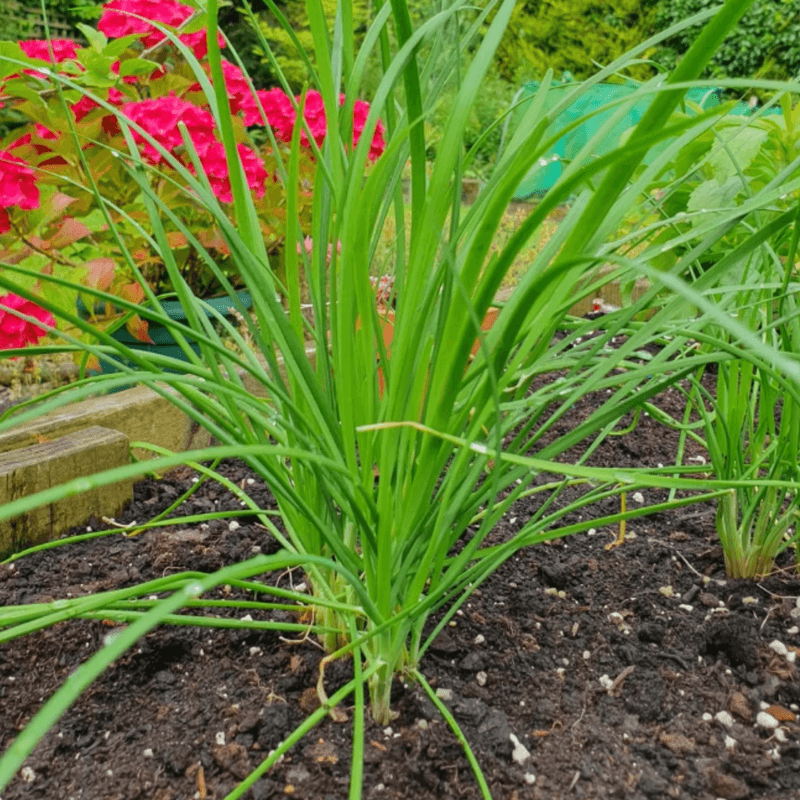
Compact, reliable, and genuinely useful in the kitchen, chives earn their place in even the smallest California gardens. A single clump of chives can provide fresh, mild onion flavor for months, and the plant asks for relatively little in return.
Late June planting works well because warm soil supports steady root development, and chives settle in quickly when conditions are right.
Chives adapt well to containers, raised beds, small herb gardens, and even window boxes, which makes them a practical option for California gardeners with limited outdoor space.
They prefer full sun but can manage in spots that receive four to six hours of direct light, which gives them a bit more flexibility than some other herbs on this list.
Well-drained soil with consistent moisture during establishment is the main care requirement in the early weeks.
Once established, chives are relatively low-maintenance. Water when the top inch of soil feels dry, and avoid letting the roots dry out completely during California’s hottest summer stretches.
Cutting the leaves back regularly encourages fresh, tender new growth and keeps the plant productive.
The purple flowers that appear in spring and early summer are edible and add a mild onion flavor to salads, though removing spent blooms can redirect energy back into leaf production.
Chives also tend to do well on sunny kitchen windowsills, making them one of the more versatile herbs for California home gardeners working with small spaces.
8. Mint Belongs In A Pot
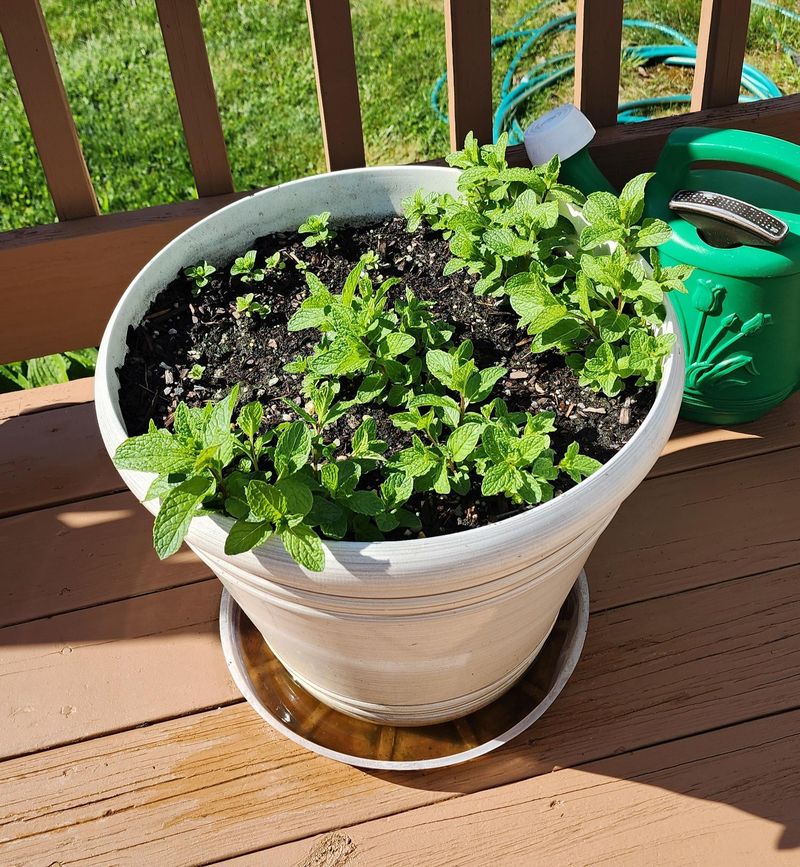
Mint is one of those herbs that gardeners either love or approach with caution, and the reason for that caution is its enthusiasm for spreading. Left unchecked in an open garden bed, mint can move aggressively through the soil and crowd out neighboring plants.
The solution is simple and effective: grow it in a container. A pot keeps mint’s spreading roots under control while still giving you easy access to fresh leaves throughout the growing season.
Late June is a reasonable time to plant mint in California as long as you keep the container in a spot that does not receive intense afternoon sun during the hottest part of summer.
Mint prefers moisture more than most Mediterranean herbs, so a location with morning sun and some afternoon shade works well, particularly in inland California where summer heat peaks high.
Coastal areas with naturally cooler temperatures give mint more flexibility in placement.
Water container-grown mint more frequently than in-ground herbs since pots dry out faster in summer heat. Check the soil every day or two during warm stretches and water when the top of the soil feels dry to the touch.
Trim stems regularly to encourage fresh, bushy growth and prevent the plant from flowering too quickly, which can reduce leaf quality.
Mint varieties like spearmint and peppermint both perform well in California containers, giving gardeners a flavorful, low-fuss option for patios, balconies, and small outdoor spaces.