Do These Things To Your North Carolina Pepper Plants In June Before The Humidity Causes Problems
Peppers and North Carolina summers have a complicated relationship.
The heat is mostly welcome, but the humidity that arrives alongside it creates a set of problems that can quietly undermine a plant that looked completely healthy just weeks before.
Fungal pressure increases, airflow through dense foliage drops, and certain pests that thrive in muggy conditions start showing up in numbers.
June is the last comfortable window to get ahead of all of that before the real thick of summer settles in and your options get more limited.
The tasks that matter most right now aren’t about reacting to problems that have already started.
They’re about setting the plants up so those problems have a harder time getting a foothold in the first place.
A pepper plant prepared for Carolina humidity in June is a fundamentally different plant by the time August rolls around.
1. Stake And Support Plants Before Storms And Fruit Load Build
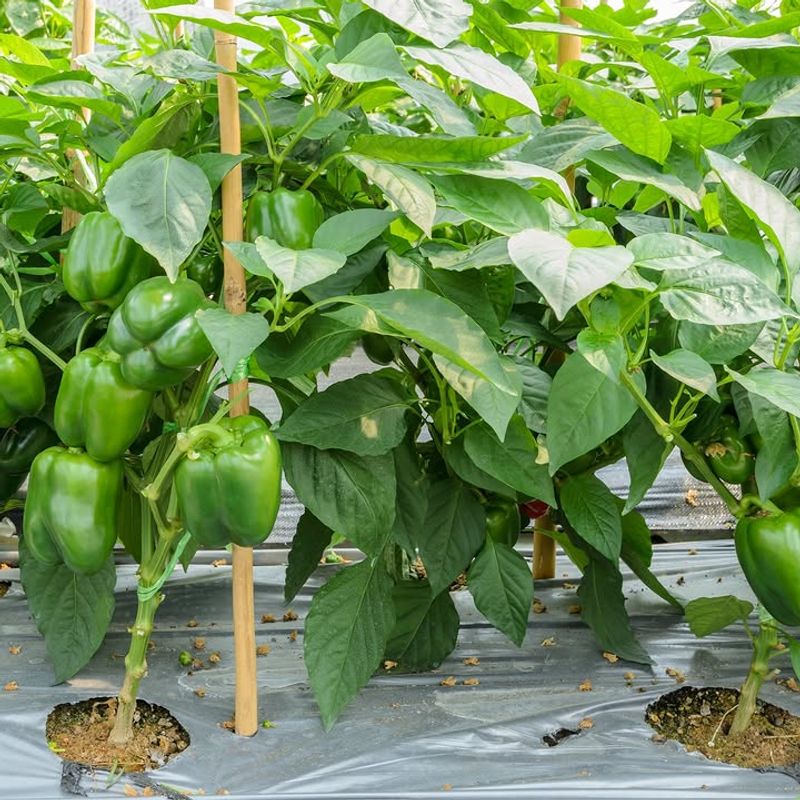
Summer storms in North Carolina can roll in fast, and pepper plants loaded with developing fruit are much more vulnerable than most gardeners expect.
A single strong gust or a heavy afternoon downpour can bend stems sideways or snap branches that took weeks to grow.
Staking your plants now, before the weight and wind arrive, is one of the best investments of time you can make in June.
Pepper roots are surprisingly shallow, so you want to push stakes into the soil carefully, at least a few inches away from the main stem.
Bamboo stakes, wooden dowels, or even sturdy tomato cages all work well in humid North Carolina conditions because they hold up through wet weather without rotting quickly.
Soft garden ties, strips of old fabric, or flexible plant clips work better than wire or string that can cut into stems.
Keeping plants upright does more than just prevent snapping. When pepper plants stand straight and tall, air can move freely around the leaves and stems, which actually helps reduce the moisture buildup that leads to fungal problems.
A well-supported plant also puts more energy into producing fruit rather than trying to recover from physical stress.
Set your stakes now and your plants will reward you generously through the rest of the season.
2. Mulch The Soil Surface To Protect Roots From June Heat
North Carolina soil can get surprisingly hot in June, especially in raised beds or garden spots that get full afternoon sun.
When soil temperatures spike, pepper roots struggle to absorb water and nutrients efficiently, which shows up above ground as wilting, slow growth, or stressed-looking leaves.
A good layer of mulch is one of the simplest and most effective ways to keep those roots comfortable all month long.
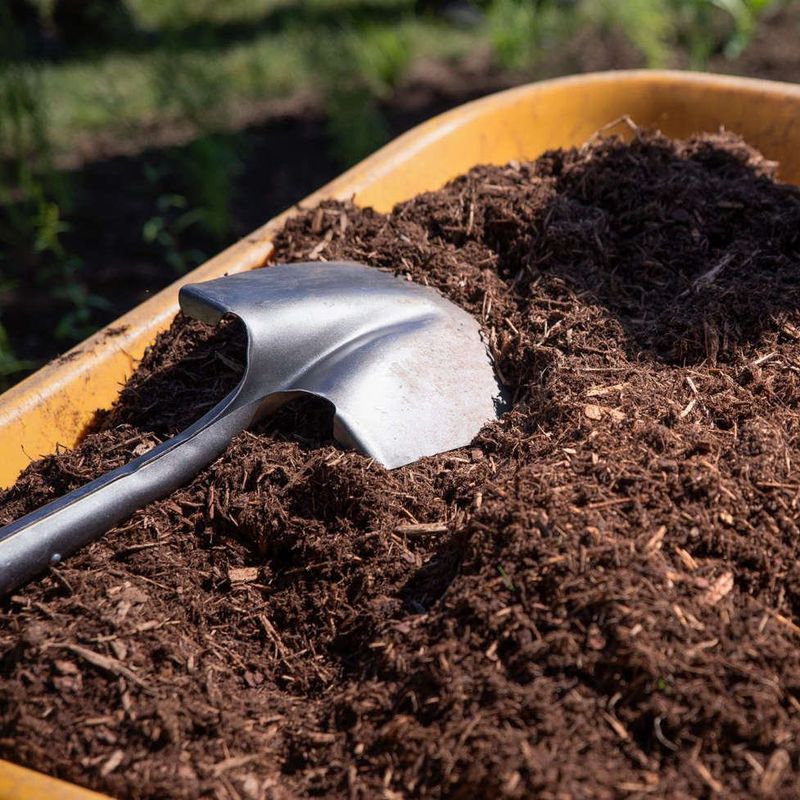
Aim for about two to three inches of mulch spread evenly around each plant.
Straw, shredded leaves, pine straw, and composted bark all work beautifully in the Southeast, and each one helps lock soil moisture in while keeping surface temperatures from climbing too high.
Pine straw is especially popular in North Carolina because it stays in place well even during heavy rain and breaks down slowly enough to last through the whole summer.
Your North Carolina Garden Changes Every Week. Your Plan Should Too.
Gardening in North Carolina changes quickly throughout the season. Every Friday you’ll receive a simple weekly plan showing exactly what to plant, prune, fertilize, harvest, and protect so you never miss the right timing.
One detail worth remembering is to keep the mulch pulled back slightly from the base of each stem, leaving about an inch or two of bare soil right at the plant.
Mulch piled directly against the stem can stay wet for long periods and invite rot or fungal issues right at the crown.
Spread it generously everywhere else, though, and your pepper roots will stay cool, moist, and ready to support a big harvest through the hottest weeks ahead.
3. Water Deeply And Consistently To Reduce Blossom Drop
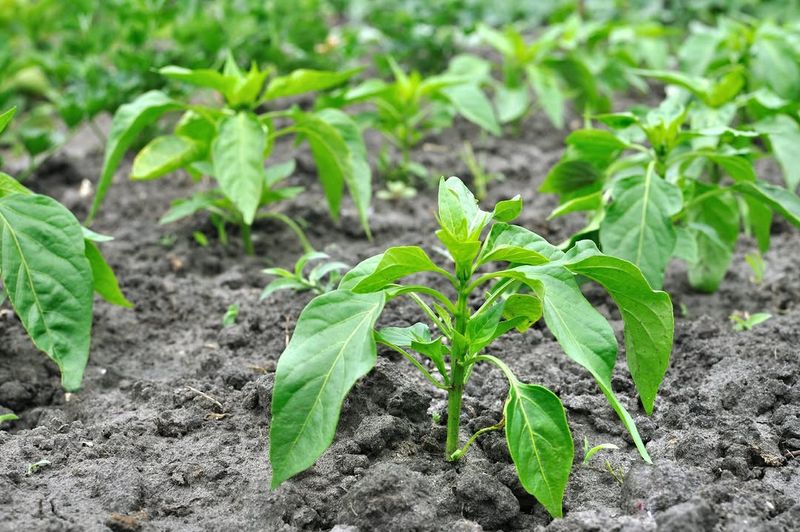
Blossom drop is one of the most discouraging things a pepper grower can experience, and inconsistent watering is one of the biggest reasons it happens.
When plants swing between bone-dry and waterlogged, they respond by dropping flowers before they ever get the chance to develop into peppers.
June is exactly when your plants are ramping up flower production, so steady, reliable watering right now matters more than almost anything else.
Deep watering encourages roots to grow downward, which makes plants more resilient during dry spells.
Rather than sprinkling a little water every day, aim to water thoroughly two to three times per week, allowing the water to soak down several inches into the soil.
Clay soils common in much of North Carolina hold moisture longer and need less frequent watering than sandy coastal soils or loose raised-bed mixes, which drain quickly and may need attention more often.
Container-grown peppers need the most attention because their limited soil volume dries out fast in summer heat.
Blossom drop looks exactly like it sounds: tiny flowers or flower buds falling off the plant before any fruit forms, often leaving just a small green stub behind.
If you notice that happening, check your soil moisture first before assuming anything else is wrong.
Consistent watering alone solves this problem for many gardeners and keeps fruit set moving along smoothly all season.
4. Avoid Excess Nitrogen Once Flowering Begins
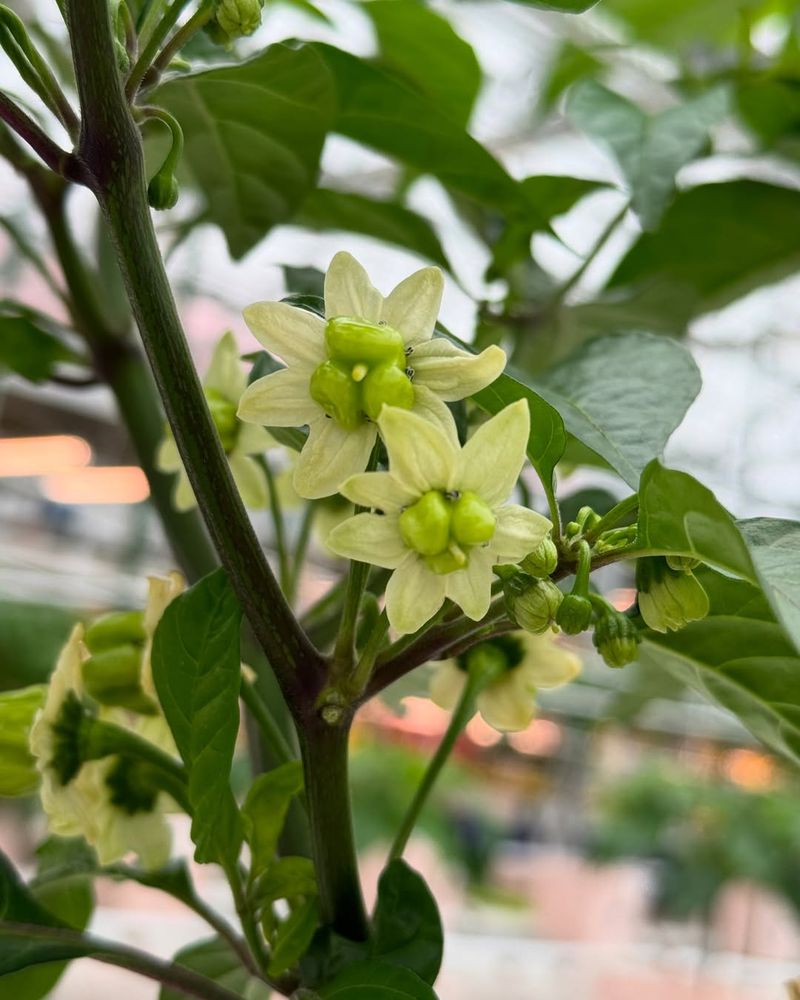
Nitrogen is the nutrient that makes plants grow big and green, but too much of it at the wrong time can actually work against you.
Once your pepper plants start flowering in June, pushing heavy nitrogen fertilizer can cause the plant to put nearly all its energy into producing lush new leaves instead of setting fruit.
You end up with a gorgeous, leafy plant that gives you very few peppers, which is the opposite of what anyone wants after months of work.
Switching to a balanced fertilizer with roughly equal parts nitrogen, phosphorus, and potassium is a smart move once flowers appear.
Something labeled 10-10-10 or a similar balanced vegetable blend works well for most home gardeners.
If you had a soil test done through North Carolina State University Extension, following those specific recommendations gives you the most accurate feeding plan for your exact soil conditions.
Phosphorus-heavy fertilizers are often marketed for blooming plants, but most North Carolina soils already have adequate phosphorus levels, so adding more is rarely necessary and can sometimes cause other nutrient imbalances.
The goal during June is steady, moderate nutrition that supports the whole plant without pushing excessive vegetative growth.
Feed your peppers consistently but not aggressively, and the plants will channel their energy right where you want it, into healthy, well-developed fruit that fills out beautifully through July and August.
5. Inspect Plants Early For Fungal And Bacterial Leaf Problems
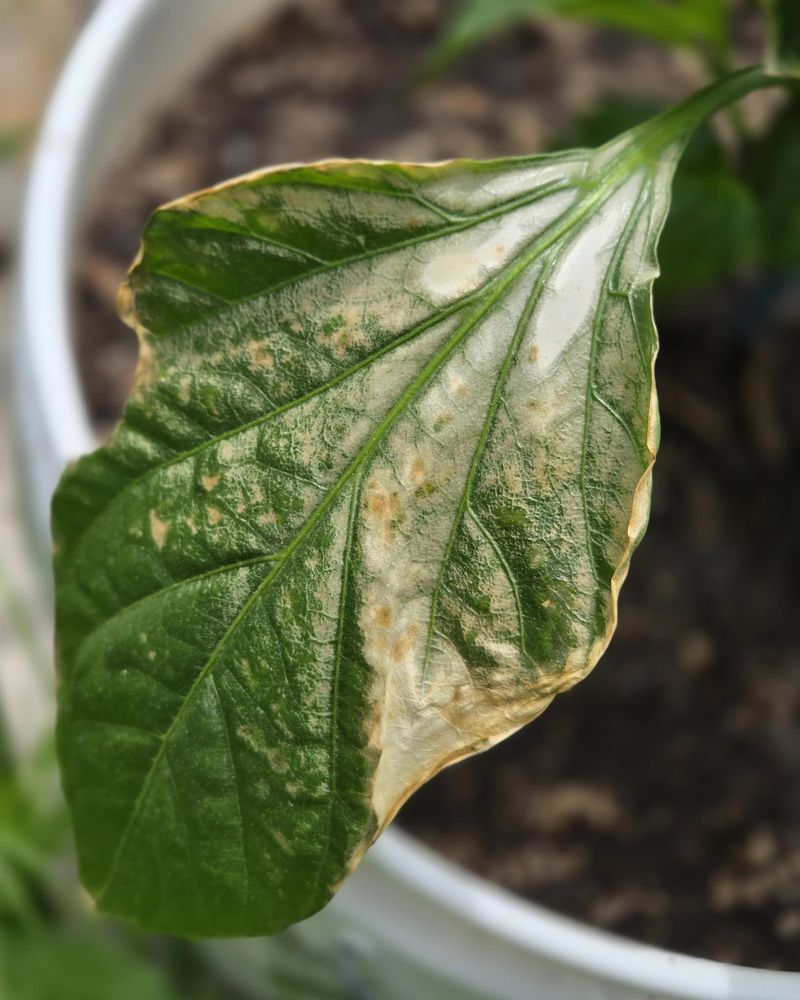
Humidity is North Carolina’s trademark in summer, and while it feels familiar to locals, pepper plants feel the pressure from it every single day.
Warm, moist air creates ideal conditions for fungal and bacterial diseases to take hold, and the frustrating part is that most of them start small and quietly before gardeners notice anything is wrong.
Getting into the habit of checking plants closely at least once or twice a week in June can catch problems before they spread.
Early signs to watch for include small dark or water-soaked spots on leaves, yellowing that starts from the bottom of the plant and moves upward, irregular brown lesions, or leaves that look slightly shriveled even when soil moisture is fine.
Cercospora leaf spot and bacterial leaf spot are both common on peppers in the Southeast and tend to show up right around this time of year when heat and humidity peak together.
Prevention is far easier than treatment once a disease takes hold.
Give plants enough space so air can circulate between them, water at the base rather than overhead, and try to finish watering early in the morning so foliage dries before evening.
Remove leaves that show heavy spotting or lesions, and clean your pruning tools with a diluted bleach solution or rubbing alcohol between plants so you do not spread pathogens from one plant to another.
Catching issues early keeps your whole garden healthier.
6. Improve Airflow Around Crowded Pepper Plants
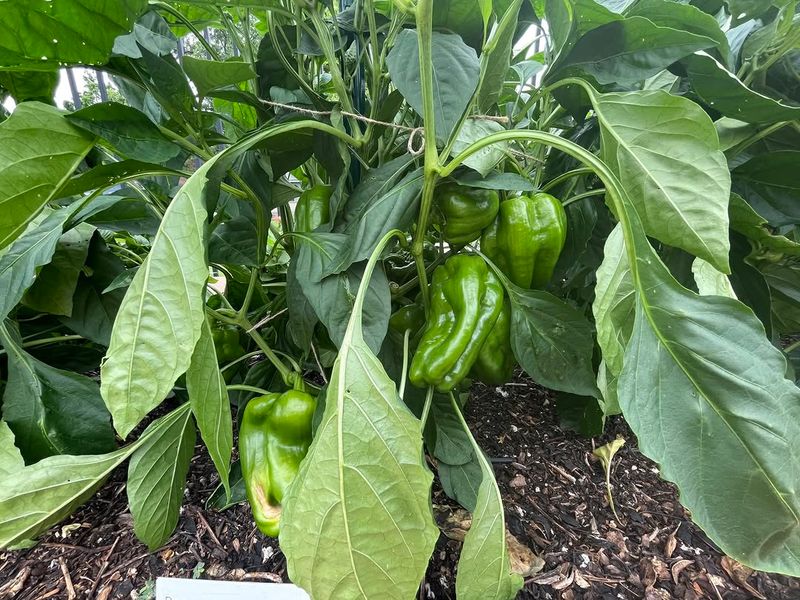
Crowded plants and trapped humidity are a recipe for trouble in a North Carolina summer garden.
When pepper plants grow close together, or when weeds and surrounding vegetation press in from all sides, the air around the lower stems and leaves barely moves.
That stagnant, moist microclimate is exactly where fungal spores thrive, where pests like to hide, and where the first signs of disease almost always appear first.
Improving airflow does not have to mean removing half your garden. Start by pulling any weeds growing close to the base of your pepper plants, since even small weeds trap moisture and restrict circulation near the soil.
Make sure your plants are staked upright so they are not leaning into each other. If you have a few very low-growing branches that touch or nearly touch the soil, removing those carefully can open up the base of the plant significantly.
When it comes to removing leaves to improve airflow, be selective and conservative.
Taking out a handful of damaged, discolored, or densely packed interior leaves is helpful, but heavy pruning can backfire by exposing developing fruit to direct afternoon sun, which causes sunscald on the pepper skin.
The goal is a plant that feels open and airy rather than dense and tangled. Small adjustments made consistently through June go a long way toward keeping your plants clean and productive all the way into fall.
7. Check The Undersides Of Leaves For Early Pests
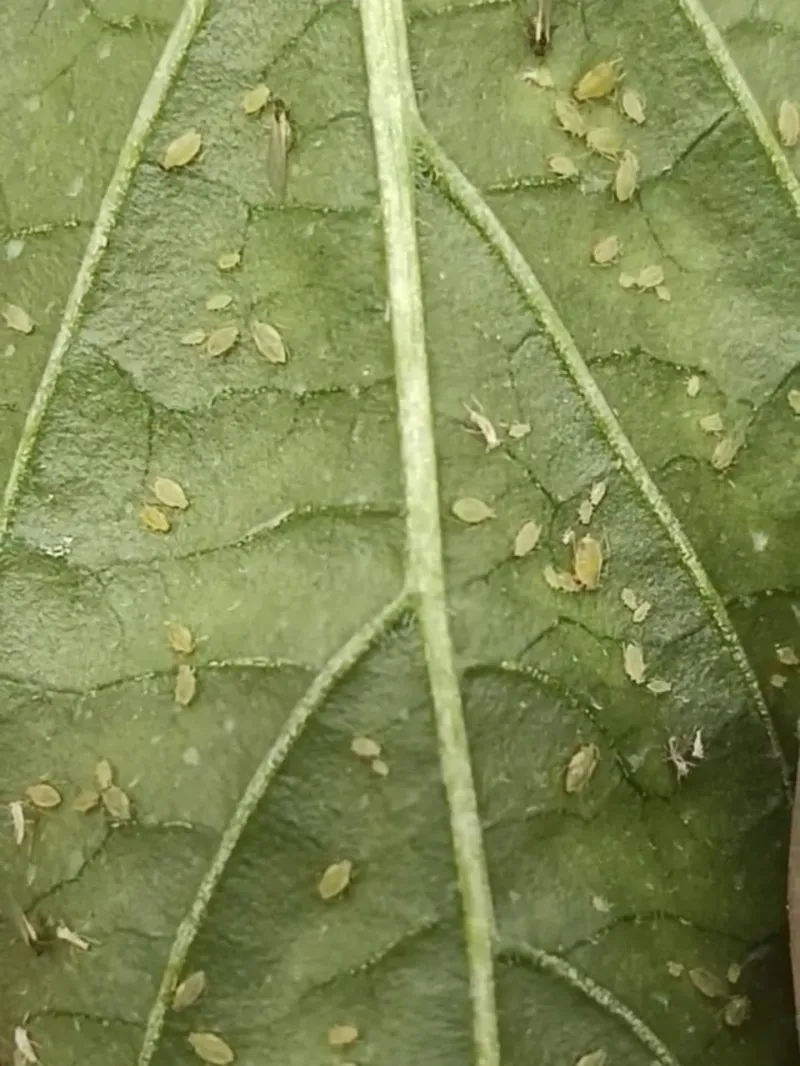
Most gardeners scan the tops of their plant leaves when checking for trouble, but the real action in June often happens on the underside.
Aphids, spider mites, thrips, and whiteflies all prefer to cluster on the lower surface of leaves where they are protected from rain and direct sun.
By the time damage shows up on the top of the leaf, the population underneath has usually been building for a while already.
Aphids look like tiny soft-bodied clusters, often green, yellow, or black, and they tend to gather around new growth and flower buds.
Spider mites are nearly invisible to the naked eye but leave behind a telltale fine webbing and a speckled, dusty look on leaf surfaces.
Thrips cause thin silvery streaks or distorted new growth, while whiteflies flutter out in a small cloud when you brush the plant.
All of these pests reproduce quickly in warm weather, so finding them early makes a huge difference in how easy they are to manage.
For small infestations, a strong spray of plain water directed at the undersides of leaves knocks pests off effectively and is completely safe for beneficial insects like ladybugs and parasitic wasps that naturally help keep pest numbers down.
Insecticidal soap spray is a great next step for heavier infestations and breaks down quickly without leaving harmful residue.
Protect those beneficial insects whenever possible because they are your best long-term allies in the garden.
8. Pull Weeds At The Base Before They Trap Moisture And Compete
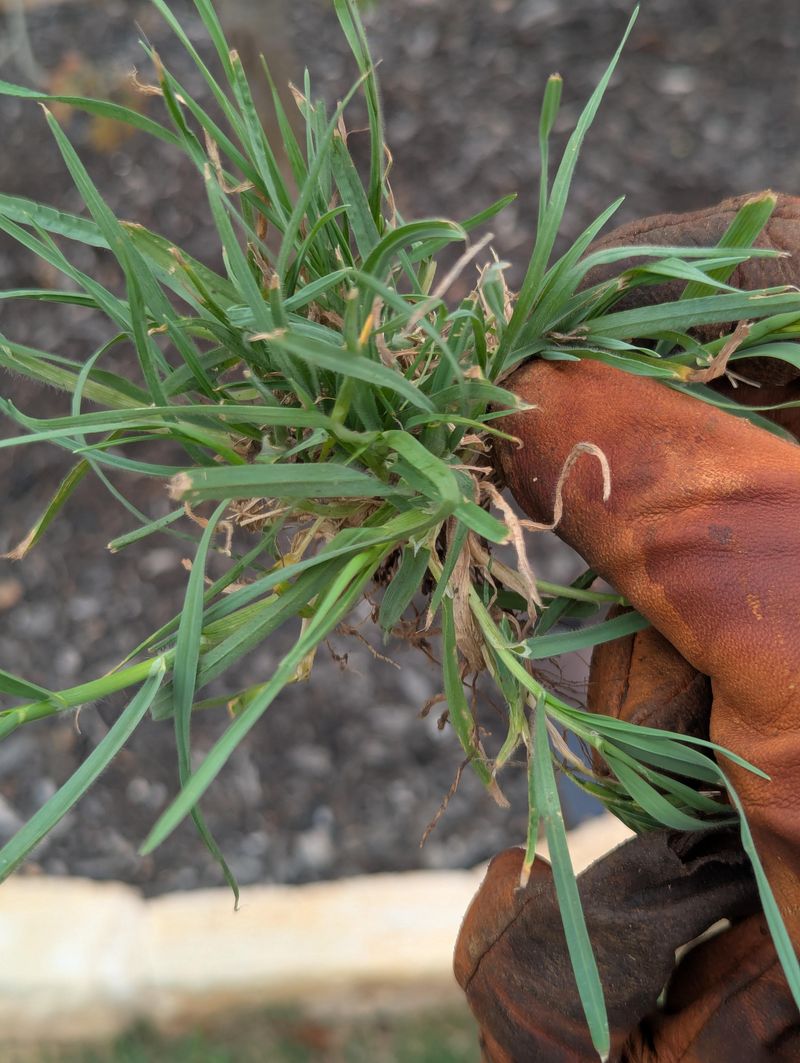
Weeds might seem like a minor annoyance compared to disease and pests, but they cause real problems for pepper plants in ways that are easy to overlook.
Every weed growing close to your pepper plants is competing for the same water, the same nutrients, and the same soil space.
In June, when your peppers are actively flowering and setting fruit, that competition hits at exactly the wrong time and can slow growth or reduce your harvest noticeably.
Beyond competing for resources, weeds create dense, humid pockets of air right at the base of your plants.
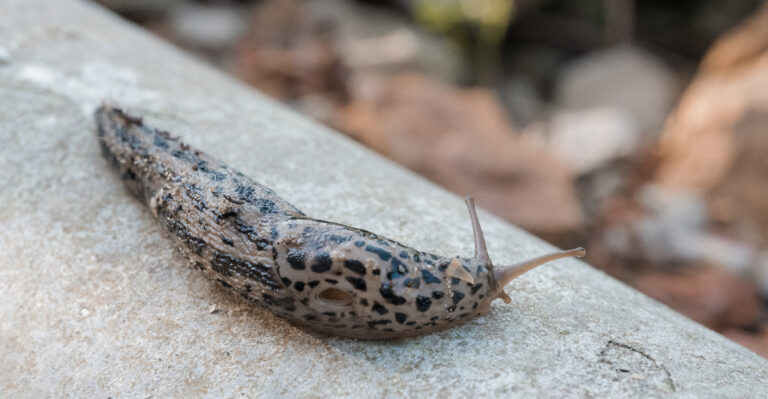
That low-level moisture is a perfect environment for fungal spores, slugs, and soil-dwelling pests that can move up onto your peppers from the ground.
Weeds also make it harder to see what is happening at the base of the plant, so problems like stem rot or early pest activity can go unnoticed much longer than they should.
June is genuinely the best month to get ahead of weeds because their roots have not yet tangled deeply with your pepper roots.
Hand-pulling while the soil is moist after a rain is the easiest approach and removes the entire root rather than just snapping the top.
After weeding, lay down a fresh layer of mulch to suppress new weed seeds from germinating.
A clean, well-mulched bed in June means far less weeding work through the hotter and busier months of July and August.
9. Remove Early Flowers Only On Small Or Newly Planted Peppers
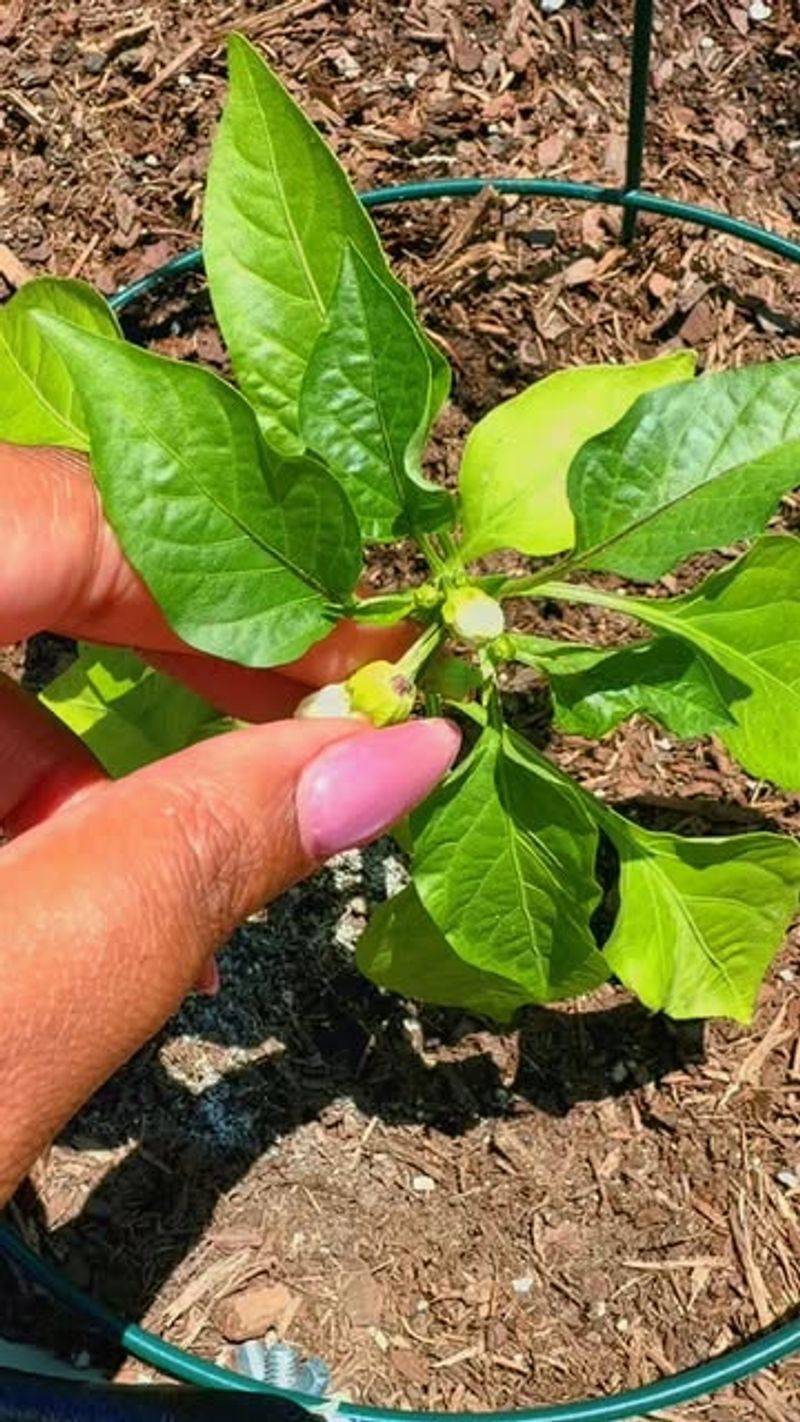
Pinching flowers off pepper plants sounds counterintuitive, but for small or recently transplanted peppers, it can genuinely pay off later in the season.
When a young plant puts energy into producing fruit before its root system is fully established, it often struggles to support both growth and fruiting at the same time.
Removing those first few flowers gives the plant a chance to build stronger roots, develop more branching, and prepare for a much heavier fruit load a few weeks down the road.
The plants that benefit most from early flower removal are noticeably small compared to other plants in the bed or showed signs of stress during transplanting such as wilting or very slow early growth.
For these plants, removing flowers for the first two to three weeks after planting can lead to noticeably better production once they hit their stride.
Healthy, well-established pepper plants that went in the ground in April or early May and are already growing vigorously do not need their flowers removed in June.
Those plants are ready to fruit, and pulling flowers off mature, strong plants only delays your harvest without any real benefit.
The key is reading each plant individually rather than applying one rule to the whole garden.
Strong plants set fruit now, while younger or weaker ones get a little more time to grow before they take on that responsibility.