Why Tick Problems Are Getting Worse In Michigan And What Gardeners Can Do
Michigan gardeners who have been paying attention over the past several years have noticed something that the data backs up.
Ticks are showing up earlier in the season, in more parts of the state, and in yards that never used to have much of a problem.
This isn’t a matter of perception or heightened awareness. The range of tick species present in Michigan has genuinely expanded, and the conditions that allow them to thrive have shifted in ways that aren’t reversing anytime soon.
Understanding why this is happening matters because it changes the approach. Treating the situation like the tick problem of ten years ago means using strategies that no longer match the reality on the ground.
Gardeners have real options for pushing back on this through thoughtful yard management, and several of them work better than the standard advice most people are still following.
1. Warmer Winters Let More Ticks Stay Active
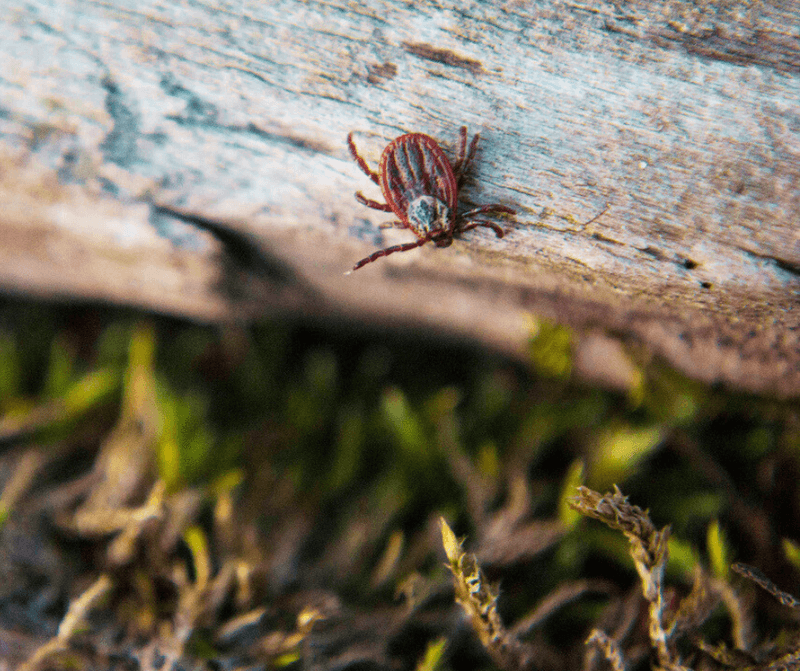
Most people assume the first hard frost takes care of tick problems for the season, but that is not quite how it works. Blacklegged ticks, also known as deer ticks, can stay active in temperatures just above freezing.
A mild December or an early March warm-up can bring them back out before most gardeners are even thinking about yard work.
Michigan winters have been trending warmer over recent decades, and that shift gives ticks more days of activity each year.
Ticks that might have struggled to survive a harsh winter now have a much better chance of making it to spring. That means more ticks are entering the new season ready to feed and reproduce.
Gardeners can respond by starting yard checks earlier in the year. Walk your wooded borders, dog runs, and play areas in late winter and early spring, before the growing season kicks in.
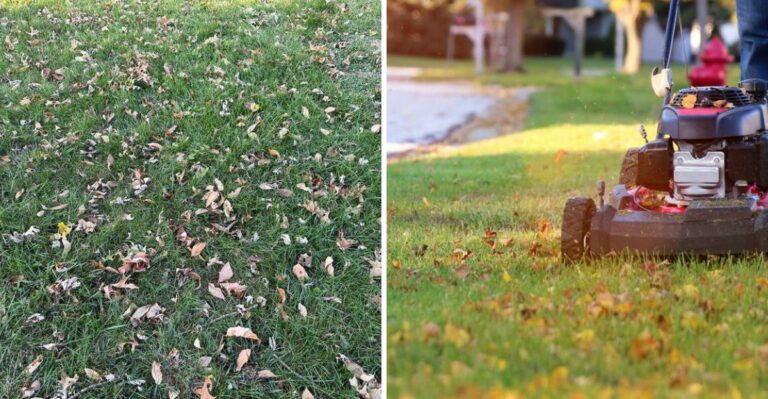
Keep leaf litter raked away from high-use spots, mow and edge before grass gets tall, and check pets and clothing after any outdoor time.
You cannot control what the weather does regionally, but you can reduce tick-friendly habitat close to home. Early-season awareness is one of the most practical habits you can build.
2. Deer And Other Wildlife Carry Ticks Into Yards
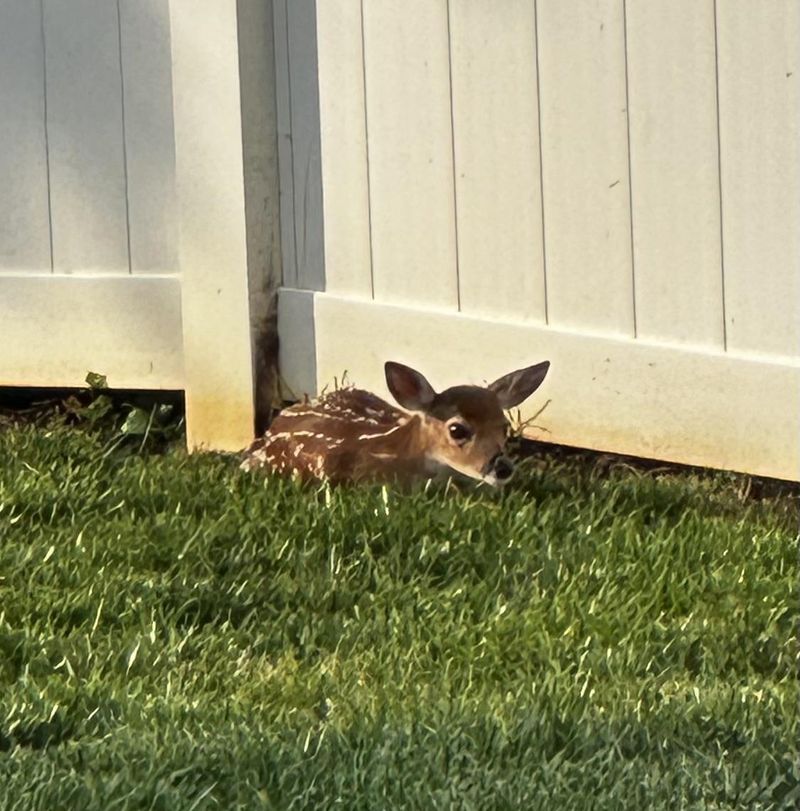
Blacklegged ticks earned the nickname deer ticks for a good reason. Adult ticks commonly feed on deer, and wherever deer roam, ticks tend to follow.
Michigan neighborhoods that border natural areas, parks, or farmland see deer moving through regularly, and each visit can introduce new ticks into the yard.
Birds and small mammals play a role too. Robins, sparrows, chipmunks, and mice all move ticks from one spot to another during different stages of the tick life cycle.
The issue is not just deer, even though they are the most visible carriers. A yard that attracts a lot of wildlife near patios and play spaces is a yard with higher tick exposure.
Smart landscaping choices can help reduce that overlap. Avoid intentionally feeding deer or leaving out food that draws them close to the house.
Choose plants near entryways and seating areas that deer find less appealing, such as lavender, catmint, or yarrow. Use fencing where practical to guide deer movement away from high-use zones.
Your Michigan Garden Changes Every Week. Your Plan Should Too.
Gardening in Michigan changes quickly throughout the season. Every Friday you’ll receive a simple weekly plan showing exactly what to plant, prune, fertilize, harvest, and protect so you never miss the right timing.
Keep brush piles, dense shrubs, and fallen fruit away from places where your family spends time.
The goal is not to push every animal out of your landscape, but to avoid concentrating tick-carrying wildlife right where people and pets gather most often.
3. Dense Vegetation Creates Humid Tick Habitat
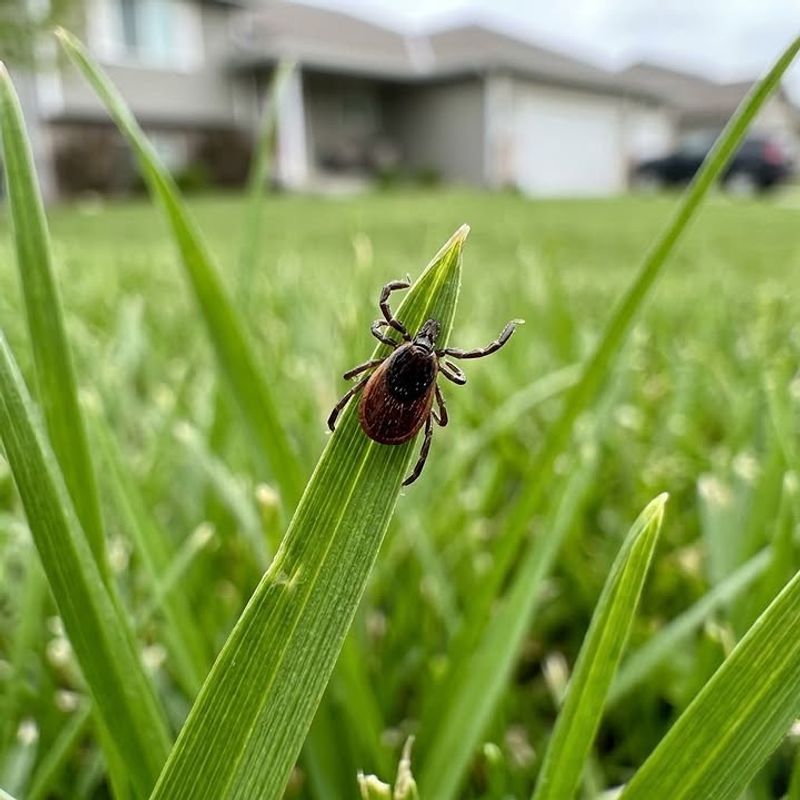
Ticks cannot handle dry, sunny conditions for long. They need humidity to survive, and a yard full of tall grass, crowded shrubs, overgrown groundcover, and weedy fence lines gives them exactly the shaded, damp environment they are looking for.
Thick vegetation at ground level acts almost like a sponge, holding moisture and blocking the airflow that would otherwise dry things out.
Keeping your lawn mowed between 2.5 and 3.5 inches makes a real difference. Grass at that height stays healthy while allowing more sunlight and air to reach the soil surface.
Trim edges along fences, wooded borders, and garden paths regularly. When shrubs grow so thick that their lower branches touch the ground, they create a sheltered travel lane for both ticks and the small animals that carry them.
Thinning crowded plantings and cutting back plants that spill onto walkways improves airflow and reduces damp hiding spots near places people use daily.
Removing low dry branches from trees and shrubs eliminates another layer of cool, shaded cover. You do not need a sparse or minimalist yard to lower tick habitat.
A well-maintained, thoughtfully pruned garden with good sun exposure at ground level is far less welcoming to ticks than one that has been left to grow freely without regular attention.
4. Fewer Natural Checks Can Make Tick Problems Harder To Manage
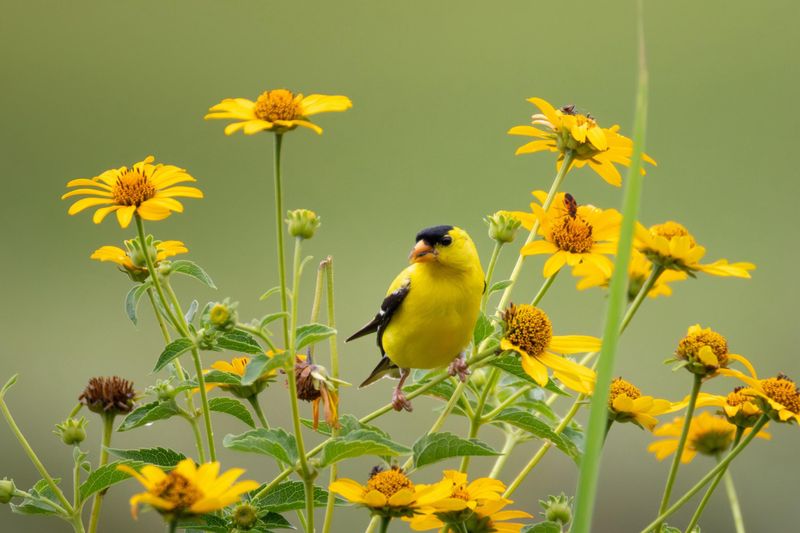
You may have heard that attracting birds, spiders, or other predators to your yard will handle tick problems naturally.
While it is true that some animals eat ticks occasionally, counting on predators alone to control tick populations at a yard scale is not a realistic strategy.
Tick numbers are influenced by far more than what eats them.
That said, building a healthy, diverse yard ecosystem still matters. Planting native flowers and shrubs supports a wider range of beneficial insects and birds, which contributes to overall garden health.
Reducing unnecessary pesticide use protects ground beetles, spiders, and other creatures that prey on small insects in the soil layer. These habits do not eliminate ticks, but they support a more balanced outdoor environment.
Where gardeners need to be careful is in assuming that wildlife-friendly landscaping cancels out tick risk. Dense brush, messy seed piles, and unmanaged debris can shelter the rodents that actually maintain tick populations near homes.
Supporting birds with clean feeders placed away from play areas is a reasonable choice. Avoiding the thick, weedy cover that mice and chipmunks love near patios and porches is equally important.
Wildlife-friendly gardening and tick-aware landscaping are not opposites, but they work best when high-use spaces stay open, dry, and well-maintained throughout the season.
5. More Homes And Recreation Near Wooded Edges Increase Exposure
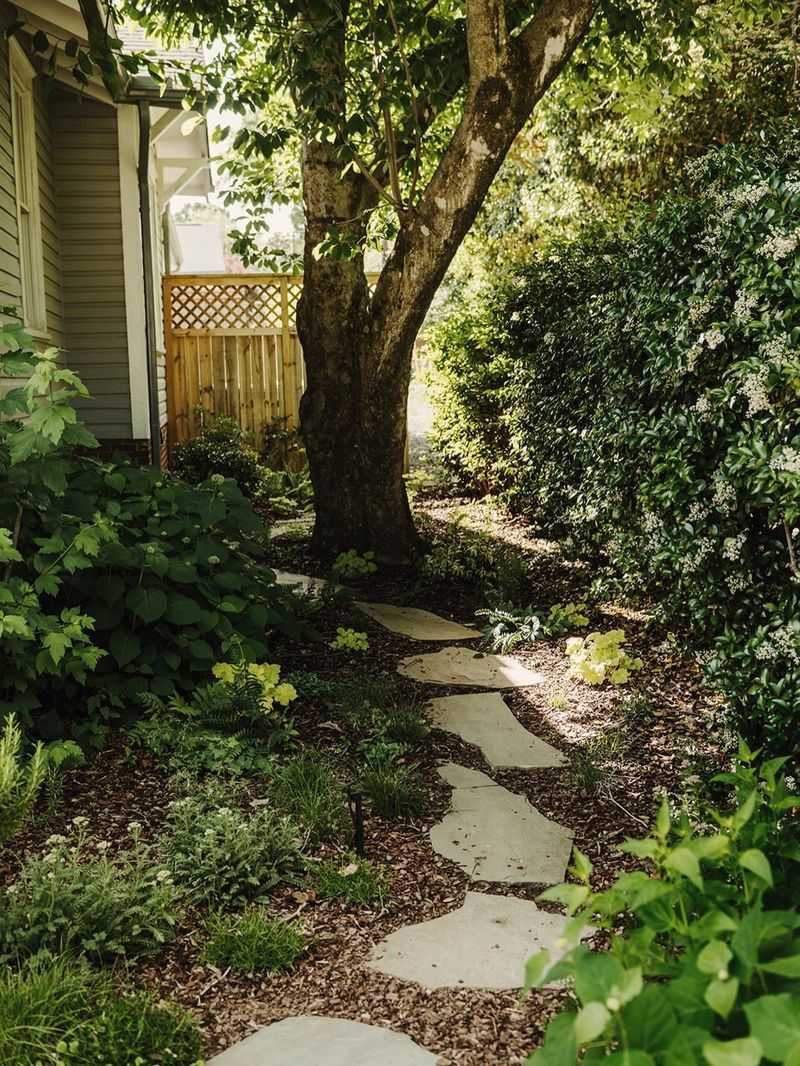
Michigan has seen steady growth in neighborhoods, trail systems, and recreational areas that sit right next to forests, brushy lots, and natural edges.
That overlap between where people live and where wildlife habitat begins is exactly where tick encounters happen most often.
The transition zone between a mowed lawn and a wooded border is one of the highest-risk spots on any property.
Yard layout choices can reduce how much time people and pets spend in those higher-risk zones. When possible, place patios, seating areas, swing sets, and dog runs away from wooded borders and toward the more open, sunny center of the yard.
Keep garden paths wide and trimmed so walkers stay out of brushy edges. A strip of dry wood chips or gravel between the lawn and the tree line creates a simple physical barrier that ticks are less likely to cross.
Removing leaf litter from high-use zones reduces the damp cover ticks rely on near your most-used outdoor spaces.
After gardening, mowing, or playing near wooded edges, encourage everyone in the family to do a thorough tick check before coming inside.
Pets should be checked too. These habits take only a few minutes and can catch ticks before they have a chance to attach.
Consistent awareness near wooded borders is one of the most straightforward protective steps any Michigan gardener can take.
6. Overwatering And Poor Drainage Create Damp Microclimates
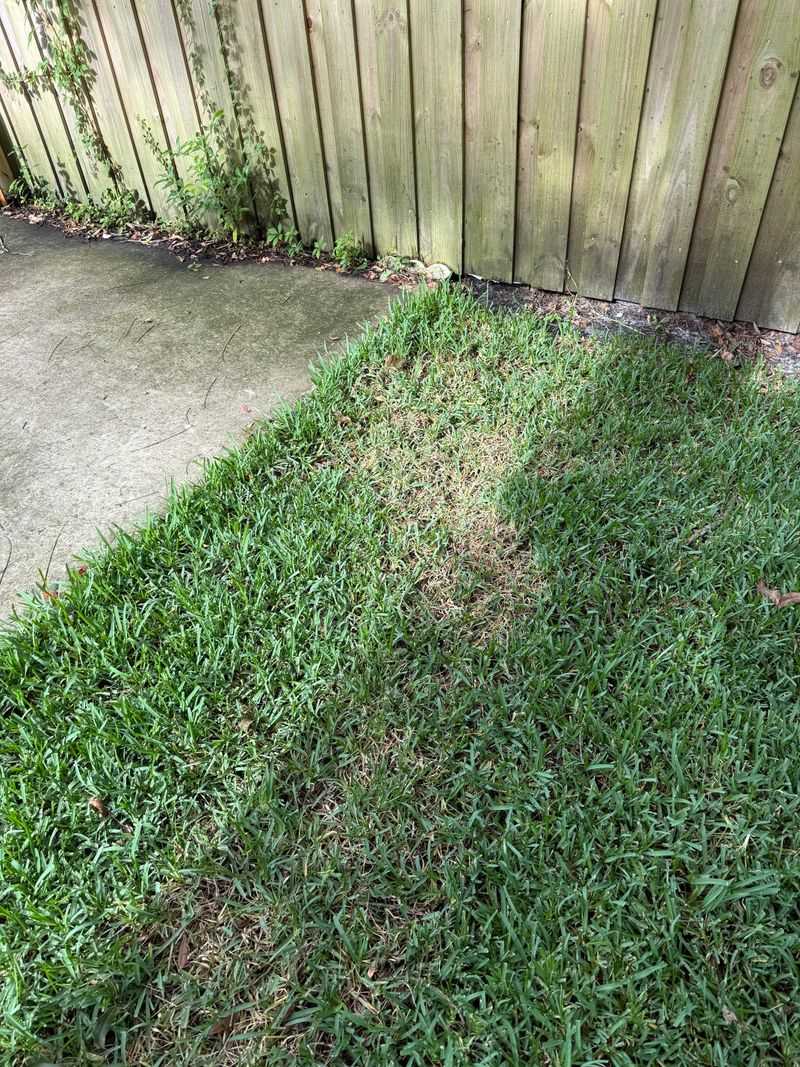
Water does not draw ticks the way a bird feeder draws birds, but ticks are extremely sensitive to drying out.
A yard with consistently wet soil, soggy groundcover, and shaded low spots creates the kind of humid microclimate where ticks can survive much longer than they would in a dry, sunny space.
Overwatering is one of the easiest habits to change, and it benefits both your plants and your yard’s tick profile.
Watering deeply but less often encourages roots to grow downward and allows the soil surface to dry between cycles. Switching to early morning watering lets grass and foliage dry out during the day rather than staying wet overnight.
Adjusting sprinklers after a rain event seems obvious, but many automated systems run on a fixed schedule regardless of what the weather has done.
Beyond irrigation habits, look at how water moves through your yard overall. Extending downspouts away from foundations keeps water from pooling near the house.
Filling low ruts in the lawn, aerating compacted areas, and replacing persistently soggy weed patches with better-drained plantings all reduce the damp conditions that help ticks linger.
Healthy, evenly moist soil is the goal for your garden, not waterlogged ground that never fully dries.
Small drainage improvements can shift your yard’s microclimate in ways that benefit both plants and people spending time outside.
7. Leaf Litter, Brush Piles, And Poorly Managed Compost Provide Cover
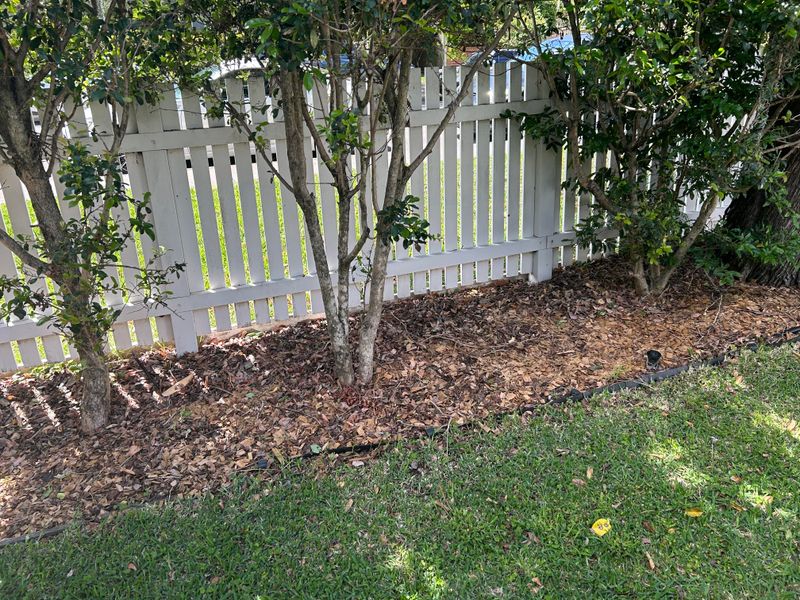
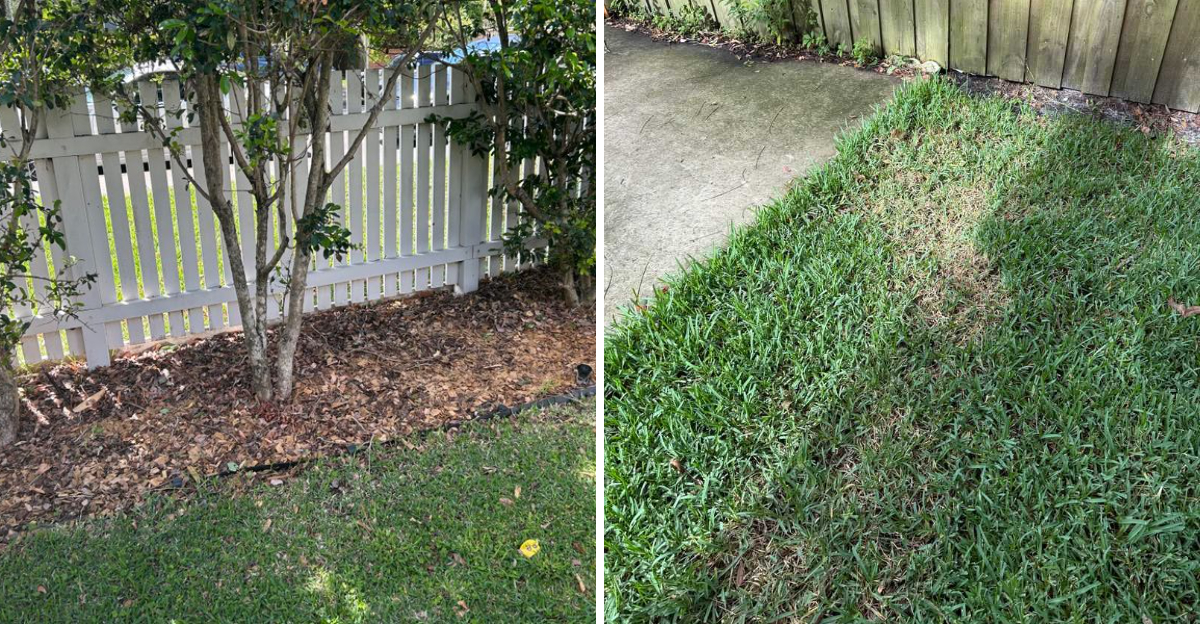
Leaf litter might look harmless sitting against a fence or under a shrub, but it is actually prime tick real estate. Damp, decomposing leaves hold moisture, stay cool, and give ticks a protected layer to rest and travel through.
Mice and chipmunks, which are key hosts for immature ticks, love the same conditions. A thick layer of unmanaged leaves near your patio or play area is quietly working against you.
Brush piles are even more inviting. Stacked branches and yard debris create a sheltered, humid environment that small mammals move through regularly.
Ticks hitch rides on these animals and end up deposited throughout the yard. Keeping brush piles far from the house and away from high-use areas reduces that transfer significantly.
Compost areas deserve attention too. A pile that sits open, wet, and full of food scraps attracts rodents, which in turn support tick populations nearby.
Using a contained compost bin, turning the pile regularly, and keeping food scraps covered makes the area far less appealing to animals.
Stick to a cleanup rhythm through spring, summer, and fall, focusing on paths, patios, dog runs, shed perimeters, and wooded edges.
Leaf mulch in low-traffic habitat corners is fine, but near the places your family uses most, keeping things clear and dry is one of the simplest and most effective tick-reduction habits you can maintain.
8. Rodent Habitat Can Raise Local Tick Risk
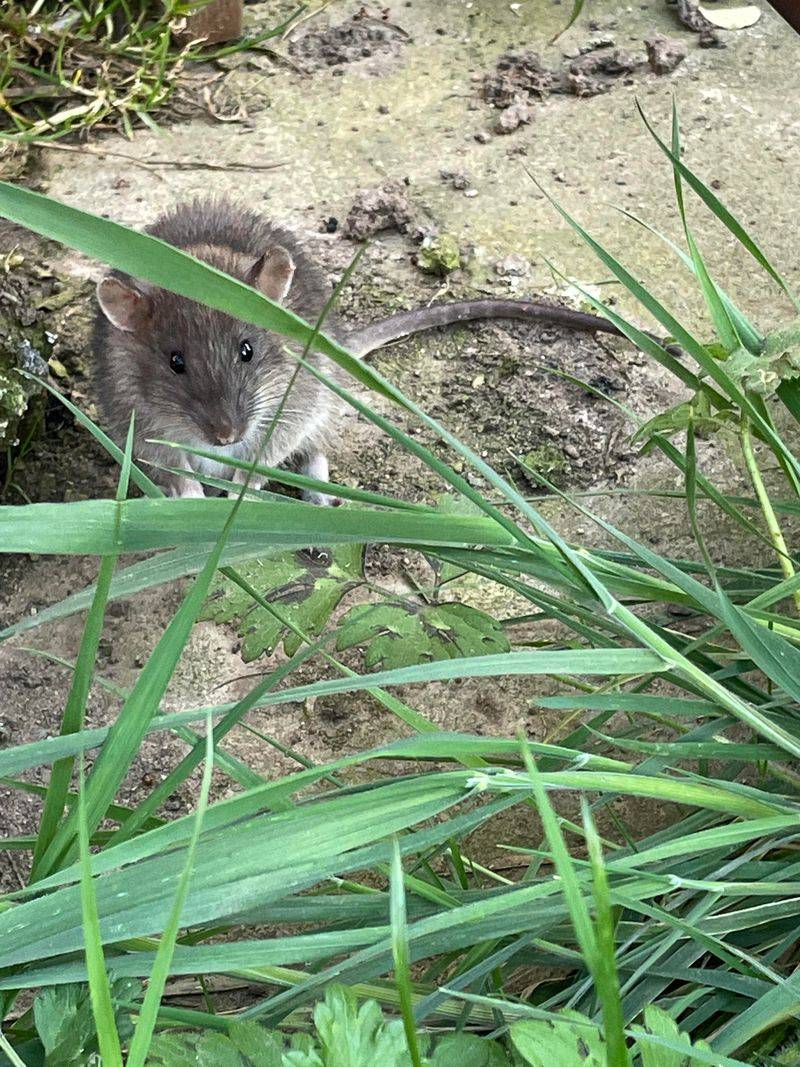
Deer get most of the attention when people talk about ticks, but small mammals are actually central to how tick populations grow close to homes. Mice, chipmunks, and squirrels serve as hosts for immature ticks, especially larvae and nymphs.
When these animals move through a yard, they carry ticks with them and deposit them in new spots throughout the season. Yards that offer good rodent shelter tend to have higher tick activity nearby.
Gaps under sheds, junk piles, firewood stacked directly on the ground, dense weeds along foundations, and messy fence lines all create the kind of covered, protected spaces that small mammals prefer.
Birdseed spilled on the ground is another overlooked attractant that draws rodents in close to the house.
Practical habitat management makes a meaningful difference. Seal gaps under sheds and outbuildings.
Stack firewood neatly off the ground in a dry, open spot away from the house. Clear dense weeds and overgrowth from along foundations and fence lines.
Use a contained compost bin and keep the area around it tidy. Trim vegetation that grows low and thick against stone walls or fence posts.
These steps do not remove every small animal from your landscape, and they are not meant to. The focus is on reducing the sheltered cover that concentrates rodents and their tick passengers in the spaces your family and pets use most often.
9. Mulch Can Help Or Hurt Depending On Placement
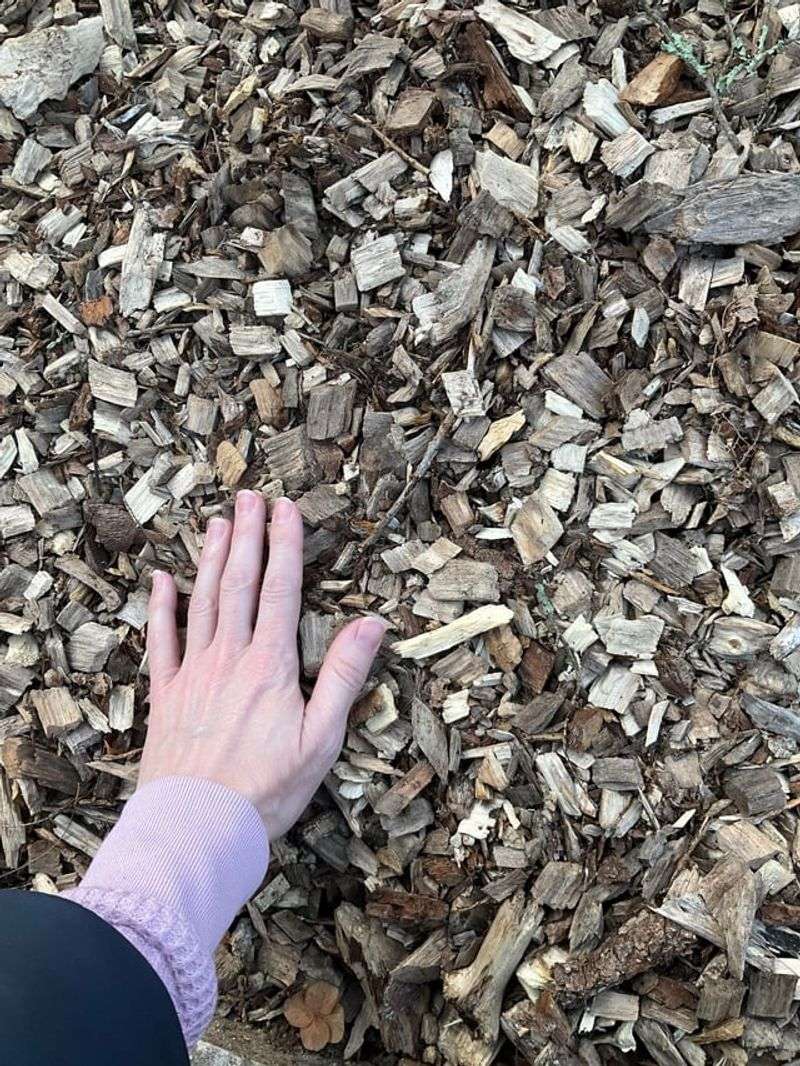
Mulch has a bit of a split personality when it comes to ticks. Used correctly, it is one of the most practical tools a Michigan gardener has.
Used carelessly, it can actually make tick conditions worse. The difference comes down almost entirely to placement and how well the mulch is maintained over time.
Public health guidance, including recommendations from the CDC, suggests placing a roughly three-foot-wide barrier of wood chips or gravel between wooded areas and your lawn.
That dry transition strip discourages ticks from crossing into mowed, high-use spaces. It works best when kept free of leaves and weeds so it stays dry and open rather than becoming another damp layer of cover.
Around garden beds and foundation plantings, keep mulch between two and three inches deep. Pull it back from plant stems and from the house foundation so moisture does not build up in those spots.
Rake or refresh matted mulch that has compacted and begun holding water rather than draining freely. Thick, wet, leaf-filled mulch piled against shrubs or play areas gives ticks exactly the humid shelter they need.
Gravel or wood chips used as a dry buffer along woodland edges serve a genuinely protective function. The same materials piled wet and deep in the wrong spots work against you.
Thoughtful placement turns mulch from a risk factor into a real line of defense.
10. Layering Several Controls Works Better Than One Trick
No single yard habit is going to eliminate ticks, especially if your property borders woods or wildlife habitat. Anyone who promises a one-step solution is oversimplifying a genuinely complex problem.
What actually works is combining several reasonable practices consistently over time, which gradually reduces the conditions that support ticks near the places you use most.
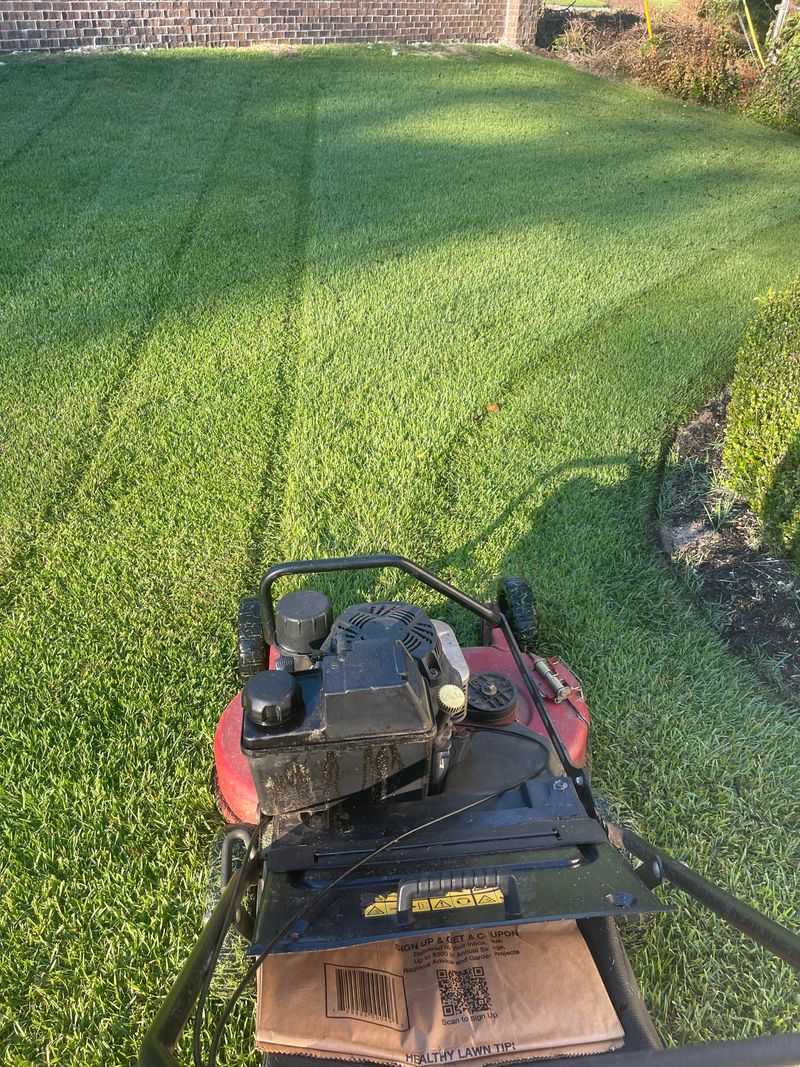
Mowing regularly, pruning dense shrubs, clearing leaf litter, fixing drainage problems, managing rodent shelter, using dry transition zones, and protecting pets with veterinarian-recommended tick prevention all work better together than any one of them does alone.
After a wet spring or a mild winter, step up your monitoring and pay closer attention to high-use areas. Those are the seasons when tick activity tends to climb.
Personal protection matters just as much as what you do to the landscape. Wear light-colored clothing with long sleeves and pants tucked into socks when working near wooded edges or brushy areas.
Use an EPA-registered repellent when tick pressure is high. Do a thorough tick check after any outdoor work, and make it a habit for children and pets too.
If tick pressure in your yard seems unusually high despite good management, consider consulting a qualified pest management professional about targeted treatment options.
Combining cultural habits, landscape design, personal protection, and professional guidance when needed gives Michigan gardeners the most realistic and effective path to a safer outdoor space.