8 Surprising Pennsylvania Backyard Changes Birds Will Thank You For In Summer
Pennsylvania summers are one of the best times to have a backyard, and many homeowners are completely underusing theirs.
Not in terms of barbecues or lawn furniture. In terms of what the yard could actually be doing for the birds passing through it every single day.
American goldfinches, scarlet tanagers, cedar waxwings, ruby-throated hummingbirds. They are all out there right now, navigating a landscape that has less food, less water, and less shelter than it used to have.
However, some of the most effective changes are ones many homeowners would never think to make, and a few of them might genuinely surprise you.
Pennsylvania birds are already in your neighborhood. Here is how to give them a reason to stay.
1. Offer Fresh Water Stations In Shallow Basins For Songbird Relief
When July hits in Pennsylvania, birds are not just uncomfortable. They are actively working to stay cool and hydrated while also raising chicks, defending territory, and finding enough food to keep going.
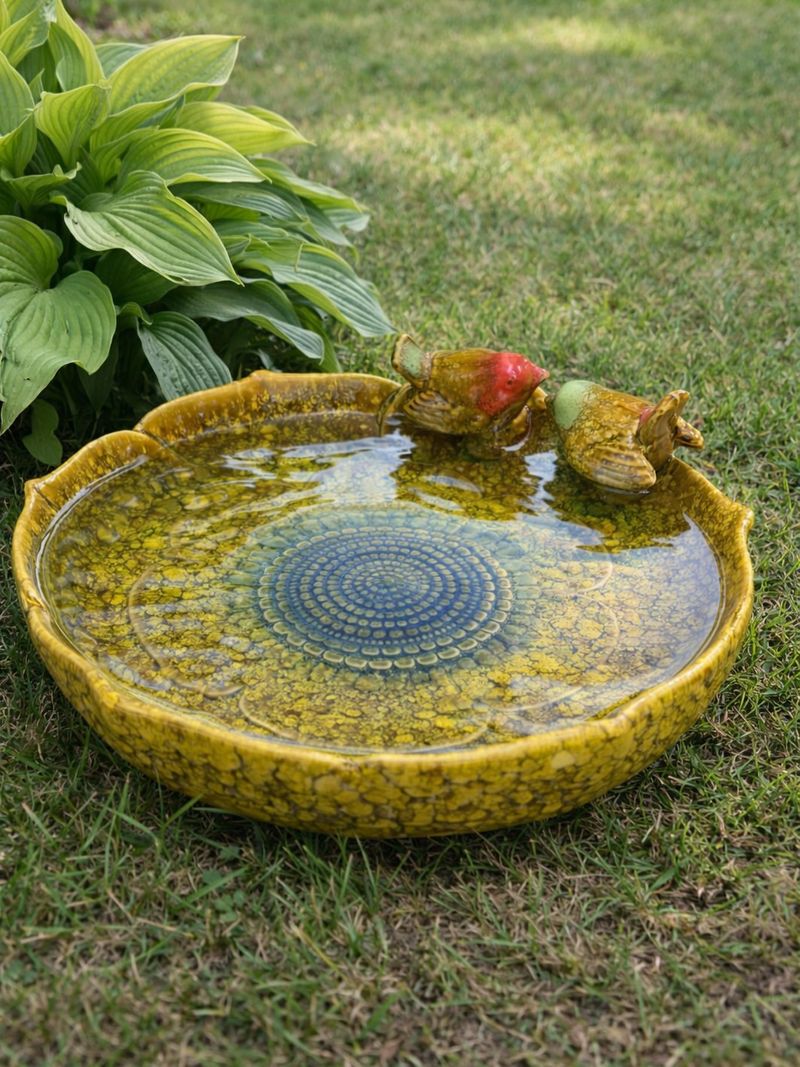
A shallow basin of fresh water does more than you might expect. Birds need water for both drinking and bathing throughout summer, especially when natural sources dry up during dry spells.
Shallow basins, about one to two inches deep, work best for most songbirds. A deeper dish can actually discourage smaller birds from using it at all.
Place the basin in a shaded spot to slow evaporation and keep water cooler through the hottest hours. Refresh it every day or two to prevent mosquito breeding and algae buildup. Neither of those things takes long, and both matter significantly.
Adding a small dripper or wiggler creates movement that attracts birds from a surprising distance. Birds locate water by sound as well as sight, and the sound of moving water is genuinely hard for them to resist.
Clean the basin with a scrub brush weekly. Placing a few flat stones inside gives smaller birds a confident perch rather than a precarious edge.
Moving water also pulls in species that never visit feeders. Warblers and thrushes are regulars at water features but rarely show up for seeds.
Your birdbath might end up being more popular than your feeder this summer. Some birds have their priorities sorted out better than we do.
2. Add Native Flowering Shrubs For Summer Nectar And Shelter
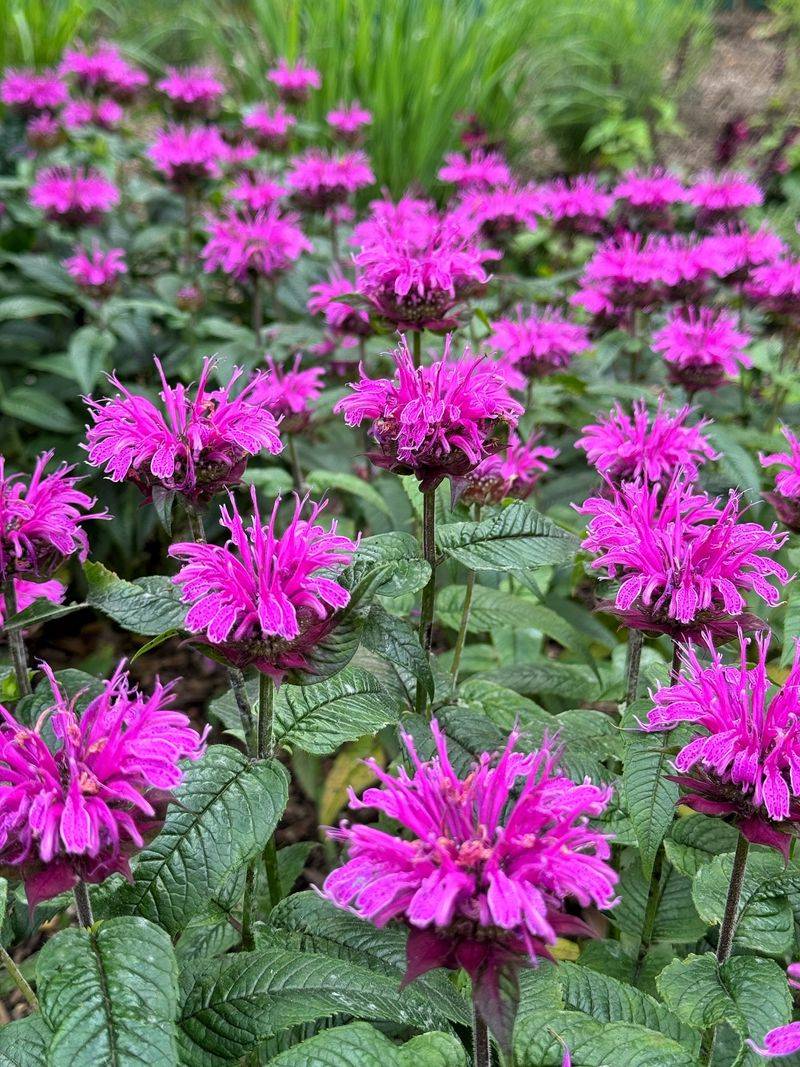
A ruby-throated hummingbird hovering in front of a blazing red bee balm bloom on a warm Pennsylvania morning? Well, that’s one of those backyard moments that makes everything else feel secondary.
Native flowering shrubs and perennials do double duty in a yard. They offer nectar-rich food and protective cover for birds at the same time.
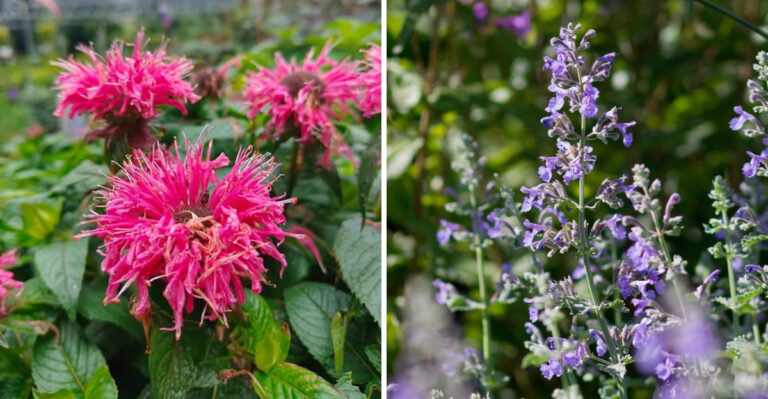
Bee balm, or Monarda, is a Pennsylvania native that thrives in full sun to partial shade and produces tubular flowers that hummingbirds actively seek out.
Garden phlox and native butterfly weed are strong companion choices that bloom from midsummer into early fall, extending the nectar window considerably.
Native plants have evolved alongside local wildlife over thousands of years. That relationship makes them far more useful to birds and the insects birds depend on than non-native alternatives.
Your Pennsylvania Garden Changes Every Week. Your Plan Should Too.
Gardening in Pennsylvania changes quickly throughout the season. Every Friday you’ll receive a simple weekly plan showing exactly what to plant, prune, fertilize, harvest, and protect so you never miss the right timing.
Dense shrubs like native viburnums and buttonbush go beyond nectar. They provide thick cover where birds hide from predators, roost during peak afternoon heat, and sometimes nest.
A layered planting scheme with tall shrubs in back and shorter flowering plants in front mimics natural habitat edges that birds find genuinely attractive.
One note worth knowing: the butterfly bush sold at many garden centers is non-native and considered invasive in Pennsylvania. Stick with native options for meaningful results.
Beautiful yard. Thriving birds. Fewer trips to the garden center to replace plants that were never right for this climate in the first place.
3. Plant Berry Producers Like Serviceberry And Elderberry For Food
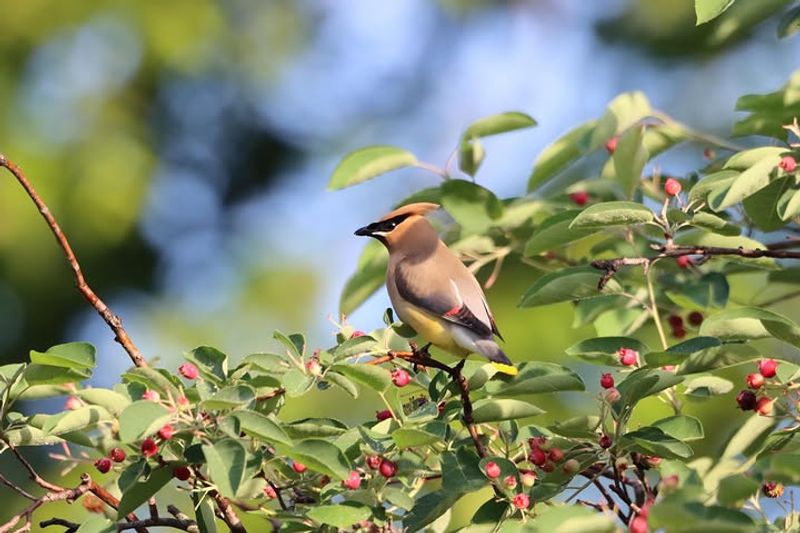
Cedar waxwings travel in flocks and can strip a serviceberry tree clean in a single afternoon. That sounds alarming until you actually watch it happen, and then it becomes one of the more spectacular things a Pennsylvania backyard can offer.
Planting berry-producing native trees and shrubs is one of the fastest ways to bring genuine bird diversity right to your property.
Serviceberry, known locally as Juneberry, produces sweet bluish-purple berries in late spring to early summer.
It is one of the first native fruits to ripen, making it a critical food source for birds fresh from migration and fledglings just leaving the nest for the first time.
Elderberry follows later in summer with heavy clusters of dark berries that attract a remarkable range of species. Both plants adapt well to Pennsylvania soil types and perform in full sun to partial shade.
Elderberry can grow quite large, so give it space or plant it as a back border shrub. Serviceberry works beautifully as a small ornamental tree near a patio or lawn edge.
Beyond feeding adult birds, these plants support fledglings during the demanding weeks after they first leave the nest. Young birds need soft, easily digestible food, and ripe berries deliver exactly that.
Planting one or two of these species essentially installs a living pantry in your yard.
The birds will find it faster than you expect. Cedar waxwings, in particular, have an almost suspiciously good intelligence network.
4. Leave Some Leaf Litter For Ground Foragers To Explore
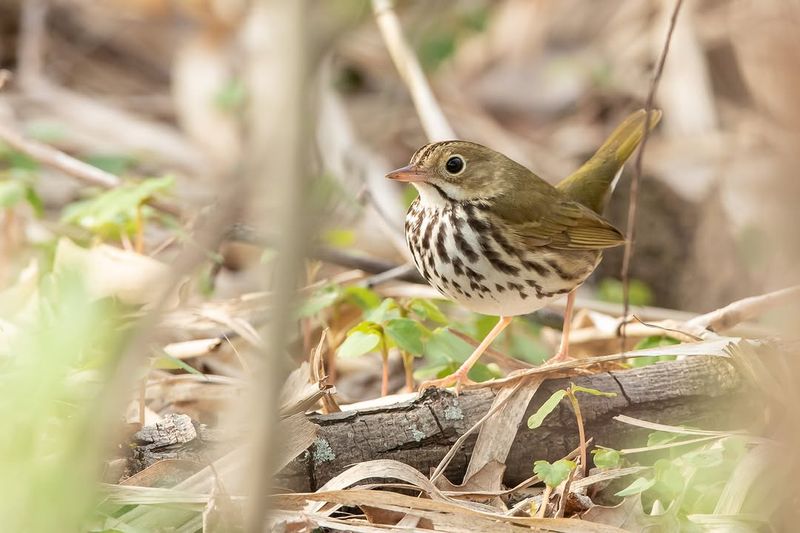
Many people rake their yards spotless and consider the job done. To a towhee or a wood thrush, a bare patch of ground is essentially an empty table.
Leaf litter is a functioning ecosystem. It shelters beetles, earthworms, centipedes, spiders, and dozens of other invertebrates that ground-foraging birds depend on through summer.
Many native birds, including ovenbirds, towhees, and hermit thrushes, scratch through leaf debris to find the bulk of their warm-season diet. Without that layer, the food chain simply does not exist in that part of your yard.
A thin layer of leaves under shrubs or along a fence line is genuinely all it takes. A messy yard is not the goal.
Keeping leaf litter in defined areas, like a naturalized garden bed or a shaded back corner, provides habitat without disrupting the rest of the lawn.
Insects living in leaf litter are also critical protein for nestlings. Baby birds need insect-based nutrition to grow quickly, and a cleared yard removes that source entirely.
The practical move is simple. Leave a modest amount of natural debris in low-visibility corners and let it work quietly on your behalf.
You do not have to tell anyone it is intentional. Let them assume you are just very relaxed about leaf cleanup. The birds will know the truth, and they will appreciate it regardless of your cover story.
5. Grow Sunflowers And Coneflowers To Feed Seed Loving Birds
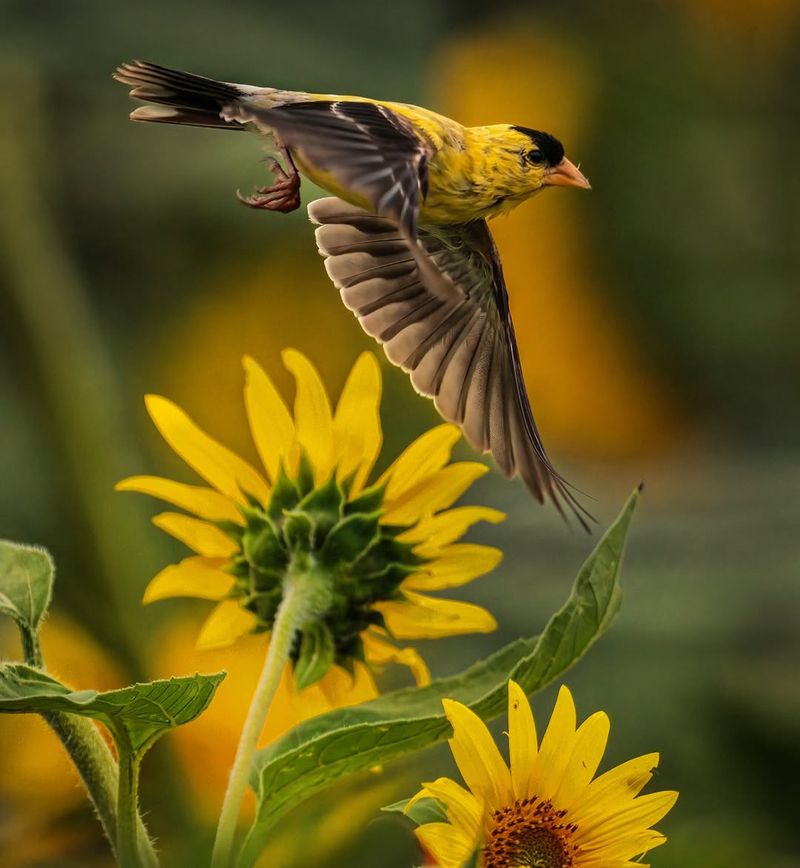
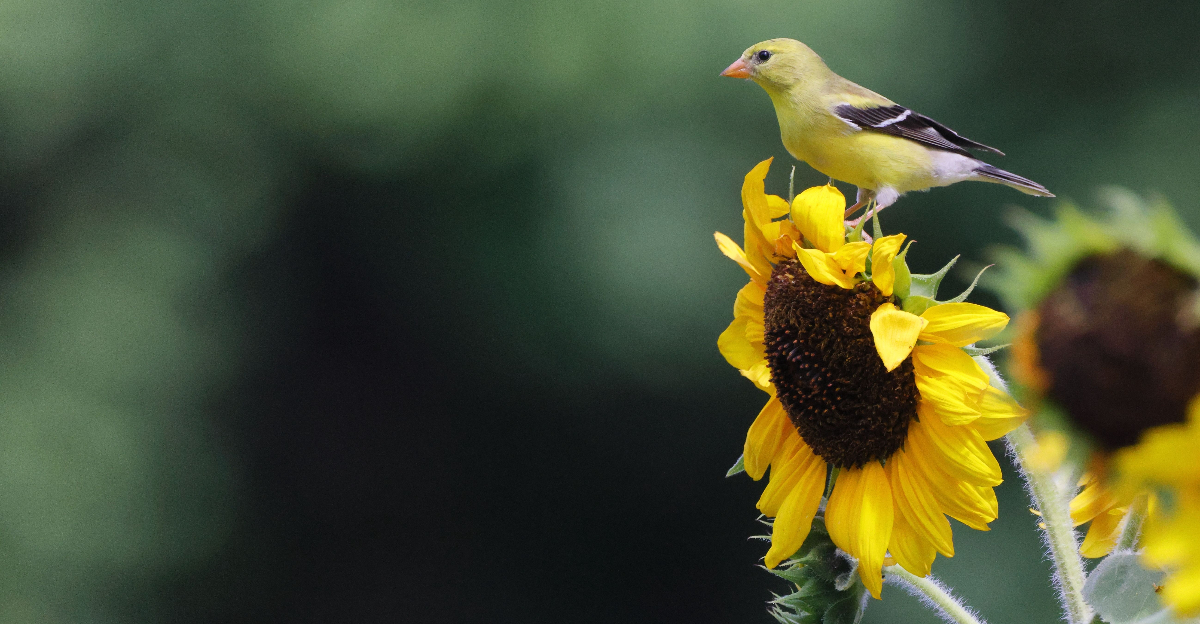
An American goldfinch clinging upside-down to a drying sunflower head is one of the more purely cheerful sights a Pennsylvania summer can produce. The good news is that creating that scene requires almost no effort on your part.
Sunflowers are fast-growing annuals that thrive in full sun and well-drained soil. They bloom from midsummer through early fall.
When the flower heads mature and dry, they become natural seed stations packed with oil-rich nutrition.
Black-oil sunflower seeds rank among the most preferred foods for over 40 bird species, including house finches, chickadees, and nuthatches.
Purple coneflower is a Pennsylvania native perennial that blooms from July through September and produces spiky seed heads that goldfinches, pine siskins, and song sparrows visit repeatedly throughout the season.
The single most important rule for maximizing seed production from both plants is to resist deadheading.
Leave the seed heads standing through fall and into winter. Birds will return on their own schedule and work through the seeds methodically.
Planting a mix of tall sunflowers and coneflowers in a sunny border creates a natural feeding station that costs almost nothing to maintain once the plants are established.
Both plants also support pollinators, which in turn support the birds that eat those pollinators. One planting decision ripples outward in several useful directions.
Honestly, a coneflower and sunflower border does more ecological work per square foot than many other things you could put in that spot.
6. Place Brush Piles In Quiet Corners For Covered Perches
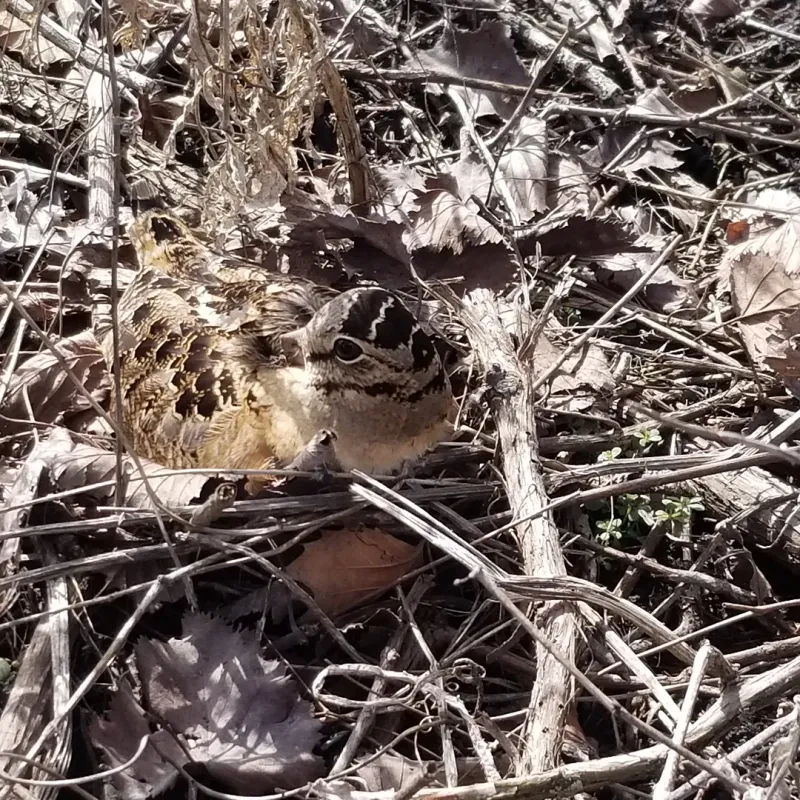
A brush pile is not exactly glamorous backyard decor. To a Carolina wren or a white-throated sparrow, though, it is approximately perfect.
Tucked into a quiet corner of a Pennsylvania backyard, a well-placed pile of branches and twigs becomes a shaded retreat where birds rest, escape from hawks, and cool down during the hottest part of the day.
Construction is straightforward. Stack larger branches on the bottom, then layer smaller twigs and sticks on top. Aim for a pile three to five feet tall with enough interior space to give birds room to move around inside.
Place brush piles at the edge of the yard near existing shrubs or trees. Birds prefer not to cross open ground to reach shelter, and a pile positioned near natural cover gets used far more than one sitting in the middle of a lawn.
Shade matters significantly during Pennsylvania summers. Temperatures inside a dense brush pile can be noticeably cooler than the surrounding air, making it a genuine refuge during peak afternoon heat.
Ground-level cover also reduces stress by giving birds fast escape routes from predators. Neighborhood cats in particular are a serious concern for ground-level birds.
Song sparrows, gray catbirds, and brown thrashers regularly use brush piles in Pennsylvania yards.
Next time you trim trees or clean up fallen limbs, do not rush to haul everything away. Stack it up in a corner instead. The birds will find it within days, and the effort required on your part is essentially zero.
7. Keep Bird Feeders Stocked With High Fat Seeds Through Heat
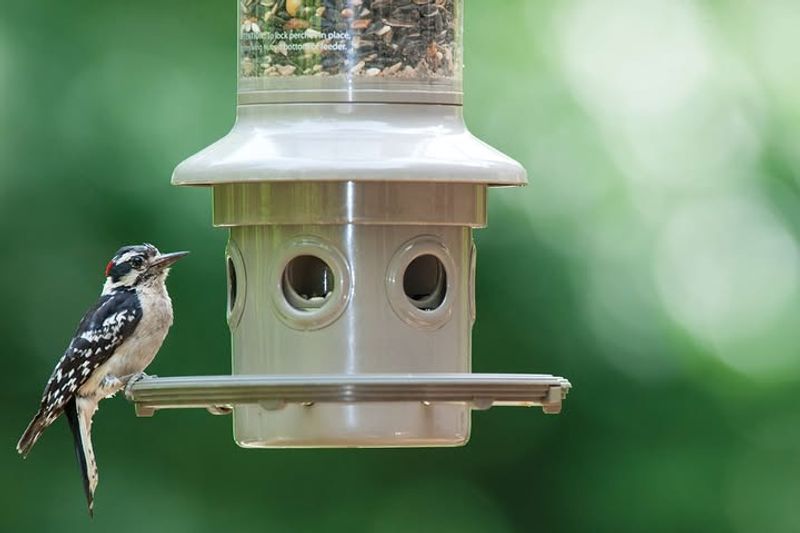
Summer feeding gets far less attention than winter feeding, and that is a missed opportunity. Birds raising chicks in July heat have enormous energy demands, and the right feeder setup genuinely supports that effort.
Sunflower hearts are a strong top choice. They require no cracking, which means birds spend less energy eating and more time doing everything else a breeding bird needs to do.
Safflower seeds work well too. They are less appealing to squirrels and European starlings, so the seeds actually reach the birds you are trying to feed.
Peanuts, shelled or in a mesh feeder, offer dense calories that woodpeckers, blue jays, and nuthatches actively seek out during nesting season.
Feeder hygiene matters more in summer than any other time of year. Heat and humidity accelerate mold growth in seed quickly.
A feeder full of clumped or spoiled seed causes real harm rather than providing help. Clean feeders every one to two weeks using a mild bleach solution, rinse thoroughly, and let everything dry completely before refilling.
Place feeders near shade trees to keep seeds cooler and slow spoilage. Avoid millet or cracked corn mixes in hot weather since they get wet and go off faster than other seed types.
Positioning feeders near natural cover gives birds a quick retreat if something threatening appears.
Summer feeder management takes slightly more attention than winter. The birds raising chicks in your yard right now are worth that extra ten minutes.
8. Plant Pollinator Patches With Milkweed And Bee Balm For Insects Birds Eat
Here is something that genuinely surprises many gardeners: Many songbirds do not usually raise their chicks on seeds or berries. They raise them almost entirely on insects.
That one fact reframes the whole conversation about supporting summer birds. The real work is not in the feeder. It is in the plants that support the insects that become bird food.
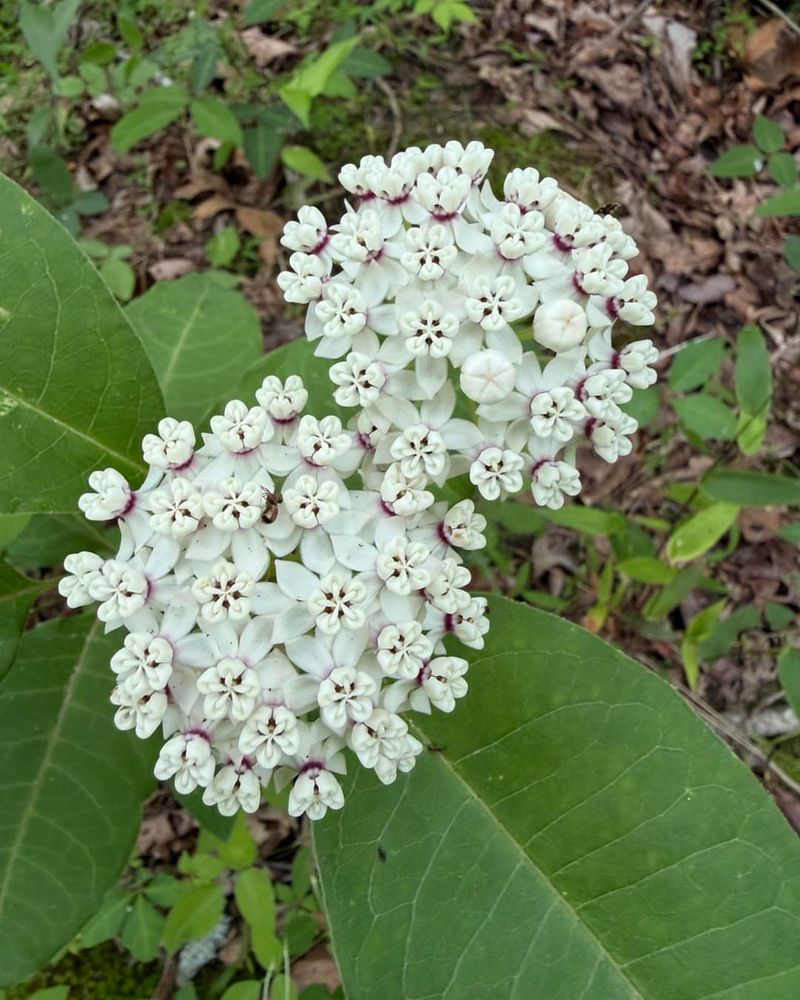
Milkweed and bee balm are two of the most productive plants you can add to a Pennsylvania yard for this purpose.
Common milkweed supports over 450 insect species according to research from the Xerces Society, and those insects become a moving buffet for warblers, vireos, and flycatchers working through your garden.
Bee balm attracts aphids, beetles, and caterpillars alongside its well-known hummingbird visitors. That sounds less appealing from a human perspective, but from a bird’s perspective, it is outstanding.
Plant native milkweed species rather than the tropical variety sold at some garden centers. The tropical version does not go dormant and can disrupt monarch butterfly migration patterns.
Chickadees alone can bring 6,000 to 9,000 caterpillars to a single nest during breeding season according to entomologist Doug Tallamy’s research. Without native plants supporting insects, that supply simply does not exist.
A small pollinator patch is one of the most powerful changes available for Pennsylvania birds this summer. It is also one of the few yard improvements that essentially runs itself once it gets going.