Why Every North Carolina Gardener Should Be Growing Sage And How It Supports The Whole Garden
Sage is one of those plants that earns its spot in the garden several times over, and most North Carolina gardeners are only using a fraction of what it actually offers. Yes, it tastes great in the kitchen.
But what happens around a sage plant is just as interesting as what happens in the cooking pot. Pollinators find it early in the season when other blooms are still getting started.
Certain insects that prey on common garden pests show up where sage grows. The smell alone seems to confuse and discourage a surprisingly wide range of bugs that would otherwise be working through your vegetables.
North Carolina’s climate is genuinely good for sage, and once it’s established it asks for almost nothing in return. For a plant that gives this much back, it shows up in far fewer gardens than it should.
1. Culinary Sage Handles Heat When Drainage Is Excellent
Most herbs struggle when summer temperatures climb past 90 degrees, but culinary sage, known botanically as Salvia officinalis, actually holds its ground remarkably well.
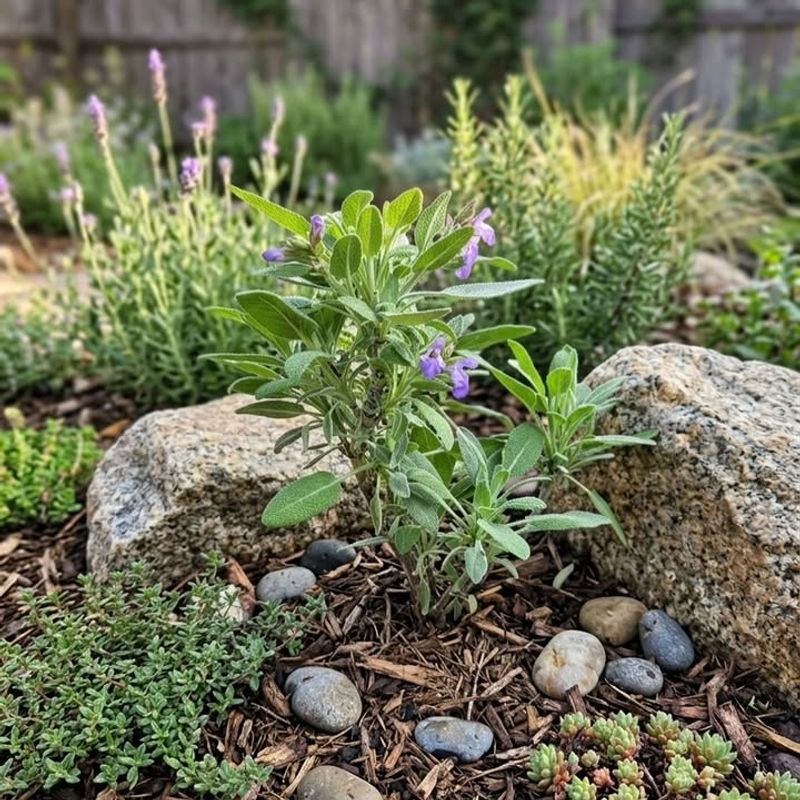
This Mediterranean native evolved on rocky hillsides with sharp drainage and blazing sun, so North Carolina summers feel familiar rather than punishing.
The key is making sure water moves freely through the soil and never pools around the roots.
Soggy clay soil is the real enemy here. When roots sit in wet ground during humid weather, the plant weakens fast and becomes vulnerable to root rot.
Raised beds filled with a gritty, well-amended mix work beautifully, and containers with drainage holes are just as effective.
Sandy coastal soils in eastern North Carolina are naturally well-suited for sage, while Piedmont gardeners often need to amend their clay beds with compost and coarse sand before planting.
Full sun, meaning at least six to eight hours of direct light daily, is non-negotiable for healthy growth. Sage planted in partial shade tends to grow soft, leggy, and more prone to disease.
Prune lightly after flowering to keep the plant compact and encourage fresh foliage. During dry spells, water deeply but infrequently, letting the top inch of soil dry out between waterings.
Expect some summer fatigue in the hottest weeks, but a well-placed sage plant bounces back reliably as temperatures ease into fall.
2. Sage Flowers Still Support Bees And Beneficial Insects
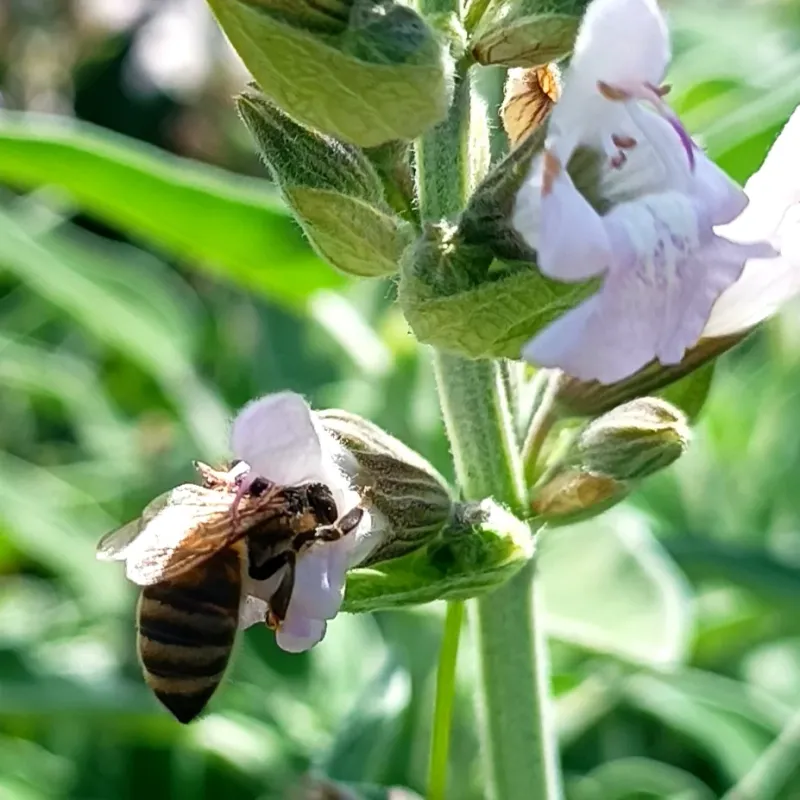
Watching a bumblebee work its way along a spike of sage flowers is one of those small garden moments that sticks with you.
Culinary sage, or Salvia officinalis, produces clusters of tubular purple-blue flowers in late spring to early summer, and these blooms genuinely attract bees, native pollinators, and small beneficial insects.
The flowers are not massive or showy, but they deliver nectar and pollen at a time when many gardens are just getting started.
Many gardeners pinch off flowers to keep leaves coming in strong, and that is a fair trade-off if your main goal is a steady harvest. However, allowing at least a few stems to bloom fully is worth the effort.
Bees that visit sage flowers tend to stay in the area longer, moving on to nearby vegetable plants and other herbs. That casual pollinator traffic adds up across a whole growing season.
Your North Carolina Garden Changes Every Week. Your Plan Should Too.
Gardening in North Carolina changes quickly throughout the season. Every Friday you’ll receive a simple weekly plan showing exactly what to plant, prune, fertilize, harvest, and protect so you never miss the right timing.
It is honest to point out that Salvia officinalis is not the longest-blooming plant in the salvia family. Ornamental salvias often outperform it in sheer flower count and bloom duration.
Still, culinary sage earns its place as a supporting player in a pollinator-friendly garden. Good airflow, full sun, and avoiding heavy pesticide use near blooming plants will help bees visit safely and return often throughout the spring bloom window.
3. Sage Needs Full Sun And Airflow To Stay Healthy In Humid Summers
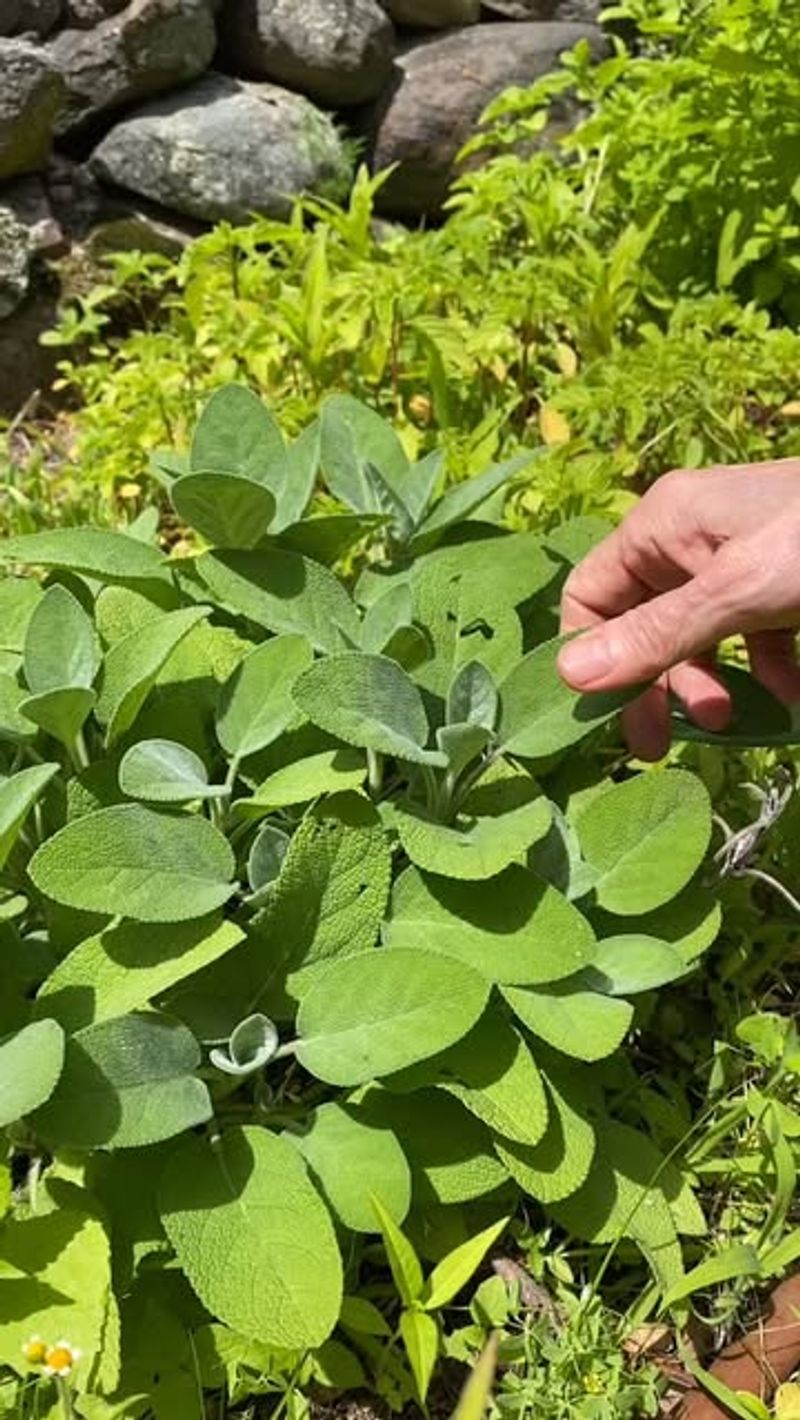
Humidity is one of North Carolina’s most persistent gardening challenges, and sage feels it more than you might expect. Salvia officinalis thrives in open, breezy spots where air moves freely around the leaves and stems.
When sage gets planted in tight, crowded beds or near tall plants that block airflow, moisture clings to the foliage and creates the perfect conditions for powdery mildew and stem rot.
Placement really matters with this herb. Sunny herb garden edges, raised bed corners, container clusters on open patios, and the front borders of vegetable gardens all work well because air circulates naturally.
Avoid tucking sage into sheltered corners or spots that stay damp after rain. Even a few extra feet of open space around the plant can make a measurable difference in how healthy it stays through August.
Spacing plants at least eighteen to twenty-four inches apart gives each one room to breathe and expand.
When you notice the center of a mature sage bush getting dense and woody, a light haircut after blooming opens things up and encourages fresh growth from the base.
Containers and raised beds on sunny patios are excellent options because you control both drainage and placement.
Gardeners in the Piedmont and mountain regions of North Carolina may find sage performs especially well in elevated spots where afternoon breezes are more reliable during the long, steamy summer months.
4. Established Sage Needs Less Water Than Many Softer Garden Herbs
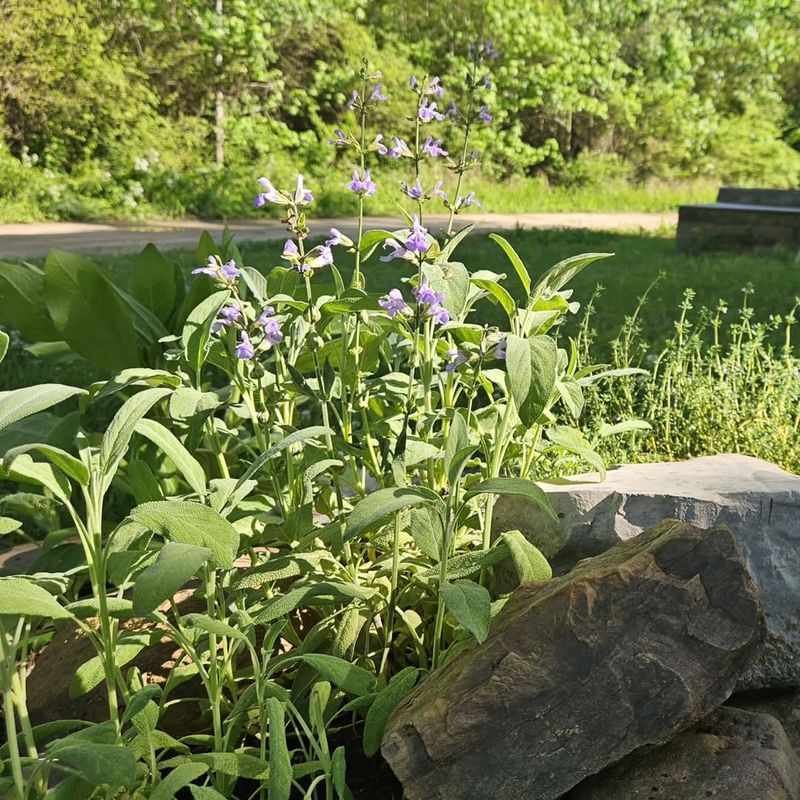
Basil wants water almost every day in summer. Parsley wilts if you forget it for a weekend.
Sage, on the other hand, actually prefers a little neglect once it gets settled in. Salvia officinalis develops a root system that reaches deep into the soil, pulling up moisture long after the surface has dried out.
That built-in resilience makes it a genuinely low-maintenance herb once past its first season.
The biggest watering mistake gardeners make with sage is treating it like a moisture-loving annual. Overwatering encourages root rot far more reliably than any dry spell will.
A good rule of thumb is to water deeply when the top inch of soil feels dry, then leave it alone. In sandy coastal soils, that might mean watering every five to seven days during hot weather.
In raised beds with quality potting mix, once or twice a week is usually enough. Clay-heavy Piedmont soils hold moisture longer, so be especially careful not to water on a fixed schedule without checking the soil first.
Containers dry out faster than in-ground beds, so potted sage will need more frequent attention, especially during North Carolina’s July and August heat waves.
Still, even container sage prefers to dry slightly between sessions rather than sitting in constant moisture.
A quick finger test in the top inch of the potting mix before reaching for the hose is the simplest, most reliable watering guide you can follow for this herb.
5. Sage May Help Bring Pollinator Activity Near Vegetable Gardens
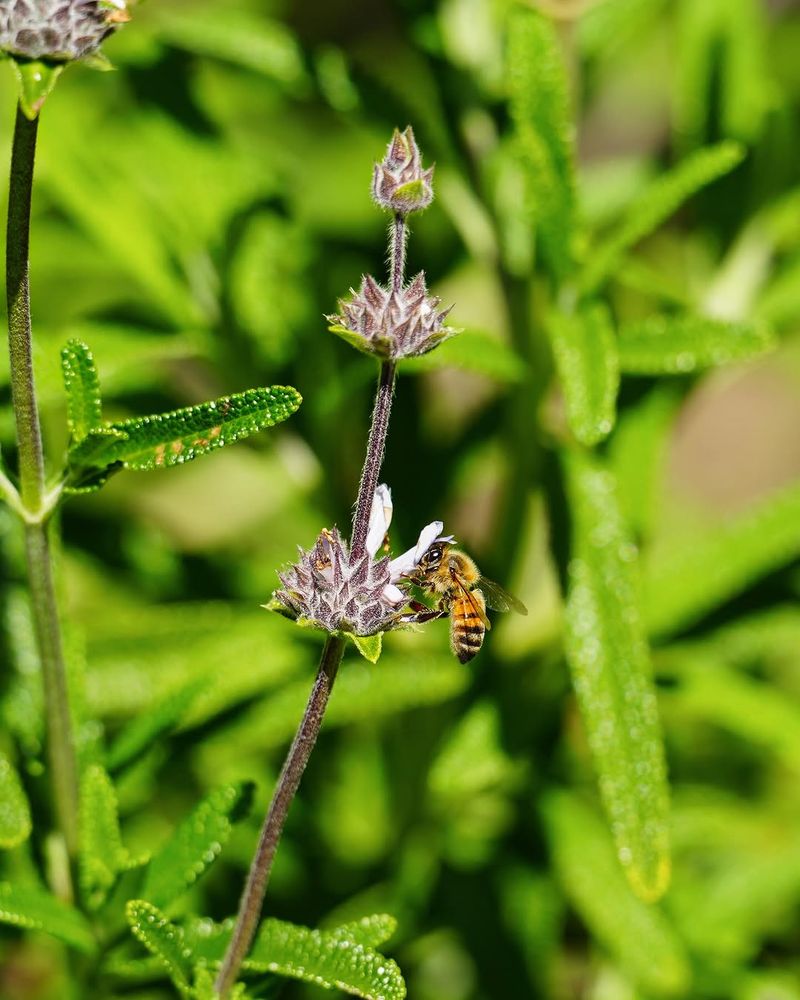
Cucumbers need bees. Squash need bees. Without reliable pollinator visits, those plants produce far fewer fruits no matter how healthy they look.
Growing flowering sage nearby does not guarantee a harvest, but it can make your vegetable garden a more attractive destination for bees and native pollinators during the growing season.
Salvia officinalis blooms in late spring, right when many cucumbers and squash are beginning to flower, which makes the timing genuinely useful.
Think of sage as a welcome sign rather than a guaranteed solution. When bees find nectar and pollen in your garden, they tend to linger and explore nearby plants.
A bee that visits sage flowers may move on to a cucumber blossom just a few feet away. Over many visits throughout the season, that casual traffic adds up.
Cucumis sativus, the common cucumber, is especially dependent on bee pollination, so any nearby flower that draws pollinators in is a practical ally.
Keeping pest control practices pollinator-safe is just as important as planting sage. Broad-spectrum insecticide sprays applied during bloom time can reduce pollinator visits significantly, even when sage is present.
Spot-treating pest problems, choosing targeted organic options, and avoiding sprays during peak bee activity hours in the morning are all habits that protect the pollinators your vegetable garden depends on.
Sage works best as one piece of a thoughtful, pollinator-friendly garden strategy rather than a single fix.
6. Containers And Raised Beds Make Sage Easier In North Carolina
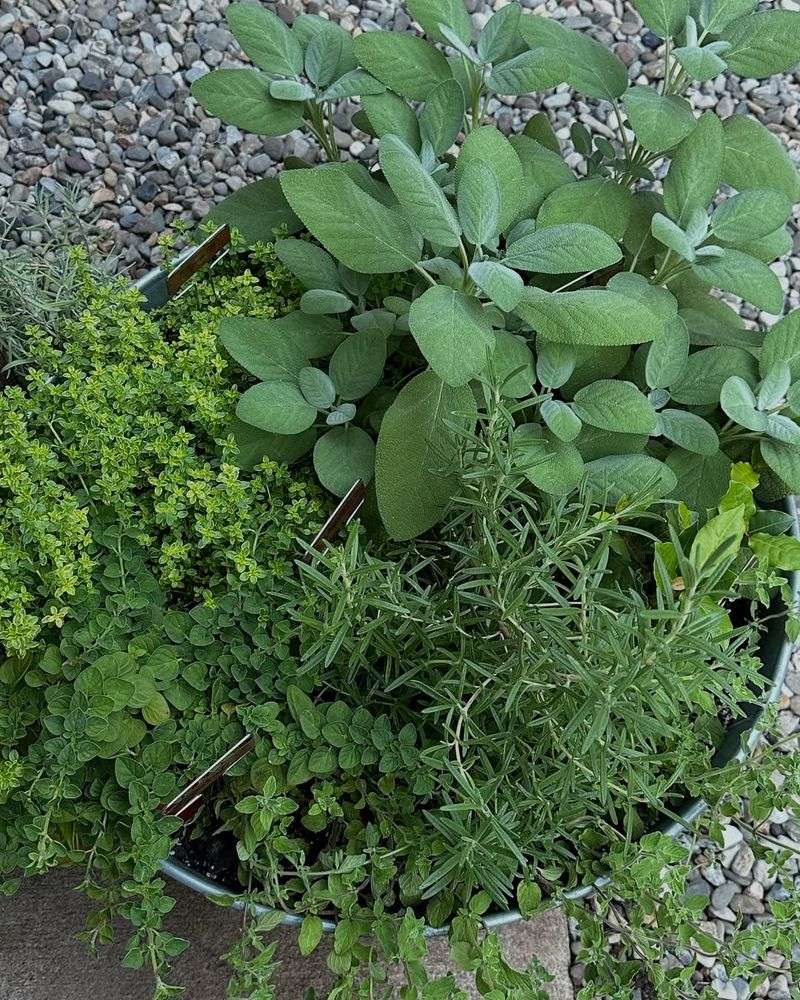
North Carolina’s clay-heavy soils and summer thunderstorms can make in-ground herb gardening genuinely frustrating, especially for plants like sage that need sharp drainage to stay healthy. Containers and raised beds solve that problem almost entirely.
When you control the growing medium, you control drainage, and that single advantage changes how well sage performs from spring through fall.
For containers, choose a pot at least twelve inches wide and deep, with multiple drainage holes at the bottom. A gritty potting mix blended with perlite or coarse sand drains well and prevents the soggy conditions sage dislikes.
Terracotta pots are a great choice because they breathe naturally and help excess moisture evaporate. Place containers on a sunny patio, porch edge, or near a vegetable bed where the plant gets six or more hours of direct sun daily.
Raised beds work on the same principle. Fill them with a well-draining mix of compost, topsoil, and coarse material, and sage will reward you with steady, healthy growth.
Overwintering container sage in North Carolina is usually straightforward in the Piedmont and coastal plain, where winters stay mild enough to leave pots outdoors with minimal protection.
Mountain gardeners may want to move containers to a sheltered spot or unheated garage during hard freezes.
Trim plants back by about one-third in late fall to keep them tidy and ready to push new growth when warm weather returns in spring.
7. Sage Adds Structure Even When It Is Not Blooming
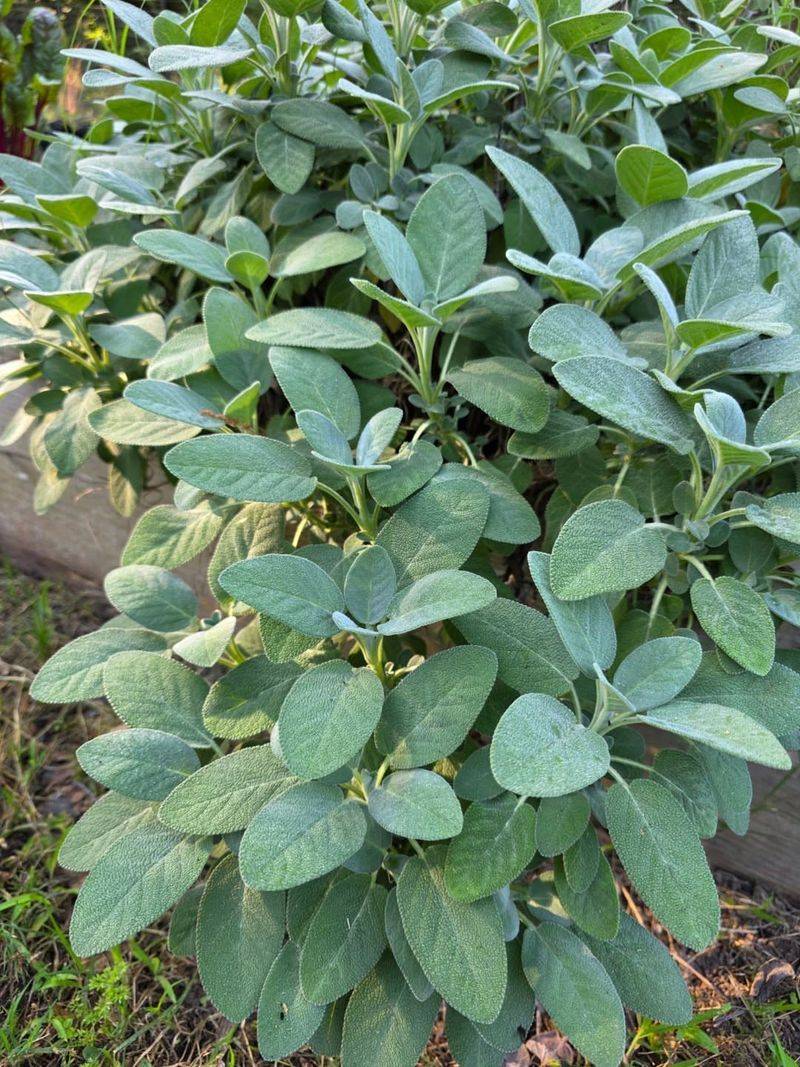
Not every plant earns its space through flowers alone, and sage is a perfect example of a plant that contributes visually all year long.
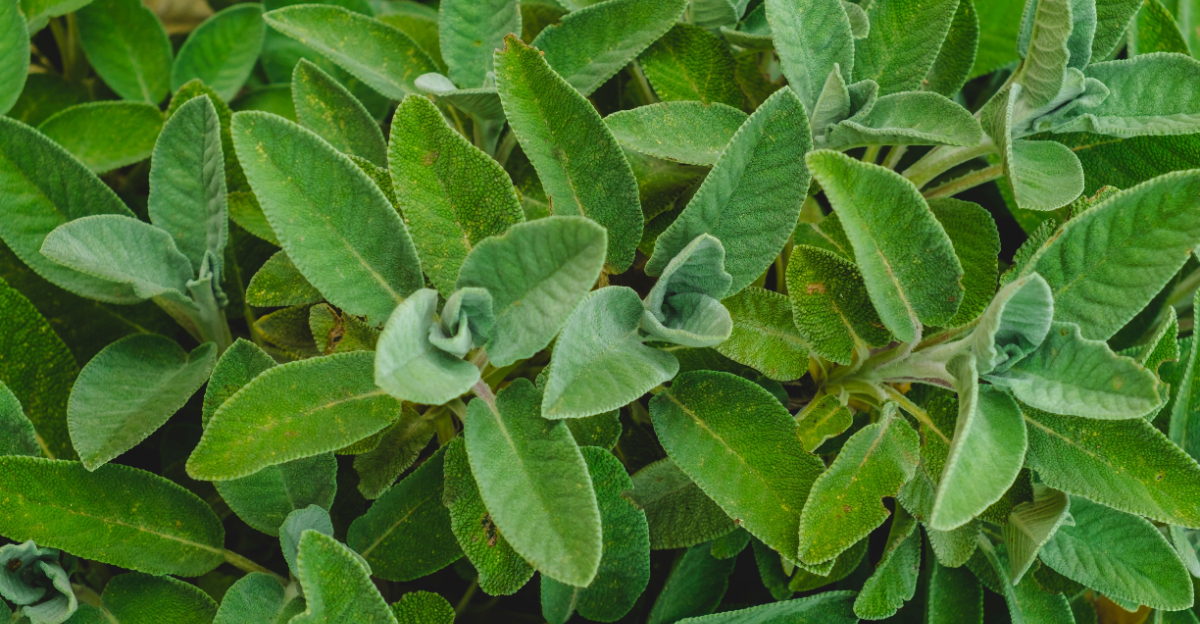
Salvia officinalis produces thick, velvety, gray-green leaves on woody stems that hold their shape through most of the year in North Carolina’s milder regions.
That texture and color contrast beautifully against the deep greens of basil, the feathery look of dill, or the bright stems of Swiss chard.
In the coastal plain and Piedmont, sage often stays semi-evergreen through winter, giving the garden a sense of structure when most other herbs have gone dormant.
Mountain gardeners will see more dieback during hard winters, but established plants typically push fresh growth back from the base as temperatures warm in late February and March.
Even a partially bare sage plant adds interesting form to a winter herb bed.
Harvesting and pruning are closely linked when it comes to keeping sage looking its best. Regular, light harvesting of stem tips throughout the growing season naturally shapes the plant and prevents it from getting too leggy or top-heavy.
A more thorough trim after the spring bloom period encourages a flush of fresh foliage and keeps the plant compact through summer. Avoid cutting back into old, bare woody stems, as those sections rarely produce new growth.
Consistent, thoughtful pruning keeps sage looking intentional and well-tended in any garden design.
8. Sage Works Best As Part Of A Broader Beneficial-Insect Garden
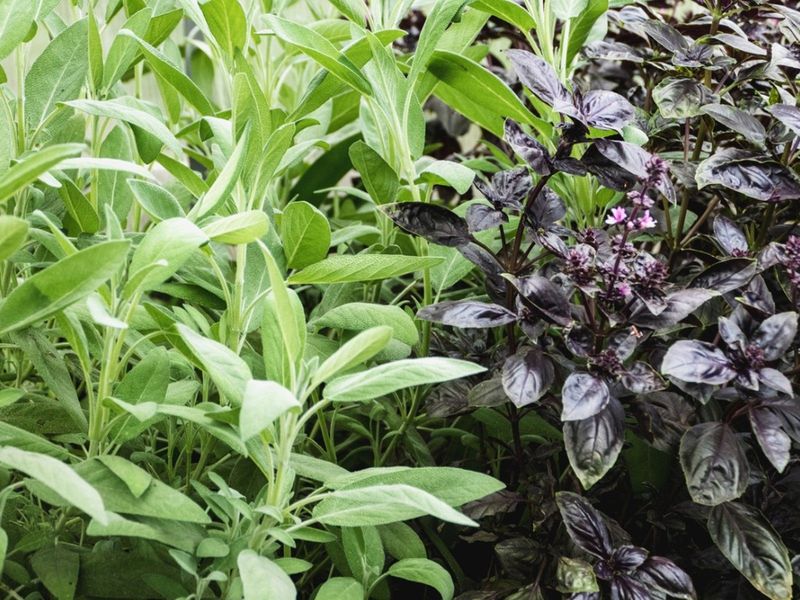
Sage is a great team player, but it works even better when surrounded by the right cast. A garden designed to support beneficial insects should include a mix of plants with different bloom times, flower shapes, and fragrances.
Salvia officinalis contributes fragrance, edible foliage, and late-spring blooms, but pairing it with lavender, thyme, echinacea, and native wildflowers creates a far more reliable food source for bees and helpful insects across the whole season.
Small beneficial insects like parasitic wasps and ground beetles are attracted to herb gardens that offer both shelter and diverse flowers.
These insects help naturally manage aphids, caterpillars, and other common garden pests without requiring any sprays at all.
Keeping a section of your garden slightly undisturbed, with mulch and low groundcover, gives these helpful creatures places to shelter between feeding sessions.
Pollinator-safe pest management is essential if you want this system to work. Broad-spectrum insecticides, even some organic ones, can harm beneficial insects along with the pests you are targeting.
Spot-treating problem areas, using insecticidal soap only on affected plants, and timing any necessary sprays for early morning or evening when bees are less active helps protect the garden ecosystem you are building.
Sage acts as an anchor plant in this kind of garden, offering consistent fragrance, reliable foliage, and seasonal blooms that keep the beneficial insect population engaged and active near your vegetable beds all season long.
9. Healthy Sage Bushes Connect Herb Gardens, Vegetable Beds, And Patio Spaces
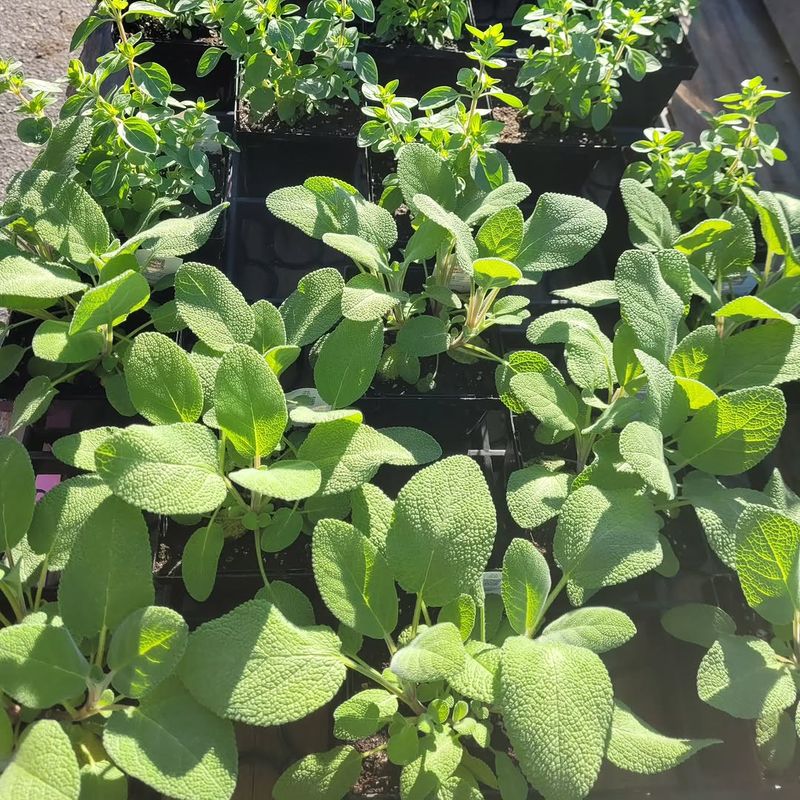
A sage bush positioned at the right spot in your yard does something quietly impressive: it ties different garden spaces together.
The gray-green foliage, woody structure, and subtle fragrance of Salvia officinalis make it a natural bridge between a formal herb garden, a vegetable bed, a patio container cluster, and even a sunny walkway edge.
It looks at home in all of these spaces without demanding the spotlight.
From a design standpoint, sage works well as a low border plant or a corner anchor in raised beds. Space plants about eighteen to twenty-four inches apart to allow for mature spread and good airflow.
Near patios, a pot or two of sage placed at the edge creates a fragrant, edible welcome that also pulls pollinators into the surrounding garden.
Harvesting a few leaves while walking past feels effortless and rewarding in a way that tucked-away herbs rarely do.
Maintenance in North Carolina’s humid climate comes down to consistent pruning, sharp drainage, and honest placement in full sun.
Trim plants lightly after flowering, water only when the soil has dried slightly, and avoid shaded or poorly ventilated spots.
In return, sage gives you fresh leaves for cooking, seasonal flowers for pollinators, and year-round structure that makes the whole garden feel more intentional and connected.
Few plants deliver that combination of culinary value, visual appeal, and garden support as reliably as a well-grown sage bush.