What Causes Zucchini Flowers To Drop Before Fruiting In Tennessee
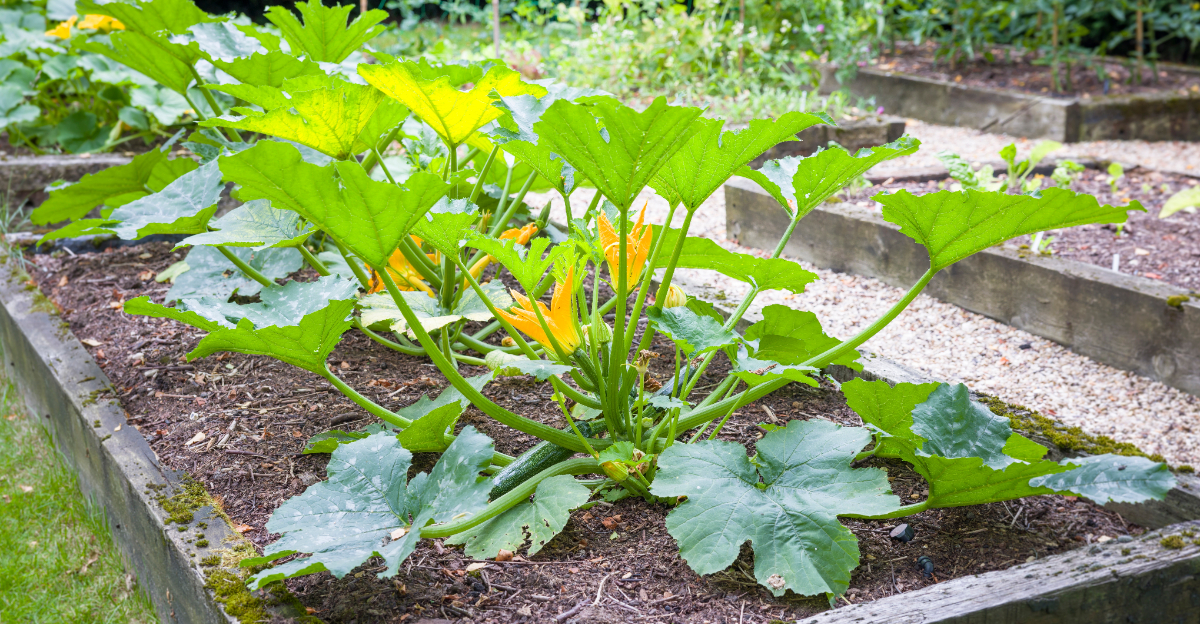
You planted zucchini, watched it take over half the raised bed, and then the flowers just kept falling off. Just a trail of wilted blooms and a lot of unanswered questions.
This happens to Tennessee gardeners every single summer, and it rarely points to something seriously wrong. Zucchini is dramatic that way.
The plant drops flowers for reasons that range from completely normal biology to fixable mistakes most gardeners do not even know they are making.
Tennessee summers add their own layer of complexity. The heat, the humidity, the sudden dry spells, all of it plays into what happens at the flower level.
Once you understand what is actually going on inside that plant, the whole thing starts to make sense.
There are seven reasons this happens, and each one has a clear explanation behind it. Start here.
1. Zucchini Plants Produce Male Flowers First And They Always Drop
Every zucchini grower panics the first time they see flowers falling off the vine. Here is a secret most seed packets never mention: it is completely normal.
Zucchini plants are smart about reproduction. They produce male flowers first, sometimes weeks before any female flowers appear.
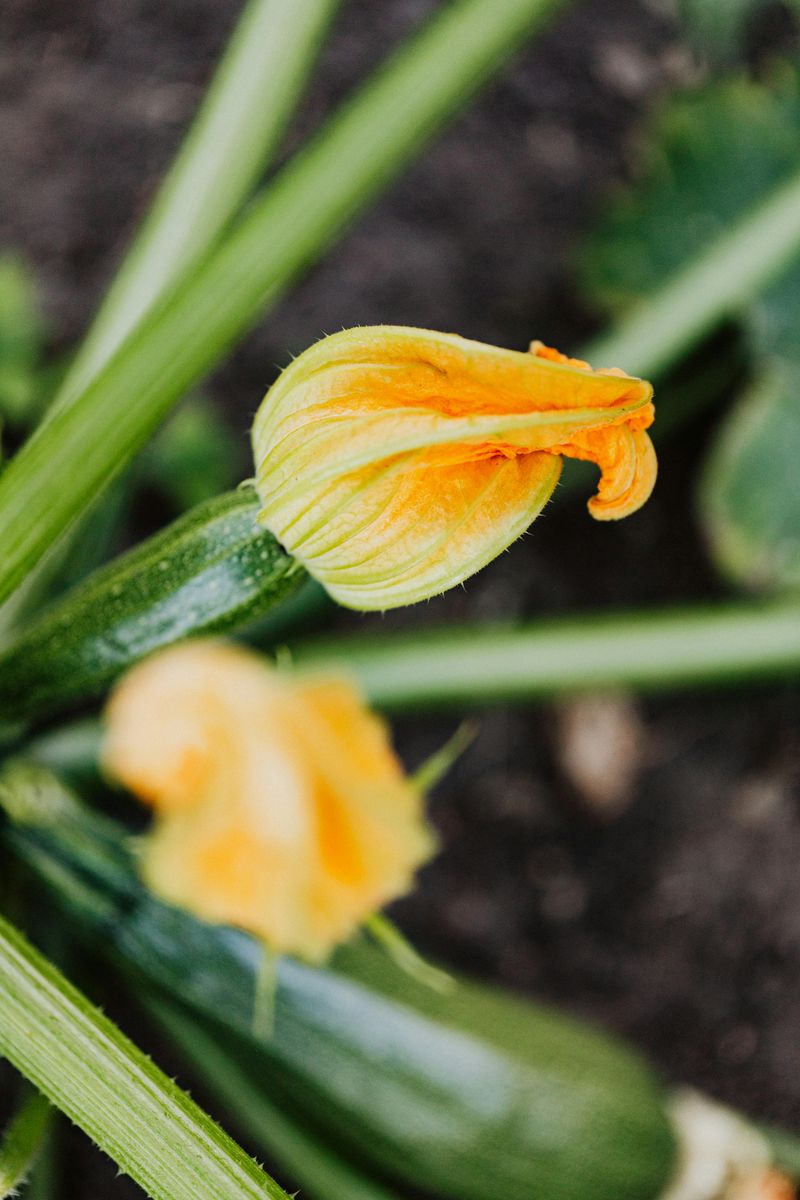
Male flowers grow on thin, straight stems with no tiny fruit at the base. Female flowers have a small swollen bump right below the petals that bump becomes the zucchini.
Since male flowers have no fruit to hold them, they bloom, do their job, and drop. This is not a problem. This is biology working exactly as it should.
Male flowers typically release pollen for just one morning before closing. After that, the plant sheds it and moves on.
New gardeners often pull up healthy plants thinking something is wrong. Patience is the real tool here. Give your plant time to shift into producing female flowers.
In Tennessee gardens, this transition usually happens within one to two weeks of the first male blooms. Warm soil speeds up the process.
Watch closely for flowers with that tiny green bump at the base. Once those appear, pollination can happen and fruit will follow.
Knowing the difference between male and female flowers changes everything. You stop worrying and start watching for the right signs instead.
What causes zucchini flowers to drop before fruiting in Tennessee often starts with this simple misunderstanding. Recognizing male flower drop as normal biology is the first step toward understanding what your plant actually needs.
2. Poor Pollination Is The Most Common Reason Flowers Fall Off
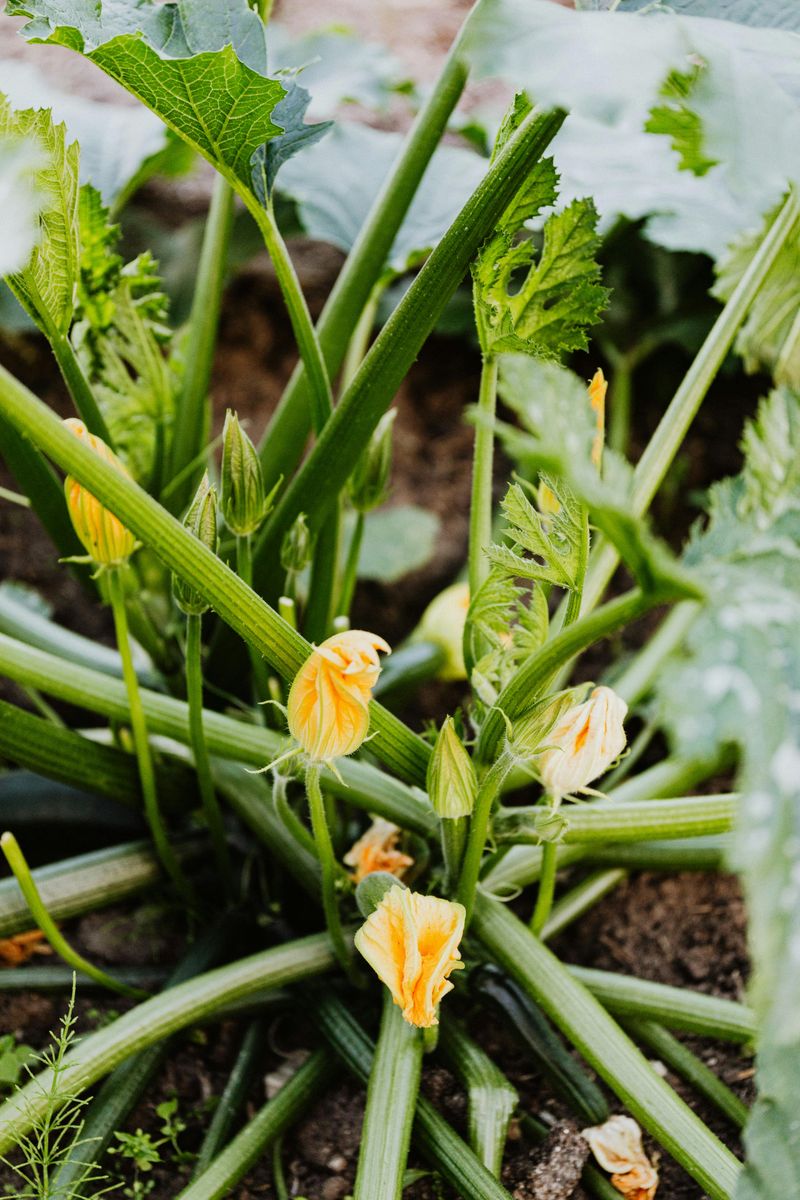
Image Credit: © www.kaboompics.com / Pexels
Pollination is the bridge between a flower and a fruit, and without it, blooms just fall off. Female zucchini flowers need pollen transferred from male flowers within a very short window. That window is usually just one morning.
Honeybees and native bees are the main workers here. If your garden has few pollinators, female flowers close up unpollinated and drop by afternoon.
Pesticide use nearby can wipe out local bee populations fast. Even spraying at dusk, when bees seem gone, can leave toxic residue on flowers the next morning.
Your Tennessee Garden Changes Every Week. Your Plan Should Too.
Gardening in Tennessee changes quickly throughout the season. Every Friday you’ll receive a simple weekly plan showing exactly what to plant, prune, fertilize, harvest, and protect so you never miss the right timing.
Tennessee summers bring heavy rain stretches that keep bees grounded for days. During those wet periods, flowers open and close without any visitors at all.
The female flower gives you a clear signal when pollination worked. The small swelling at the base of the bloom starts to grow within a day or two. If it shrivels and drops instead, the flower went unpollinated.
Hand pollination is a reliable fix. Use a small paintbrush or a cotton swab to transfer pollen from a male flower directly into the center of a female flower. Do this early in the morning when flowers are fully open.
Planting pollinator-friendly flowers like marigolds, basil, or borage near your zucchini also draws more bees into the area. Diversity in the garden pays off.
What causes zucchini flowers to drop before fruiting in Tennessee often traces back to this single gap in the process. Fixing the pollination problem is often where the difference shows up.
3. Tennessee Heat Waves Stress Plants And Stall Fruit Set
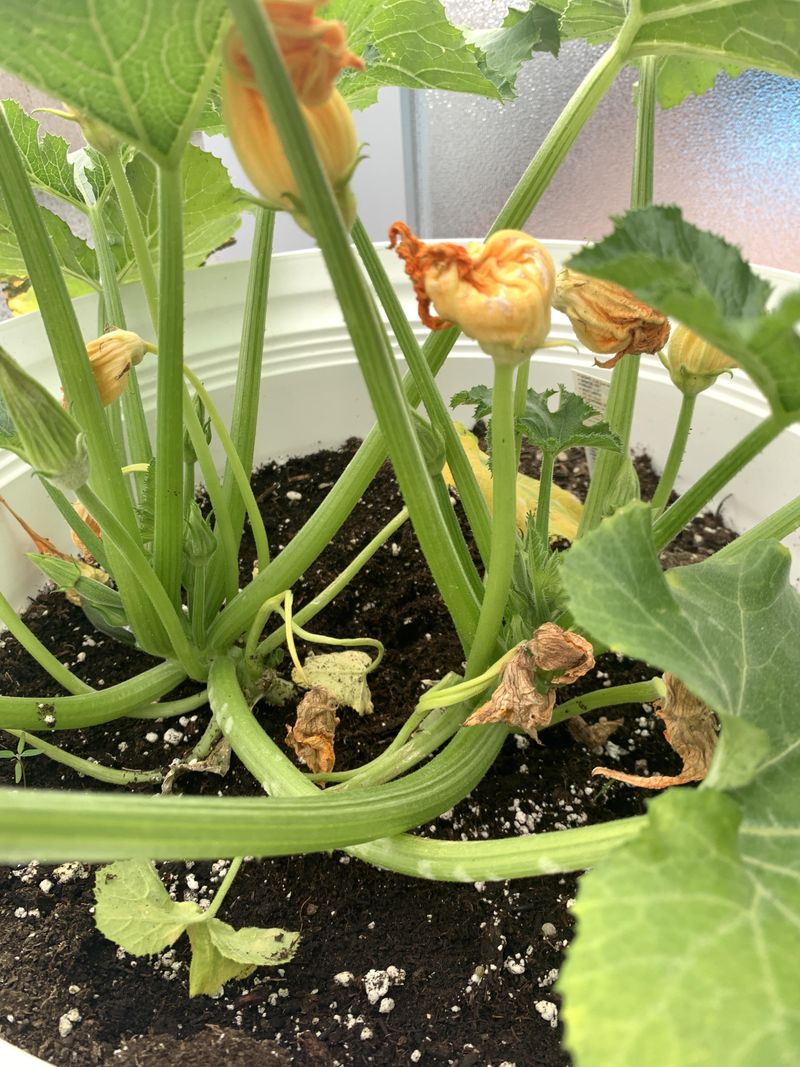
Summer in Tennessee is no joke. Temperatures regularly climb past 95 degrees Fahrenheit, and zucchini plants feel every single degree.
When heat spikes above 90 degrees during the day and stays above 70 at night, zucchini plants go into survival mode. Fruit set can slow dramatically or stall altogether.
The plant redirects all its energy toward keeping its roots and leaves alive. Flowers become a low priority and get dropped to conserve resources.
This is called heat stress, and it is one of the sneakiest causes of flower drop. The plant looks healthy from a distance but is quietly struggling.
Pollen also loses viability in extreme heat. Even if bees show up and visit every flower, the pollen may be too damaged to trigger fruit development.
Afternoon shade can make a real difference. Planting near a trellis, a tall crop like corn, or a fence that blocks the harshest western sun helps cool the soil.
Mulching heavily around the base of plants keeps root temperatures lower. A thick layer of straw or wood chips acts like insulation against the summer ground heat.
Watering deeply in the early morning also helps plants stay cooler through peak afternoon hours. Avoid watering in the evening to reduce fungal risk in humid conditions.
Morning is also when zucchini plants are least stressed and most responsive to care. Checking your plants early gives you a clearer picture of how they handled the previous day’s heat.
Some gardeners in Tennessee plant a second round of zucchini in late July specifically to avoid the worst heat window. Timing your planting around heat waves is a strategy worth considering.
4. Inconsistent Watering Causes Flowers To Abort Before They Develop
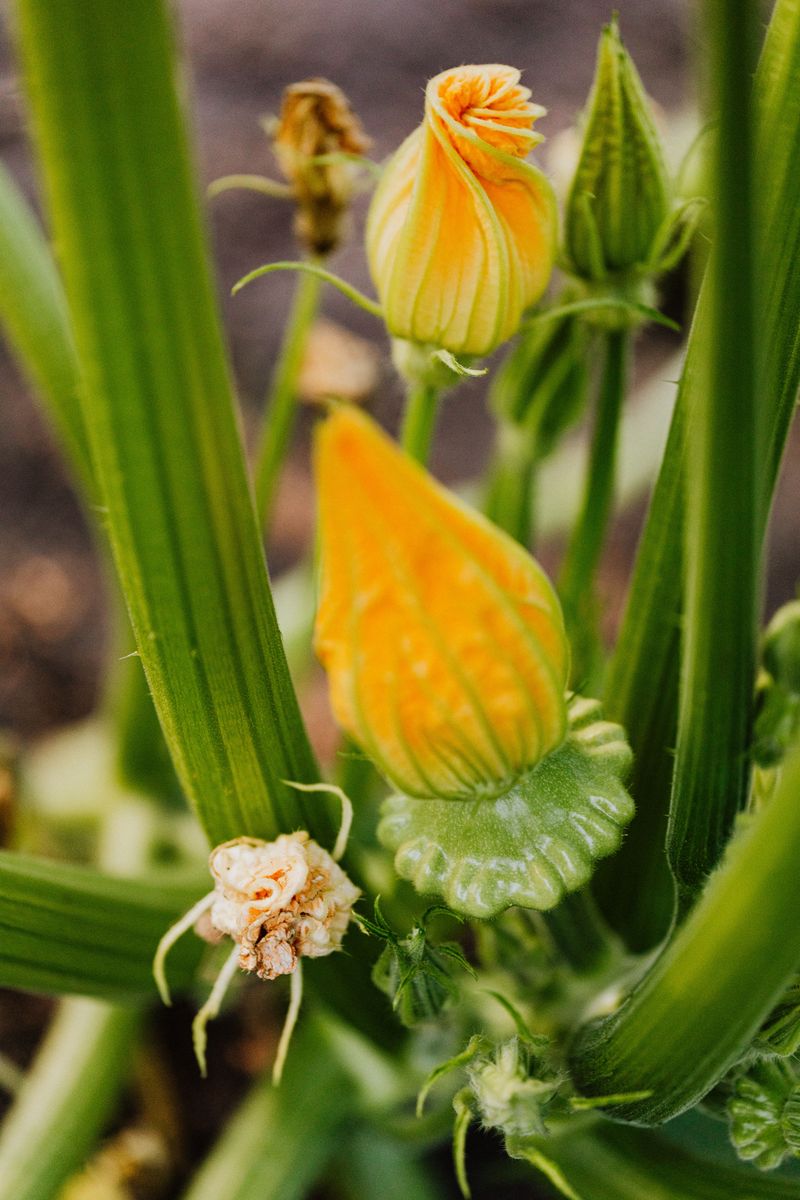
Image Credit: © www.kaboompics.com / Pexels
Zucchini plants are thirsty growers, and they are not shy about showing it. Inconsistent watering is one of the fastest ways to trigger flower abort.
When soil swings from bone dry to soaking wet and back again, the plant experiences stress at the root level. That stress signals the plant to shed developing flowers.
Think of it like this: the plant is making a judgment call. If water supply is unreliable, growing fruit feels too risky, so it drops the blooms instead.
In Tennessee, summer rain patterns are unpredictable. A week of storms followed by two weeks of drought is not unusual, and gardens without irrigation suffer for it.
Zucchini needs about one to two inches of water per week. Deep, consistent watering encourages roots to grow down rather than staying shallow and vulnerable.
Drip irrigation makes a real difference for zucchini beds. It delivers water directly to the root zone at a steady rate, avoiding the feast-or-famine cycle that triggers flower drop.
If drip systems are not in your budget, a soaker hose works well too. Consistent soil-moisture-based watering is better than irregular soaking.
Mulching around the base of the plant helps retain soil moisture between waterings. A two to three inch layer of straw or wood chips slows evaporation significantly during Tennessee heat.
Container gardeners face this challenge more sharply than in-ground growers. Pots dry out faster, heat up quicker, and require more frequent monitoring to keep moisture levels steady.
Check soil moisture by pressing a finger two inches into the ground near the plant base. If it feels dry at that depth, it is time to water again.
5. Overfertilizing With Nitrogen Keeps Plants In Vegetative Mode
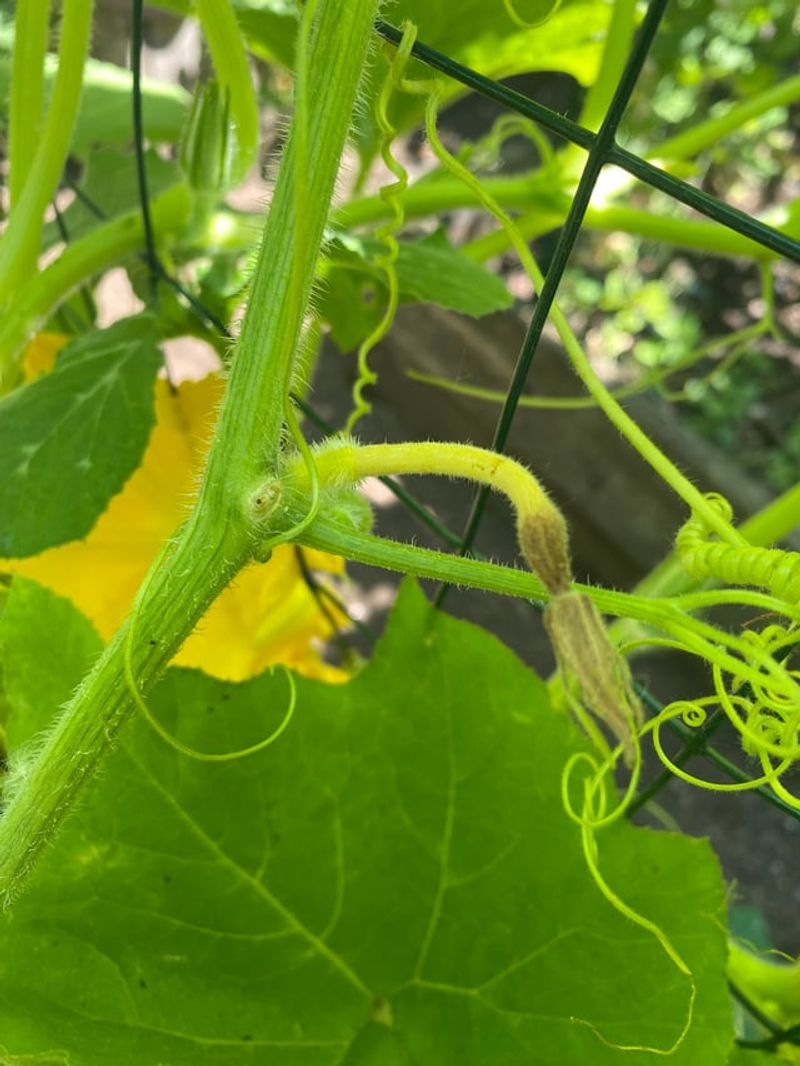
More fertilizer does not always mean more zucchini. Sometimes it means a giant leafy plant that refuses to flower properly.
Nitrogen is the nutrient responsible for green, leafy growth. When you give a zucchini plant too much of it, the plant keeps growing leaves and stems instead of shifting into reproductive mode.
This is called staying in vegetative mode, and it is incredibly common among enthusiastic gardeners who feed their plants every week. The plant looks amazing but produces almost nothing.
Signs of nitrogen overload include very dark green leaves, thick stems, and few or no flowers. Even when flowers do appear, they may drop before any fruit can form.
Common culprits include heavy applications of fresh manure, high-nitrogen granular fertilizers, and frequent liquid feeding with products labeled for leafy greens. These are not the right choices for zucchini in bloom.
Once plants start flowering, switch to a fertilizer with lower nitrogen and higher phosphorus and potassium. A formula like 5-10-10 encourages blooming and fruit development.
If you have already over-applied nitrogen, hold off on all feeding for two to three weeks. Let the plant burn through the excess before adding anything new.
The soil itself can also hold excess nitrogen from previous seasons. If you heavily amended your bed last year, that residual buildup may still be affecting how your plant behaves this summer.
A soil test from your local extension office can reveal exactly what your garden needs. Tennessee cooperative extension offices offer affordable testing that takes the guesswork out of feeding.
Your zucchini wants to fruit. Stop giving it reasons to stay in leaf mode.
6. Powdery Mildew And Fungal Stress Can Trigger Flower Drop
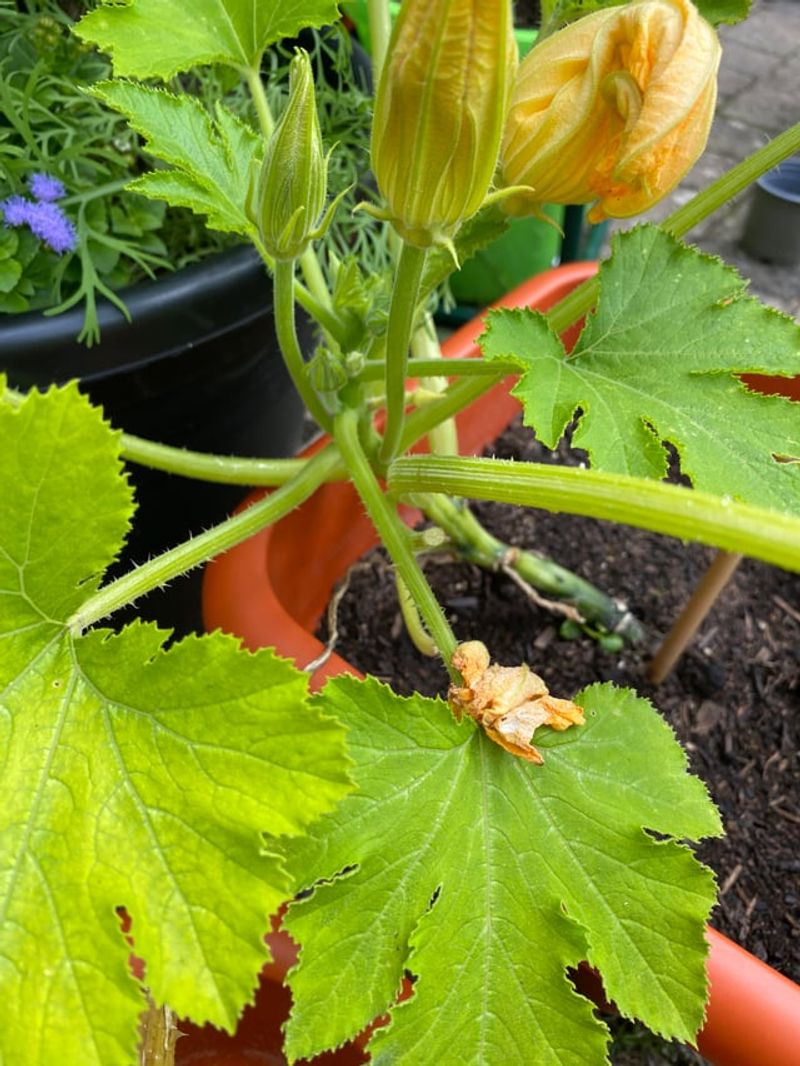
White powder on your zucchini leaves is a warning sign most gardeners ignore until it is too late. Powdery mildew is one of the most widespread fungal problems in Tennessee gardens.
The humidity in Tennessee summers creates perfect conditions for fungal growth. Warm days, warm nights, and moist air combine into a recipe for rapid mildew spread.
When a plant is fighting a fungal infection, it redirects energy toward damage control. Flower production and fruit set get pushed aside while the plant tries to survive.
Flowers may drop not because of the mildew directly but because the plant is simply too stressed to support them. A sick plant cannot be a productive plant at the same time.
Powdery mildew usually appears on upper leaf surfaces first. Catching it early gives you a much better chance of limiting the damage before it spreads to the whole plant.
A simple spray of diluted baking soda and water can slow early-stage mildew. Mix one tablespoon of baking soda with one gallon of water and spray every few days.
Neem oil is another widely used organic option. Apply it in the early morning or evening to avoid burning leaves in direct sunlight.
Improving air circulation around plants also reduces fungal pressure. Trim crowded leaves, space plants properly, and avoid wetting foliage when watering.
Healthy plants resist stress and hold their flowers longer. Keeping fungal problems in check is one of the more overlooked factors in getting a consistent zucchini harvest in Tennessee.
7. Planting Too Late In The Season Leaves No Time For Fruit Set
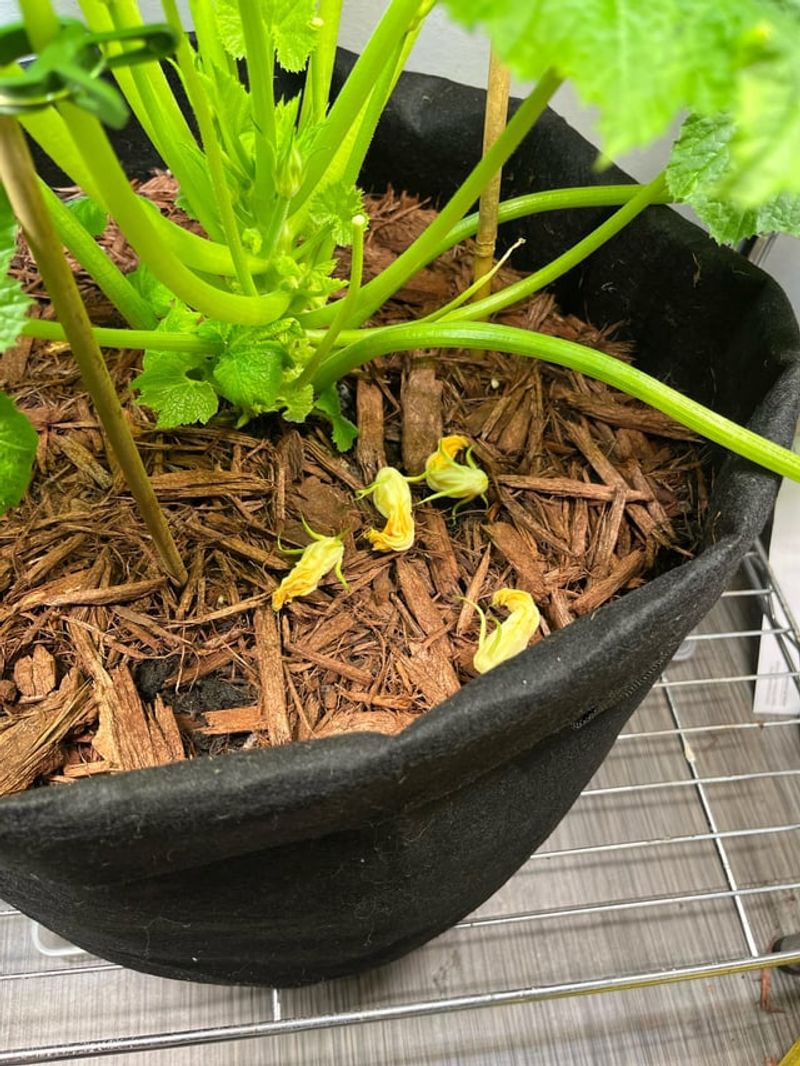
Timing is everything in the garden. Plant your zucchini too late and the season ends before the plant ever hits its stride.
In Tennessee, zucchini needs roughly 50 to 65 days from transplant to first harvest. Plant too late in summer and cool fall nights arrive before fruit can fully set.
What causes zucchini flowers to drop before fruiting in Tennessee sometimes has nothing to do with soil or pests. It comes down to the calendar running out on the plant.
As days get shorter and nights cool below 55 degrees Fahrenheit, zucchini plants slow down dramatically. Pollination becomes unreliable and developing flowers abort under cooler conditions.
Late-planted zucchini also faces increased pest pressure. Squash vine borers, which peak in midsummer, can devastate plants that have not yet built up strong stems and root systems.
The ideal planting window for Tennessee is between late April and early June. This gives plants enough warm weeks to mature before the season turns.
A second planting in late July can work if you choose a fast-maturing variety. Look for types labeled as 45-day or early-season on the seed packet.
Row covers can extend the season slightly by trapping warmth around plants during cooler nights. Remove them during the day so bees can still access the flowers.
Knowing your first frost date helps you count backward to find your last safe planting date. A little planning at the start of the season saves a lot of disappointment at the end.