The Scents That Keep Critters Away From Illinois Gardens
If you have spent a summer watching something nibble through your garden faster than you can grow it, you already know the drill. Critters in Illinois are bold, persistent, and completely unbothered by your efforts.
Rabbits will clear a flower bed overnight. Deer will walk past your fence like it is not there. Squirrels will dig up bulbs you planted an hour ago.
Certain scents hit critters so hard that they reverse course and find someone else’s garden to ruin.
Some of these scents come from plants you might already be growing. Others come from your spice rack or a bottle of essential oil.
None of this requires special equipment or a big budget. It requires knowing which scents work, where to put them, and how often to reapply. That is exactly what this list covers.
1. Lavender May Help Keep Deer And Rabbits Away

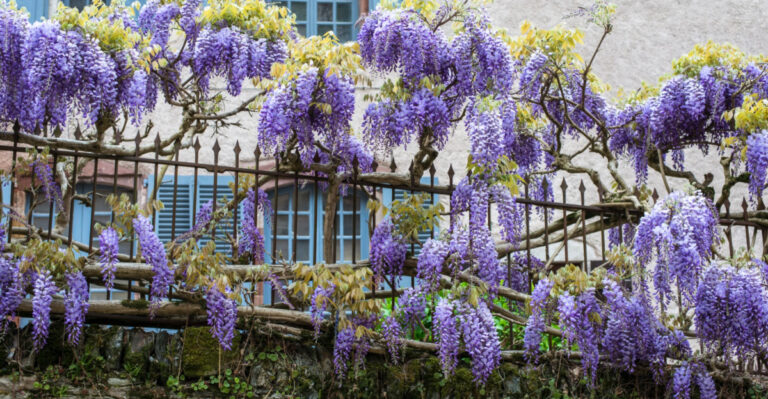
Purple, fragrant, and quietly powerful, lavender is one of the most underrated defenders in any backyard arsenal. Deer and rabbits rely heavily on their sense of smell to evaluate food safety, and lavender’s intense floral oils send them packing fast.
Planting lavender along the border of your garden creates a scent wall that animals find genuinely unpleasant. Unlike humans who find the smell calming, these critters experience it as an alarm signal telling them to back off.
Lavender thrives in well-drained soil with full sun, making it a natural fit for many Midwestern garden beds. Once established, it is drought-tolerant, low-maintenance, and comes back year after year without much fuss.
You can also cut fresh sprigs and tuck them near vulnerable plants for extra protection. Dried lavender sachets placed at garden entry points work surprisingly well between growing seasons too.
Lavender does not just look good in an Illinois garden. It pulls double duty by being one of the most effective natural critter deterrents around.
The scent is pleasant to humans but overwhelming to deer, rabbits, and groundhogs. Plant it along borders or near vulnerable beds and let it do the work.
2. Wormwood Is Known To Repel Deer, Rabbits, And Mice
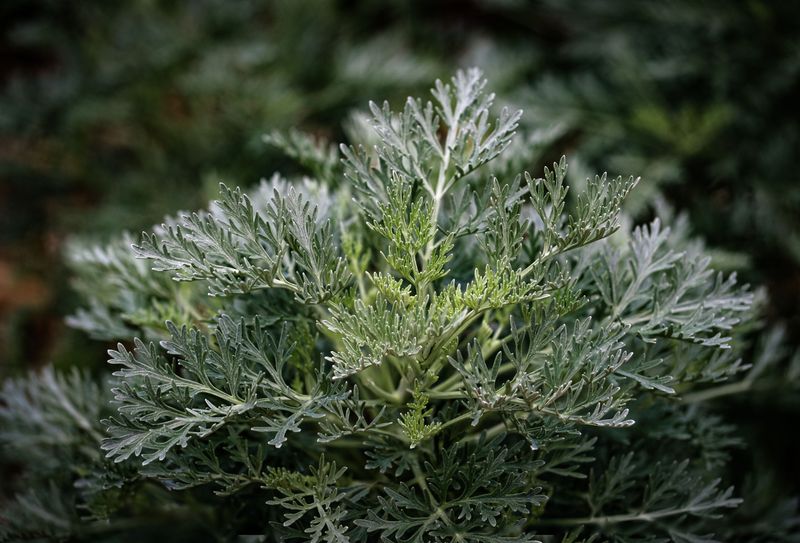
Wormwood looks like something from a fairy tale garden, all silver and feathery. The reality is a lot less gentle.
This bitter, aromatic herb contains compounds that most wildlife find absolutely revolting. Mice, rabbits, and deer especially want nothing to do with it.
Artemisia absinthium, the botanical name for wormwood, releases a strong scent that disrupts the foraging instincts of deer and rabbits. Planting it as a border hedge creates a natural perimeter that critters tend to avoid without being physically blocked.
Wormwood grows best in sandy or well-drained soil and handles dry spells like a champ. It spreads readily, so giving it a designated space rather than letting it roam freely through your garden is a smart move.
You can also make a simple wormwood spray by steeping dried leaves in hot water, straining the liquid, and applying it around vulnerable plants. Reapplying after rain keeps the scent barrier strong and effective.
Your Illinois Garden Changes Every Week. Your Plan Should Too.
Gardening in Illinois changes quickly throughout the season. Every Friday you’ll receive a simple weekly plan showing exactly what to plant, prune, fertilize, harvest, and protect so you never miss the right timing.
Keep it away from areas where pets roam, as it can be toxic if ingested by dogs or cats.
Gardeners who have struggled with groundhogs tunneling under raised beds often swear by wormwood. Pair it with other scent-based plants and you have a layered defense that actually holds up.
Your garden becomes less appealing to the neighborhood wildlife crew. They will move on and find easier pickings elsewhere.
3. Mint Sends Critters Scrambling
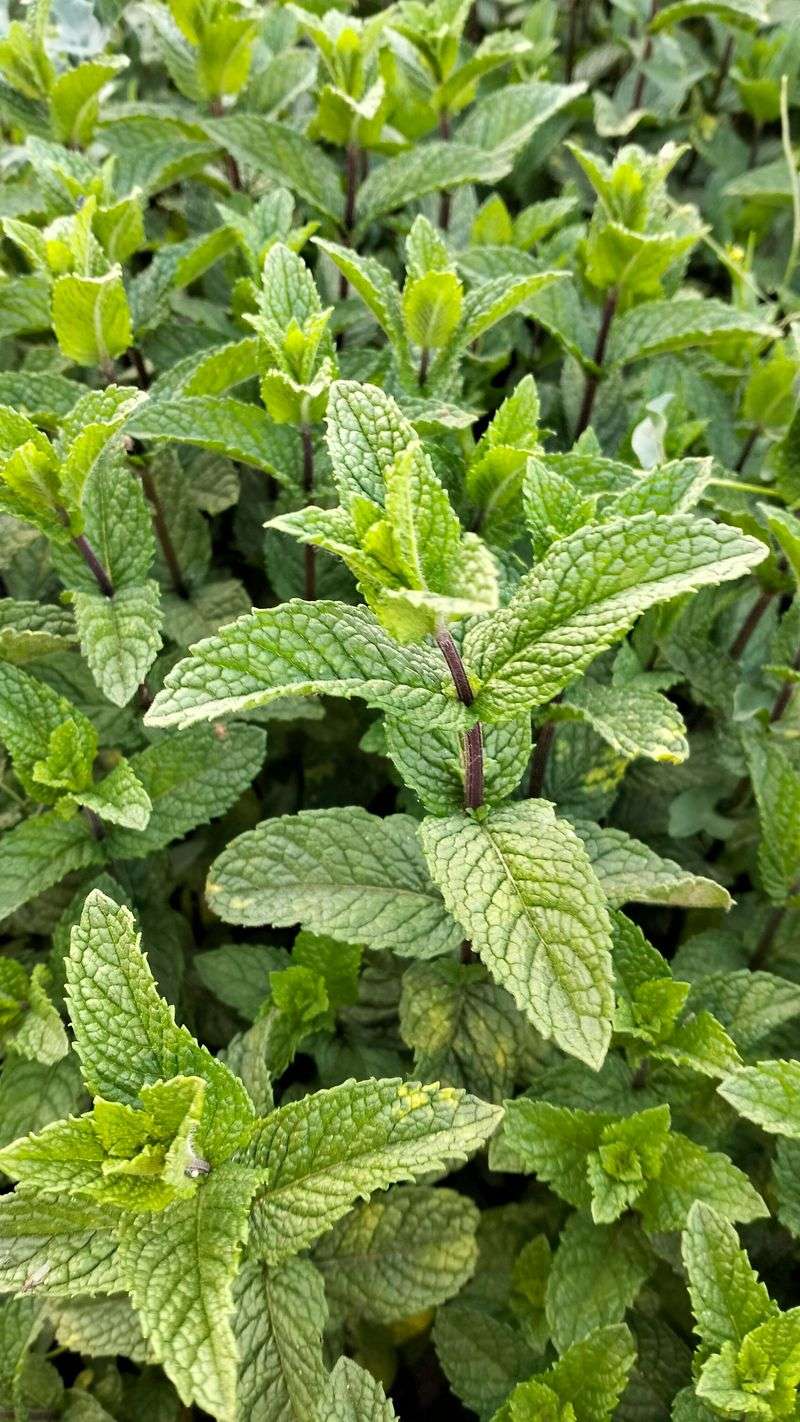
Mint smells amazing to most people. To mice, voles, and several other garden pests, it registers as a full-on chemical warning.
The menthol compounds overwhelm their sensitive noses. Small critters read it as a signal to find calmer territory.
Spearmint and peppermint are both effective, and planting them near entry points to your garden can create an invisible scent fence. Mice especially dislike the smell and will reroute their usual paths to avoid areas where mint is growing strong.
One important heads-up: mint spreads aggressively if you let it grow unchecked. Planting it in containers or buried pots keeps it from taking over your entire garden while still doing its repellent job beautifully.
Fresh mint leaves crushed and scattered around the base of plants give an extra burst of scent when you need quick results. Replacing them every few days keeps the effect going, especially during hot weather when the oils evaporate faster.
Mint is also one of the easiest herbs to grow, which means even beginner gardeners can use it confidently. Few plants offer this kind of double value, smelling wonderful to you while quietly discouraging the critters eyeing your vegetable rows.
4. Rosemary Tends To Deter Deer
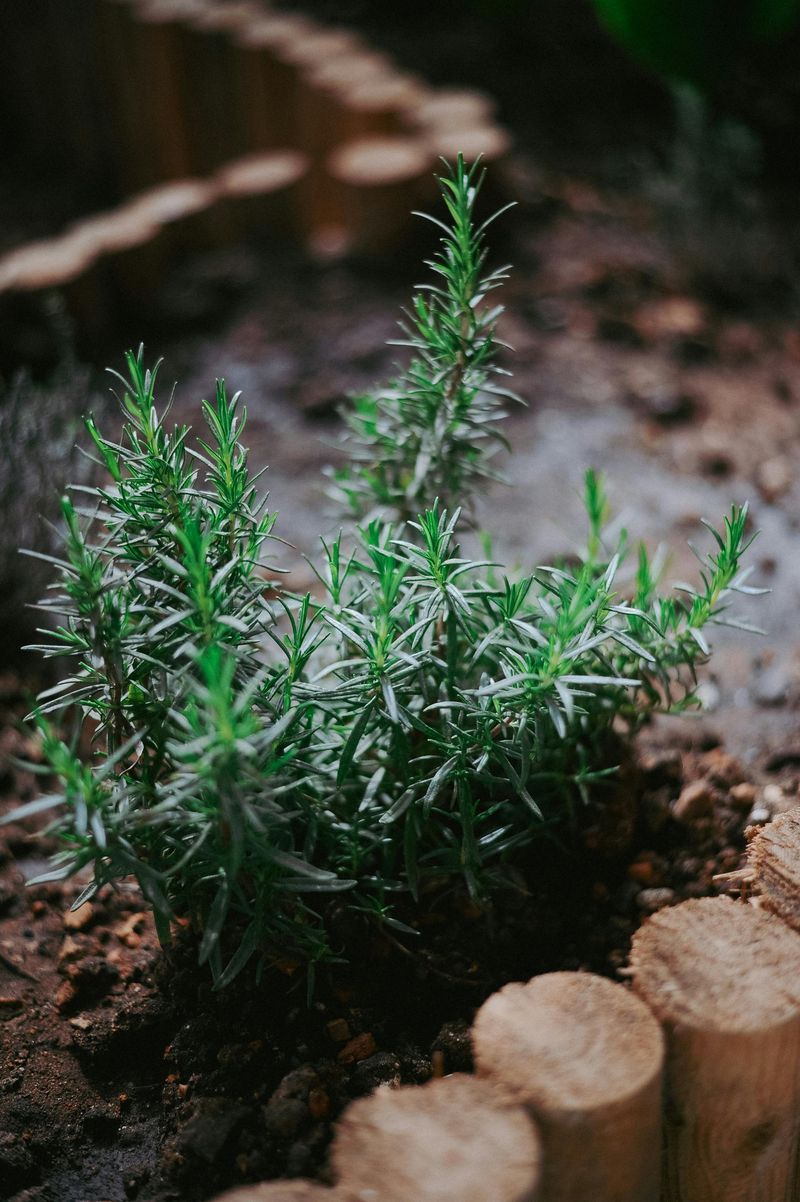
Image Credit: © Daka / Pexels
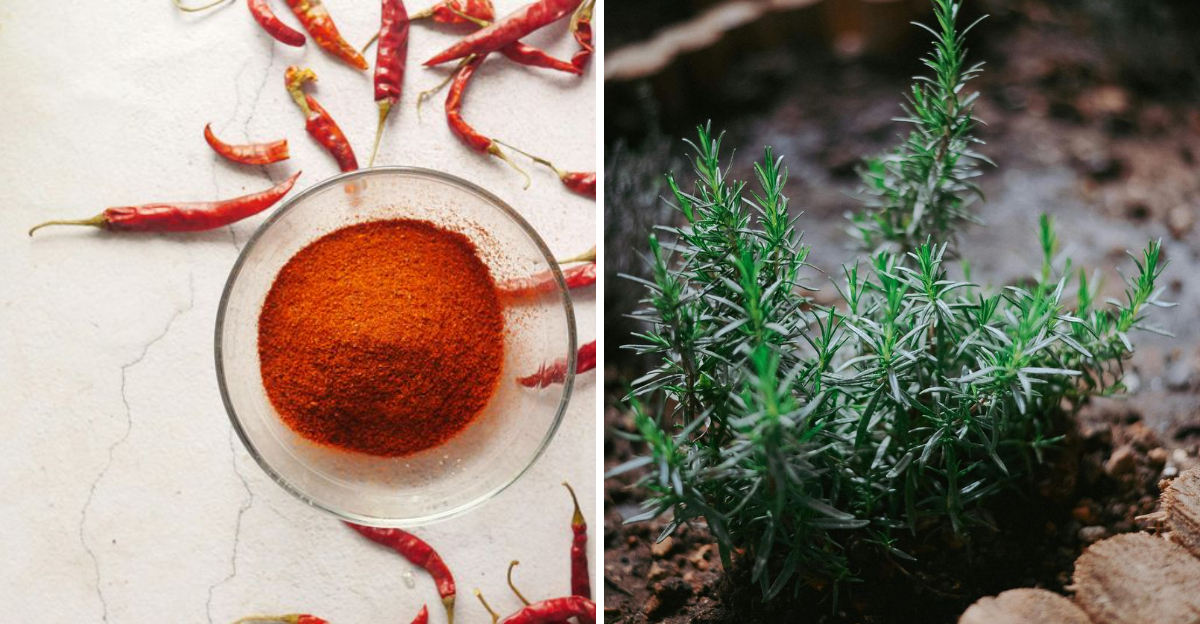
Rosemary is not just for roasting chicken. This woody, needle-leafed herb carries a sharp, resinous scent that deer and squirrels genuinely dislike, making it a surprisingly effective garden guardian hiding in plain sight.
Rosemary’s strong oils trigger a caution response in deer. Squirrels find rosemary-scented soil confusing enough to abandon a foraging spot entirely.
Planting rosemary as a low hedge around the perimeter of a vegetable garden offers both protection and a culinary bonus. It grows well in full sun and does not need much water once established, which suits many Midwestern garden conditions nicely.
The scent stays active even after cutting, which makes fresh sprigs just as useful as a living plant. That is what makes rosemary one of the more flexible options on this list.
Snip a few sprigs and lay them near bulb beds or freshly planted seedlings. That gives you targeted scent coverage exactly where you need it.
You can also simmer rosemary in water, let it cool, and spray the liquid onto soil or foliage. It is a simple homemade deterrent that costs almost nothing.
Rosemary is a perfect example of a pantry staple that pulls double duty outside. Growing it means you are always one snip away from seasoning dinner and protecting your garden at the same time.
5. Peppermint Oil Can Help Deter Mice And Voles
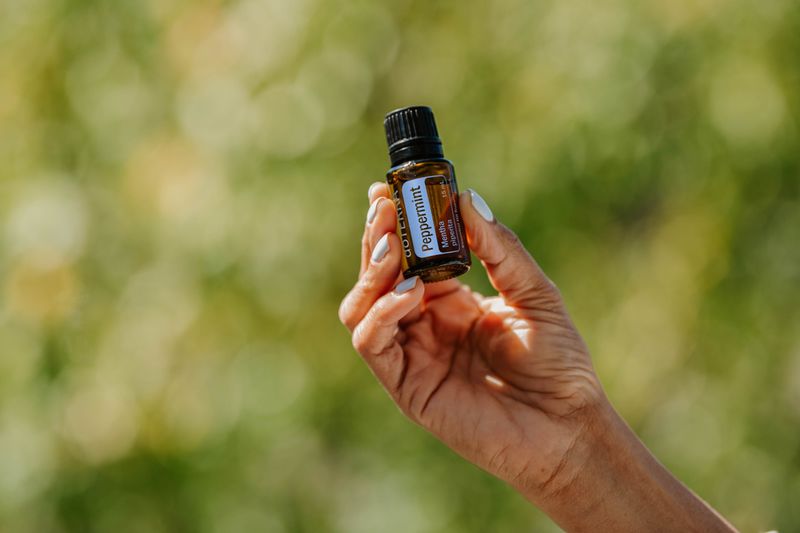
A few drops of peppermint oil on a cotton ball can deter a mouse from an area. The concentrated menthol is so intense that mice and voles physically turn away from areas where it lingers.
Voles tunnel underground and eat roots without ever showing their faces. Pressing peppermint-soaked cotton balls into their tunnel openings disrupts their navigation and often encourages them to relocate.
Mixing twenty drops of peppermint oil with water in a spray bottle gives you a quick, affordable solution. Apply it to garden borders, shed edges, and compost bins for broad coverage.
Reapplying every week or after rain keeps the scent strong enough to matter. The oil evaporates faster in heat, so summer applications need to be more frequent than fall ones.
Store your spray bottle in a cool spot and shake it before each use. That helps maintain the concentration that makes it effective.
Peppermint oil is widely available at grocery stores, pharmacies, and online retailers. A small bottle goes a long way when used consistently.
Peppermint oil is generally safe for outdoor garden use. Keep it away from cats, avoid direct skin contact as it can cause irritation or a rash, and use extra caution around young children.
The scents that keep critters away from Illinois gardens do not get much more accessible or affordable than this one.
6. Cayenne Pepper Keeps Squirrels And Raccoons Away

Image Credit: © Towfiqu barbhuiya / Pexels
Squirrels act like they own your garden. Cayenne pepper reminds them quickly that they do not. Capsaicin, the compound that makes hot peppers burn, is completely invisible to birds.
Mammals like squirrels and raccoons, however, retreat from it fast. Sprinkling cayenne powder around the base of bird feeders is a classic trick. It works just as well around garden beds, flower pots, and compost bins.
Raccoons are bold creatures, but a nose full of capsaicin changes their attitude about raiding your garden overnight.
Rain washes the powder away, so reapplying after every storm keeps your barrier active. Some gardeners mix cayenne into a water spray with a few drops of dish soap to help it stick to surfaces longer.
That mixture also helps the capsaicin penetrate soil slightly for more lasting coverage. Reapplication is still necessary, but you will stretch the time between treatments.
Wear gloves when handling large amounts of cayenne and avoid touching your face during application. The same heat that stops a squirrel cold will make your eyes water if you are not careful.
Cayenne is inexpensive, easy to find at any grocery store, and completely non-toxic to plants. For gardeners who want fast results without waiting for plants to grow, this one delivers.
7. Citrus Peels Are Free And Surprisingly Effective

Before you toss that orange peel in the trash, drop it in your garden instead. Citrus rinds contain d-limonene, a natural oil that many backyard critters find unpleasant, including squirrels, cats, and various insects.
Squirrels especially dislike the sharp citrus scent and will avoid digging in soil where fresh peels are scattered. Cats generally avoid areas that smell strongly of citrus, which can help discourage them from using garden beds as litter boxes.
Avoid using concentrated citrus spray directly around areas where cats or kittens spend time.
The trick is freshness. Old, dried-out peels lose most of their scent potency within a few days. Swapping them out every three to four days keeps the deterrent effect working consistently through the growing season.
You can also boil citrus peels in water, let the liquid cool, and spray it around the garden perimeter for broader coverage. Adding a small amount of dish soap helps the spray adhere to soil and plant surfaces better than plain water alone.
This approach costs nothing if you already eat citrus fruit regularly. Turning kitchen scraps into garden protection is one of the simplest, most satisfying moves you can make this season.
8. Garlic Spray Covers A Lot Of Ground
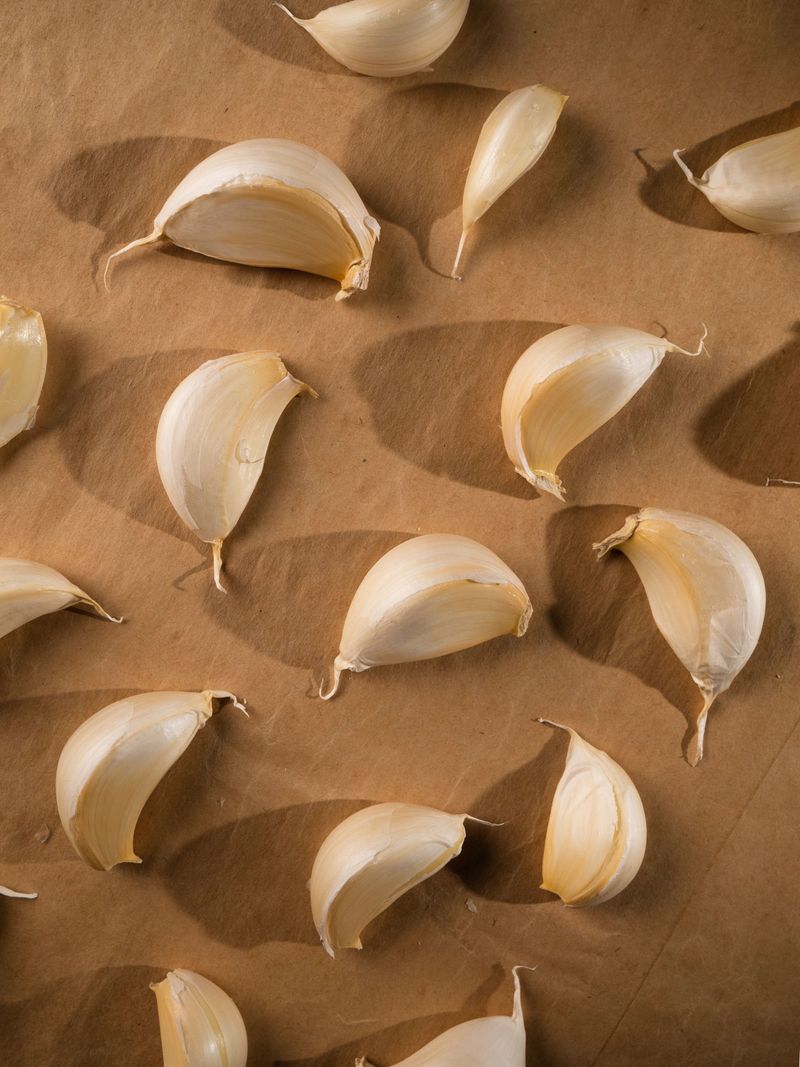
Garlic has been keeping vampires away in folklore for centuries. Deer and rabbits are not fans either, and many gardeners report similar results with moles.
The sulfur compounds in garlic are potent enough to linger in soil and on foliage long after the initial application dries.
Making a basic garlic spray at home takes about ten minutes and costs next to nothing. Blend several garlic cloves with water, strain out the solids, and pour the liquid into a spray bottle for a ready-to-use deterrent.
Moles tunnel through lawns following earthworm trails. Pushing garlic-soaked cotton balls into tunnel openings disrupts their path and often moves them toward less aromatic territory.
Deer that regularly browse garden edges tend to back off when garlic spray is applied to surrounding foliage. The scent fades faster in rain and heat, so spraying every five to seven days during active growing season gives you the best results.
Some gardeners add a small amount of cayenne to their garlic spray for a one-two punch that handles multiple critter types at once.
Garlic spray is no exception to the rule that effective critter deterrents rarely smell pleasant to humans. A slightly garlicky garden is a small price to pay for tomatoes that actually make it to your dinner table.
9. Eucalyptus Oil Is One Critters Tend To Avoid

Eucalyptus oil is almost medicinal in intensity. The sharp, camphor-like smell overwhelms small mammals and makes them associate the area with danger rather than food.
Mice and rats avoid areas where eucalyptus oil is regularly applied, and some gardeners report similar results with deer. Soaking rope or fabric strips in the oil and hanging them around garden borders creates a slow-release scent barrier.
It works through the night when most critters are at their most active.
Eucalyptus trees naturally release oils into surrounding soil through their falling leaves, which is why very little grows beneath them in the wild. Concentrated oil replicates that same signal in your garden.
Like most essential oils, eucalyptus is widely available and inexpensive. A single bottle can last an entire growing season when used at the right dilution.
Diluting eucalyptus oil with water at roughly a two percent concentration gives you a safe, effective solution for foliage and soil surfaces. Applying it in the early evening means the scent is freshest during peak critter activity hours.
Rotate and combine scent-based deterrents for the best results. Eucalyptus oil brings a bold, lasting punch to any defense plan, giving your garden a scent-based layer of protection that critters tend to avoid.