The Most Stunning Underrated Pennsylvania Native Tree That Nobody Talks About Enough
Pennsylvania has no shortage of beautiful native trees, and the ones at the top of the list get plenty of well-deserved attention.
What gets far less attention is a native tree sitting just outside that spotlight, one that outperforms many of the more celebrated options in terms of seasonal interest, wildlife value, and sheer visual impact across multiple times of year.
It blooms in a way that stops people mid-walk in spring, offers something compelling in summer foliage, transitions into fall with real color, and then holds fruit or structure through winter in a way that keeps the yard from going completely flat.
It is well suited to Pennsylvania soil and climate, tolerates a range of conditions that limit other ornamental trees, and yet it rarely shows up in conversations about what to plant or in the recommendations landscape designers reach for first.
That is the gap this tree deserves to close.
American Hornbeam Stuns With Compact Beauty
Not every great tree needs to be the tallest one in the yard. The American Hornbeam, sometimes called Ironwood or Musclewood, earns its place in Pennsylvania gardens through sheer elegance and quiet confidence.
It is a small to medium-sized native tree that grows naturally along stream banks and forest edges across the state.
What makes this tree so special is how it manages to look stunning in every single season. In spring, fresh green leaves unfurl with a delicate texture.
Summer keeps the canopy full and lush. Come fall, the foliage transforms into a breathtaking mix of yellow, orange, and deep red that rivals any showier ornamental tree you might find at a garden center.
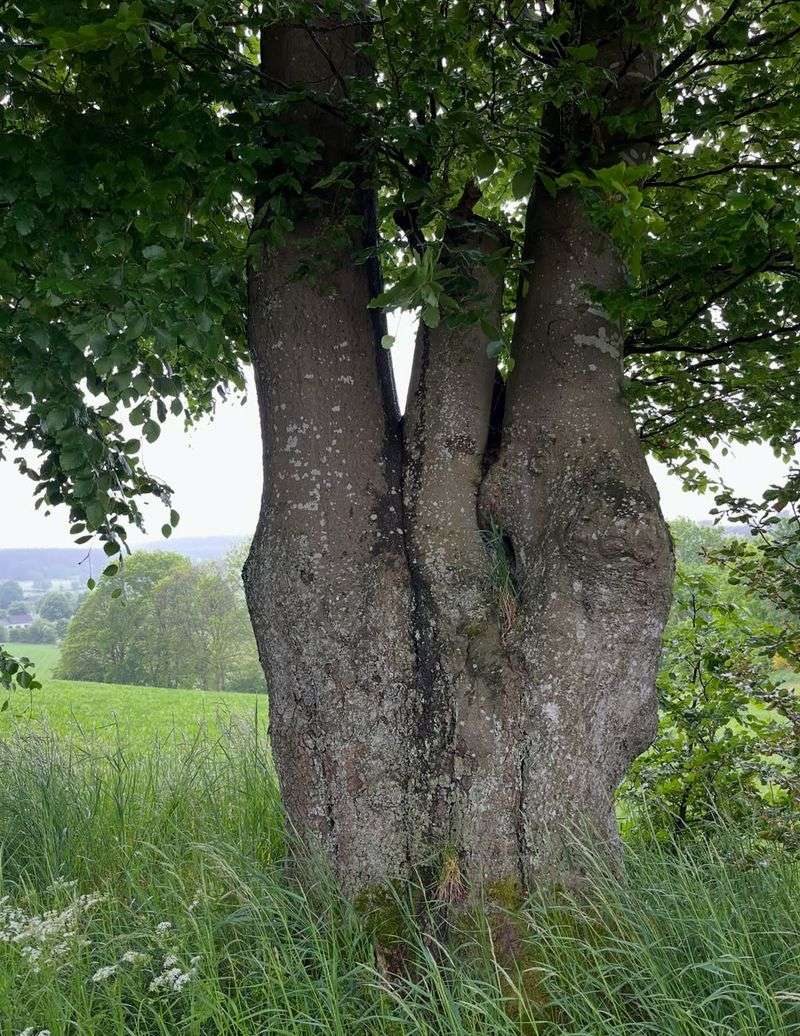
Gardeners who discover the American Hornbeam often wonder why they waited so long to plant one. Its naturally graceful, multi-stemmed structure gives it a sculptural quality that looks intentional and refined without any pruning required.
Even in winter, the smooth, sinewy gray bark adds visual interest when most other trees look bare and forgettable.
For Pennsylvania homeowners who want a native tree that fits naturally into the local ecosystem, this one checks every box. It supports local wildlife, tolerates a range of soil conditions, and never outgrows a modest-sized yard.
Nurseries that specialize in native plants are your best bet for finding healthy specimens ready to thrive in your specific region of Pennsylvania.
It Has Vibrant Seasonal Foliage
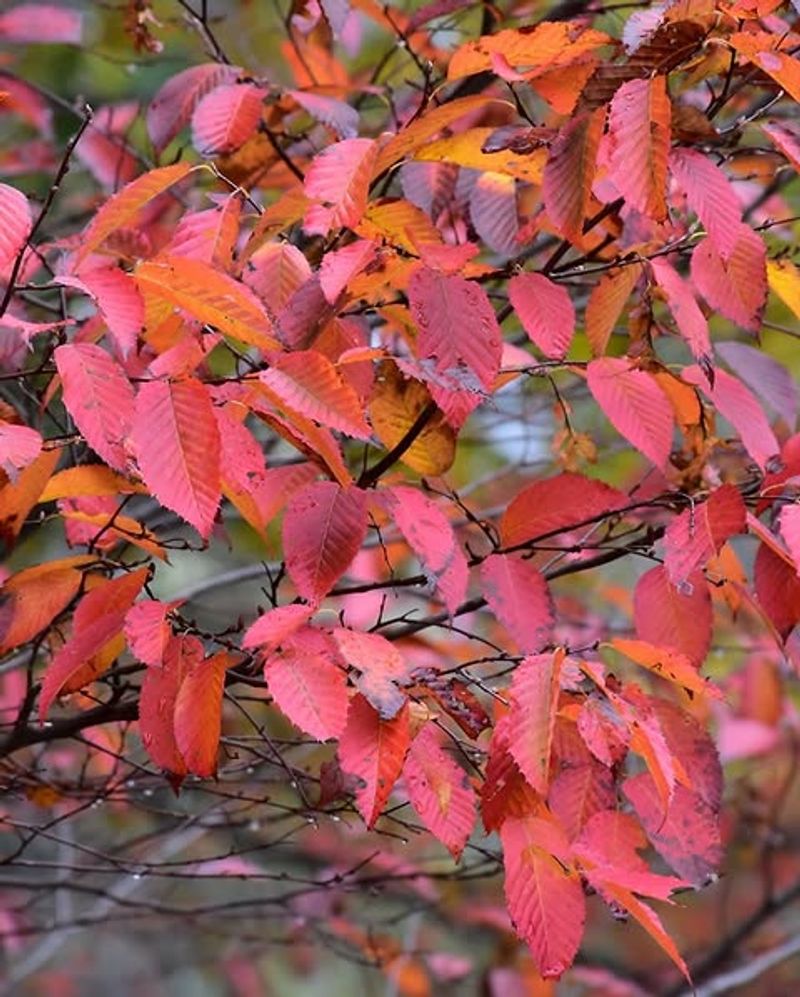
Few things in a garden are as satisfying as a tree that earns its keep across all four seasons. The American Hornbeam delivers exactly that kind of year-round payoff, and its fall foliage display is genuinely hard to beat for a tree of its modest size.
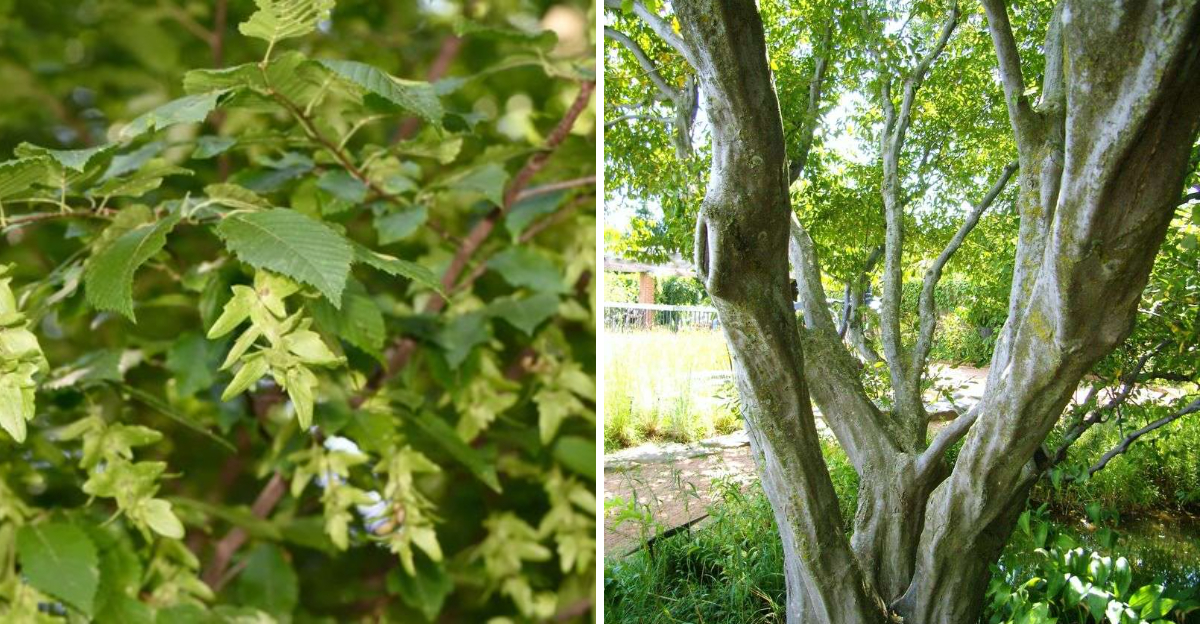
Spring brings bright, fresh green leaves that have a slightly serrated edge and a fine, papery texture. The leaves catch light beautifully, giving the canopy a luminous, airy quality that feels welcoming and alive.
Through summer, the tree holds its deep green color well, providing reliable shade and a calm, leafy backdrop for the rest of your garden.
When October arrives in Pennsylvania, the real magic happens. The leaves shift into warm shades of yellow, burnt orange, and fiery red, sometimes all on the same branch.
Your Pennsylvania Garden Changes Every Week. Your Plan Should Too.
Gardening in Pennsylvania changes quickly throughout the season. Every Friday you’ll receive a simple weekly plan showing exactly what to plant, prune, fertilize, harvest, and protect so you never miss the right timing.
This multicolored display happens gradually, so you get weeks of changing color rather than one brief burst that fades too fast.
Compared to maples or oaks, the American Hornbeam is rarely planted for its fall color, which is honestly a shame. Homeowners who have one in their yard often say it becomes the unexpected star of their autumn landscape.
Planting it where it gets morning sun and afternoon shade tends to bring out the richest fall colors.
If you want a multi-season performer that surprises guests and rewards patience, this native tree is worth every bit of planning it takes to add it to your Pennsylvania yard.
Small To Medium Size Ideal For Yards
Here is a problem many Pennsylvania homeowners know too well: you love trees, but your yard just is not big enough for a towering oak or a wide-spreading maple. That is exactly where the American Hornbeam steps in and solves the problem beautifully.
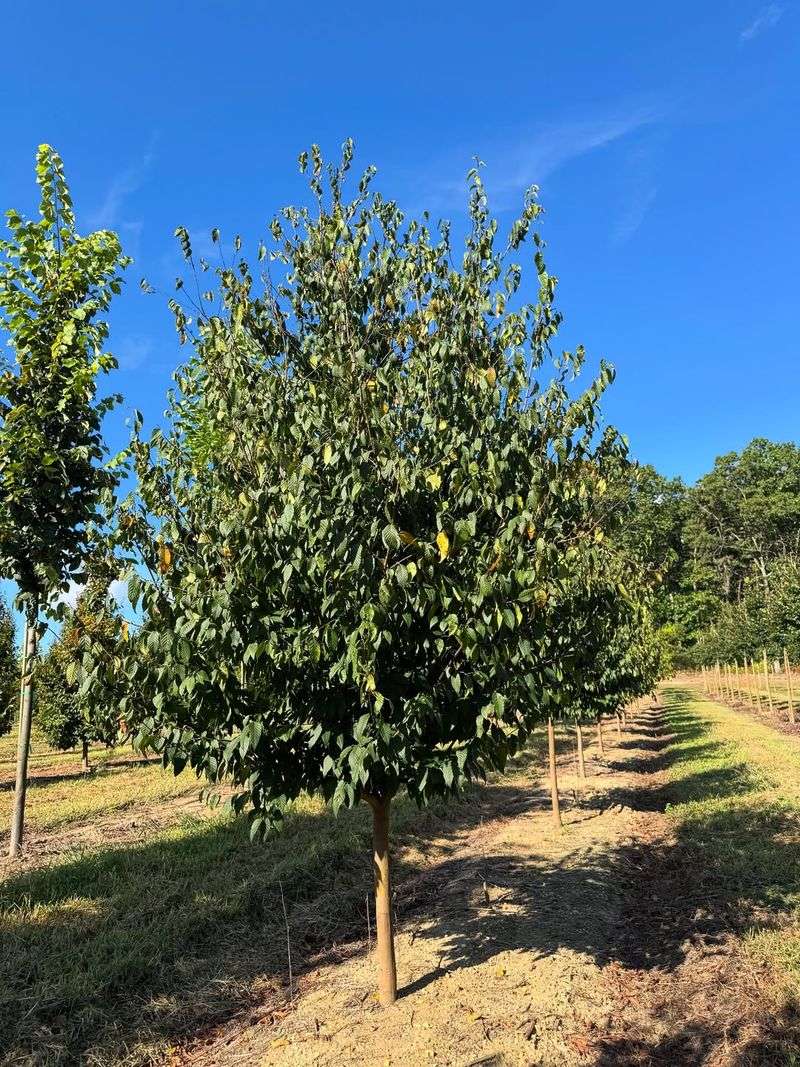
Mature American Hornbeam trees typically reach between 20 and 30 feet tall, with a canopy spread that stays proportional and manageable.
That size makes it one of the few native trees that works comfortably under utility lines, near fences, or in yards where space comes at a premium.
You get all the benefits of a real, established tree without the worry of roots heaving your driveway or branches crowding your neighbor’s property.
Its naturally multi-stemmed form also means it fills vertical space with elegance rather than bulk.
Rather than one thick trunk shooting straight up, the Hornbeam branches out from the base in a graceful, spreading pattern that feels organic and intentional. No aggressive shaping or heavy pruning is needed to keep it looking tidy.
Urban and suburban gardeners in Pennsylvania especially appreciate this quality. Tight lots, narrow side yards, and small backyard spaces can all accommodate a Hornbeam without any feeling of overcrowding.
It even works well when planted in groups of two or three to create a natural screen or privacy hedge that looks nothing like a boring fence.
If you have been putting off planting a tree because of space concerns, the American Hornbeam is the answer you have been waiting for.
American Hornbeam Is Low-Maintenance And Resilient
Honestly, one of the best things about the American Hornbeam is how little fuss it demands once it is established. For busy homeowners or gardeners who want beauty without a heavy workload, this tree is practically a dream come true.
Pennsylvania soils can be tricky. Heavy clay, compacted ground, and areas with inconsistent moisture are common challenges across the state.
The American Hornbeam handles all of these conditions with ease. It evolved alongside Pennsylvania streams and forest floors, so it is already adapted to the kinds of soil that frustrate many other trees and shrubs.
It also tolerates shade better than most trees. While it can handle full sun in cooler spots, it truly shines as an understory tree planted beneath taller oaks, tulip poplars, or hickories.
This shade tolerance opens up planting locations that other ornamental trees simply cannot fill, like the north side of a house or a shaded corner of a yard that gets little direct sunlight.
Drought tolerance is another quiet strength. Once the roots have had a season or two to establish, the tree can handle dry summer stretches without showing much stress.
You will not need to run a hose to it every week the way you might with a newly planted ornamental cherry or dogwood.
Pests and diseases rarely cause serious problems for this species either. Its native status means local insects and fungi have a balanced relationship with it, keeping major outbreaks uncommon and giving you one less thing to worry about each season.
It Is Wildlife-Friendly
Did you know that native trees support dramatically more wildlife than non-native ornamentals?
Research by entomologist Doug Tallamy found that native oaks support hundreds of caterpillar species, and trees like the American Hornbeam play a supporting role in that same rich web of life.
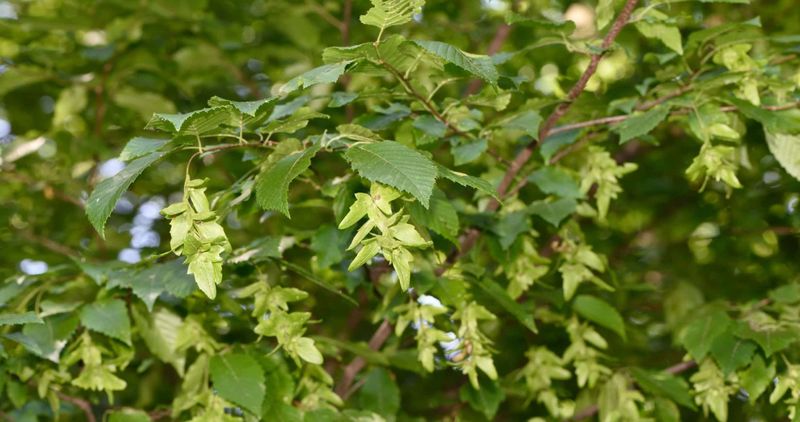
The small, nutlet-like seeds that the Hornbeam produces in late summer and fall are a favorite food source for several bird species. Ruffed grouse, turkeys, and various songbirds forage on the seeds regularly.
The dense branching structure also provides excellent nesting cover and shelter for birds throughout the year, making the tree a living habitat rather than just a decoration.
Pollinators benefit from the Hornbeam too. The tree produces small catkins in early spring that provide an early-season food source for native bees just waking up after winter.
Supporting pollinators early in the year has a ripple effect across your entire garden, helping vegetables, flowers, and fruit-bearing plants get better pollination all season long.
Beneficial insects like native beetles and moths also use the tree as a host plant. This might sound like a problem, but a healthy native ecosystem depends on insects at every level of the food chain.
Birds need caterpillars to feed their young, and caterpillars need native trees to survive. Planting an American Hornbeam is one of the most impactful things a Pennsylvania homeowner can do for local biodiversity.
One tree quietly supports dozens of species and strengthens the ecological health of your entire neighborhood over time.
It Has Unique Bark And Structure
Most trees look a little dull in winter. Bare branches, brown leaf litter, and gray skies can make even a beautiful yard feel flat and lifeless.
The American Hornbeam is one of the rare exceptions that actually gets more interesting when the leaves drop.
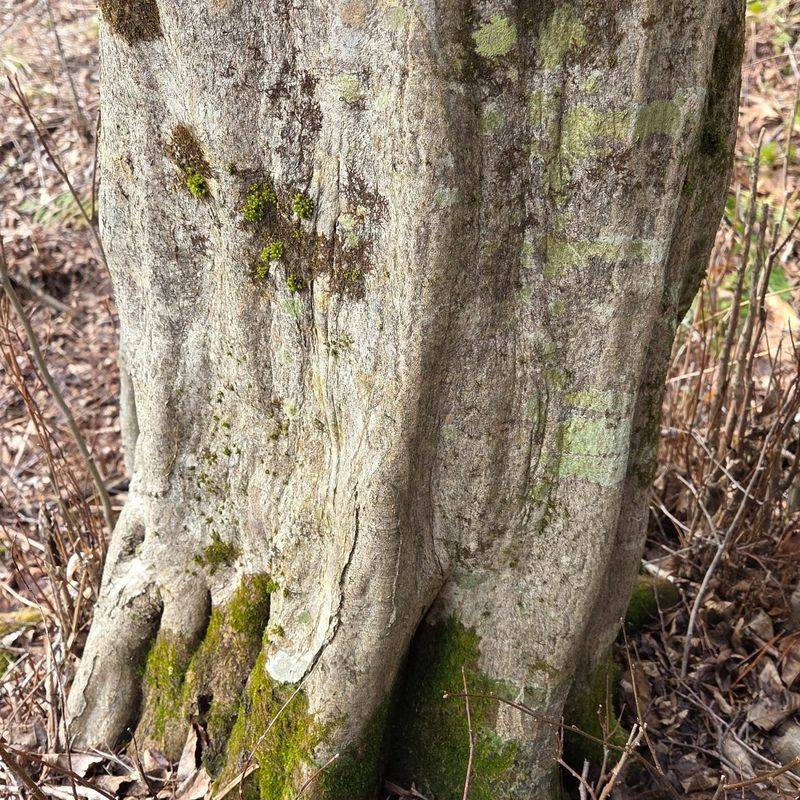
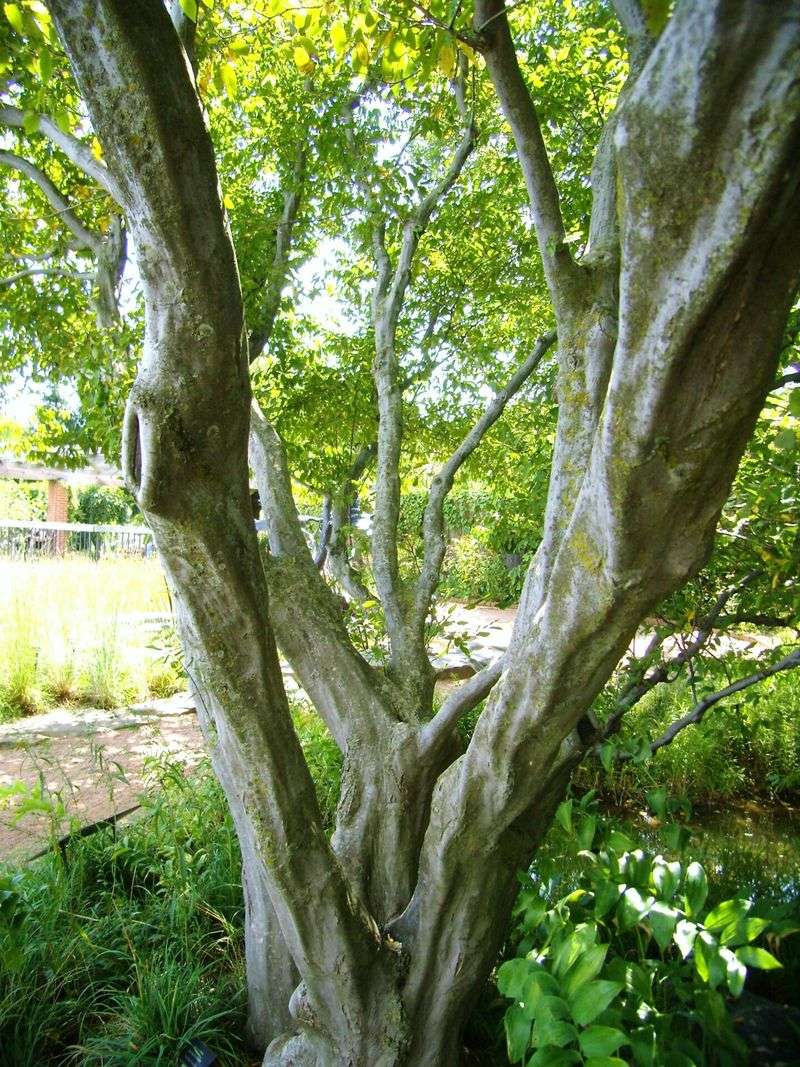
The bark of this tree is one of its most talked-about features among people who know it well. It is smooth and gray with a rippled, sinewy texture that looks almost like flexed muscle beneath the surface.
This unusual appearance is exactly why some people call it Musclewood. Run your hand along the trunk and you can feel the ridges and curves that give it such a distinctive, sculptural quality.
That textural bark becomes a genuine focal point in the winter garden. Paired with the tree’s naturally graceful branching pattern, it creates an artistic silhouette against a snowy Pennsylvania backdrop that no other native tree quite matches at this size.
Landscape designers who specialize in native plants often recommend it specifically for this winter presence.
The multi-stemmed structure also adds to the visual appeal across all seasons. Rather than a single dominant trunk, the Hornbeam typically grows with several main stems that lean and curve in slightly different directions, giving the tree a relaxed, natural elegance.
This form works beautifully as a specimen planting in a lawn or as part of a layered native planting design.
If you want a tree that earns admiration even on the coldest and most barren days of a Pennsylvania winter, the American Hornbeam is simply hard to top.