Do These Things The Moment Your Pennsylvania Cucumbers Start Flowering
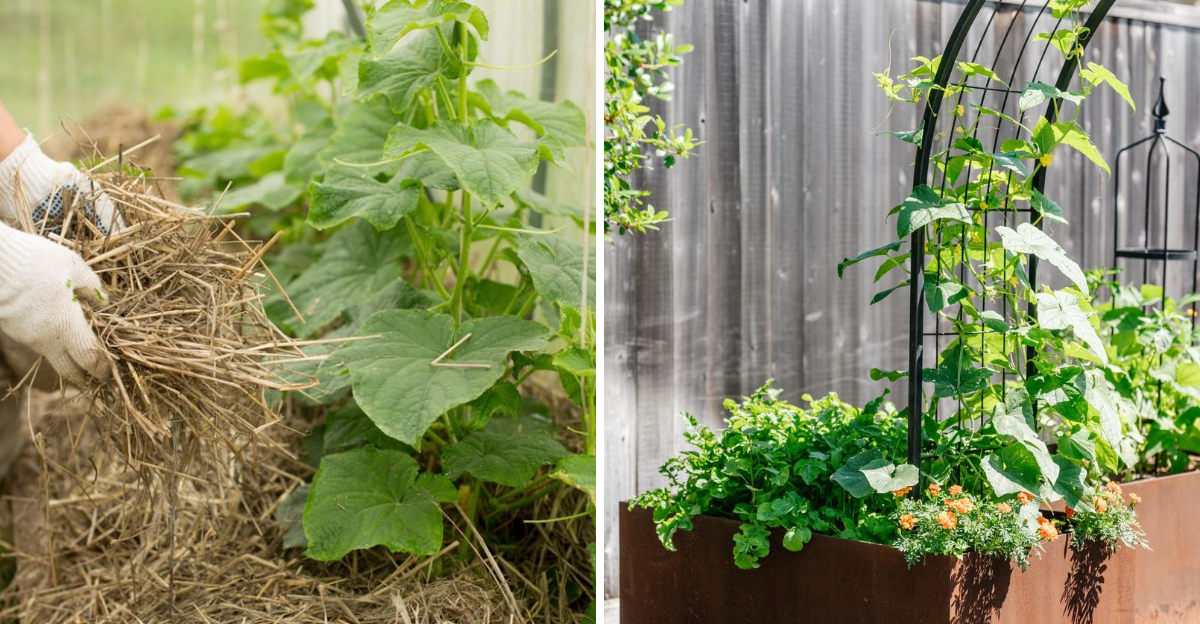
Cucumber flowers appearing in your Pennsylvania garden is one of those moments that feels like progress after weeks of watching plants establish and grow.
It is also one of the most important transition points in the entire growing season, where the right response from the gardener can significantly influence how much fruit actually sets and how long the plants stay productive.
Pennsylvania summers have a way of compressing the cucumber harvest window, with heat, humidity, and pest pressure all building at the same time the plants are trying to fruit.
What you do the moment flowering begins, from pollination support to watering adjustments and pest vigilance, sets the tone for everything that follows.
Most of the steps are straightforward, but timing matters more than most gardeners realize at this stage, and missing the early window often means a harvest that is shorter and lighter than the plants were capable of delivering.
1. Provide Consistent Watering
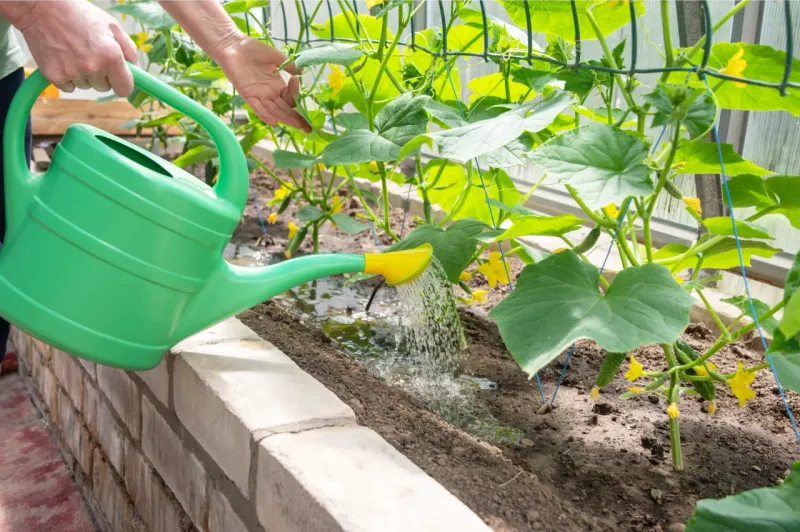
Water is everything when cucumbers start to flower. Without steady moisture in the soil, your plants will struggle to hold onto those blooms and develop fruit.
Cucumbers are made up of nearly 96% water, so it makes sense that they need a reliable water supply to thrive.
The goal is to keep the soil evenly moist but never soggy. Aim for about one to two inches of water per week, depending on how hot and dry the weather is.
In Pennsylvania summers, heat can build up quickly, so check the soil daily by pressing your finger about an inch deep. If it feels dry, it is time to water.
Uneven watering is one of the most common reasons cucumbers turn out bitter or misshapen. When plants go from too dry to too wet and back again, it stresses them out.
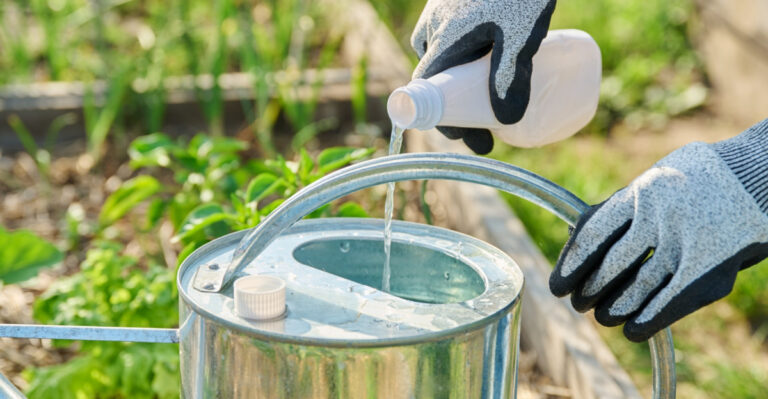
That stress shows up in the fruit. Drip irrigation or soaker hoses work really well because they deliver water slowly and directly to the roots without wetting the leaves.
Watering in the morning is the smartest move. It gives the soil time to absorb moisture before the afternoon heat arrives.
Wet leaves sitting overnight can invite fungal problems, which are already a concern in Pennsylvania’s humid climate. Try to avoid overhead sprinklers if you can.
Staying consistent with your watering routine during the flowering stage keeps your plants calm, healthy, and productive. A little daily attention goes a long way toward a rewarding cucumber harvest all season long.
2. Mulch Around Plants
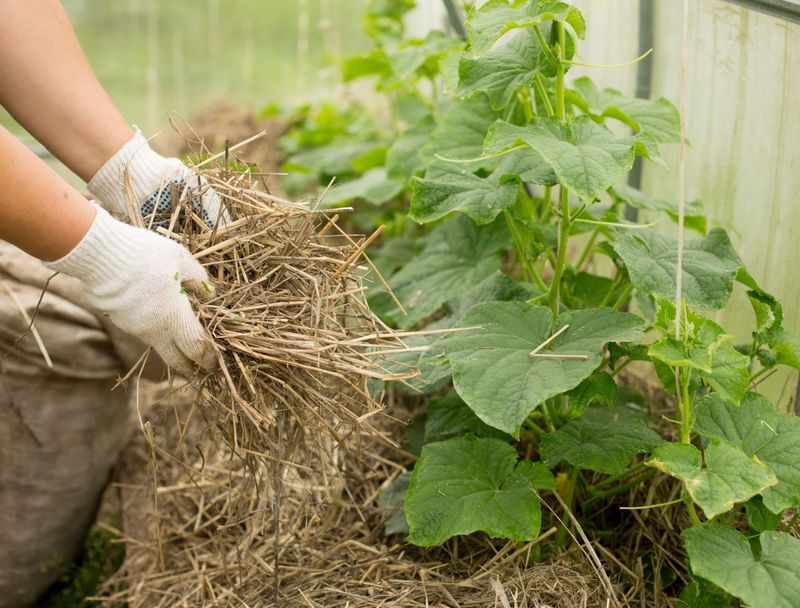
Spreading mulch around your cucumber plants right when they start flowering might be one of the easiest wins in the garden. It takes just a few minutes, but the benefits last all season. Think of mulch as a protective blanket for your soil.
A two to three inch layer of straw, wood chips, or shredded leaves does several important things at once. First, it slows down water evaporation so the soil stays moist longer between waterings.
Second, it helps regulate soil temperature, which matters a lot during Pennsylvania’s sometimes unpredictable summer weather. Cucumbers love warm soil, but if it gets too hot on the surface, roots can get stressed.
Your Pennsylvania Garden Changes Every Week. Your Plan Should Too.
Gardening in Pennsylvania changes quickly throughout the season. Every Friday you’ll receive a simple weekly plan showing exactly what to plant, prune, fertilize, harvest, and protect so you never miss the right timing.
Mulch also acts as a barrier against weeds. Weeds compete with your cucumber plants for water and nutrients, and during the flowering stage, your plants need every advantage they can get.
Fewer weeds mean less work for you and more resources for your cucumbers. Another bonus is that mulch keeps mud from splashing up onto the leaves when it rains. Soil splash can carry fungal spores and bacteria that cause disease.
Keeping the foliage cleaner helps your plants stay healthier throughout the growing season.
Apply mulch in a ring around each plant, but keep it a couple of inches away from the stem. Mulch piled directly against the stem can trap moisture and lead to rot.
Refresh the mulch layer if it breaks down or thins out over time. This simple habit supports strong flowering and better fruit production from start to finish.
3. Feed With Balanced Fertilizer
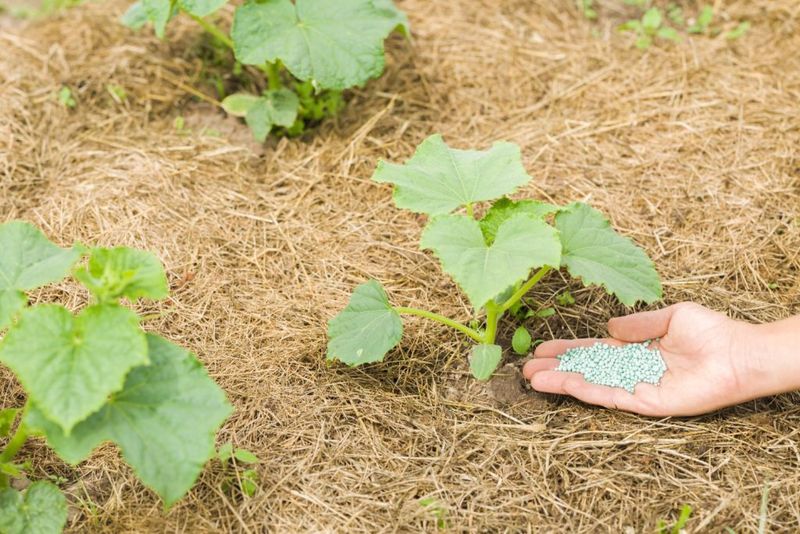
Once your cucumbers start flowering, their nutritional needs shift. During the early growth stage, plants focus on building leaves and stems, so they need more nitrogen.
But at the flowering stage, too much nitrogen can actually work against you. It pushes the plant to keep growing leaves instead of putting energy into flowers and fruit.
Switch to a fertilizer that is higher in phosphorus and potassium when blooms appear. Phosphorus supports strong root development and helps flowers form properly.
Potassium helps the plant manage water efficiently and builds disease resistance. Look for a fertilizer with a ratio like 5-10-10 or 4-8-8 on the label.
These numbers tell you the percentage of nitrogen, phosphorus, and potassium in that order.
Organic options like bone meal or fish emulsion are great choices for home gardeners who prefer a more natural approach. They release nutrients slowly and gently, which reduces the risk of over-fertilizing.
Over-fertilizing can burn roots and cause more harm than good, so always follow the package directions.
Apply fertilizer every two to three weeks during the flowering and fruiting stage. Water the plant well before and after feeding to help nutrients move into the root zone without shocking the plant.
Side-dressing with compost is another excellent way to give plants a steady, balanced nutrient boost.
Healthy, well-fed plants produce more flowers and set fruit more reliably. Feeding at the right time with the right nutrients is one of the smartest moves you can make once those blooms open up in your Pennsylvania garden.
4. Support Vines With Trellises
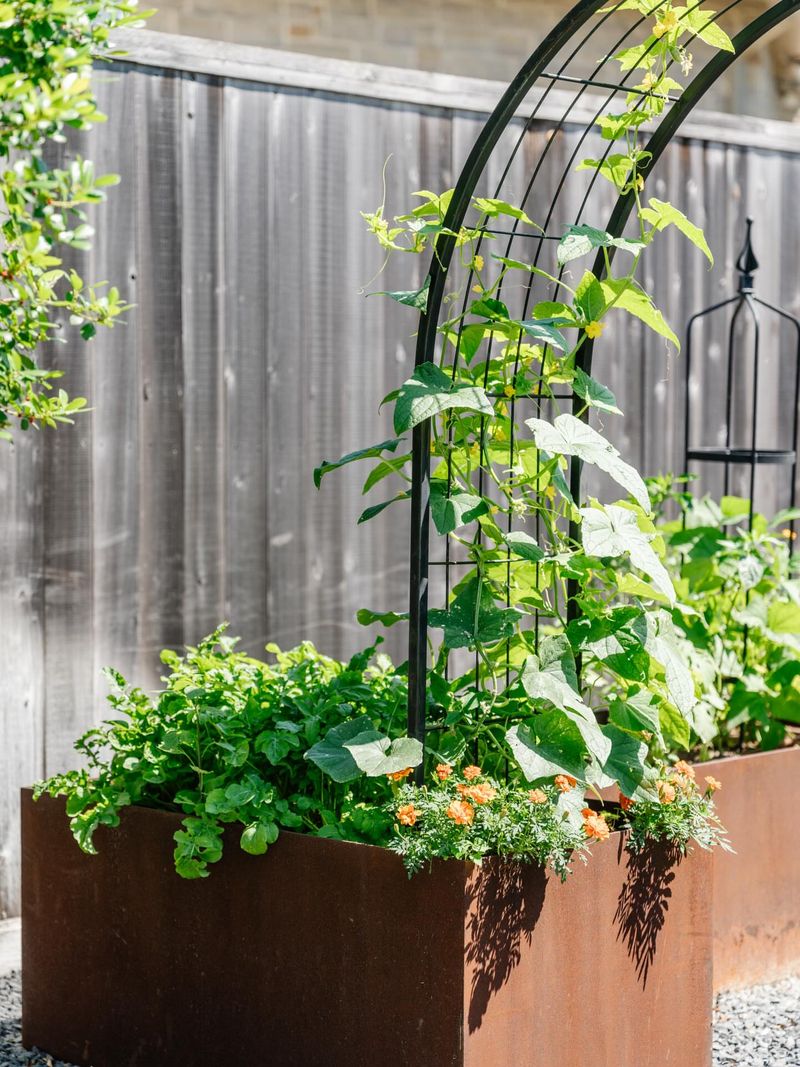
There is something satisfying about watching cucumber vines climb a trellis. Beyond looking great, growing vertically is one of the best things you can do for your cucumber plants, especially once flowering begins.
Trellising changes the whole game when it comes to plant health and harvest ease. When vines sprawl along the ground, air cannot circulate well between the leaves.
Trapped moisture and poor airflow create the perfect conditions for fungal diseases like powdery mildew and downy mildew.
Both of these are common problems in Pennsylvania’s warm, humid summers. Lifting vines off the ground reduces that risk significantly.
Setting up a trellis is simple and affordable. A basic A-frame trellis, a cattle panel arch, or even a few wooden stakes with garden twine stretched between them will do the job.
As vines grow, gently guide them toward the support structure. You can use soft plant ties or strips of old fabric to secure them without cutting into the stems.
Trellised cucumbers are also much easier to harvest. When fruit hangs freely in the air, it is easy to spot and pick at the perfect size.
Cucumbers left on the vine too long signal the plant to slow down fruit production, so being able to see and reach them quickly keeps the harvest going strong.
Vertical growing can also mean straighter cucumbers since gravity helps them hang and develop evenly. If you have not set up your trellis yet, do it now before the vines get too long and tangled.
Early training makes the whole process smoother and more rewarding.
5. Monitor For Pests Early
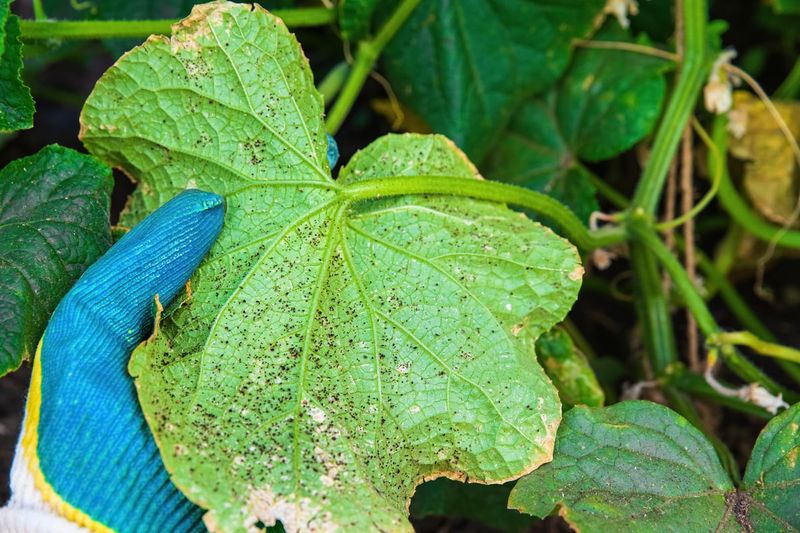
Flowering time is when pests seem to show up out of nowhere. Cucumber beetles, aphids, and spider mites are the most common troublemakers for Pennsylvania cucumber growers, and catching them early makes a huge difference in how well your plants hold up.
Cucumber beetles are small, yellowish insects with black spots or stripes. They chew on leaves, flowers, and stems, and they also spread bacterial wilt, a serious plant disease.
Check the undersides of leaves and around the base of plants every few days. If you spot them, remove them by hand or use yellow sticky traps to catch them before populations explode.
Aphids are tiny, soft-bodied insects that cluster on new growth and flower buds. They suck sap from the plant and can cause leaves to curl and yellow.
A strong blast of water from the hose can knock them off. Neem oil spray is another effective and garden-friendly option that targets aphids without harming beneficial insects much.
Spider mites tend to show up during hot, dry spells. Look for fine webbing on the undersides of leaves and a dusty, speckled appearance on the leaf surface. Keeping plants well-watered and misting the leaves can help discourage them.
Walk through your garden every morning with fresh eyes. Early detection is the key to keeping pest damage manageable.
Once a pest population gets out of hand during the flowering stage, it can quickly reduce your harvest. A few minutes of scouting each day protects weeks of hard work and keeps your cucumber plants producing strong through the season.
6. Encourage Pollinators
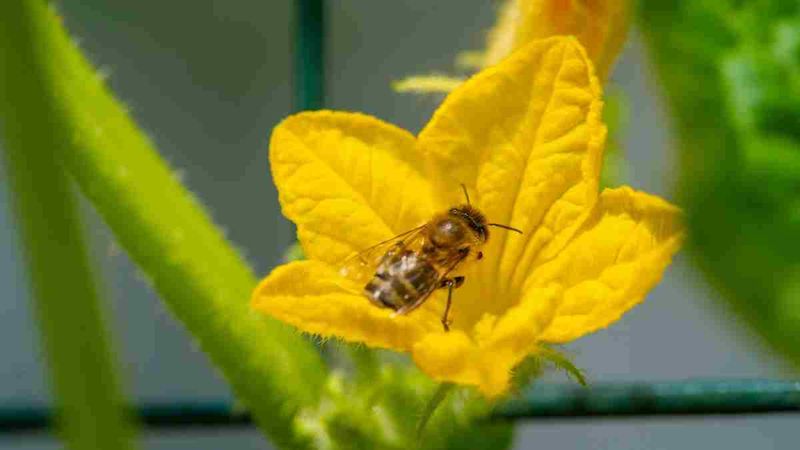
No pollinators, no cucumbers. It really is that straightforward. Cucumber plants produce both male and female flowers, and pollen has to travel from one to the other to create fruit.
Without bees and other pollinators doing that job, even the healthiest plant will drop its flowers without setting any cucumbers.
Bees are the star players here. Honeybees and native bumblebees visit cucumber flowers in the morning when the blooms are most open and receptive.
One of the best things you can do is plant pollinator-friendly flowers near your cucumber patch. Marigolds, zinnias, and borage are all excellent choices. They attract bees and add a splash of color to the garden at the same time.
Avoid spraying pesticides during the morning hours when pollinators are most active. If you need to treat for pests, do it in the late evening after bees have returned to their hives. Even organic sprays can be harmful to bees if applied at the wrong time.
If you notice flowers dropping off without producing fruit, poor pollination is often the reason. You can help by hand-pollinating.
Use a small, clean paintbrush or cotton swab to gently transfer pollen from a male flower to the center of a female flower. Female flowers have a tiny swollen base that looks like a miniature cucumber. Male flowers appear first and have a straight, thin stem.
Gently shaking the vines in the morning can also help distribute pollen. Encouraging a healthy pollinator population around your garden is a long-term investment that pays off with every crunchy cucumber you pick this summer.