Native Oregon Ground Covers That Help Suppress Weeds With Less Upkeep
Bare soil is basically an open invitation for weeds. In Oregon gardens, rain, mild winters, and summer dry spells can make that problem feel constant.
Native ground covers offer a smarter way to keep beds filled without adding another chore to the weekend. They spread low, shade the soil, and make open spaces harder for weeds to claim.
The best picks also bring texture, flowers, and a natural look that fits the Pacific Northwest better than bare mulch alone.
Once they settle in, they can help a garden feel fuller and easier to manage at the same time.
The trick is matching each plant to the right spot, since shade, clay, slope, and dry summer soil all matter. Choose well, and your ground layer can start doing quiet work every season.
1. Stream Violet
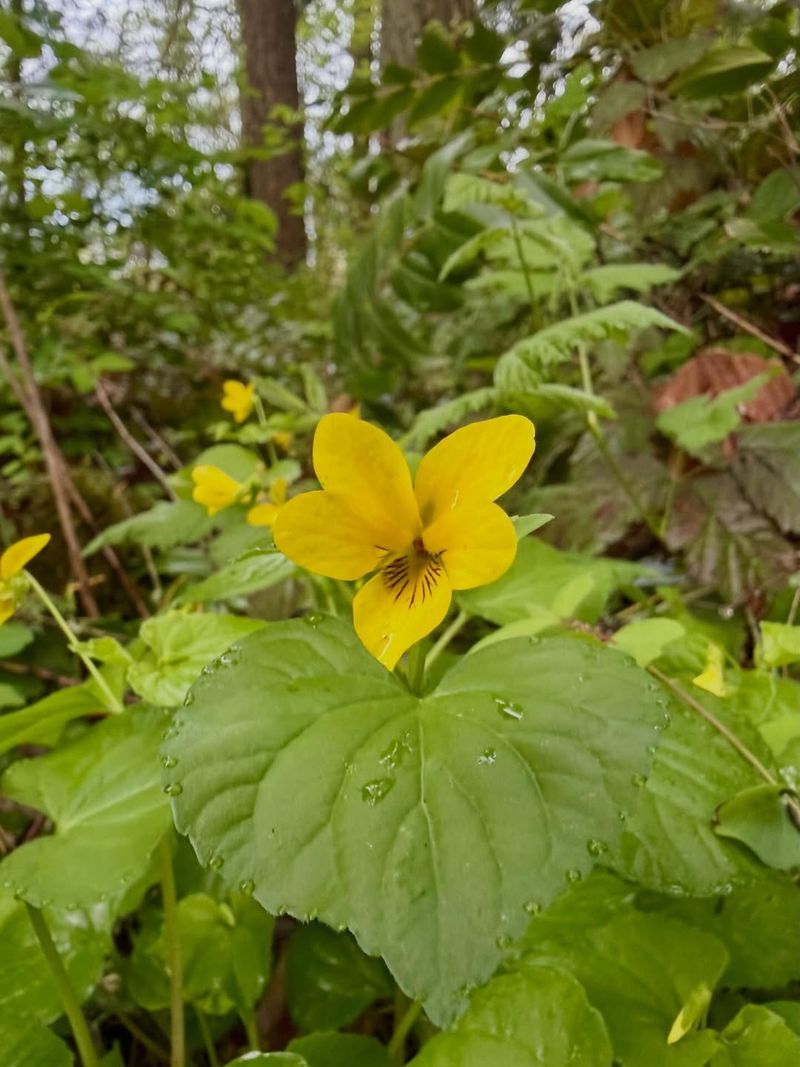
Bright yellow blooms with dark purple pencil-stripe markings make Stream Violet one of the most cheerful native ground covers you can grow.
It lights up shady spots in spring when most of the garden is still waking up, offering early-season color and instant visual interest without any extra effort from you.
Naturally found along stream banks and moist woodland edges across the Pacific Northwest, this violet thrives in rich, consistently moist soil and partial to full shade.
Its heart-shaped leaves are glossy and vibrant, forming a lush carpet that outcompetes weeds by shading the soil surface effectively all season long.
Planting it near a downspout, rain garden, or low spot in the yard where water tends to collect is a smart move.
It spreads through both rhizomes underground and self-seeding above ground, so it fills in gaps quickly.
Once established, it rarely needs supplemental watering except during very dry summers.
Stream Violet also plays a meaningful role in supporting local wildlife. Its leaves are a host plant for native fritillary butterfly caterpillars, making it a two-for-one win for gardeners who care about pollinators.
The seeds are also eaten by small birds and mammals. For a moist, shady corner that always seems to grow weeds, replacing bare soil with Stream Violet is a practical and beautiful solution worth trying.
2. Common Woodrush
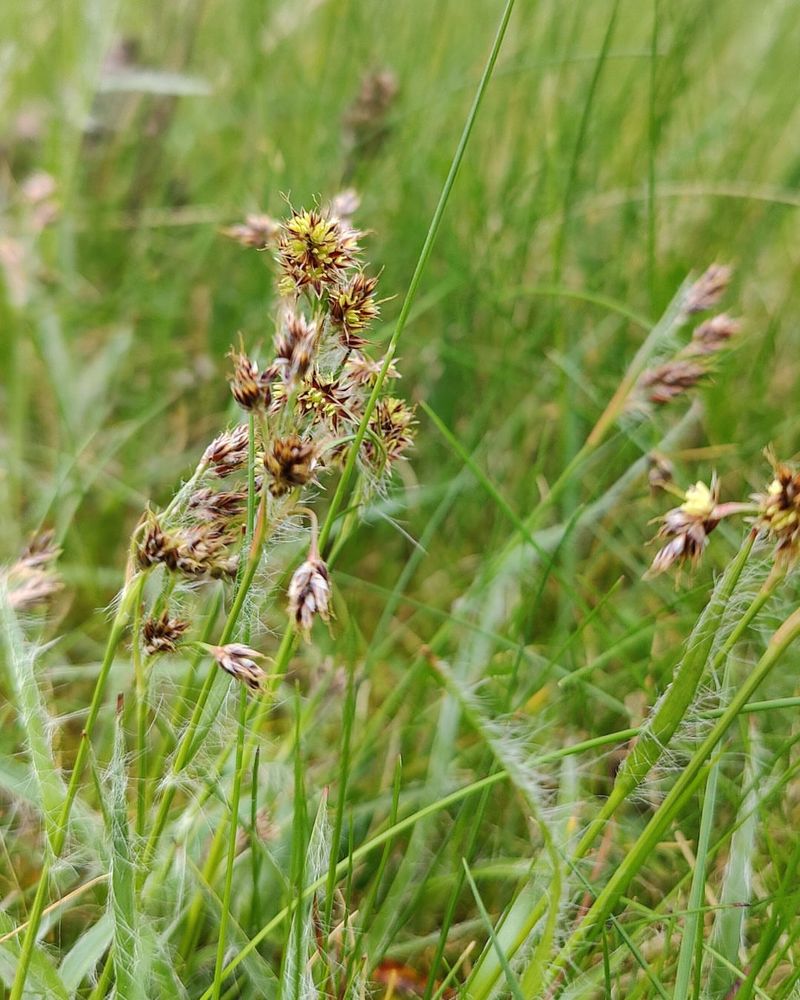
Not every ground cover needs flashy flowers to earn its place in the garden. Common Woodrush proves that texture and toughness can be just as impressive.
Its grass-like, dark green leaves are edged with soft white hairs that catch morning light in a surprisingly elegant way, adding quiet beauty to shady corners.
Found naturally in moist forests throughout this state, Common Woodrush adapts well to a wide range of soil types, including heavy clay that many other plants struggle with.
It tolerates both deep shade and partial sun, making it one of the most flexible native ground covers available to Pacific Northwest gardeners.
Spreading through both seed and rhizomes, it builds a thick, low-growing mat over time that smothers weeds by blocking light and competing for moisture.
It works especially well under large trees where lawn grass refuses to grow and bare soil invites weeds.
Your Oregon Garden Changes Every Week. Your Plan Should Too.
Gardening in Oregon changes quickly throughout the season. Every Friday you’ll receive a simple weekly plan showing exactly what to plant, prune, fertilize, harvest, and protect so you never miss the right timing.
Planting it in those frustrating bare patches is a smart, low-effort fix.
Maintenance is genuinely minimal. A light trim in late winter keeps the clumps tidy and encourages fresh new growth in spring.
It does not need fertilizer, rarely needs watering once established, and has no serious pest or disease problems to worry about.
For gardeners looking for a reliable, low-drama plant that does its job quietly and consistently, Common Woodrush is hard to beat.
3. Pacific Woodrush
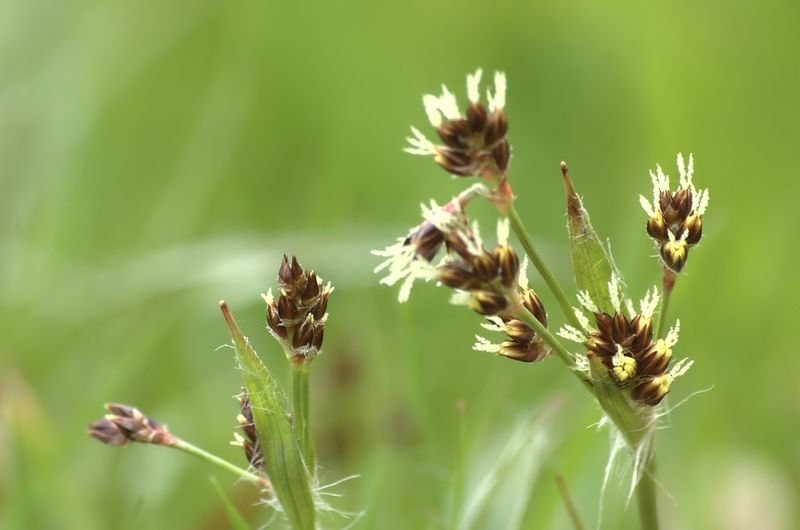
If you have a tricky shady slope or a dry area under mature trees where almost nothing seems to grow, Pacific Woodrush might be exactly what you have been looking for.
This tough native rush handles dry shade better than most plants, making it a go-to choice for some of the most challenging spots in any Pacific Northwest yard.
Slightly different from its cousin Common Woodrush, Pacific Woodrush tends to form tighter, more compact clumps with narrower leaves.
It has a neat, architectural quality that looks intentional and polished rather than wild and weedy.
The small, clustered flower heads appear in spring and add subtle interest without stealing the show.
It grows naturally in dry to moist forests across the western parts of this region and adapts well to garden conditions with minimal fuss.
Once planted and given a good first-season watering schedule, it settles in and largely takes care of itself.
It is drought-tolerant once established, which is a big plus during hot, dry Pacific Northwest summers.
Using Pacific Woodrush as a border edge, a filler under shrubs, or a slope stabilizer are all excellent options.
Its dense root system also helps hold soil in place on sloped ground, reducing erosion during heavy rain.
For gardeners tired of fighting weeds in dry shady spots, this plant offers a genuinely practical and attractive solution that earns its keep year after year.
4. Twinflower
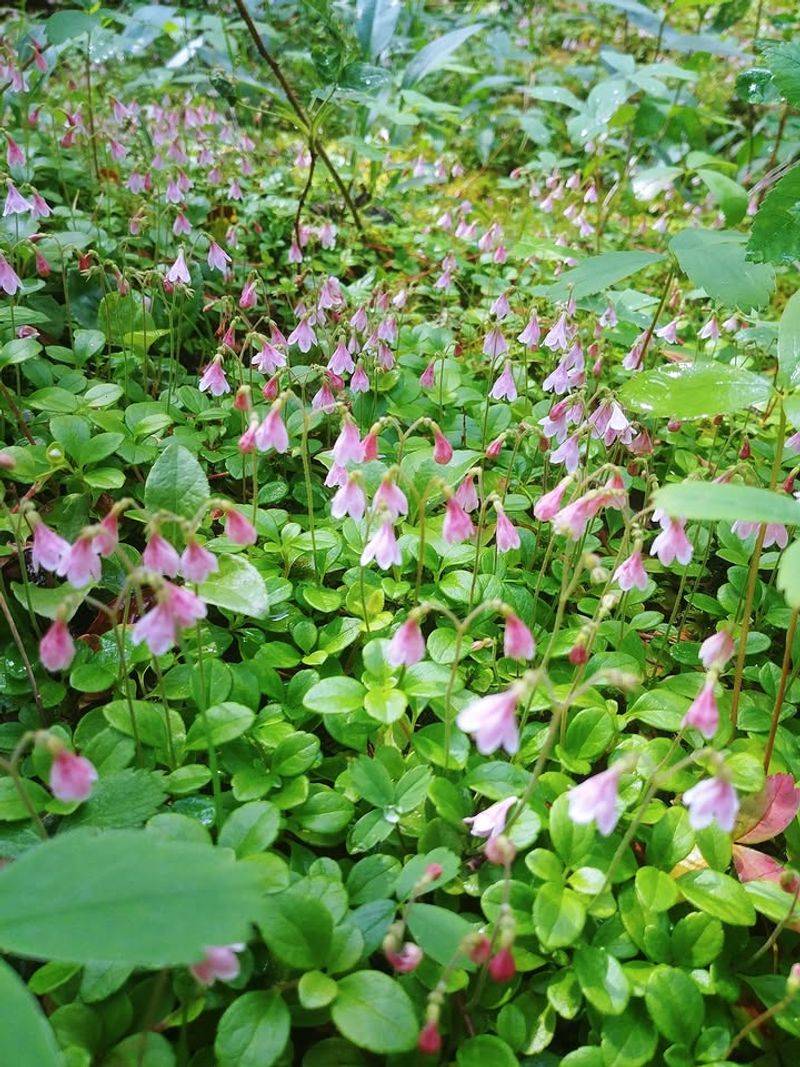
Few plants capture the quiet magic of a shaded forest floor quite like Twinflower. Its tiny, paired pink bells dangle from slender stems just a few inches off the ground, creating a soft, fairy-tale look that feels right at home beneath tall conifers.
Named after the famous botanist Carl Linnaeus, it was reportedly his favorite plant.
As a ground cover, Twinflower spreads slowly but steadily by sending out thin, woody runners across the soil surface.
Over time, it forms a dense, low mat that shades the ground beneath it and makes it very hard for weed seeds to take hold.
It thrives in moist, well-drained, acidic soils with plenty of organic matter.
Planting Twinflower under Douglas firs, western red cedars, or other large conifers gives it the dappled shade it loves.
It pairs well with mosses and ferns, and the combination looks incredibly natural.
Watering it during the first summer helps it get established. After that, it mostly takes care of itself.
Pollinators like bumblebees and small native bees are drawn to its tiny blooms in late spring and early summer. Beyond its weed-suppressing ability, Twinflower adds a layer of biodiversity to your yard.
If you want a ground cover that feels like a piece of the wild brought home, this charming little plant is a wonderful place to start.
5. Partridgefoot
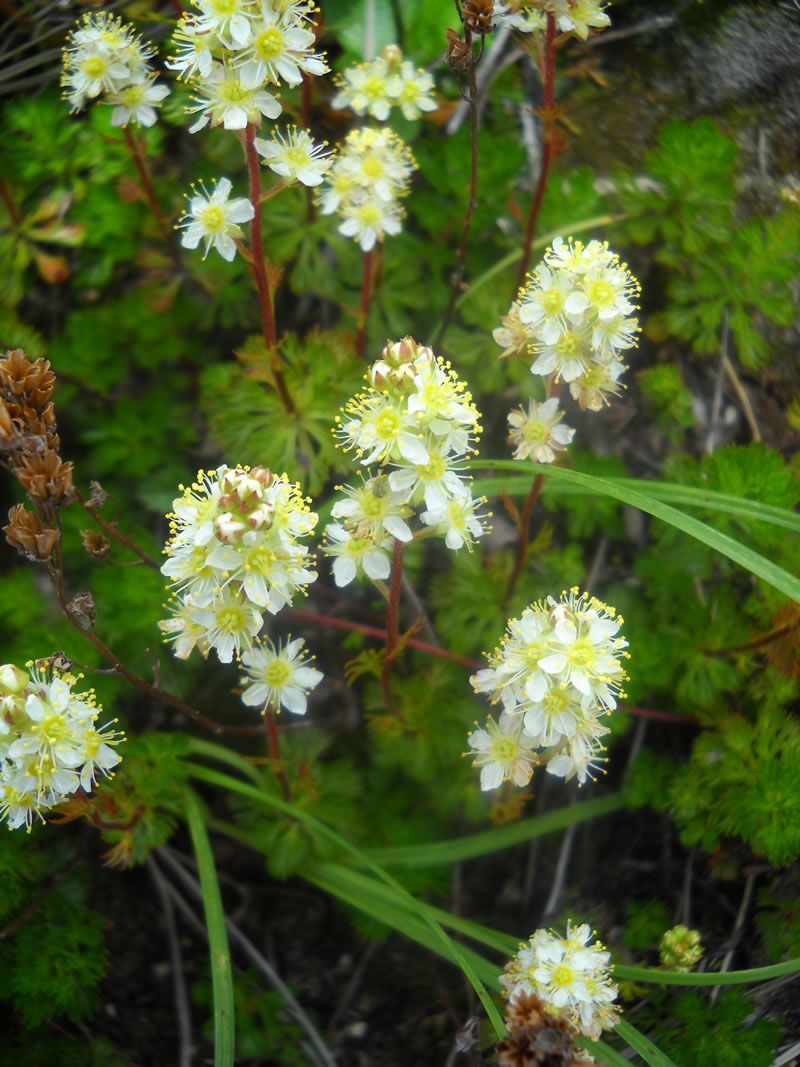
High up on rocky slopes and meadows in the Cascades and Coast Range, Partridgefoot hugs the ground with feathery, finely divided leaves that look like tiny fern fronds.
Its common name comes from the shape of its leaves, which resemble the footprint of a partridge bird.
That distinctive look makes it a real conversation starter in any garden.
As a ground cover, it forms a tight, dense mat that is extremely effective at blocking weed growth.
The mat stays green through much of the year, giving your garden structure and color even when other plants have gone dormant.
Small white flower spikes appear in summer, adding a delicate charm to rocky or alpine-style garden designs.
Partridgefoot thrives in well-drained, rocky, or gravelly soils with cool temperatures and moderate moisture.
It does best in areas that mimic its natural mountain habitat, making it a perfect choice for rock gardens, raised beds, or sloped areas with good drainage. Full sun to light shade works well for this plant.
Because it is naturally adapted to harsh conditions at higher elevations, it is incredibly tough and requires very little care once established.
No fertilizing, minimal watering after the first season, and virtually no pruning needed.
For gardeners in cooler parts who want a weed-suppressing ground cover that also looks genuinely wild and interesting, Partridgefoot is a standout option worth planting.
6. Oregon Saxifrage
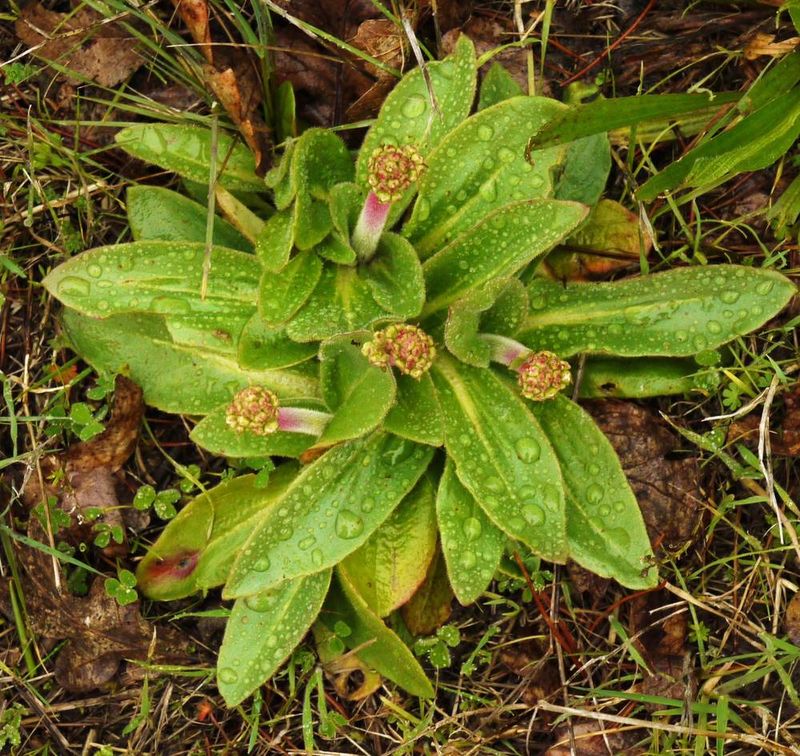
There is something deeply satisfying about a plant that thrives where others struggle, and Oregon Saxifrage is exactly that kind of overachiever.
It grows naturally in wet meadows and boggy areas throughout the PN, making it a top pick for low spots in the yard that stay consistently moist or even waterlogged at times.
The plant forms a handsome basal rosette of dark green, toothed leaves that hug the ground and create a solid weed-blocking layer.
In late spring and early summer, tall flower stalks rise up and produce clusters of small white blooms that attract native bees and other pollinators.
The flowers are delicate but visible, adding vertical interest above the low foliage mat.
Planting Oregon Saxifrage along the edges of rain gardens, ponds, or drainage swales is a smart and attractive approach.
It fills in quickly under moist conditions and competes aggressively with weeds in wet soil where many other ground covers would struggle to survive.
Grouping several plants together creates a fuller, more effective weed-suppressing mass.
Care is straightforward and minimal. Keep the soil consistently moist, especially during establishment, and the plant will reward you with steady growth and reliable coverage.
It does not need rich soil and actually performs well in heavy clay or silty soils common to many Pacific Northwest gardens.
For wet problem areas, few native plants offer as much practical value as this one.
7. Roundleaf Alumroot
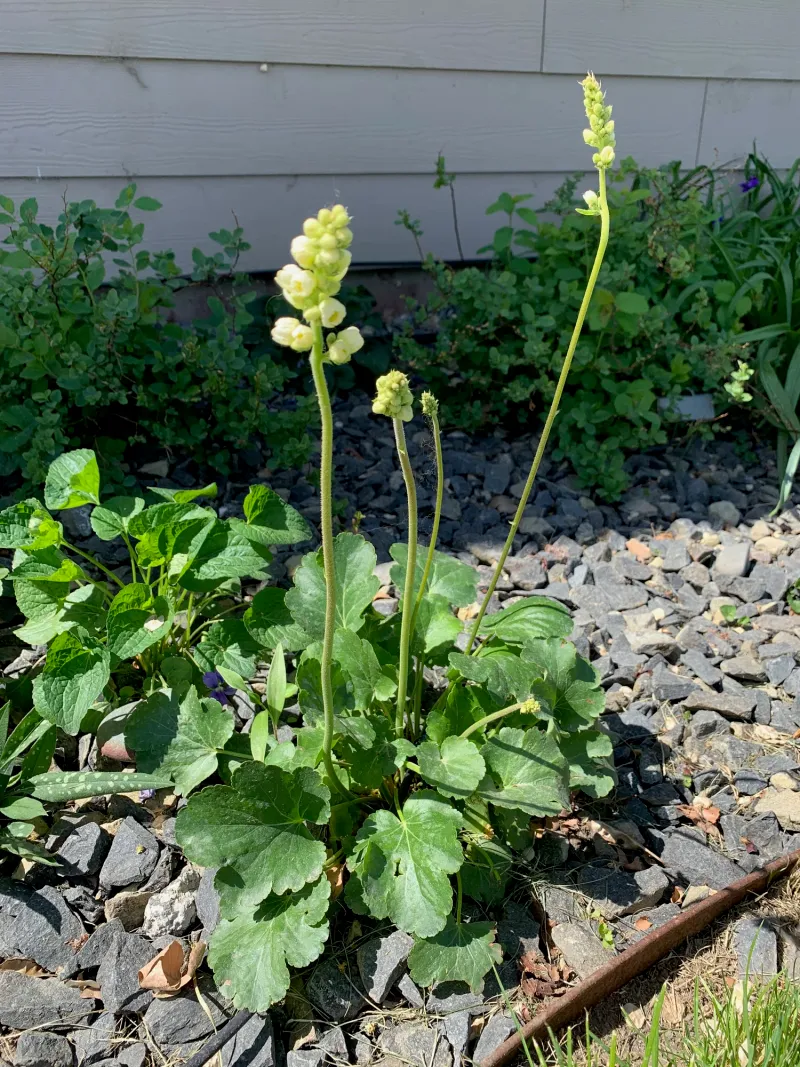
Rocky outcrops and shaded canyon walls are natural homes for Roundleaf Alumroot, a tough and beautiful native plant that has a lot more to offer than its modest size suggests.
Its rounded, lobed leaves form low, tidy clumps that spread gradually and shade the soil beneath them, making it a solid weed-suppressor in difficult garden spots.
The foliage is attractive on its own, but the real show comes in late spring when slender, wand-like flower stalks shoot up and display tiny cream or greenish-white blooms.
Hummingbirds and native bees visit these flowers regularly, so planting Roundleaf Alumroot adds real wildlife value to your yard without any extra work on your part.
It adapts well to a range of conditions, tolerating dry to moderately moist soils and thriving in both partial shade and full sun.
Rocky, well-drained soil is ideal, but it also performs reasonably well in average garden soil with good drainage.
It is a great choice for planting between stepping stones, along rock garden edges, or at the base of a dry-stacked stone wall.
Established plants are remarkably drought-tolerant and need very little supplemental watering after the first growing season.
Dividing the clumps every few years refreshes the plant and gives you extra starts to spread around the garden.
For dry, rocky, or challenging spots where weeds seem to find a foothold no matter what you try, Roundleaf Alumroot is a reliable and rewarding native choice.
8. Slender Cinquefoil
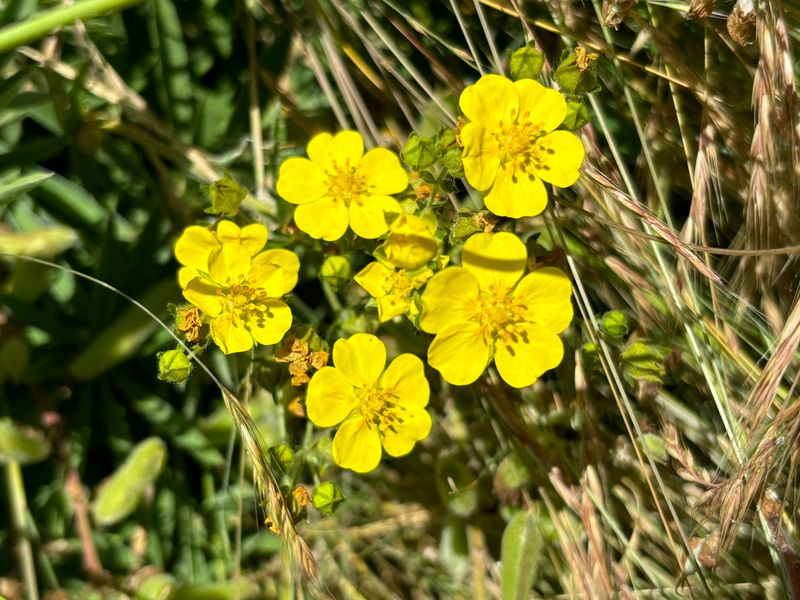
Cheerful yellow flowers and a tough, spreading habit make Slender Cinquefoil one of the hardest-working native ground covers for sunny, open garden areas.
Each five-petaled bloom looks like a tiny wild rose, which makes sense since cinquefoils belong to the rose family.
The flowers attract a wide variety of native bees and small butterflies from late spring through midsummer.
Found naturally in meadows, open woodlands, and disturbed slopes across this state, Slender Cinquefoil is well adapted to a range of soil types and sun levels.
It prefers full sun and well-drained soil but tolerates lean, dry conditions that would stress many other plants.
That toughness makes it especially useful for sunny slopes, parking strips, and other low-water areas.
The plant spreads through a combination of rhizomes and self-seeding, filling in open ground efficiently and forming a weed-suppressing layer that gets thicker each year.
Its palmate leaves, which fan out like a hand with five to seven leaflets, create dense coverage at ground level that blocks light from reaching weed seeds.
Upkeep is genuinely minimal. Cutting back the foliage in late winter encourages fresh, vigorous growth in spring.
No fertilizer is needed, and established plants handle summer drought well without supplemental irrigation.