Mulching These Plants Now Can Help Arizona Gardeners Protect Them From Summer Heat
There is a specific week every Arizona summer when the garden shifts. One day everything looks manageable.
A few days later, something is wilting that was not wilting before, the soil looks pale and cracked, and the watering schedule that worked in May suddenly feels completely inadequate.
That week arrives at the same time every year. And the gardens that come through it well are almost never the ones that responded to the heat. They are the ones that prepared for it.
Two identical plants, same species, same soil, same sun exposure, same water schedule. One looks vibrant in July. One looks exhausted. What is the difference?
The answer is sitting in a pile at the garden center right now, and it costs less than a single replacement plant.
Many Arizona gardeners know what mulch is. Far fewer understand exactly which plants need it urgently before summer peaks.
The plants on this list are the ones that reward you most for acting now rather than waiting until the damage is already visible.
1. Protect Young Citrus Roots With Deep Organic Cover
Young citrus trees have a reputation for being low-maintenance. In Arizona, that reputation needs some context.
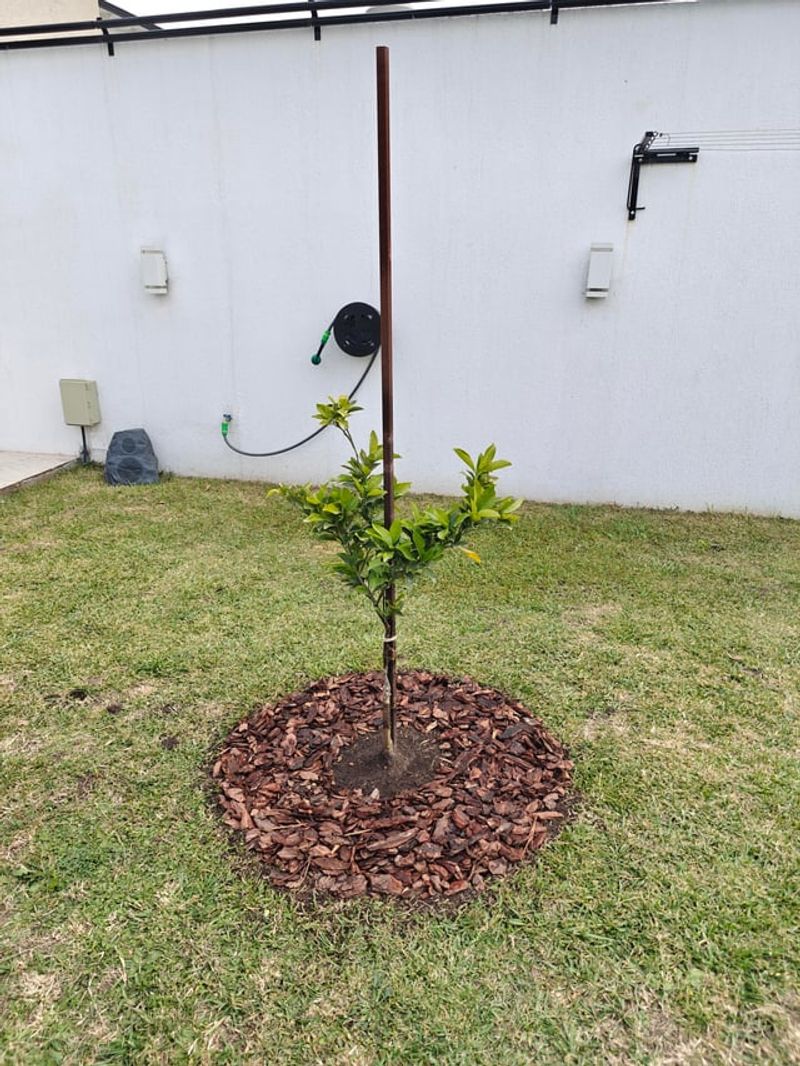
During the first few summers, citrus root systems are still shallow and spreading. That makes them particularly sensitive to soil temperatures that can exceed 140 degrees Fahrenheit at the surface.
That level of heat shuts down feeder root function quickly, which is why getting mulch down before peak heat matters more than most people realize.
For young citrus, a four inch layer of organic mulch, wood chips or composted straw work well, should cover the entire root zone.
The root zone extends out to the edge of the canopy, not just the area immediately around the trunk. A tight ring near the base misses most of the roots that need protection.
Keep mulch at least six inches away from the trunk itself. Piling it against citrus bark creates moisture conditions that invite root rot and soilborne problems.
Proper mulching also reduces irrigation frequency noticeably during establishment years. Cooler soil loses water more slowly, which means the tree builds stronger roots without the constant cycle of drought stress and emergency watering.
Refresh the layer after monsoon storms, since heavy rain scatters mulch faster than most gardeners expect.
A well-mulched young citrus tree enters the worst of summer in considerably better shape than one sitting in bare, baked soil. The difference shows up clearly by August.
2. Shield Bougainvillea Beds Against Soil Bake With Mulch
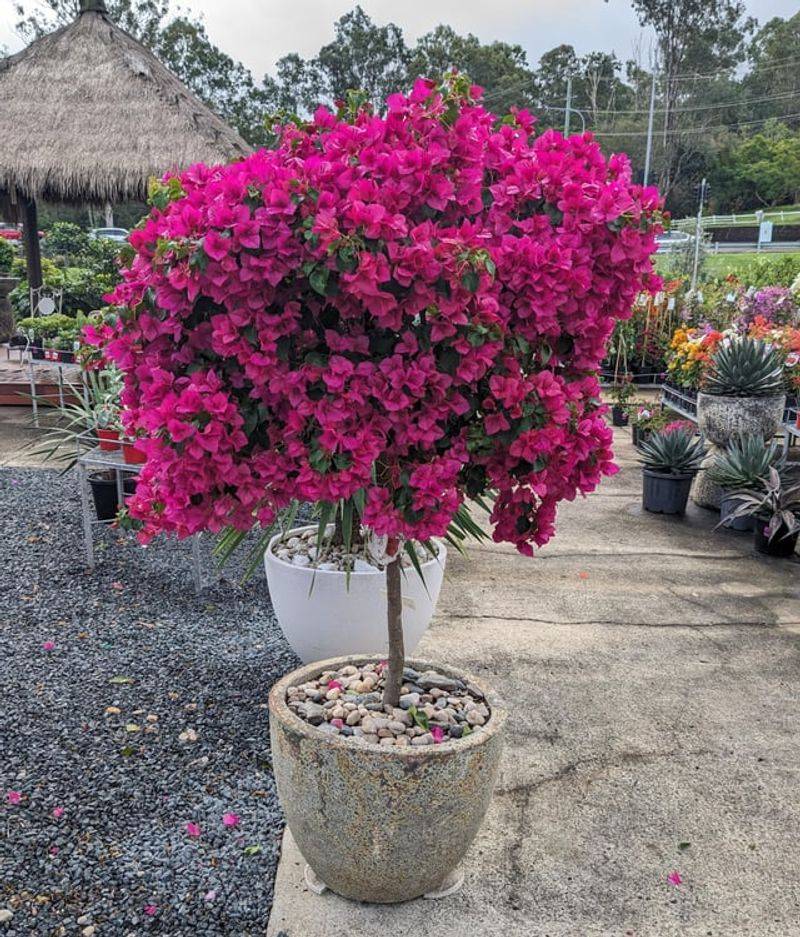
Bougainvillea handles Arizona heat better than almost anything else in the landscape. Bare, baked soil at its roots is a different matter.
When desert soil hardens into a crust under relentless sun, water runs off the surface instead of soaking in. Roots struggle to breathe.
The plant burns through energy reserves just trying to stay functional rather than putting that energy toward growth and blooms.
A good mulch layer changes that dynamic entirely.
Coarse wood chips or shredded bark work well in bougainvillea beds because they allow airflow while still holding moisture and moderating temperature swings.
Your Arizona Garden Changes Every Week. Your Plan Should Too.
Gardening in Arizona changes quickly throughout the season. Every Friday you’ll receive a simple weekly plan showing exactly what to plant, prune, fertilize, harvest, and protect so you never miss the right timing.
Lay down three inches across the entire planting bed. For multiple plants in a row, connect the mulched areas into one continuous strip rather than creating isolated rings around each plant.
Connected mulch creates a more consistent growing environment across the whole bed and makes irrigation considerably more efficient.
Organic mulch also improves soil structure gradually as it breaks down, loosening compacted desert soils over time.
That matters for bougainvillea because better soil structure means more effective root penetration and better water absorption during each irrigation cycle.
Bougainvillea blooms most heavily under some stress. The goal is controlled, manageable stress from appropriate pruning and irrigation timing, not the kind that comes from roasted roots and cracked soil.
Mulch handles the soil side of that equation quietly and consistently without requiring any ongoing attention from you.
3. Layer Mulch Under Shade Trees To Keep Roots Cool
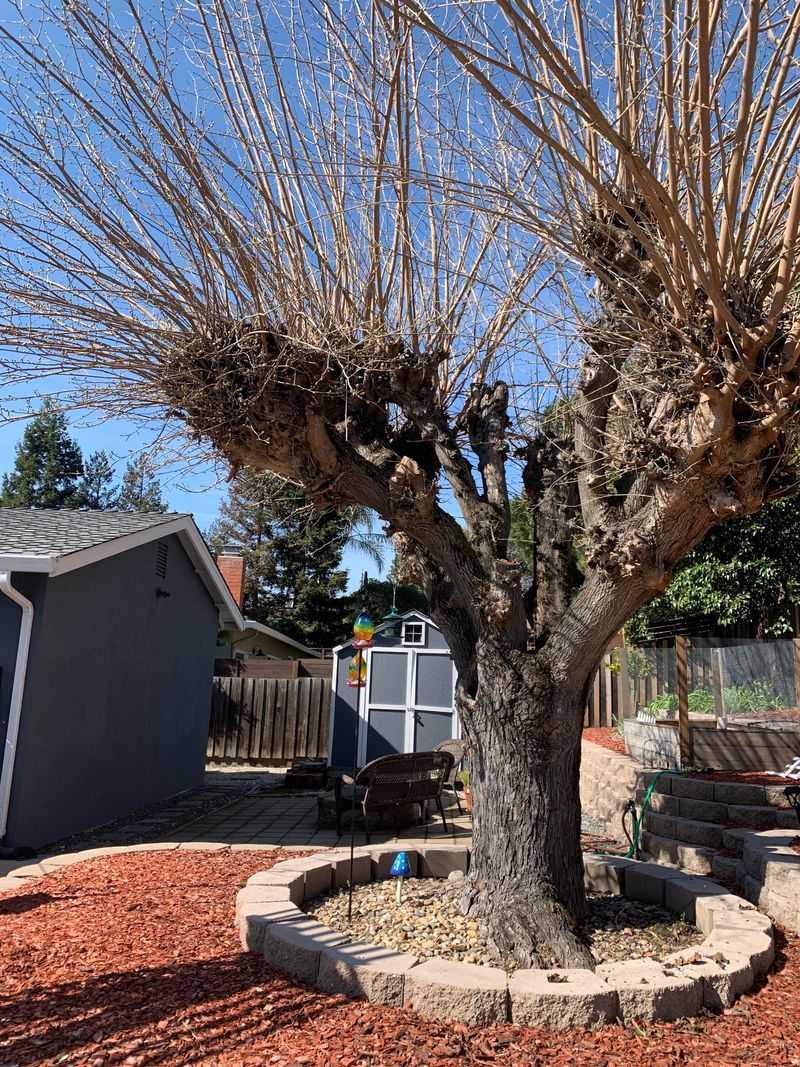
Shade trees work hard in Arizona yards. They cool outdoor spaces, protect smaller plants beneath them, and reduce overall landscape temperatures through the worst weeks of the year.
They also need protection themselves, particularly at the root zone where summer heat does the most damage.
Grass and bare soil competing with tree roots for water is one of the most common and most overlooked problems in Arizona yards.
A mulched ring under the canopy removes that competition and gives roots a cooler, moister environment to work with through the summer months.
For a mature shade tree, mulching out to the drip line can mean a ring 10 to 15 feet wide. That scope is worth it. Reduced watering needs and noticeably healthier canopy through summer are the direct results.
Use coarse wood chips rather than fine mulch for this application. Coarser material stays in place better during monsoon rains and allows better water penetration into the root zone. Apply three to four inches deep and keep mulch pulled back at least six inches from the trunk.
Apply this before peak heat arrives so the layer has time to moderate soil temperature during the most stressful weeks.
Mulched tree rings also become quiet habitat for beneficial insects and soil organisms that improve garden health over time.
The tree provides shade for your yard. Mulch provides shade for its roots. That seems like a fair exchange.
4. Cover Succulent Edges To Prevent Soil Bake Hardening
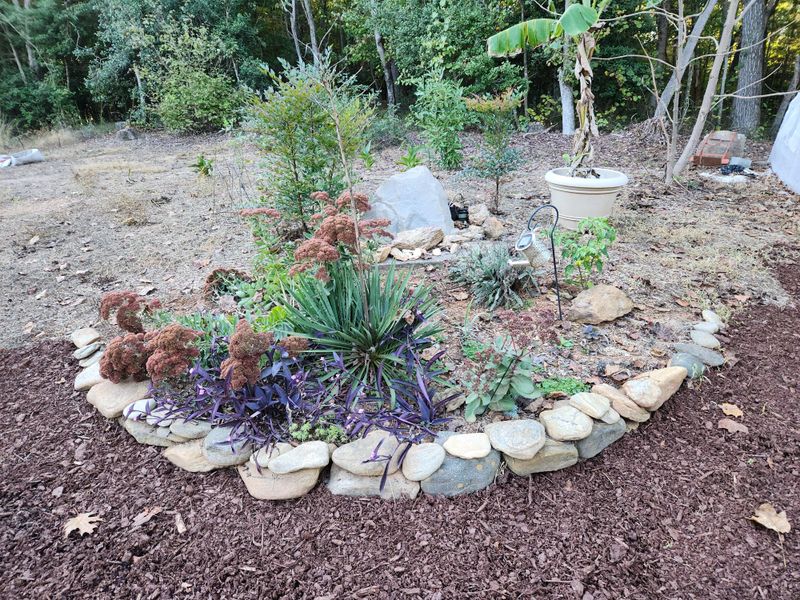
Succulents store water in their leaves and stems, which gives them a genuine advantage in dry climates. That advantage has a limit, and the soil around them is where that limit often gets tested.
When desert soil bakes hard and forms a surface crust, water cannot penetrate properly during irrigation or rainfall.
Even a drought-adapted succulent can struggle with poor water uptake simply because the soil around it has turned effectively impermeable.
Gravel mulch or coarse decomposed granite around the edges of succulent beds prevents that surface crust from forming.
Rock-based mulch works better for succulents than organic mulch because it does not hold excess moisture against plant crowns, which can cause rot issues over time.
A two inch layer of gravel mulch is generally enough to keep the soil surface open and permeable without creating overly wet conditions at the base of the plants.
Mulching around succulents also reduces weed seed germination, which matters because weeds compete directly for the limited moisture available in desert soils.
Fewer weeds mean less competition and less hand-pulling during the months when every minute outdoors feels twice as long.
A practical bonus: using a contrasting gravel color around succulent beds creates a clean, finished look that serves both an aesthetic and functional purpose.
Apply the mulch layer before monsoon season so it is already in place when heavy rain arrives and runoff becomes a real concern.
Succulents survive Arizona summers easily. Their soil does not always. That is where the mulch earns its place.
5. Mulch Around Desert Roses To Steady Soil Moisture
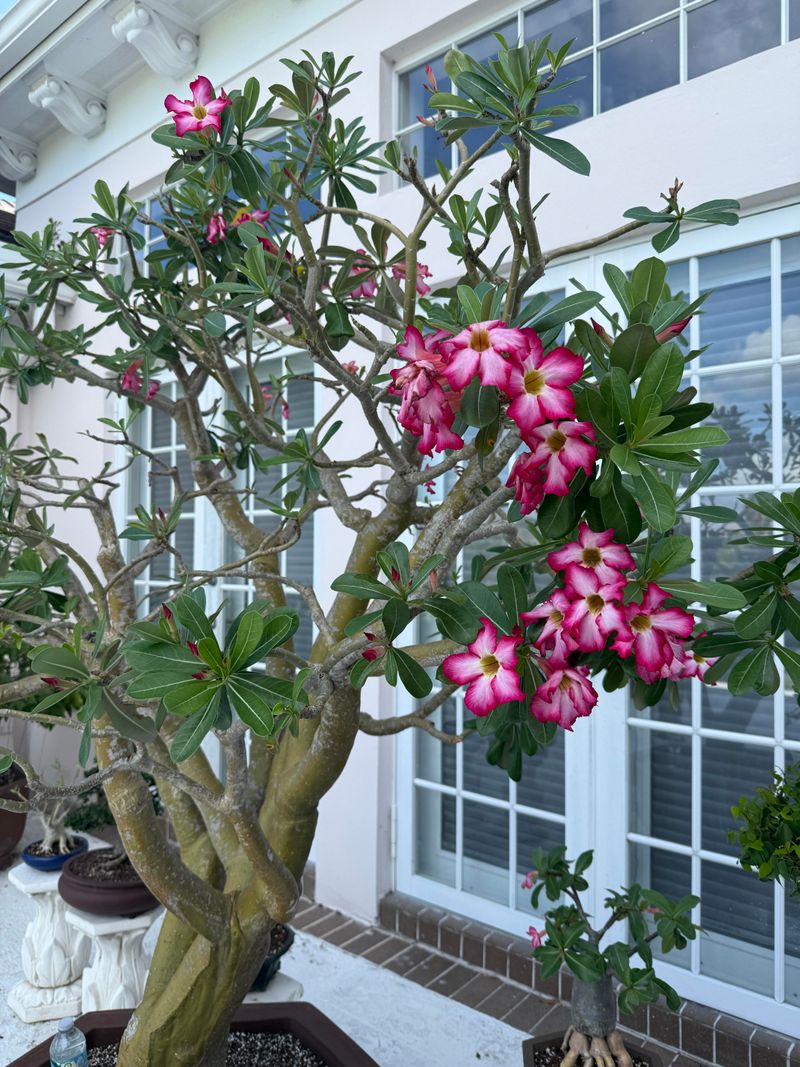
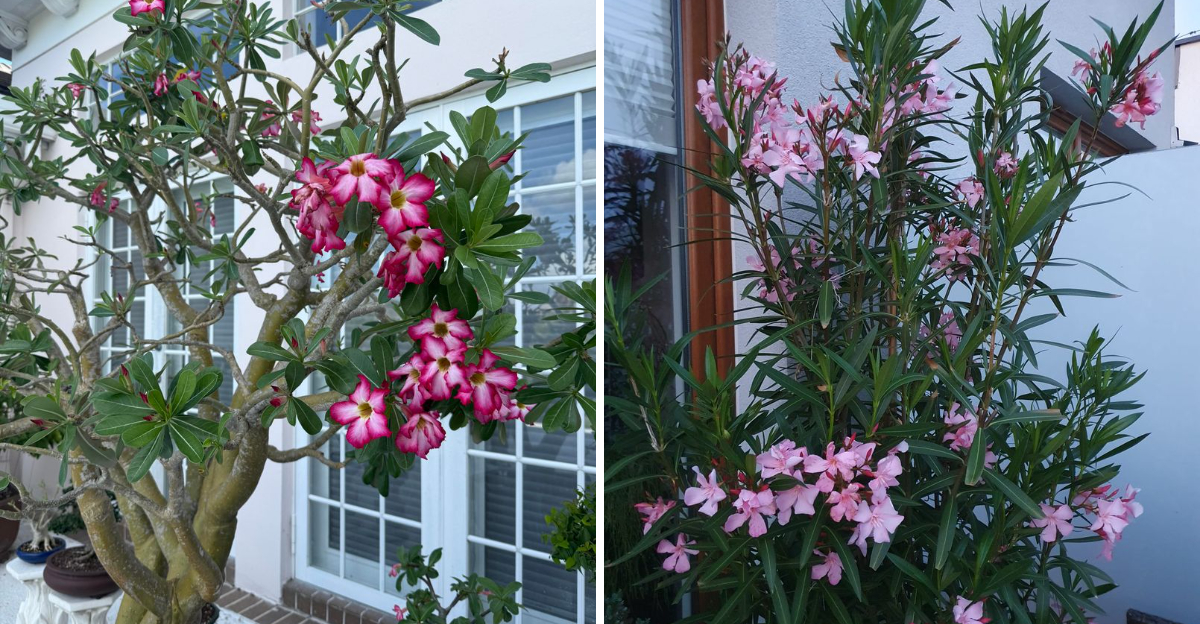
Desert roses are not fragile plants, but they do have one consistent vulnerability in Arizona summers. The soil around them.
When temperatures push past 100 degrees, unprotected soil loses water at a rate that no irrigation schedule can fully compensate for.
A three to four inch layer of organic mulch can cut soil water evaporation significantly, which means the moisture you put in actually stays in long enough to matter.
Shredded wood mulch or bark chips work especially well around desert roses because they break down slowly and feed the soil gradually over time.
Spread mulch in a wide circle around each plant, reaching out to the drip line where feeder roots are most active.
Keep mulch pulled back about two inches from the main stem. Moisture sitting against bark invites fungal problems, and that is a trade nobody wants to make.
The temperature benefit is the part most people overlook. Soil under a mulch layer can stay 10 to 15 degrees cooler than bare soil on a blazing afternoon.
Cooler roots mean less stress, fewer dropped buds, and more consistent blooming even when the thermometer becomes unreasonable.
Apply now, before the hottest weeks arrive, so the layer has time to settle and regulate before it is truly needed. Refresh mid-summer if monsoon rains scatter or compact it.
Desert roses will bloom through an Arizona summer with the right soil protection. Without it, they spend that energy just trying to stay stable instead.
6. Mulch Hedges Like Oleander To Reduce Moisture Loss
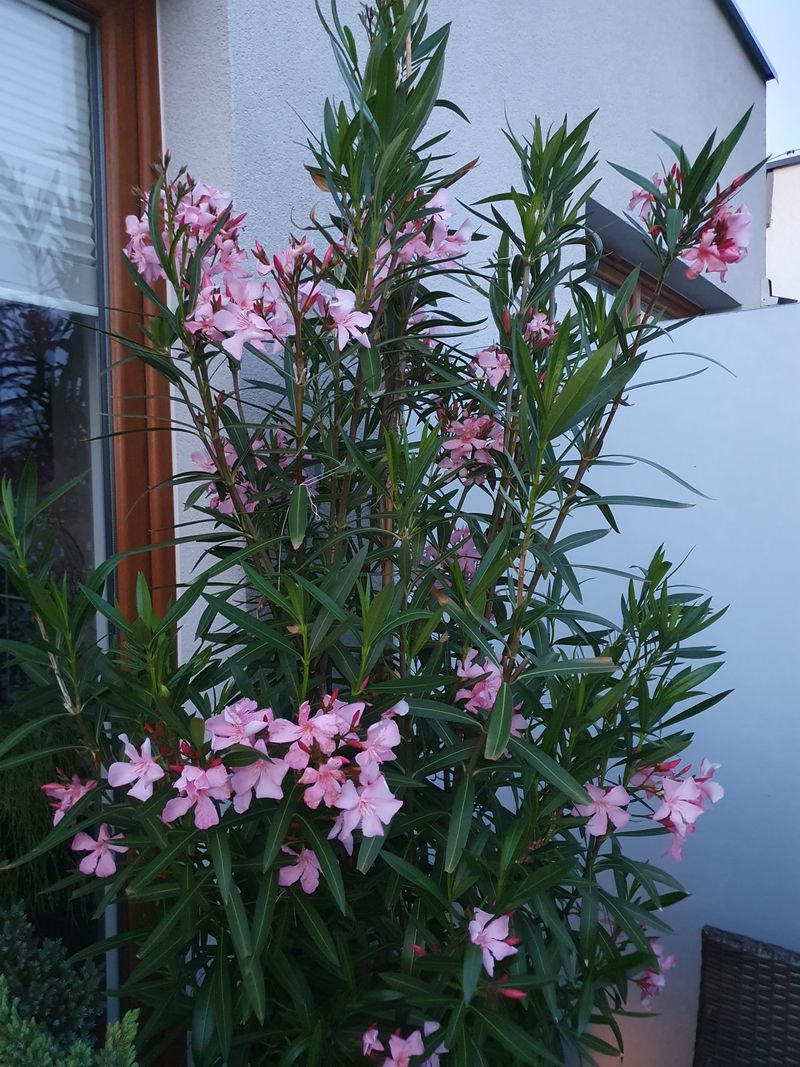
Oleander handles Arizona conditions better than almost any other hedge plant available. Heat, drought, reflected light from walls and pavement, none of it causes much visible trouble.
Even oleander performs better and requires less maintenance when the soil at its roots is protected from summer’s intensity.
For a long hedge, lay mulch in a continuous strip along the entire planting rather than individual circles around each shrub.
A three to four inch layer of shredded bark or wood chips along the root zone reduces evaporation significantly.
Mulched shrub beds in desert climates require noticeably less water than bare-soil plantings. That is a practical benefit beyond just plant health, particularly as Arizona water costs continue to rise.
Consistent soil temperature along the hedge line matters too. Oleander roots exposed to repeated extreme heat cycles gradually become less efficient at water and nutrient uptake.
Mulch buffers those temperature swings and keeps the root zone functioning well through the hottest months.
A clean mulch line along a hedge also gives the yard a polished, maintained appearance that bare soil simply cannot provide. It looks intentional rather than neglected.
Refresh the layer after monsoon rains to keep coverage even across the full length of the hedge.
Oleander does not ask for much. A continuous strip of mulch along its roots is one of the lowest-effort investments available for a noticeably better-looking and better-performing hedge all summer.
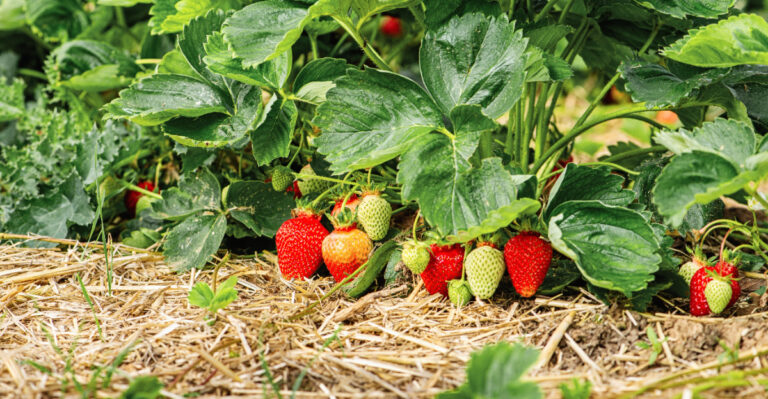
7. Top Up Mulch Around Vegetable Beds Before Heat Peaks
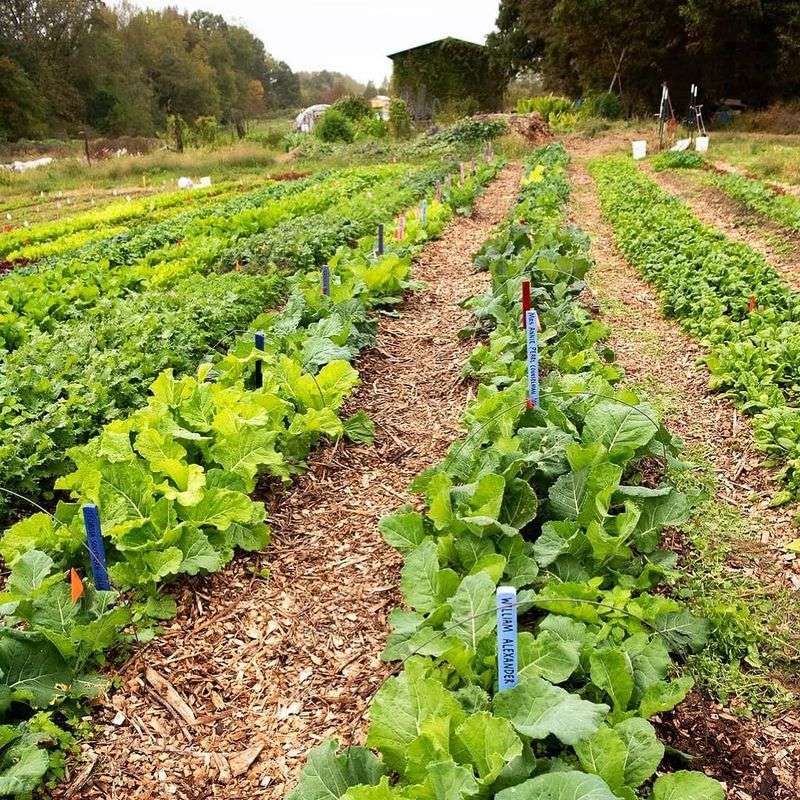
Arizona vegetable gardens operate on a timeline that catches many gardeners off guard. Spring crops wind down just as temperatures start climbing toward triple digits.
The window for keeping warm-season vegetables productive through early summer is shorter than it looks on the calendar.
Topping up mulch in vegetable beds before peak heat arrives is one of the most effective ways to extend that productive window without adding to the watering schedule.
Straw mulch is a practical choice for vegetable beds. It is lightweight, easy to spread, and breaks down into the soil over the season, gradually improving organic matter content.
A three to four inch layer across the entire bed surface keeps soil temperatures noticeably cooler than bare beds during peak heat.
That temperature difference directly affects fruit set and root health in tomatoes, peppers, and squash. Cooler soil means more consistent production rather than the mid-summer stall that hits unprotected beds hard.
Mulch also suppresses weeds in vegetable beds, which matters considerably when summer heat makes every minute of outdoor work feel longer than it should.
Fewer weeds mean less water competition and more nutrients staying available for the crops that are supposed to be there.
Check mulch depth every couple of weeks during the hottest months. Decomposition speeds up in warm conditions and the layer can thin faster than expected.
A quick top-up keeps protection consistent and plants productive well into summer.
The vegetables cannot ask for mulch themselves. This is your chance to answer a question they have not figured out how to ask yet.