Missouri Invasive Plants You Should Pull Before July Arrives
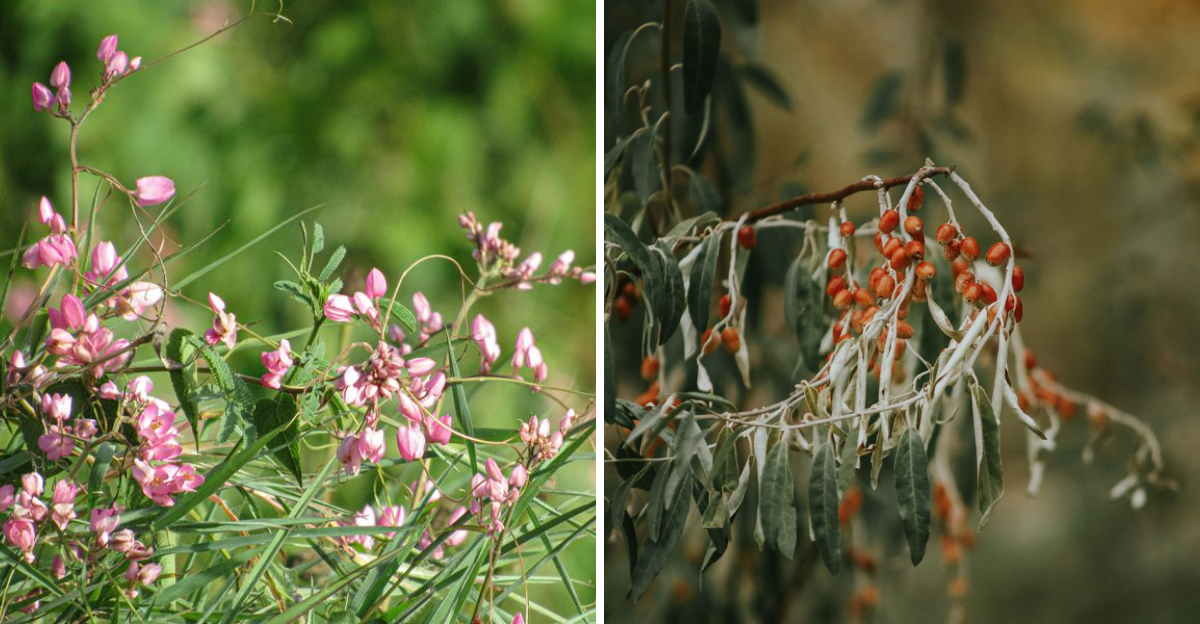
Most people pulling weeds in June have no idea they are already losing. Missouri’s invasive plants do not wait for an invitation.
They move in quietly, root deep, and start rewriting the landscape before anyone notices something is wrong. Some look like harmless shrubs. A few produce flowers pretty enough to leave alone.
That is exactly the problem. These plants did not evolve here, which means nothing in Missouri’s ecosystem keeps them in check.
No natural predators exist here to slow them down. Missouri’s native ecosystem never learned to fight back.
By July, many will have already flowered, seeded, and set their next generation in motion. Early summer is the window. Roots are still loose from spring rain, new growth is tender, and the damage is still reversible.
The longer you wait, the harder the fight. Here are eight Missouri invasive plants worth pulling before July arrives.
1. Bush Honeysuckle Is Taking Over Missouri Yards Faster Than You Think
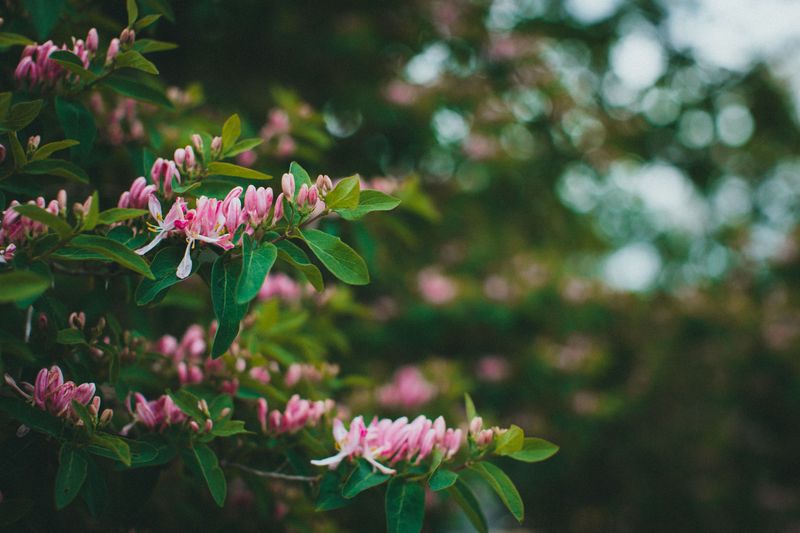
Walk into almost any Missouri woodland edge right now and you will likely find it. Bush honeysuckle is one of the most aggressive invasive shrubs in the entire Midwest.
It leafs out earlier than native plants and holds its leaves longer in fall, giving it a significant competitive edge. That extended growing season means native wildflowers and tree seedlings get shaded out before they ever have a chance.
Several species fall under this label, including Amur, Morrow, and Tartarian honeysuckle. All of them were originally brought over from Asia as ornamental shrubs and for wildlife habitat improvement.
That plan had consequences no one anticipated. Birds eat the berries and scatter seeds everywhere, which is exactly how the plant spreads so fast across roadsides, yards, and forests.
Young plants under three feet tall can be pulled by hand after a good rain. Larger shrubs need loppers or a pruning saw, and the roots must come out completely.
Cutting alone will not stop it. Bush honeysuckle resprouts aggressively from the base if the root system stays intact underground.
Late spring is your best window for removal because the plant is easy to spot and the soil is still workable. Bag the clippings to prevent any seeds from spreading further into your yard or nearby natural areas.
Replacing removed shrubs with native alternatives like spicebush or native viburnums helps prevent the space from being reclaimed quickly.
2. The Callery Pear Looks Beautiful In Spring But Struggles To Stay In Its Lane
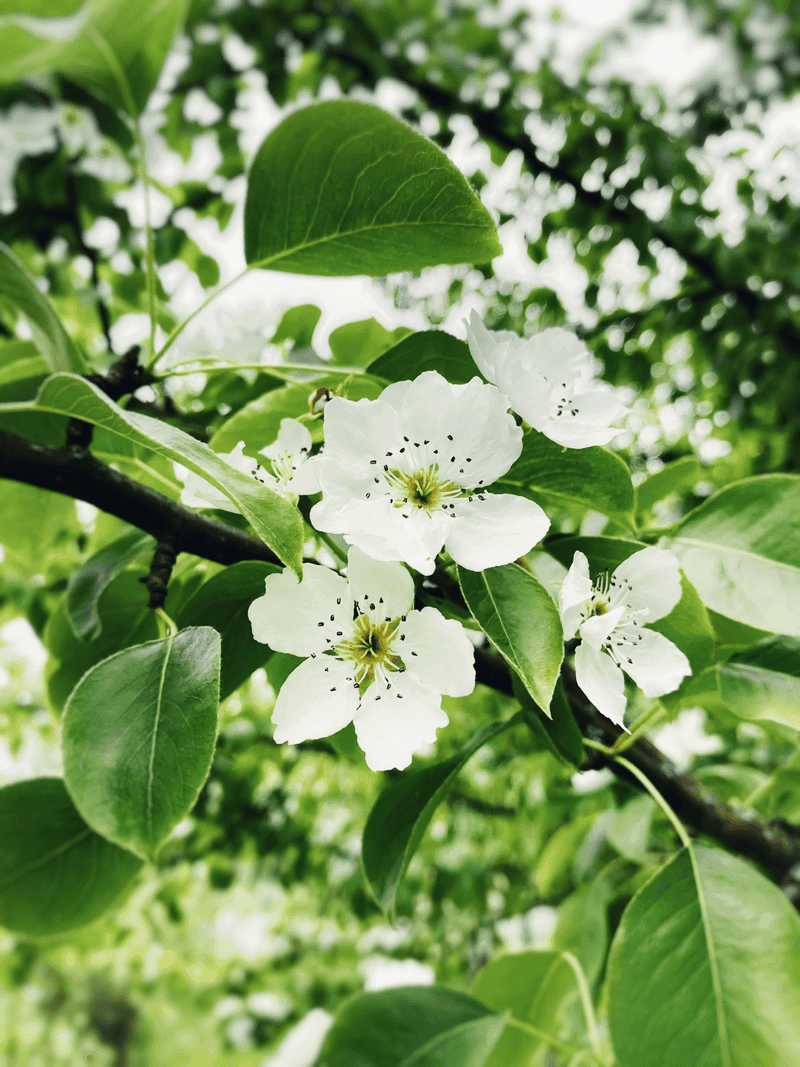
Few trees get as much undeserved praise as the Callery pear, also known as the Bradford pear.
Every spring, those clouds of white blossoms make neighborhoods look like a postcard. But underneath that beauty is a plant with serious boundary issues and a talent for escaping into wild spaces.
Originally bred as a sterile ornamental, Callery pear varieties cross-pollinate with each other. That cross-pollination produces fertile seeds that birds carry into fields, roadsides, and natural areas across the state.
Once established in the wild, it forms thorny thickets that block out native grasses and wildflowers. Those thickets are nearly impossible to walk through and offer little nutritional value to local wildlife.
Your Missouri Garden Changes Every Week. Your Plan Should Too.
Gardening in Missouri changes quickly throughout the season. Every Friday you’ll receive a simple weekly plan showing exactly what to plant, prune, fertilize, harvest, and protect so you never miss the right timing.
Missouri has taken notice of this problem. The state passed a law in 2025 banning the sale of Callery pear, with full enforcement taking effect by 2029.
If you have one in your yard, now is a smart time to consider removal. Young seedlings popping up along fence lines or in open areas should be pulled immediately before they establish deep roots.
Cutting down a mature tree without treating the stump will result in vigorous resprouting. A licensed arborist can help with full removal and stump treatment to prevent regrowth.
Swap it out for a native alternative like serviceberry or redbud. Both offer beautiful spring blooms without the ecological baggage that comes with every Callery pear.
3. Wintercreeper Spreads Quietly And Takes Over Before You Notice
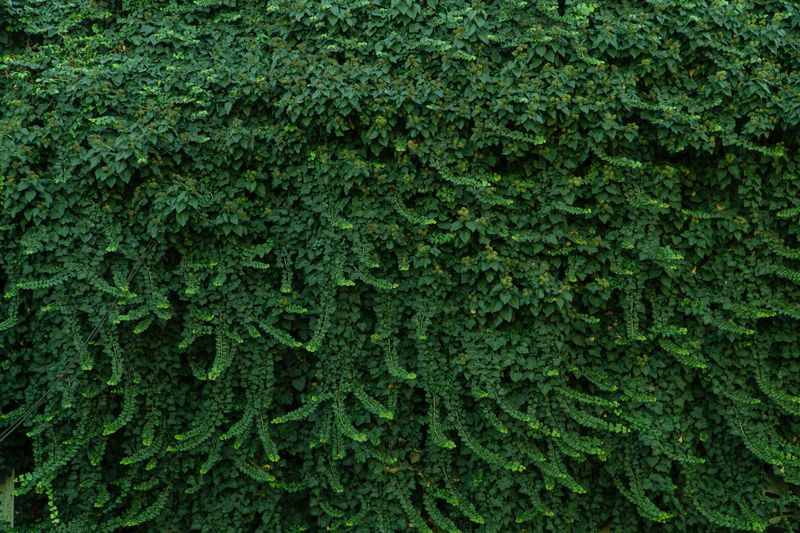
Wintercreeper looks tidy in a garden bed, and that is exactly why so many people plant it.
It stays green through winter, requires almost no care, and fills in bare spots fast. The problem is that it does not stop at your garden border and has no interest in staying where you put it.
This woody vine from East Asia spreads along the ground and climbs tree trunks with surprising speed. Once it reaches a tree canopy, it can girdle branches and weaken the entire structure over time.
On the forest floor, wintercreeper forms dense mats that block light and nutrients from native spring wildflowers. Trilliums, bloodroot, and wild ginger simply cannot compete with that kind of aggressive ground cover.
Small patches can be hand-pulled, but the roots are stubborn and tend to snap off underground. Every fragment left behind has the potential to resprout and start the whole process over again.
Larger infestations may require repeated removal sessions across multiple seasons. Persistence matters more than perfection when tackling a plant this tenacious.
Check shaded areas near your fence, along tree bases, and at the edges of wooded sections of your property. Those are the spots where wintercreeper quietly expands while no one is watching.
Native ground covers like wild ginger, green-and-gold, or creeping phlox are excellent replacements. They fill space beautifully without the invasive tendencies that make wintercreeper such a persistent headache for gardeners and land managers alike.
4. Burning Bush Is Pretty In Fall And Problematic All Year
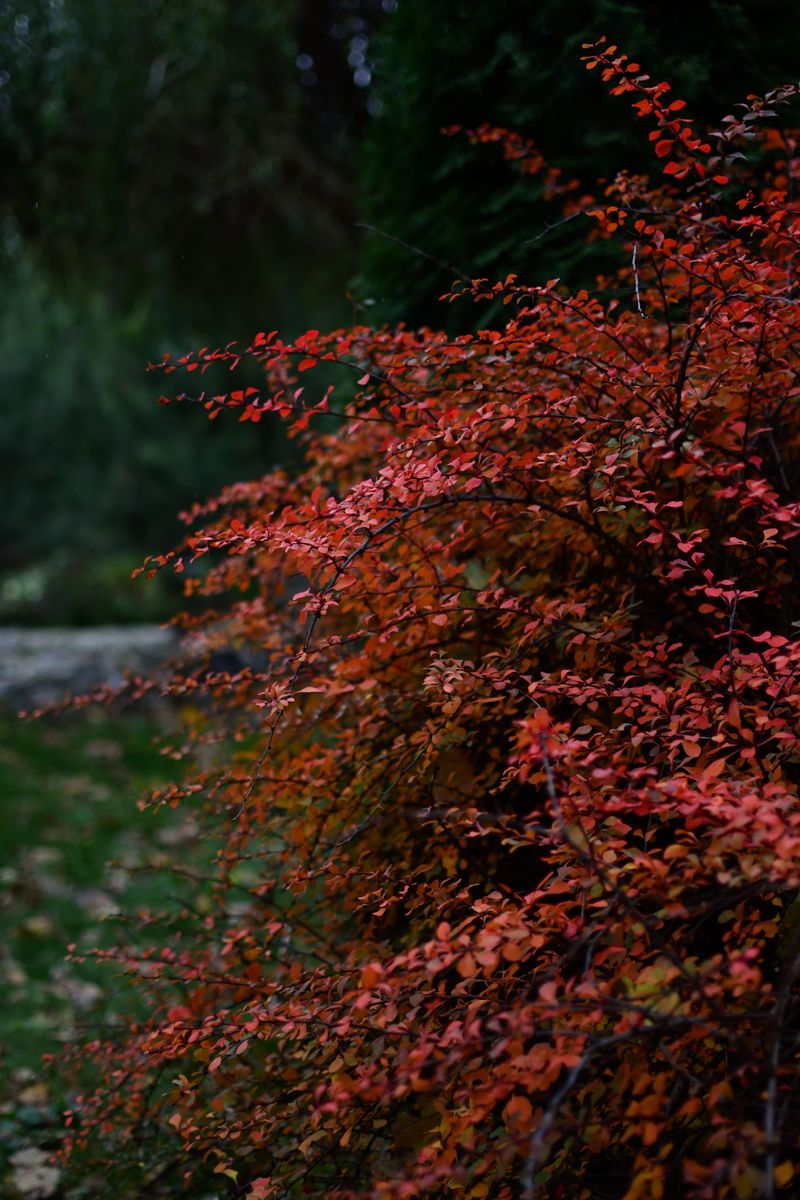
Autumn turns burning bush into a showstopper, and that fiery red color is why millions of these shrubs ended up in American landscapes.
Nurseries sold it for decades as a foolproof ornamental. What they did not advertise was how efficiently birds spread its seeds into natural areas far beyond any backyard border.
Once burning bush escapes into the wild, it forms dense thickets in forest understories and open fields. It shades out native shrubs and wildflowers that local insects, birds, and mammals depend on for food and shelter.
The plant is already regulated or banned in several states, and conservation groups in the Midwest are pushing for broader restrictions. If your yard has one, it may be contributing to seed spread each fall.
Removing a burning bush is not complicated, but it does take the right approach. Smaller shrubs can be dug out with a sharp spade, making sure to get as much of the root ball as possible.
Larger, established plants may need loppers and a more thorough root excavation to prevent regrowth. Check the surrounding area for seedlings, because they tend to pop up in mulch beds, lawn edges, and nearby wooded spots.
Native alternatives like native viburnums, itea, or oakleaf hydrangea offer gorgeous fall color without the ecological baggage. Making the swap is a small effort that pays off for the entire neighborhood ecosystem.
Your yard can still be stunning in October without burning bush anchoring the show.
5. Japanese Honeysuckle Climbs Fast And Crowds Out Native Plants
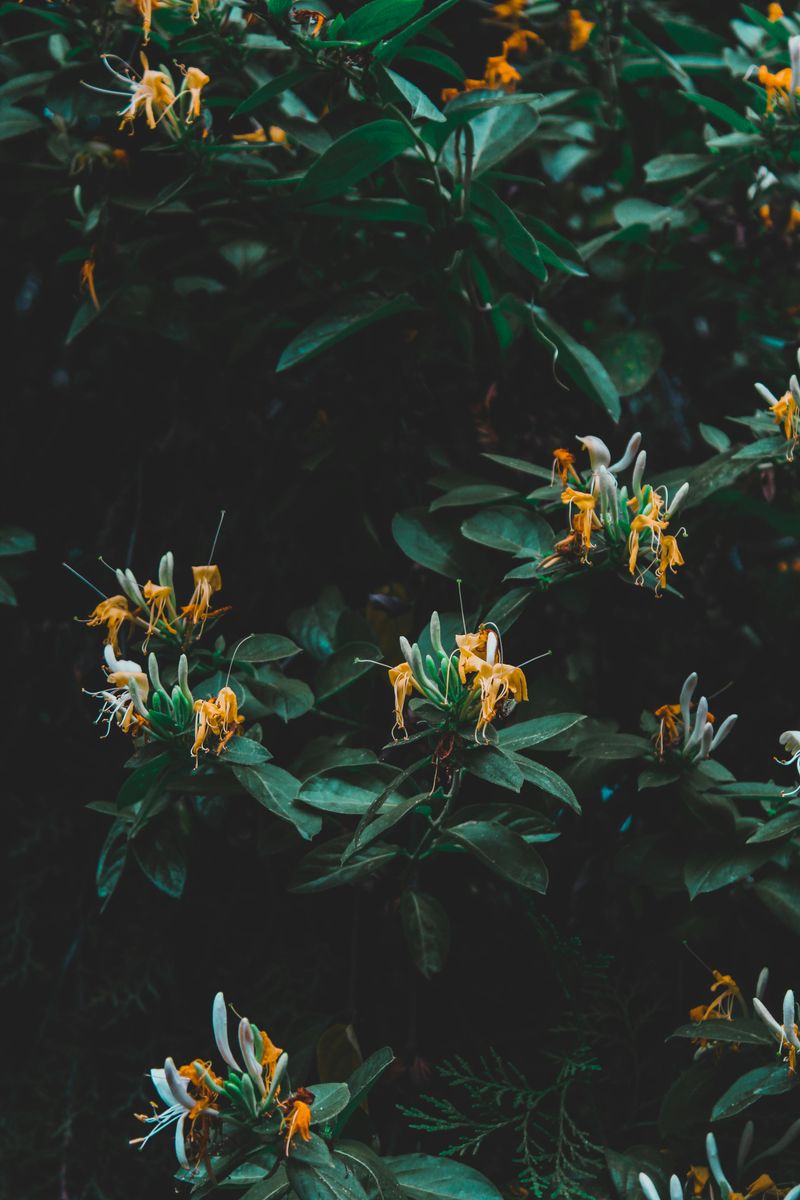
That sweet fragrance drifting through summer air might be coming from one of the Midwest’s most problematic vines.
Japanese honeysuckle smells incredible, and that sensory charm has fooled generations of gardeners. This vine is relentless and has been reshaping natural areas across the eastern half of the country for over a century.
Introduced from Asia in the early 1800s as an ornamental ground cover, no one anticipated how aggressively it would spread into forests, fields, and roadsides.
The vine twines around young trees and shrubs, eventually girdling stems and cutting off the flow of water and nutrients. Entire thickets of native shrubs can collapse under the weight and pressure of a mature Japanese honeysuckle infestation.
Hand-pulling works well on young plants, especially after rain when roots come out more cleanly. Older vines with woody bases need loppers and persistent follow-up, since regrowth from roots is common and fast.
Check fences, tree lines, and the edges of garden beds where this vine tends to sneak in unnoticed. Early summer removal before seed set is the most effective timing for long-term control.
Native alternatives like coral honeysuckle offer similar climbing habit and beautiful tubular flowers. Better yet, coral honeysuckle attracts hummingbirds and native bees, which makes it a far better investment for your outdoor space.
Smelling good is not enough of a reason to let this one stay.
6. Autumn Olive Looks Harmless Until It Rewrites Your Soil
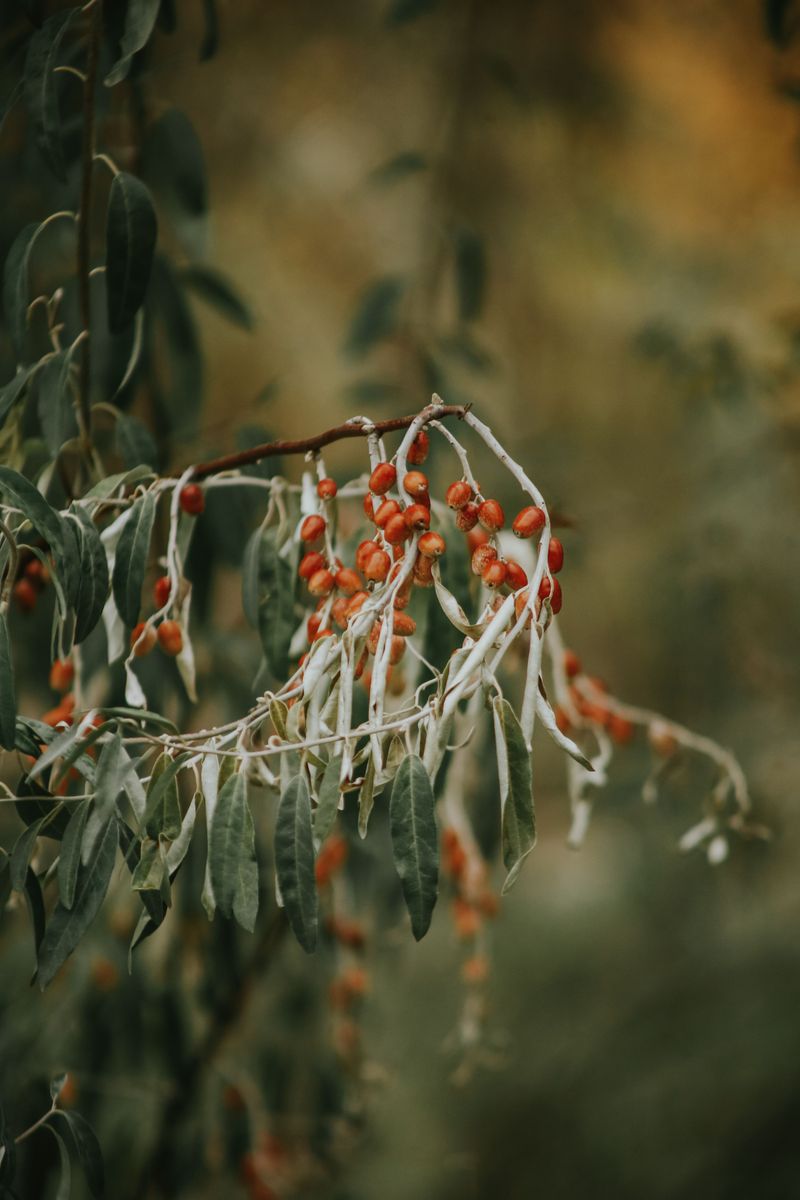
Autumn olive has a talent for looking like it belongs wherever it grows.
The silvery leaves are attractive, the small red berries are plentiful, and wildlife clearly enjoys the fruit. For years, land managers actually planted it intentionally for wildlife habitat and erosion control on disturbed soils.
The problem runs deeper than the berries, quite literally. Autumn olive fixes nitrogen in the soil through root nodules, which sounds helpful until you realize it fundamentally alters soil chemistry.
That altered chemistry favors the plant’s own growth and makes conditions less hospitable for native species that evolved in lower-nitrogen environments. Over time, it reshapes entire plant communities in ways that are very difficult to reverse.
A single mature shrub can produce up to 80 pounds of berries in a good season. Birds eat those berries enthusiastically and deposit seeds across open fields, roadsides, and forest edges throughout the region.
Young plants pulled before their first fruiting season make the biggest difference. Target them in late spring when the distinctive silvery undersides of the leaves make them easy to spot among native vegetation.
Larger shrubs require cutting at the base followed by stump treatment to prevent resprouting. Leaving cut material on-site is risky, so bagging and removing it reduces the chance of any seeds spreading further.
Native shrubs like elderberry, wild plum, or native roses provide similar wildlife benefits without the soil-altering consequences that make autumn olive such a stubborn long-term challenge.
7. Multiflora Rose Fills Empty Spaces With Thorns And Trouble
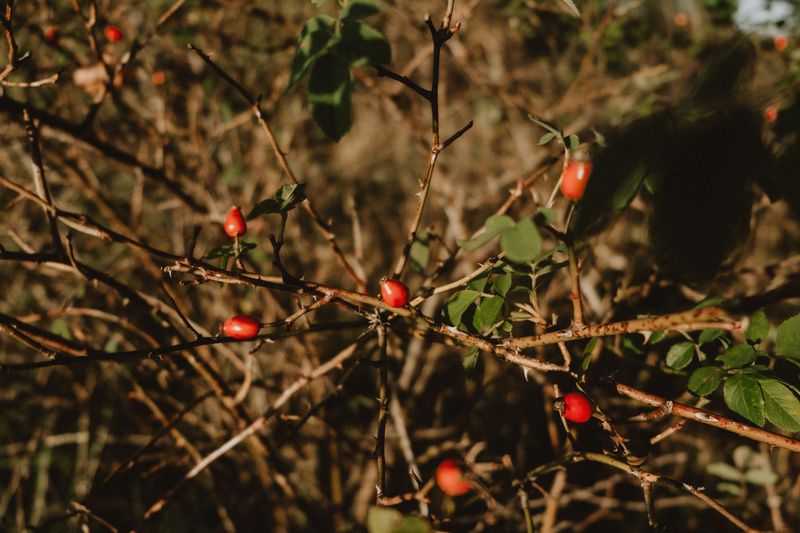
Image Credit: © Julia Filirovska / Pexels
Multiflora rose does not ask permission before taking over a field.
This thorny shrub from East Asia was introduced in the late 1800s as rootstock for ornamental roses, then widely promoted in the mid-1900s as a living fence and for wildlife habitat improvement.
Birds spread the seeds with remarkable efficiency, helping the plant establish itself in fields, forest edges, and stream banks. Within a few years, a single plant becomes a thicket that crowds out everything nearby.
Each shrub produces thousands of small red rose hips every fall, and those hips persist through winter. That means birds have months to distribute seeds across a wide area before spring even arrives.
Removing young plants by hand or with a shovel before they develop woody stems is the most efficient approach. Older shrubs require loppers, heavy gloves, and serious patience, because the thorns are sharp enough to puncture standard garden gloves.
Cutting without treating the stump leads to rapid resprouting from the base. Repeated cutting over two to three seasons can eventually exhaust the root system, though it takes real commitment to see results.
Check pasture edges, fencerows, and any disturbed ground on your property where birds perch regularly. Those are prime multiflora rose hotspots that often go unnoticed until the shrub is already well established.
Native roses like Carolina rose or pasture rose offer beautiful blooms and wildlife value without the invasive tendencies that make multiflora rose such a persistent problem across the state.
8. Sericea Lespedeza Is The Invasive Most Missourians Overlook
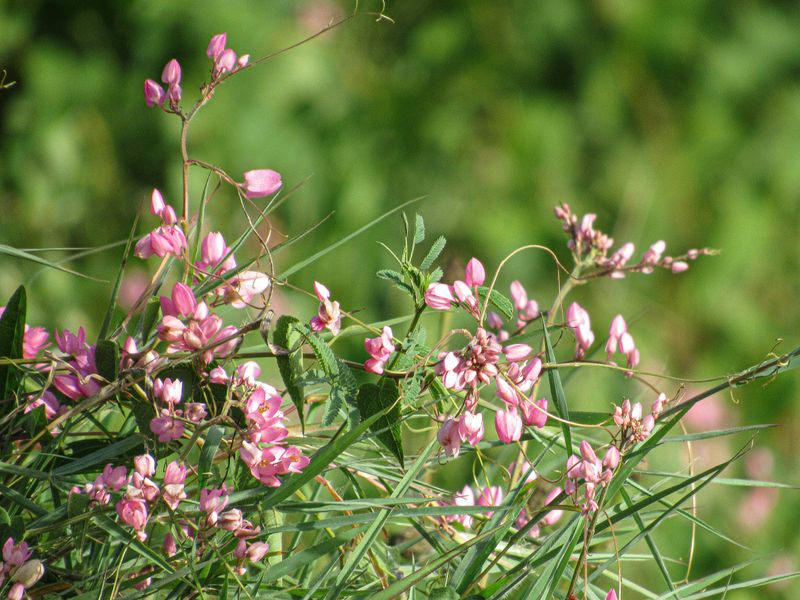
Image Credit: © Marcos Sánchez / Pexels
Most people have never heard of sericea lespedeza. That anonymity is part of what makes it so dangerous.
While gardeners focus on flashier invaders, this perennial legume spreads quietly. It moves across pastures, roadsides, and open woodlands throughout the state.
Introduced from Asia in the early 1900s for erosion control and forage, it seemed like a practical solution at the time. Decades later, land managers across the Midwest are still dealing with the consequences of that decision.
The plant produces high tannin levels that make it unpalatable to cattle and deer, so competing vegetation gets eaten while sericea does not. That selective avoidance gives it a serious advantage in grazed pastures across Missouri.
Seeds remain viable in soil for years, making eradication a multi-season commitment. Early summer pulling before seed set is the most effective control strategy available to homeowners.
Look for upright stems two to four feet tall with small, oblong leaflets. Pink-purple flowers appear in late summer, so removing plants before bloom prevents another round of seed production.
Replacing infested areas with little bluestem or black-eyed Susan helps reclaim lost ground. Knowing this invasive by name is the first step toward stopping it.